

International
Trump ‘resorted to crimes’ to overturn 2020 election, prosecutors say
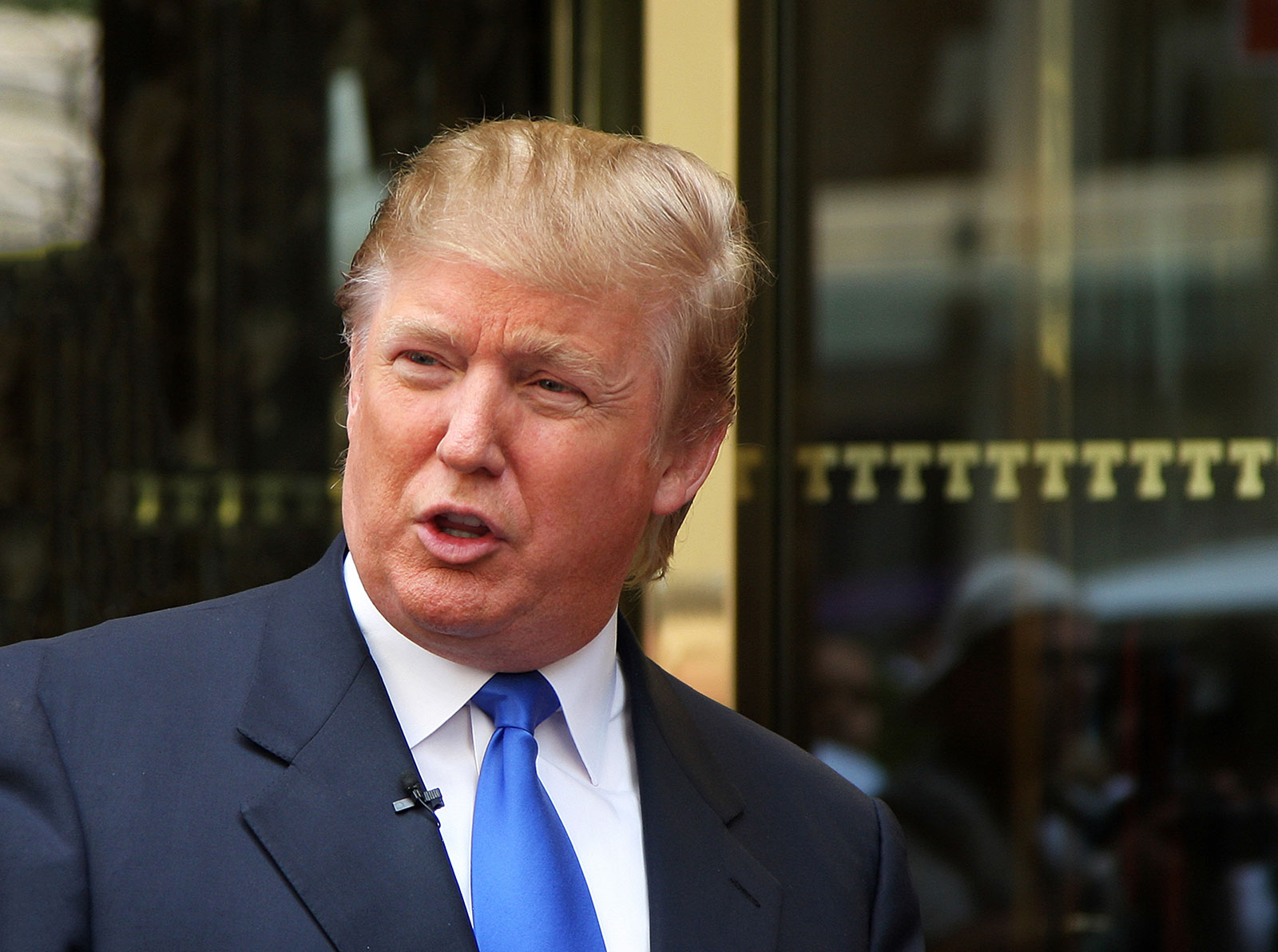
Trump ‘resorted to crimes’ to overturn 2020 election, prosecutors say
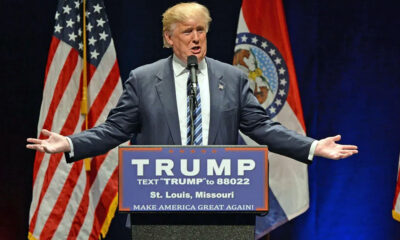
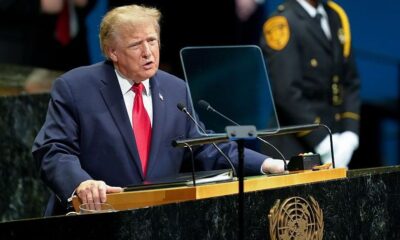
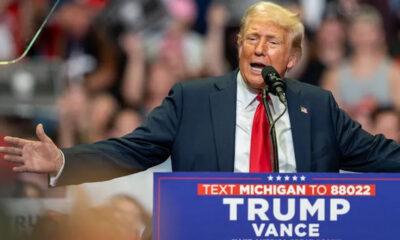
Donald Trump “resorted to crimes” in an effort to overturn his 2020 election defeat, prosecutors allege in a new court filing that argues the former president is not immune from charges.
Special Counsel Jack Smith, the prosecutor appointed to lead the election interference case against Trump, submitted the filing, which was publicly released on Wednesday.
The filing challenges Trump’s claim that he is protected by a landmark Supreme Court ruling this summer that grants broad immunity from prosecution for official acts conducted while in office.
Since there will be no trial before Trump, a Republican, vies with his Democratic rival Kamala Harris for the White House in next month’s election, the 165-page court document may be the last chance for prosecutors to outline their case.
In Wednesday’s filing, prosecutors allege Trump was not always acting in an official capacity and instead engaged in a “private criminal effort” to overturn the 2020 results.
The document is an effort by prosecutors to advance the criminal case against Trump following the Supreme Court ruling in July.
It prompted prosecutors to narrow the scope of their indictment. That is because the ruling did not apply immunity to unofficial acts, leading prosecutors to argue that while Trump may still have been in office some of his alleged efforts to overturn the election were related to his campaign and his life as a private citizen.
READ ALSO:
- Gaza school strike which killed 22 targeted one Hamas figure, BBC told
- Lookman scores as Atalanta seal UCL victory over Shakhtar
- Couple abducted in gunmen attack on Edo
The court should “determine that the defendant must stand trial for his private crimes as he would any other citizen,” Mr Smith wrote in the new filing.
The case has been frequently delayed since charges were filed by the Department of Justice more than a year ago accusing Trump, who denies wrongdoing, of seeking to illegally block the certification of President Joe Biden’s victory.
The filing lays out several instances in which Trump’s Vice-President, Mike Pence, expressed doubt about his boss’s voter fraud claims and tried to persuade him to accept he lost the election.
In the court document, prosecutors say Trump was not upset when he learned his vice-president had been rushed to a secure location as rioters stormed the Capitol on 6 January 2021. “So what?” he allegedly said, when informed of the scenes.
Pence would later go public about his falling out with Trump in the wake of the storming of Congress, when some rioters shouted “Hang Mike Pence” because the vice-president refused to obstruct the certification of election results.
Trump’s lawyers fought to keep the latest filing sealed, and campaign spokesman Steven Cheung called it “falsehood-ridden” and “unconstitutional”.
In a post on his Truth Social platform on Wednesday, Trump called it a “hit job” and said it “should not have been released right before the election”.
He accused prosecutors of “egregious” misconduct.
The filing offers new evidence and presents the clearest view yet of how prosecutors would seek to present their case against Trump at trial.
It alleges that he always planned to declare victory no matter the result, and laid the groundwork for this long before election day. It also accuses him of knowingly spreading false claims about the vote that he himself deemed “crazy”.
Mr Smith also provides several new details about the Trump campaign’s alleged role in sowing chaos in battleground states, where a large number of mail-in ballots were being counted in 2020 because of the Covid-19 pandemic.
In the Democratic stronghold of Detroit, Michigan, when a large batch of ballots seemed to be in favour of Biden, a Trump campaign operative allegedly told his colleague to “find a reason” that something was wrong with the ballots to give him “options to file litigation”.
The filing also claims that Trump and his allies, including lawyer Rudy Giuliani, sought to “exploit the violence and chaos at the Capitol” on 6 January 2021 to delay the election certification. They allegedly did this by calling senators and leaving voicemails that asked them to object to the state electors.
Trump said on Wednesday that the case would end with his “complete victory”. A trial date has not been set.
Trump ‘resorted to crimes’ to overturn 2020 election, prosecutors say







International
400 French Schools Shut as Students Protest Teacher Shortages, Poor Facilities
400 French Schools Shut as Students Protest Teacher Shortages, Poor Facilities
Students across France have staged demonstrations over what they describe as deteriorating conditions in the country’s public schools, including overcrowded classrooms, teacher shortages, poor facilities and inadequate funding.
The protests, which began in the Paris region, have spread to several cities, including Marseille, Strasbourg, Lyon, Lille, Rennes and Toulouse, disrupting activities in hundreds of schools.
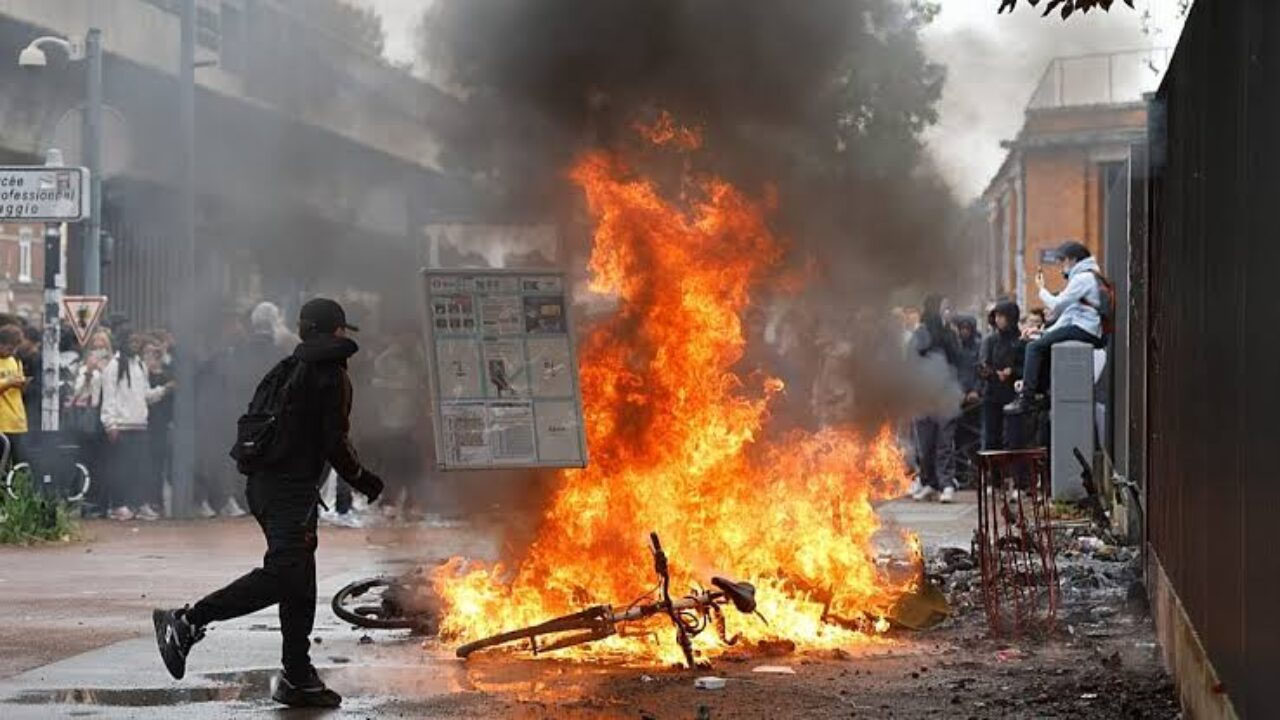
Students have blocked school entrances and staged demonstrations outside their schools, while some protests have escalated into clashes with police, vandalism and fires.
Authorities said the unrest had affected more than 1,000 high schools, with about 400 schools expected to remain closed because of blockades or damage.
The students’ complaints centre on several issues affecting their daily learning experience. They have reported classrooms with as many as 35 to 40 students, shortages of teachers and other school staff, damaged buildings and inadequate classroom facilities.
Some students have also complained about long school days, staff absences and periods without teachers for particular subjects.
At some schools, students and parents have raised concerns about the condition of buildings, including leaks and other maintenance problems. Complaints have also been made about uncomfortable classroom temperatures during periods of hot weather.
READ ALSO:
- 10 Things to Know About Amos Dangut, Nigerian Appointed WAEC Registrar
- Olu Jacobs Laid to Rest in Lagos as Dignitaries, Nollywood Stars Honour Screen Icon
- Court Remands Man Accused of Impersonating JAMB Registrar in Kuje Prison
The demonstrations have, however, been accompanied by incidents of violence and vandalism in some locations. Police have reported confrontations with protesters, while some school entrances and surrounding property have been damaged.
France’s Education Ministry said 65 education workers, including 40 school heads, had been injured during the unrest. Police officers have also sustained injuries in some clashes.
French authorities said more than 2,000 people had been arrested since the protests began, with most of those detained reported to be teenagers.
The government has acknowledged concerns about school conditions and education resources, while condemning acts of violence and destruction. Officials have also warned that violent groups could exploit the demonstrations.
Education Minister Édouard Geffray has announced plans for discussions involving students, teachers’ unions and parents to address concerns raised during the protests.
The unrest has also brought attention to France’s proposed 2027 education budget. The planned allocation is expected to increase by 1.7 per cent to about €65.53 billion, excluding teacher pensions, although the increase is below the current inflation rate.
Teachers’ unions have separately announced a nationwide strike, adding pressure on the government to address concerns over staffing, working conditions and education funding.
While students have continued to demand improvements in their schools, the authorities are working to restore normal operations in affected institutions and prevent further violence.
The protests have placed France’s education system under renewed scrutiny, with the availability of teachers, classroom sizes, school infrastructure and education funding emerging as central issues in the dispute.
400 French Schools Shut as Students Protest Teacher Shortages, Poor Facilities
International
Trump Threatens Iran With ‘Very Hard’ Response Over Flydubai Attack

Trump Threatens Iran With ‘Very Hard’ Response Over Flydubai Attack
US President Donald Trump has warned that Iran would face a “very hard” response if investigators establish that Tehran was connected to the attempted attack on a Flydubai passenger aircraft bound for Israel.
Trump made the statement on Thursday as authorities continued investigating the motive behind the Flydubai cockpit attack, in which the co-pilot allegedly stabbed the captain and caused the aircraft to plunge thousands of feet before passengers and other crew members intervened.
Asked at the White House whether the co-pilot had links to Iran, Trump indicated that investigators were examining the possibility.
“Based on what I’m hearing, yes,” Trump said, while stressing that the matter was still being investigated. He later warned that Iran would be hit “very hard” if Tehran was found to have been involved.
The incident occurred on Flydubai flight FZ1073, which was travelling from Dubai in the United Arab Emirates to Tel Aviv, Israel, on September 30.
READ ALSO:
- Phyna Knocks Out Nkechi Blessing in Fourth Round, Wins ₦50m, New Car
- NDC Protests Police Cancellation of Obi-Kwankwaso March in Akwa Ibom
- 2027 Hajj: Nigeria Secures 10,000 Extra Slots, Allocation Hits 60,000
The aircraft was carrying more than 170 passengers when the co-pilot, identified by Israeli authorities as an Omani national, allegedly attacked the captain in the cockpit. The aircraft then entered a steep descent, dropping more than 14,000 feet in about 30 seconds, according to reports.
The injured captain managed to open the cockpit door, allowing passengers to enter and overpower the co-pilot. Passengers and crew then helped stabilise the aircraft, while reserve pilots aboard the flight took control.
The aircraft eventually made an emergency landing in Tabuk, Saudi Arabia, where the injured captain received medical attention and the suspect was taken into custody.
The incident has generated competing assessments over the possible motive. Israeli Prime Minister Benjamin Netanyahu has said the co-pilot appeared to have been radicalised, but he also indicated that it was too early to determine whether Iran was involved.
The United Arab Emirates has launched an investigation into the circumstances of the incident, including whether it involved terrorism, prior planning or direction from an outside actor. Authorities have yet to publicly establish an Iranian role.
Reuters reported that the motive remained unclear, while investigators from several countries were examining the incident. Flydubai has also suspended its flights between Dubai and Israel as investigations continue. (Reuters)
The incident comes amid heightened US-Iran tensions, with Washington already increasing its military presence in the Middle East. Trump’s warning has therefore added to concerns that confirmation of an Iranian connection could trigger further escalation.
For now, however, the alleged Iran-Flydubai link remains under investigation, and no publicly released evidence has established that Tehran directed or supported the cockpit attack. (AP News)
Trump Threatens Iran With ‘Very Hard’ Response Over Flydubai Attack
International
Israeli Actor, Flight Instructor Among Two Killed In California Plane Crash
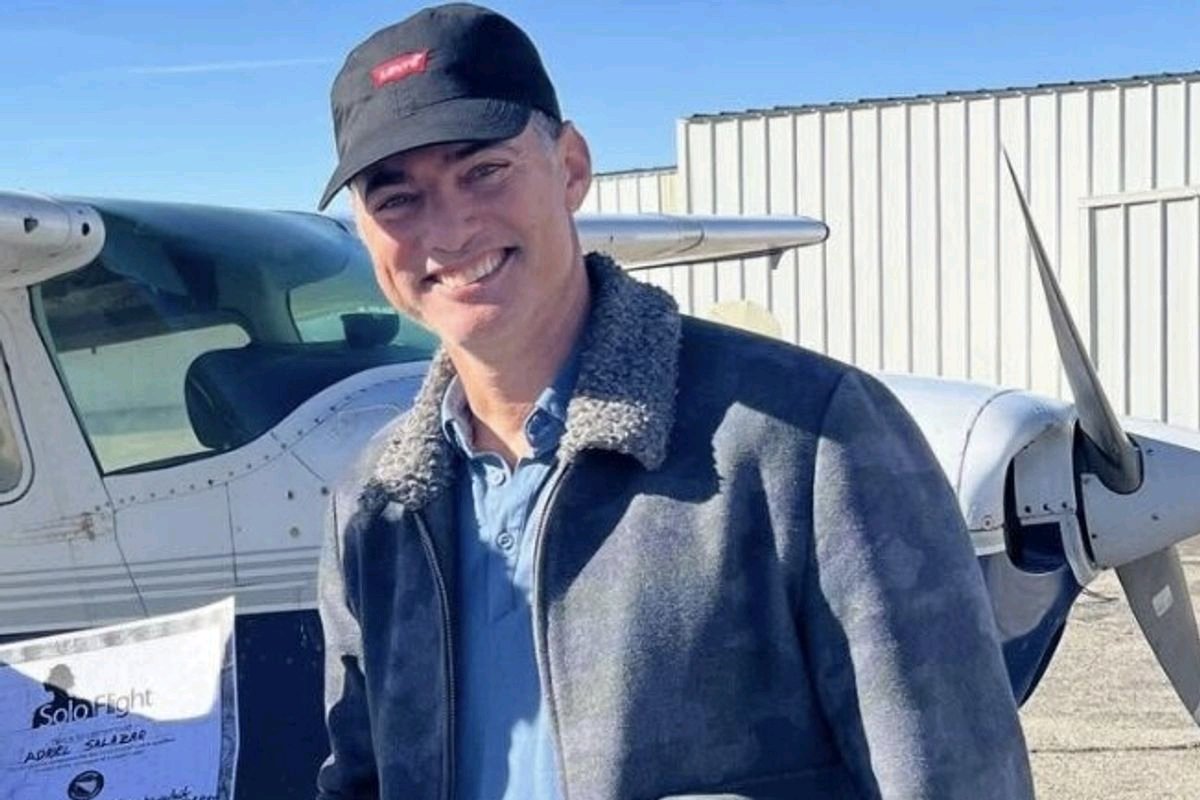
Israeli Actor, Flight Instructor Among Two Killed In California Plane Crash
Israeli actor and flight instructor Guy Kapulnik, 46, and his passenger, Taylor Laska, 33, have died after a light aircraft crashed into a field in California, United States.
The fatal crash occurred on Thursday, September 24, 2026, near Hesperia in San Bernardino County.
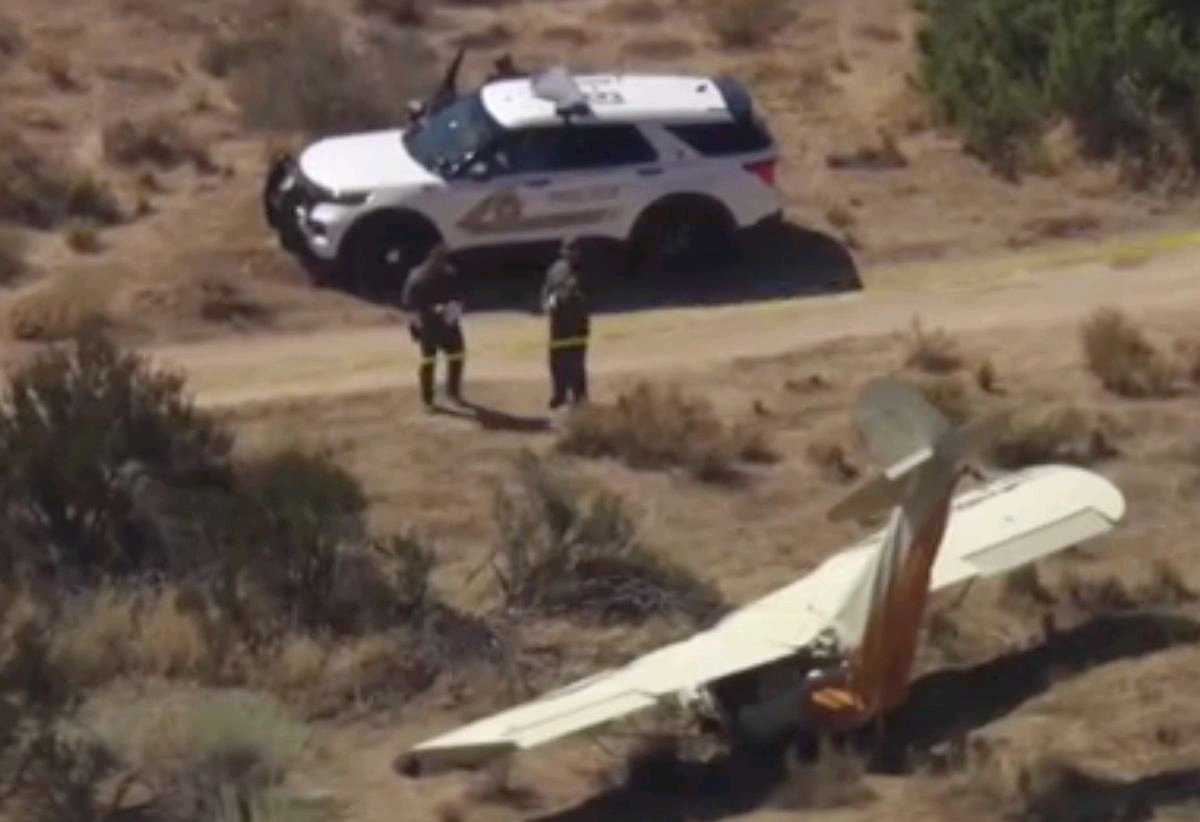
Emergency responders were alerted to the crash shortly before 10am after the small aircraft went down in an open field.
Both occupants were pronounced dead at the scene.
READ ALSO:
- Flood Cuts Off Part of Agbarho-Ughelli Road, Strands Commuters in Delta
- Dangote Draws Battle Lines as Fuel Import Fight Heads Back to Court
- Tinubu Returns After 30 Days in Europe, Says ‘I’m Healthy and Ready to Work’
The aircraft, identified as a single-engine Aeronca 7AC Champion, crashed near Summit Valley Road and Telephone Canyon Road, about three miles from Hesperia Airport.
Authorities have launched an investigation into the incident, but the cause of the crash had not been established as of Wednesday.
Kapulnik was not only a pilot and flight instructor but also an actor who appeared in several Israeli and international film productions.
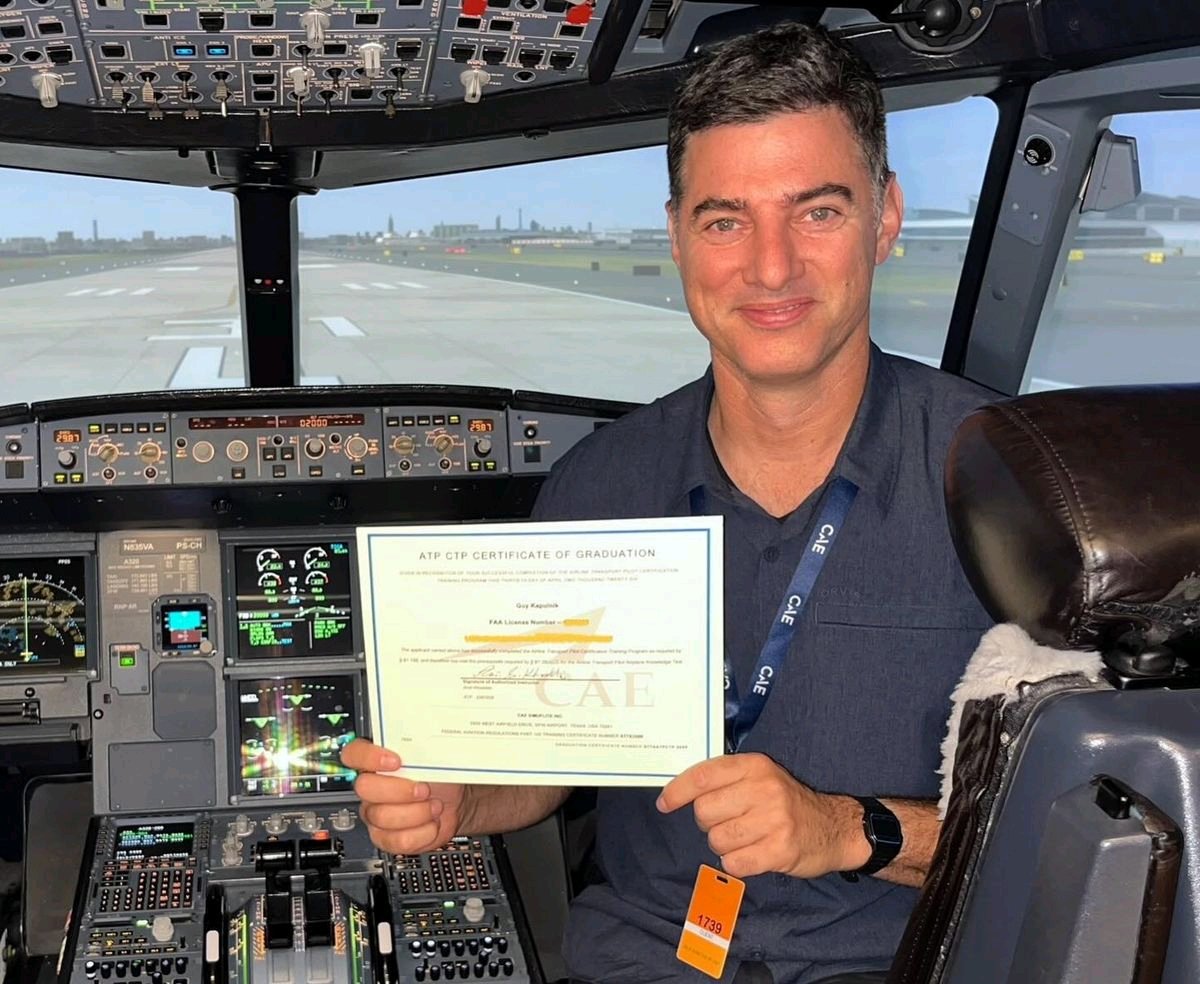
He trained at the Nissan Nativ Acting Studio in Jerusalem before building a career in the entertainment industry. His acting credits included Room 514, Salsa Tel Aviv, Watch Over Me and Lebanon.
After moving to Los Angeles, Kapulnik continued acting while pursuing his passion for aviation. He obtained his pilot’s licence and later became a certified flight instructor.
His aviation career saw him teach aspiring pilots, with friends and former students describing him as passionate about flying and committed to helping others learn.
Kapulnik had also previously served as an officer in Israel’s elite Unit 669, a specialised search-and-rescue unit.
His death has triggered an outpouring of tributes from friends, colleagues and people who knew him through aviation and acting.
Those who knew him remembered him as an adventurous and energetic man who pursued several passions throughout his life, including acting, flying and life at sea.
The passenger, Laska, was also killed in the crash.
Investigators from the relevant aviation authorities are continuing to examine the wreckage and circumstances surrounding the incident to determine what caused the aircraft to crash.
Kapulnik’s funeral is expected to take place in Israel.
Israeli Actor, Flight Instructor Among Two Killed In California Plane Crash
-
 metro2 days ago
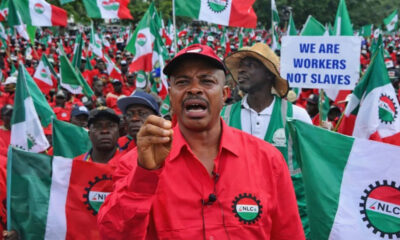
Workers to Begin Nationwide Warning Strike Over Petrol Price, Wage Award
-
 Politics2 days ago
2027: Amaechi Recalls How APC Defeated PDP, Orders ADC Mobilisation
-

 metro2 days ago
[UPDATED] Imo Highway Attack: 10 Rescued after Gunmen Abducted NYSC Prospective Members
-
 Business2 days ago
Dangote Sets 40-Month Deadline for $16bn East Africa Refinery in Kenya
-
 Entertainment1 day ago
Phyna Knocks Out Nkechi Blessing in Fourth Round, Wins ₦50m, New Car
-
 News2 days ago
Independence Day: Tinubu Unveils Plan to Cut Living Costs, Expand Jobs
-
 Politics2 days ago
2027: Wike Vows to Resign If Tinubu Loses FCT, Rivers
-
 metro2 days ago
Nigeria at 66: MURIC Urges Unity, Peace, Justice Ahead of 2027 Elections