
Business
Dollar to exchange for N1,993 by 2028 — Fitch
Dollar to exchange for N1,993 by 2028 — Fitch
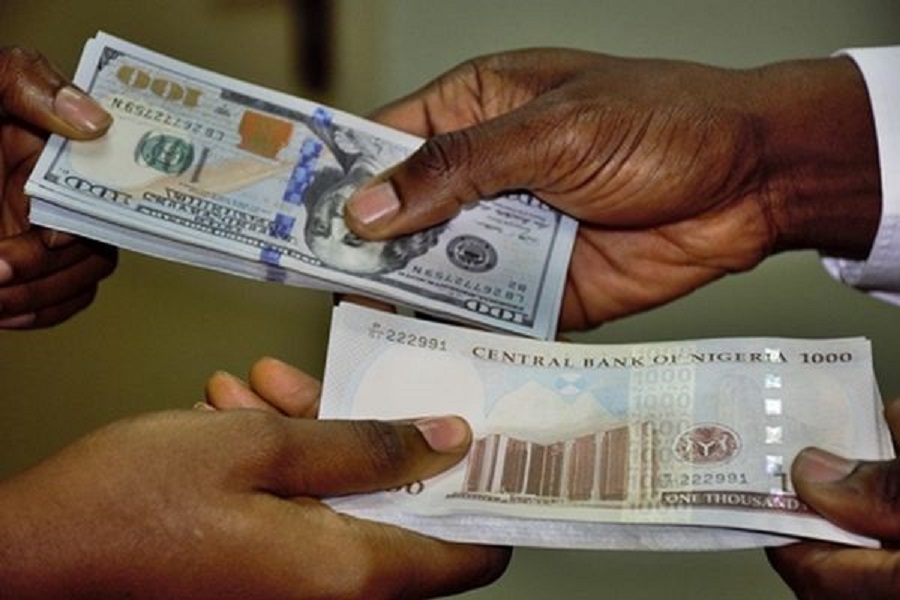
Fitch Solutions, a financial intelligence service provider, has predicted that the Naira would depreciate to N1,993 per USdollar by 2028.
A report by the company’s subsidiary, BMI Research, further said despite expected rebound in the economy, Nigeria’s medical devices market will continue to face operational and demand headwinds over the near term.
“Nigeria’s medical device market will grow at a 2023-2028 compound annual growth rate (CAGR) of 10.8% in local currency terms and 9.6% in US dollar terms, taking market value to N171.1billion (USD344.7million) by 2028,” the report said.
It added, “We do believe that improving health spending through a focus on universal health coverage coupled with large population size and double burden of chronic and communicable diseases will sustain high demand for all medical devices, particularly diagnostics, consumables and hospital equipment over the near to medium term.
“For instance, in 2022, the country signed the National Health Insurance Authority Bill into law, making health insurance mandatory for citizens and legal residents.”
Listing Sanofi and GlaxoSmithKline as firms that left the country due to the naira devaluation, the report said the continued weakness of the currency would increase medical device import costs and erode consumer purchasing power.
READ ALSO:
- Kyari dismisses claims of refinery sabotage
- NJC dispels death rumours of two judges that affirmed Tinubu’s election
- Things will get better, Tinubu, Sanwo-Olu assure Nigerians
According to the Fitch’s subsidiary, several challenges remain for local manufacturing of medical devices to take off in Nigeria, despite government incentives.
“Similar to other markets in sub-Sahara Africa, Nigeria heavily relies on medical device imports, with reliance of over 95%. We expect that the naira will end 2028 at N1993/USD from N306/USD in 2018.
“As the naira weakens, the cost of importing medical devices will continually increase, eroding both the health system and patient purchasing power especially to invest in essential medical technologies given underfunding of the public health sector.
“This would particularly affect high-cost demand for devices such as diagnostics, orthopaedics and dental products.
“On the export front, a weaker naira will enhance the competitiveness of locally manufactured medical devices, fostering growth in the sector.
“For instance, in June 2024, President Bola Ahmed Tinubu signed an executive order to reduce medical service costs amid high inflation.
“This order eliminates tariffs, excise duties as well as VAT on specific machinery, equipment, and raw materials, aiming to cut local production costs and enhance competitiveness.
“The order targets healthcare products including pharmaceuticals, diagnostics, medical devices, biologicals and medical textiles.”
Dollar to exchange for N1,993 by 2028 — Fitch








Business
Ahimie Makes History as CIS Elects First Female President
Ahimie Makes History as CIS Elects First Female President
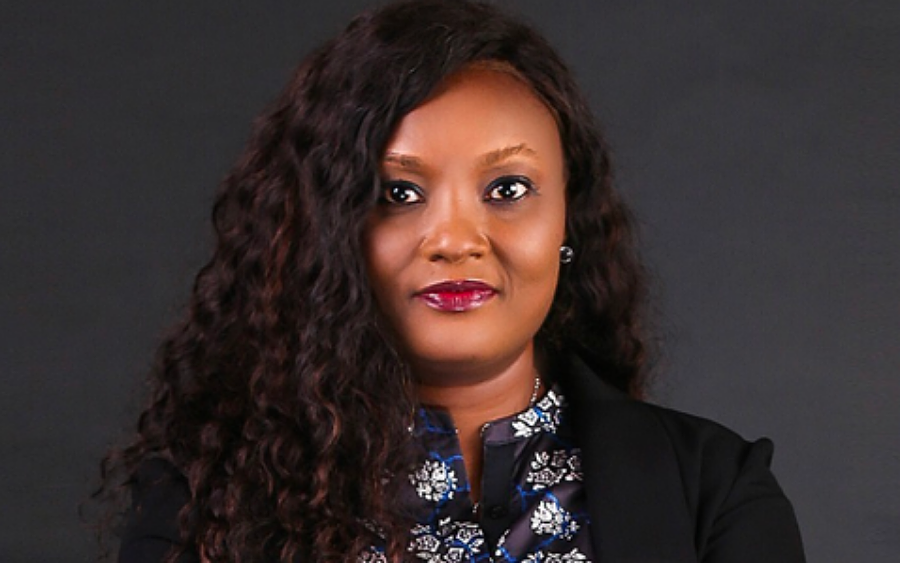
In a landmark development for Nigeria’s capital market community, Fiona Ahimie has been elected as the 14th President and Chairman of the Council of the Chartered Institute of Stockbrokers (CIS), becoming the first woman to hold the prestigious position since the Institute’s establishment.
Her election by the Council represents a significant milestone in advancing gender inclusion and diversity within the leadership ranks of the Institute and the broader financial services sector. Stakeholders have described the development as a progressive step that reflects evolving attitudes toward women in leadership across Nigeria’s capital market.
Ahimie is set to succeed Oluropo Dada, whose tenure is expected to conclude ahead of the formal handover. She will be officially inaugurated on June 25, when her tenure as President and Chairman of the Council will commence.
Industry observers note that her emergence could inspire greater female participation in stockbroking and capital market governance, while also reinforcing the Institute’s commitment to professionalism, innovation, and inclusivity.
Ahimie Makes History as CIS Elects First Female President
Auto
Nord Rolls Out Single-Digit Car Loans to Shift Nigerians from Tokunbo into Brand-New Vehicles
Nord Rolls Out Single-Digit Car Loans to Shift Nigerians from Tokunbo into Brand-New Vehicles
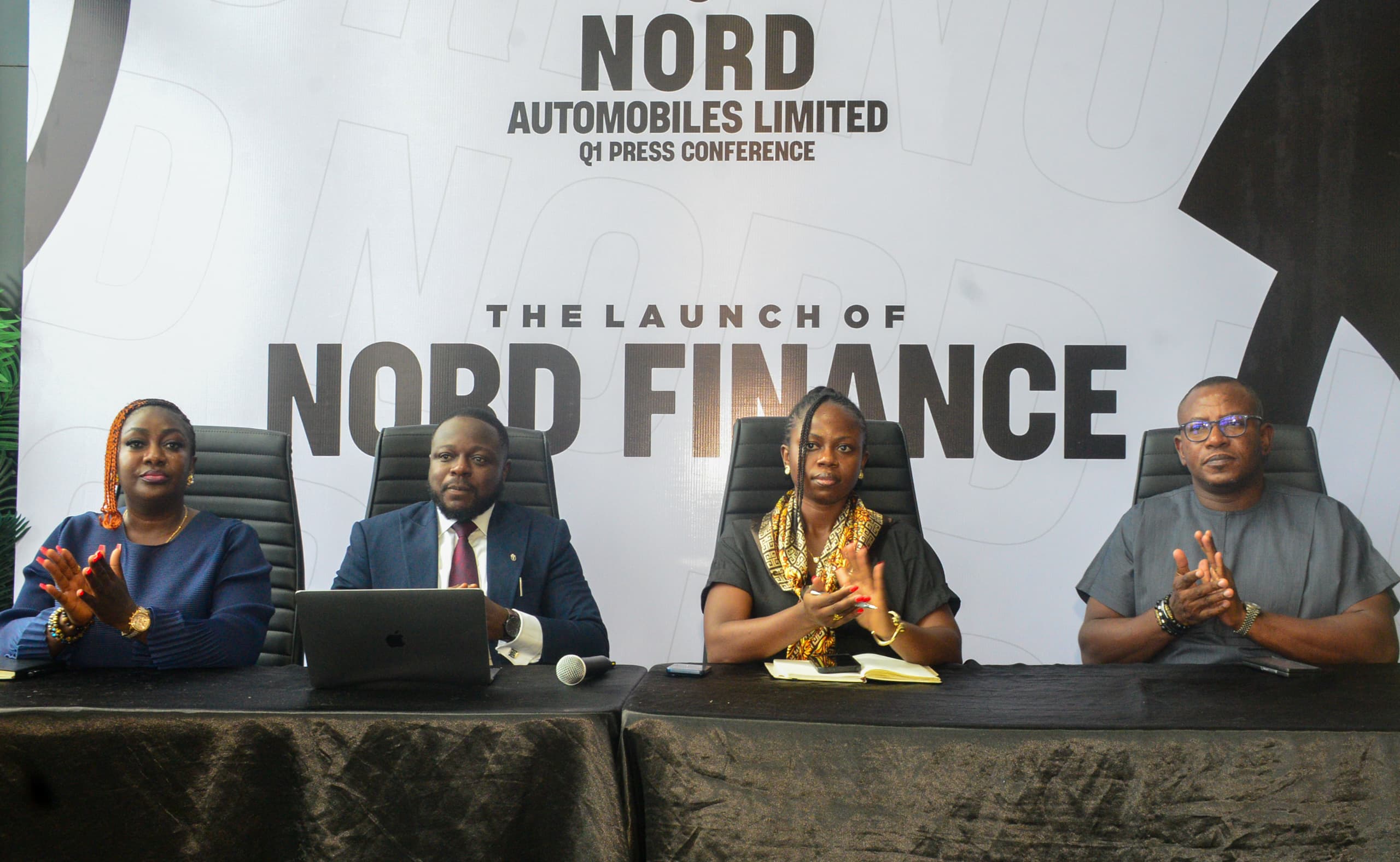
Nord Automobiles is targeting a major shift in Nigeria’s auto market with the rollout of a single-digit interest vehicle financing scheme, offering loans from as low as nine per cent to make brand-new cars more accessible to individuals and businesses.
The indigenous automaker said the initiative was designed to unlock demand for new vehicles and reduce the dominance of imported used cars, popularly known as Tokunbo.
The indigenous automaker unveiled the initiative, tagged Nord Finance, in Lagos on Tuesday, saying the plan would make vehicle ownership easier for individuals and businesses through flexible repayment options.
Chairman and Chief Executive Officer of Nord Automobiles, Mr Oluwatobi Ajayi, said the company was determined to change the long-standing culture of relying on used vehicles, which he described as costly to maintain, unreliable, and often unsafe.
“Our goal is to make more Nigerians drive brand-new vehicles,” Ajayi said.
“For too long, Nigerians have been used to Tokunbo cars. While tokunbo cars have played a role in improving access to mobility, there are growing concerns around their long term reliability, safety standards, and overall cost of ownership.
As we look to the future, it is important to gradually transition towards more structured, reliable, and locally supported vehicle solutions that can better serve Nigerians and strengthen our economy.”
He said the financing package offers interest rates starting from 9%, and repayment tenures of up to 48 months.
According to him, the arrangement allows buyers to spread the cost of a new vehicle over several years rather than paying huge lump sums upfront.
“This means that instead of looking for N10m or N15m at once to buy a vehicle, you can pay a smaller amount monthly and drive a reliable brand-new car,” he said.
“You do not have to worry about frequent breakdowns or visiting mechanics regularly, like many Tokunbo owners do.”
Ajayi explained that the scheme is being executed through Nord Finance Limited, a subsidiary of Nord Automobiles, in partnership with a commercial bank.
He noted that prospective buyers can access financing for any of Nord’s 11 passenger and commercial vehicle models, as well as four models under its electric vehicle brand, Tavet.
Nigeria remains one of Africa’s largest automobile markets, with annual demand estimated at about 500,000 vehicles. However, only a small percentage of that figure represents brand-new purchases, while the majority are imported used vehicles.
Ajayi said the company hoped the financing package would help convert a portion of the used-car market into demand for new, locally assembled vehicles.
“Nigeria is a very big market of over 200 million people, with demand for about 500,000 vehicles yearly. Unfortunately, only around 14,000 to 20,000 of those are brand-new vehicles, depending on the data source,” he said.
“We believe that with Nord Finance, even if we move just five per cent of the Tokunbo market into the new-car segment, it will be a major shift.”
He also said Nord vehicles are specifically designed to meet Nigerian driving conditions, unlike many imported models originally built for foreign markets.
The Nord CEO said, “We have seen that many vehicles brought into Nigeria were not designed for our roads, our fuel quality, or our weather.
“Our vehicles are robust; they have high ground clearance, cooling systems that can withstand Nigeria’s heat, and engines tuned to perform well with the fuel available here.”
Ajayi said Nord has the production capacity to meet rising demand, adding that the company assembles its vehicles in Epe and at the University of Lagos.
“When you buy a Nord, you are buying a vehicle built for you. It is durable, dependable, and gives peace of mind,” he added.
Founded in 2018, Nord Automobiles focuses on designing, assembling, and distributing locally made vehicles from its Lagos base, with a growing portfolio that includes passenger, commercial and electric models.
Railway
NRC Moves to Standardise Hygiene for Clean Trains, Safer Journeys Nationwide
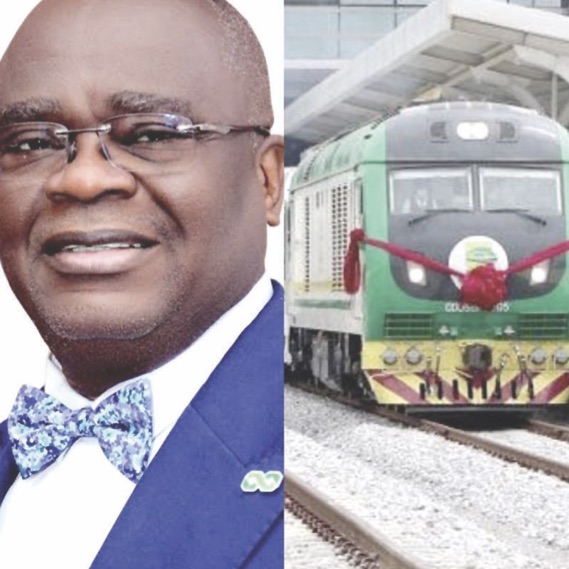
NRC Moves to Standardise Hygiene for Clean Trains, Safer Journeys Nationwide
In a move that signals a shift from routine maintenance to passenger-focused service delivery, the Nigerian Railway Corporation (NRC) has rolled out a nationwide cleanliness protocol aimed at raising safety, comfort and global competitiveness across its rail network.
At the heart of the initiative is a newly introduced Standard Operating Procedure (SOP) that sets uniform rules for cleaning train coaches and railway stations—an area the Corporation now describes as critical to operational success, not just aesthetics.
The SOP was unveiled in Lagos during a hands-on workshop that brought together cleaning contractors from across the country, marking what NRC management calls a “milestone” in repositioning the rail system.
Managing Director Kayode Opeifa made it clear that sanitation is no longer a back-end function but a frontline performance metric. According to him, the modern rail experience goes beyond punctuality, extending to how safe, clean and comfortable passengers feel from station to coach.
“Passengers judge us not only by our schedules but by the environment we provide,” he said, stressing that public confidence in rail transport is closely tied to visible hygiene standards.
The workshop, organised by the Corporation’s Business Processes, Efficiency and Due Diligence (BuPED) unit, also introduced a set of Quality Control Cleaning Codes designed to eliminate inconsistencies across locations and operators. For the 24 service providers in attendance, compliance is no longer optional—future contract evaluations will hinge strictly on adherence to the new benchmarks.
Director of BuPED, Oyekunle Oyewole, noted that the new regime would enforce measurable performance standards, ensuring that every contractor operates with the same level of professionalism nationwide.
Beyond immediate improvements, the NRC is positioning the reform as part of a broader strategy to prepare for an expanding rail network.
With new corridors such as Kano–Kaduna and Ibadan–Ilorin in the pipeline, the corporation is building what it describes as a multi-billion-naira ecosystem—one where service providers who meet today’s standards will play key roles in tomorrow’s operations.
The message from the NRC is clear: in the next phase of Nigeria’s rail revival, cleanliness is not cosmetic—it is core to safety, efficiency and passenger trust.

-

 metro1 day ago
Viral Threesome Video: Sisi Alagbo’s Husband Accepts Responsibility, Seeks Forgiveness
-

 Entertainment10 hours ago
Jubilation as Lateef Adedimeji, Mo Bimpe Welcome Triplet Boys
-

 metro2 days ago
“I Can’t Eat or Sleep”: Sisialagbo Cries Out, Begs For Forgiveness Over Leaked Video
-

 metro2 days ago
Police Officer Arrested After Shooting Handcuffed Suspect Dead in Viral Video
-

 metro2 days ago
ASP Nuhu: Viral Delta Police Shooting Raises Questions Over Officer’s Past
-

 Politics2 days ago
BREAKING: Court Bars INEC from Recognising Mark-Led ADC Congresses
-
 News1 day ago
Tinubu Nominates Tegbe as Minister of Power, Seeks Senate Confirmation
-
 Politics2 days ago
“Hamzat Is Scared of Primaries” — Lagos APC Aspirant Rejects Consensus Plan