

Health
FG to quarantine passengers from China amid virus surge
FG to quarantine passengers from China amid virus surge
The Federal Government says it will implement surveillance measures including quarantining air passengers coming into Nigeria from China, following a surge in respiratory virus cases attributed to the Human Metapneumovirus (HMPV).
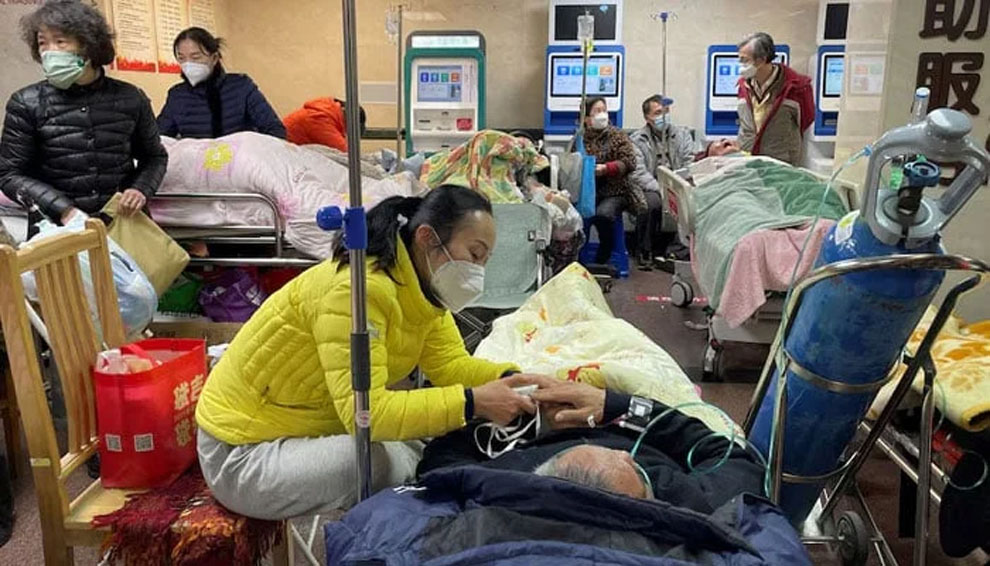
This, according to a PUNCH report, is in response to reports of overcrowded hospitals, emergency interventions, and growing public concern in China, where HMPV cases have spiked across northern provinces, particularly affecting children during the winter season.
The Nigerian authorities aim to monitor the situation closely to prevent potential spread within the country.
Neighbouring nations such as Cambodia, Taiwan, and Hong Kong are also taking precautionary measures, though they have reported only a few cases and no widespread outbreaks.
Health experts describe HMPV as a respiratory virus that can cause symptoms ranging from mild cold-like issues to severe complications, especially in children, the elderly, and those with low immune systems.
According to Chinese authorities, there has been a noticeable increase in HMPV cases, especially among children under 14 years old in northern parts of the country.
Social media posts, accompanied by videos of overcrowded hospitals, have raised fears of a larger-scale health crisis.
In response to the rising cases, the Chinese government announced measures, including constant monitoring of cases, the adoption of masks, social distancing and disinfection of public spaces to curb the increase of the virus.
READ ALSO:
- Delta resident stabs man to death for insulting his mother
- Ukraine launches new offensive in Russia’s Kursk
- El-Rufai speaks on report of defection to PDP
The new virus outbreak is coming five years after the emergence of coronavirus – COVID-19 – in Wuhan, China, which was declared a global pandemic by the World Health Organisation on March 11, 2020.
So far, COVID-19 has infected 777 million people globally and killed over seven million, according to WHO.
However, while both HMPV and COVID-19 are respiratory illnesses, there are important differences.
HMPV typically causes milder symptoms such as a cold or flu, while COVID-19, caused by the SARS-CoV-2 virus, can lead to more severe health complications and long-term effects.
HMPV is also a seasonal virus, similar to other cold-causing pathogens like RSV, and infections usually peak during the winter months.
HMPV, like COVID-19, spreads through respiratory droplets when an infected person coughs or sneezes and it can also spread via contaminated surfaces.
However, officials from the National Health Commission stated that while respiratory diseases are expected to rise during the winter months, the overall situation this year is less severe than last year.
Beijing also downplayed the developments as an annual winter occurrence.
China’s foreign ministry spokesperson Mao Ning said on Friday, “Respiratory infections tend to peak during the winter season.
“The diseases appear to be less severe and spread with a smaller scale compared to the previous year,” she said.
The US Centers for Disease Control and Prevention said HMPV could cause upper and lower respiratory diseases in people of all ages, especially among young children, older adults and people with weakened immune systems.
READ ALSO:
- Delta Gov Oborevwori under fire for hobnobbing with APC
- Why Fubara can do business with three lawmakers – Court
- As Hamas, Israel quarrel over talks, Israeli intensifies strikes in Gaza
The US CDC noted that HMPV is most likely spread from an infected person to others through secretions from coughing and sneezing, close personal contact and touching objects or surfaces that have the viruses on them, then touching the mouth, nose or eyes.
“Symptoms commonly associated with HMPV include cough, fever, nasal congestion and shortness of breath. Clinical symptoms of HMPV infection may progress to bronchitis or pneumonia and are similar to other viruses that cause upper and lower respiratory infections.
“The estimated incubation period is three to six days, and the median duration of illness can vary, depending upon severity but is similar to other respiratory infections caused by viruses,” the US CDC stated.
Meanwhile, health authorities in Nigeria are already implementing emergency measures to monitor and manage the spread of the HMPV.
The Director, Special Duties, Office of the Director-General of the Nigeria Centre for Disease Control and Prevention, Dr John Oladejo, told The PUNCH on Sunday that the Federal Government would implement preventive measures by activating surveillance measures to curb the spread of the virus.
“The FG will activate surveillance measures, like quarantine, for passengers coming in from China,” Oladejo said.
Earlier in November 2024, global health body WHO noted that it was closely monitoring the situation and was in close contact with national authorities in China, adding that it would continue to provide updates as warranted.
READ ALSO:
- WAEC announces resit exams for candidates from Jan/Feb 2025
- Hamas lists 34 hostages it may free under ceasefire
- Bandits demand N10m ransom to release abducted Kogi varsity lecturer
“WHO advises against the application of any travel or trade restrictions based on the current information available on this event,” the body added.
First detected in Pakistan in 2001, the HMPV has caused several outbreaks over the years in the Asian nation, primarily affecting children, but the virus is new to Africa as there haven’t been reported cases on the continent.
“Human Metapneumovirus was first identified in Pakistan in 2001, and outbreaks have been reported since then,” an official at the National Institute of Health, Islamabad, said.
“In 2015, a study conducted at Pakistan Institute of Medical Sciences found 21 cases of HMPV in children hospitalised with severe lower respiratory tract infections.”
Meanwhile, medical experts have stated that implementing surveillance measures against the virus was a crucial and appropriate step in ensuring that it doesn’t spread to the country.
They emphasised that surveillance should be an ongoing process carried out continuously by the government.
A virologist at the Department of Virology, College of Medicine, University College Hospital, Ibadan, Dr Moses Adewumi said, “On good day, surveillance should always be part of us. What happens most times is that despite the amount that was voted for COVID-19, we seem to have relaxed. Our people are more interested in spending the money, and after that, we probably decide to go to sleep. So, the surveillance should be a continuous thing.
“It is good that we increase our surveillance for people coming into the country, especially from China, Japan and other places, where we have the outbreaks. The government should be more involved in surveillance because most of the surveillance and all the research we do is funded by foreign bodies, so our own government should be more interested in research, in surveillance for all these viruses.
“The virus is not new but the surge may be because there is a different variant, and that is why we need to increase our surveillance and monitor it closely to curtail its introduction into the country. Experience has taught us that if we check now, we may have our people with antibodies already, and that’s a confirmation that it’s likely that this is circulating here, maybe not the exact variants that they have now.”
Also, an Associate Professor of Infectious Diseases and Genomics in the Department of Microbiology at the Adeleke University, Osun State, Oladipo Kolawole, noted that the decision by the government to implement surveillance measures was a good one, adding that it aimed to monitor and control the potential spread of the virus, ensuring public health safety as the situation developed.
Kolawole said, “The government is likely to enhance screening processes at points of entry and provide guidelines for travellers from China, this is to mitigate risks associated with HMPV.
“Activating surveillance allows for the early detection of cases, which is essential in managing outbreaks effectively.
“Monitoring travellers from regions experiencing outbreaks can help identify and isolate cases before they spread within the community.
“Also, quarantine for inbound passengers from the affected regions can significantly reduce the risk of transmission.
“It serves as a precautionary measure to ensure that individuals who may be infected do not unknowingly spread the virus to others. Finally, this situation underscores the importance of preparedness in public health systems.”
FG to quarantine passengers from China amid virus surge
(Punch)











Health
Unpaid arrears: Resident doctors threaten total nationwide strike
Unpaid arrears: Resident doctors threaten total nationwide strike
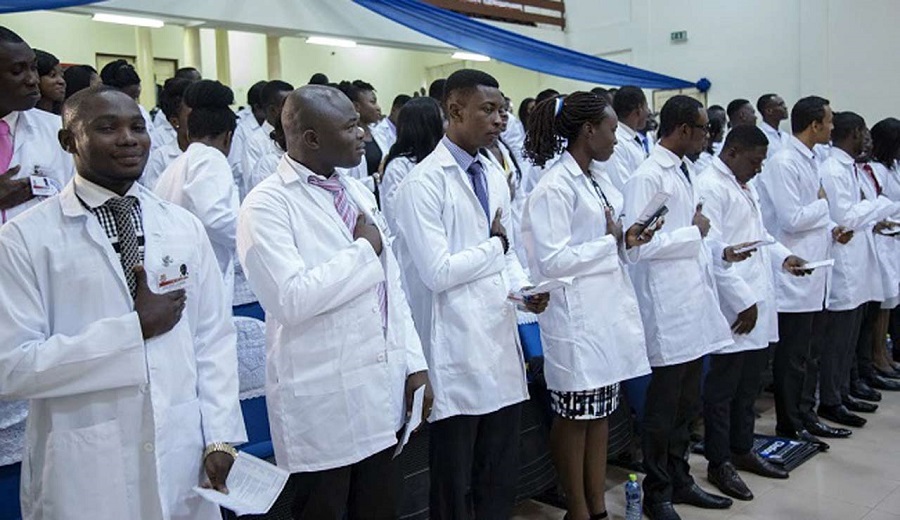
The Nigerian Association of Resident Doctors (NARD) has threatened to begin a nationwide indefinite strike from August 10, 2026, if the Federal Government fails to substantially address outstanding demands concerning salary arrears, welfare and working conditions.
The association issued the fresh strike notice after its National Executive Council (NEC) meeting held in Gombe State from July 26 to July 31, where members reviewed previous agreements with the Federal Government and assessed the state of healthcare delivery across the country.
Speaking after the meeting, NARD President, Dr. Mohammad Usman Suleiman, said the association was dissatisfied with what it described as the slow pace of implementation of agreements reached with the government despite months of negotiations and repeated engagements.
Suleiman said NARD had extended its previous strike ultimatum on four occasions to give the Federal Government more time to resolve the outstanding issues. However, he said several commitments had yet to be fulfilled.
The association warned that resident doctors across Nigeria would commence a total and indefinite industrial action if the government failed to substantially address the demands before the August 10 deadline.
Among the key demands is the immediate payment of outstanding arrears linked to the 25–35 per cent CONMESS salary adjustment, as well as 19 months of unpaid professional allowance arrears, promotion arrears and outstanding salaries owed to doctors in several federal health institutions.
NARD identified several facilities where some doctors are affected by unresolved salary and welfare concerns. The institutions include the University of Health Sciences Teaching Hospital, Okuki; Federal Medical Centre, Owo; Obafemi Awolowo University Teaching Hospitals Complex, Ile-Ife; University of Uyo Teaching Hospital; Federal University Teaching Hospital, Owerri; Alex Ekwueme Federal University Teaching Hospital, Abakaliki; and Federal Medical Centre, Makurdi.
The association also raised concerns over the safety of doctors and other healthcare workers, citing reports of assault, harassment, intimidation and attacks on medical personnel while performing their duties.
READ ALSO:
- IGP Redeploys Osun CP to Force Headquarters Ahead of August 15 Governorship Election
- Where Will Peter Obi’s Votes Come From? I Can’t See It – Keyamo Predicts Tinubu’s Landslide Victory
- Obi Must Apologise, Pay ₦25,000 or Face FAAN Action — Keyamo Issues Ultimatum
NARD warned that continued attacks on healthcare workers could worsen the shortage of medical personnel and further affect healthcare services, particularly in public hospitals already facing staffing and infrastructure challenges.
The association called on the Federal Government to establish a National Healthcare Workers Assault Prevention and Response Protocol and urged the National Assembly to pass legislation that would criminalise attacks on healthcare personnel and strengthen protections for health workers.
On the 2026 Medical Residency Training Fund, NARD acknowledged the Federal Government’s release of the fund but insisted that resident doctors who were excluded from the initial disbursement should be identified and paid without further delay.
The association said delays in accessing the training fund could affect the professional development of resident doctors and create additional financial pressure during their medical training.
NARD also expressed concern over the welfare of house officers, citing prolonged salary delays, unpaid entitlements and challenges relating to internship placement, documentation and onboarding.
According to the association, some newly employed doctors begin work and continue for several weeks or months before receiving their first salaries, a situation it said creates financial hardship and affects morale.
The doctors further demanded the immediate conclusion and implementation of the Medical and Health Workers Collective Bargaining Agreement.
They also called for urgent measures to address excessive workload, prolonged call-duty hours and shortages of healthcare workers in public hospitals.
NARD urged the Federal Ministry of Health and Social Welfare to intervene in the lingering industrial dispute involving resident doctors at the Lagos University Teaching Hospital (LUTH) and ensure that outstanding welfare concerns are resolved.
The association also called on the Federal Government and state governments to increase investment in the health sector through improved funding, rehabilitation and expansion of healthcare facilities, modern medical equipment, reliable electricity supply and the recruitment and retention of healthcare professionals.
According to NARD, stronger investment in healthcare infrastructure and human resources is necessary to improve access to quality medical services and support the implementation of universal health coverage across Nigeria.
The association also appealed to the Federal Capital Territory Administration, the Kaduna State Government and the management of affected federal tertiary health institutions to resolve outstanding salary, welfare and training issues involving resident doctors.
NARD linked many of the challenges facing Nigeria’s healthcare system to the increasing migration of doctors abroad in search of better pay, improved working conditions and stronger career opportunities.
The association said more than 16,000 Nigerian doctors had left the country within the last three to four years, warning that the continued loss of medical professionals could place additional pressure on the country’s healthcare system.
According to NARD, the number of doctors leaving Nigeria is now believed to be higher than the number graduating annually from the country’s medical schools.
The association warned that the continued migration of doctors, combined with inadequate recruitment, delayed payments and unresolved welfare concerns, could further increase workloads for healthcare workers who remain in the country.
NARD said it remained open to dialogue but stressed that the Federal Government must take concrete steps before August 10 to prevent a disruption of healthcare services in public hospitals nationwide.
If the strike proceeds, it could affect medical services in federal and state hospitals where resident doctors play major roles in patient care, emergency services, clinical training and the day-to-day operations of healthcare facilities.
Unpaid arrears: Resident doctors threaten total nationwide strike
Health
FG expands emergency healthcare services to 34 states

FG expands emergency healthcare services to 34 states
The Federal Government (FG) has expanded the National Emergency Medical Service and Ambulance System (NEMSAS) to 34 states, in a major push to improve emergency healthcare, strengthen intensive and critical care services, and accelerate progress towards Universal Health Coverage (UHC) across Nigeria.
The expansion was announced by the Minister of State for Health and Social Welfare, Dr. Iziaq Salako, during the opening of the 11th Annual Scientific Conference and Annual General Meeting of the Intensive and Critical Care Society of Nigeria (I-CCSN) in Abuja.
Speaking on the conference theme, “Sustainable Financing for Intensive Care in Public Hospitals in Nigeria,” Salako described emergency and intensive care as essential pillars of a resilient healthcare system, saying timely access to quality treatment saves lives, reduces preventable deaths and protects families from the devastating financial impact of critical illnesses.
According to a statement issued by the ministry’s Assistant Director of Information and Public Relations, Ado Bako, the minister said the expansion of NEMSAS from its pilot phase in the Federal Capital Territory (FCT) to 34 states represents one of the Federal Government’s flagship health sector reforms, with efforts already underway to extend the programme to all 36 states and the FCT.
The National Emergency Medical Service and Ambulance System (NEMSAS) was established to provide a coordinated national emergency response by ensuring the rapid evacuation and transportation of critically ill or injured patients to appropriate healthcare facilities. The initiative supports victims of road traffic crashes, maternal emergencies, medical complications, disasters and other life-threatening situations that require urgent intervention.
READ ALSO:
- Defence minister orders troops to shoot terrorists without waiting for orders
- US prosecutors, FBI investigate Argentine FA over alleged money laundering, fraud
- Properties Razed as Yoruba, Hausa Residents Clash in Ibadan
Salako said the Tinubu administration considers emergency and critical care a strategic investment in Nigeria’s healthcare system, noting that improved emergency response capacity is critical to achieving better health outcomes, strengthening national health security and reducing avoidable deaths.
He observed that delivering quality intensive care requires sustained investments in specialised infrastructure, fully equipped ambulances, intensive care units (ICUs), trauma centres, medical oxygen systems, modern diagnostic equipment, reliable electricity supply and highly trained healthcare professionals.
The minister also expressed concern over Nigeria’s continued dependence on out-of-pocket healthcare spending, warning that many households are forced into financial hardship because of the high cost of emergency treatment and intensive care.
To reduce this burden, he said the Federal Government is expanding health insurance coverage, strengthening sustainable healthcare financing and implementing reforms aimed at making emergency medical services more accessible and affordable.
According to Salako, the government is simultaneously implementing complementary programmes to improve maternal and newborn healthcare, strengthen referral systems and integrate ambulance services with intensive care units, operating theatres, rehabilitation centres and medical oxygen supply networks.
He added that lessons from the COVID-19 pandemic have prompted increased investment in medical oxygen infrastructure, with Pressure Swing Adsorption (PSA) oxygen plants already installed in several federal and state health facilities to improve oxygen availability for critically ill patients.
The minister further disclosed that the government is promoting digital health technologies, telemedicine and tele-critical care services to bridge gaps in access to specialist healthcare, particularly in underserved and rural communities.
Salako emphasised that achieving sustainable emergency healthcare requires stronger collaboration among the Federal Government, state governments, healthcare institutions, professional associations, academic and research institutions, development partners, civil society organisations and the private sector.
He also called for greater investment in healthcare workforce development through the training of more intensive care physicians, emergency medicine specialists, nurses, physiotherapists, pharmacists, anaesthetists, biomedical engineers and other specialised healthcare professionals.
The minister said these reforms align with the Nigeria Health Sector Renewal Investment Initiative and other ongoing efforts to strengthen primary healthcare, emergency medical services and referral systems nationwide.
Earlier, Chairman of the Conference Local Organising Committee, Dr. Harrison Nwogu, said participants would examine the persistent underfunding of intensive care units and explore innovative financing mechanisms, including public-private partnerships (PPPs), expanded health insurance, philanthropic support and diaspora investment.
Chairman of the occasion and Chief Medical Director of Zenith Medical and Kidney Centre, Dr. Olalekan Olutesi, urged wealthy Nigerians and corporate organisations to invest more in the health sector, suggesting tax incentives to encourage greater private-sector participation in healthcare delivery.
Delivering the keynote address, Professor Tamuno-Ojuemi Ogaji advocated a sustainable financing framework that guarantees access to quality intensive care regardless of a patient’s financial status.
He identified inadequate infrastructure, shortages of medical equipment and consumables, unstable electricity supply, limited intensive care beds and insufficient funding as some of the major obstacles affecting critical care delivery in Nigeria.
Also speaking, the Emir of Wase, Dr. Muhammadu Haruna, who represented the Emir of Tula, Dr. Abubakar Buba, described intensive care as a national development issue that affects every Nigerian family.
He said strengthening emergency and critical care services would improve survival rates, reduce preventable deaths and contribute significantly to Nigeria’s economic and social development.
The Federal Government expressed confidence that the continued expansion of NEMSAS, improved healthcare financing, stronger referral systems and sustained investments in emergency medical infrastructure would significantly improve access to life-saving care and strengthen Nigeria’s overall healthcare system.
FG expands emergency healthcare services to 34 states
Health
Tinubu approves new health technology agency to modernise Nigeria’s healthcare system

Tinubu approves new health technology agency to modernise Nigeria’s healthcare system
President Bola Tinubu has approved the establishment of the National Health Technology and Data Analytics Office (NHTDAO), a landmark initiative aimed at accelerating the digital transformation of Nigeria’s healthcare system through innovation, data-driven decision-making and improved coordination across the health sector.
The Presidency also announced the appointment of Dr. Obi Adigwe, a respected pharmaceutical researcher and health innovation expert, as the pioneer National Coordinator of the newly created office.
The development was disclosed in a statement issued by the Special Adviser to the President on Information and Strategy, Bayo Onanuga, who said the new agency would operate under the Office of the Coordinating Minister of Health and Social Welfare.
According to the Presidency, the NHTDAO will serve as a central coordinating platform for health technology, digital health systems and data analytics, helping to unify public and private healthcare institutions without taking over the statutory responsibilities of existing agencies.
Rather than replacing institutions already operating within the health sector, the office will strengthen collaboration among federal and state governments, healthcare providers, development partners and regulatory bodies while promoting the adoption of modern digital healthcare solutions nationwide.
The statement explained that the office would harmonise healthcare institutions, establish national interoperability standards and oversee the implementation of the National Digital Health Architecture, which was approved by the National Council on Health in November 2025.
READ ALSO:
- Borno: Troops Dismantle ISWAP Roadblock, Rescue 53 Hostages
- 44 Violent Incidents, 13 Deaths: Adeleke Demands Osun CP’s Removal Ahead of August Poll
- ‘Disconnected From Reality’ – Nigerians Blast Remi Tinubu Over Akara Business Comments
The initiative is expected to accelerate the deployment of electronic medical records, improve healthcare data management, strengthen disease surveillance systems and support evidence-based policymaking across Nigeria’s health sector.
Government officials believe the new office will also improve emergency response capabilities, facilitate secure information sharing among healthcare institutions and enhance transparency, accountability and efficiency in healthcare delivery.
The Presidency said the creation of the agency aligns with President Tinubu’s commitment to building a secure, technology-driven and data-enabled healthcare system capable of delivering quality medical services to Nigerians under the administration’s Renewed Hope Agenda.
The appointment of Dr. Obi Adigwe is expected to provide strong leadership for the initiative, given his extensive experience in pharmaceutical research, digital health innovation and healthcare policy.
Before his appointment, Adigwe served as Director-General of the National Institute for Pharmaceutical Research and Development (NIPRD), where he led several groundbreaking initiatives to strengthen Nigeria’s pharmaceutical and biomedical research capacity.
His achievements include managing a ¥300 million nanotechnology research grant, overseeing an AFREXIMBank-funded project that established Africa’s first Active Pharmaceutical Ingredients (API) Training Facility and coordinating the roadmap that secured an €18 million European Union grant to support Nigeria’s pharmaceutical industry.
Adigwe also gained international recognition during the COVID-19 pandemic after leading the world’s first scientific evaluation that challenged claims surrounding the effectiveness of Madagascar’s Covid Organics herbal preparation.
To ensure effective implementation and policy coordination, the Federal Government has constituted a high-level steering committee to oversee the activities of the National Health Technology and Data Analytics Office.
The committee will be co-chaired by the Coordinating Minister of Health and Social Welfare, Professor Muhammad Ali Pate, and the Chairman of the Nigerian Economic Summit Group, Olaniyi Yusuf.
Its membership also includes the Minister of State for Health and Social Welfare, the Special Adviser to the President on Technology and Digital Economy, the heads of the National Primary Health Care Development Agency (NPHCDA), the National Health Insurance Authority (NHIA), the National Information Technology Development Agency (NITDA), as well as six representatives of State Commissioners of Health from Nigeria’s six geopolitical zones.
The steering committee is expected to provide strategic guidance, monitor implementation and ensure that digital health reforms are effectively integrated across the country’s healthcare ecosystem.
The establishment of the NHTDAO complements ongoing reforms under the Nigeria Health Sector Renewal Investment Initiative, which seeks to strengthen primary healthcare services, improve access to quality medical care, expand emergency health services and modernise healthcare infrastructure across the country.
Health policy experts say the initiative could significantly transform Nigeria’s healthcare system by improving health data management, promoting innovation, strengthening policy coordination and enabling more efficient healthcare delivery nationwide.
The Presidency expressed confidence that the new office would accelerate Nigeria’s transition to a secure, interoperable and data-driven healthcare ecosystem capable of improving health outcomes for millions of citizens.
Tinubu approves new health technology agency to modernise Nigeria’s healthcare system
-

 News3 days ago
Oloyede clears air on JAMB’s ₦36m ‘snake swallowed money’ controversy
-

 News3 days ago
475 Police Officers Recalled After Controversial Retirement, Ordered for Mandatory Induction
-

 metro3 days ago
MURIC Hails Oloyede as ‘Game Changer,’ Says He Proved Muslims Can Excel in Public Office
-

 Sports3 days ago
Nigeria Shines in Commonwealth Games, Tops Africa with 10 Gold Medals
-

 Auto2 days ago
Lanre Shittu Motors Leads Drive to Steer Lagos Students Away from Crime, Donates books to public Schools
-

 Education2 days ago
UNIOSUN ranks third among state universities in latest Webometrics ranking
-
 Auto2 days ago
FRSC Boss: Tinubu’s CNG, EV Drive Creating Jobs, Attracting Investment
-

 metro3 days ago
DSS, Vigilantes Ambush, Kill Notorious Bandit Kingpin Idi Abasu Aiki, Over 60 Fighters in Katsina