

News
Again, Tinubu says govt won’t tolerate destructive protests

Again, Tinubu says govt won’t tolerate destructive protests
President Bola Tinubu emphasized the importance of balancing democratic freedoms with public safety on Thursday.
While acknowledging the right to peaceful protest, he made it clear that his administration will not permit demonstrations that escalate into violence, destruction, or harm to individuals or property.
This statement was made during a ceremony at the Presidential Villa in Abuja, where he received credentials from the newly appointed US Ambassador, Richard Mills Jr.
The President’s media adviser, Ajuri Ngelale, shared this exchange in a statement that underscored Tinubu’s commitment to preserving democratic norms and institutions.
Tinubu said this on the backdrop of growing calls for nationwide protests against economic hardship, scheduled for August 1, 2024.
The President said, “During the military era, we made our voices heard against dictatorship, and I was part of the group that engaged in peaceful protests without resorting to the destruction of property.
“We have worked hard to ensure 25 years of unbroken democracy and I will continue to maintain this democracy.”
He also described Nigeria-US relations as “rich,” committing to uphold democracy.
“Our relationship with America is rich. We believe in democracy and freedom. Some of your predecessors worked hard during our transition to democracy, and we remember the likes of Ambassador Howard Jeter.
READ ALSO:
- NERDC Executive Secretary Prof Ismail Junaidu slumps, dies
- MURIC demands ban on movie portraying women in Niqab as criminals
- BREAKING: Ohanaeze President General, Iwuanyanwu, dies at 82
“We look forward to Nigeria and the United States continuously working to expand cooperation on shared goals and democratic values,” he said.
Tinubu welcomed the U.S. State Department’s acknowledgement of Nigeria’s strategic role on the continent as Africa’s largest democracy, calling on the U.S. government to pay more attention to Africa.
He said, “Nigeria is ready to play its role as the largest democracy in Africa that is worthy of emulation to other African countries, but we need more U.S. partnership on the continent that is beneficial to both sides.
“We believe in freedom, and we are providing the leadership to make Nigeria’s economy grow.”
On his part, Mills affirmed the U.S. support for Nigeria’s democracy and pledged support for bigger roles for Nigeria in the international arena.
“Nigeria is crucial to the United States because we share democratic values, and we are ready to give you all the support.
“I am here to make sure that the relationship blossoms both on democracy and the economic side,” Mills said.
The Ambassador also expressed the United States’ commitment to expanding cooperation with Nigeria on cybercrimes, announcing the establishment of a special office at the Embassy to work closely with the Economic and Financial Crimes Commission.
Earlier, President Tinubu also received Letters of Credence from the High Commissioner of Malaysia to Nigeria, Aiyub Bin Omar, and the High Commissioner of Botswana, Ms. Phild Nani Kereng.
He told the High Commissioner of Malaysia that Nigeria would work towards improving the balance of trade between the two countries.
“Diversification of the economy is uppermost on my Renewed Hope Agenda for Nigeria.
“We must look at how we can improve the balance of trade with Malaysia,” the President said.
Tinubu also acknowledged that many Nigerian students find studying in Malaysia attractive, adding that Nigeria looks forward to their contributions to the development of critical sectors of the economy, such as agriculture and ICT.
The Malaysian High Commissioner said that ahead of the 50th anniversary of the establishment of bilateral relations in 2025, Malaysia is looking forward to strengthening relations with Nigeria.
READ ALSO:
- Customs impound seven containers of hard drugs in Rivers
- 30-year-old fake soldier arrested in Bauchi
- Wike dares protest organisers, says August 1 not available in Abuja
“We are pleased with our cooperation in the areas of education. We are also keen on working with Nigerian partners in the financial services sector,” the High Commissioner said.
In his audience with the Botswana High Commissioner, the President expressed Nigeria’s readiness to develop robust cultural and economic cooperation with the Southern African country.
Acknowledging Botswana’s progress on livestock development, the President said he had received a briefing from a committee established to create a ministry of livestock development in Nigeria.
“The committee is at work, and their report will be ready in the next two weeks. Africa’s solution is in our hands. Nobody will help us if we do not help ourselves,” Tinubu said.
He described President Mokgweetsi Masisi of Botswana as a good friend and extended his appreciation to the Botswana President for attending his inauguration.
Kereng said Botswana is committed to being a leader in the production of livestock vaccines and is prepared to partner with Nigeria in this area.
She expressed admiration for Nigerian arts, entertainment, and culture, adding that young people from Botswana had a lot to learn from Nigeria’s youth-driven creative economy.
“My coming to Nigeria fulfils my President’s vision of improved relations with Nigeria, and I will work very hard to achieve these objectives,” said Kereng.
The protests, organised under the hashtag ‘#EndBadGovernancein Nigeria,’ have gained significant traction on social media, with no group officially claiming responsibility.
Again, Tinubu says govt won’t tolerate destructive protests





News
State police bill: Gbajabiamila-led panel extends deadline for public input
State police bill: Gbajabiamila-led panel extends deadline for public input
ABUJA — The Presidential Working Group on the National Policing Bill has extended the deadline for the submission of memoranda and position papers on the proposed legislation to Friday, August 21, 2026.
The submissions must be made by 5 p.m. West Africa Time (WAT) through the official National Policing Bill portal.
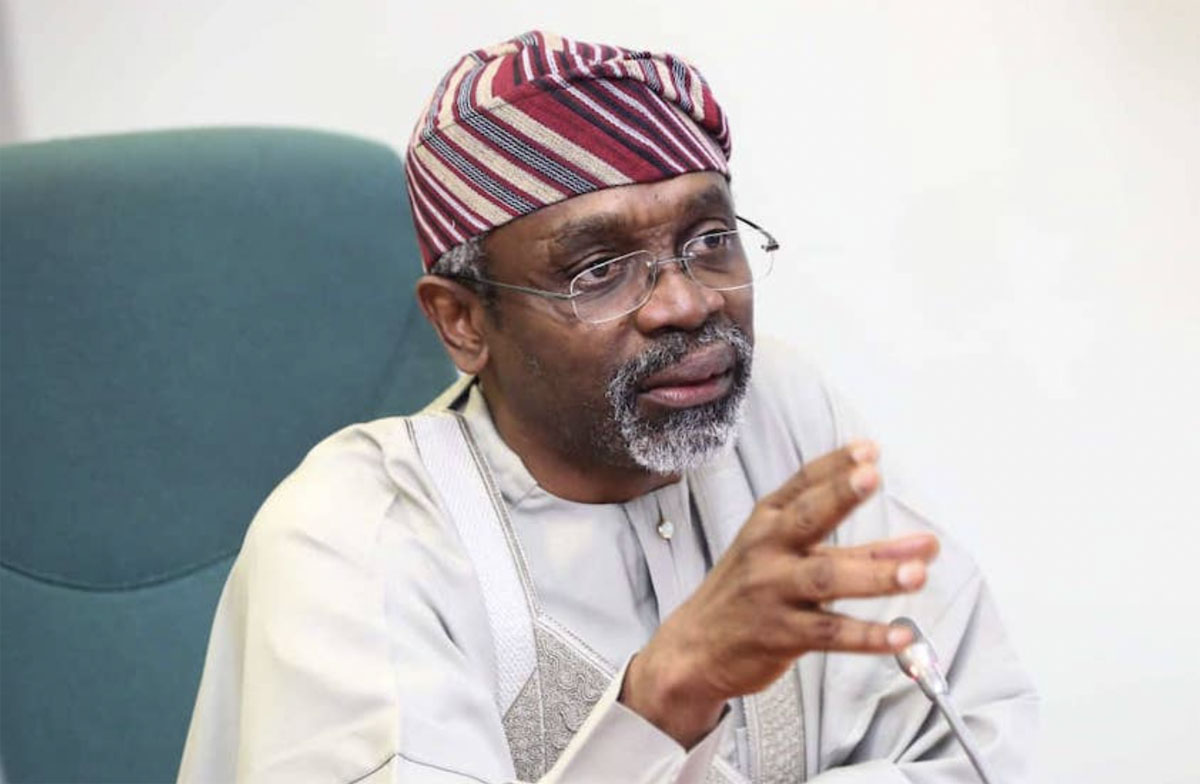
The extension was announced on Thursday in a statement issued by the Chief of Staff to President Bola Tinubu and Chairman of the Presidential Working Group, Rt. Hon. Femi Gbajabiamila.
Gbajabiamila said the additional time would enable stakeholders to prepare more detailed submissions and allow interested individuals, institutions and organisations to make well-considered contributions to the proposed legislation.
He said the Working Group remained committed to broad consultation and would consider informed contributions from Nigerians and relevant stakeholders as it develops the National Policing Bill.
The proposed legislation is expected to establish the operational, administrative, institutional and funding framework for an effective policing system capable of responding to Nigeria’s changing security needs.
It is also expected to provide safeguards for police accountability, professionalism and the protection of citizens’ rights.
“Given the significance of the proposed reform to the future of policing and internal security in Nigeria, the Working Group considers it important that stakeholders are afforded more opportunity to make substantive and technically sound contributions to the process,” the statement said.
READ ALSO:
- Davido Halts London Concert, Threatens to Walk Off Stage Over Fan’s Disrespect to Staff
- 29-Year Kwankwaso Ally Who Swore on Qur’an Defects to APC
- ICPC Uncovers Official Who Enrolled 14 Family Members on Govt Payroll, Another Collected 13 Salaries
The panel specifically encouraged legal practitioners, civil society organisations, security-sector professionals, state governments, professional bodies, academics, experts and other interested members of the public to use the extended period to submit their views.
“All submissions must be made on or before 5:00 p.m. WAT on Friday, August 21, 2026, exclusively through the official National Policing Bill portal, nationalpolicingbill.com,” the statement added.
The extension comes as the Federal Government advances plans for a new national policing framework, including the proposed establishment of state police.
The reform has gained renewed attention amid persistent security challenges across Nigeria, including kidnapping, banditry, terrorism, communal violence and other forms of criminality.
Supporters of state police argue that a more decentralised policing structure could strengthen community intelligence, improve response times and enable security agencies to better understand local security threats.
However, concerns have also been raised over the possibility of political interference and abuse of state-controlled police structures. These concerns have made accountability, oversight and safeguards against political interference important elements of the proposed reform.
The Working Group said its assignment would require careful consideration of several issues, including sustainable funding, command and control structures, recruitment and training standards, operational jurisdiction, inter-agency coordination and accountability mechanisms.
The group will also consider safeguards against political interference and abuse to ensure that the proposed policing framework protects citizens while allowing security agencies to operate effectively.
The development of the National Policing Bill is linked to the ongoing constitutional process for the establishment of state police in Nigeria. The proposed reform seeks to create a legal framework that would allow policing responsibilities to be more effectively shared between federal and state authorities.
President Bola Tinubu had earlier inaugurated the Presidential Working Group to develop an implementation-ready draft of the bill for onward legislative consideration.
The Working Group brings together representatives from the Federal Government, state governments, the security sector and the legal profession, reflecting the broad institutional implications of the proposed state police system.
The Presidency has said the proposed framework is expected to address issues such as minimum policing standards, state readiness, federal-state coordination, accountability, human rights protection and sustainable financing.
These issues are considered critical to ensuring that a decentralised policing system does not create significant disparities in policing standards or weaken national security coordination.
The Working Group said the issues under consideration underscore the need for extensive stakeholder engagement to develop a policing framework that is effective, accountable, sustainable and responsive to the security needs of communities across Nigeria.
“At the conclusion of its assignment, the Presidential Working Group will present a final, implementation-ready draft of the National Policing Bill for onward legislative processing,” the statement said.
The panel thanked stakeholders who had already submitted memoranda and encouraged others intending to participate in the process to take advantage of the extended deadline.
With the new timeline, all memoranda and position papers must be submitted by 5 p.m. on Friday, August 21, 2026.
The submissions are expected to help shape the final draft of the legislation before it proceeds to the next stage of the legislative process.
State police bill: Gbajabiamila-led panel extends deadline for public input
News
FG to Attach 300 NYSC Corps Members to CNG Workshops for Skills Training

FG to Attach 300 NYSC Corps Members to CNG Workshops for Skills Training
The Federal Government has announced plans to train and attach 300 National Youth Service Corps members to compressed natural gas conversion centres across the country as part of efforts to equip young Nigerians with practical technical skills and promote the adoption of CNG-powered vehicles.
The initiative is expected to provide the selected corps members with specialised training in CNG vehicle conversion and maintenance, enabling them to acquire skills that could improve their employment and entrepreneurship prospects after completing their national service.
The Senior Special Assistant to the President on Youth Initiatives, Monitoring and Delivery, Dr Titilope Gbadamosi, disclosed the plan at the opening of a CNG Retrofitting Training Programme for corps members at the NYSC FCT Orientation Camp in Kubwa, Abuja.
Gbadamosi said the selected corps members would undergo training and certification as CNG technicians before being deployed to CNG conversion centres across the country.
She explained that the programme would cover the six geopolitical zones and was designed to contribute to the Federal Government’s broader plan to expand the conversion of petrol and diesel-powered vehicles to CNG.
According to her, the initiative is expected to support the government’s target of converting 100,000 vehicles to CNG annually, while simultaneously creating opportunities for young Nigerians to develop specialised technical expertise.
The programme is being implemented in collaboration with relevant government agencies and stakeholders in the automotive and energy sectors.
READ ALSO:
- INEC reprints Osun ballot papers, result sheets, includes SDP candidate
- Iran Had Detailed Intel on Trump’s Location Before Secret Turkey Escape
- PSG Pocket £5.2m After Super Cup Thriller, Villa Get £3.4m
The Minister of Youth Development, Ayodele Olawande, said the initiative would provide corps members with practical skills capable of complementing their university and polytechnic qualifications.
Olawande urged the beneficiaries to take the training seriously, describing technical and vocational skills as important tools for reducing youth unemployment and increasing self-reliance.
He said the Federal Government was interested in ensuring that the NYSC programme did not end with the traditional primary assignment and community development activities, but also provided corps members with skills that could sustain them after their service year.
The Director-General of the NYSC, Brigadier General Olakunle Nafiu, also described the programme as an important step towards equipping young Nigerians for emerging opportunities in Nigeria’s changing energy and automotive landscape.
He said the collaboration demonstrated the scheme’s commitment to providing corps members with practical skills and preparing them for the labour market.
The National Automotive Design and Development Council is also involved in the initiative, particularly in relation to technical standards and certification for the CNG conversion training.
The Federal Government has in recent years intensified efforts to promote CNG as a cheaper alternative fuel following the removal of petrol subsidy and the resulting increase in transportation costs.
The government has maintained that greater adoption of CNG could help reduce transportation costs, conserve foreign exchange spent on petroleum products and create new jobs in the automotive conversion and maintenance sector.
The training of NYSC members is therefore expected to address both sides of the policy — increasing the pool of skilled personnel available to service the growing CNG industry while providing young Nigerians with employable technical skills.
Meanwhile, reports circulating that each of the 300 corps members will receive a monthly training allowance of ₦100,000 have not been independently confirmed in the official details released on the programme.
The confirmed aspect of the initiative is that the selected corps members will receive specialised training and certification before being attached to CNG conversion centres across the country.
The programme is expected to serve as a pilot for broader youth-focused skills development initiatives as the Federal Government continues to seek ways of linking national service with employment, entrepreneurship and emerging economic opportunities.
FG to Attach 300 NYSC Corps Members to CNG Workshops for Skills Training
News
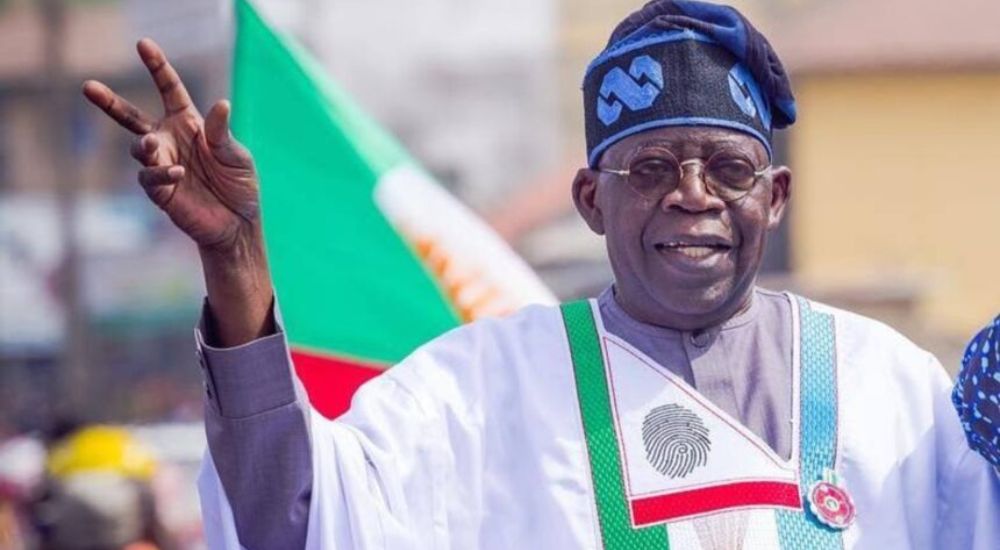
Tinubu Vows to Secure Nigeria, Declares Unity Non-Negotiable Amid Worsening Insecurity
-
 Education2 days ago
Nigerian Young Academy, LASU to Host 16th International Conference on Convergent Research
-
 News2 days ago
Trump smuggled out of Turkey in catering truck over Iran threat
-
 Politics3 days ago
Keep Religion Out of Nigeria’s ‘Dirty Politics,’ Gumi Tells Jingir
-

 metro3 days ago
Ex-Aiye Confraternity Leader Arrested in Lagos, Confesses to Multiple Killings in Mushin
-
 metro3 days ago
‘I Acted Out of Patriotism’ — Army Colonel Ma’aji Breaks Silence, Explains Why He Plotted Coup Against Tinubu
-
 News3 days ago
South Africa Visa Applications Double From Nigerians Despite Xenophobia Concerns – Envoy
-
 News2 days ago
Tinubu Vows to Secure Nigeria, Declares Unity Non-Negotiable Amid Worsening Insecurity
-
 metro3 days ago
How Enugu Abduction Led to Recovery of 4 AK-47 Rifles, 133 Ammunition – Army