
International
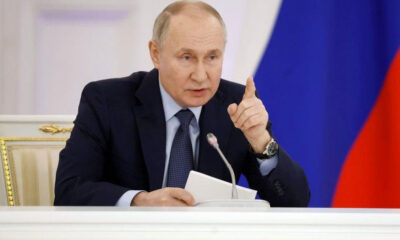
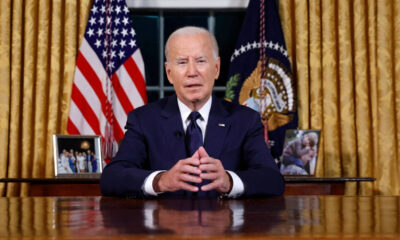
Biden fingers Putin In Prigozhin’s Death

Biden fingers Putin In Prigozhin’s Death
US President Joe Biden on Wednesday said he was “not surprised” at news that Yevgeny Prigozhin, head of the Wagner mercenary group, may have died in a plane crash in Russia.
“I don’t know for a fact what happened, but I’m not surprised,” Biden said.
“There’s not much that happens in Russia that (President Vladimir) Putin is not behind,” Biden told reporters after taking an exercise class with his family near Lake Tahoe.
“But I don’t know enough to know the answer” of what may have happened to the powerful former Putin henchman, he said.
READ ALSO:
-
UK pledges enhanced synergy with Nigerian army
-
94-year-old man nab for raping teenage girl in Adamawa
-
Naira depreciates, trades at N773.42/$ in investors and exporters window
Prigozhin’s name was on the passenger list of the aircraft, which crashed northwest of Moscow, according to Russian state media.
The crash came two months after he launched Wagner on a short-lived rebellious march on Moscow, aiming to force the removal of the country’s military leadership.
Last month in Helsinki, Biden jokingly warned that Prigozhin, whose elite Wagner force has played an important role in the war on Ukraine, should watch his step after his abortive rebellion.
“If I were him, I’d be careful what I ate. I’d keep my eye on my menu,” Biden said.
White House National Security Council spokeswoman Adrienne Watson also said Wednesday that no one should be surprised about Prigozhin’s sudden death, if confirmed.
She pointed to the June uprising and Russia’s invasion of Ukraine.
“The disastrous war in Ukraine led to a private army marching on Moscow, and now – it would seem – to this,” said Watson.
Biden fingers Putin In Prigozhin’s Death





International
Trump Orders JD Vance to Lead Iran War Exit Strategy Ahead of Pakistan Talks
Trump Orders JD Vance to Lead Iran War Exit Strategy Ahead of Pakistan Talks
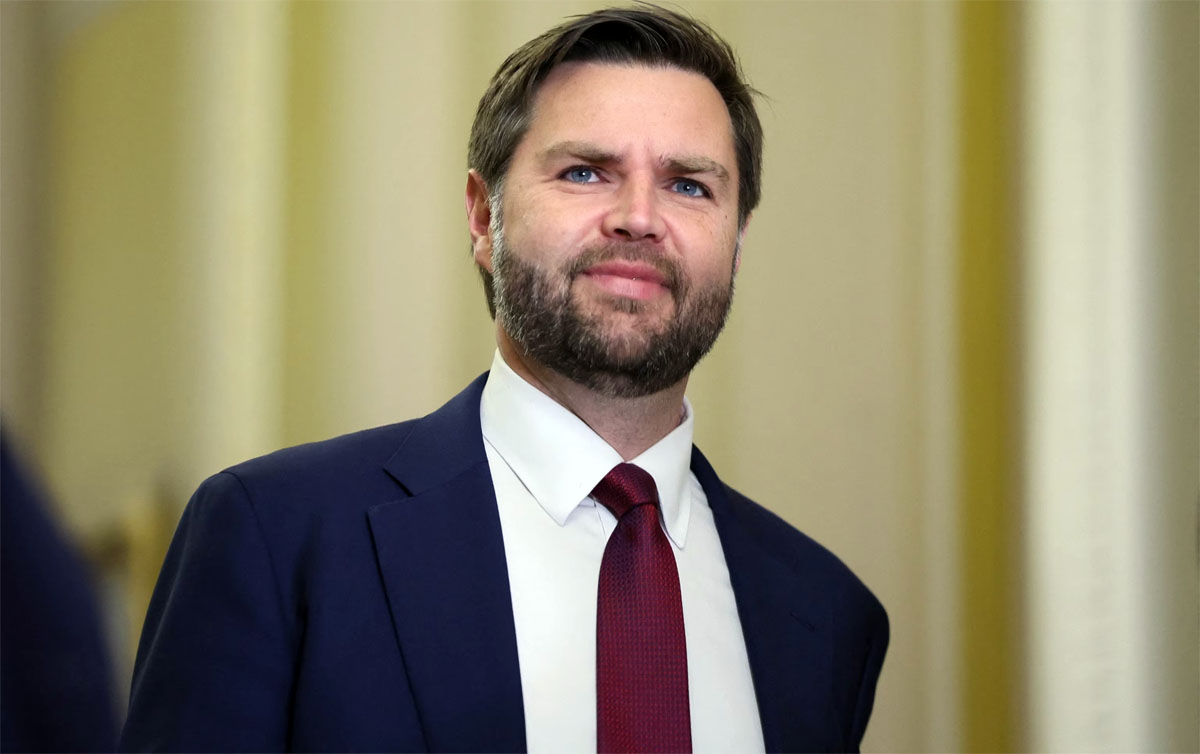
United States President Donald Trump has reportedly instructed Vice President JD Vance to urgently explore diplomatic pathways to end the ongoing U.S.–Iran war crisis, as preparations intensify for high-level peace talks scheduled to hold in Pakistan.
The directive comes amid rising tensions in the Middle East and growing concerns that a fragile ceasefire arrangement could collapse, potentially triggering a wider escalation in the region.
Vice President JD Vance, known for his long-standing scepticism toward prolonged U.S. military interventions abroad, is expected to depart on April 10 for Islamabad, where he will lead the American delegation in the upcoming Iran peace talks in Pakistan.
He will be accompanied by Trump’s special envoy Steve Witkoff and senior adviser Jared Kushner, both of whom have previously been involved in indirect diplomatic engagements with Iranian officials on nuclear issues and regional security concerns.
READ ALSO:
- NBA Warns Lawyers, Courts Against Interfering in Political Party Disputes
- Gunmen Wipe Out Family of Eight in Fresh Plateau Attack
- Germany Opens Fully Funded Scholarships for Nigerians, Africans
The talks are expected to focus on de-escalation measures, nuclear-related assurances, and broader security arrangements aimed at reducing tensions between Washington and Tehran.
Iran has also confirmed its participation in the negotiations, sending a high-level delegation led by Foreign Minister Abbas Araghchi and parliamentary speaker Mohammad Bagher Ghalibaf.
The Iranian team is expected to present its position on sanctions relief, regional security, and maritime concerns, particularly issues relating to the Strait of Hormuz, a critical global oil shipping route.
Reports indicate that the temporary ceasefire between both sides is increasingly under strain, with accusations of violations and renewed mistrust threatening to derail diplomatic progress.
President Trump has publicly accused Iran of failing to honour commitments linked to maritime security, writing on Truth Social: “That is not the agreement we have!”
The statement has added fresh tension to already fragile negotiations and raised concerns about possible disruptions to global energy markets if hostilities resume.
Pakistan has emerged as a key diplomatic venue for the talks, hosting both direct and indirect engagements between U.S. and Iranian officials in an effort to prevent further escalation of the conflict.
Diplomatic observers say the outcome of the Islamabad meeting could determine whether the crisis moves toward a lasting ceasefire or deeper confrontation involving regional and global powers.
The growing urgency of the negotiations reflects mounting international pressure on Washington and Tehran to reach a political settlement and avoid further destabilisation of the Middle East.
Trump Orders JD Vance to Lead Iran War Exit Strategy Ahead of Pakistan Talks
International
Hajj 2026: US Warns Citizens Over Travel Risks to Saudi Arabia
Hajj 2026: US Warns Citizens Over Travel Risks to Saudi Arabia
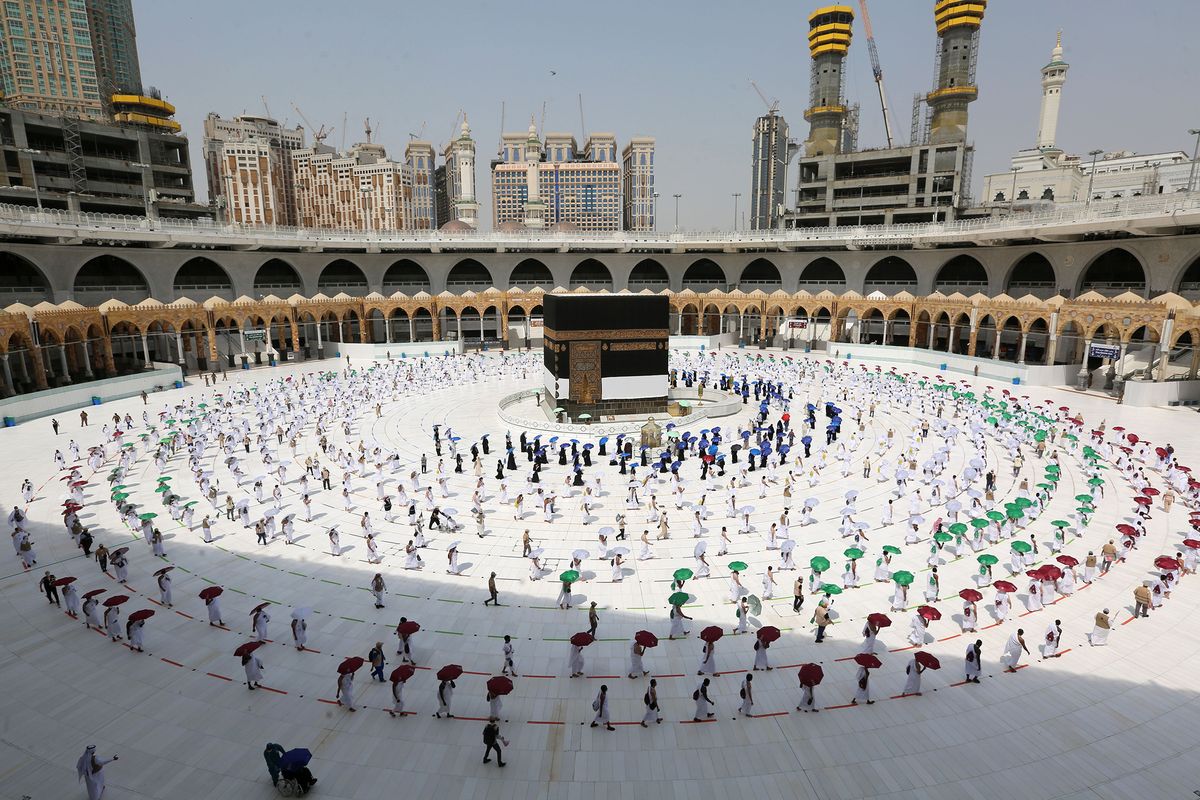
The United States Embassy in Saudi Arabia has advised American citizens to reconsider participating in the Hajj pilgrimage this year, citing ongoing regional security concerns and intermittent travel disruptions across parts of the Middle East.
In a statement issued on Tuesday, the embassy referenced the Saudi Arabia travel advisory, warning that the current security environment remains unstable and could affect movement and access to holy sites during the pilgrimage season.
“Per the Saudi Arabia Travel Advisory, and due to the ongoing security situation and intermittent travel disruptions, we advise reconsidering participation in Hajj this year,” the embassy said.
It also announced new entry regulations for Mecca ahead of the pilgrimage period, stating that from April 18, only individuals with valid permits will be allowed access. These include a Hajj permit, a Mecca-issued residency ID, or a valid work permit linked to Mecca. The embassy further warned that individuals on other visa categories should leave Mecca before the enforcement date to avoid penalties.
READ ALSO:
- Trump Slams Iran Over Strait of Hormuz as Middle East Ceasefire Talks Stall
- Thousands Return to Al-Aqsa Mosque After 40-Day Closure
- Man Admits Stabbing Wife 22 Times in Front of Four Children
The Hajj pilgrimage, one of the five pillars of Islam, is a mandatory religious duty for Muslims who are physically and financially able to undertake it at least once in their lifetime. Each year, millions of pilgrims travel to Saudi Arabia for the rites performed in and around Mecca.
The advisory comes amid heightened tensions across the Middle East, with ongoing conflicts and security incidents affecting several countries in the region. The U.S. has previously warned that instability could disrupt air travel routes, border crossings, and emergency response capacity in affected areas.
Regional tensions have escalated in recent months following intensified military exchanges involving Israel and Iran, along with related spillover effects across neighbouring countries. These developments have raised concerns over aviation safety, infrastructure security, and crowd management during major international gatherings such as Hajj.
The embassy also urged American citizens already in the Kingdom or planning to travel to remain vigilant and closely monitor official travel updates issued by both U.S. and Saudi authorities.
While no evacuation order has been issued, officials stressed that travellers should carefully reconsider non-essential trips depending on their personal risk assessment.
Hajj 2026: US Warns Citizens Over Travel Risks to Saudi Arabia
International
Thousands Return to Al-Aqsa Mosque After 40-Day Closure
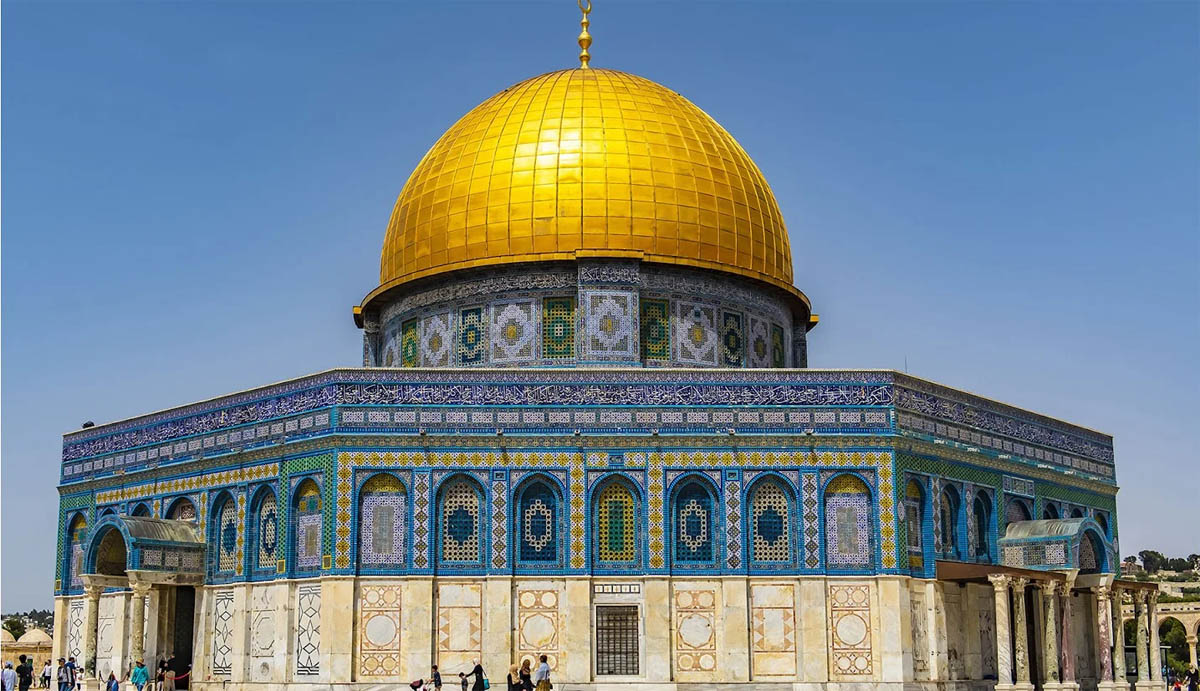
Thousands Return to Al-Aqsa Mosque After 40-Day Closure
Thousands of Muslim worshippers gathered at the Al-Aqsa Mosque compound in occupied East Jerusalem on Thursday morning for dawn prayers after Israeli authorities lifted a 40-day closure imposed amid heightened regional security tensions.
The closure, which began on February 28, restricted access to the holy site during a period of intensified conflict involving Israel and Iran-backed groups across the wider Middle East. Worshippers were once again allowed entry, with at least 3,000 people reportedly performing the fajr (dawn) prayer inside the compound.
Israeli police deployed large numbers of officers across Jerusalem’s Old City and surrounding roads leading to the mosque complex, carrying out identity checks and restricting entry for some worshippers. According to Palestinian reports, security personnel also blocked several individuals from accessing the site and forcibly removed some from the compound’s courtyards.
The Palestinian news agency WAFA reported incidents in which worshippers were assaulted at the gates, while the Jerusalem Governorate said Israeli forces detained at least one individual inside the mosque compound and denied entry to a well-known activist, Munta Amara, who regularly prays at the site.
READ ALSO:
- Man Admits Stabbing Wife 22 Times in Front of Four Children
- Melania Trump Denies Epstein Links, Calls for Public Hearings for Survivors
- CAF President Denies Corruption Claims Over AFCON Senegal–Morocco Controversy
Despite the heavy security presence, worshippers gradually filled the compound for morning prayers. Sheikh Omar al-Kiswani, director of the Al-Aqsa Mosque, described the site as “longing for visitors” and urged that it remain open to worshippers “at all times,” reflecting frustration over repeated restrictions.
One worshipper, Ibrahim Abu Rmaileh, said the 40-day closure had taken a “heavy toll,” adding that the mosque holds deep religious significance as the place from which Prophet Muhammad is believed to have ascended to heaven during the Isra and Mi’raj.
Israeli authorities have frequently imposed temporary closures or restricted access to the compound during periods of tension, a practice Palestinians describe as punitive. In previous incidents, similar restrictions have forced worshippers to pray in nearby mosques across Jerusalem instead.
The Al-Aqsa closure also coincided with restrictions on other major religious sites in Jerusalem, including the Church of the Holy Sepulchre, one of Christianity’s holiest locations, which was also shut during the same period according to local reports.
This year’s restrictions reportedly prevented Eid al-Fitr prayers from taking place at Al-Aqsa, marking one of the most significant disruptions to religious worship at the site in recent years since Israel’s occupation of East Jerusalem in 1967.
The Al-Aqsa Mosque compound remains one of the most sensitive religious and political flashpoints in the region, with access frequently affected by broader security developments in Israel-Palestinian relations and wider Middle East tensions.
Thousands Return to Al-Aqsa Mosque After 40-Day Closure

-

 Entertainment3 days ago
Veteran Nollywood Actor Davis Ofor ‘Clarus’ of New Masquerade Dies at 85
-

 Africa1 day ago
ECOWAS Recruitment 2026: Over 30 Job Vacancies Open for Nigerians (How to Apply)
-

 metro2 days ago
2026 NYSC Batch A Stream II: Registration, Swearing-In Dates Announced
-

 Entertainment2 days ago
Saheed Osupa Defends Juju Use Amid Backlash From Islamic Clerics
-

 Politics1 day ago
Court Stops ADC Congress, Orders Status Quo in Leadership Row
-

 metro1 day ago
Boko Haram Attack in Borno: Brigadier-General, Soldiers Killed as ISWAP Overruns Military Base
-

 Health24 hours ago
Sleeping Positions: How They Affect Your Health and Which Ones to Avoid
-
 metro1 day ago
US Evacuates Embassy Staff in Nigeria, Lists 23 States as ‘Do Not Travel’