

Politics
Bolaji Abdullahi: Peter Obi Ignorant of ADC Manifesto, Focused on Ticket
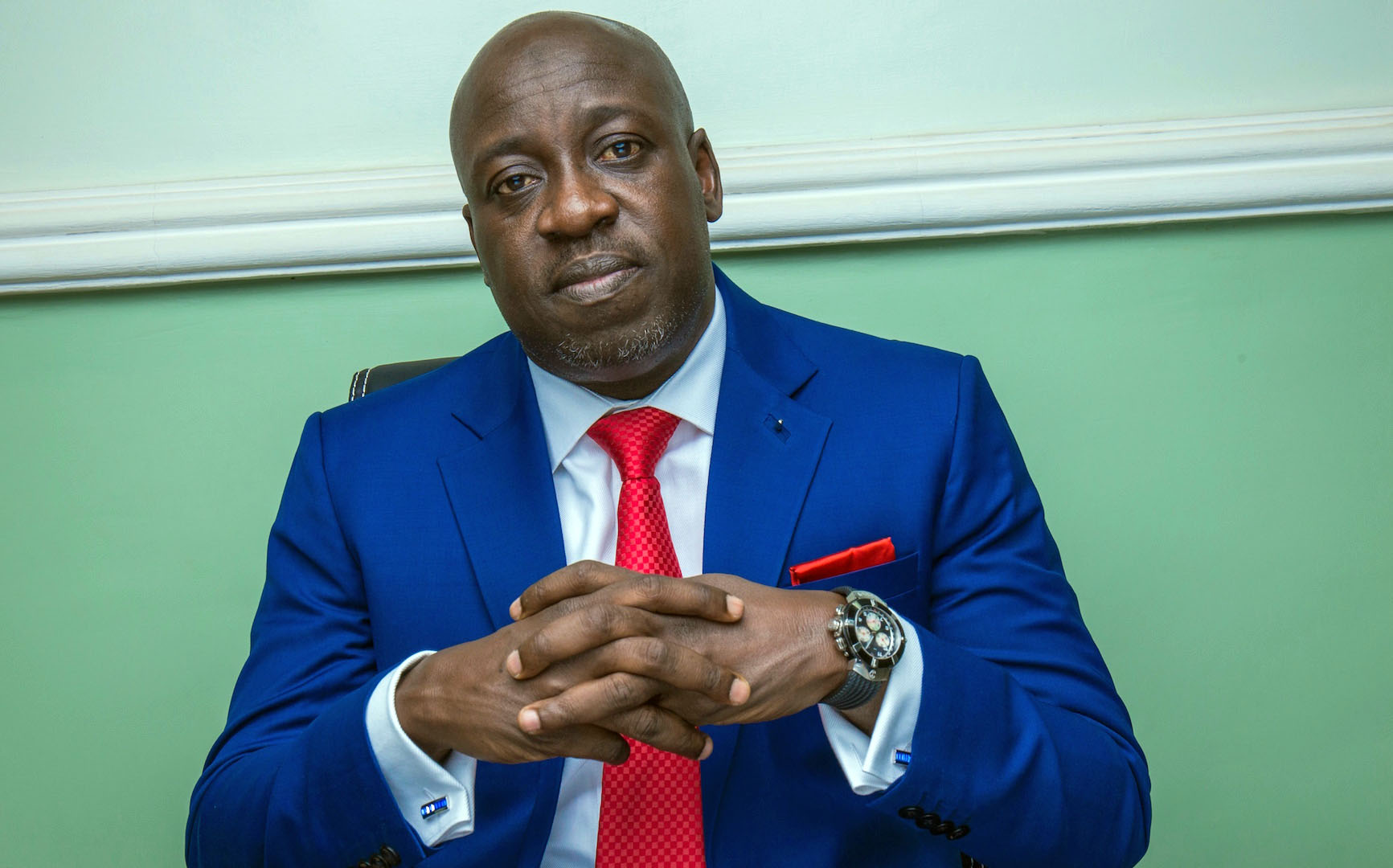
Bolaji Abdullahi: Peter Obi Ignorant of ADC Manifesto, Focused on Ticket
The African Democratic Congress (ADC) has described the exit of prominent politicians Peter Obi and Rabiu Kwankwaso as both a setback and a “huge relief,” amid ongoing realignments within Nigeria’s opposition politics ahead of the 2027 general elections.
ADC spokesperson Bolaji Abdullahi made the comments during an interview on ARISE News, where he said the party was not entirely unhappy about their departure. According to him, while the exit of such high-profile figures may reduce political weight in the short term, it also removes internal pressure within the party structure.
He explained that the ADC now has more room to focus on internal rebuilding and policy direction without what he described as intense competition over control of the party’s presidential ticket.
Abdullahi said the party does not see the development as a fatal blow, even though it represents a setback. He maintained that the ADC remains active and committed to strengthening its internal structures ahead of the next election cycle.
The ADC spokesman also criticised Peter Obi, alleging that the former presidential candidate did not engage deeply with the party’s ideological framework while he was associated with it. He claimed that Obi had limited understanding of the party’s policy positions on key national issues such as fuel subsidy and national security.
According to Abdullahi, the party had established a manifesto committee to define its governance direction and policy priorities, but argued that Obi showed little interest in its ideological foundation. He further alleged that Obi and some political actors were primarily focused on securing automatic access to the party’s presidential ticket rather than participating in ideological development.
READ ALSO:
- Cultists Storm Lagos Wedding, Kill Bride’s Father, Hypeman
- Breaking: 17 House of Reps Members Dump ADC for NDC
- 2026 Hajj: First Batch of 315 Oyo State Pilgrims Arrive in Medina
He also stated that the ADC is planning to adopt a consensus-based method for selecting its presidential candidate, arguing that internal primaries may not be practical under current political conditions. Abdullahi added that such a system would help the party avoid internal division and promote unity.
He went further to suggest that Obi would be more comfortable in a party structure where the presidential ticket is guaranteed by a single authority, rather than in a system driven by internal competition and consensus-building.
On Sunday, Peter Obi formally announced his exit from the ADC, a party he reportedly joined in December. In his resignation letter, he clarified that his decision was not due to personal disagreements with party leaders, including Senator David Mark and former Vice President Atiku Abubakar.
Obi stated that he maintained respect for the party leadership but raised concerns about growing instability within opposition platforms. He alleged that internal crises, external interference, and political infiltration were affecting opposition unity and weakening focus on national issues.
He further warned that recurring divisions and legal battles within political parties could undermine efforts to build a strong and credible opposition ahead of the 2027 elections.
Political analysts say the development highlights ongoing tensions within Nigeria’s opposition landscape, where leadership struggles, coalition negotiations, and ideological differences continue to shape political alliances ahead of the next general election cycle.
Despite the disagreements, both sides maintain that they remain committed to broader democratic participation, even as Nigeria’s political realignment continues to gather momentum.
Bolaji Abdullahi: Peter Obi Ignorant of ADC Manifesto, Focused on Ticket





Politics
Yayi Ancestry Row: Stepmother Sets Record Straight as Legal Battle Looms

Politics
No Office of the First Lady Under My Presidency, Vows Omoyele Sowore
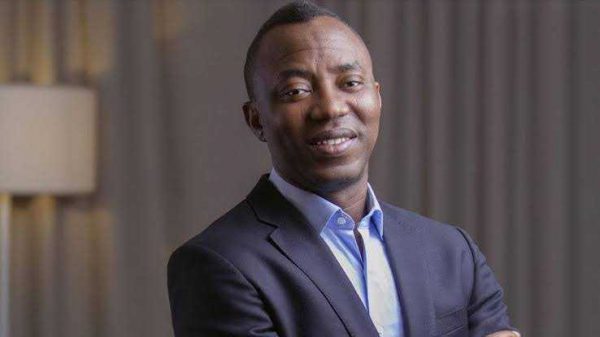
No Office of the First Lady Under My Presidency, Vows Omoyele Sowore
The AAC candidate pledges to slash governance costs by ₦4 trillion, abolish gubernatorial security votes, and end unconstitutional spending.
African Action Congress (AAC) presidential candidate Omoyele Sowore has pledged to eliminate the Office of the First Lady if he wins the 2027 presidential election, describing the ceremonial post as an unconstitutional drain on national resources. Sowore emphasized that Nigeria’s 1999 Constitution provides no legal standing or budgetary allocation for the spouse of the head of state.
Consequently, Sowore clarified that while entering the State House will not alter his marriage, his administration will refuse to assign official duties, staff, or public funds to his spouse.
Instead, he promised to champion women’s voices across all levels of government by appointing qualified female leaders to legitimate, constitutional offices rather than maintaining a ceremonial platform.
He condemned the continued allocation of taxpayer revenue to unofficial positions, arguing that such expenditures divert critical capital from infrastructure and social welfare.
Furthermore, the AAC candidate outlined a comprehensive austerity framework intended to slash the cost of governance by approximately ₦4 trillion. Central to this strategy, Sowore vowed to initiate constitutional amendments to outlaw discretionary security votes for state governors, a long-debated pool of funds historically shielded from public accounting.
Ultimately, he insisted that transferring these discretionary funds directly into state treasuries will help governments pay public sector wages consistently and fund vital public services.
No Office of the First Lady Under My Presidency, Vows Omoyele Sowore
Politics
Otti: I Won’t Become Political Godfather After Leaving Office
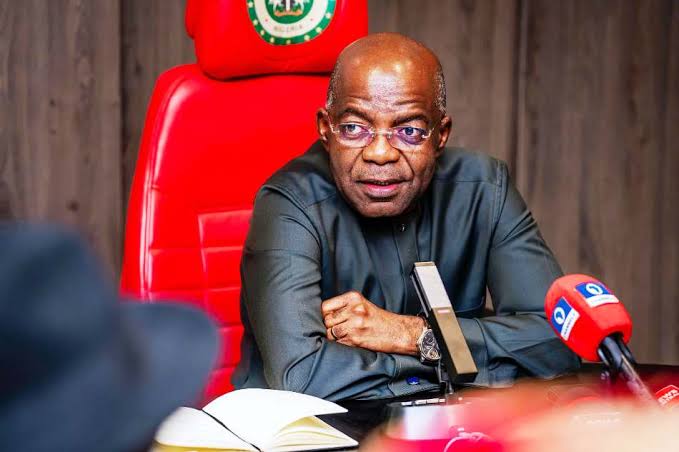
Otti: I Won’t Become Political Godfather After Leaving Office
Abia State Governor Alex Otti has said he will not become a political godfather or impose a successor on the state after completing his second term in 2031.
Otti spoke in Umuahia on Thursday while receiving former Social Democratic Party governorship candidate Ngozi Johnson-Chukwunenye and her supporters into the Labour Party.
The governor said he would prefer a successor to emerge based on merit and competence rather than what he described as a “sit-tight” approach to political leadership.
“I don’t want to be a godfather, and I don’t tolerate godfathers” Otti said, adding that political stakeholders should consider those capable of doing the job before supporting a candidate.
He also reiterated that he does not plan to seek another elective position after his second term, saying younger people should be given opportunities to take up leadership roles.
Otti Highlights Youth Leadership Programme
The governor said his administration was already preparing young people for future leadership through initiatives such as the Abia Leadership Academy.
According to him, more than 1,080 people aged between 16 and 25 had recently graduated from the academy.
Otti said the programme was intended to help prepare a new generation of leaders rather than encourage prolonged political control by individuals.
Meanwhile, he said his administration would continue extending its development projects beyond Aba and Umuahia into other parts of the state.
He said the government initially focused on the two major cities before moving into the hinterland with additional projects.
Otti: I Won’t Become Political Godfather After Leaving Office
-

 International3 days ago
Islamic Council Condemns Attempted Attack on Holy City of Mecca
-
 News3 days ago
Keep Politics Out of My Office — Ogbomoso Grand Chief Imam Warns Politicians, Bloggers
-

 metro2 days ago
Niger Mosque Abductions: Terrorists Execute 30 of 500 Captive Muslim Worshippers
-

 Business2 days ago
Fuel Prices Climb to ₦1,500 per Litre Across Nigeria, Sparking Calls for Urgent Action
-

 News3 days ago
Blue Line Rail, Hospitals Get Boost as Lagos Approves ₦200bn Bond and Budget Reordering
-

 Entertainment3 days ago
BREAKING: Olu Jacobs Dies at 84, Atiku Mourns Cultural Icon
-

 News2 days ago
OAU Investigates Death of Final-Year Student as Police Begin Probe
-

 News21 hours ago
ECOWAS Biometric Card Expands as Seven Countries Begin Rollout