
News
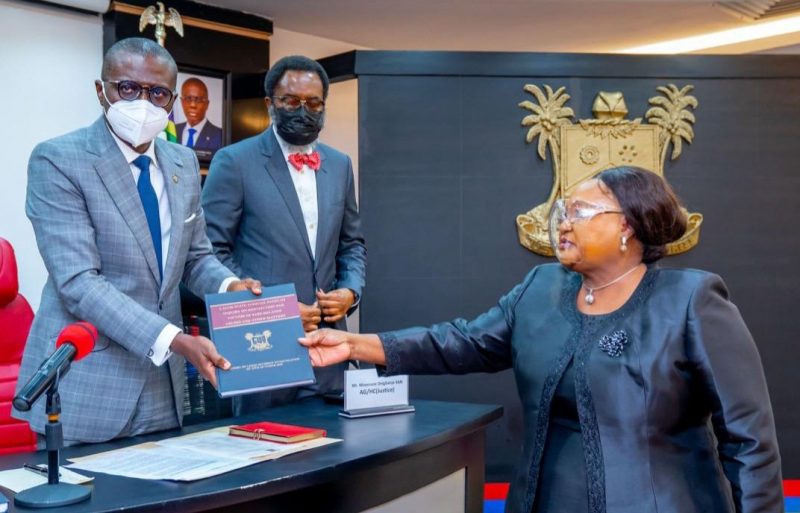
#EndSARS report: Lagos govt defends White Paper
-
Oyebode, Adegboruwa, others kick
-
Prosecution of those indicted likely, says Malami
Mixed reactions have continued to trail the Lagos State government White Paper on the report of the #EndSARS Judicial Panel of Inquiry (JPI).
Lagos State Attorney-General and Commissioner for Justice Moyosore Onigbanjo (SAN) maintained that the report on the Lekki shooting was unreliable.
But, legal luminary Prof. Paul Ananaba (SAN) dismissed the controversy over the report as unnecessary, saying that government should be held accountable for the White Paper.
He said the White Paper should be implemented to forestall a reoccurrence of the 2020 protests.
Ananaba said: “I am not interested in controversy. People have died, people have been wounded, even if it is one person in Nigeria who died in the Lekki Toll Gate protest, it is worth something, it is worth attention of everybody. I am interested in making sure that we don’t have a second occurrence of that event. Government should implement the white paper and let us move on.”
On the rejection of the invitation for ‘A Walk for Peace” extended to #EndSARs campaigners and celebrities by Governor Babajide Sanwo-Olu, Ananaba said the only thing desirable now is peace in the land.
He said: “I am in support of peace. Peace is important at any point. Because of peace, even things that have not been resolved can be looked into. Having conflict in the society, seriously, I don’t support it. I think we should hold government accountable and make sure that they remain within the peace circle.
“When people are peaceful and working together, they can achieve more. Some of the things that even the white paper would not do, peace can do it. I will encourage everybody to let us move forward, embrace the course of peace, peace walk, peace gathering, in the course of peace, we would achieve more.”
A panel member Ebun-Olu Adegboruwa (SAN) declined comment, saying that no member of the panel was informed of the release of the White Papers by the government. He also said neither were they given copies of the documents.
In a statement titled “#EndSARS panel report: the siege is over”, the lawyer accused the government of creating the wrong impression of financial impropriety against panel members to distract the public.
Adegboruwa said: “For the records, the panel relied upon the evidence of witnesses, documents tendered before it and the goodwill of the people of Nigeria, throughout its assignment.
“It is painful for me and the panel that the government is creating the wrong impression of financial impropriety as a tool of distraction when the Panel had a Secretariat that managed all its funds, through the Ministry of Justice.
“Although I served on the panel free of charge without collecting a dime, I know as a fact that other members served sacrificially, giving up their time, families and careers for a whole year.
“At the appropriate time, we will respond to all the inaccuracies, the coverups and the inconsistencies contained in the White Papers released by the government.
“Assuredly, nothing can ever cover the truth. What happened at the Lekki Toll Gate on October 20, 2020, was already in the public domain, those who received the bullets knew what happened and the doctors that treated them knew what happened. The panel reports only confirmed what most Nigerians already knew.”
Former Vice President of the Nigerian Bar Association (NBA) Monday Ubani faulted the White Paper.
He said: “Lagos State failed to meet its own expectations. The whitepaper failed all expectations and I am sorry to say that Lagos State has lost the most golden opportunity to show itself as a humane government.
“No wound has been healed by this white paper. The white paper I am sorry to say is ‘stained’.”
Onigbanjo justified the White Paper and argued that the report and recommendations of the Justice Doris Okuwobi-led panel on shooting at Lekki Toll Gate were contrary to the evidence provided.
READ ALSO:
- Police arraign 12 women for alleged use of ‘Juju’ to disrupt road project
- Stop divisive, bare-faced publicity stunts, be patriotic — Presidency warns SERAP
- Biafra: Ejiofor gives update on treasonable felony trial of Nnamdi Kanu as IPOB cancels ‘sit-at-home’
He maintained that the state complied with the laws and the weight of evidence presented at the Judicial Panel of Inquiry to reach a decision on panel’s reports.
The commissioner said the positions of the Lagos State Government as stated in the White Paper was based on evidences, especially that of the Pathologist, Prof. John Obafunwa, who said only three of the bodies that he conducted post-mortem examination on during the EndSARS protests were from Lekki, and out of them, only one had gunshot injury.
Onigbanjo spoke during a Morning Show interview programme on Arise Television to discuss the White Paper released by Lagos State Government on the report of the Judicial Panel of Inquiry on Police Brutality and the Lekki Toll Gate incident of October 20, 2020 in Lagos.
He said the inconsistencies and contradictions in the leaked reports of the Judicial Panel of Inquiry on Lekki incidents that nine people died at Lekki Tollgate last year made the panel’s finding on deaths at the tollgate unreliable, saying that for a finding that somebody died at a scene to be acceptable, there must be no doubt.
He said: “The position of Lagos State Government is based on the findings of the panel itself. So, it is not that Lagos State Government just conjured things from the air. We went through the report and what we saw particularly in reference to the death of nine persons is that they found the evidence of the Pathologist, Prof. Obafunwa, who conducted an autopsy on all the bodies picked up all over Lagos during the protests, not just at Lekki Tollgate but statewide, credible and there was no evidence to the contrary.
“Prof. Obafunwa said that of all the bodies he conducted autopsies on, three came from Lekki and out of the three only one had gunshot injuries. And the panel then said we believe you, we accept your evidence because there is nothing to the contrary. So, in law, if you put that on the imaginary scale, it means what Prof. Obafunwa said outweighs every other evidence before the panel.”
Onigbanjo also debunked the allegations that the Judicial Panel of Inquiry made no reference to policemen nor took them into consideration.
“They (JPI) issued two reports. The report that leaked only dealt with the issues from the Lekki Toll Gate. There is another report which they issued which was not leaked; that report deals with all the EndSARS petitions that were about 253 in number and of the 253, policemen also brought their own petitions and in that report, the panel awarded a sum of about N36.2million to the policemen who were affected one way or the other by the protests.
“So, to be fair to them, they did consider the plights of the policemen too. And even if you look at most of their recommendations, they are for better welfare for the police, better equipment, more training, psychological evaluations, so they took them into consideration,” he said.
The attorney-general also denied the allegations that Lagos State Government was put under pressure by the Federal Government to discredit the panel’s report, adding that at no time did the state government encourage personal attacks against any member of the Judicial Panel of Inquiry.
READ ALSO:
- Omicron: Travel ban discriminatory, Ramaphosa hits western leaders
- #EndSARS: Fake news peddlers mislead Wikipedia into claiming 120 died at Lekki
- Omicron hits Saudi Arabia, first reported case in Arab world
He said: “The Federal Government never put the Lagos State government under any pressure to discredit the panel or anybody. If you check the records, nobody from Lagos State government discredited the panel. In fact, they submitted the report on the 15th of November, 2021, the governor praised them and thanked them for the job they did.
“Even yesterday, in his speech, which he made before the White Paper was released, he thanked them again. So, nobody from the Lagos State government directly or indirectly, has sought to discredit members of the panel. We appreciate the job they did for almost 13 months. We do not condone such attacks on anybody.
“I think we have conducted ourselves in such a manner that we strive to always do what is right. We complied with the law; we set up the panel. So, if we didn’t even want the panel, there are so many ways it could have been stopped. They asked for an extension, we gave them. The initial funding was N200 million; they exhausted it and asked for more, we gave them.
“We appointed independent-minded people into the panel. And the panel itself said in its report that they give credit to the Lagos State government for allowing them to be completely independent. Lagos State government has fulfilled all its promises to the public. We set up an independent panel, we said we will release a White Paper and we did. We have complied with the law all the way.”
On Governor Sanwo-Olu’s plan for a Peace Walk, Onigbanjo said the government will persuade civil society members to change their minds.
He said: “The government will seek to persuade them to change their minds, because ultimately, we all thrive in peace. There is no government that wants to see a war-torn city, a war-torn state or even a state in which there is so much tension.
The Center for Leadership and Good Governance and Movement for Justice lamented the destruction of public assets during the protests.
The group said in a statement: “Despite the glaring inconsistencies and falsehood, that characterized the report of the judicial panel, we cannot but appreciate the governor of Lagos, Mr Babajide Sanwo-Olu, for accepting the report, and proceeding to release a white paper consideration of the panel’s report, with the clear intention to execute the credible recommendations of the panel.”
The group urged the Lagos State government to focus on reform by stopping abusive police practices, ensuring justice for victims and overhauling law enforcement.
Lagos State Government’s counsel at the panel, Abiodun Owonikoko (SAN), said the white paper passed the test of fairness and integrity.
He said: “It is, however, noteworthy that only one recommendation out of the 32 in the JPI report was rejected outrightly. It is unprecedented in many respects; starting from public acceptance of the independence and non-interference in the work of the panel.
“I score the white paper high on fairness to all concerned, balanced and rigorous interrogation of findings made in the report in a manner which may not be too surprising if it finds endorsement by the courts in the event any of the accepted recommendations (or as modified) were challenged by way of judicial review.
“The standard applied by the government in reviewing the findings raised the quality of the eventual decision to a level which May pass muster in a court of law – it mitigated the weakness of the original report that was not premised on legal test of evidential credence.
“In a court of law, the proof of those findings will be strictly evaluated in accordance with law on admissibility – and nobody will be bound by the findings of the panel .
“For instance, because the panel was not bound by law of evidence, and did not apply it during hearing, most pieces of evidence received were hearsay with notable exceptions of expert testimonies of pathologist and forensic scientists.
- READ ALSO:
- 7 ‘ritual killers’ arrested in Ogun
- Father, grandfather arrested for allegedly raping 13-yr-old daughter in Osun
“Regrettably, crucial findings were based on hearsay evidence while advantage was not taken of expert testimonies to resolve conflict and contradictions in testimonies of witnesses.
“Findings of the panel on criminal allegations were not based on proof beyond reasonable doubt, understandably.
“But in a court of law where those allegations are to be established whether in a civil proceedings or criminal trials of those recommended for prosecution, the test to be applied is proof beyond reasonable doubt.
“No prosecution will risk such a trial satisfied that it can be proved by that degree of credibility. The time constraints which beleaguered the panel might excuse this defect in the report – but government has done well to open fresh windows for victims to pursue their unresolved claims through the office of DPP.
“It is also a welcome development that the Lagos State Government did not overreach itself of play to the gallery by taking positions on the rather explosive and emotive matters more appropriately suited to be addressed by the Federal government as falling within the exclusive competence of the executive branch at the federal level.
“I want to believe that if the accepted recommendations that fall within the remit of the state government are faithfully implemented, the exercise and good work of the panel will not have been in vain.
“If the Federal Government can likewise adopt the open-minded approach of Lagos State Government to address the portions on recommendations remitted to them, we would perhaps come out a better country trusted by a greater majority of its citizenry.”
The Nation








News
Yemi Osinbajo Appointed Senior Strategic Adviser to Africa CDC
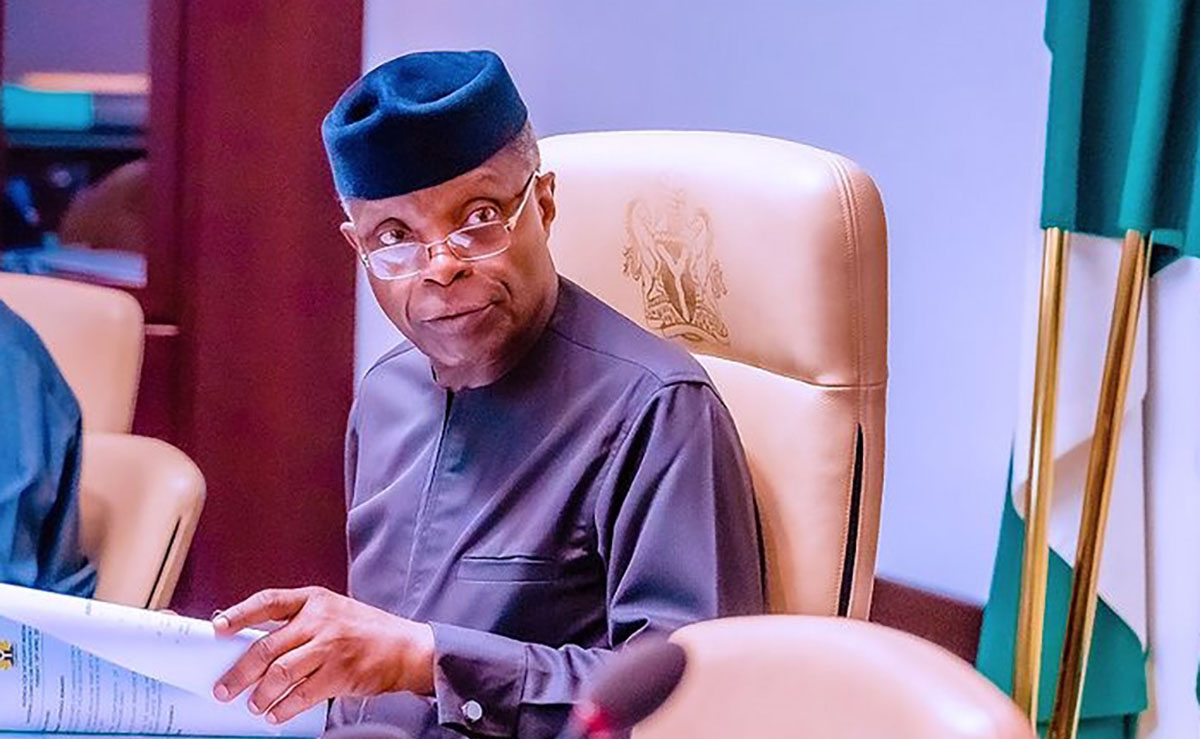
Yemi Osinbajo Appointed Senior Strategic Adviser to Africa CDC
Former Nigerian Vice-President Yemi Osinbajo has been appointed as Senior Strategic Adviser to the Director-General of the Africa Centres for Disease Control and Prevention (Africa CDC), as the agency pushes forward the continent’s Africa Health Security and Sovereignty (AHSS) agenda.
The appointment, announced on Monday, comes at a critical time as Africa CDC seeks to enhance health systems, boost domestic financing, expand local production of medical supplies, and strengthen Africa’s influence in global health governance. In this role, Osinbajo will provide strategic guidance on pandemic preparedness, sustainable healthcare financing, policy direction, and continental collaboration.
Director-General Jean Kaseya praised Osinbajo’s wealth of experience, highlighting his expertise at the intersection of governance, finance, law, and diplomacy. “At a time when Africa must act with greater authority on the future of health, his leadership will be invaluable,” Kaseya said. He added that Osinbajo’s appointment reflects Africa CDC’s commitment to mobilising top African leadership in service of the continent’s health security and development.
READ ALSO:
- Veteran Nollywood Actor Davis Ofor ‘Clarus’ of New Masquerade Dies at 85
- Harry Maguire Signs New Manchester United Deal Until 2027
- Women in Plateau Block Burial of 28 Palm Sunday Attack Victims Over Arrests
Osinbajo served as Nigeria’s Vice-President from 2015 to 2023, during which he chaired the Economic Sustainability Committee, contributed to reforms enhancing the ease of doing business, and played a key role in implementing Nigeria’s social investment programmes. Earlier, he was Attorney-General and Commissioner for Justice in Lagos State from 1999 to 2007. His legal and governance background positions him to offer critical insights on health policy, regulatory frameworks, and strategic partnerships.
The AHSS agenda, which Osinbajo will help drive, seeks to strengthen Africa’s self-reliance in health, improve disease surveillance, and foster regional collaboration to respond more effectively to pandemics and other public health emergencies. Experts say his advisory role will be crucial in promoting local production of vaccines and medical equipment, ensuring Africa can meet its own health needs while influencing global health decisions.
Africa CDC, operating under the African Union, aims to support member states in building resilient health systems capable of confronting future outbreaks and public health crises. Osinbajo’s appointment is expected to further amplify Africa’s voice in global health while ensuring sustainable health development across the continent.
Yemi Osinbajo Appointed Senior Strategic Adviser to Africa CDC
News
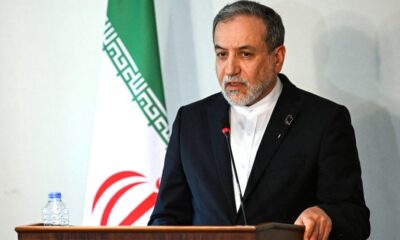
Iran Lists Tough Conditions for Peace Talks with US
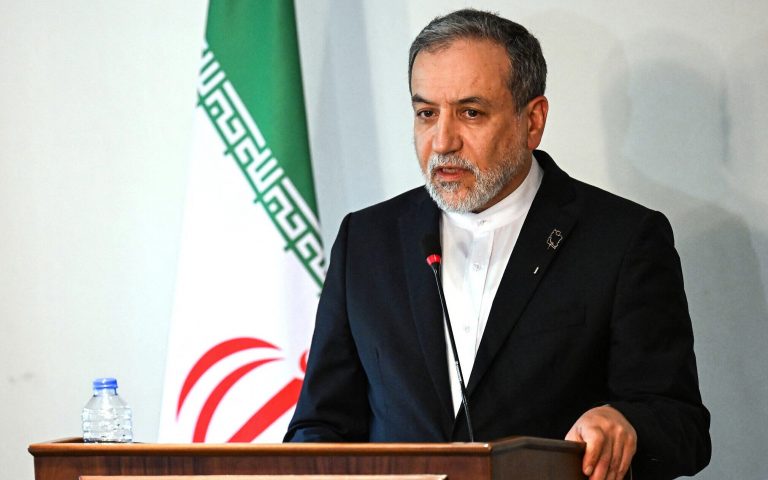
Iran Lists Tough Conditions for Peace Talks with US
By Agency Report
Iran has outlined a set of strict preconditions for engaging in negotiations with the United States aimed at achieving a lasting peace, signalling a hardening of its stance amid ongoing hostilities in the Middle East.
According to a senior Iranian official who spoke to Reuters, Tehran is insisting on an immediate halt to U.S. military strikes, alongside firm guarantees that such attacks will not be repeated, as a prerequisite for any talks.
The official also disclosed that Iran is demanding compensation for damages suffered during the conflict, underscoring the country’s position that any future negotiations must address the consequences of the ongoing war.
In a further indication of its firm posture, Iran has rejected proposals for a temporary ceasefire, maintaining that only a comprehensive and permanent peace agreement would be acceptable.
Tehran is also pushing for new arrangements regarding the strategic Strait of Hormuz, including the right to impose transit fees on vessels passing through the vital global oil shipping route. The proposed fees, according to the official, would vary depending on the type of vessel, its cargo, and prevailing conditions.
The development comes amid intensified diplomatic efforts led by regional mediators, including Pakistan, to broker a ceasefire between the two sides. A U.S.-backed proposal for a 45-day truce has reportedly been put forward as a stepping stone toward broader negotiations, though Tehran has dismissed the idea as insufficient.
Tensions between the two countries remain high, with both sides holding firm to their positions. Analysts say Iran’s demands reflect a broader strategy to secure long-term guarantees and reshape the terms of engagement in the region, rather than accept short-term de-escalation measures.
With neither side showing signs of compromise, prospects for immediate negotiations appear uncertain, raising concerns about further escalation and its implications for global security and energy markets.
Iran Lists Tough Conditions for Peace Talks with US
News
Tinubu Unveils ₦3.3tn Electricity Bailout to Revive Nigeria’s Power Sector
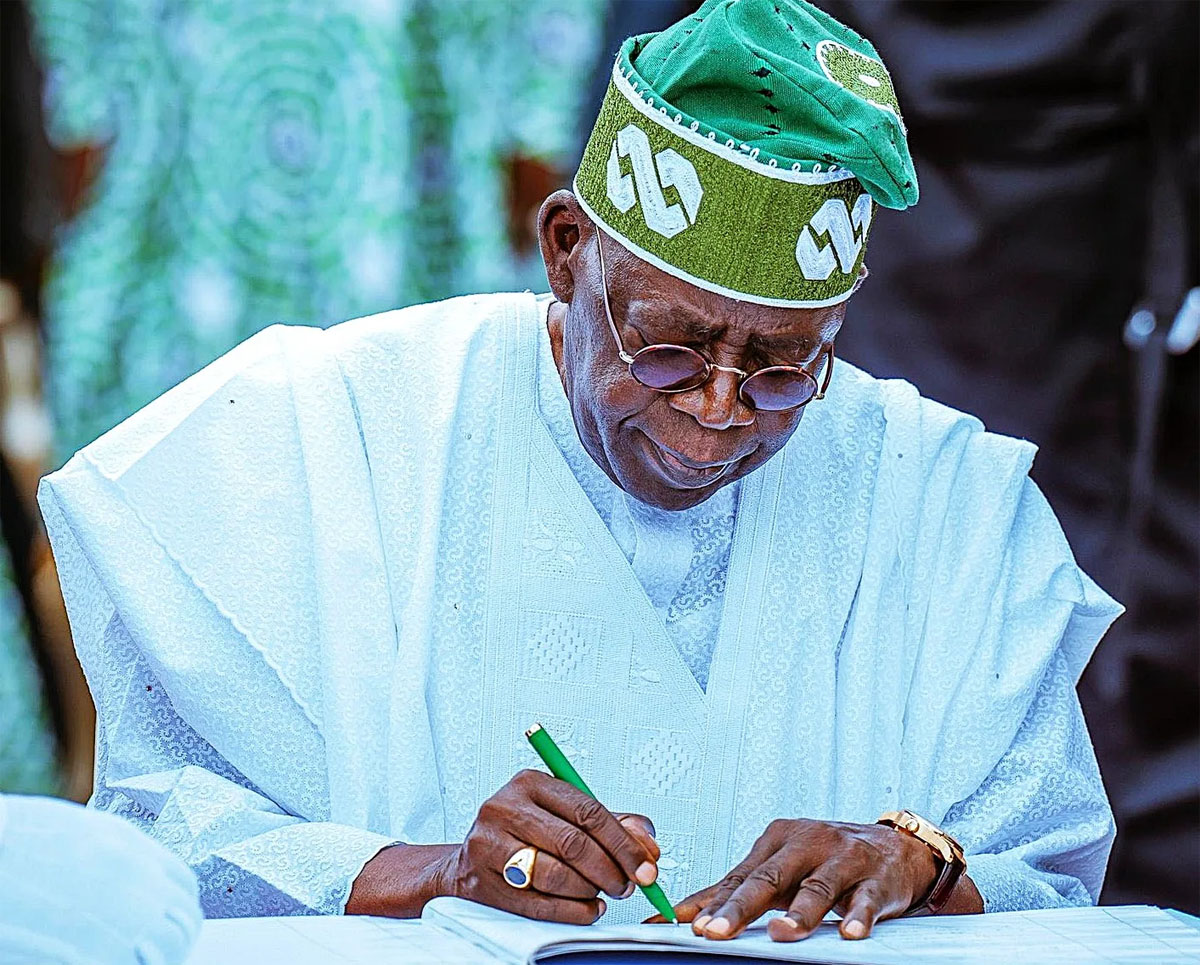
Tinubu Unveils ₦3.3tn Electricity Bailout to Revive Nigeria’s Power Sector
President Bola Ahmed Tinubu has approved a sweeping ₦3.3 trillion power sector bailout aimed at clearing long-standing debts and stabilising Nigeria’s struggling electricity industry.
The intervention, implemented under the Presidential Power Sector Financial Reforms Programme, is designed to resolve liabilities accumulated between February 2015 and March 2025, following a comprehensive verification process.
Presidential spokesman Bayo Onanuga disclosed that the ₦3.3 trillion electricity debt settlement represents a full and final agreement to restore financial stability across the sector. He explained that the debts, largely driven by unpaid invoices, tariff shortfalls, and subsidy obligations, had significantly weakened liquidity in the power value chain.
Implementation of the power sector debt repayment plan has already commenced, with 15 generation companies signing settlement agreements worth about ₦2.3 trillion. The Federal Government has raised ₦501 billion so far to fund the initiative, out of which ₦223 billion has already been disbursed, while additional payments are ongoing.
READ ALSO:
- Brymo Sparks Debate After Saying Men Who Apologise to Women Deserve Suffering
- Boko Haram/ISWAP Attack Borno Police Station, Kill Four Officers, Hunter
- NDLEA Arrests Lagos Pastor, Wife With 11kg Skunk Cannabis
The Nigeria electricity sector bailout is expected to inject much-needed cash into the industry, ensuring that gas suppliers receive payments, power plants can sustain operations, and electricity generation becomes more stable. With improved liquidity, officials say the country could begin to see gradual improvements in power supply, reduced grid disruptions, and better service delivery.
Special Adviser on Energy to the President, Olu Arowolo-Verheijen, said the programme is not just about clearing debts but rebuilding trust across the industry. She noted that restoring confidence is critical to attracting investment, maintaining consistent gas supply, and ensuring that power plants operate efficiently.
She further explained that the initiative forms part of broader power sector reforms in Nigeria, including nationwide metering improvements and the introduction of service-based tariffs that align electricity costs with the quality of supply. According to her, the government is also prioritising electricity supply to businesses, industries, and small enterprises, recognising that reliable power is essential for job creation and economic growth.
The Tinubu administration believes the electricity sector stabilisation plan will reduce reliance on generators, lower the cost of doing business, and improve productivity across key sectors of the economy. Analysts say resolving the sector’s liquidity crisis could unlock new investments and strengthen Nigeria’s overall economic performance.
President Tinubu also commended stakeholders for their cooperation in addressing long-standing challenges in the industry and confirmed that the next phase of the reform programme, Series II, will commence within the current quarter. The phase is expected to deepen structural reforms and ensure long-term sustainability of the electricity market.
Tinubu Unveils ₦3.3tn Electricity Bailout to Revive Nigeria’s Power Sector

-
 metro3 days ago
FG Deports US Missionary Alex Barbir Over Alleged Role in Nigeria Insecurity
-

 Entertainment2 days ago
Veteran Nollywood Actor Davis Ofor ‘Clarus’ of New Masquerade Dies at 85
-

 metro2 days ago
2026 NYSC Batch A Stream II: Registration, Swearing-In Dates Announced
-
 Africa15 hours ago
ECOWAS Recruitment 2026: Over 30 Job Vacancies Open for Nigerians (How to Apply)
-
 metro3 days ago
Lagos Announces Partial Road Closures for Project Commissioning
-

 Entertainment2 days ago
Saheed Osupa Defends Juju Use Amid Backlash From Islamic Clerics
-

 Politics19 hours ago
Court Stops ADC Congress, Orders Status Quo in Leadership Row
-
 News3 days ago
Iran Lists Tough Conditions for Peace Talks with US