
News
FG bars MDAs from initiating dollar contracts

FG bars MDAs from initiating dollar contracts
The Federal Government has barred all Ministries, Departments, and Agencies (MDAs) from entering into contracts denominated in foreign currency, introducing a series of strict fiscal control measures under the 2025 Appropriation Act Implementation Guideline.
Under the new directive, all contracts are now required to be fully quoted in Naira unless special approval is granted.
“MDAs are to ensure that their contracts are wholly denominated in Nigerian Naira,” the guideline stated. “No MDA is authorised to enter a contract denominated in any foreign currency without the prior approval of the Honourable Minister of Finance and the Coordinating Minister of the Economy.”
The guideline, issued by the Budget Office of the Federation, also imposes tighter reporting and compliance conditions. MDAs are now required to submit monthly Budget Performance Reports in a specified format no later than the 15th of the following month. Failure to comply will disqualify them from receiving further capital or recurrent budget allocations.
This is intended to tie funding more closely to tangible project execution and ensure fiscal discipline.
In a bid to rein in personnel costs, the Budget Office has also taken steps to clean up the government’s payroll. It said it would intensify monthly and quarterly audits of nominal rolls to identify and eliminate questionable payroll entries and allowances.
READ ALSO:
- Oyetola rules out Osun 2026 governorship ambition
- Kwara gov aide to forfeit two tractors to EFCC
- Sugar, sex and your health
- My boss slept with my wife, her sister and their mother
Additionally, MDAs have been told to stop initiating payments for promotion or salary arrears on the Integrated Personnel and Payroll Information System (IPPIS). Instead, such payments must be routed through the Committee on Payment of Promotions and Salary Arrears, following a directive issued on December 17, 2020, by the Ministry of Budget and Economic Planning.
“All MDAs will be required to submit monthly reconciliations of non-regular allowances received as part of personnel emoluments, indicating utilisation and any surplus funds,” the document said.
The Auditor-General of the Federation will be responsible for monitoring compliance as part of its audit duties. The guideline also prohibits MDAs from taking any step that could increase personnel costs, including new hiring, unauthorized allowances, or replacements, without prior approval. Violations may lead to sanctions against the heads of affected agencies.
The government is also enforcing a new recruitment policy aimed at ensuring a balanced academic to non-academic staff ratio and the mandatory inclusion of persons with disabilities in at least five per cent of new positions. Future applications for establishment or financial clearance must include compliance details.
READ ALSO:
- Radio Nigeria goes off air in Kogi as robbers attack station
- Aid trucks start moving from Egypt to Gaza
- Family loses 10 members in Niger boat accident
On taxation, the guideline reiterates that MDAs lack the authority to grant tax exemptions to contractors.
“All exemptions must follow due process and be formally approved through the appropriate legal and fiscal channels,” it said.
MDAs known to routinely incur tax expenditures through exemptions or waivers are warned to stay within the tax expenditure cap specified in the 2025 budget.
Regarding development assistance, the government now requires all requests for support to pass through the International Cooperation Department of the Ministry of Budget and Economic Planning.
“Any support received in cash or kind must be documented and reported monthly to both the ICD and the Office of the Accountant-General of the Federation,” the guideline stated.
The new rules are part of broader efforts to strengthen accountability and align public spending with the government’s fiscal targets for the year.
FG bars MDAs from initiating dollar contracts






News
UK Raises Visa Costs, Tightens Immigration Rules From April 8

UK Raises Visa Costs, Tightens Immigration Rules From April 8
The UK Home Office has announced a sweeping increase in visa application charges, with new fees taking effect from April 8, 2026, as part of a broader strategy by the Government of the United Kingdom to curb migration and shift more costs onto applicants.
Under the revised structure, visa fees across visitor, student, work, settlement, and citizenship routes will rise, with some categories recording increases of over £200. The move reflects a tougher immigration stance amid sustained political and public pressure to reduce net migration.
Short-term visitor visas of up to six months will see a modest increase from £127 to £135. However, longer-duration visas will rise more sharply, with two-year visas now costing £506, five-year visas £903, and ten-year visas climbing to £1,128.
For those seeking long-term residency, the cost of settlement visas has increased significantly, with some routes exceeding £2,000, while Indefinite Leave to Remain (ILR) now rises to £3,226. Similarly, British citizenship applications will increase from £1,605 to £1,709, adding to the financial burden on migrants aiming to permanently settle in the UK.
READ ALSO:
- NCC Orders MTN, Other Telcos to Compensate Subscribers for Poor Network Service
- Abuja Convention: Wike PDP Faction Confirms Mohammed as Chairman, Anyanwu as Secretary
- Debate as OPM Pastor Marries Autistic Man to Older Woman
The impact is also pronounced on work and study visas. The Skilled Worker visa for applicants outside the UK will now cost £819 for stays of up to three years, while student visa applications will rise to £558. The Graduate visa route has also been increased to £937, marking one of the more noticeable jumps in the new pricing regime.
Beyond application fees, applicants must still pay the Immigration Health Surcharge (IHS), which remains a substantial additional cost. This brings the total cost of relocating to the UK significantly higher for many migrants, especially students and early-career professionals.
Explaining the decision, Home Secretary Shabana Mahmood said the changes were necessary to address increasing migration pressures, including a rise in asylum applications from countries such as Afghanistan, Cameroon, Myanmar, and Sudan.
In addition to the UK visa fee increase, authorities are introducing stricter immigration controls. These include plans to offer up to £10,000 to failed asylum seekers willing to leave voluntarily, as well as withdrawing state-funded accommodation from migrants found to be working illegally.
The government is also tightening rules around international education by proposing an “emergency brake” on student visas from countries considered high-risk for overstaying. Universities may face increased scrutiny, while compliance checks on employers sponsoring foreign workers are expected to intensify.
Taken together, the measures signal a decisive shift toward a more restrictive immigration system, with the UK aiming to balance economic migration needs against growing demands to reduce inflows.
For prospective migrants, including many from Nigeria, the changes mean higher upfront costs, stricter visa conditions, and increased scrutiny, making the path to studying, working, or settling in the UK more challenging.
UK Raises Visa Costs, Tightens Immigration Rules From April 8
News
Final Notice: FG Orders Civil Servants to Complete PASGA Verification by March 31

Final Notice: FG Orders Civil Servants to Complete PASGA Verification by March 31
The Federal Government of Nigeria has set Tuesday, March 31, 2026, as the final deadline for civil servants to complete the mandatory Personnel Audit and Skills Gap Analysis (PASGA) verification exercise. Workers who fail to comply risk salary suspension and other administrative sanctions, officials warned.
The directive, issued by the Head of the Civil Service of the Federation (OHCSF), Didi Walson-Jack, applies to all employees within the Federal Civil Service. The memo emphasised that the verification process is part of the government’s ongoing effort to eliminate ghost workers, enhance workforce accountability, and improve efficiency in public service operations.
The PASGA exercise consists of two components: Personnel Verification and Skill Assessment and Competency Analysis. Civil servants who have not completed either component are required to do so by March 31, 2026, to obtain their Certificates of Completion. These certificates must then be submitted to the Director of Human Resource Management in their respective Ministries, Departments, and Agencies (MDAs).
READ ALSO:
- Mozambique Deports 13 Nigerians Without Charges, 29 Still Detained
- Iranian Missiles, Drones Strike US Air Base in Saudi Arabia
- Millions to March Across US in Largest Anti-Trump Demonstrations
The OHCSF warned that any officer who fails to comply will be subject to “appropriate administrative sanctions in line with extant rules and regulations,” which may include suspension from the payroll until compliance. Permanent Secretaries and Heads of MDAs have been instructed to circulate the memo widely to ensure that all affected officers are informed.
The PASGA exercise, rolled out in 2025, is designed to assess staffing structures, identify skill gaps, and support the development of targeted training and capacity-building programmes aligned with national priorities. Its outcomes will also guide government decisions on recruitment, career advancement, and resource allocation within the Federal Civil Service.
Officials say the verification process is essential to address longstanding issues such as payroll irregularities and fraudulent entries, which have historically cost billions of naira annually. Completion of the exercise will protect civil servants’ rights to salary and benefits while strengthening the integrity of Nigeria’s public service system.
Civil servants have been urged to prioritise the exercise to avoid disruptions to their pay and career progression. Authorities stressed that while compliance with local laws is expected, all government procedures must follow due process and fairness to ensure that legitimate workers are not unfairly penalised.
Final Notice: FG Orders Civil Servants to Complete PASGA Verification by March 31
News
Kano Deputy Governor, Aminu Abdussalam Gwarzo, Resigns
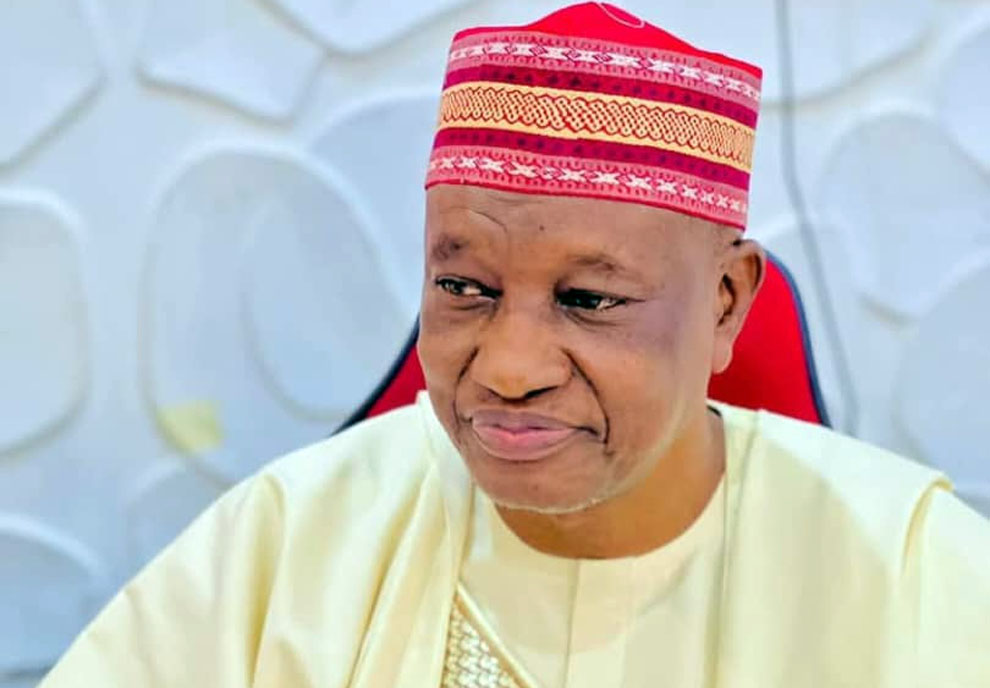
Kano Deputy Governor, Aminu Abdussalam Gwarzo, Resigns
The Deputy Governor of Kano State, Aminu Abdussalam Gwarzo, has resigned from office, bringing a sudden twist to the state’s evolving political landscape.
His spokesperson, Ibrahim Shuaibu, confirmed the development on Friday, stating that the resignation had been formally communicated.
“Yes, it is true. The deputy governor has resigned from his position,” Shuaibu said, declining to provide further details surrounding the decision.
Although no official reason has been disclosed, the resignation comes amid escalating tensions between Gwarzo and the Kano State House of Assembly.
In recent days, the Assembly had levelled a series of allegations against the former deputy governor, including claims of misconduct and concerns related to the discharge of his official duties. Lawmakers were also reported to have initiated moves widely seen as a precursor to possible disciplinary action, raising fears of an impending political crisis within the state executive.
The development also follows recent political shifts in Kano, particularly the defection of Governor Abba Yusuf to the All Progressives Congress, a move that has triggered significant realignments within the state’s political structure.
Since the defection, the governor has undertaken sweeping changes aimed at repositioning the administration. These include the removal of the Head of Service, Abdullahi Musa, as well as the dismissal of the Commissioner for Investment, Commerce and Industry, Shehu Wada Sagagi, as part of broader efforts to enhance efficiency and discipline in governance.
Political observers interpret these actions as part of a strategic move by the administration to consolidate power within the new political alignment and streamline government operations in line with evolving priorities.
While details of the allegations against Gwarzo remain unclear, sources within the Assembly indicated that the matter had been under legislative scrutiny prior to his resignation.
Efforts to obtain further clarification from the Kano State Government were unsuccessful as of the time of filing this report.
Gwarzo’s exit is expected to trigger constitutional procedures for the appointment of a new deputy governor, subject to approval by the State House of Assembly.
Analysts believe the development could further reshape Kano’s political landscape, particularly as the state navigates ongoing alignments ahead of future electoral contests.
Kano Deputy Governor, Aminu Abdussalam Gwarzo, Resigns

-

 metro2 days ago
Tragedy in Aramoko: Trailer Rams Residential Building, Kills 300‑Level Student
-

 News2 days ago
Final Notice: FG Orders Civil Servants to Complete PASGA Verification by March 31
-

 Entertainment2 days ago
Nollywood Actress Declares Love for Ibrahim Chatta, Offers to Pay Her Own Dowry
-

 metro10 hours ago
Jos Attack: Plateau Govt Declares 48-Hour Curfew After Deadly Assault
-

 Entertainment2 days ago
Streamer Peller Escorted Out of Alake of Egbaland’s Palace in Abeokuta
-

 International2 days ago
Iranian Missiles, Drones Strike US Air Base in Saudi Arabia
-
 News3 days ago
Kano Deputy Governor, Aminu Abdussalam Gwarzo, Resigns
-

 Sports3 days ago
Super Eagles Edge Iran 2–1 in Antalya Friendly