

Education
FG inaugurates remodelled Chibok school seven years after B’Haram attack
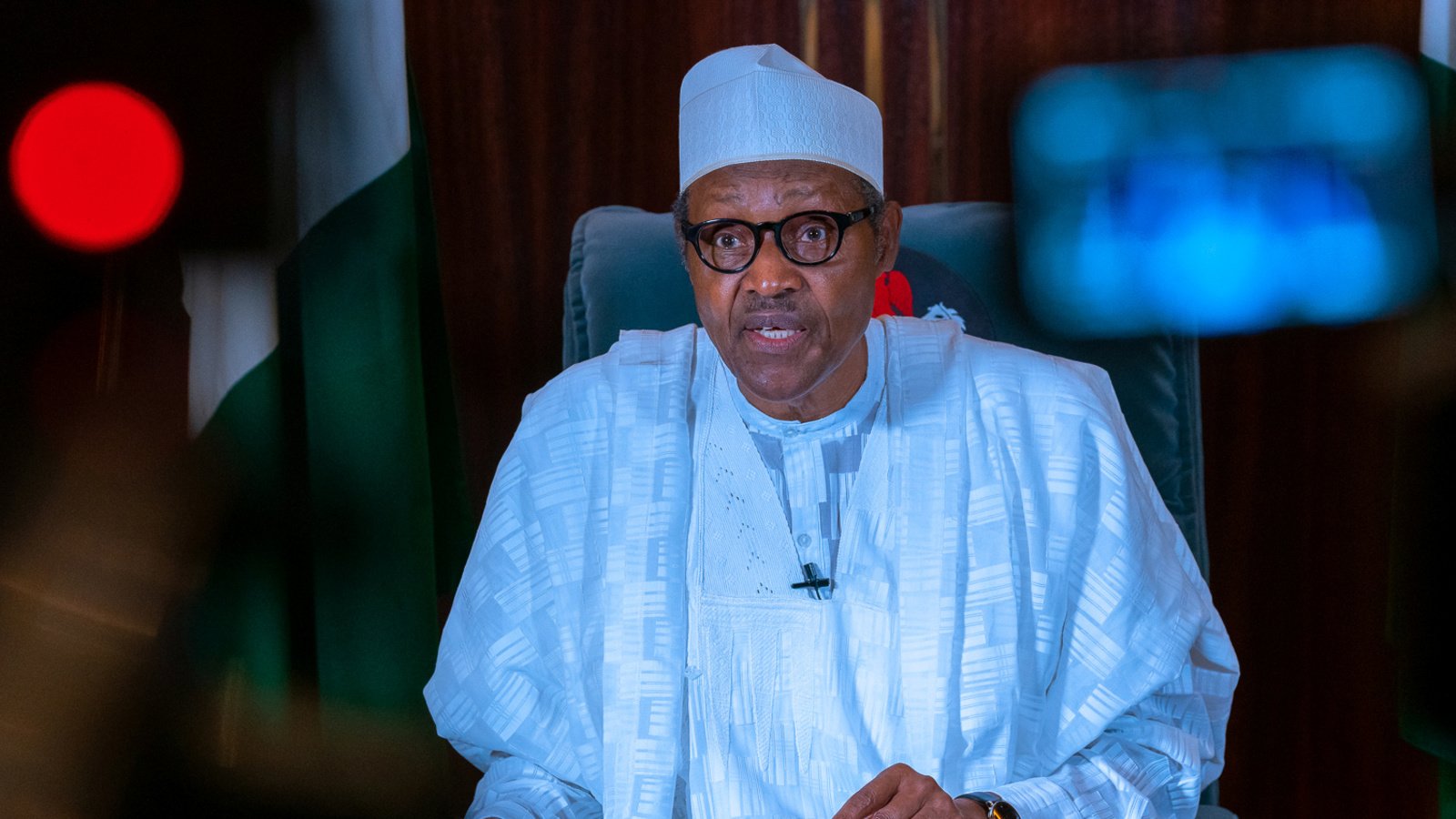
President Muhammadu Buhari on Monday inaugurated the newly remodelled Government Girls Secondary School in the Chibok Local Government Area of Borno State.
The school was attacked by the Boko Haram terrorisms seven years ago, where they kidnapped 276 schoolgirls.
The new school is now renamed ‘Government Secondary School’ as a mixed school for boys and girls.
The attack which took place on April 14, 2014 had led to the schoolgirls, mostly Christians, being ferried into Sambisa Forest, causing agony for the parents, the state and the country.
Former President Goodluck Jonathan through his Finance Minister, Dr Ngozi Okonjo Iwella, visited Chibok in March 2015, to lay the foundations for new school building.
But not until President Muhammadu Buhari came on board, in which, the Borno State Government under the leadership of Governor Babagana Zulum took over that the project was completed, this year.
While some of the girls escaped, some rescued, about 112 of them were held captive or married off to the terrorists as their whereabouts are still unknown.
Minister of Women Affairs, Mrs Pauline Tallen, who at the Monday’s inauguration represented Buhari, said she was in the state to bring a goodwill message of the President to the people of Borno, especially those in Chibok.
She thanked Borno State Government for singlehandedly renovating the school.
She said the FG was determined to provide quality education, especially to the downtrodden and improve the girl-child education.
She said the present administration was also unwavering to root out insurgency in the North-East region and the country as a whole to enable the displaced people to return to normal life.
The minister said, “We sympathize with the Chibok community. We know what you are going through. But I want to assure you that we are working day and night to make sure that life returns to normal both in your community and all others affected by terrorism.
“I want to appeal to Chibok leaders and the community to continue give their maximum support to the present administration under the leadership of Governor Babagana Umara Zulum who is ever willing to give girl child education the desire it needs.”
The chief host, Governor Zulum, thanked President Buhari for his support and cooperation to the state government to obtain the required funds which led to the completion of all the destroyed structures, and pledged his administration’s commitment to uplifting the education sector in the state.
He prayed God to rescue the remaining schoolgirls and all those still in the captivity of Boko Haram.
Zulum said, “The reconstructed Chibok school have a state of the art classrooms, library and laboratory, computer and ICT centre, a sports arena and a clinic.
“For security, it has a gate house and observation post to be manned by well-equipped security agents.
“This administration promised to rebuild the Government Secondary School in Chibok which was destroyed by terrorists. Today, I am glad that we are all witnessing the official commissioning of the completed befitting projects.
“We want our students to go back to school. We want them to get the education they need to live a decent life. We will support them and we will do everything we can to support their parents and the entire community.
“We will also not forget the Chibok girls. We are working hard to ensure that they return home. As a father, I can feel the pain of the parents. What happened was tragic. But I want you to know that this administration cares. We will not abandon our children. We are with you.”
A number of other projects executed by the state government were also commissioned to mark the governor’s two-year anniversary.
The projects executed by the Zulum administration are the newly constructed Government Lodges in Chibok and Askira Uba LGA, Mbabala Technical College also in Chibok; primary health care centres in Mbalala and Wamdeo in Askira Uba; 200 housing units in Chibok town; 20 double classrooms in Damboa; boreholes in Mboa community as well as distribution of palliatives, among others.











Education
NELFUND Warns Schools: Student Loans Are Voluntary, Not Compulsory

NELFUND Warns Schools: Student Loans Are Voluntary, Not Compulsory
The Nigerian Education Loan Fund (NELFUND) has warned tertiary institutions against compelling students to apply for the Federal Government’s student loan scheme, insisting that accessing the facility is voluntary and not a condition for studying in Nigerian institutions.
The clarification followed controversy over a directive reportedly issued by the Enugu State College of Education (Technical), Enugu, requiring all fresh and returning students to apply for and access the loan for the 2026/2027 academic session.
In a statement issued in Abuja on Wednesday, October 21, 2026, NELFUND said students should determine whether to apply based on their individual financial circumstances and genuine need for assistance.
The statement was signed by the fund’s Director of Strategic Communications, Oseyemi Oluwatuyi.
NELFUND explained that the student loan scheme was established to remove financial barriers to higher education, promote equal access to learning opportunities and ensure that eligible Nigerians were not denied education because of financial difficulties.
It stressed that students who could independently afford their educational expenses were under no obligation to apply for or access the facility.
“The student loan scheme is a support mechanism, not an obligation,” the fund stated.
NELFUND added that making the loan compulsory for every student, regardless of their financial circumstances, would defeat the purpose of the programme.
READ ALSO:
- Breaking: Afenifere Leader Pa Fasoranti Dies at 100
- Army Major, Soldiers Killed in ISWAP Ambush in Yobe State
- Chaos in Abeokuta as Algerian Fans Attack Coach, Vandalise Stadium After Rangers Defeat
According to the agency, its objective is not to encourage indiscriminate borrowing but to ensure that eligible students who genuinely require financial assistance can access support to pursue their academic ambitions.
The clarification comes amid concerns over an internal memorandum reportedly issued by the management of the Enugu State College of Education (Technical).
The memorandum, dated October 6, 2026, and signed by the institution’s Acting Registrar, Patrick A. Aneke, reportedly directed all students in its Nigeria Certificate in Education and degree programmes to apply for the loan for the 2026/2027 academic session.
It also instructed deans, directors, heads of departments and student representatives to communicate the directive to students and asked them to visit the institution’s NELFUND desk officer for assistance with applications.
Reports surrounding the directive indicated that students who failed to comply could face restrictions on taking examinations or continuing their studies, raising concerns about the implications of compelling students to take loans.
NELFUND’s clarification reinforces the distinction between making financial assistance available to eligible students and requiring every student to borrow, irrespective of whether they need the support.
The fund further explained that although its loans are interest-free, beneficiaries are required to repay them in accordance with the provisions of the Student Loans Act.
It therefore urged prospective applicants to understand the scheme’s terms and conditions and make informed decisions before applying.
NELFUND also called on tertiary institutions, student leaders and other stakeholders to provide accurate information about the programme and guide students who require financial assistance through the application process.
The agency reiterated its commitment to ensuring that financial hardship does not prevent eligible Nigerians from pursuing higher education.
The development has renewed attention on the implementation of the Federal Government’s student loan programme and the need for institutions to ensure that students understand both the benefits and repayment obligations associated with the facility.
NELFUND maintained that the scheme should remain an avenue for financial support for students who need it, rather than a compulsory borrowing arrangement imposed on the entire student population.
NELFUND Warns Schools: Student Loans Are Voluntary, Not Compulsory
Education
Tinubu Scraps Recruitment Waiver Requirement for Federal Universities
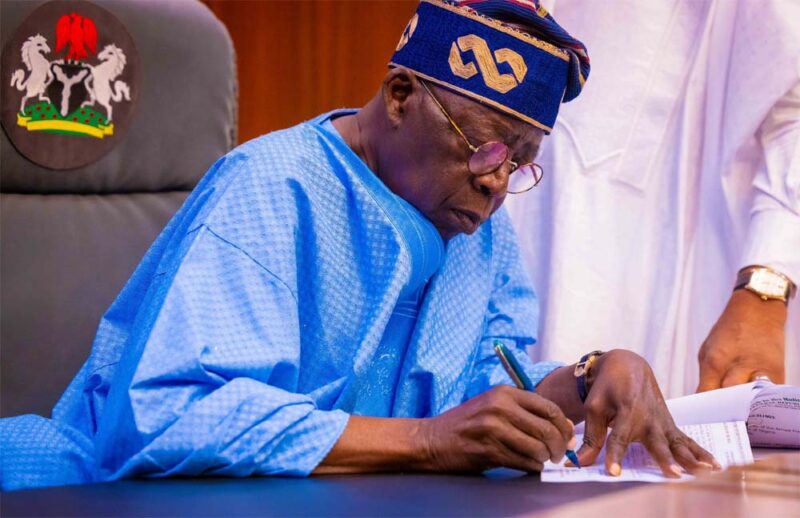
President Bola Ahmed Tinubu has exempted federal universities from the requirement to obtain recruitment waivers from the Office of the Head of the Civil Service of the Federation (OHCSF) before employing new staff, in a move aimed at strengthening institutional autonomy and easing recruitment bottlenecks in Nigeria’s tertiary education sector.
Tinubu announced the policy change on Saturday, October 17, 2026, at the maiden convocation ceremony of the Federal University of Health Sciences, Azare (FUHSA), in Bauchi State. He was represented at the event by the Executive Secretary of the Tertiary Education Trust Fund (TETFund), Sonny Echono.
The President, who serves as Visitor to all federal universities, said the reform was reflected in recent agreements signed between the Federal Government and university staff unions.
According to him, the decision would empower the Federal Ministry of Education and university governing councils to take responsibility for recruitment decisions and respond more effectively to their institutions’ staffing needs.
“This measure empowers the Federal Ministry of Education and university Governing Councils to discharge their respective responsibilities in staff recruitment, enabling institutions to respond more effectively to their legitimate manpower needs,” Tinubu said.
The removal of the waiver requirement is expected to reduce administrative delays that can hinder universities from filling vacant positions, replacing retiring employees and recruiting additional academic and non-academic personnel.
Under the previous arrangement, federal institutions could be required to obtain clearance from the OHCSF before recruiting new employees. Removing this requirement for federal universities is intended to give university authorities greater flexibility in addressing staffing shortages and managing their operations.
READ ALSO:
- FG Begins Rollout of 3,700 Telecom Towers to Connect 20m Nigerians
- 37 Miners’ Deaths in Custody: Suspended NSCDC Commandant Admits Tragedy Was Avoidable, Apologises to Families
- Singlet Dispute Turns Deadly as 23-Year-Old Kills Elder Brother in Kaduna
However, the reform does not mean that universities are exempt from all public-sector recruitment rules or that appointments can be made without appropriate institutional procedures.
Tinubu said the policy formed part of his administration’s broader efforts to strengthen university autonomy, improve personnel management and create a more conducive environment for teaching, research, innovation and service delivery.
The President also disclosed that the Federal Government was working to improve personnel and payroll administration across tertiary institutions by migrating their staff from the Integrated Personnel and Payroll Information System (IPPIS) to the Government Integrated Financial Management Information System (GIFMIS).
He said the transition was intended to improve payroll efficiency, strengthen transparency and accountability, ensure timely and accurate salary payments, and accommodate the operational peculiarities of universities and other tertiary institutions.
The proposed changes come amid longstanding discussions about the autonomy of Nigerian universities, including their ability to manage staffing, finances and other internal administrative responsibilities.
For universities struggling with shortages of lecturers, researchers, laboratory personnel and other essential workers, the removal of the recruitment waiver requirement could make it easier to respond to vacancies, subject to available funding and applicable recruitment procedures.
Beyond recruitment and payroll reforms, Tinubu reaffirmed the Federal Government’s commitment to investing in tertiary education infrastructure, research and staff welfare.
He disclosed that FUHSA had received an initial ₦8 billion intervention through TETFund to support its establishment. He said the investment followed lessons from the COVID-19 pandemic, which exposed weaknesses in Nigeria’s healthcare system and highlighted the need to strengthen medical education and research capacity.
According to the President, further support would be channelled to the university through TETFund’s regular and special interventions, alongside allocations in the 2026 national budget for roads, lecture halls, laboratories and utility vehicles.
Tinubu also announced that ₦10 billion had been provided for the National Research Fund in 2026, urging universities, particularly specialised institutions such as FUHSA, to pursue research that addresses Nigeria’s pressing healthcare challenges.
On staff welfare, he said the Federal Government had signed agreements with academic and non-academic unions covering the payment of the Consolidated Academic Tools Allowance (CATA) and the Consolidated Non-Teaching Tools Allowance (CONTTA), effective January 1, 2026.
He said the agreements recognised the distinct but complementary contributions of teaching and non-teaching personnel to the effective running of tertiary institutions.
Tinubu further disclosed that 1,798 FUHSA students, representing 43 per cent of the institution’s student population, had secured support from the Nigerian Education Loan Fund (NELFUND) for the 2025/2026 academic session.
The President congratulated the university’s 50 pioneer graduates and urged them to apply their knowledge and professional skills to improving healthcare delivery, particularly for vulnerable Nigerians.
He also encouraged FUHSA to strengthen partnerships with international institutions, including the University of Miami, Boston University and Universiti Sains Malaysia, while ensuring that such collaborations translate into measurable improvements in teaching, research and healthcare services.
The recruitment reform is expected to attract attention from university administrators, lecturers, non-academic staff and prospective employees as institutions assess how the new arrangement will affect recruitment timelines and staffing priorities.
Its impact will ultimately depend on how effectively university governing councils and the Federal Ministry of Education implement the policy, alongside adequate funding, transparent recruitment processes and effective oversight.
Tinubu Scraps Recruitment Waiver Requirement for Federal Universities
Education
JAMB Reopens NIN Alignment Window, Gives Candidates One More Chance to Correct Data

The Joint Admissions and Matriculation Board (JAMB) has reopened its National Identification Number (NIN) alignment service, giving eligible candidates another opportunity to correct discrepancies between their examination records and information held by the National Identity Management Commission (NIMC).
The examination body announced the development on Friday, October 16, 2026, through its official social media account, urging candidates with mismatched personal details to take advantage of the reopening and ensure their records are consistent.
However, JAMB warned that the opportunity is a one-time exercise and that submitting an application does not guarantee approval. All requests will be subjected to verification before a decision is made.
The board advised candidates to correct any errors in their NIN records through NIMC before applying to align their details with their JAMB profiles.
Applicants were also urged to review their information carefully and select every correction they require in a single submission to avoid mistakes that could affect the outcome of their applications.
READ ALSO:
- Terrorists Abduct Catholic Priest in Benue as Police Launch Rescue Operation
- 2027: Kwankwaso Signals Fuel Subsidy Comeback as NDC Vows to Crash Petrol Prices
- NAF Deploys Pumps in Desperate Push to Recover Submerged Aircraft After Crash Killed 25
The discrepancies may involve names, dates of birth and other personal information, depending on the fields approved for correction under the service.
JAMB explained that the application procedure, eligible fields, verification requirements and other important details had been outlined in an accompanying episode of its JAMB Explained video series.
Candidates were advised to watch the official guide and follow the prescribed steps before submitting their applications. The board also cautioned against rushing the process or providing incomplete information.
To avoid complications, candidates should first ensure that any approved changes to their NIN records have been fully reflected in the NIMC database before beginning the alignment process with JAMB.
Those who need to update their NIN information can use the NIMC self-service modification portal at https://selfservicemodification.nimc.gov.ng or visit an authorised NIMC centre, subject to the applicable requirements.
After correcting their NIN details, candidates should follow the application channel and instructions specified in JAMB’s official announcement and accompanying video. They should rely on the board’s official website, https://www.jamb.gov.ng, and its e-Facility portal, https://efacility.jamb.gov.ng, for verified guidance.
The reopening is intended to improve the accuracy and consistency of personal records used in Nigeria’s tertiary admission process, where discrepancies between examination and national identity records can create verification difficulties.
JAMB urged candidates to act carefully, ensure that their information is accurate and wait for official confirmation rather than assume that their applications have been approved.
JAMB Reopens NIN Alignment Window, Gives Candidates One More Chance to Correct Data
-

 metro1 day ago
Cancelled Wedding: Man Sues Ex-Fiancée’s Father Over Unpaid ₦70,000 Dowry
-

 Auto1 day ago
Car of the Year, other top honours up for grabs as NAJA Awards race begins
-

 metro2 days ago
School Bus Driver Turns Kidnapper, Collects ₦503,000 Ransom, Rapes 14-Year-Old Delta Student
-

 metro2 days ago
IKEDC Blames National Grid for Two-Week Power Crisis in Ishaga, Oke-Ayo
-

 Sports1 day ago
KANE ENDS 25-YEAR WAIT! England Captain Wins 2026 Ballon d’Or After Stunning 73-Goal Season
-

 metro1 day ago
Man, Teenage Girl Found Dead in Toyota Corolla as Police Begin Investigation
-

 metro1 day ago
EFCC Busts Four Illegal Lithium Plants in Ogun, Arrests 14 Chinese Nationals
-

 metro21 hours ago
Nigerian Navy Recruitment 2026: October 31 Deadline, Full Requirements and How to Apply