

metro
FRSC Zone RS 8 Benefits from Corps Marshal’s Repositioned Training
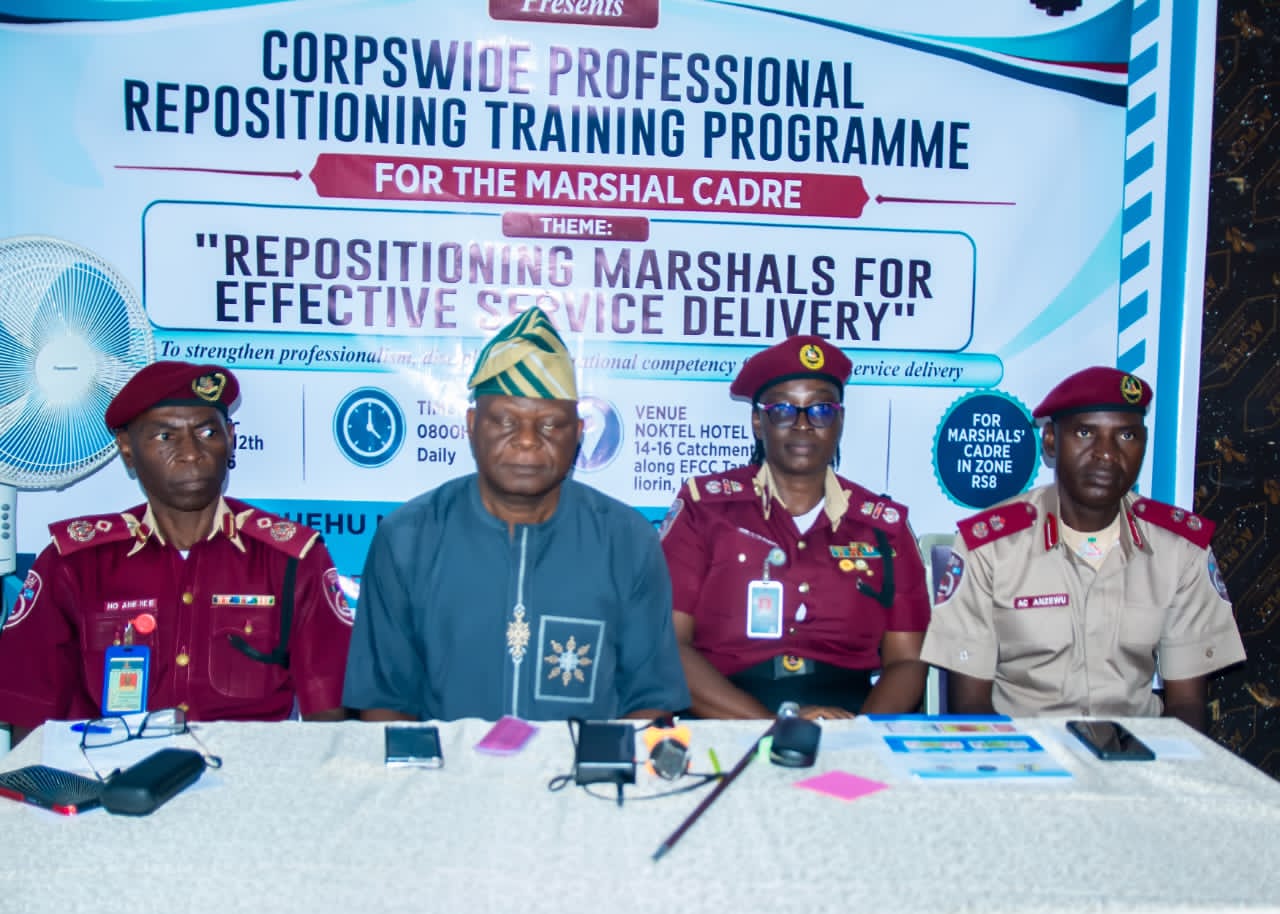
FRSC Zone RS 8 Benefits from Corps Marshal’s Repositioned Training Initiative
As part of a sweeping nationwide push to overhaul frontline operations, non-commissioned officers under the Federal Road Safety Corps (FRSC) Zone RS 8—comprising Ekiti, Kogi, and Kwara states—have undergone an intensive professional repositioning training.
The programme, hosted at the zonal headquarters in Ilorin, Kwara State, is a core component of Corps Marshal Shehu Mohammed’s broader strategy to elevate service delivery, discipline, and operational efficiency across the agency.
Retired Deputy Corps Marshal Joshua Fanola facilitated the session, while Assistant Corps Marshal Ann Oladayo, the Zonal Commanding Officer, delivered the official address.
Themed “Repositioning Marshals for Effective Service Delivery,” the training directly supports the Corps’ 2026 Corporate Strategic Goals. These goals prioritize operational excellence, institutional integrity, digital transformation, and a measurable reduction in road traffic crashes nationwide.
Building Frontline Competence
Emphasizing that Marshals are the most visible face of the agency, Corps Marshal Mohammed noted that public confidence in the FRSC hinges directly on their conduct and competence.
The curriculum covers a comprehensive range of critical areas, including:
* The FRSC Establishment Act and core operational procedures
* Advanced traffic management and emergency response protocols
* Ethical conduct, emotional intelligence, and effective public engagement
Nationwide Rollout
The capacity-building initiative is currently being rolled out in phases across all 12 FRSC zonal commands.
The initial phase successfully covered RS1HQ Kaduna and RS5HQ Benin between July 29 and 30, 2026, with subsequent phases expanding to the remaining zones.
Addressing the participants, Mohammed urged them to approach the program with commitment, stressing that the insights gained must translate into sharper patrol operations, better respect for human rights, and more proactive emergency responses.
He also instructed facilitators to keep sessions practical, interactive, and tailored to modern operational challenges.
Commending the FRSC Training Department for coordinating the initiative, Mohammed reaffirmed that continuous staff development remains a top priority of his administration.
Facilitator Joshua Fanola noted that the exercise is specifically designed to foster a more courteous, approachable, and professional demeanor among road marshals.
Participating officers expressed strong optimism that the training will significantly sharpen their competence and field effectiveness.








metro
Jezco Chairman’s Abductors Raise Ransom Demand from N700m to N1.5bn
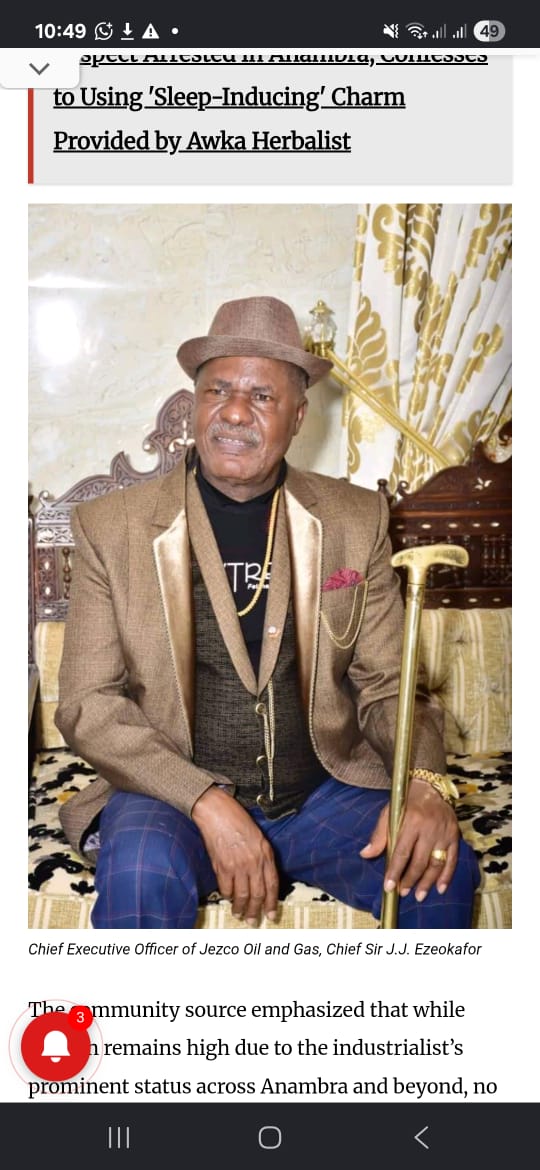
Jezco Chairman’s Abductors Raise Ransom Demand from N700m to N1.5bn
The kidnappers of the Chairman of Jezco Group, Chief Sir Joseph Ezeokafor, have reportedly raised their ransom demand from N700 million to N1.5 billion, barely a week after the septuagenarian businessman was abducted in Anambra State.
A source close to the family disclosed that the abductors had initially demanded N700 million and established contact with the victim’s relatives.
According to the source, the family, desperate to secure Ezeokafor’s safe release, had indicated its willingness to meet the initial demand as part of negotiations with the kidnappers.
The abductors, however, were said to have subsequently increased the ransom to N1.5 billion.
The source said the family remained willing to negotiate, but expressed concern that the kidnappers had since stopped communicating with them.
Efforts by the family to re-establish contact with the abductors were reportedly unsuccessful, leaving the relatives in an increasingly difficult situation.
Ezeokafor, a prominent businessman in Anambra State, was abducted in the early hours of Tuesday, when he reportedly left his residence at about 2am for a prayer ground as part of his annual spiritual retreat.
Sources said the businessman had left his security details behind when he stepped out of his home, allegedly giving the kidnappers an opportunity to seize him.
The incident has continued to generate concern among residents and business stakeholders in the state, particularly against the backdrop of the growing threat of kidnapping.
One week after the abduction, the Anambra State Police Command and the state government have yet to issue an official statement on the incident.
The police command has also not publicly confirmed the reported ransom demand or provided details on efforts to secure the businessman’s release.
metro
Rescued Kogi Kidnap Victims Recount Nearly 48 Hours in Captivity
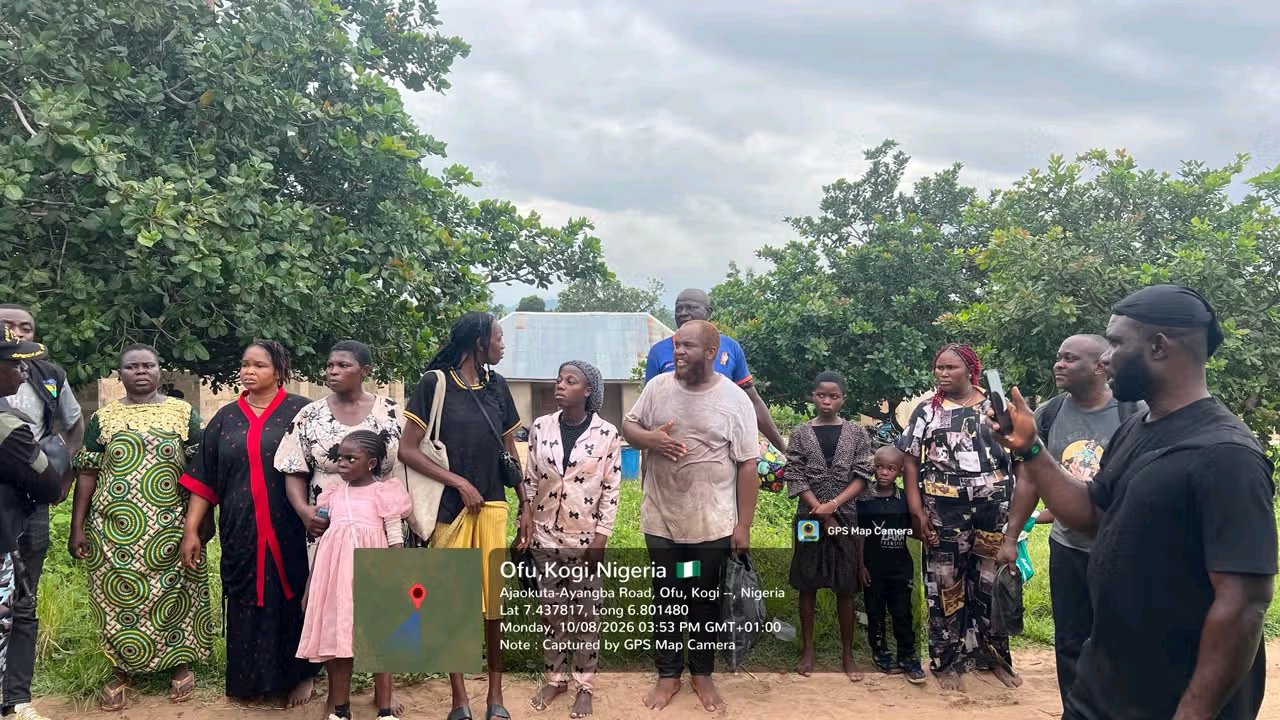
Rescued Kogi Kidnap Victims Recount Nearly 48 Hours in Captivity
Two of the 16 victims rescued from kidnappers in Kogi State, Ngozi Stephen and Joshua Daniel, have recounted their harrowing experiences during nearly 48 hours in captivity.
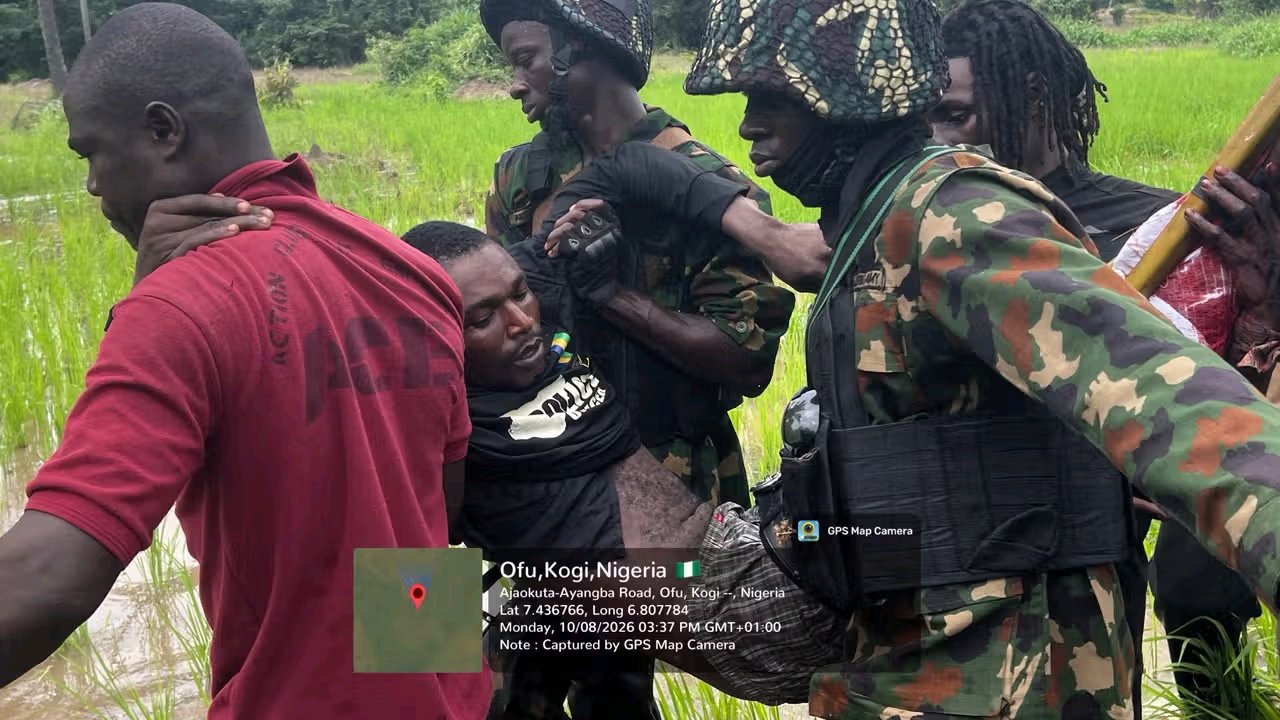
The victims were abducted on Sunday when armed men attacked commuters along the Ojuwo–Ajengo–Memarebo and Ojiwo–Itobe roads in Ofu Local Government Area of the state.
They were rescued on Monday during a joint security operation involving personnel of the Nigerian Army, Nigerian Navy, Nigeria Police Force and local vigilantes along the Ajaokuta–Anyigba road in the Ofu area.
The rescue operation, according to the security authorities, was successful after security personnel engaged the kidnappers, forcing them to flee and abandon the victims.
A local hunter was reportedly killed during the operation, while a police officer sustained injuries.
Speaking during an interview at the Kogi State Police Command headquarters on Tuesday, one of the rescued victims, Ngozi Stephen, disclosed that the kidnappers forced her to serve as an interpreter because of her fluency in Hausa.
Ngozi said the kidnappers assigned different ransom demands to the victims and made her communicate the amounts to them.
According to her, some victims were asked to pay as much as N50 million, N70 million and N100 million, while she herself was given a ransom demand of N70 million.
She said she attempted to plead with the kidnappers to reduce the amount demanded from her but was threatened with violence.
“They told me, tell this person N50 million, tell this person N100 million, tell this person N70 million. That was how they were sharing it,” she recalled.
Ngozi said although the kidnappers subjected some of the victims to physical violence, she was not beaten, possibly because she was being used as an interpreter.
She added that the kidnappers seized the victims’ mobile phones and laptops and switched off the phones. The devices were allegedly returned whenever the abductors wanted the victims to contact their relatives to negotiate or facilitate ransom payments.
The situation became more frightening, she said, when the kidnappers threatened to sell the victims to ritualists if their relatives failed to raise the demanded ransom.
Ngozi, however, said the kidnappers fled when they heard gunshots from the approaching security operatives, abandoning the victims and the bag containing the phones and laptops they had collected.
She expressed relief at the successful rescue, saying the victims were grateful to be alive and reunited with their families.
‘I Bled Throughout the Night’
Another rescued victim, Daniel, gave a graphic account of how he sustained a serious injury while attempting to escape from his abductors.
Daniel said that shortly after the victims were captured, he noticed an opening and attempted to escape into a nearby bush.
He said one of the kidnappers pursued him and tried to attack him with a cutlass.
According to him, he raised his hand to protect himself, but the cutlass struck his arm and severed a vein, causing him to bleed throughout the night.
“That is when the cutlass landed here and cut my vein. So, I was bleeding throughout the night,” he said.
Daniel said the bleeding eventually stopped after he obtained some herbs and applied them to the wound.
He also disclosed that one of the kidnappers identified himself as Peter, adding that the abductors deliberately spoke Igala, Fulani and Hausa among themselves to prevent the victims from understanding their conversations.
Despite his injury, Daniel said he assisted in carrying the wounded police officer from the kidnappers’ hideout to the main road after the rescue.
“Even when I had this cut on my hand, I helped in carrying the officer from where we were held captive to the main road where we entered the car. My hand was swelling,” he said.
Daniel expressed gratitude to the security personnel for their intervention but lamented the death of the local hunter who was killed during the rescue operation.
He commiserated with the deceased hunter’s family, describing the sacrifice made by the security personnel and local vigilantes as significant to the victims’ survival.
Meanwhile, the authorities said the 16 rescued victims comprised six adult males, six adult females and four children.
The victims are currently undergoing documentation and medical assessment before being reunited with their respective families.
The successful operation came amid renewed security concerns along major roads in parts of Kogi State, where armed criminals have continued to target motorists and commuters.
Security agencies have intensified joint operations in the affected areas, with local vigilantes also providing intelligence and support to conventional security personnel in efforts to combat kidnapping and other forms of criminality.
Rescued Kogi Kidnap Victims Recount Nearly 48 Hours in Captivity
metro
Nigeria Needs Competent, Ethical Young Leaders, Says HAVEK Leadership Academy
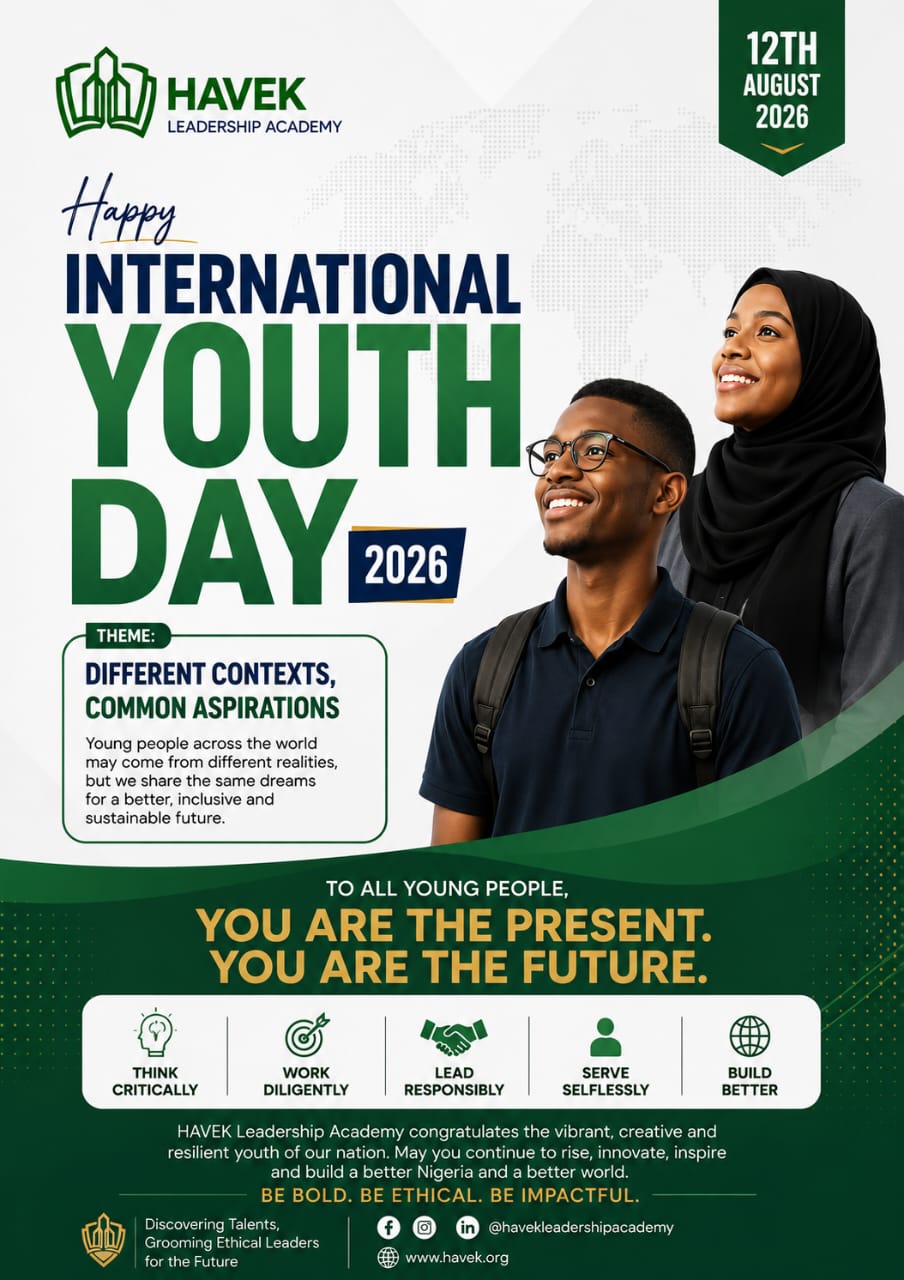
Nigeria Needs Competent, Ethical Young Leaders, Says HAVEK Leadership Academy
LAGOS — Nigeria needs a new generation of competent, ethical and purpose-driven young leaders who are adequately prepared to take responsibility for the country’s development, the HAVEK Leadership Academy has said.
The Academy made the call in a statement issued by its General Manager, Mr. Taiwo Bakare, to commemorate the 2026 International Youth Day, observed globally on Wednesday, August 12, under the theme, “Different Contexts, Common Aspirations.”
According to HAVEK, the occasion provides an opportunity not only to celebrate the creativity, resilience and contributions of young people but also to reflect on the responsibilities required to prepare them for leadership and national development.
The Academy stressed that Nigeria does not simply need young people waiting to occupy leadership positions but youths who are deliberately preparing themselves to lead responsibly.
It noted that leadership should not be measured by age, political position, public visibility or the possession of authority, but by competence, character, discipline, courage, accountability, service and the ability to provide practical solutions to societal challenges.
Bakare said the future of Nigeria would largely depend on the knowledge, values, skills and decisions of its young people.
“Nigeria needs a generation of young people who will not only ask what the country can do for them, but who are prepared to ask what they can contribute to building a better country.
“We need young Nigerians who are intellectually equipped, professionally competent, morally grounded, and courageous enough to provide solutions to the challenges confronting our nation,” he said.
The Academy said youth development must move beyond speeches and slogans to deliberate investment in the capacity, character and leadership competence of young Nigerians.
It urged young people to acquire relevant knowledge and practical skills, develop critical-thinking abilities, embrace technology and innovation, cultivate strong work ethics and understand the importance of patience, discipline and continuous learning.
HAVEK also warned that leadership without character could become a liability to society, stressing that Nigeria needs young leaders who would reject corruption, dishonesty, indiscipline, intolerance and the culture of shortcuts.
The Academy said such values were essential across different sectors, including politics, business, education, public service, entrepreneurship, community development and technology.
It maintained that young professionals, entrepreneurs, educators, public servants, community leaders and innovators must understand that leadership is fundamentally about responsibility and service to humanity.
The Academy also called on parents, educational institutions, governments, businesses and civil society organisations to create more meaningful platforms for young Nigerians to learn, innovate, serve and participate constructively in national development.
According to HAVEK, youth empowerment should not be restricted to financial interventions, noting that sustainable empowerment must include quality education, leadership development, mentorship, employability skills, entrepreneurship, digital competence, civic responsibility and meaningful participation in decision-making.
The organisation further noted that Nigeria’s large youth population could become one of the country’s greatest assets if properly educated, equipped and guided.
It urged stakeholders to provide young Nigerians with opportunities to develop their talents and transform their aspirations into practical contributions to society.
The Academy called on Nigerian youths to make continuous learning, critical thinking, hard work, responsible leadership, innovation and selfless service integral parts of their personal development.
It said the future should not be something young people merely wait to inherit but something they should begin preparing to build through their choices, actions and commitment to national development.
HAVEK Leadership Academy reaffirmed its commitment to developing young people with the knowledge, skills, values and leadership capacity required to contribute meaningfully to Nigeria and the global community.
The Academy concluded its message with a call for a renewed commitment to youth development, declaring: “Nigeria needs strong minds. Nigeria needs capable hands. Nigeria needs people of character. Nigeria needs young leaders prepared to serve. The time to prepare them is now.”
The statement was signed by Bakare, General Manager, HAVEK Leadership Academy.
Nigeria Needs Competent, Ethical Young Leaders, Says HAVEK Leadership Academy
-

 Politics3 days ago
Aregbesola: I’ve never slept with another woman since marriage
-

 News2 days ago
Trump smuggled out of Turkey in catering truck over Iran threat
-
 Education2 days ago
Nigerian Young Academy, LASU to Host 16th International Conference on Convergent Research
-

 Politics2 days ago
Keep Religion Out of Nigeria’s ‘Dirty Politics,’ Gumi Tells Jingir
-

 Education3 days ago
Nigerian Mother Gifts Son a Live Goat After Polytechnic Graduation
-

 Politics3 days ago
Osun 2026: Oyinlola Leads PDP Heavyweights to Endorse APC’s Oyebamiji
-

 News2 days ago
South Africa Visa Applications Double From Nigerians Despite Xenophobia Concerns – Envoy
-

 metro2 days ago
‘I Acted Out of Patriotism’ — Army Colonel Ma’aji Breaks Silence, Explains Why He Plotted Coup Against Tinubu