

Auto
Hyundai recalls Kona electric vehicles over battery fire risk

Hyundai has announced the recall of 76,000 Kona EVs built between 2018 and 2020 after more than a dozen reported fires related to the electric SUV’s battery pack.
This is the second recall of the Kona EV after the first global recall whose fault will cost Hyundai around $900 million to fix.
The Kona was also recently launched in Lagos and Abuja with fanfare and was followed up last week with the media launch of the petrol version.
Specifically, it says it is recalling some Ioniq EVs and electric buses built between November 2017 and March 2020 that use the same LG Chem cells.
In total, the automaker is recalling 82,000 vehicles, according a report by MSN Auto contributed by auto platform, The Verge.
Hyundai and LG Chem have decided to completely replace the batteries in these vehicles instead of trying to solve the issue through software updates, according to the Financial Times.
The recall is starting in South Korea, but Hyundai Motor North America told The Verge it would “be taking a similar action in the US and Canada.”
“We are working closely with NHTSA and Transport Canada on the recall and will communicate the details to affected customers shortly,” the company said.
Reports of Kona EVs catching fire date back as far as mid-2019, and at least 15 have been documented, including one vehicle that was already called in for repair.
The issue allegedly has to do with the material that separates the cell’s cathode and anode, though an official investigation in South Korea is still ongoing.
General Motors recently recalled nearly 70,000 Chevy Bolts that use LG Chem batteries after reports of fires, though the automaker clarified to InsideEVs that it uses a different cell than the one in the Kona EV.
News of the recall comes just one day after Hyundai unveiled the Ioniq 5 crossover SUV, which will be the first EV built on the company’s new electric vehicle platform.



Auto
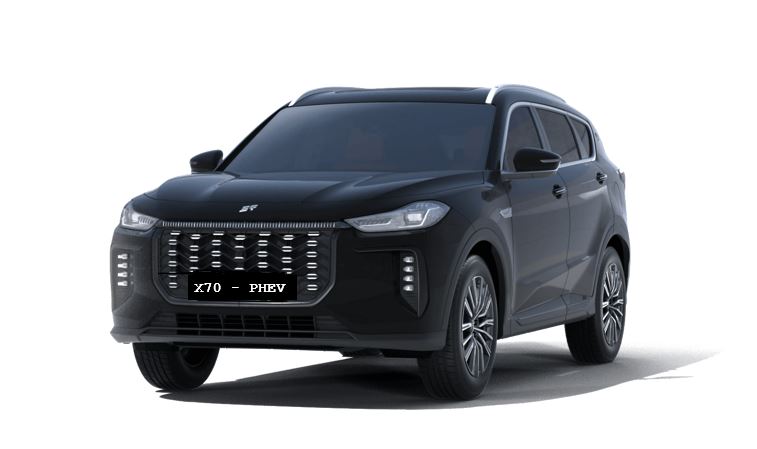
Jetour Targets Abuja Market with X70 PHEV as Nationwide Expansion Gathers Pace
Jetour Targets Abuja Market with X70 PHEV as Nationwide Expansion Gathers Pace
Jetour Nigeria is taking its hybrid SUV offensive to Abuja, with the X70 Plug-in Hybrid Electric Vehicle (PHEV) set to headline the three-day Jetour Experience from September 22 to 24 as the automaker accelerates its drive to expand its footprint and capture a larger share of Nigeria’s fast-evolving mobility market.
The Abuja showcase, coming on the heels of a strong Lagos edition that generated significant consumer interest, test drives and sales enquiries, is designed to bring Jetour’s latest technologies closer to customers in the Federal Capital Territory and neighbouring states.
The event at Maha Event Centre, Area 8, will give prospective buyers and auto enthusiasts the opportunity to test-drive the X70 PHEV and other Jetour models while interacting with product specialists and experiencing their technology, safety features, performance and comfort firsthand.
According to the company, expanding the showcase to the Federal Capital Territory was a direct response to rising demand from residents in Abuja and neighbouring states.
READ ALSO:
- ASUU Crisis Deepens: Lagos Universities Join UNIBEN, Taraba on Indefinite Strike
- Lagos Power Outage: Ikeja Electric Blames TCN as Businesses, Homes Groan
- US Court Blocks Trump Visa Rule Limiting Stay of Foreign Students, Journalists
To bolster buyer confidence, Jetour Nigeria—the country’s sole authorised distributor—backs the X70 PHEV with a five-year or 150,000-kilometre warranty.
The distributor operates through an accredited nationwide dealer network, including: Elizade Nigeria Limited,
New Era Auto Vehicle Services Limited, Kojo Motors, Germaine Auto Centre, Tab Autos Limited, R.T. Briscoe Motors, and Mandilas Autos.
The X70 PHEV pairs a 1.5-litre turbocharged engine with a 19.43kWh battery and a dedicated hybrid transmission. Designed to balance performance with fuel efficiency, the vehicle supports fast, slow, engine, and regenerative braking charging options—reducing reliance on external charging infrastructure.
Jetour’s rapid growth in the Nigerian market has earned both private and corporate patronage, driven by competitive pricing, high specification levels, and an expanding service footprint. The brand was named “Fastest Growing Auto Brand of the Year” at the 2024 Nigeria Auto Journalists Association (NAJA) Awards.
With the X70 PHEV leading the Abuja showcase, Jetour aims to deepen customer engagement and consolidate its position in the local automotive market.
Jetour Targets Abuja Market with X70 PHEV as Nationwide Expansion Gathers Pace
Auto
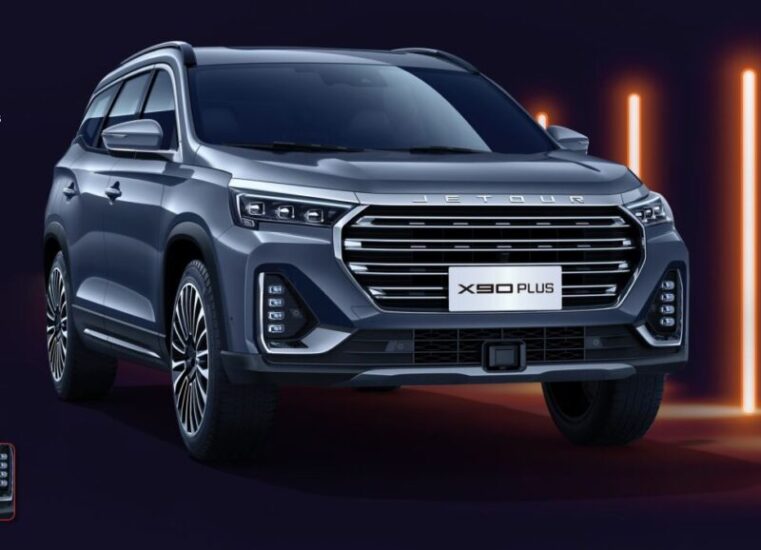
X90 Plus Leads Jetour’s Abuja Drive for Bigger SUV Market Share
X90 Plus Leads Jetour’s Abuja Drive for Bigger SUV Market Share
Jetour Nigeria is taking its premium SUV battle to Abuja, with the seven-seater X90 Plus set to headline the Jetour Experience Abuja from September 22 to 24, as the automaker moves to capture a larger share of Nigeria’s fast-growing high-end family SUV market.
The three-day motoring showcase will give prospective buyers, families and auto enthusiasts in the Federal Capital Territory and neighbouring states an opportunity to experience the X90 Plus and other models in the Jetour range through test drives and hands-on demonstrations.
The Abuja showcase follows the success of the brand’s earlier Jetour Experience in Lagos, where strong customer interest, inquiries and sales momentum reportedly encouraged the company to take the initiative to the Federal Capital Territory.
Jetour Nigeria said growing demand from customers in Abuja and neighbouring states was a major factor behind the decision to expand the experience to the northern market.
Positioned as a full-sized family SUV, the X90 Plus is designed for executives and families seeking a combination of space, technology, performance and comfort without the price tag associated with some luxury SUVs.
The model is offered with 1.6-litre and 2.0-litre turbocharged engines paired with a seven-speed dual-clutch transmission. The powertrain produces up to 254 horsepower and 390Nm of torque.
Inside the cabin, the X90 Plus features a 12.3-inch LCD touchscreen infotainment system, panoramic sunroof, Sony premium audio system and wireless charging.
Its safety and driver-assistance features include a 360-degree panoramic camera, Forward Collision Warning, Lane Departure Warning and electronic stability systems.
Jetour’s growing profile in Nigeria has also earned the brand recognition from the Nigeria Auto Journalists Association (NAJA), which named it Fastest Growing Auto Brand, while it was also recognised as Auto Brand of the Year at the Nigeria Transport Lecture.
To support its expanding customer base, Jetour Nigeria, the sole authorised distributor, operates through seven accredited dealer partners across the country: Elizade Nigeria Limited, Mandilas Autos, R.T. Briscoe Motors, Germaine Auto Centre, Kojo Motors, Tab Autos Limited and New Era Auto Vehicle Services Limited.
The Abuja Experience is expected to provide Jetour with another platform to engage potential customers and reinforce its position in Nigeria’s increasingly competitive SUV market.
Auto
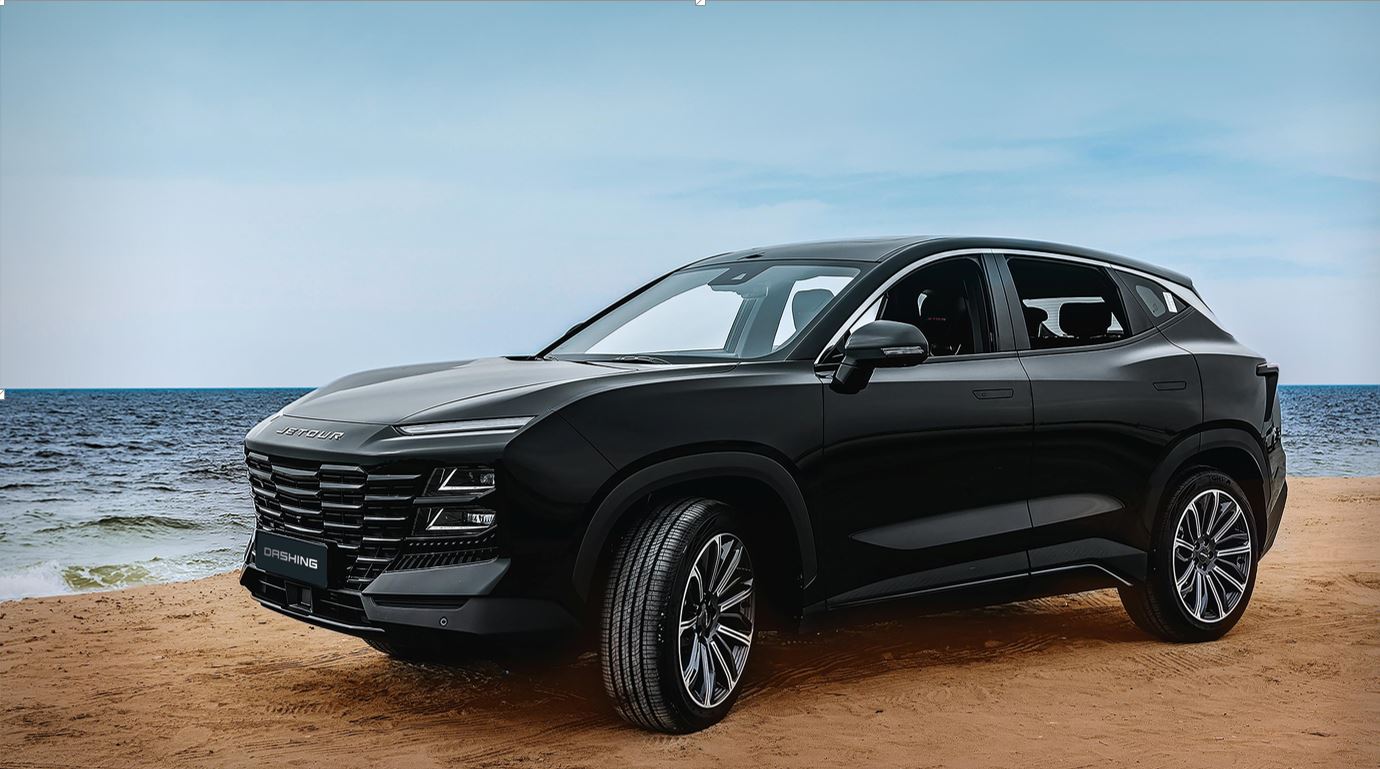
Jetour Takes Award-Winning Dashing, Other SUVs to Abuja
Jetour Takes Award-Winning Dashing, Other SUVs to Abuja
Motorists in Abuja are set for a close encounter with Jetour’s award-winning Dashing and other models as Jetour Nigeria moves to deepen its foothold in the nation’s capital with the Jetour Experience Abuja, beginning September 22.
The three-day motoring event, which runs until September 24, is expected to draw prospective buyers and automobile enthusiasts to a hands-on experience featuring test drives, product demonstrations and direct engagement with Jetour’s seven authorised dealers and product specialists.
The participating dealer network comprises Elizade Nigeria Limited, Kojo Motors, Mandilas Autos, Germaine Auto Centre, R.T. Briscoe, Tab Autos and New Era Auto Vehicle Services Limited.
READ ALSO:
- Police Arrest Woman Over Alleged Drug Trafficking in Delta
- Dangote raises petrol price 6.7% to N1,350/litre
- Anambra Police Arrest Woman Over Alleged Sexual Abuse of Child, Rescue Four
The Abuja Experience follows the success of the Lagos edition, which attracted thousands of visitors for test drives and direct engagement with product specialists. According to the organisers, strong demand and inquiries from motorists in Abuja and neighbouring states prompted the expansion of the event to the Federal Capital Territory.
The Dashing has gained attention in Nigeria’s competitive compact SUV segment for its combination of modern styling, technology, performance and competitive pricing.
The SUV is available with 1.5-litre and 1.6-litre turbocharged engines, producing up to 145kW of power and 290Nm of torque, paired with six- or seven-speed dual-clutch transmissions.
Its features include a 15.6-inch central touchscreen infotainment system, panoramic sunroof, wireless charging and smartphone integration.
For safety, the vehicle comes with a 360-degree surround-view camera, automatic emergency braking, lane departure warning, blind-spot detection and multiple airbags.
Beyond vehicle sales, the authorised dealers provide warranty, genuine spare parts and after-sales support to Jetour customers across their respective locations.
The Abuja Experience is expected to strengthen customer engagement and give motorists in the FCT a closer look at Jetour’s growing range of vehicles, while further expanding the brand’s footprint in the northern market.
Jetour Takes Award-Winning Dashing, Other SUVs to Abuja
-
 News2 days ago
SERAP Threatens Legal Action Over ₦126bn INEC Electoral Funds
-
 Politics2 days ago
Five Islamic Clerics Abducted After Tinubu Re-Election Prayer At Yari’s Zamfara Residence
-
 Opinion2 days ago
‘Tinubu Will Win Again in 2027’ — Charismatic Bishops’ Secretary
-
 Politics22 hours ago
2027: Northern Lecturers Back Tinubu, ASUU Disowns Endorsement
-

 metro2 days ago
Mother ‘sold daughter’s abuse videos for $300’: Nigeria child pornography case shocks nation
-

 Sports2 days ago
‘Unacceptable’ — Arteta Furious Over Sunderland Penalty in Arsenal Win
-
 News1 day ago
Nwifuru Dismisses Cubana Chief Priest as ‘Attention-Seeker’
-

 News2 days ago
Petrol Subsidy: Presidency Rejects Atiku’s Plan, Says No Going Back
You must be logged in to post a comment Login