

International
Iran holds state funeral for military leaders killed in Israel conflict

Iran holds state funeral for military leaders killed in Israel conflict
A state funeral has been held in Iran for about 60 people, including military commanders and nuclear scientists, killed during the 12-day conflict with Israel.
Coffins draped in the Iranian flag, bearing portraits of deceased commanders, were flanked by crowds near Tehran’s Enghelab Square.
The conflict ended with a ceasefire earlier this week, after the US became directly involved by bombing key nuclear sites in Iran.
Huge crowds of mourners dressed in black chanted slogans, waved Iranian flags and held portraits of those killed.
Ahead of the event, a media campaign urged people to participate, with authorities providing free bus and metro rides. Government offices were shut for the day.
Among those laid to rest on Saturday was Mohammad Bagheri, the highest-ranking military officer in Iran who was chief of staff of Iran’s armed forces.
Bagheri was to be buried with his wife and daughter, who were killed in an Israeli strike. In total, Iranian authorities said 627 people were killed in Iran. Israeli officials said 28 people were killed in Israel following missile attacks by Iran.
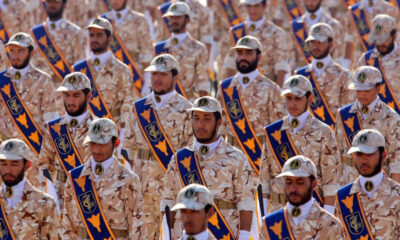
Hossein Salami, commander-in-chief of the Islamic Revolutionary Guards, and nuclear scientists including Mohammad Mehdi Tehranchi – head of Azad University in Tehran – were also among those laid to rest.
READ ALSO:
- Three Palestinians killed during Israeli settler attack on West Bank village
- Lagos Govt probes demolition of Obi’s brother property
- NLC vows to shut down FCT after Tinubu’s project inauguration
The funeral was attended by prominent figures including Iranian President Masoud Pezeshkian and Rear Admiral Ali Shamkhani – an advisor to the country’s supreme leader, Ayatollah Ali Khamenei – state television showed. Shamkhani was injured in an Israeli strike earlier this month.
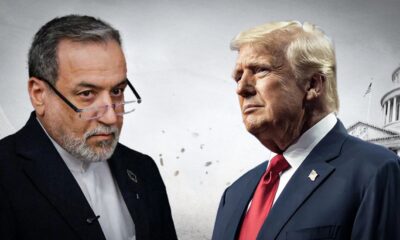
It comes after US President Donald Trump said he would “absolutely” consider bombing Iran again.
Responding to a question from the BBC’s Nomia Iqbal at a White House press briefing on Friday, he said he would “without question” attack the country if intelligence concluded Iran could enrich uranium to concerning levels.
Trump has also repeated his assertions that Iran was “decimated”, writing: “Why would the so-called ‘Supreme Leader’ Ayatollah Ali Khamenei, of the war-torn country of Iran, say so blatantly and foolishly that he won the war with Israel, when he knows his statement is a lie.”
Trump also claimed to have known “exactly where he [Khamenei] was sheltered”, saying he “would not let Israel, or the US Armed Forces… terminate his life”.
“I saved him from a very ugly and ignominious death, and he does not have to say, ‘thank-you, president Trump!'”, Trump posted on his Truth Social platform.
Iran’s foreign minister, Abbas Araghchi, warned Trump against making “disrespectful” comments about Khamenei, who claimed US and Israeli strikes on Iranian nuclear sites had achieved “nothing significant”.
“If President Trump is genuine about wanting a deal, he should put aside the disrespectful and unacceptable tone towards Iran’s Supreme Leader, Grand Ayatollah Khamenei,” Araghchi posted on X.
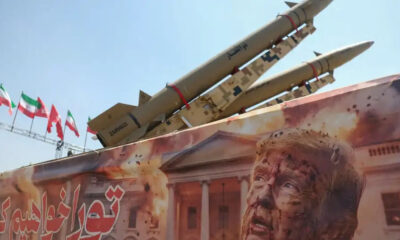
“The Great and Powerful Iranian People, who showed the world that the Israeli regime had no choice but to run to ‘Daddy’ to avoid being flattened by our Missiles, do not take kindly to Threats and Insults.”
Araghchi has admitted that “excessive and serious” damage was done to Iran’s nuclear sites by the recent bombings.
The head of the International Atomic Energy Agency (IAEA) has said it is still not known how much of Iran’s nuclear capabilities – including highly-enriched uranium and the centrifuges needed to purify the metal – have been destroyed or moved.
The agency’s director general Rafael Grossi also said that stopping Iran from being able to build nuclear weapons would not be achieved through military attacks.
“You are not going to solve this in a definitive way militarily, you are going to have an agreement,” he told the BBC’s US partner CBS News.
On social media, Trump claimed that in recent days he had been “working on the possible removal of sanctions, and other things, which would have given a much better chance to Iran at a full, fast, and complete recovery”.
But he said Khamenei’s comments had deterred him, declaring: “Instead I get hit with a statement of anger, hatred, and disgust, and immediately dropped all work on sanction relief, and more.”
BBC
Iran holds state funeral for military leaders killed in Israel conflict







International
Ninth Body Discovered in South Africa: Nigeria Issues Urgent Safety Alert to Nationals
Ninth Body Discovered in South Africa: Nigeria Issues Urgent Safety Alert to Nationals
Police cordon off Kempton Park and post a $56,000 combined bounty as the Nigerian Consulate warns citizens to exercise heightened vigilance.
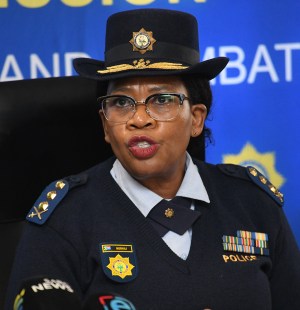
South African police recovered the body of a ninth woman on Thursday along a roadside in Dawn Park, intensifying public alarm and prompting the Nigerian Consulate-General in Johannesburg to issue an emergency safety advisory to its citizens.
In response to the discoveries, law enforcement teams placed Kempton Park in the Ekurhuleni municipality under lockdown and established roadblocks to inspect vehicles and restrict suspect movement.
Deputy Police Chief Tebello Mosikili declared during a press conference that authorities will deploy specialized investigative units to track down those responsible.
To accelerate breakthroughs, police offered a 400,000 rand ($25,000) reward for credible tips, while South Africa’s Democratic Alliance provided an additional $31,000, establishing a combined bounty of $56,000.
Detectives are now evaluating forensic evidence to determine whether one perpetrator committed the murders or whether independent offenders copied earlier attacks.
Meanwhile, the Nigerian Consulate-General urged Nigerian residents, especially women and young people who commute, exercise, or study around Ekurhuleni, to take deliberate personal precautions.
The mission advised community members to travel in groups, stay clear of isolated trails, and share real-time travel details with trusted family members.
Furthermore, diplomatic officials emphasized that safety precautions must not shift the burden of crime prevention onto women, calling on South African authorities to ensure thorough investigations and justice for every victim.
Ninth Body Discovered in South Africa: Nigeria Issues Urgent Safety Alert to Nationals
Health
Fiji Declares National HIV Emergency as Diagnoses Surge Sixteenfold
Fiji Declares National HIV Emergency as Diagnoses Surge Sixteenfold
Authorities launch a multi-agency public health campaign to expand free testing, treatment, and harm-reduction services
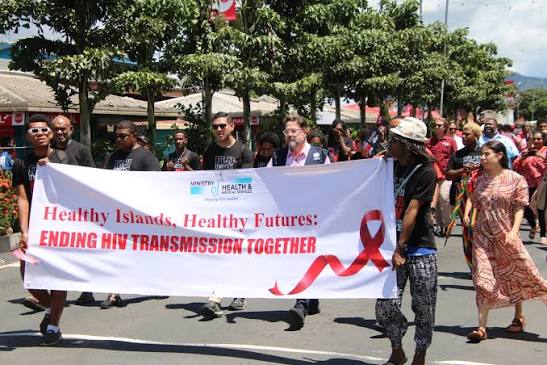
Fiji has announced a nationwide health response to address a significant rise in HIV cases and ensure that all residents can access essential medical care.
On Wednesday, Health Minister Dr. Atonio Lalabalavu shared the emergency declaration, explaining that national agencies are joining forces to provide rapid medical support, expand testing, and protect community well-being across the islands.
Official reports indicate that about one in every 60 adults in Fiji currently lives with HIV, following an increase in new infections over recent years. Health specialists explain that the virus spreads primarily through intimate sexual contact and shared needles among individuals using illicit substances.
Additionally, routine screenings revealed that two out of every 100 expecting mothers carry the virus, highlighting an urgent need for early maternal healthcare to protect newborns from infection.
To safeguard public health, authorities are delivering free daily treatments, distributing protective preventive medications, and setting up clean needle programs to stop infections before they start.
Furthermore, global partners, including Australia, New Zealand, India, and United Nations health bodies are providing financial resources and medical supplies to back the local effort.
By encouraging open community conversations and delivering accessible healthcare without judgment, health workers aim to ensure that everyone receives the care and dignity they deserve.
Fiji Declares National HIV Emergency as Diagnoses Surge Sixteenfold
International
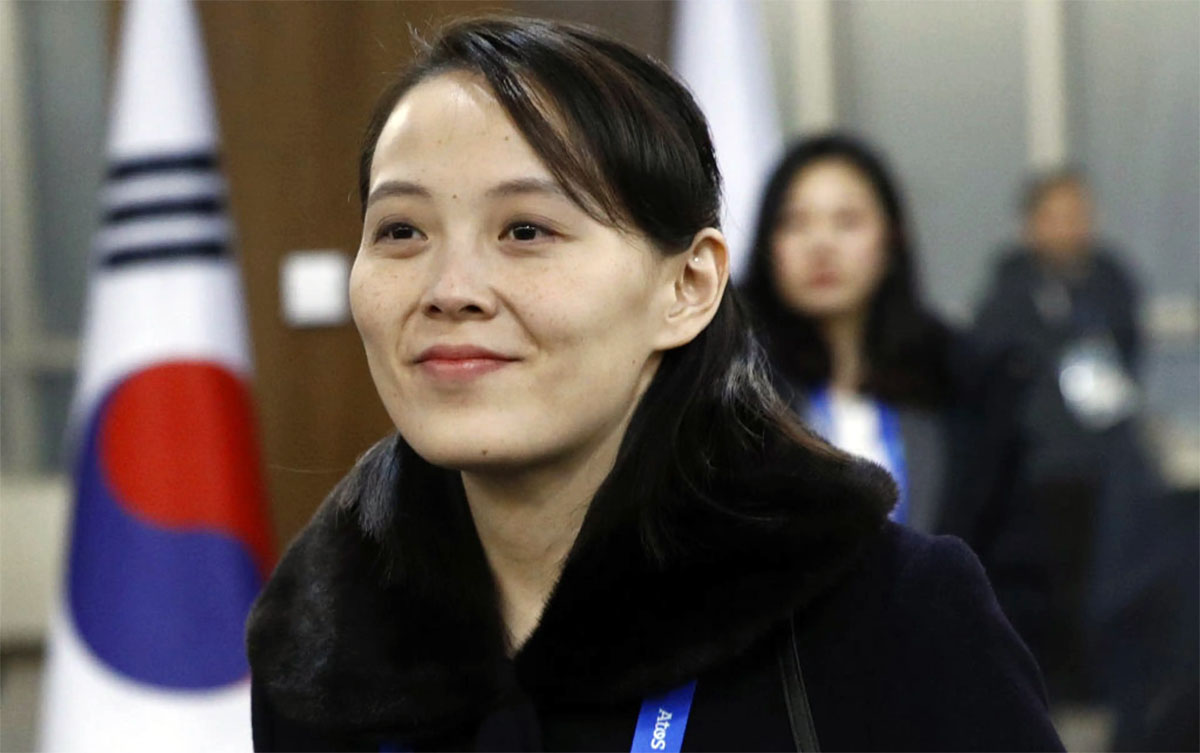
Kim Yo-jong: Only ‘Idiots’ Think North Korea Will Give Up Nuclear Weapons
-

 International2 days ago
Islamic Council Condemns Attempted Attack on Holy City of Mecca
-

 metro3 days ago
Lagos Power Outage: Ikeja Electric Blames TCN as Businesses, Homes Groan
-
 News2 days ago
Keep Politics Out of My Office — Ogbomoso Grand Chief Imam Warns Politicians, Bloggers
-
 metro2 days ago
Niger Mosque Abductions: Terrorists Execute 30 of 500 Captive Muslim Worshippers
-
 Entertainment2 days ago
BREAKING: Olu Jacobs Dies at 84, Atiku Mourns Cultural Icon
-
 International3 days ago
US Court Blocks Trump Visa Rule Limiting Stay of Foreign Students, Journalists
-

 metro3 days ago
A Son Wouldn’t Have Done Better — Dangote Speaks on Daughters, Succession
-
 metro3 days ago
Fatal NURTW Leadership Clash in Osun Leaves Two Dead; State Orders Park Shut Down