
metro
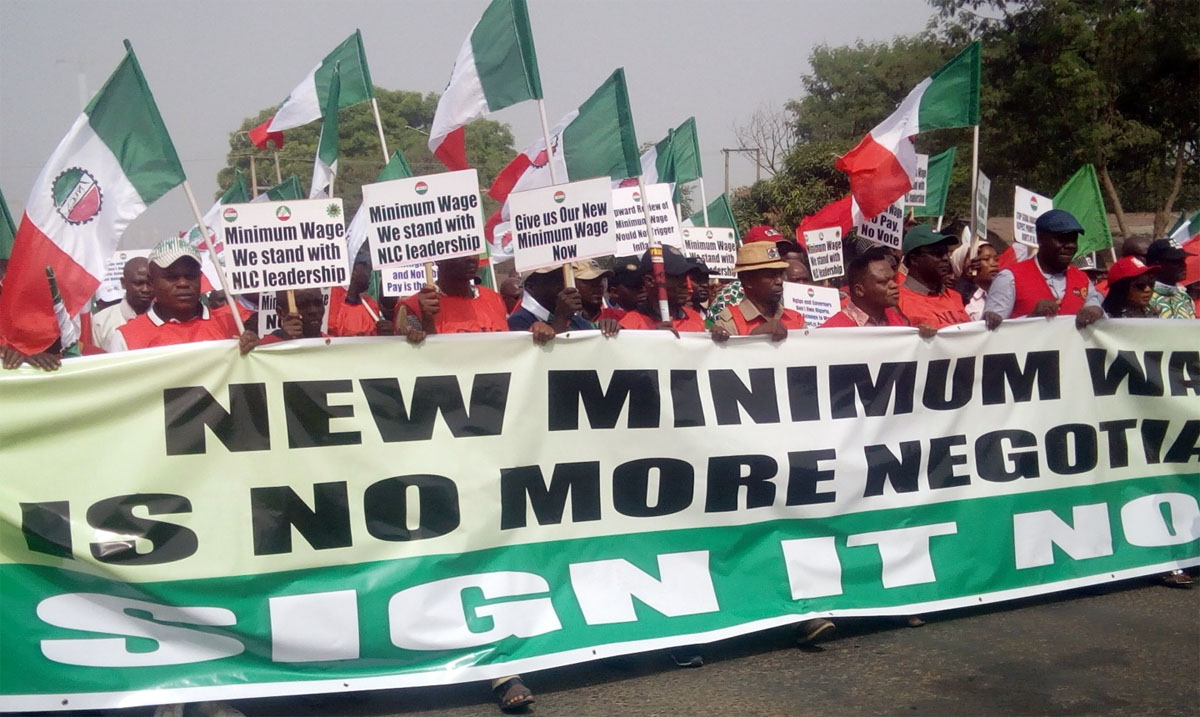
Minimum wage: States move to avert NLC strike
Minimum wage: States move to avert NLC strike
State governments that have not yet implemented the new minimum wage are scrambling to meet the December 1 deadline set by the Nigeria Labour Congress (NLC).
This is sequel to a warning from the NLC and Trade Union Congress (TUC) of potential confrontations with non-compliant states.
As the deadline approached, Katsina and Nasarawa States approved the immediate implementation of the new N70,000 minimum wage. They said workers would start receiving the revised salaries in December.
The Katsina State Government reached an agreement with labour unions on Friday after intense negotiations, averting the planned strike.
Nasarawa State Governor Abdullahi Sule approved N70,500 as the new minimum wage for state workers, following discussions and approval by the state committee on the new national minimum wage.
The approval was announced by the chairman of the committee, who is also the state’s deputy governor, Emmanuel Akabe, during a meeting with committee members in Lafia, the state capital.
Ondo State Governor Lucky Aiyedatiwa had, on October 14, announced N73,000 as the new minimum wage for all civil servants in Ondo.
The acting chairman of the NLC in the state, Ademola Olapade, yesterday said the new minimum wage would be paid with the November salary of the government workers.
Gombe NLC mum as LG workers decry non-implementation
The Gombe State chapter of the NLC has remained silent regarding the non-implementation of the N71,451 new minimum wage for local government employees.
READ ALSO:
- CBN to retire 1,000 workers, focuses on contactless payment systems
- Reps suspend debate on Tinubu’s tax reform bills
- Northern group plans new party to unseat Tinubu
In October, the state government signed an agreement with the labour to introduce the new wage structure for all civil servants in the state.
While the implementation began on October 30 for state civil servants, the adjustments varied significantly across cadres.
For instance, a Level 03 worker receives N64,000 after deductions; and Level 12, N78,000.
However, local government employees, who received their salaries two weeks into November, saw an increase of N12,000 on the old minimum wage of N18,000, bringing their total to just N31,000-far below the agreed-upon N71,451.
When contacted over the discrepancy, the state NLC chairman, Yusuf Aish Bello, did not respond to calls or messages as of the time of reporting.
‘Computation delaying implementation in Bayelsa’
The labour in Bayelsa State said the delay in the implementation of the N80,000 new minimum wage was due to flaws in the computation of the consequential adjustment by the committee set up by both the government and labour unions.
After a meeting with Bayelsa State Deputy Governor Lawrence Ewhrudjakpo, labour leaders acknowledged the government’s approval of the new wage, but confirmed that the implementation would now take effect in December 2024, rather than the initially anticipated November.
Barnabas Simon, NLC Chairman in Bayelsa, Laye Julius, TUC Chairman and Mbeleokpo Andabai, JNC Chairman, in a joint statement, said the flawed computation was being reviewed by a joint committee formed by both the government and organized labour.
Strike declared in Kaduna, Ebonyi
The leadership of the TUC and the NLC in Kaduna State has declared a one-week warning strike in the state beginning today following the non-implementation of the new minimum wage.
READ ALSO:
- Georgia: Mass protests grow entering fourth night
- Distress call leads troops to confront, kill many Zamfara terrorists
- Nigerian Army exposes 56 illegal oil refineries in one week
Abdullahi A. Danfulani and Abdullahi Y. Mohammed, Chairman and Secretary of TUC, respectively, said, “During the State Executive Council meeting on November 30, 2024, the council condemned the unilateral implementation of the consequential adjustments, which undermines the principles of collective bargaining.”
But Governor Uba Sani said the state had begun implementing the national minimum wage, refuting faulting the NLC’s claims.
In a statement, the Chief Press Secretary to the Governor, Ibraheem Musa, criticised NLC for including Kaduna in the list of states that haD not complied, calling it “grossly unfair.”
He SAID the lowest-paid worker in the state received N72,000 as gross salary in November.
The NLC in Ebonyi State announced a one-week strike, starting today.
At a press briefing in Abakaliki, Oguguo Egwu, the state chairman of the NLC, said before the minimum wage implementation committee finalised its recommendations, Governor Francis Nwifuru made a unilateral announcement of wage awards: NGN75,000 for Grade Levels 1 and 2, and NGN40,000 across the board, which were declared during a church service at the Government House Chapel on October 27, 2024.
We’re collating reports – Labour
The national leadership of NLC said it would be unfair to states that have complied with the implementation of the new N70,000 national minimum wage if it declares a nationwide strike action.
It, however, clarified that the strike would not begin in states today as being speculated in some quarters because a committee set up at the headquarters of the NLC was still collating reports from various states after which it would offer proper advice regarding this issue.
NLC President Joe Ajaero disclosed this in Abuja during the weekend during a roundtable organised by the Labour Correspondents’ Association of Nigeria, in collaboration with the International Labour Organisation.
He said states that would face the wrath of the movement include those that refused to implement their pronouncements and set up the committees.
Minimum wage: States move to avert NLC strike
DAILY TRUST










metro
EFCC Debunks Fake Wanted Poster of Sabinus

EFCC Debunks Fake Wanted Poster of Sabinus
The Economic and Financial Crimes Commission (EFCC) has dismissed as false a viral “wanted” poster featuring popular Nigerian comedian Emmanuel Chukwuemeka Ejekwu, widely known as Sabinus, describing it as fake, misleading, and the work of mischief-makers.
In a statement shared via its official social media platforms on Thursday, the anti-graft agency clearly stamped the circulating image “FAKE NEWS”, warning individuals responsible for spreading such content to desist. In a strongly worded caption, the EFCC wrote, “Clout chaser, stop this now!” — signaling frustration over the growing trend of misinformation online.
The doctored poster, which spread rapidly across social media, mimicked the official EFCC “wanted” notice format, including the agency’s logo and layout. It falsely claimed that Sabinus, allegedly aged 43, was wanted for obtaining money under false pretence, and even listed a supposed last known address in Victoria Island, Lagos State.
READ ALSO:
- Making Up for Lost Sleep Might Be Healthier Than Experts Once Believed — What Science Says
- Sleeping Positions: How They Affect Your Health and Which Ones to Avoid
- Thousands Rally Across Iran to Honour Late Supreme Leader Khamenei
However, further checks confirm that no such notice exists on any official EFCC platform, including its verified website and social media pages, which are the only legitimate channels through which the commission declares individuals wanted. The agency reiterated that all authentic wanted notices are publicly verifiable, urging Nigerians to rely on official sources before sharing sensitive claims.
The EFCC did not disclose whether it has identified those behind the fabricated poster but emphasized that the spread of false information could have serious legal and reputational consequences. The commission has, in recent years, intensified warnings against the circulation of fake news, impersonation of government agencies, and digital misinformation, particularly on social media.
Sabinus, a widely recognised entertainer known for his viral comedy skits and brand endorsements, commands a massive following both within Nigeria and internationally. As of the time of reporting, he has not publicly reacted to the incident.
The development highlights growing concerns about the misuse of digital platforms to create convincing but false narratives, especially involving public figures. Authorities continue to advise the public to verify information carefully and avoid amplifying unconfirmed reports that could harm individuals or undermine public trust.
EFCC Debunks Fake Wanted Poster of Sabinus
metro
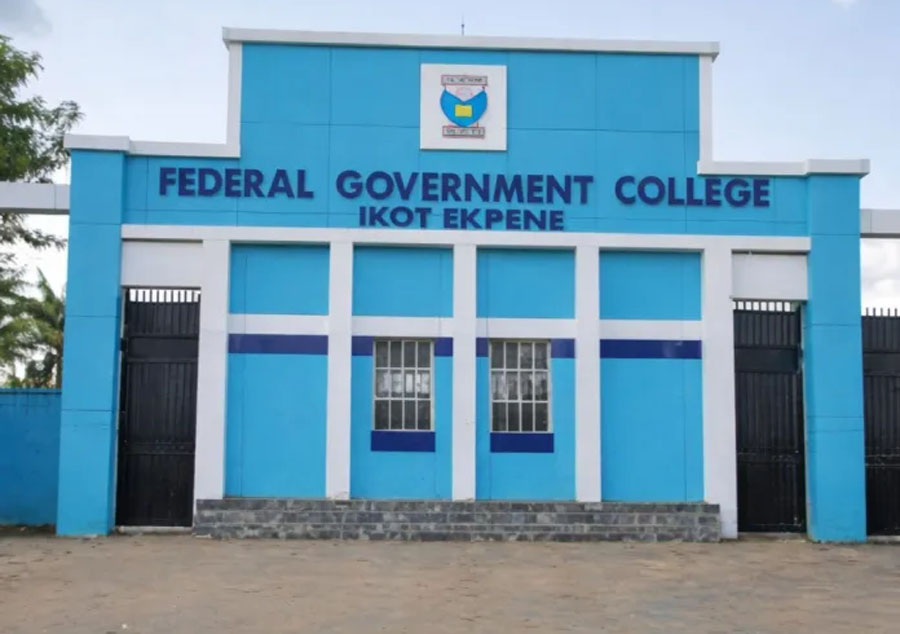
12-Year-Old Dies After Alleged Bullying at FGC, Ikot Ekpene
12-Year-Old Dies After Alleged Bullying at FGC, Ikot Ekpene
Tension and outrage have gripped Federal Government College, Ikot Ekpene in Akwa Ibom State after a 12-year-old Junior Secondary School 2 student, Ufokobong Edwin Godwin, reportedly died following alleged bullying by a senior student over provisions. The incident, which began before the Easter break, has raised serious concerns about student safety and bullying in Nigerian schools.
The attack reportedly occurred when a Senior Secondary School 3 student demanded provisions from the younger pupil during terminal examinations. Godwin refused, saying he did not have enough to share. Witnesses allege that the senior student responded with physical violence, repeatedly striking Godwin on the neck and throat, causing him to faint multiple times. Other students only intervened after the assault escalated.
Godwin was initially hospitalized on Easter Sunday for a neck injury. He briefly regained consciousness but was later returned to school without his parents being informed of the seriousness of the incident. Upon returning home for the holiday, the boy began complaining of severe neck and throat pain. Despite taking pain relief medication at home, his condition worsened, prompting his father to rush him back to the hospital, where he tragically died. Medical personnel later confirmed that his death resulted from complications associated with blood clots around the neck and throat area.
READ ALSO:
- JAMB Urges Candidates, Parents to Protest Admission Bias as CAPS Ensures Transparency
- EFCC Arrests Maiduguri Woman for Cleaning Nose With N500 Note
- Court Stops ADC Congress, Orders Status Quo in Leadership Row
The school principal, Mr. Jude Ezeogu, described the incident as deeply unfortunate and confirmed that the school community is in mourning. He said a school management committee will meet to review the circumstances surrounding the student’s death and communicate their findings to the public.
The family of the deceased has called on the Federal Government of Nigeria to investigate the matter and ensure justice. The boy’s father urged the authorities to intervene, saying he would provide more details at an appropriate time.
The tragic death of Ufokobong Edwin Godwin has reignited discussions about bullying, student protection, and campus safety across Nigeria, with parents and education stakeholders calling for stricter measures to prevent such incidents in boarding schools.
12-Year-Old Dies After Alleged Bullying at FGC, Ikot Ekpene
metro
Boko Haram Attack in Borno: Brigadier-General, Soldiers Killed as ISWAP Overruns Military Base
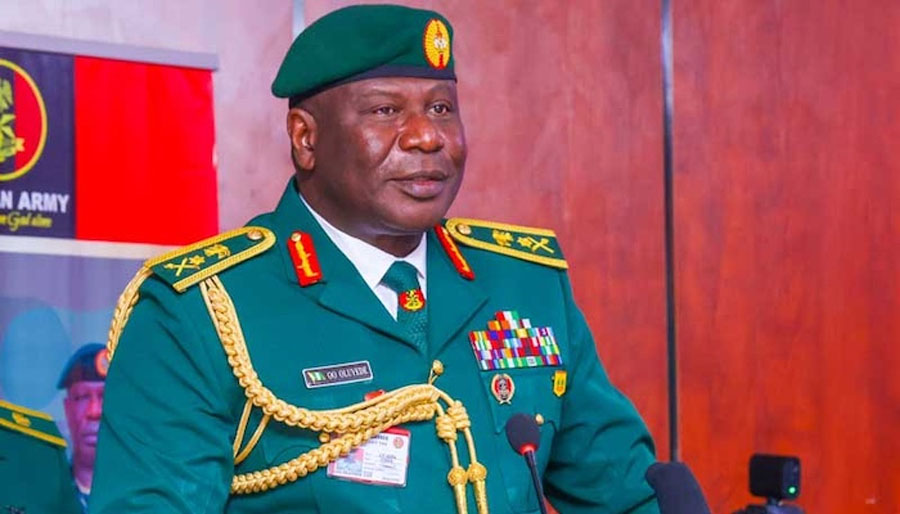
Boko Haram Attack in Borno: Brigadier-General, Soldiers Killed as ISWAP Overruns Military Base
A deadly assault by insurgents linked to Boko Haram and its Islamic State-backed faction, Islamic State West Africa Province, has left several Nigerian troops dead, including a senior commander, following a late-night attack on a military base in Borno State.
The fresh Boko Haram attack in Borno reportedly took place on Wednesday night at a Joint Task Force formation in Benisheikh, located in Kaga Local Government Area along the busy Damaturu–Maiduguri highway.
Among those killed in the attack was Brigadier-General O. O. Braimah, commander of the 29 Brigade, alongside several officers, soldiers, and the brigade’s Imam. His death marks a significant setback in ongoing counterinsurgency operations in Nigeria’s North-East, with military sources describing the incident as one of the most intense recent assaults on a military formation in the region.
According to security sources, the attackers launched a coordinated assault using explosives and heavy gunfire, overwhelming troops after hours of intense fighting. The insurgents reportedly deployed improvised explosive devices (IEDs) to breach the base, engaged soldiers in sustained gunfire, and targeted critical military infrastructure. The prolonged attack caused panic within the base and surrounding communities, with casualties feared to be high, although official figures have not yet been released.
READ ALSO:
- JAMB Urges Candidates, Parents to Protest Admission Bias as CAPS Ensures Transparency
- EFCC Arrests Maiduguri Woman for Cleaning Nose With N500 Note
- Court Stops ADC Congress, Orders Status Quo in Leadership Row
Several soldiers were seriously injured during the Boko Haram attack, while others are still unaccounted for. Rescue operations are ongoing as the military works to locate missing personnel and secure the area.
The latest incident highlights renewed violence by insurgent groups in Borno. In recent weeks, Boko Haram and ISWAP attacks in Nigeria have intensified, targeting military bases, checkpoints, and civilian settlements. Security experts warn that the attack suggests growing operational strength of insurgents, increased vulnerability of remote military bases, and the need for improved intelligence and aerial surveillance.
As of the time of filing this report, the Nigerian military has yet to issue an official statement on the attack. However, reinforcements and surveillance operations have reportedly been deployed to the Benisheikh axis to prevent further attacks.
Despite years of military operations, Boko Haram and Islamic State West Africa Province continue to pose serious threats in Nigeria’s North-East. The Borno attack on soldiers underscores persistent insecurity and raises fresh concerns about the safety of military formations and personnel in the region.
Boko Haram Attack in Borno: Brigadier-General, Soldiers Killed as ISWAP Overruns Military Base

-
 metro2 days ago
FG Deports US Missionary Alex Barbir Over Alleged Role in Nigeria Insecurity
-

 Entertainment2 days ago
Veteran Nollywood Actor Davis Ofor ‘Clarus’ of New Masquerade Dies at 85
-

 metro2 days ago
2026 NYSC Batch A Stream II: Registration, Swearing-In Dates Announced
-

 Africa14 hours ago
ECOWAS Recruitment 2026: Over 30 Job Vacancies Open for Nigerians (How to Apply)
-
 metro3 days ago
Lagos Announces Partial Road Closures for Project Commissioning
-

 Entertainment1 day ago
Saheed Osupa Defends Juju Use Amid Backlash From Islamic Clerics
-

 Politics19 hours ago
Court Stops ADC Congress, Orders Status Quo in Leadership Row
-
 News3 days ago
Iran Lists Tough Conditions for Peace Talks with US