

Business
NAICOM licenses five new insurance firms
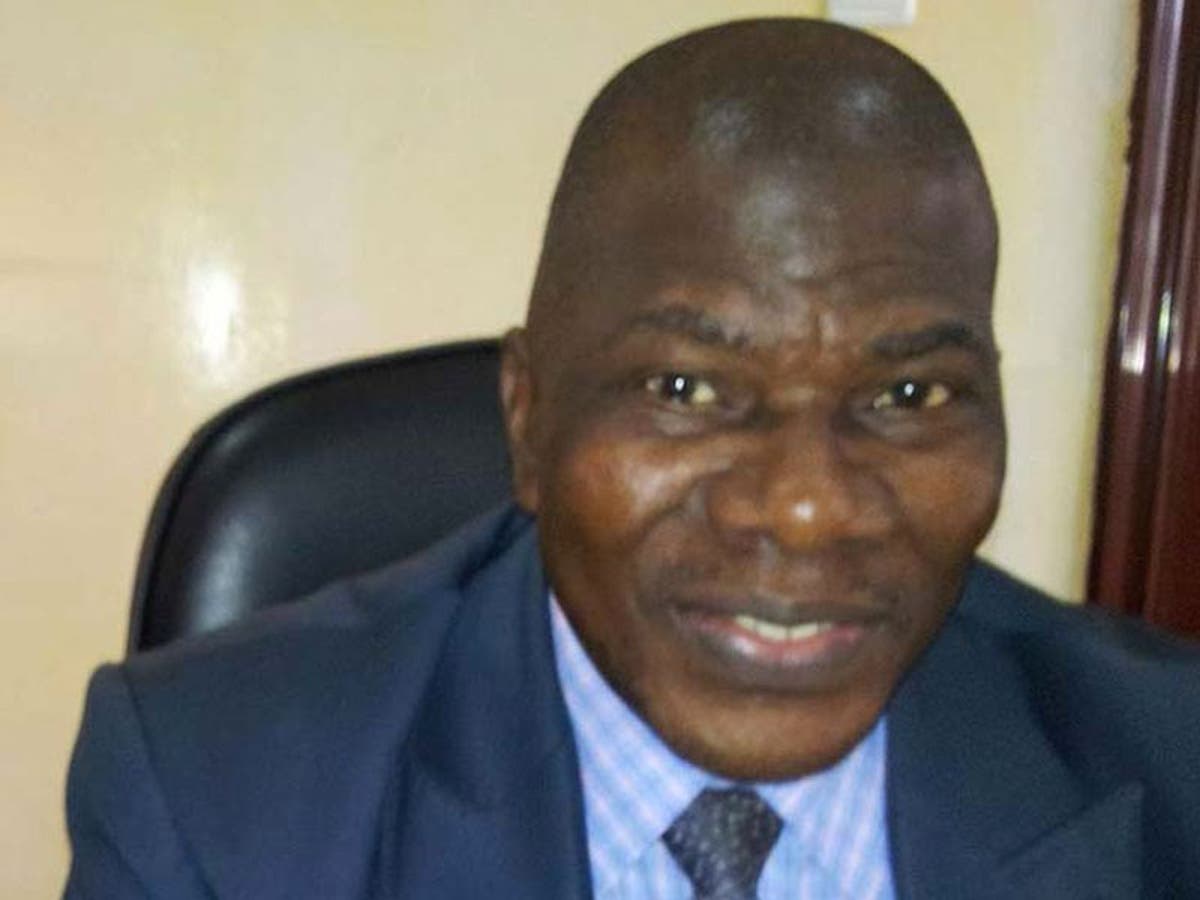
The National Insurance Commission, has presented licences to four new insurance firms and one reinsurance company.
This brings to a total of 62 insurance underwriters and three reinsurance firms in the country.
The new companies are Heir General Insurance Limited, Stanbic IBTC Insurance Limited; Heirs Life Assurance Limited; Enterprise Life Assurance Company Nigeria Limited and FBS Reinsurance Limited.
The Commissioner for Insurance, Mr Sunday Thomas, announced that he had handed over operational licences to the five firms.
Addressing journalists at the 2020 media retreat organised by the commission in Ijebuode, Ogun State, Thomas, who was represented by Director, Corporate Communication Department, NAICOM, Rasaq Salami , said with the licensing, the five firms had received the commission’s authorisation to operate as legal entities in the Nigeria insurance mark
NAICOM had in a public notice announced three months ago that it had received applications from those companies for registration as insurance and reinsurance companies to transact insurance business in Nigeria.
Part of the notice reads “National Insurance Commission (NAICOM) has received applications from the under listed companies for registration as insurance and reinsurance companies to transact insurance and reinsurance business in Nigeria. In fulfillment of the statutory provisions of extant laws for the registration/licensing of insurance companies, the general public is hereby informed that the Commission has commenced the process of registering the companies”.
“Heir Insurance Limited (General) has picked Olaniyi Stephen Onifade as its Managing Director; Stanbic IBTC Insurance Limited picked Akinjide Orimolade as Managing Director; Heirs Life Assurance Limited picked Abah Okoriko and Enterprise Life Assurance Company Nigeria Limited picked Fumilayo Abimbola Omo as the Managing Director.
FBS Reinsurance Limited has the former Commissioner of Insurance, Fola Daniel, as its head.
The statement said FBS was bringing together professionals with proven experience from the brokerage and underwriting units of the industry including Bala ZakariyaU, the former Managing Director of Niger Insurance who currently plays in a support unit of the Nigerian aviation industry, Ahmed Olaniyi Salawu of the Standard Insurance Consultants, and Wole Oshin Bankole of the Custodian Investment Plc that has just taken a plunge into the property sector by taking a large chunk of the United Property Development Company, a subsidiary of the UACN Plc.
According to the statement, these professionals represent those with firm belief that there is a big insurance potential in Nigeria and indeed, the African continent.
Others are Ebele Ofunneamaka Okeke, from Nnewi North, Anambra who rose to the position of the Head of Nigerian Civil Service before her retirement, and also, Yusuf Hamisu Abubakar, a lawyer, and an accomplished administrator and businessman with vast experience at the senior executive level in power and communication sectors.
“The reinsurance firm is required to pay the new N20 billion capitalisation stipulated by the commission under the reform exercise for it to start a business in the industry,” the statement said.


Business
Nigerians Pay N44 Extra Per Litre as Retailers Defy Falling Depot Prices – Full Report

Auto
Abuja Roars to Life as Jetour X50 Headlines Three-Day Motoring Experience
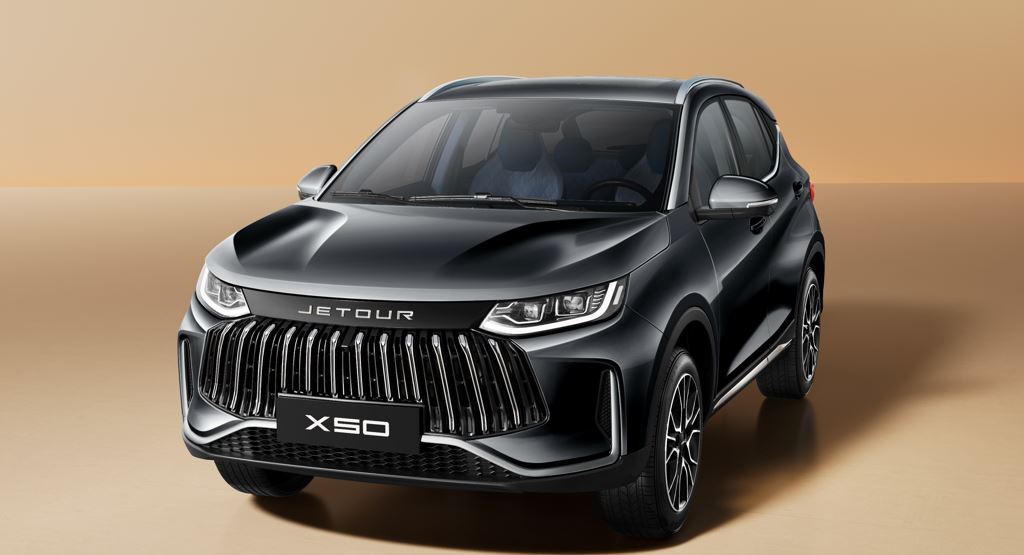
Abuja Roars to Life as Jetour X50 Headlines Three-Day Motoring Experience
Abuja is gearing up for a major motoring spectacle as Jetour Nigeria brings its fast-growing brand experience to the Federal Capital Territory, with the stylish Jetour X50 set to take centre stage in a three-day showcase of performance, technology and automotive innovation.
Scheduled for September 22 to 24, 2026, the Jetour Experience Abuja will move beyond the conventional vehicle exhibition, giving motorists and prospective buyers the opportunity to test-drive the X50, interact with automotive specialists and experience a range of entertainment and interactive activities.
The Abuja activation follows the strong reception recorded during Jetour Nigeria’s recent Lagos experience and forms part of the automaker’s strategy to deepen customer engagement while expanding its footprint across Nigeria.
Backed by an expanding authorised dealer network comprising Elizade Nigeria Limited, Mandilas Autos, Germaine Auto Centre, Kojo Motors, R.T. Briscoe, Tab Autos and New Era AutoVehicle Services, Jetour is also strengthening access to vehicle sales, after-sales support, genuine spare parts and certified technical services nationwide.
At the heart of the Abuja experience will be the Jetour X50, a compact SUV designed to combine contemporary styling, performance and a technology-rich driving environment.
Powered by a 1.5-litre turbocharged engine paired with a dual-clutch transmission, the X50 has positioned itself as a strong contender in Nigeria’s competitive compact SUV segment.
Jetour has equipped the model with a range of premium features, including a 360-degree camera, Blind Spot Detection, 10.5-inch infotainment system with Apple CarPlay and Android Auto, wireless charging and leather upholstery.
The combination of technology, comfort and performance is part of Jetour’s strategy of offering premium motoring features at competitive price points.
The Abuja event also highlights Jetour’s aggressive expansion strategy in Nigeria, following the brand’s recognition with industry accolades including Fastest Growing Auto Brand and Auto Brand of the Year.
With its expanding dealer network providing nationwide sales and after-sales support, Jetour is seeking to deepen customer engagement while making its vehicles and ownership services more accessible to motorists across the country.
As Abuja prepares to welcome the Jetour Experience, the three-day activation is expected to provide motorists with an opportunity to see, feel and drive the X50 while experiencing first-hand what is driving the brand’s growing appeal in Nigeria.
Business
Dangote Refinery Sets ₦525 Per Share for Landmark IPO
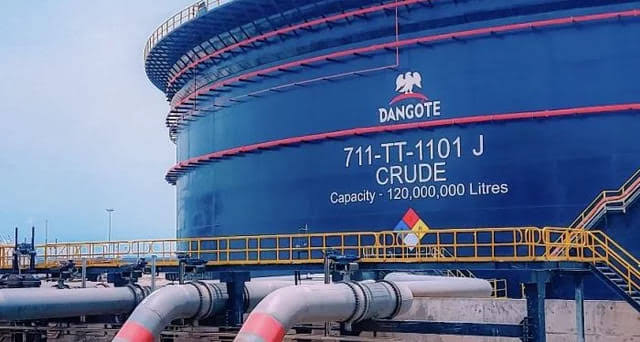
For ₦5,250, Nigerians could soon own a piece of the refinery that has reshaped the country’s fuel market.
-
 metro2 days ago
El-Rufai Demands ₦10bn from Defence Minister Over Southern Kaduna Killings Allegation
-

 News2 days ago
Lagos Moves to Slash Agency Fees, Curb Rent Hikes With New Tenancy Bill
-
 Politics2 days ago
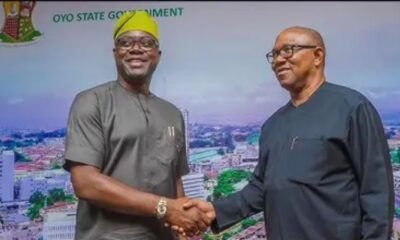
Why Did Peter Obi Attend Seyi Makinde’s Campaign Launch? Here’s What He Said
-
 metro3 days ago
Oyoland Grand Chief Imam Celebrates Dr Sharafudeen Raji for Service to Islam
-
 metro2 days ago
Catholic priest leaves priesthood, weds Kenyan woman after 12 years in Kenya
-
 metro2 days ago
Osun Police Arrest Woman After Vigilante Member Dies During Sexual Encounter in Ile-Ife
-
 metro2 days ago
No US Case Against Tinubu, Family Enjoy Unimpeded Transit for UNGA — Ambassador Ibrahim
-

 Sports3 days ago
I always think I’m the best – Mbappé speaks on Ballon d’Or chances
You must be logged in to post a comment Login