
Auto
Nigeria on the path to zero-emission road transport system
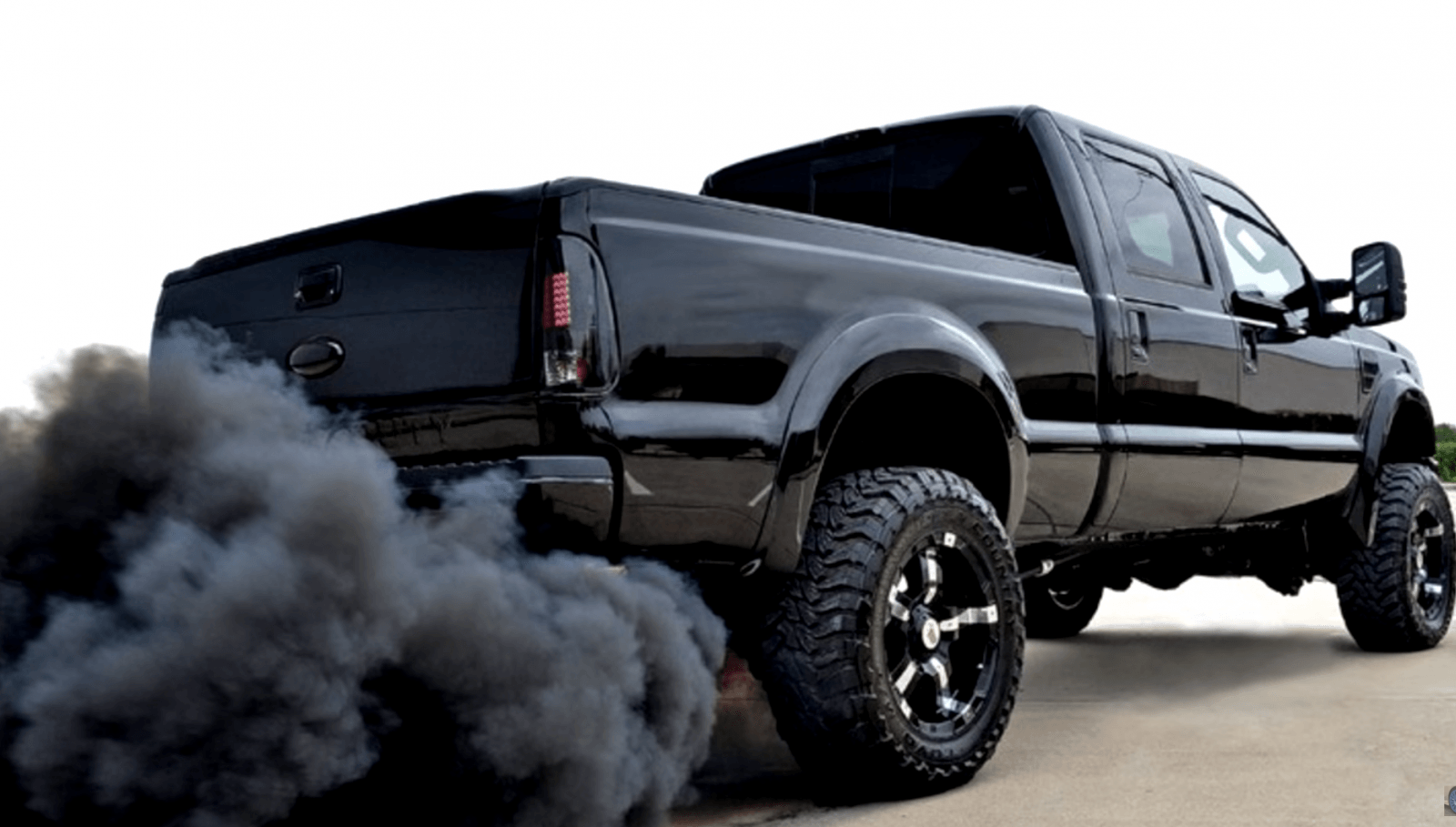
Nigeria must have been sitting on a keg of gun powder with its rising air pollution emanating from gas flaring and vehicle emissions.
A new survey by some university researchers has established a link between poor academics in childhood and air pollution exposure.
Indeed, the Columbia Center for Children’s Environmental Health research result published in the journal of Science Daily says children exposed to elevated levels of air pollution are more likely to have poor inhibitory control during late childhood and poor academic skills in early adolescence, including spelling, reading comprehension and math skills.
The World Health Organisation has also released a report indicating that air pollution is responsible for about seven million annual deaths globally.
Nine out of 10 persons are said to currently breathe air exceeding the WHO guideline limit for pollutants.
Road transport is also said to be a major contributor to greenhouse gases and air pollution, just as flaring of gas, emanating from oil production, is rife with its huge economic losses and incalculable health hazards to Nigerians.
The carbon dioxide, methane and soot released as a result of gas flaring are said to cause health issues such as cancer and lung damage, deformities in children, asthma, bronchitis, pneumonia, neurological and reproductive problems as well as environmental challenges which stall agricultural productivity and aquatic and wildlife lives.
And this has led to social unrest in the Niger Delta oil producing area, escalating to other places as agitators have engaged in violent protests including bombing of oil facilities, kidnapping of oil workers and killings. They complain that their natural environment, farmlands, fishing ponds and other forms of life have been damaged or distorted.
The Nigerian National Petroleum Corporation recently confirmed the huge loss resulting from gas flaring, saying the country lost an about N53.26bn in the first two months of this year as a total of 33.04 billion standard cubic feet of natural gas was flared by international oil companies and local players.
The World Bank reports through the Global Gas Flaring Tracker that Nigeria and six other nations (Russia, Iraq, Iran, the United States, Algeria and Venezuela) have been top gas-flarers of the world for nine years.
Even as they produce 40 per cent of the world’s oil each year, it says these countries account for about two-thirds (65 per cent) of global gas flaring.
Although the Federal Government has imposed a fine on oil companies involved in gas flaring and fixed 2025 as the date to end the flaring practice after several changes of past deadlines, experts are of the view the gas flares could be a huge revenue worth billions of dollars if well harnessed.
Experts including John Walke, director of the Clean Air Project, say air pollution not only contributes to climate change but is also exacerbated by it.
“Most air pollution comes from energy use and production…Burning fossil fuels releases gases and chemicals into the air,” says Walke.

Nigeria is said to have some of the worst air pollution in the world, with clouds of choking soot hanging over gridlocked cities, leading to a rise in serious health conditions and damaged vehicles.
Global Alliance on Heath and Pollution in a report ranks Nigeria third in the world for pollution-related deaths and sixth in premature deaths caused by air pollution.
An international resource watchdog group, Stakeholder Democracy Network, in a report, estimates that 114,000 people die prematurely from air pollution each year in Nigeria.
Many people in Lagos, Nigeria’s commercial capital, are said to be breathing polluted air leading to avoidable deaths. Indeed, a recent World Bank report estimated that air pollution caused over 11,200 premature deaths in Lagos, with children accounting for about 60 per cent.
The health cost of air pollution was put at $2.1 billion, which was about 1.3 per cent of Lagos State’s gross domestic product GDP.
This is not surprising considering about 13 million of mostly old cars imported from Europe and Japan on the nation’s roads, and hundreds of thousands of inefficient generators used by households and businesses for electricity emitting thick smokes.
Researchers have found fuel imported from Europe and pumped into filling stations in Nigeria as extremely toxic. They found that such fuel extremely exceeded the EU pollution limits.
“Our research suggests that Nigeria is having dirty fuel dumped on it that cannot be sold to other countries with higher and better implemented standards. The situation is so bad that the average diesels sampled are of even lower quality that that produced by artisanal refining camps in the creeks of the Niger delta,” said Florence Kayemba, SDN programme manager.
The SDN report reinforces allegations made in a 2016 Public Eye investigation and a Dutch government report in 2018, that European refineries and commodity brokers were blending crude oil with benzene and other carcinogenic chemicals to create fuels hundreds of times over European pollution limits for the weakly-regulated African market.
This was said to be causing significant particulate pollution, damage to vehicles, and adverse health effect s for the residents.
The WHO in 2016 adjudged Onitsha as the world’s most polluted city, recording a concentration of PM10s – soot particles – at 594 micrograms per cubic metre; compared with the WHO safe limit of 66.
For instance, the air quality in Port Harcourt, Aba, Onitsha and Kaduna has reached crisis levels of pollution in recent years, with rising cases of asthma, lung, heart and respiratory diseases.
The SDN report says the levels of particulate matter in Port Harcourt and Lagos are 20 per cent worse than Delhi in India, the most polluted capital city in the world, where emergency levels of photochemical smogs are common.
“High levels of pollution and pre-existing respiratory and other health conditions may increase the risk that COVID-19 poses to the health of the population,” said Matthew Halstead of Noctis, which conducted the laboratory research.
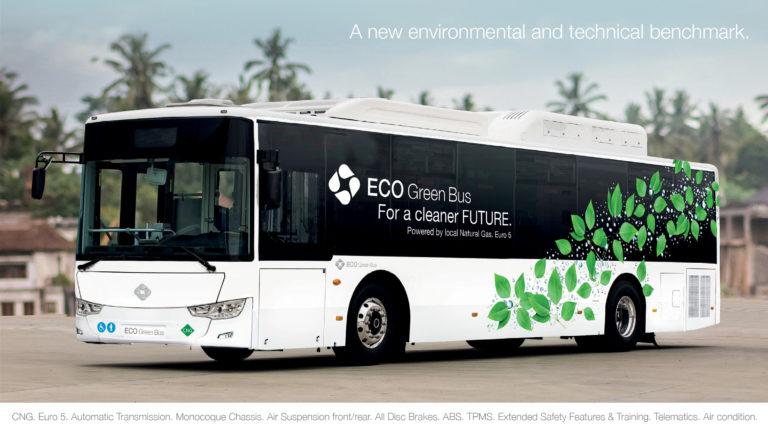
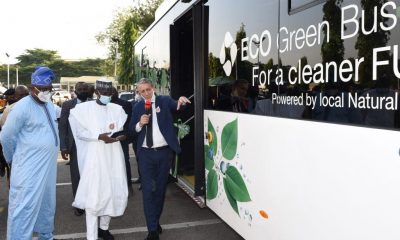
The introduction of ECO Bus transport system, powered by flare gas recovered compressed natural gas (CNG), to Nigeria is therefore considered a big relief and blessing as it will not only solve the problem of gas flaring and but provide a better economic alternative to the meagre flaring fines as well as address the air pollution headache.
This must have also informed the decision of the FG to encourage the conversion of petrol engine vehicles to gas engine automobiles.
It recently unveiled plans to deliver one million vehicles converted from petrol to gas-powered by the end of the year.
The Director-General, National Automotive Design and Development Council, Jelani Aliyu, says the Federal Government is excited about the gas-powered vehicles and will do everything possible to ensure the success of the project.
Aliyu, who spoke at the recent opening ceremony of the 15th edition of the annual Lagos Motor Fair organised by the BKG Exhibitions, also said the NADDC was working with major players in the auto industry in Nigeria to fast-track the transition.
He said, “We are excited about the gas-powered vehicles and I’m particularly delighted to see some of them on display at this auto fair.
“We encourage other players to look at the auto gas project as the government is determined to make it work with plan to deliver one million vehicles converted from petrol to gas-powered by the end of the year.”
The ECO Bus project is said to aim at developing world’s cleanest mass transportation systems, tailored towards the respective environment of each city with a focus on flare gas based CNG operation.
It plans to reduce carbon footprints and other GHG per passenger by 80 per cent, overall costs of public transport per passenger by 30 per cent, and accident rate by 80 per cent.
It is considered to have high operational excellence, safety and comfort as well as transparency, creating a reliable business model.







Auto
Changan CS55, Kia Seltos take top SUV honours at 2025 NAJA Auto Awards
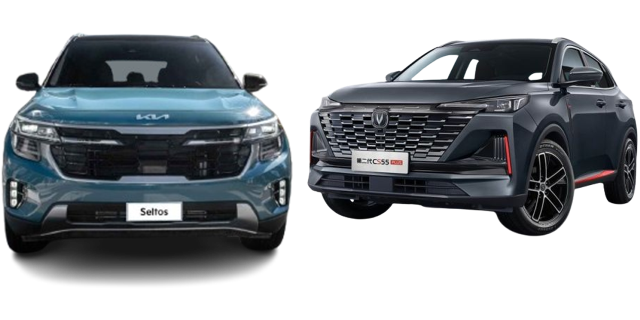
Changan CS55, Kia Seltos take top SUV honours at 2025 NAJA Auto Awards
Changan CS55 and Kia Seltos have clinched top honours at the 2025 Nigeria Auto Journalists Association (NAJA) International Auto Awards, winning Midsize SUV of the Year and Compact SUV of the Year, respectively.
The awards were announced at a recent well-attended ceremony held at the Oriental Hotel, Victoria Island, Lagos, which brought together key stakeholders across Nigeria’s automotive value chain to celebrate excellence, resilience and innovation in the industry.
Changan CS55’s latest recognition comes after its impressive performance at last year’s 17th edition of the awards, where it was crowned Nigeria’s New Car of the Year.
At the 2025 ceremony, the compact crossover SUV edged out strong contenders such as the Kia Sonet and Chery Tiggo to secure the coveted Midsize SUV title.
Changan vehicles are marketed and assembled in Nigeria by Mikano Motors, reinforcing the growing impact of local assembly in the country’s automotive sector.
In the Compact SUV category, the Kia Seltos emerged winner, beating notable competitors such as the Toyota Prado, Changan CS55 and Chery Tiggo.
READ ALSO:
- Ojuelegba Bridge Gridlock as Container Truck Overturns in Surulere, Lagos
- Troops Foil Kidnapping on Otukpo–Enugu Expressway, Rescue Passengers in Benue
- Davido Joins Accord Party, Aligns With Uncle, Osun Governor Ademola Adeleke
Industry analysts have described the Seltos as a compelling blend of practicality and style, praising its bold design, versatility and appeal to modern drivers.
Other corporate winners at the event are the Mikano Group, which was named Auto Company of the Year; Iron Products Industries (IPI) Limited, honoured as Truck Assembler/Body Builder of the Year; Lanre Shittu Motors (JAC), awarded Truck Plant of the Year; and Innoson Vehicle Manufacturing (IVM), which won Passenger Car Assembly Plant of the Year.
These recognitions highlighted the depth and growing strength of indigenous participation in Nigeria’s automotive industry.
Speaking at the ceremony, the Director-General of the National Automotive Design and Development Council (NADDC), Otunba Joseph Osanipin, commended NAJA for sustaining a credible platform promoting excellence and accountability within the sector.
In his welcome address, NAJA Chairman Mr Theodore Opara described the awards as a benchmark for performance in Nigeria’s evolving automotive ecosystem, noting that the industry continues to adapt amid policy reforms, technological advancements and changing consumer expectations.
The 2025 NAJA International Auto Awards once again underscored the critical role of leading brands in strengthening Nigeria’s transportation and industrial backbone, while celebrating outstanding achievements across the nation’s automotive landscape.
Changan CS55, Kia Seltos take top SUV honours at 2025 NAJA Auto Awards
Auto
JIM-ISUZU, JéGO EV, Nord A9, New Era Win NAJA ‘New Entrants of the Year’
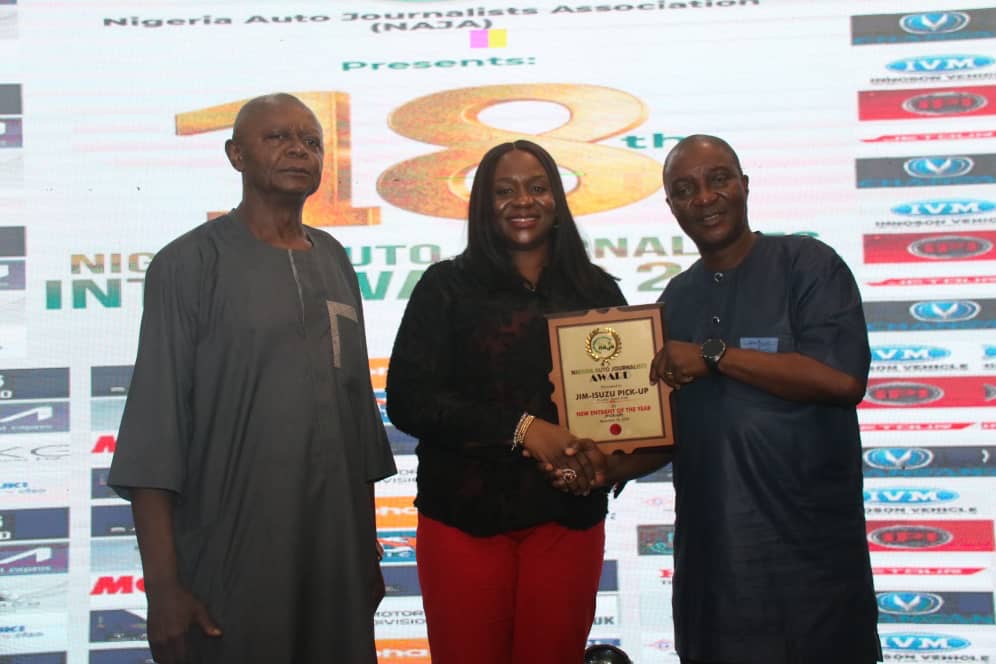
JIM-ISUZU, JéGO EV, Nord A9, New Era Win NAJA ‘New Entrants of the Year’
JIM-ISUZU Pick-Up, JéGO EV, Nord A9 and New Era Automobiles have been named New Entrants of the Year at the 2025 Nigeria Auto Journalists Association (NAJA) International Auto Awards, underscoring the growing depth and competitiveness of Nigeria’s automotive market.
The awards were presented on Tuesday, December 16, 2025, at the Oriental Hotel, Victoria Island, Lagos, during the 18th edition of the annual industry event.
JIM-ISUZU pickup emerged as a winner in the category, with its Chairman and Chief Executive Officer, Chief Anselm Ilekuba, receiving the award on behalf of Cedric Autos Limited. Ilekuba, who also serves as National Coordinator of the Automotive Local Content Manufacturers Association of Nigeria (ALCMAN), thanked NAJA for the recognition, saying it would spur the company to deepen its commitment to quality and local industry growth.
The recognition of JéGO EV, Nord A9 and New Era Automobiles also reflects their successful entry into the Nigerian market, rising consumer acceptance and the promise they hold for the sector, particularly in the areas of innovation and alternative mobility solutions.
READ ALSO:
- Nigeria Customs Uncovers Decades-Old Drug Seizures from 1986-1987, Hands Over to NDLEA
- INEC Urges PDP Factions to Reconcile Ahead of 2026 Off-Season Elections
- Lawmakers’ Safety at Risk: Akpabio Appeals to Tinubu Over Police Withdrawal
Other major winners on the night included Jetour Dashing, which clinched Nigeria’s 2025 Car of the Year, defeating strong contenders such as Changan CS55 and Chery Tiggo.
Mercedes-Benz S-Class won Luxury Car of the Year, Range Rover Autobiography (Coscharis Motors) took Luxury SUV of the Year, while Toyota Hiace emerged Minibus of the Year.
On the corporate front, Mikano was named Auto Company of the Year, Toyota Nigeria’s Isolo facility won Workshop of the Year, and Dangote Sinotruk emerged Heavy-Duty Truck Brand of the Year.
Iron Products Industries (IPI) Limited clinched Truck Assembler/Body Builder of the Year, while Innoson Vehicle Manufacturing (IVM) was recognised as Passenger Car Assembly Plant of the Year.
Speaking at the ceremony, the Director-General of the National Automotive Design and Development Council (NADDC), Mr Joseph Osanipin, commended NAJA for sustaining a credible platform that promotes professionalism, innovation and excellence in the automotive industry.
NAJA Chairman, Mr Theodore Opara, said the awards have remained one of the sector’s most respected benchmarks, noting that the initiative continues to evolve in line with rapid changes in vehicle technology, alternative energy solutions and consumer expectations.
The 2025 NAJA International Auto Awards once again reinforced its role as a key barometer for automotive excellence in Nigeria, with the emergence of JIM-ISUZU and other new brands signalling a vibrant and increasingly competitive market.
JIM-ISUZU, JéGO EV, Nord A9, New Era Win NAJA ‘New Entrants of the Year’
Auto
ANAMMCO, Stallion, RT Briscoe Honoured as Nigeria’s Most Resilient Auto Brands
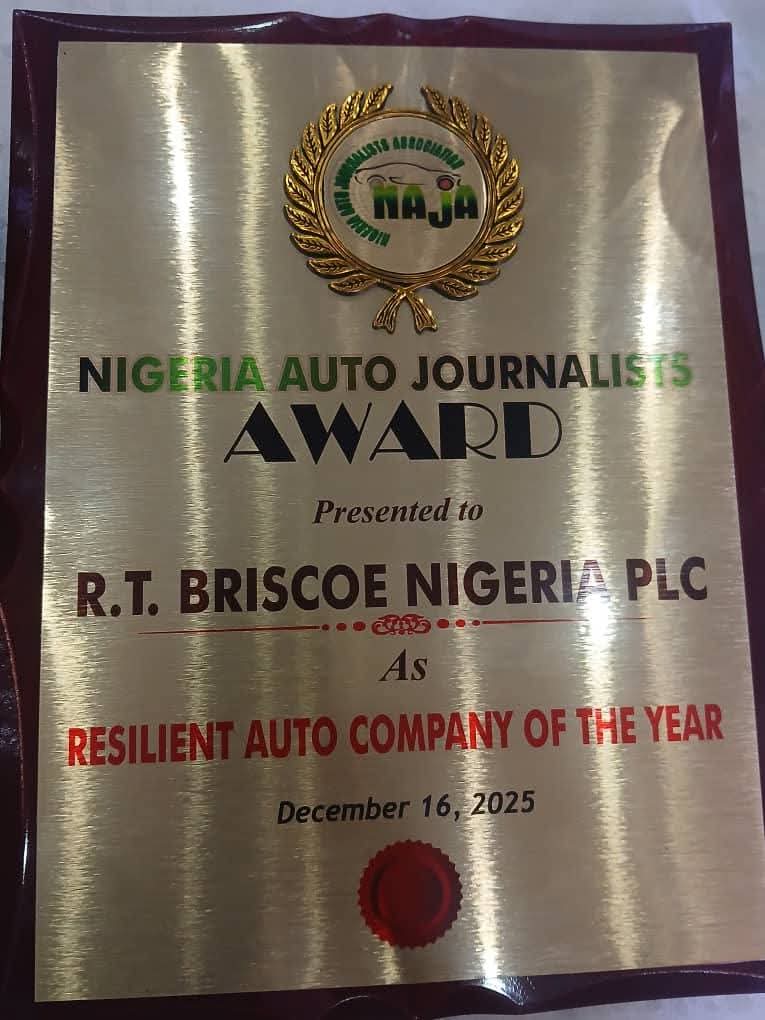
ANAMMCO, Stallion, RT Briscoe Honoured as Nigeria’s Most Resilient Auto Brands
ANAMMCO Motors and Parts Ltd, Stallion Motors and R T Briscoe have been named Most Resilient Auto Brands of the Year at the 18th Nigeria Auto Journalists’ Association (NAJA) International Auto Awards, held at the Oriental Hotel, Victoria Island, Lagos.
The recognition was announced at the well-attended ceremony that celebrated excellence, innovation and long-term impact across Nigeria’s automotive value chain.
NAJA said the three companies stood out for their consistency, adaptability and sustained contributions to the growth of the auto industry.
According to the association, the Resilient Auto Company of the Year category honours firms that have demonstrated institutional strength, commitment to local content development and unwavering support for Nigeria’s automotive ecosystem, even amid economic headwinds, policy shifts and changing market dynamics.
The endorsement of ANAMMCO, Stallion Motors and R T Briscoe underscores their ability to remain operationally relevant while contributing to local vehicle assembly, skills development and industrial capacity building over several decades.
READ ALSO:
- Nigeria Customs Uncovers Decades-Old Drug Seizures from 1986-1987, Hands Over to NDLEA
- INEC Urges PDP Factions to Reconcile Ahead of 2026 Off-Season Elections
- Lawmakers’ Safety at Risk: Akpabio Appeals to Tinubu Over Police Withdrawal
ANAMMCO Motors and Parts Limited is a leading vehicle manufacturing company with a broad portfolio spanning commercial vehicle production, third-party assembly, refurbishment, vehicle and spare parts sales, body building, workshop services, as well as training and consultancy.
Stallion Motors Limited, the automotive arm of the Stallion Group, is a major force in Nigeria’s auto sector, combining vehicle retail, after-sales support, parts distribution and local assembly. The company is the authorised distributor for several global brands, including Honda, Hyundai, Nissan, Changan, Ashok Leyland, Morris Garages (MG) and Bajaj three-wheelers.
In addition to the resilience award, Stallion’s Sonu Singh was named Marketing/Media Manager of the Year at the ceremony.
R T Briscoe, one of Nigeria’s oldest auto companies, was recognised for pioneering structured vehicle sales, professional servicing and spare-parts support in the country.
At a time when vehicle imports were largely informal, the company introduced standardised dealerships, manufacturer-backed warranties and some of the best-equipped auto workshops in Nigeria.
In his welcome address, NAJA Chairman, Mr. Theodore Opara, described the awards as a benchmark for industry performance, noting that resilience has become a defining attribute in the face of global supply chain disruptions, energy transition pressures and ongoing policy reforms.
He added that award recipients emerged through a transparent and rigorous assessment process anchored on professionalism, industry relevance and measurable impact, stressing that despite prevailing economic challenges, Nigeria’s auto industry continues to demonstrate resilience, creativity and strategic adaptation.
ANAMMCO, Stallion, RT Briscoe Honoured as Nigeria’s Most Resilient Auto Brands

-

 metro3 days ago
Ibadan Explosion: Fayose Releases Documents, Claims Makinde Got ₦50bn from FG
-
 metro3 days ago
Plateau Kidnappers Demand ₦1.5m Each as 28 Muslim Travellers Remain in Captivity
-

 metro2 days ago
Niger Delta Crackdown: Army Seizes ₦150m Stolen Oil, Arrests 19 Suspects
-

 Sports2 days ago
Anthony Joshua injured as two die in fatal Lagos-Ibadan Expressway crash (plus photos)
-

 Sports2 days ago
Cristiano Ronaldo Wins Best Middle East Player at 2025 Globe Soccer Awards in Dubai
-
 metro1 day ago
Mrs. Regina Akume Urges SGF George Akume to Return to Christianity Amid New Marriage
-

 metro1 day ago
Ogun Man Arrested After ₦4,000 Debt Dispute Claims Stepbrother’s Life
-

 metro3 days ago
Bello Turji Not Killed in US Airstrikes, Security Expert Debunks Reports