

Education
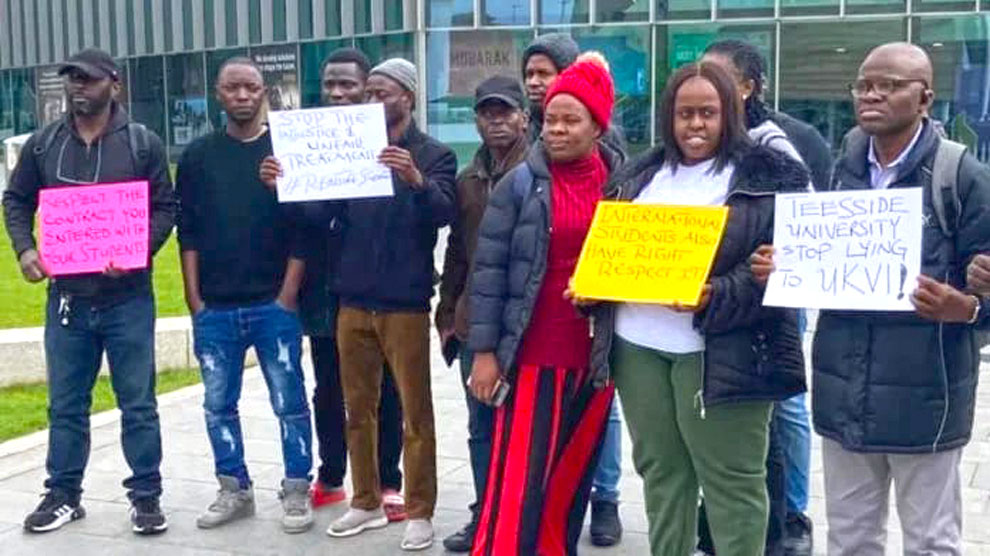
Nigerian students in UK push for work visa amid deportation threat









Education
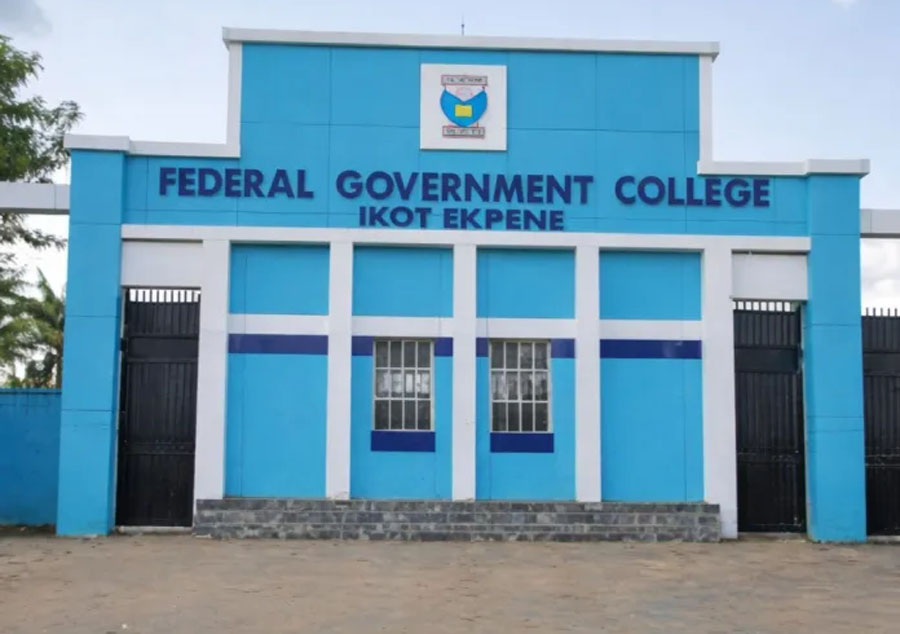
Unity Schools Crisis Deepens as PTAs Reject Resumption Notices, Await National Directive
Unity Schools Crisis Deepens as PTAs Reject Resumption Notices, Await National Directive
Uncertainty continues to surround the resumption of students in some Federal Unity Colleges across Nigeria as Parent-Teacher Associations (PTAs) await a formal position from their national body amid an unresolved dispute involving King’s College, Lagos.
The development has created confusion for parents and students as competing positions from the Federal Ministry of Education, labour groups and parent representatives continue to affect arrangements for the 2026/2027 academic session.
The Federal Government had directed students in Federal Unity Colleges to resume, with the Ministry of Education assuring parents that adequate arrangements had been made to support a safe and orderly return to school.
However, some PTAs have faulted resumption notices issued by individual schools, arguing that parents should await guidance from the national PTA leadership before sending their children back.
The disagreement is linked largely to the controversy surrounding the proposed concession of King’s College, Lagos, to the King’s College Old Boys’ Association (KCOBA).
The Federal Government has maintained that the arrangement does not amount to the sale of the historic school and that government ownership would remain intact.
However, sections of the workforce and some parent representatives have raised concerns about the terms of the proposed arrangement, its duration and possible implications for staff, students and the future management of Federal Unity Colleges.
The controversy intensified after the government announced that Federal Unity Colleges were expected to resume on September 14, 2026.
While the Ministry of Education maintained that the schools should reopen, labour groups opposed the directive as the disagreement over King’s College remained unresolved.
The Association of Senior Civil Servants of Nigeria (ASCSN) and other labour representatives had directed workers in Federal Unity Colleges to suspend activities in protest against aspects of the government’s position.
The action resulted in some schools remaining closed despite the government’s resumption directive, leaving parents uncertain about whether to take their children back to school.
In some locations, students who arrived for resumption reportedly met locked gates, while parents were advised to await further instructions.
READ ALSO:
- How Nigerians Can Get Federal High Court Affidavit Online Without Visiting Court
- Plateau Violence: Several Killed as Fresh Attacks Trigger Mass Exodus
- Lagos Mechanic Lured With Mercedes Repair Job, Hacked to Death in Bush
The competing directives have placed PTAs in a difficult position, with some parent representatives insisting that they cannot independently approve resumption arrangements until the national body provides a clear position.
The PTAs have also sought clarification over claims made during the dispute, particularly allegations concerning admission-related payments and other charges in Federal Unity Colleges.
Parent representatives have called for specific evidence where such allegations are made, including details of the affected schools, dates of transactions and relevant records.
They have argued that concerns over the King’s College concession should not be interpreted as opposition to improvements in public education or responsible collaboration with private organisations.
Rather, they want greater transparency around any arrangement involving a public institution, including details of the concession agreement, its duration, financial obligations, performance requirements and provisions protecting students and staff.
The status of workers at King’s College has also become a major issue in the dispute.
Questions have been raised about whether teachers and other employees would remain within the Federal Civil Service and what options would be available to them if management arrangements changed.
The disagreement eventually led to discussions between the Federal Government and organised labour, following which the government agreed to review aspects of the King’s College arrangement.
The concession was subsequently suspended for two weeks, while a seven-member committee was constituted to review the agreement and make recommendations.
The development prompted ASCSN to suspend its industrial action and direct affected workers to return to their duties.
However, the resolution did not immediately end the disagreement, as questions remained over the implementation of the agreement and the timing of school resumption.
For parents, the situation has created uncertainty over which directive to follow, particularly where notices from individual schools conflict with positions taken by parent groups or labour representatives.
The dispute has also renewed attention on the broader management of Federal Unity Colleges, which were established to provide quality secondary education while promoting national integration by bringing students from different parts of the country together.
Parent representatives have continued to emphasise that the priority should be the safety, welfare and uninterrupted education of students.
Until a unified directive is issued, parents with children in affected Federal Unity Colleges are expected to monitor official communication from their schools, the national PTA leadership and the Federal Ministry of Education before making further resumption arrangements.
The immediate challenge for the authorities is to resolve the outstanding disagreements and provide a clear, uniform position that can be communicated to parents, students, teachers and school administrators across the country.
Unity Schools Crisis Deepens as PTAs Reject Resumption Notices, Await National Directive

Education
Preparing Students for University, Work in Changing World, By Cambridge
Preparing Students for University, Work in Changing World, By Cambridge
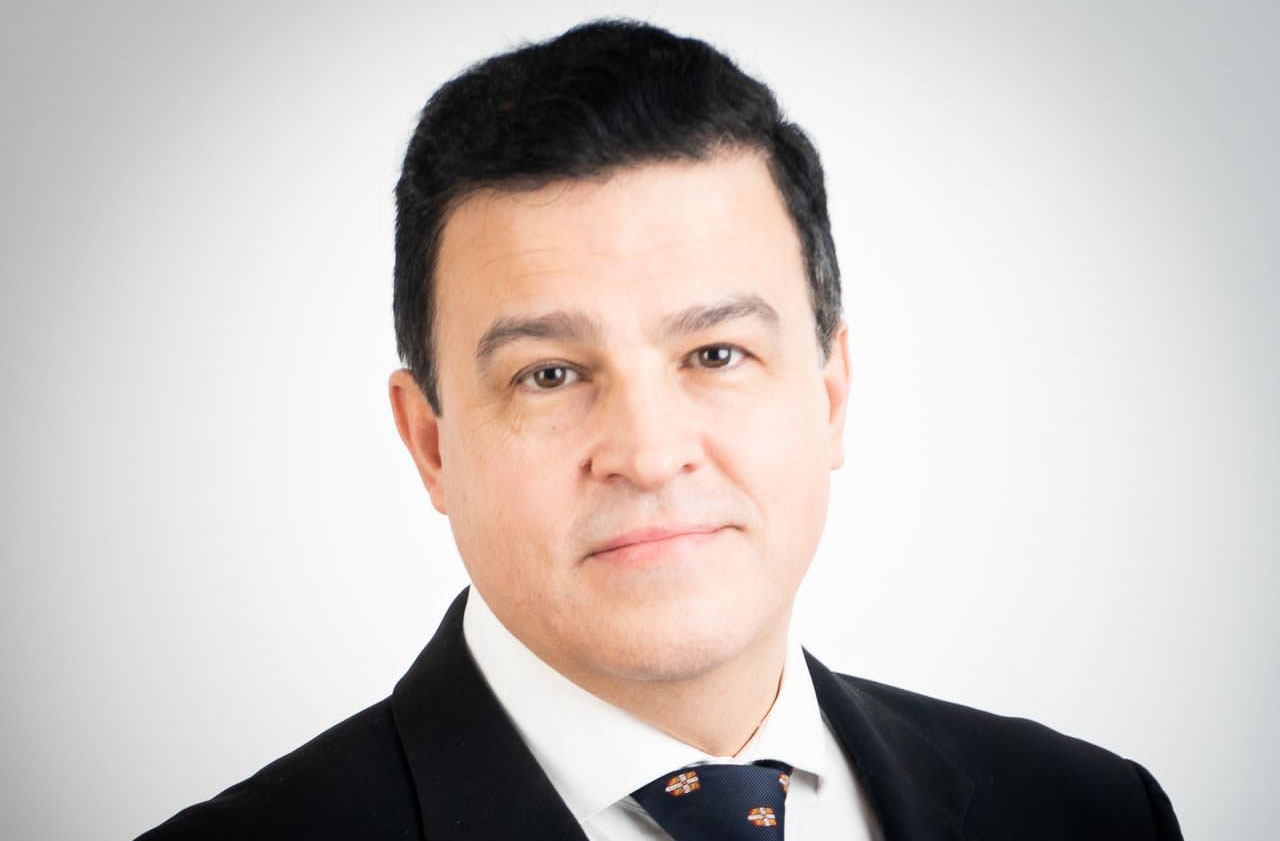
Juan Visser
The transition from secondary school to tertiary education is becoming an increasingly important test of whether education systems are preparing young people not only for university admission but also for independent learning, critical thinking and the changing world of work.
For many students, moving from the structured environment of school into higher education represents a fundamental shift. At university, learners are expected to take greater responsibility for their studies, conduct research, interrogate evidence, manage their time and participate confidently in academic discussions.
This means the challenge for schools extends beyond helping students secure admission. They must also ensure that learners possess the academic habits, intellectual confidence and transferable skills required to succeed after gaining entry.
The demand for tertiary education has grown substantially worldwide. UNESCO data indicates that approximately 264 million students are enrolled in higher education globally, more than twice the number recorded at the beginning of the century.
The expansion reflects the growing recognition of higher education as a pathway to economic mobility, wider opportunity and the development of skills required to support national economies.
However, increasing access has also exposed a significant challenge: the gap between university admission and preparedness for higher-level learning.
Research by the Council for Aid to Education and the Organisation for Economic Co-operation and Development (OECD) found that approximately 57 per cent of students entering tertiary education were not proficient in critical thinking and written communication.
The implication is significant for education policymakers, schools, teachers and parents. Preparation for higher education cannot begin when a student arrives on a university campus. It must start much earlier, particularly during the secondary-school years when academic behaviours and intellectual capabilities are being formed.
According to education experts, traditional approaches that place heavy emphasis on memorisation and examination performance are increasingly insufficient for the demands of universities and modern workplaces.
Students need to learn how to analyse information, challenge assumptions, assess evidence, solve unfamiliar problems and develop independent conclusions.
READ ALSO:
- Federal Workers Urge Finance Ministry to Pay Delayed Allowances, Promotion Arrears
- Nigeria Wins $3.38bn Mambilla Arbitration Battle As ICC Rejects Sunrise Claims
- 2027: Tinubu May Mediate Wike-APC Governors Rift In France
International curricula such as Cambridge IGCSE and Cambridge International AS & A Levels provide one model of how secondary education can develop these capabilities.
The programmes emphasise enquiry-based learning, encouraging students to engage with concepts, test ideas and formulate their own perspectives rather than simply recall information.
At the IGCSE level, students are introduced to structured enquiry through analytical reading, evidence-based argument and problem-solving across a broad range of subjects.
These foundations are subsequently developed at AS and A Level, where students are expected to evaluate competing viewpoints, synthesise information from different sources and communicate their arguments with clarity and precision.
Such competencies closely reflect the demands of tertiary education, where students are increasingly expected to navigate large amounts of information, distinguish credible evidence from weak sources and formulate independent positions.
The emphasis, therefore, is not simply on what students learn but also on how they learn.
Critical thinking and problem-solving are treated as transferable capabilities that can be applied across academic disciplines and real-life situations. Students are encouraged to make reasoned judgements, construct coherent arguments and approach unfamiliar challenges with greater confidence.
Independent learning is equally important.
University students are expected to manage their time, organise academic workloads, locate and evaluate resources and take responsibility for their own progress. Where these habits have already been developed in secondary school, students are better positioned to cope with the autonomy and complexity of tertiary education.
Research by the International Education group at Cambridge University Press & Assessment, titled Preparing Learners to Thrive in a Changing World, reinforces the importance of these capabilities.
The study found that students and teachers regard self-management skills as critical to future success, while also identifying them among the most difficult skills to teach and learn.
From managing time and maintaining focus to adapting to change and working independently, such capabilities are increasingly essential not only for university but also for employment and adult life.
The changing labour market has further increased the importance of transferable skills. The World Economic Forum’s Future of Jobs Report 2025 identified analytical thinking as the leading core skill among employers, while resilience, flexibility and agility were also among the most highly valued core skills. The report also identified creative thinking, technological literacy, curiosity and lifelong learning among skills expected to remain increasingly important.
This suggests that education systems must increasingly focus on producing learners who can adapt, think critically, solve problems and apply knowledge in unfamiliar environments.
The objective, therefore, should be to develop curious and resilient learners capable of continuing to learn long after they have completed formal education.
Evidence of the potential of this approach can also be seen in the Outstanding Cambridge Learner Awards, which recognise exceptional performance in Cambridge assessments across more than 40 countries.
Students in South Africa are among those who receive the awards annually, demonstrating strong examination performance, extensive subject knowledge and the ability to perform under demanding, internationally benchmarked assessment conditions.
Internationally recognised qualifications can also provide students with greater flexibility.
In countries including Nigeria, Ghana and South Africa, Cambridge International AS & A Levels are recognised by local universities through established admission processes. This enables students to pursue higher education within their home countries while benefiting from internationally benchmarked secondary qualifications.
The combination gives learners greater choice, allowing them to balance local educational opportunities with international aspirations.
Ultimately, however, the purpose of secondary education should extend beyond university admission.
Whether students proceed to university, professional qualifications, entrepreneurship or vocational careers, they require confidence, adaptability and the ability to continue learning.
The transition from classroom to campus should therefore be understood as more than a change of location. It is a transition from guided learning to greater intellectual independence.
By cultivating the ability to learn, think critically, manage responsibilities and adapt to change, schools can better prepare young people for the demands of tertiary education and the wider economy.
By the completion of their secondary education, students should possess more than examination certificates and subject knowledge. They should have developed the habits of mind required to navigate uncertainty, assess competing ideas, solve problems and continue acquiring knowledge throughout their lives.
For education systems confronting rapidly changing economic and technological realities, the priority is increasingly clear: prepare learners not merely to pass examinations or enter university, but to succeed wherever their education takes them.
Cambridge University Press & Assessment, part of the University of Cambridge, said its International Education group works with schools globally to build education around knowledge, understanding and skills.
Through the Cambridge Pathway, which provides a framework from ages three to 19, the organisation offers qualifications including Cambridge IGCSE, International AS & A Levels and the AICE Diploma, alongside learning resources, support and research-based insights.
The broader objective, it said, is to equip learners with the confidence and capabilities to meet the opportunities and challenges of a rapidly changing world.
Juan Visser is Regional Director, Sub-Saharan Africa, International Education, Cambridge University Press & Assessment.
Preparing Students for University, Work in Changing World, By Cambridge
Education
25 Universities, Teaching Hospitals Get Solar Power Under REA Programme

25 Universities, Teaching Hospitals Get Solar Power Under REA Programme
Twenty-five federal tertiary institutions have been connected to solar electricity under the Rural Electrification Agency’s (REA) Energizing Education Programme.
The REA Managing Director, Abba Aliyu, disclosed this during the commissioning of a 3MW captive solar hybrid power project at Yakubu Gowon University, Abuja.
According to Aliyu, the programme covers 22 federal universities and three affiliated teaching hospitals and has deployed more than 100MW of clean energy.
He said the initiative now benefits over 300,000 students and 50,000 academic and administrative staff.
READ ALSO:
- Adunni Ade Reveals Christian Fans Unfollowed Her After Publicly Identifying as Muslim
- Jetour Set to Storm Abuja Show with Rugged Luxury T2
- Fiji Declares National HIV Emergency as Diagnoses Surge Sixteenfold
Aliyu added that the new 3MW facility would power key university facilities, including lecture halls, laboratories, ICT systems, administrative buildings and campus lighting.
Meanwhile, Minister of Power Joseph O. Tegbe said reliable electricity was essential to supporting teaching, research, healthcare and digital services in universities.
He stressed that the long-term performance of the solar projects would be more important than their commissioning.
Vice-Chancellor of Yakubu Gowon University, Prof. Hakeem Babatunde Fawehinmi, also said dependable electricity was critical to the institution’s academic and research activities.
25 Universities, Teaching Hospitals Get Solar Power Under REA Programme
-

 International3 days ago
BREAKING: Bloodbath at Pakistan Mosque as Suicide Blast Kills 21, Injures 103
-

 Politics3 days ago
Yayi Ancestry Row: Stepmother Sets Record Straight as Legal Battle Looms
-

 metro3 days ago
Tinubu Orders Full Probe Into 37 Miners’ Deaths in NSCDC Custody
-

 metro2 days ago
Niger Miners’ Deaths: Families Demand Compensation, Justice for Victims
-

 Sports3 days ago
Falconets Thrash England 3-0, Face Colombia in U-20 World Cup Quarter-Finals
-

 Auto3 days ago
Replace Fuel Subsidy With Vehicle Credit to Drive Mobility, Jobs,LCCI, Ilekuba tell FG
-

 metro2 days ago
Mambilla: ICC Raises Questions Over $500,000 Payment to Atiku’s Former Wife
-

 Entertainment2 days ago
“She Wanted to Stay Single”: Rema Opens Up About Rejection That Inspired Hit Song ‘Oh No’