

metro
Saboteurs Hold Nigeria Hostage As Power Grid Collapsed 115 Times In 9 Years
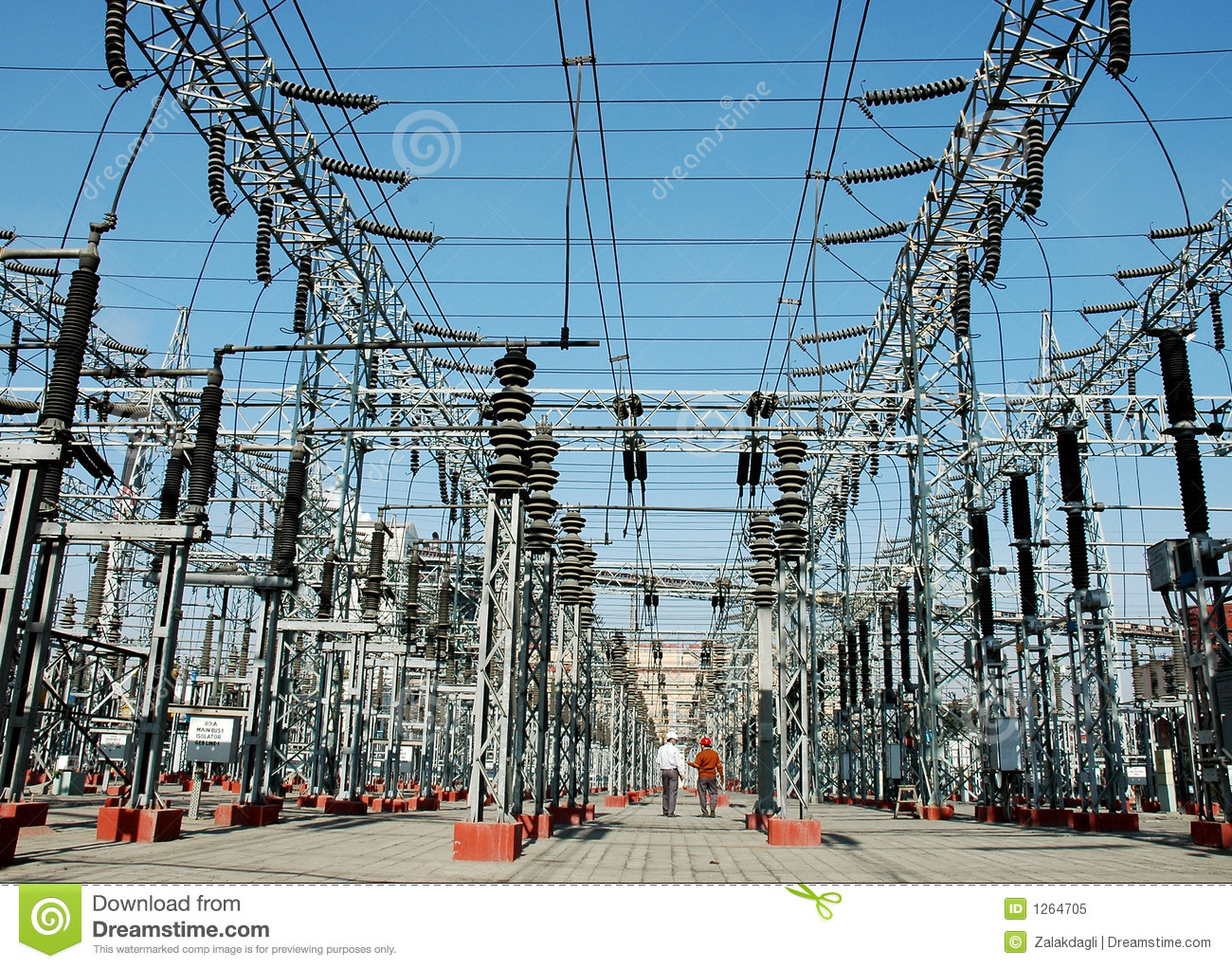
With the recent three power grid collapses in less than 30 days, there are worries that acts of power infrastructure vandalism is on the rise.
The latest system collapse occurred on April 8, 2022 around 6.30pm as the national power grid plunged from 2,400 megawatts (MW) some 30 minutes earlier to a zero level, causing widespread outage.
According to insider reports, attempts to restore the power grid suffered a setback around 8:50pm on the same night as the system tripped off again, with an outage lasting through to the next day in many parts of the country.
The latest grid disruption came just about 24 days after similar incidents on March 14 and 15, 2022. An industry official said the system collapse was multiple, especially from the gas-fired power plants.
The Minister of Power, Abubakar D. Aliyu, an engineer, had conveyed an emergency meeting that lasted through Monday night, where he tasked the operators on working together to make electricity more stable.
While power generation companies (GenCos) had a day before the previous collapse complained of poor revenue to procure gas, as well as technical issues with mostly the units of gas-fired plants, the vice chairman of the Nigerian Electricity Regulatory Commission (NERC), Musiliu Oseni, at a briefing in March, blamed one of the collapses on the tripping of a power line along the Benin axis in Edo State.
An official of the Transmission Company of Nigeria (TCN), which manages the power grid, also confirmed that some towers were affected at the Sapele to Benin transmission route, causing the trip- off.
READ ALSO:
- We’ll wipe out those who killed 21 persons in Benue — Chief of Defence State
- How Osinbajo rejected offer to be Obasanjo’s minister – Ogunsakin
- Easter: Seminarian dies while acting drama in Imo
Also in the same month, the TCN, in a statement, noted that it discovered the hacking of a tower on the 132 kilovolts (kV) Enugu to Benue transmission line, which also electrocuted a suspected vandal. The line was immediately fixed to avoid a system collapse on that route.
After the system collapse, the spokesman for the minister of power, Isa Sanusi, in a statement confirmed the incident, noting that the NERC was probing the recurring grid failure.
Sanusi also said, “The immediate cause of the national blackout (system collapse) was an act of vandalism on a transmission tower on the Odukpani-Ikot Ekpene 330kV double circuit transmission line, thus resulting in a sudden loss of about 400mw of generation (Calabar NIPP). This consequently led to a cascade of plants’ shutdown across the country.”
Further explaining the nature of the vandalism, the Port Harcourt regional transmission manager at the TCN, Daniel Udofia, an engineer, said Tower 104 was vandalised at Oku Iboku in Akwa Ibom State on the 330kV Odukpani (Cross River) to Ikot Ekpene (Akwa Ibom) transmission line.
Dilemma on the way out
While some experts have advocated for a decentralized transmission system like that of United States in order to end the preponderance of grid collapse in the country, others believe Nigeria should continue with the centralised grid system like that of the United Kingdom.
Daily Trust on Sunday reports that the US multiple grid system is divided into many parts comprising the eastern and western grid systems, and other grid systems that are all synchronized. The country consists of 120,000 miles (190,000 km) of lines operated by 500 companies.
However, in the United Kingdom, there is a central national grid serving the Great Britain, connecting power stations and major substations, according to the nationalgrid.com.
Nigeria, like UK, its formal colonial master has a transmission network that operates two high voltage levels, the 330 kilovolts and 132 kilovolts transmission lines and substations spanning over 20,000km of transmission lines, according to the Transmission Company of Nigeria, TCN.
Supporting the decentralization of the national grid in the long run, the national president of Nigerian Institute of Power Engineers (NIPE), Engr. Israel Abraham, said the transmission system should be decentralised across regions and that DisCos should be expanded from the current 11 units to 37, serving each states and the FCT to address the prevalent system collapses.
Others argue that there is a need for grid monitoring tools as the federal government in the ministry’s statement admitted the lack of them, especially the Supervisory Control And Data Acquisition System (SCADA) to quickly isolate nationwide outages.
Our correspondent recalled that shortly after suspected vandals destroyed a 330kV transmission line tower in Oku Iboku community of Akwa Ibom State, the managing director of the TCN, Sule Abdulaziz, an engineer, and some management officials of the public-owned company, visited the site of the vandalism to assess the extent of damage.
He noted that the national electricity grid system collapse recorded on April 8, 2022 was caused by the activities of vandals on tower number 104 on the Ikot-Ekpene –Calabar 330 kilovolts double circuit transmission line around Oku Iboku community in Akwa Ibom State.
“This singular act threw the entire country into darkness, plus the humongous loss in terms of economic resources,” he stated.
Speaking further while addressing pressmen, he said, “Despite this, we have remained resolute in our effort to find ways of ensuring power supply to the good people of Akwa Ibom and the country in general.
“To effectively achieve this, every citizen of Nigeria must in one way or another contribute to this fight against the vandalism of power infrastructures.”
However, more revelation of the nationwide power assets sabotage was made by the executive director of the Transmission Service Provider at the TCN, Victor Adewumi, an engineer.
READ ALSO:
- Insecurity: Buhari Has Nothing More To Offer – Kwankwaso
- I don’t know why I stabbed my boss to death, stole his car –Suspect
- $1bn military helicopters: US trainers to spend two years in Nigeria, security experts hail move
He said, “It is happening almost everywhere in the country now. Even in Delta State we had to quickly mobilise to fix 10 towers in a row when we saw an act of vandalism. This is outright sabotage; it doesn’t happen in other climes. We appeal to the youths and Nigerians to own these assets because they belong to us. Each time, we pull the government back and turn around to blame the same government. It is very unfair to throw the whole country into blackout.”
Adewumi, who said vandalism caused retrogression in power infrastructure development, added, “There is no way this country can move forward if each time we take a step forward we take three backward. Everybody needs power and every generation plants service every part of Nigeria.
“You can see how callous people can be to deliberately remove tower members to bring this thing down.”
There are other cases of 132kV power transmission line vandalism recorded in Ogun State, where three towers crashed on the Papalanto/Ojere 132kV double-circuit lines after they were vandalised. Another 132kV transmission line tower was hacked on the 132kV New Haven to Nkalagu transmission line in Enugu State, where a vandal was arrested by security operatives.
One incident too many
Available statistics from the Independent System Operator (ISO), a section of the Transmission Company of Nigeria, TCN, shows that in nine years (from November 2013 to April 2022), the Nigerian national power grid system has recorded 115 system collapses. This is the period when the power sector utilities have been privatised.
Random picks show that there were 42 of such collapses in just a year (2010) and over 10 events every year until 2020.
Further analysis however showed that the system or grid collapse declined in the last few years as only four collapses occurred in 2020, while two were recorded in 2021, being the lowest so far.
However, three have been recorded already in less than a month, between March 14 and April 8 this year, mostly as a result of poor gas to GenCos, in the first instance.
The second collapse was traced to the vandalism of power transmission tower in Benin, Edo State, and the third collapse of April 8 was traced a vandalised tower in Oku Iboku in Akwa Ibom State.
READ ALSO:
- I don’t know why I stabbed my boss to death, stole his car –Suspect
- $1bn military helicopters: US trainers to spend two years in Nigeria, security experts hail move
Why govt needs more synergy, policing
To tackle the situation, some experts have insisted that the government, power operators, residents and security agents should deepen synergy to intercept vandals before they execute their acts.
The Akwa Ibom State commissioner for power and petroleum development, John Etim, said the government would work with the TCN on mass sensitisation of the public, while making laws at the House of Assembly for stricter penalties against vandals. He also said the state had intensified security surveillance to curb vandals’ activities.
Mr Bulus Yaro, a power consultant, said he was aware that some power firms occasionally engaged the Nigerian Security and Civil Defence Corps (NSCDC) and vigilante groups to patrol lines. “These efforts are not enough; from time to time, community members, including youths, should be involved in the process.
“Then security agents should be made to arrest and prosecute dealers in metal scraps, especially if they are found to be copper and aluminium conductors. That is when we will start being serious to tackle this sabotage,” said Yaro.
Compensate consumers for poor electricity – Rights group
Some observers believe that consumers must be compensated for loss of electricity over the decline in power supply services as there is a contract due to the service base tariff, which means that power consumers should pay for what they get.
Commenting on the situation, the president of the Nigerian Consumer Protection Network (NCPN), Comrade Kunle Kola Olubiyo, while condemning the acts of sabotage, noted that with all the contractual failure by the power sector value chain to give power to Nigerian consumers, there is still no compensation to consumers for poor service.
He said, “The Multi Year Tariff Order (MYTO) extant rules allows for downward review of band and tariff, but customers are being illegally migrated from Band C and Band D to Band A and Band B nationwide, even in the face of failures to deliver on the contract/service-based tariff. These are mechanically configured to shortchange customers.”
Olubiyo also said no customer of electricity distribution companies (DisCos) had been getting 22/16 hours of electricity and steady 10 hours attached to each of the tariff bands.
He added, “All the considerations and key indicators have failed roundly due to gas constraints, grid constraints, vandalism of gas-to-power infrastructure and vandalism of critical electricity grid value chain infrastructure, among others.
“In the face of all of these, why is it that customers’ billing classifications are being jerked up?” he asked.
DAILY TRUST









metro
Osun Govt Vows to Prosecute Those Behind Recent Killings
Osun Govt Vows to Prosecute Those Behind Recent Killings
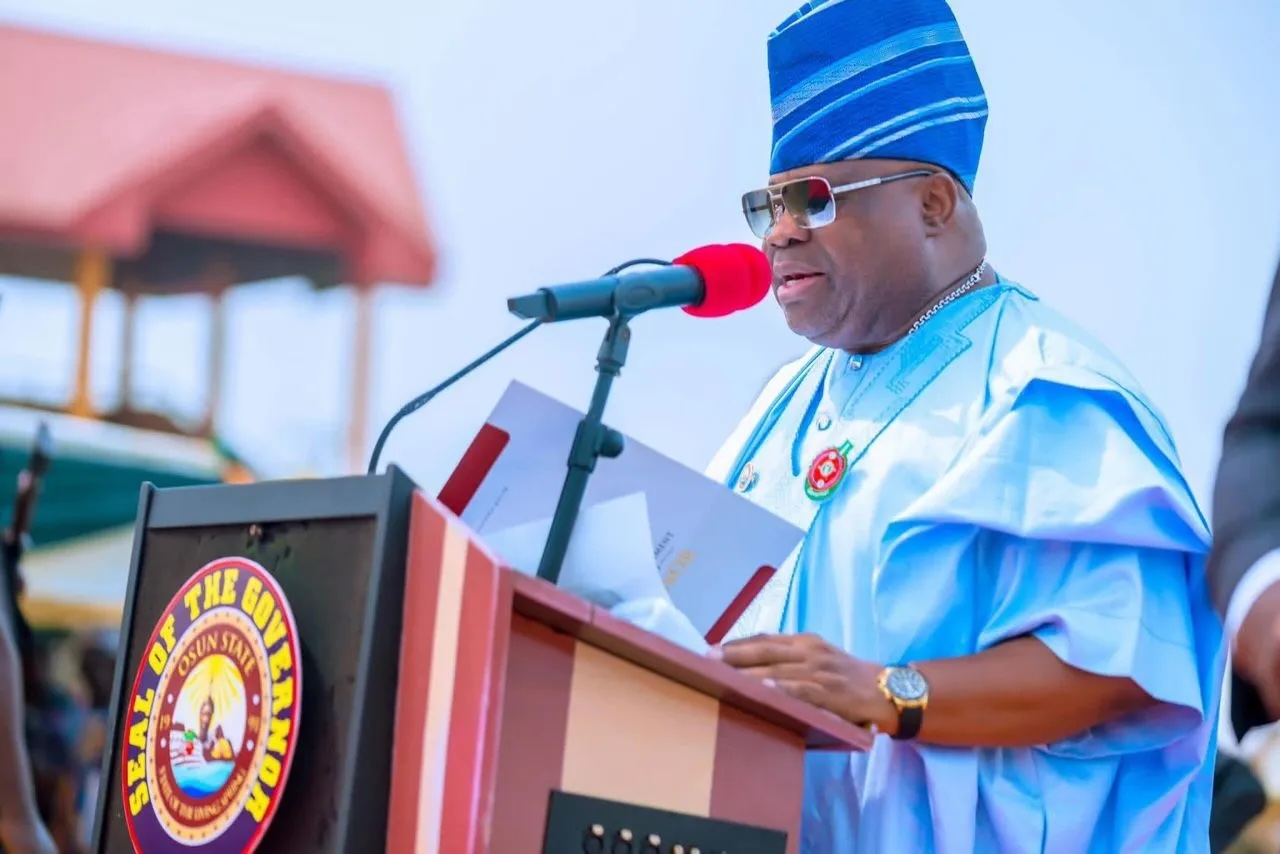
The Osun State Government has vowed to prosecute anyone found responsible for the recent killings and violent clashes across the state.
The government also denied allegations that it was protecting those suspected of killing Olalekan Oyeyemi amid a leadership dispute in the state chapter of the National Union of Road Transport Workers (NURTW).
Speaking on Wednesday, the Special Adviser to Governor Ademola Adeleke on Security Matters, Samuel Ojo, said the administration would allow security agencies to investigate the cases without interference.
Adeleke Summons Security Chiefs
Following the recent violence, Adeleke called an emergency security meeting attended by commanders from the police, DSS, Army, NDLEA, Immigration, Correctional Service, Civil Defence and Amotekun.
Deputy Governor Kola Adewusi represented the governor at the meeting.
Ojo said the security chiefs agreed to intensify efforts to stop further killings and restore peace across Osun.
He also dismissed claims that the government was shielding suspects in Oyeyemi’s murder, saying the police and DSS had been directed to thoroughly investigate the case.
Meanwhile, two NURTW leaders, Gbedegesin and Kareem Akeem, had alleged that Oyeyemi was killed because some union leaders opposed his proposed emergence as the next state chairman.
Transportation Commissioner Sesan Oyedele, however, denied that the government endorsed Oyeyemi for the position. He said the union leaders only informed him of their decision to choose the deceased.
About five people have reportedly been killed between August 24 and September 15 in Ikire, Ile-Ife and Osogbo in incidents linked to motor park disputes and alleged cult-related clashes.
Osun Govt Vows to Prosecute Those Behind Recent Killings
metro
57-Year-Old Man Arrested Over Sexual Abuse of Stepdaughter in Edo
57-Year-Old Man Arrested Over Sexual Abuse of Stepdaughter in Edo
The Edo State Police Command has arrested a 57-year-old man, identified as Kadiri Edenokun, over the alleged defilement of his six-year-old stepdaughter in Jattu, Etsako West Local Government Area of Edo State.
The suspect was reportedly taken into custody after the alleged abuse of the child was brought to the attention of the authorities, prompting the police to commence an investigation into the circumstances surrounding the case.
Police sources said the suspect allegedly admitted during interrogation that the incident occurred on more than one occasion. However, the allegation remains under investigation, and Edenokun has not been convicted of any offence.
The case has renewed attention on the problem of child sexual abuse in Edo State, particularly allegations involving adults who have regular access to children within homes and other familiar environments.
The Edo State Government disclosed in August that more than 70 cases of child defilement had been recorded in the state between January and July 2026. The Commissioner for Women Affairs and Social Development, Eugenia Abdallah, said children between the ages of two and 10 were among those affected.
The commissioner also said that more than half of the cases reported during the period involved fathers of the affected children, highlighting concerns over sexual abuse occurring within family settings.
The state government has continued to work with relevant agencies on cases of sexual and gender-based violence, including the provision of medical, psychosocial and protective support to survivors.
READ ALSO:
- US-Based Nigerian Lawyers Disbarred: Full List of Fraud, Theft and Misconduct Cases
- Katsina Police Rescue Two Kidnapped Women, Arrest Suspected Kidnappers
- Pope Leo XIV Warns Against Letting AI Make Human Decisions
The Ministry of Women Affairs and Social Development has also been involved in providing temporary protective care and other forms of assistance to children and young people affected by sexual violence.
In a separate case reported recently, the ministry provided an update on a 16-year-old girl who was allegedly sexually abused and became pregnant. The ministry said the survivor was placed in a government shelter and was receiving support while arrangements were being made for her welfare and education.
The police have also reported a number of arrests involving alleged sexual offences against minors across Edo State.
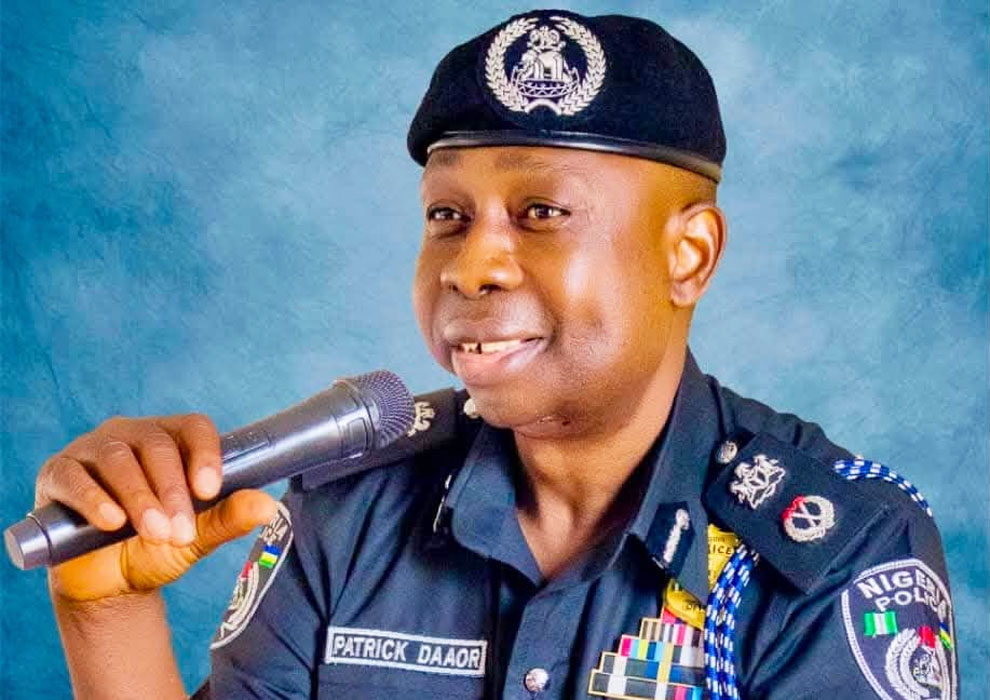
The Commissioner of Police, Patrick Daaor, said the command arrested several suspects in August in connection with sexual and gender-based violence. Some of the suspects were subsequently charged to court, while investigations into other cases continued.
Among the cases reported by the command were allegations involving girls aged 13, 15 and 11. Police also reported investigations involving alleged defilement of minors in Okpella and other parts of the state.
At its August operational review, the Edo Police Command said 12 suspects had been arrested in connection with sexual and gender-based violence during the month. The command also reported arrests linked to kidnapping, armed robbery, cultism, human trafficking and other offences.
The latest case involving the six-year-old girl is expected to be subjected to further investigation to establish the circumstances surrounding the alleged abuse and determine whether sufficient evidence exists to support criminal charges.
The child has reportedly been placed under appropriate care and is receiving medical attention with the involvement of the Edo State Ministry of Women Affairs and Social Development.
Child protection advocates have consistently stressed the importance of promptly reporting suspected cases of child abuse and sexual violence, particularly where the alleged perpetrator is a family member, caregiver or another adult with access to the child.
Under Nigerian law, allegations of defilement involving children are treated as serious criminal matters, with the relevant authorities responsible for investigating reported cases and presenting evidence before a court where prosecution is warranted.
The police are expected to complete their investigation and take appropriate legal steps based on the evidence gathered.
Edenokun remains an accused person at this stage, and any determination of criminal responsibility will ultimately be made through due process and, where applicable, by a court of law.
57-Year-Old Man Arrested Over Sexual Abuse of Stepdaughter in Edo
metro
US-Based Nigerian Lawyers Disbarred: Full List of Fraud, Theft and Misconduct Cases
US-Based Nigerian Lawyers Disbarred: Full List of Fraud, Theft and Misconduct Cases
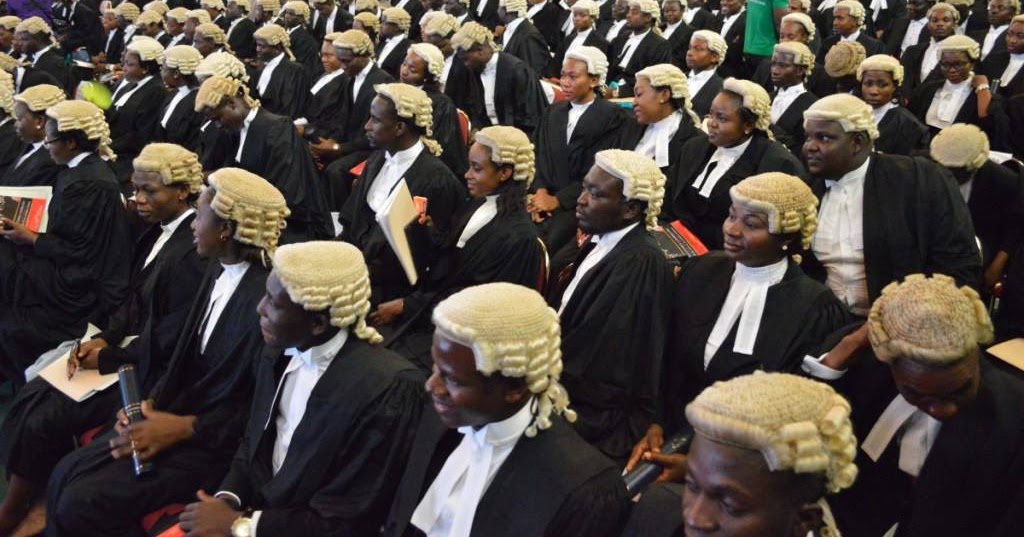
Several Nigerian lawyers who practised in the United States have been disbarred, suspended or otherwise sanctioned following disciplinary proceedings over professional misconduct, including fraud, theft, misappropriation of client funds and unauthorised legal practice, according to court documents and disciplinary records reviewed by journalists.
The sanctions were imposed by various state and federal legal authorities, including the Supreme Court of the State of New York, the Minnesota Supreme Court, the Florida Supreme Court, the Board of Immigration Appeals and the Executive Office for Immigration Review.
The cases reveal a pattern of vulnerable clients — particularly immigrants desperate to regularise their status in the US — being targeted by lawyers who exploited their fear and lack of legal knowledge.
Among those permanently struck off the roll of attorneys, Owolabi M. Salis was disbarred by the Supreme Court of the State of New York in 2022 after a litany of complaints from immigrant clients who accused him of stealing tens of thousands of dollars. The court found that Salis had filed 1,185 fraudulent and frivolous immigration petitions over eight years, with only one approved. He also attempted to conceal his identity from immigration authorities. Salis failed to appear at his disciplinary hearing and did not notify the grievance committee, according to the disbarment records. His name was struck from the roll of attorneys. Despite being disbarred, Salis allegedly continued to practise law, meeting clients in the evenings. Brooklyn District Attorney Eric Gonzalez filed seven criminal charges against him in August 2023, including third- and fourth-degree grand larceny, second-degree criminal contempt, first-degree scheme to defraud, immigrant assistance services fraud and unlawful practice of the law. Salis, who gained international attention in June 2025 as the first Nigerian to travel to space aboard a Blue Origin mission, had his disbarment appeal dismissed by the Board of Immigration Appeals in December 2025.
Neda B. Imasuen, now a Nigerian senator representing Edo South, was permanently disbarred by the Supreme Court of the State of New York, Appellate Division, on 10 May 2010. The Grievance Committee for the Second, Eleventh and Thirteenth Judicial Districts found that Imasuen had neglected a legal matter entrusted to him by an American client, Daphne Slyfield, after being paid substantial legal fees. Imasuen failed to respond to the petition within the stipulated 20 days and did not seek an extension. The court deemed the charges admitted and ordered that he “desist and refrain from practising law in any form.” He returned to Nigeria the same year and later entered politics. In March 2025, suspended Kogi Central Senator Natasha Akpoti-Uduaghan filed a petition with the Legal Practitioners Disciplinary Committee seeking Imasuen’s disbarment in Nigeria, alleging he failed to disclose his US disbarment when contesting for office. Imasuen has denied any criminal wrongdoing. In a June 2025 interview, he claimed the disbarment stemmed from a civil negligence issue — his former Brooklyn landlord improperly discarded confidential client files while he was on vacation in Nigeria. He stated: “It’s a civil issue of negligence, not a criminal case. If you read the ruling, it clearly states there was no stealing or misconduct — just mishandling of files left by my landlord.”
READ ALSO:
- Pope Leo XIV Warns Against Letting AI Make Human Decisions
- Kara Bridge Repairs, Multiple Crashes Trigger 14-Hour Gridlock on Lagos-Ibadan Expressway
- 2027: Court Gives Atiku Seven Days to Serve Tinubu Through APC in Eligibility Suit
Chinyere Alex Ogoke, a Chicago-based lawyer licensed in 2005, was disbarred in 2021 after continuing to practise despite an earlier suspension by the Board of Immigration Appeals. Ogoke falsely claimed he was “not subject to any order suspending or otherwise restricting his practice of law” while filing notices of appearance on behalf of 11 immigration clients. The board ruled that his “continued intentional and knowing disregard” for its suspension order and his repeated false claims were “serious violations that undermine the integrity of the legal system.”
Ignatius Chukwuemeka Udeani, based in Bloomington, Minnesota, was disbarred by the Minnesota Supreme Court in January 2023. He had been indefinitely suspended in 2020. The disciplinary body found he failed to protect his clients’ legal interests — specifically vulnerable immigrants — failed to return unearned legal fees and client funds, and did not properly cooperate with investigations.
Chuck Odifu Egbune, a Colorado-based lawyer, was disbarred in 2025 after engaging in illegal law practice while on suspension. He represented his sister in court without a valid licence, violating Colorado law.
Taiwo A. Agbaje, based in Maryland, was disbarred at both state and federal levels. The Board of Immigration Appeals issued a final order in June 2016 based on his Maryland disbarment. The court found he took $40,000 from a client for a Baltimore real estate investment and described his conduct as “dishonest and deceitful,” involving conflict of interest, fraud and misrepresentation.
Cyril O. Chukwurah, a Texas-based lawyer, was disbarred in 2015 for multiple violations including practising while on active suspension, violating disciplinary judgments in two other cases, and failing to properly deliver clients’ funds.
Wilfred I. Aka, a Los Angeles-based attorney and Certified Public Accountant, was disbarred in 2025 by the US Tax Court and the Board of Immigration Appeals after disciplinary actions in 2019 and 2020. He was found to have failed in his duties to the court, clients and opposing counsel.
Uchechi Okechukwu Nwakanma (also known as Prince Nwakanma), based in Houston, was disbarred in 2017 by the Board of Immigration Appeals after an initial suspension in 2015 for failing to pay fees and meet continuing education requirements.
Emeka M. Uyamadu, a Houston-based lawyer, was permanently disbarred in 2010 following felony convictions in Harris County, Texas, for stealing between $20,000 and $100,000.
Alexander Osondu Akpodiete, who practised in Florida, was disbarred by the Florida Supreme Court in 2010 following disciplinary proceedings between 2005 and 2008. His offences included contempt of court, failing to keep a client informed, and unauthorised withdrawal of $1,000 from a client’s credit card.
READ ALSO:
- 2027: Northern Students Back Tinubu, Pledge Campus-to-Campus Mobilisation
- Benue: Two Police Officers Killed as Gunmen Ambush DPO’s Convoy in Ayilamo
- “Clash of Egos”: Ayo Fayose Downplays Public Feud Between Wike and APC Governors
John Udo, admitted to the Massachusetts Bar in 1995, was disbarred in 2010 following a ten-count disciplinary petition accusing him of misusing and stealing client funds, neglecting immigration cases involving vulnerable clients and abandoning his professional responsibilities. The Massachusetts Clients’ Security Board later compensated 14 former clients.
In cases of temporary suspension, Aloysius O. Ejimakor was suspended from practising law in New York for nine months in 2004 after making false claims about his official qualifications. The Executive Office for Immigration Review instituted disciplinary proceedings in July 2003 after Ejimakor filed numerous notices of appearance in which he misrepresented his status as a member in good standing of the New York bar. Ejimakor failed to file a timely response to the allegations despite being granted an extension. The Department of Justice treated his silence as an admission of the charges. He has not been reinstated.
Abiola O. Adesioye, based in the District of Columbia, was suspended in July 2025 by the Board of Immigration Appeals from practising before the board, immigration courts and the Department of Homeland Security. This followed a suspension order from the District of Columbia Court of Appeals on 25 March 2025.
Michael Ozulumba, based in Massachusetts, was suspended for two years from practising before the Internal Revenue Service and the Executive Office for Immigration Review after being found guilty of professional misconduct, neglecting client cases and making misrepresentations.
Michael Imevbore Ojo, based in Houston, Texas, was suspended for 12 months by the State Bar of Texas for violations including neglect, failure to communicate and failure to cooperate with a state bar investigation. The Board of Immigration Appeals immediately suspended him in December 2005.
Anslem A. Efe, a Colorado-based legal practitioner, was indefinitely suspended in 2013 for unauthorised practice. Investigations found he engaged in employment as an attorney before the Executive Office for Immigration Review without authorisation and without lawful status in the United States.
Jude Chukwuma Ezeala, based in Maryland, was indefinitely suspended by the Court of Appeals of Maryland in 2017 for professional misconduct, including violations related to competence, diligence, communication, fees and safekeeping of client property.
READ ALSO:
- ASUU Crisis Deepens: Lagos Universities Join UNIBEN, Taraba on Indefinite Strike
- Lagos Power Outage: Ikeja Electric Blames TCN as Businesses, Homes Groan
- US Court Blocks Trump Visa Rule Limiting Stay of Foreign Students, Journalists
Olayemi Isaac Falusi, based in Maryland, was indefinitely suspended in 2018 for unauthorised practice of law. He took on three clients and practised law in Maryland before he was officially admitted to the state bar.
Anthony Emeka Nze Nwosu, based in Sacramento, California, was suspended by the New York Supreme Court Appellate Division in October 2023 for failure to comply with attorney registration obligations and complaints from seven clients. The board subsequently imposed an indefinite suspension from practising before US immigration courts in January 2024.
Osamwonyi E. Osagiede, based in New Hampshire, was indefinitely suspended in 2009 by the Supreme Judicial Court for Suffolk County, Massachusetts, after being found involved in unauthorised practice. He had filed dozens of official representation forms with immigration courts.
Martin E. Nwizubo, a Washington-based legal practitioner, was placed on “disability inactive” status by the Washington State Bar Association in 2016. This status applies to lawyers suffering physical or mental health challenges that incapacitate their ability to practise. The board affirmed his suspension in 2017. This is not a disciplinary sanction for misconduct.
In one notable case of posthumous discipline, Emelike Nwosuocha, a Miami-based lawyer, died on 21 July 2024 at age 64 — yet disciplinary proceedings against him continued for 508 days after his death. The case began with a medical negligence lawsuit. After Nwosuocha’s client’s case was dismissed with prejudice, the court ordered him to pay $5,310** in attorney fees to the opposing counsel. When he failed to pay, the defendant filed a grievance. Nwosuocha was suspended for **six months** in 2023 for failing to answer the grievance. In June 2024, he received a **one-year suspension** for non-compliance. A second suspension required him to file a notice affidavit by **17 July 2024**. He died four days later. On 11 December 2025, the Florida Supreme Court suspended Nwosuocha for **three years** and fined him **$1,250 — unaware he had died. The Florida Bar filed a notice of death on 16 January 2026, and the court subsequently vacated the suspension and dismissed the case.
The cases share a troubling common thread: vulnerable immigrant clients were targeted by lawyers who exploited their desperation to remain in the United States. In the Salis case, Brooklyn District Attorney Eric Gonzalez noted: “Vulnerable immigrants sought his legal assistance. Instead of helping them, he allegedly defrauded his clients out of tens of thousands of dollars.” In the Imasuen case, the client paid substantial legal fees but was allegedly abandoned without representation. In the Udeani case, the Minnesota Supreme Court specifically cited his failure to protect “vulnerable immigrants.” The sanctions demonstrate that US disciplinary authorities are actively pursuing misconduct by lawyers — regardless of nationality — who betray their professional obligations. However, the cases also highlight the vulnerability of immigrant communities to exploitation by unscrupulous legal practitioners.
Several key takeaways emerge from these cases. Disbarment is the most severe sanction, permanently revoking a lawyer’s licence to practise. Cases include Owolabi Salis, Neda Imasuen, Chinyere Ogoke, Ignatius Udeani, Taiwo Agbaje, Cyril Chukwurah and others. Suspension temporarily bars a lawyer from practice, ranging from nine months (Ejimakor) to indefinite (Efe, Ezeala, Osagiede). Common violations include client fund misappropriation, fraud, neglect of cases, failure to communicate, unauthorised practice and false statements about qualifications. Vulnerable immigrants were disproportionately targeted by sanctioned lawyers, particularly in immigration matters. Posthumous discipline occurred in the Nwosuocha case, where proceedings continued for 508 days after death before being vacated.
US-Based Nigerian Lawyers Disbarred: Full List of Fraud, Theft and Misconduct Cases
-
 Politics2 days ago
2027: Northern Lecturers Back Tinubu, ASUU Disowns Endorsement
-

 metro2 days ago
Police Arrest Mother Over Alleged Brutal Abuse of 7-Year-Old Girl in Anambra
-

 Sports2 days ago
‘I Was Never the Chosen One’ — Dembele Responds to Mbappe
-
 News3 days ago
Nwifuru Dismisses Cubana Chief Priest as ‘Attention-Seeker’
-
 Politics3 days ago
2027: Sowore Promises ₦500,000 Minimum Wage, Free Education, 24-Hour Electricity
-

 Education2 days ago
JAMB Moves 2027 UTME Time — Here’s What Candidates Need To Know
-
 metro2 days ago
Grand Chief Imam calls for professional communication structure for Rabitoh 1964
-
 Politics1 day ago
2027: APC Governors Reject Wike’s Rainbow Coalition, Insist on Party Loyalty