

News
US Lawmaker Says Christians in Nigeria Bear Brunt of Violence, Calls on Trump to Act
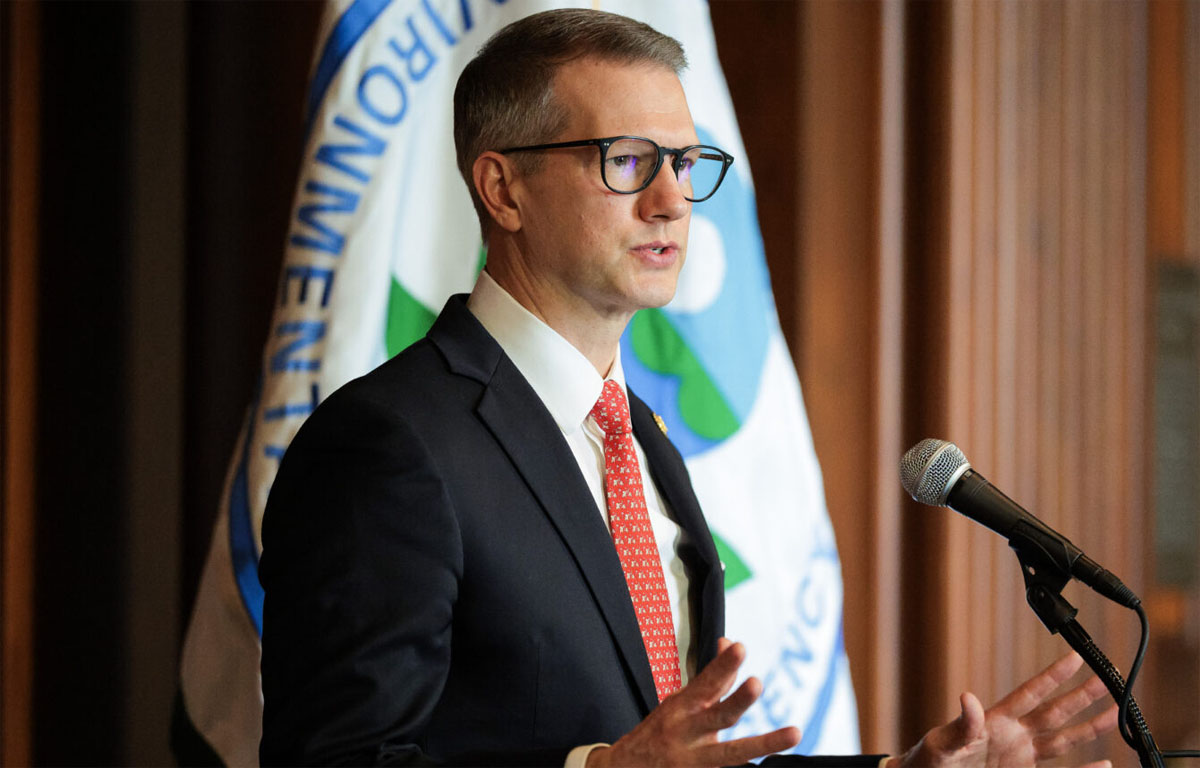
US Lawmaker Says Christians in Nigeria Bear Brunt of Violence, Calls on Trump to Act
A member of the United States Congress, Riley Moore, has said that Christians in Nigeria have suffered disproportionately in the country’s prolonged cycle of violent attacks, urging former U.S. President Donald Trump to take decisive action and pursue stronger U.S.–Nigeria relations conditions to address the crisis.
Moore spoke publicly about what he described as escalating insecurity in Nigeria, asserting that while violence affects people of all faiths, Christian communities are uniquely targeted. “Violence and insecurity in Nigeria affects people of all faiths, but Christians bear the overwhelming brunt of the attacks and have suffered in silence for two decades,” he said, noting that Christians are “five times more likely to be killed than any other religious group.”
In his address, Moore alleged that Fulani militias and terrorist groups frequently attack villages, kill pastors and priests, and burn schools and churches, often on holy days. He claimed these groups have killed tens of thousands of Nigerians over many years and stressed that such patterns amount to persecution of Christians in Nigeria’s Middle Belt and northern regions.
Moore commended Trump’s global stance on defending persecuted Christians, calling it “a once-in-a-generation opportunity” to strengthen cooperation between the United States and Nigeria on security and humanitarian fronts. He said that heightened U.S. engagement could help counter ongoing violence while deepening bilateral ties.
READ ALSO:
- Eric Chelle Explains $130,000 Salary Proposal, Reaffirms Loyalty to Super Eagles
- Suspected Arsonists Set St. Mary’s Catholic Church Ablaze in Cross River
- Kano Anti-Corruption Commission Recovers Official Vehicles From Resigned Commissioners
Although Moore acknowledged that the Bola Tinubu government needs support to tackle security challenges, he urged the Nigerian administration to demonstrate “political will” in protecting vulnerable communities. According to the lawmaker, future U.S.–Nigeria agreements should be contingent on measurable commitments by Abuja, including co-funding targeted humanitarian assistance, implementing early-warning systems for attacks, and deploying trained security forces to prevent violence.
Moore also urged authorities to remove armed Fulani militias from confiscated farmlands and enable displaced families to return home voluntarily. “But critically, all of this must be contingent upon the Nigerian government providing proof of progress that it is, in fact, working to stabilize the country and protect Christians,” he said.
The congressman went further to advocate for sanctions, visa restrictions and trade leverage against individuals believed to be involved in or complicit with violence against Christians. “America has a right to control who enters our country and when. We should certainly reject anyone who is attacking our brothers and sisters in Christ,” Moore said.
Moore also singled out armed herder violence, claiming that Fulani militias are “more responsible than any other group, including Boko Haram and ISWAP,” for attacks on Christian communities.
Moore’s remarks come amid growing concerns from faith-based organizations, human rights groups, and international observers, which have documented widespread violence affecting communities across Nigeria. These groups have reported mass killings, village raids, church burnings, and forced displacement, particularly in rural areas of central and northern Nigeria.
However, Nigerian officials have repeatedly stated that the country’s insecurity is driven by a complex mix of banditry, terrorism, and communal conflicts, and not primarily by religious persecution. Authorities maintain their commitment to protecting all citizens regardless of faith, and have deployed military operations, joint security task forces, and community policing efforts in affected regions.
Moore’s intervention is likely to fuel further debate in Washington over U.S. foreign policy toward Nigeria, especially as lawmakers consider new strategies for supporting peacebuilding, humanitarian relief, and conflict resolution in West Africa. The United States remains a key partner to Nigeria, and any shift in diplomatic conditions or sanctions policies could have wide-ranging implications for cooperation on security, development, and democratic governance.
US Lawmaker Says Christians in Nigeria Bear Brunt of Violence, Calls on Trump to Act









Community
Monarch Dies Shortly After Being Rescued From Kwara Kidnappers
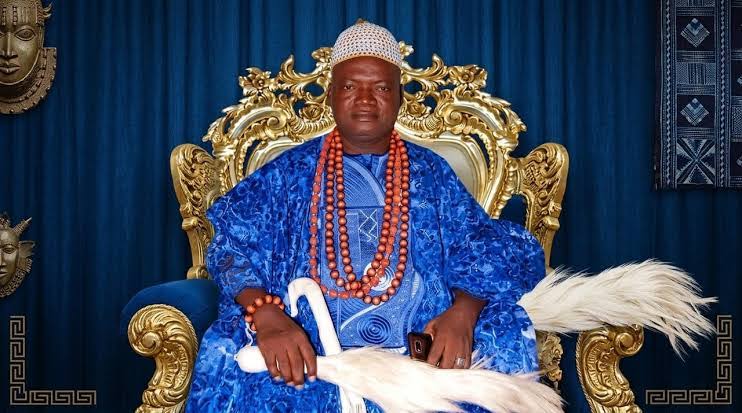
The Onigbesi of Igbesi Land in Kwara State, Oba Moses Oyinloye Iwedunmoye I, has died days after he was rescued from kidnappers.
The monarch passed away in the early hours of Saturday at a hospital, according to his son, Prince Olasunkanmi, who said his father had been receiving treatment following a brief illness.
“Yes, the news is true. He died after a brief illness following his release. We took him to the hospital, hoping he would survive, but he died there very early this morning,” Olasunkanmi said.
Oba Iwedunmoye was abducted on August 22 when armed men invaded Igbesi community in Isin Local Government Area.
He regained his freedom five days later after security forces launched an operation around the Elerin/Ijomu-Oro area, where three kidnapped victims were found.
The rescue followed a report received at the Oro Police Station from a vigilante member, who alerted authorities after one of his colleagues was shot while operating in the bush.
A combined team of police officers, soldiers and vigilantes was subsequently deployed to the area.
Police said the suspected kidnappers engaged the team in a gun battle after spotting the advancing operatives. One alleged kidnapper was killed during the exchange, while others escaped into the surrounding area.
The security team continued the search and eventually located the three victims, who were evacuated for medical treatment.
News of the monarch’s death was announced by Bisi Fakayode, National President of Omo Ibile Igbomina, who mourned the traditional ruler and prayed for the repose of his soul.
The circumstances surrounding the monarch’s illness and death have not been publicly disclosed beyond his family’s account that he fell ill after his release.
News
Police Arrest Woman Over Alleged Drug Trafficking in Delta
Police Arrest Woman Over Alleged Drug Trafficking in Delta
A 40-year-old woman, Joy Anthony, has been arrested by the Delta State Police Command over alleged involvement in the illegal drug trade.
Police said operatives attached to the Special Anti-Kidnapping Unit carried out the arrest in Agbor, Ika South Local Government Area, following intelligence received about suspected drug-related activities.
According to the command’s spokesperson, Bright Edafe, officers subsequently obtained and executed a search warrant at Anthony’s residence in Agbor-Obi.
READ ALSO:
- Dangote raises petrol price 6.7% to N1,350/litre
- Anambra Police Arrest Woman Over Alleged Sexual Abuse of Child, Rescue Four
- MURIC fires back at Peter Obi: Forget Sallah ceremony, free Nigerian Muslims
The search reportedly resulted in the recovery of several suspected illicit substances, including tramadol, codeine, swinol, Canadian loud and weeds suspected to be Indian hemp.
The suspect and the recovered exhibits have been taken into police custody as investigators continue to establish the circumstances surrounding the alleged offence.
Edafe said Anthony would be prosecuted after the investigation is completed.
Police have not disclosed the exact quantities of the substances recovered.
Police Arrest Woman Over Alleged Drug Trafficking in Delta
News
AI on the Roads: LASTMA Turns to China to Fix Lagos Traffic


AI on the Roads: LASTMA Turns to China to Fix Lagos Traffic
-

 metro2 days ago
Police Arrest Woman Over Fake OPay Shutdown Notice
-

 metro22 hours ago
Woman disguises as Muslim woman in Niqab to steal in Ado-Ekiti market, video sparks outrage
-

 Politics2 days ago
Amaechi will be caged politically, Wike shouldn’t bother about Ikwerre votes — Wihioka
-

 metro2 days ago
Residents Cry Out Over Poorly Constructed Entrance of Ademola Abiola Street, Demand Urgent Intervention
-
 Politics2 days ago
Remi Tinubu Appeals To South-East Voters, Says She Wants To ‘Enjoy Nigeria’ In Old Age
-
 Politics2 days ago
Breaking the Cycle of Collective Guilt: When a Ruling Party Voice Backs Peter Obi
-

 News1 day ago
AI on the Roads: LASTMA Turns to China to Fix Lagos Traffic
-
 Business8 hours ago
Dangote: ₦525 Refinery Shares Could Rise to ₦10,000