

Health
VIDEO: Nigerian Doctors in Canada Have Become ‘Medical Agberos’ — Doctor Alleges

VIDEO: Nigerian Doctors in Canada Have Become ‘Medical Agberos’ — Doctor Alleges
A Canada-based Nigerian doctor, Arinze Onwumelu, has stirred intense reactions online after alleging that some Nigerian medical practitioners in Canada have turned into what he describes as “medical agberos,” accusing them of aggressively competing for patients in a manner akin to transport touts at Nigerian motor parks.
The doctor made the claim in a video shared on his Instagram page on Wednesday, where he lamented what he described as unhealthy rivalry among healthcare professionals, particularly within the Nigerian medical community in Edmonton, Alberta.
Drawing a comparison with transport touts commonly found at motor parks in Nigeria, Onwumelu said doctors now “drag” patients from one another in a manner similar to how touts lure passengers into boarding their vehicles. “This Canada where we are, Nigerian doctors have turned to medical agberos,” he said. Explaining his analogy, the doctor referenced the activities of transport touts at major bus terminals, where passengers are persuaded to abandon one vehicle for another with promises of cheaper fares and faster journeys. “Now we have doctors that do that here. They drag patients like there is no tomorrow. It has gotten to the stage that they kill themselves for patients,” he said.
The doctor further expressed concern over what he described as growing competition between older and younger practitioners, questioning why senior doctors would compete with younger colleagues for patients. “I don’t see any reason why a 70-year-old man would be dragging patients with a small boy. I don’t see any reason why a practice owner wouldn’t release a patient for a small boy,” he added. According to him, the situation could have long-term consequences for the medical community if not addressed. “But I have news for you, this city will be scattered in five years,” he warned. Describing the trend as embarrassing for the profession, Onwumelu said the conduct of some practitioners was damaging the image of doctors within the community and could adversely affect the chances of Nigerian doctors who plan to migrate to Canada to practice in the future. “This is disgraceful for our professionals as doctors. We’ve now become medical agberos and we would be the ones to damage this city,” he said.
READ ALSO:
- Dickson Fires Back at Obi, Kwankwaso Supporters: ‘Stop Running Down NDC
- World Cup 2026 Kicks Off as Mexico Renew Rivalry With South Africa
- Ceasefire Near Collapse as US Launches Second Night of Strikes on Iran
His remarks quickly sparked debate on social media, with many users disagreeing with the comparison, while others questioned what exactly he meant by doctors “hustling” for patients. Several commenters argued that building a patient base is a normal part of professional practice and should not be compared to the activities of transport touts. Others, however, expressed concern that unethical competition could damage the reputation of Nigerian professionals abroad. @labalingo wrote: “I trust the system will root them out. Why I like the system abroad is they will give you a very long rope and allow the evidence to build up and then gbosa! You end up in jail.” @ann_omatf countered: “Calling medical professionals ‘agberos’ because they are building patient bases abroad is a stretch. They didn’t come to play.” @rexzeeefied011 questioned: “How’s that so? Are they given target as to how many clients they must treat??” @kelvinEda91 observed: “Anything wey Nigerians touch no worry e no fit be the same again. Especially the desperate ones.” @PlacidChief added: “Nigerians have a value problem and tend to be stupid most times. Greed will be the end of a lot of people.”
The controversy comes amid a growing presence of Nigerian medical professionals in Canada. The Canadian Association of Nigerian Physicians and Dentists (CANPAD) , a not-for-profit association registered in Ontario, Canada in 2001, recognizes and represents the professional and social interests of physicians and dentists of Nigerian descent living in Canada. CANPAD members meet annually across different provinces, and the organization offers scholarships providing financial assistance to students of African descent enrolled in Canadian institutions of higher learning. The association has approximately 2,000 members across the country, reflecting the significant and growing Nigerian medical community in Canada.
Nigerian doctors in Canada have also faced significant challenges, including reports of unconscious bias and systemic discrimination. A Nigerian medical doctor practicing in Calgary recently shared insights on these challenges, arguing that black immigrants start at a significant disadvantage in the Western job market. “As a black person in the West, you already have minus 30 percent. If you’re going for an interview, you already have minus 30 percent just for being black,” the doctor stated, adding that having an African name or a pronounced accent further deducts from one’s initial standing. The doctor described how even after prescribing treatment, a white patient would leave his clinic and go to ask the receptionist if the prescription is okay. “People always question you when you look different. People always question you when you’re black. Is he really a good doctor?” he said. Another professional, Dr. Zoe, likened the experience to a Nigerian proverb: “You as a black guy, you have to work three times harder than the local guys to be where they are.” Before moving to Canada, one doctor struggled to secure interviews despite his qualifications until a supervisor advised him to “remove the Nigerian thing” from his CV. “The moment I did that, I had about seven interviews in one week,” he claimed.
The term “agbero” has gained international recognition. In 2024, the Oxford English Dictionary officially included “agbero” in its lexicon, defining it as “a person who works as a tout at car parks and bus stops, collecting money from passengers and drivers, and ushering passengers onto vehicles.” The word is part of a growing list of Nigerian English terms now recognized by the prestigious dictionary, alongside “japa,” “419,” “eba,” and “suya,” among others.
Onwumelu’s warning raises important questions about professional ethics, cultural integration, and the reputation of Nigerian professionals abroad. As more Nigerian doctors seek opportunities in Canada, the behaviour of a few could potentially impact the perception of the entire community. The incident also highlights the broader tension between building a successful practice in a competitive healthcare system and maintaining the professional decorum expected of medical practitioners in Canada. Whether Onwumelu’s allegations reflect an isolated phenomenon or a growing trend remains to be seen, but his video has undoubtedly opened a necessary conversation within the Nigerian medical diaspora.
"Nigerian doctors in Canada have turned into medical agberos. The same way agberos hustle for passengers in Mazamaza is exactly how some Nigerian doctors in Canada hustle for patients. Soon, they will scatter the country like they have done in several other places."
— Wave Talent Caster 🌟 (@wavetalentcastr) June 10, 2026
VIDEO: Nigerian Doctors in Canada Have Become ‘Medical Agberos’ — Doctor Alleges






Health
NAFDAC Busts Illegal Herbal Factory in Lagos, Arrests Manager Over Fake Registration Number
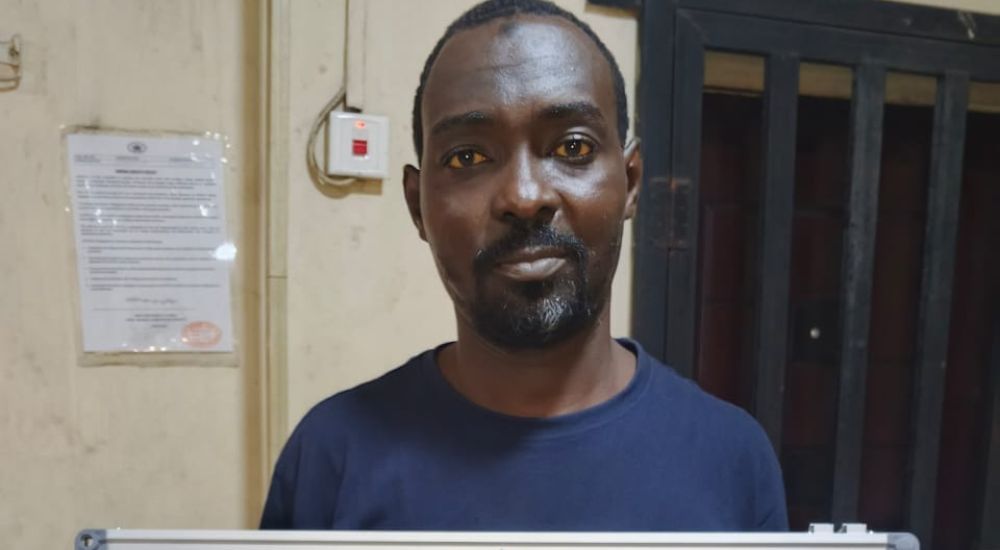
LAGOS — The National Agency for Food and Drug Administration and Control (NAFDAC) has uncovered a suspected illegal herbal product manufacturing facility in Agege, Lagos State, and arrested its manager over the alleged use of a falsified registration number on herbal products.
The agency disclosed the development on Wednesday, October 21, 2026, following an investigation triggered by a report published by The Guardian on October 10 concerning herbal products allegedly carrying fake NAFDAC registration numbers.
According to NAFDAC, its investigative team conducted surveillance before discovering three variants of Asheitu Adams Bitters bearing registration number A7-1827L.
However, checks through the agency’s NAFDAC Automated Product Administration and Monitoring System (NAPAMS) revealed that the registration number belonged to Greentol Cough Syrup, rather than the herbal bitters.
The agency said the discovery confirmed the fraudulent use of the registration number on the products.
During the operation, the company’s managing director and chief executive officer was reportedly absent, while the manager was arrested for further interrogation as investigations continued.
The Sun identified the arrested manager as 39-year-old Abdullazeez Saidu from Kano State. NAFDAC had not announced any court charges against him as of Wednesday.
READ ALSO:
- NELFUND Warns Schools: Student Loans Are Voluntary, Not Compulsory
- ‘I Never Asked Them to Abandon Loved Ones’ — Obi Clarifies Diaspora Remarks
- FG Confirms Ebola Case in Abuja, Identifies 44 Contacts
The agency urged members of the public to provide credible information about suspected illegal manufacturing activities to help strengthen enforcement efforts and protect consumers from potentially unsafe products.
NAFDAC provided the following channels for reporting suspected violations: its call centre numbers, 0800-1-623322 and 0700-1-623322, and the email address reforms@nafdac.gov.ng.
The discovery comes amid a series of enforcement operations by the agency against suspected counterfeit and adulterated products in Lagos and other parts of the country.
On October 14, NAFDAC reported uncovering a suspected facility at the International Trade Fair Complex in Lagos where expired alcoholic and non-alcoholic beverages were allegedly being repackaged for sale. The agency also reported seizures of suspected counterfeit alcoholic drinks in other operations.
The latest operation highlights concerns about the misuse of regulatory registration numbers, which consumers often rely on when assessing whether products have been registered for sale in Nigeria.
NAFDAC has repeatedly urged consumers to verify product registration details and report suspicious products or manufacturing activities.
The agency’s investigation into the Agege facility is ongoing, and further details about the products recovered, their distribution and any potential health effects have not been publicly disclosed.
NAFDAC Busts Illegal Herbal Factory in Lagos, Arrests Manager Over Fake Registration Number
Health
FG Confirms Ebola Case in Abuja, Identifies 44 Contacts

FG Confirms Ebola Case in Abuja, Identifies 44 Contacts
The Federal Government has confirmed a case of Ebola virus disease (EVD) in the Federal Capital Territory (FCT), Abuja, after laboratory tests returned positive for a woman who recently arrived in Nigeria from Uganda.
The Coordinating Minister of Health and Social Welfare, Professor Muhammad Ali Pate, announced the development on Tuesday, October 20, 2026, saying health authorities had identified 44 close contacts and commenced contact tracing to prevent further transmission.
According to the minister, the patient was admitted to a private hospital in Abuja, where she received medical attention for several days before the infection was confirmed. She is currently in isolation and receiving medical care.
The Federal Ministry of Health and Social Welfare is coordinating the response with the Nigeria Centre for Disease Control and Prevention (NCDC), the FCT Health Services Secretariat and other relevant authorities.
Public health teams are tracing and monitoring people who may have been exposed to the patient, including healthcare workers, other patients, caregivers and people who travelled with her.
The government said surveillance had been intensified, while the hospital where the woman received treatment was receiving support to strengthen infection prevention and control measures.
The minister urged public and private healthcare facilities across Nigeria to remain on high alert and promptly identify, isolate and report suspected cases to the appropriate public health authorities.
READ ALSO:
- Breaking: Afenifere Leader Pa Fasoranti Dies at 100
- Army Major, Soldiers Killed in ISWAP Ambush in Yobe State
- Chaos in Abeokuta as Algerian Fans Attack Coach, Vandalise Stadium After Rangers Defeat
Healthcare workers were also directed to maintain strict infection prevention and control practices to reduce the risk of exposure and protect patients and medical personnel.
Pate appealed to Nigerians to remain calm, vigilant and cooperative with health officials, stressing that early detection and prompt reporting were essential to containing the infection.
He noted that Nigeria had successfully contained an Ebola outbreak in 2014 and had experience and public health systems to respond to the current situation.
The government also urged anyone contacted during the tracing exercise, including passengers who may have travelled with the patient, to provide the necessary information and comply with official public health guidance.
Ebola virus disease is a serious illness that can spread through direct contact with the blood or other body fluids of an infected person who has developed symptoms, or through contaminated objects and materials.
Symptoms may include fever, severe weakness, headache, vomiting and diarrhoea. The incubation period ranges from two to 21 days.
Anyone who believes they may have been exposed and subsequently develops symptoms should contact public health authorities for guidance and avoid close contact with others while awaiting advice.
The NCDC operates a toll-free call centre on 6232, available 24 hours a day, seven days a week, for information and reports of suspected cases.
Nigeria’s latest case comes amid a wider Ebola outbreak affecting parts of Africa, including the Democratic Republic of the Congo and countries in East Africa. The NCDC had previously warned of the risk of imported infections and strengthened national preparedness measures.
The Federal Government said investigations and contact tracing were continuing, with further updates expected through the NCDC and the Presidential Task Force on Ebola Virus Disease.
Authorities have urged the public to rely on verified information, follow official health advice and avoid spreading unconfirmed reports as efforts continue to contain the infection.
FG Confirms Ebola Case in Abuja, Identifies 44 Contacts
Health
NAFDAC Seizes Fake Drinks Worth Over ₦2bn at Lagos Trade Fair Complex
NAFDAC Seizes Fake Drinks Worth Over ₦2bn at Lagos Trade Fair Complex
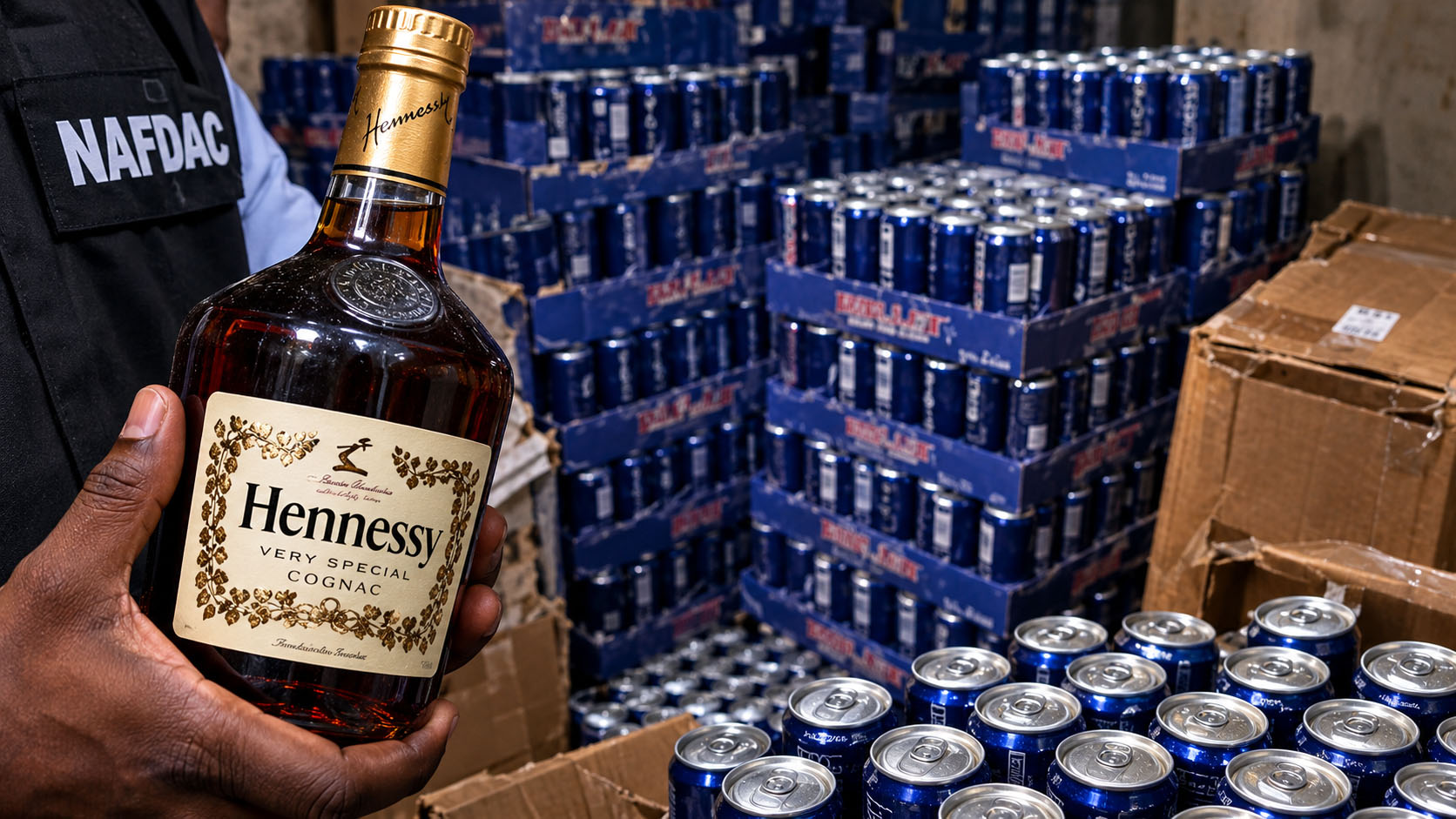
The National Agency for Food and Drug Administration and Control (NAFDAC) has uncovered a suspected large-scale counterfeit alcoholic beverage operation at the Lagos International Trade Fair Complex, seizing products reportedly valued at more than ₦2 billion.
The operation, conducted on Tuesday, October 13, 2026, followed intelligence reports about suspected illegal activities within the commercial complex.
The raid reportedly led to the discovery of more than 20 illegal stores allegedly used for the production and distribution of counterfeit alcoholic beverages and other prohibited activities.
According to reports on the operation, the facilities were concealed within makeshift stores originally designated as parking spaces within the complex.
During the exercise, NAFDAC officials reportedly discovered individuals allegedly involved in blending and counterfeiting popular alcoholic beverage brands, revalidating expired and unsafe drinks for resale, and stockpiling banned imported products.
Two suspects were reportedly apprehended during the operation, while the seized products were evacuated from the premises.
The discovery has raised concerns about the possible circulation of counterfeit, expired and unsafe alcoholic beverages in Nigerian markets, particularly products repackaged to appear genuine.
READ ALSO:
- Cosmetics Top Fake Products as NAFDAC Seals 179 Establishments, Arrests 52
- Nigeria Secures UN Human Rights Council Seat With 172 Votes
- Houthi Missile Targeting Riyadh Shot Down as Debris Injures Four, Damages 15 Homes
NAFDAC has repeatedly warned that the consumption of adulterated or unsafe beverages could expose consumers to serious health risks.
The agency urged members of the public to remain vigilant and report suspected cases of illegal manufacturing, relabelling, revalidation and sale of regulated products.
Consumers were also advised to exercise caution when purchasing alcoholic beverages, particularly products with suspicious packaging, questionable expiry dates or other signs of tampering.
NAFDAC provided its official complaints line, 0800-1-NAFDAC (0800-1-623322), for members of the public to report suspected violations.
The latest enforcement action forms part of the agency’s efforts to combat counterfeit and substandard products and protect public health.
Investigations are expected to establish the full extent of the alleged activities and identify other individuals who may be connected to the suspected distribution network.
NAFDAC Seizes Fake Drinks Worth Over ₦2bn at Lagos Trade Fair Complex
-

 metro3 days ago
Police Arrest Man Over Fake Presidency Number Plate in Abuja
-

 International3 days ago
Two Killed, Eight Injured as Attack Hits Saudi Arabia Airport
-

 News1 day ago
EFCC Opens Recruitment for Nigerians, Sets Age Limits for Four Job Categories
-

 metro3 days ago
Woman Arrested for Torching Ex-Boyfriend’s Home in Fit of Jealous Rage
-

 Opinion3 days ago
Saudi Executions: Truth Behind Viral Kissing Claim
-

 Politics3 days ago
‘People Are Hungry’ Is Not a Manifesto, Nya-Etok Tells Atiku, Obi
-

 News1 day ago
41 Days in Bandits’ Den: Five Islamic Clerics Still Held After Tinubu Re-Election Prayer Trip
-

 News3 days ago
FG Moves Against Filling Stations Short-Changing Nigerians With False Measurements