

metro
We saw plastic bottles filled with human flesh, blood in his house – Community leaders tell court
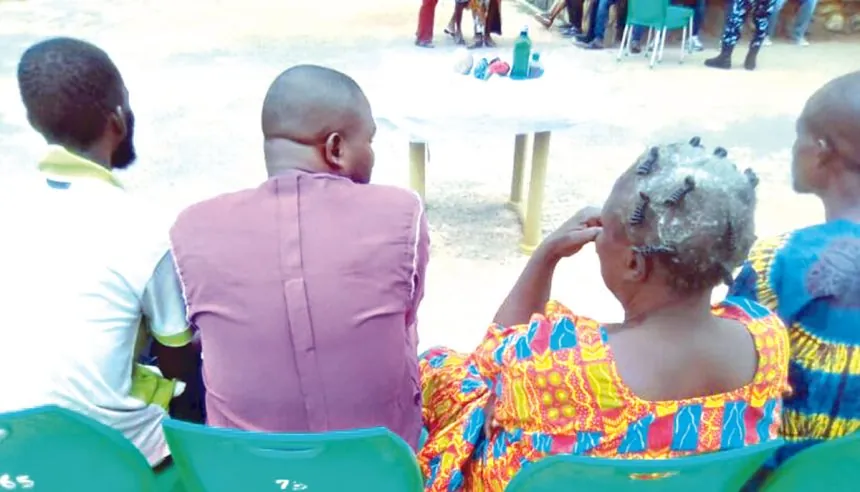
We saw plastic bottles filled with human flesh, blood in his house – Community leaders tell court
Community leaders tell court what he and others saw when the house of a suspected ritual murderer in their community was forced open by the police.
LAST Friday, the Court 5 of Oyo State High Court, hearing the murder case involving five persons, heard the testimony of the third prosecution witness (PW3), Pastor Abraham Ajayi, the chairman of Okegbemi Community Landlord’s Association, Zone C. Pastor Ajayi told the story of what led to the discovery of the activities of the first defendant, Adekunle Mohammed, in the murder of community members and others.
Mohammed is standing trial with four others before Justice Akinniyi Ladiran Akintola for alleged conspiracy, murder and dismemberment of the bodies of victims for sale. The four other accused persons are Muniru Salaudeen, Rashidat Akanji a.k.a Iya Ewe; Ismail Olalekan and Sanmi Obaleye.
Ajayi, a commercial motorcyclist who was led in evidence by the State Principal Counsel, S. A. Osuolale. He said he lives at Seriki Okegbemi area, Olorisaoko, Moniya, and told the court that the first defendant had been known to him in the community since 2016.
Casting his mind back to August 7, 2024, Pastor Ajayi said: “On that date, we had a naming ceremony in our area, and as the community chairman, it is part of my duties to be there. As I was heading home from Moniya to meet up with the time of ceremony, I met Adekunle Mohammed on a motorcycle going towards Moniya with a male child, while I was heading towards our community. When I got to the ceremony, I stayed there till 9pm before I left for my home.
“I was back in my house when someone walked in and said they had been trying to reach me. I was asked to come to the place we usually hold community meetings. When I got there, I met about five people who said they saw a commercial motorcyclist (Okada) around Mohammed’s house. They said they questioned the okada man on the reason he was there at such a late hour. The man, they said replied that he brought Afaa Mohammed home. Mohammed was seen carrying a tied white sack containing something. I told the community members how I saw Mohammed leaving the community for Moniya, wondering why he was seen at night carrying the sack.
READ ALSO:
- Why I blocked my colleagues after marriage – Actress Opeyemi Aiyeola
- Mercy Johnson slams Ghanaian TV station over movie broadcast
- Nigeria now in real bondage under Tinubu – Obasanjo
“Other community members came out and asked him what he always came at night and midnight to do in his house. They agreed that we should all go to his house to check it out to know the business they were always doing late at night.
“When we got there, people wanted us to break in but I stopped them. We asked people in the house which shares a fence with him to come out and tell us what they observed about him and his house. They said they had perceived foul smell oozing from Mohammed’s house times without number, and that swarm of flies usually perched on the windows.
“I told the gathering that the matter was beyond us, and that we should inform the police so that the house could be opened for all to see what was inside. I called the general chairman to come to our zone. When he arrived, I briefed him and told him that I would like to involve the police to come and force open Mohammed’s house so that everyone would see what was inside.
“We proceeded to the Amotekun office at Akinyele and got there at about 12 a. m. There, we were directed to go and report at Moniya police station. We gave the Amotekun personnel Mohammed’s phone number. At the station, we were told to come back at daybreak since it was already into the early hours. We also left his phone number with the police.
“In the morning, the executive had a meeting. We were at the meeting when the general chairman called me that Amotekun personnel were on their way to our community. When they arrived, we took them to Adekunle’s house which was full of grasses. We informed the Amotekun that the house had always been full of weed. The officers checked the surroundings and found a deep well covered with planks and roofing sheets. They opened the well, flashed their torches inside it, covered it back and told us to go with them to Moniya police station. When we got there, the Divisional Police Officer advised us to be vigilant, tighten security in the community and not to allow strange faces in it.
“The following day, the general chairman told us to come to the station, as the defendant had been arrested. He said Amotekun said that they saw a human corpse in the well when they came to check Adekunle’s house. We went to the police station and met the police recording the statement of the accused. When asked why he was killing and keeping bodies in the well, he replied that he usually killed thieves and dropped them in it. The police asked him whether he reported to the community or the police that a thief came to his house and he killed him. They said that they didn’t just find one body in the well.
READ ALSO:
- Lagos task force arrests 63 Okada riders
- Estranged husband shoots wife’s new lover multiple times, flees
- WAFCON: Super Falcons thrash Zambia 5-0 to reach semi-final
“When asked how he killed the thieves, he replied that he would first hit them with charm. He was detained by the police, saying it was due to the search carried out at his house.
“On August 10, 2024, community members informed of the discovery made by the police in Adekunle’s house and we were all asked to report at the police station. We met a lot of security personnel at the station and the media. We all moved to Mohammed’s house. There, his well was opened, a putrid smell oozed out. The police requested that Mohammed should open the door to his house. When he could not do it, the door was broken. When the police officers got in, they saw blood all over the floor and there was foul smell. There were several plastic bottles filled with fresh blood and human body parts.
“When Mohammed was asked what the items were, he confirmed that they were human body parts and blood which he had yet to sell because there were no buyers yet. Then he told the police not to make issue public yet because others were involved and would flee if they got to know that he had been arrested. He called some names of those involved, but I can only remember Afaa Bulala and Afaa Olobe. He also mentioned Kuraisi whose real name is Yakubu. The defendant told the police to make sure these people were also arrested.
“The police called the Oyo State Fire Service and they came and evacuated three bodies from the well in Mohammed’s house. The evacuated ones were without heads, arms and legs. The Fire Service officials said that those were the ones that could be evacuated as other bodies had decomposed. We arranged a vehicle to convey the recovered body to the mortuary.
“The case was transferred to State CID where the investigation continued.”
The statement he wrote at the police station was tendered in evidence, and with no objections from the defence counsels, the statement was admitted and marked as Exhibit P3.
The matter was adjourned till November 6.
Meanwhile, on June 20, the second prosecution witness (PW2), Oladimeji Titilope, elder sister of another victim, Adekola Sodiq, said Mohammed said he knew my late brother and even mentioned my name. “Then he disclosed that he had killed Sodiq, my brother.”
We saw plastic bottles filled with human flesh, blood in his house – Community leaders tell court







metro
Third Mainland Bridge Crash: 10 Injured as LASEMA Averts Train Collision in Lagos
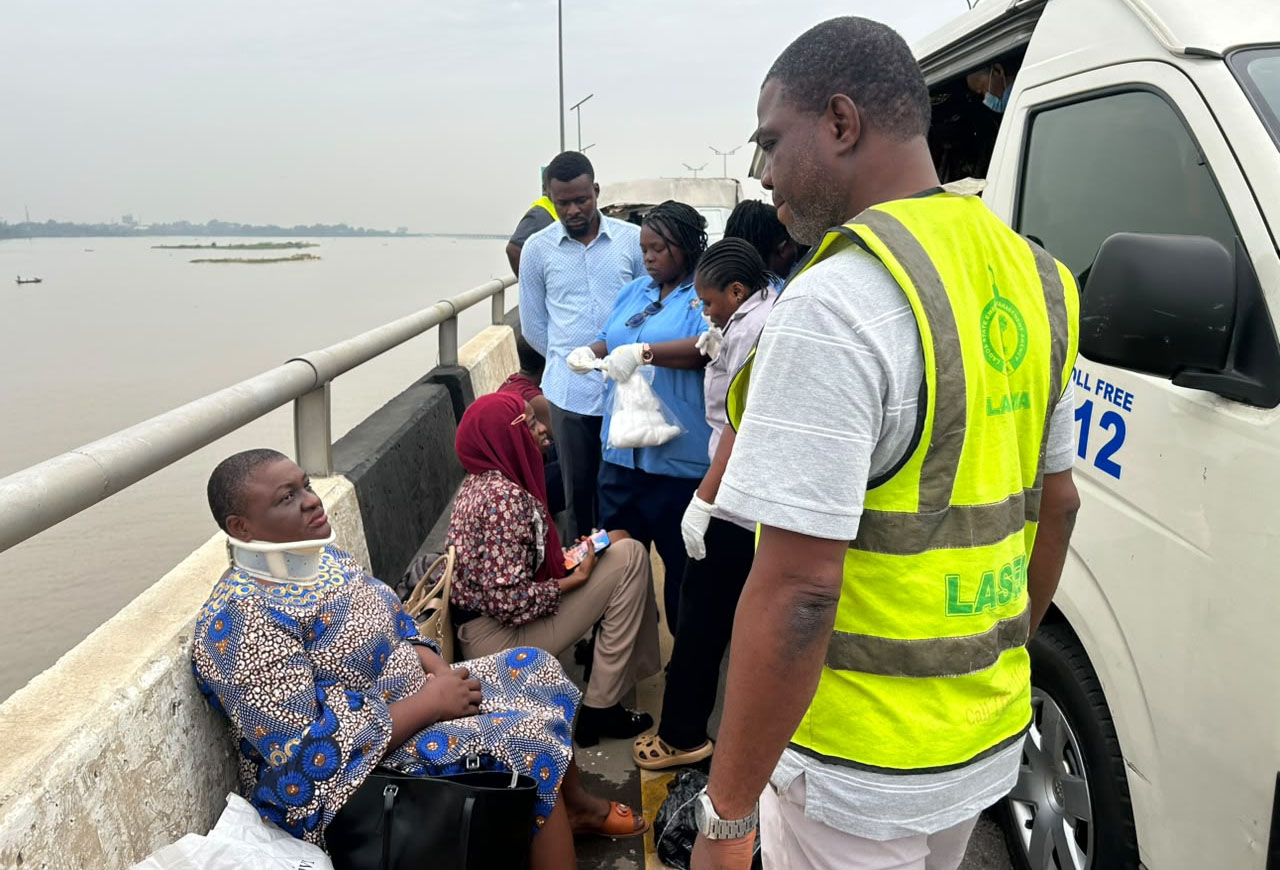
LAGOS — At least 10 passengers have been injured in a chain-reaction crash involving two commercial buses and a trailer on the Third Mainland Bridge in Lagos, while emergency responders separately averted a possible train collision at Ilupeju Bypass.
The two incidents occurred on Wednesday, October 21, 2026, according to the Lagos State Emergency Management Agency (LASEMA).
The bridge accident reportedly began when a commercial bus stopped to fix a faulty tyre. Another bus subsequently rammed into the stationary vehicle, triggering a chain reaction.
A trailer then crashed into the second bus before its driver reportedly fled the scene, leaving the injured passengers in need of emergency assistance.
LASEMA said its emergency response team arrived at the scene, administered first aid to the victims and evacuated them to a hospital for further treatment.
The damaged vehicles were subsequently cleared from the affected section of the bridge, allowing traffic to resume.
READ ALSO:
- ‘I Never Asked Them to Abandon Loved Ones’ — Obi Clarifies Diaspora Remarks
- FG Confirms Ebola Case in Abuja, Identifies 44 Contacts
- Breaking: Afenifere Leader Pa Fasoranti Dies at 100
The incident raised fresh concerns about road safety on the busy bridge, which connects Lagos Island with the mainland and carries heavy traffic daily.
In a separate incident at Ilupeju Bypass, emergency responders prevented a potential collision between a train and a commercial bus that had broken down on a railway track.
According to LASEMA, the bus became stranded on the track after developing a mechanical fault, creating a potentially dangerous situation for rail operations.
Emergency officials deployed a light tow truck to remove the vehicle from the railway line before a possible collision occurred.
The agency said its response team managed the situation and ensured that the stranded bus was removed from the track.
Following the incidents, LASEMA urged motorists to maintain their vehicles regularly and avoid stopping to carry out repairs on busy highways and bridges, warning that such actions could endanger passengers and other road users.
Motorists were also advised to exercise caution when their vehicles develop mechanical faults, particularly in locations where stopping could trigger secondary accidents.
The agency encouraged Lagos residents who require urgent assistance to contact its emergency hotlines on 767 or 112.
The incidents highlight the importance of vehicle maintenance, prompt emergency response and strict adherence to road and railway safety measures to prevent avoidable injuries and loss of life.
Third Mainland Bridge Crash: 10 Injured as LASEMA Averts Train Collision in Lagos
metro
Ebola Scare: NSCIA Directs Imams to Intensify Awareness in Friday Sermons

Ebola Scare: NSCIA Directs Imams to Intensify Awareness in Friday Sermons
The Nigerian Supreme Council for Islamic Affairs (NSCIA) has urged chief imams, Islamic scholars and Muslim organisations across Nigeria to intensify public awareness of Ebola virus disease (EVD) following the confirmation of a case in the Federal Capital Territory, Abuja.
The council called on religious leaders to use Friday sermons, mosque gatherings and community engagements to educate worshippers about the disease, its symptoms, preventive measures and the importance of seeking prompt medical attention.
The advisory, dated Wednesday, October 21, 2026, was signed by the NSCIA Secretary-General, Professor Is-haq Oloyede, on behalf of the council, which is led by its President-General and Sultan of Sokoto, Alhaji Muhammad Sa’ad Abubakar III.
The council said religious institutions had an important role to play in preventing the spread of the infection by providing accurate information, encouraging early reporting of suspected cases and discouraging practices that could expose people to the virus.
It also urged state councils for Islamic affairs and Muslim organisations to mobilise their networks to ensure that public health information reaches communities across the country.
READ ALSO:
- ‘I Never Asked Them to Abandon Loved Ones’ — Obi Clarifies Diaspora Remarks
- FG Confirms Ebola Case in Abuja, Identifies 44 Contacts
- Breaking: Afenifere Leader Pa Fasoranti Dies at 100
The NSCIA warned that the Bundibugyo strain of Ebola, responsible for the current outbreak, has no approved vaccine or specific curative treatment. However, it noted that early detection, prompt medical care and strict preventive measures could improve survival and help prevent further transmission.
The council advised Muslims who develop symptoms suggestive of Ebola to avoid congregational prayers and other public gatherings until they have received medical assessment.
It also cautioned against attempting to treat suspected cases at home or transporting potentially infected people without guidance from health authorities.
On burial practices, the NSCIA warned family members and ordinary burial attendants against washing or handling the bodies of suspected or confirmed Ebola victims. It said safe and dignified burials should be conducted by authorised health personnel in consultation with relevant Islamic authorities.
The council further encouraged regular handwashing, environmental cleanliness and avoidance of direct contact with the blood and other body fluids of people who may be infected.
It urged Nigerians to cooperate with contact-tracing teams and comply with official public health directives, while warning against rumours, unverified remedies and the stigmatisation of affected people and their families.
The NSCIA stressed that protecting human life and seeking medical care were consistent with Islamic teachings, urging religious leaders to communicate preventive advice responsibly without creating unnecessary panic.
The advisory followed the Federal Government’s confirmation on Tuesday, October 20, of an Ebola case in Abuja involving a woman who recently travelled to Nigeria after visiting Uganda and the Democratic Republic of the Congo.
The Federal Ministry of Health and Social Welfare said the patient was receiving medical care in isolation at a private hospital in the FCT.
Health authorities have identified 44 close contacts and commenced contact tracing to determine who may have been exposed to the infection. The contacts include healthcare workers, patients, caregivers and people linked to the patient’s travels.
The government, through the Nigeria Centre for Disease Control and Prevention (NCDC) and other relevant agencies, has intensified surveillance and infection-prevention measures to contain the disease.
The NSCIA urged Nigerians to remain calm, vigilant and guided by verified information as health authorities continue their response.
The council called on imams, Islamic scholars and Muslim organisations to circulate its advisory widely and work with public health officials to protect communities from further transmission.
Ebola Scare: NSCIA Directs Imams to Intensify Awareness in Friday Sermons
metro
Jailbreak Saga: Guard Bagged 2.5 Years for Helping 10 Inmates Escape Through Toilet Hole
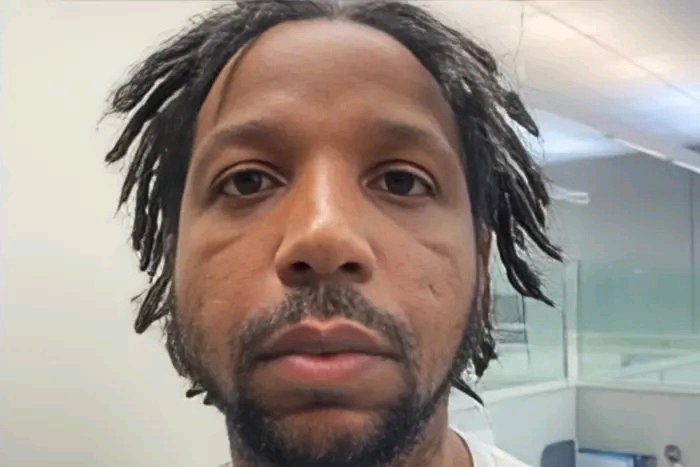
Jailbreak Saga: Guard Bagged 2.5 Years for Helping 10 Inmates Escape Through Toilet Hole
A former jail worker in New Orleans, Sterling Williams, has been sentenced to two and a half years in prison for his role in a daring jailbreak that saw ten inmates escape through a hole behind a toilet.
The shocking incident, which occurred in May 2025, left authorities red-faced after the fleeing inmates left behind a mocking note that simply read: “Too Easy.”
According to reports, Williams, who was entrusted with supervising the facility, compromised security protocols to facilitate the escape. Investigators revealed that the inmates managed to breach the wall behind a toilet fixture, crawling to freedom through the opening.
The jailbreak sparked a massive manhunt across the city, though all ten inmates were eventually recaptured. Williams’ sentencing brings a close to a case that exposed significant security lapses within the Orleans Parish facility.
Prosecutors argued that Williams abused his position of trust, endangering public safety. The court agreed, handing down the 30-month sentence this week.
The Orleans Parish Sheriff’s Office has since stated that stricter security measures and structural inspections have been implemented to prevent future breaches.
Jailbreak Saga: Guard Bagged 2.5 Years for Helping 10 Inmates Escape Through Toilet Hole
-
 metro1 day ago
Army Major, Soldiers Killed in ISWAP Ambush in Yobe State
-

 Politics3 days ago
Buhari Feared Tinubu Presidency, Resisted Pressure to Back Him – Baba-Ahmed Claims
-
 News3 days ago
FG Challenges World Bank’s 124% Debt-to-Revenue Warning, Cites Rising Income
-

 metro3 days ago
NAFDAC Probes Corps Member’s Death at Enugu Camp as Fake Drug Claims Emerge
-
 metro1 day ago
Breaking: Afenifere Leader Pa Fasoranti Dies at 100
-
 metro3 days ago
Ogun House Fire Horror: Husband Arrested After Wife Dies Following Domestic Dispute
-

 Entertainment3 days ago
Nollywood Mourns as Actress, Beauty Queen Tenia Abraham Dies at 32
-
 metro15 hours ago
‘We Don’t Know What Else to Do’ — Mother Begs for Release of Abducted Children