
International
Who is Robert Prevost, Pope Leo XIV, the 267th pontiff?
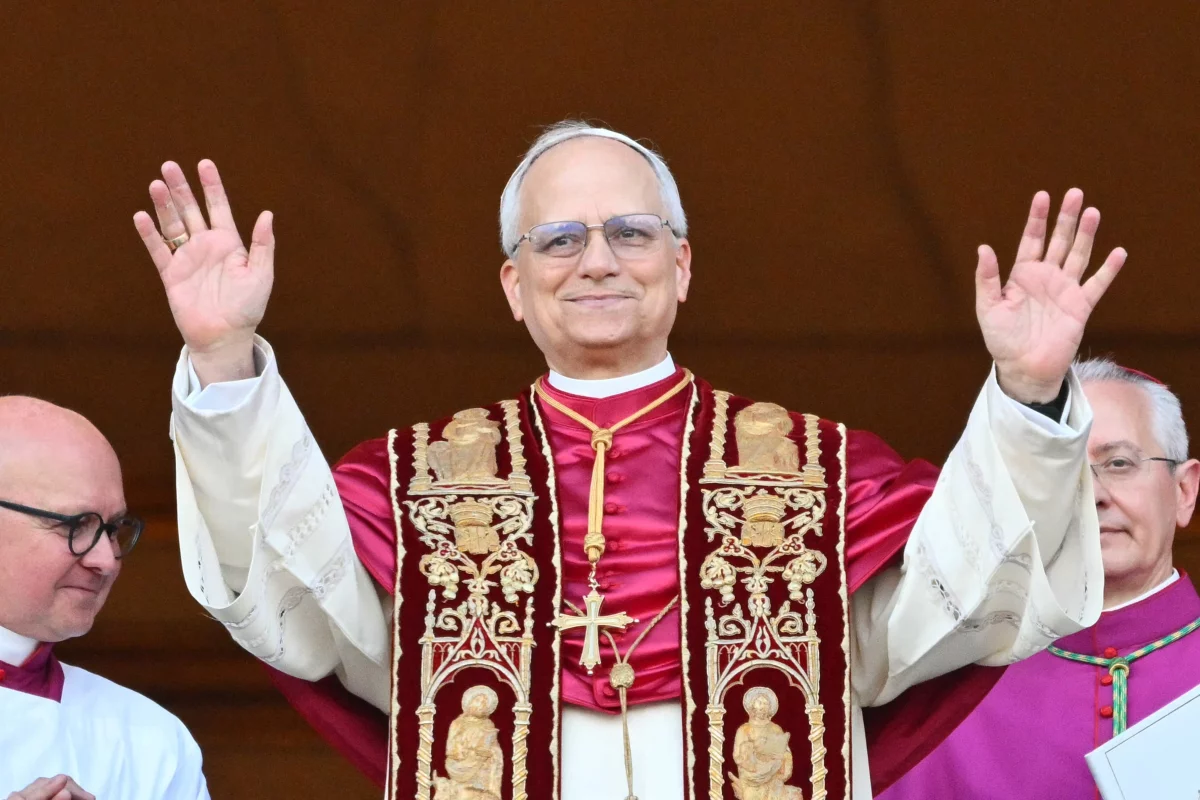
Who is Robert Prevost, Pope Leo XIV, the 267th pontiff?
Robert Francis Prevost, 69, will be the 267th occupant of the throne of St Peter and he will be known as Leo XIV.
He was named the new pope on Thursday from the balcony of St Peter’s Basilica.
He was elected by his fellow cardinals to be the first US-born pope and has chosen to take the name Leo XIV.
With the choice of Prevost, experts say, the cardinals opted for continuity with the late Francis, a progressive from Argentina who shook up the Church in his 12-year papacy.
Prevost will celebrate a private mass with cardinals at the Sistine Chapel on Friday at 11am (0900 GMT)
Born in Chicago in 1955 to parents of Spanish and Franco-Italian descent, Prevost served as an altar boy and was ordained in 1982.
Although he moved to Peru three years later, he returned regularly to the US to serve as a pastor and a prior in his home city.
He has Peruvian nationality and is fondly remembered as a figure who worked with marginalised communities and helped build bridges.
He spent 10 years as a local parish pastor and as a teacher at a seminary in Trujillo in north-western Peru.
In his first words as pope, Leo XIV spoke fondly of his predecessor Francis.
“We still hear in our ears the weak but always courageous voice of Pope Francis who blessed us,” he said.
“United and hand in hand with God, let us advance together,” he told cheering crowds.
In 2014, Francis made him Bishop of Chiclayo in Peru.
He is well known to cardinals because of his high-profile role as prefect of the Dicastery for Bishops in Latin America which has the important task of selecting and supervising bishops.
He became archbishop in January 2023 and within a few months Francis made him a cardinal.
On his personal background, Prevost told Italian network Rai before his election that he grew up in a family of immigrants.
“I was born in the United States… But my grandparents were all immigrants, French, Spanish… I was raised in a very Catholic family, both of my parents were very engaged in the parish,” he said.
Although Prevost was born in the US, the Vatican described him as the second pope from the Americas (Francis was from Argentina).
During his time in Peru, he was unable to escape the sexual abuse scandals that have clouded the Church, even though his diocese has fervently denied he has been involved in any attempted cover-up.
In choosing the name Leo, Prevost has signified a commitment to dynamic social issues, according to experts.
The first pontiff to use the name Leo, whose papacy ended in 461, met Attila the Hun and persuaded him not to attack Rome.
The last Pope Leo led the Church from 1878 to 1903 and wrote an influential treatise on workers’ rights.
Former Archbishop of Boston Seán Patrick O’Malley wrote on his blog that the new pontiff “has chosen a name widely associated with the social justice legacy of Pope Leo XIII, who was pontiff at a time of epic upheaval in the world, the time of the industrial revolution, the beginning of Marxism, and widespread immigration”.
The new Pope’s LGBT views are unclear, but some groups, including the conservative College of Cardinals, believe he may be less supportive than Francis.
Leo XIV has shown support for a declaration from Francis to permit blessings for same-sex couples and others in “irregular situations”, although he has added that bishops must interpret such directives in accordance with local contexts and cultures.
Speaking last year about climate change, Cardinal Prevost said that it was time to move “from words to action”.
He called on mankind to build a “relationship of reciprocity” with the environment.
And he has spoken about concrete measures at the Vatican, including the installation of solar panels and the adoption of electric vehicles.
Pope Leo XIV has supported Pope Francis’ decision to allow women to join the Dicastery for Bishops for the first time.
In 2024, he told the Catholic News Service that women’s presence “contributes significantly to the process of discernment in looking for who we hope are the best candidates to serve the Church in episcopal ministry”.




International
UK-Based Nigerian Gets 13-Year Jail Term for Forcing Girlfriend to Abort Pregnancy
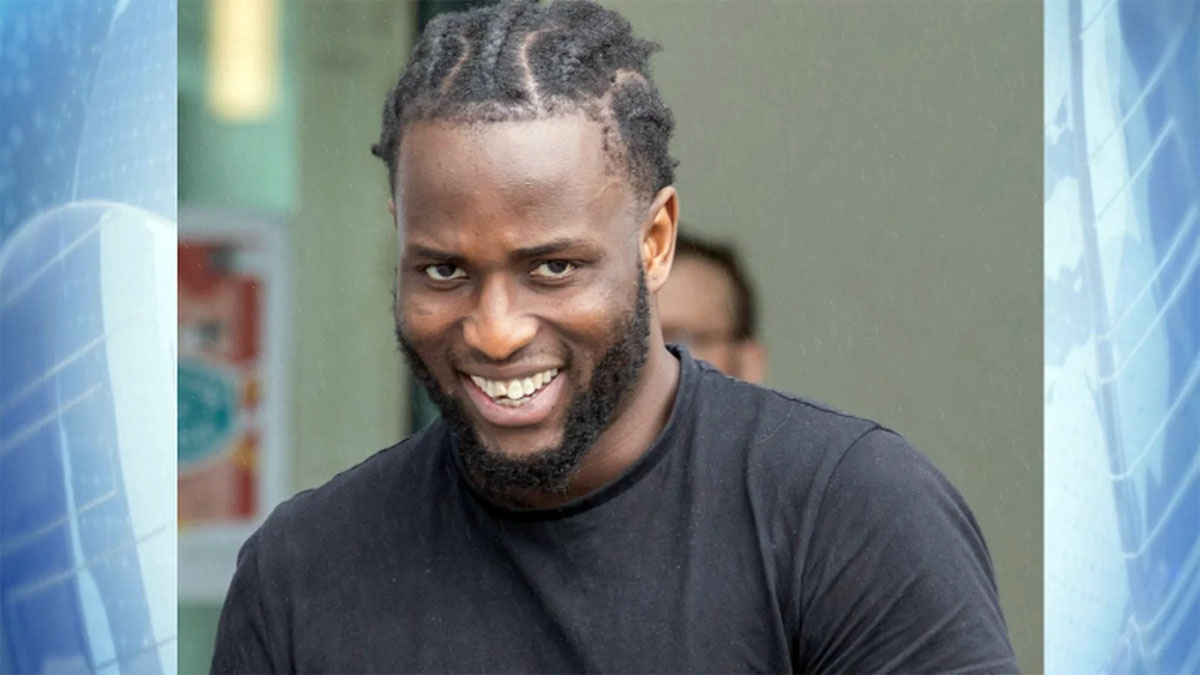
UK-Based Nigerian Gets 13-Year Jail Term for Forcing Girlfriend to Abort Pregnancy
A UK-based Nigerian man, Adeleke Adelani, has been sentenced to more than 13 years’ imprisonment for unlawfully aborting the pregnancy of his former partner after coercing her to take abortion medication on Valentine’s Day.
The offence occurred in 2020 when Adelani, then 28 years old, deceptively invited the woman — whose identity is legally protected — to his residence in Letterkenny under the guise of discussing the future of her pregnancy. Evidence before the court showed that the victim was nine weeks pregnant at the time of the incident.
Prosecutors told the court that upon her arrival, Adelani threatened the woman with violence and forced her to ingest five tablets of misoprostol, a drug used for medical abortions, thereby causing the unlawful termination of the pregnancy. The court heard that the defendant had researched the medication in advance and acted deliberately. The victim later contacted authorities, leading to Adelani’s arrest by Irish police.
READ ALSO:
- Lawmaker Jailed for Mocking President in Facebook Post
- Police to Arrest TikToker Mirabel After She Recants False Rape Claim
- Tinubu Reduces Reliance on U.S, Strengthens Defence Partnerships With Turkey, EU
At the time of the sentencing, Adelani was already serving a separate seven-year prison sentence for an unrelated offence. He had initially been due to stand trial last year but pleaded guilty before jury selection began, accepting responsibility for the charges brought against him.
During the sentencing hearing at the Letterkenny Circuit Court, the victim delivered a powerful impact statement, explaining that although she had chosen to forgive Adelani, the consequences of his actions would remain with her for life.
“I have forgiven the defendant,” she told the court. “That forgiveness does not mean what he did was acceptable. It means I refuse to let what he did continue to control my heart and my life. When he wrongfully imprisoned me and caused the termination of my nine-week pregnancy, he took far more than my freedom. He took my child. He took my sense of safety. He took a future that I had already begun to plan and love.”
In a letter read aloud in court, Adelani apologised to the victim, accepted full responsibility for his actions, and expressed remorse for the pain and trauma he caused.
Delivering judgment, John Aylmer described the crime as deliberate, premeditated, and deeply traumatic, stressing that it involved coercion, abuse, and a serious violation of trust. The judge sentenced Adelani to 11 years in prison, with the final two years suspended, for causing the unlawful termination of a pregnancy, and an additional five years, with the last 12 months suspended, for assault causing harm.
The sentences are to run concurrently, adding to Adelani’s existing term and resulting in an overall prison sentence exceeding 13 years. The case has reignited debate in Ireland and internationally about reproductive coercion, domestic abuse, and violence against women, with legal observers describing it as one of the most serious cases of its kind in recent years.
UK-Based Nigerian Gets 13-Year Jail Term for Forcing Girlfriend to Abort Pregnancy
International
Epstein, Ex-Israeli PM Named in Alleged Profiteering From Boko Haram Crisis

Epstein, Ex-Israeli PM Named in Alleged Profiteering From Boko Haram Crisis
A new investigative report by Drop Site News has alleged that the late American financier Jeffrey Epstein and former Israeli prime minister Ehud Barak leveraged Nigeria’s long-running Boko Haram insurgency to pursue commercial, security, and strategic interests in the country.
According to the investigation, emails released by the United States Department of Justice in 2018 show Epstein acting as a behind-the-scenes facilitator in discussions involving Jide Zeitlin, then chairman of Nigeria’s Sovereign Investment Authority, and Sultan Ahmed bin Sulayem, former chairman of DP World. The exchanges allegedly focused on attempts to secure control of key shipping terminals in Lagos and Badagry, following unsuccessful negotiations with successive Nigerian administrations dating back to 2005.
The report claims DP World was unwilling to invest in a proposed industrial zone in Nigeria without full or majority control of the adjoining port infrastructure, a demand that reportedly stalled the deal for years. Epstein, who died in a New York jail in 2019 while awaiting trial, is alleged to have helped revive talks by brokering introductions and strategic conversations.
READ ALSO:
- CBN Policies, Foreign Inflows Drive Naira to Two-Year Peak
- Edo Governor Okpebholo Names Mercy Johnson-Okojie Special Adviser
- Many Feared Dead as Suspected Lakurawa Militants Attack Kebbi Communities
Drop Site News further reported that bin Sulayem resigned on February 13 after renewed scrutiny of his past links to Epstein resurfaced publicly, intensifying attention on the historical port negotiations and the role of foreign intermediaries in Nigeria’s maritime sector.
Beyond logistics and port infrastructure, investigators highlighted what they described as near-daily correspondence between Epstein and Barak after the former Israeli leader left public office. Barak, who served as Israel’s defence minister until 2013, allegedly sought to deepen Israeli-Nigerian security cooperation, using Nigeria’s counter-insurgency battle as an entry point for Israeli-linked security, energy, and technology investments.
The report said Barak later relied on security networks in Nigeria to promote Israeli defence and surveillance firms. In 2015, Barak and a partner invested $15 million in FST Biometrics, founded by former Israeli intelligence chief Aharon Ze’evi Farkash. The firm’s Basel biometric system, originally deployed at Israel-Gaza crossings, was subsequently marketed in Nigeria as a counter-terrorism solution.
According to the investigation, the biometric technology was introduced at Babcock University as protection against Boko Haram threats, while also being pitched to African governments for broader identity management and population-control applications.
The report further cited a 2020 World Bank-supported initiative involving Israel’s National Cyber Directorate and Toka Group, a cyber-intelligence company co-founded by Barak. The partnership was presented as contributing to Nigeria’s national cybersecurity framework, but Drop Site News argued it also deepened Israeli corporate access to sensitive security architecture.
In its conclusion, the investigation alleged that a network of security interventions, port negotiations, and technology investments enabled Epstein and Barak to profit from instability associated with the Boko Haram conflict, while simultaneously advancing Israeli commercial and strategic interests in Nigeria. The outlet stressed that these claims are based on document reviews and correspondence, framing them as allegations rather than established legal findings.
Epstein, Ex-Israeli PM Named in Alleged Profiteering From Boko Haram Crisis
International
Canada Opens New Express Entry Draw for Nigerian Workers, Others
Canada Opens New Express Entry Draw for Nigerian Workers, Others
The Government of Canada has announced a new Express Entry draw, offering fresh opportunities for skilled workers from Nigeria and other eligible countries to obtain Canadian permanent residency. The latest draw underscores Canada’s ongoing efforts to attract global talent to meet labour market demands and support economic growth.
According to Immigration, Refugees and Citizenship Canada (IRCC), the new round of invitations targets candidates under the Federal Skilled Worker Program, the Federal Skilled Trades Program, and the Canadian Experience Class, all managed through the Express Entry system. Eligible applicants are ranked through the Comprehensive Ranking System (CRS), with higher scores increasing the likelihood of receiving an Invitation to Apply (ITA) for permanent residency.
READ ALSO:
- South Korea Former President Park Geun-hye Jailed for Life Over Martial Law Attempt
- Hisbah Arrests Nine Muslims for Allegedly Breaking Ramadan Fast in Kano
- Ondo Monarch Killed as Bandits Strike Akure North
This development is particularly significant for Nigerian workers, who have increasingly sought opportunities in Canada due to strong employment prospects, favourable immigration policies, and the country’s high standard of living. Applicants are advised to update profiles, review eligibility criteria, and submit supporting documents promptly, as IRCC draws often target candidates with competitive CRS scores.
The Express Entry system remains a primary pathway for skilled migration, with Canada aiming to meet ambitious immigration targets in 2026. The federal government has emphasized that these draws are part of a broader strategy to boost the Canadian workforce while supporting diversity and inclusion within the country’s labour market.
Canada has historically welcomed Nigerians in sectors including information technology, healthcare, engineering, and skilled trades, and this draw continues to open doors for qualified professionals seeking permanent residence.
Launched in 2015, Express Entry is a points-based immigration system designed to attract highly skilled foreign workers. Applicants are evaluated on education, work experience, language proficiency, and other factors. Candidates with the highest CRS scores are invited to apply for permanent residency, allowing them to live and work anywhere in Canada.
Express Entry draws occur regularly, and eligibility requirements may vary by program and draw. Skilled workers from Nigeria and other countries are encouraged to maintain updated profiles to maximize chances of selection.
Canada Opens New Express Entry Draw for Nigerian Workers, Others

-

 News3 days ago
Saudi Arabia Confirms Sighting of Ramadan Crescent, Fasting Begins Wednesday
-

 metro3 days ago
Lagos Woman Shares Ordeal After Alleged Rape, Sparks Nationwide Outcry
-

 News3 days ago
Ramadan Begins in Nigeria as Sultan Confirms Crescent Sighting
-

 International1 day ago
Canada Opens New Express Entry Draw for Nigerian Workers, Others
-

 metro3 days ago
Seven Killed in Horrific Crash at Ota Toll Gate
-

 News2 days ago
Korope Drivers Shut Down Lekki–Epe Expressway Over Lagos Ban (Video)
-

 Health2 days ago
Ramadan Health Tips: Six Ways to Stay Hydrated While Fasting
-
News7 hours ago
Police to Arrest TikToker Mirabel After She Recants False Rape Claim