

Auto
ABC Transport at 32: How we stayed afloat, achieved milestones, by MD Nneji

ABC Transport at 32: How we stayed afloat, achieved milestones, by MD Nneji
Managing Director of ABC Transport Plc, Mr. Jude Nneji, has flashed back to the road the company has travelled since inception in 1993, declaring that there have been some daunting challenges on the way.
He however disclosed that through a combination of astute management and support of loyal customers, the company was able to navigate the challenges to stay afloat and achieve some milestones that define the road transport industry today.
Nneji, who spoke on the 32nd anniversary of ABC Transport, stated “There have been challenges in the past 32 years. But we were braced for them. You know it is not easy for a company to survive three decades in Nigeria.”
He said currently, the company was focusing on rebranding and consolidating on the achievements of the past three decades.
“We are doing a lot of renewal; the logo change, the rebranding, and re-fleeting, among other things, just to move on to the next stage.
“We are consolidating the divisions we have. For now, focus is on our haulage and cargo divisions, as well as our Driver Training Academy (DTA), which is turning a lot of graduates into the professional driver market.”

The success story of ABC Transport Plc began on February 13, 1993, when five mini buses emblazoned with the ABC Transport reindeer logo departed Owerri on a maiden trip to Lagos.
Little did the observers know that the vehicles were paving the way for what is today the foremost land transport company in Nigeria.
The history-making Toyota Hiace buses were procured with a loan from Diamond Bank (now Access Bank) by a youthful and audacious entrepreneur, Mr. Frank Nneji OON, who had the dream of delivering world-class transportation services to Nigerians.
ABC Transport was not among the first generation of luxury bus transporters where a pathfinder like Ekene Dili Chukwu (founded by the late Chief Augustine Ilodobe) belongs. But with Frank Nneji in the driver’s seat, it revolutionised road transportation and set the standards for modern, long distance passenger services.
As the founder of ABC Transport, Frank Nneji recalled in a recent interview that it was the unpleasant personal experience he had during a trip from Owerri to Lagos on board a bus which finally broke down at Ore, that led to the conception of the idea of a modern transport company in 1993.
The objective then, according to him, was to set standards in luxury bus transportation with emphasis on passenger comfort, safety and strict adherence to schedules.
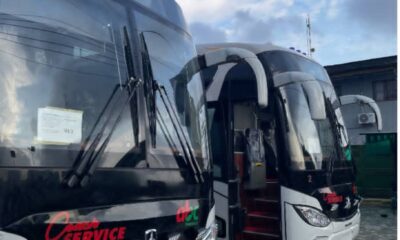
Today, like the oak tree, ABC Transport has not only scored many firsts in road transportation, but has also grown to become a household name in the industry, with a fleet of about 500 vehicles and a network of over 90 locations across the country and in West Africa.
Following the success recorded in the beginning, the ABC Transport fleet was sustainably expanded with the injection of more mini buses and state-of-the-art luxury coaches .
This earned for the company the travellers’ acclaim across the country as the first to introduce air-conditioned coaches with toilet facilities, as well as on-board entertainment featuring video screens and mid-journey refreshment.
One of the innovations introduced by the management in the years following that inaugural trip by the five mini buses was the ABC Customers’ Forum hitherto unknown to the country’s road transport industry.
At the event, which was sustained annually until a few years ago, the management interacted with the customers, and fielded questions, complaints and suggestions on how to improve the company’s services.
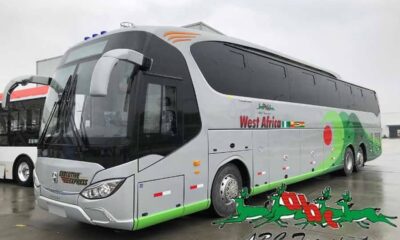
On July 16, 2004, ABC Transport scored yet another first with its Coach West Africa – the ECOWAS region’s first scheduled coach service taking off from Lagos (through Cotonou in Benin Republic, and Lome in Togo) to Accra, Ghana, and back, on board the purpose-built coaches.
Online ticket booking, which has since been embraced by most luxury bus transport operators, was first introduced by ABC Transport in 2007, making it easier for travellers to book their trips and pay from the comfort of their homes and offices.
A mobile app was subsequently introduced to enhance the self-service.
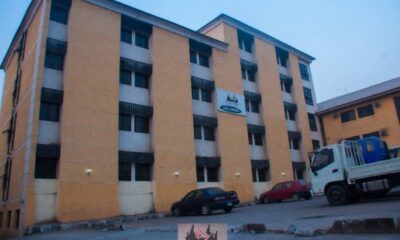
Similarly, ABC Transport was the first to establish ultramodern terminals in Nigeria and beyond, with some of them in Lagos, Abuja, Owerri and Port Harcourt.
A high reputation for innovation, outstanding safety records and unique customer experience has since combined with the founder’s entrepreneurial spirit and commitment to excellence as the driving force behind the company’s success.
Over the past 32 years, ABC Transport has achieved numerous milestones, including, of course, the addition of ABC Cargo Express, the logistics and warehousing division; and ABC Hauls, the haulage services arm.
With the recent deployment of Compressed Natural Gas (CNG) trucks, to boost its cement haulage capacity at Lafarge Africa Plc’s cement factory, ABC Hauls and Cargo Express account for about 50 percent of ABC Transport operations.
ABC Hauls is one of Lafarge’s major transporters for the distribution of cement around the country.
ABC Cargo Express, which commenced operations also as a division, has now grown to be a wholly-owned subsidiary of the parent company. This was necessitated by its rapid growth and its ability to focus on the innovations going on in the logistics sector.
Through the Cargo division, the company moves hundreds of thousands of packages around West Africa, empowering many businesses with its dedicated e-commerce services.
ABC Transport also has the record of being the first, and so far, the only road transport company to be listed on the Nigerian Stock Exchange.
Along with a seamless succession plan which ensured that the former Deputy Managing Director, Mr. Jude Nneji, took over from Mr. Frank Nneji, as the managing director, the company has been enjoying considerable stability, liquidity and ease of management.
The older Nneji (founder and former managing director) has since moved up to higher responsibilities, including playing a role as a director of the company .
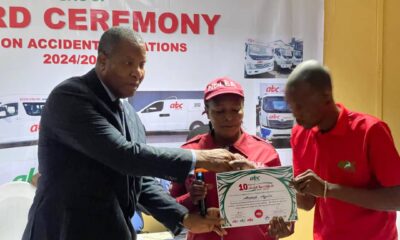
The company has also been recognised for its outstanding performance in the transport industry, winning several awards and accolades both nationally and internationally.
Driver Training Academy, another offshoot of ABC Transport, and the first of its kind in Nigeria, graduated its first set of trainees in 2004.
The Academy was founded with a mission to ‘prepare and produce’ for Nigeria’s motoring environment, law-abiding and safety-conscious drivers who appreciate the value of human life.
It admits trainees from within ABC Transport and other organisations wishing to benefit from the comprehensive training packages approved by the Federal Road Safety Corps.
In 2012, ABC Transport ventured into auto production with its 50 percent stake in Transit Support Services Ltd (TSS), which is into the assembly of heavy and light duty trucks with its flagship brands as Shacman (including fire trucks), SETRAC CNG buses, as well as Forland Trucks.
TSS also provides to the local automotive market Asiastar luxury buses and BAW mini buses and ambulances assembled at its facility in Emene, Enugu.
This is in addition to the sale of automotive parts and after-sales support services
With its DTA, Cargo Express, TSS, and ABC Hauls, ABC Transport is the most diversified transport company in the West African sub-region, having also launched a hospitality arm with City Transit Inn in the Utako area of Abuja, to serve travellers arriving the Federal Capital Territory with budget accommodation.
Looking back to 1993, the founder recalled that to succeed, his management adopted, as a matter of policy, an uncompromising focus on the quality of service ABC rendered and gradually began resetting the standards for road transport operations in Nigeria
This they did by providing a comfortable and suitable alternative road travel means for the discerning traveller who would have otherwise opted to fly.
Thus, the average customer in Nigeria’s travel space embraced the new innovative, more comfortable, timeous, customer-centric and safety-conscious services ABC Transport provided at considerably cheaper rate than what it cost to travel by air.
As the management engages top gear in its current renewal efforts, the Managing Director says he is grateful to God, “and all our customers who have kept faith with us and kept faith with the brand. We will not let them down.”









Auto
Electric Mobility: Spiro Unveils Expansion Plan, Names Nigeria New MD
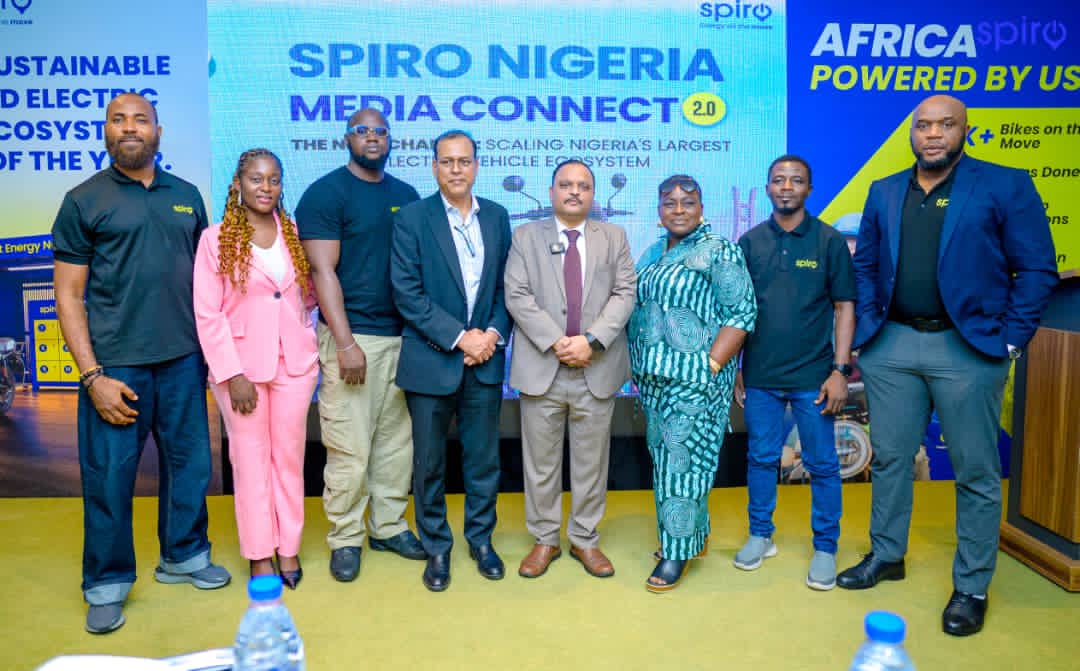
Electric Mobility: Spiro Unveils Expansion Plan, Names Nigeria New MD
Spiro, Africa’s leading electric mobility company, is stepping up plans to expand its footprint in Nigeria, strengthen its battery-swapping infrastructure and deepen partnerships to make electric motorcycles more accessible and affordable to riders.
The company unveiled the growth strategy at the second edition of its Media Connect event in Lagos, where it formally introduced its new Country Head and Managing Director, Mr Prasad Sane, who will lead its operations and expansion drive in the country.
Sane said Spiro would consolidate its presence in Lagos, Ogun and Oyo states while exploring opportunities to extend its operations to additional markets, as it seeks to accelerate Nigeria’s transition to cleaner and more sustainable transportation.
The event brought together journalists covering business, technology, mobility and sustainability to discuss the company’s progress, infrastructure development and long-term ambitions for Nigeria’s electric mobility market.
Addressing the gathering, Sane said the company was moving beyond the deployment of electric motorcycles to building an integrated mobility ecosystem designed to improve riders’ earnings, reduce operating costs and create economic opportunities.
“Today is about progress, partnership and purpose. A year ago, we shared our vision for electric mobility in Nigeria. Today, we are demonstrating tangible results and a clear path forward,” he said.
He added that his mandate was to make Spiro one of the most trusted, affordable and accessible electric mobility solutions for Nigerians, beginning with its existing focus markets.
“My mandate is simple: to make Spiro the most trusted, affordable and accessible electric mobility solution for Nigerians, beginning with Lagos, Ogun and Oyo states.
“We are moving beyond electric bikes to build a complete ecosystem centred on our promise of ‘Energy on the Move’,” Sane stated.
A major pillar of the company’s strategy is its battery-swapping technology, which allows riders to exchange depleted batteries for fully charged ones in under a minute, reducing downtime and eliminating the need to wait for conventional recharging.
According to Sane, the model offers riders an alternative to rising fuel and maintenance costs while supporting efforts to reduce carbon emissions and improve the economics of commercial motorcycle operations.
“Electric mobility is no longer the future. It is the present, and Nigeria is poised to lead the transition,” he said.
Under its expansion plan, Spiro intends to accelerate the deployment of battery-swapping stations and service centres across Lagos, Ogun and Oyo states to improve accessibility, operational efficiency and customer support.
The company also plans to extend its geographical reach beyond the three states, bringing its electric motorcycles and related services to more Nigerian markets.
Another priority is strengthening partnerships with financial institutions, logistics companies and rider communities to improve access to electric motorcycles and its Battery-as-a-Service solutions.
The approach is expected to support wider adoption by riders who may face financial barriers to acquiring electric motorcycles outright, while helping businesses explore cleaner and potentially more cost-effective transportation options.
Spiro also plans to scale up local assembly operations, technical training and after-sales support, with a focus on creating employment opportunities, particularly for young Nigerians and women.
The company said the measures would help strengthen its operational capacity while developing local skills and supporting the growth of Nigeria’s electric mobility ecosystem.
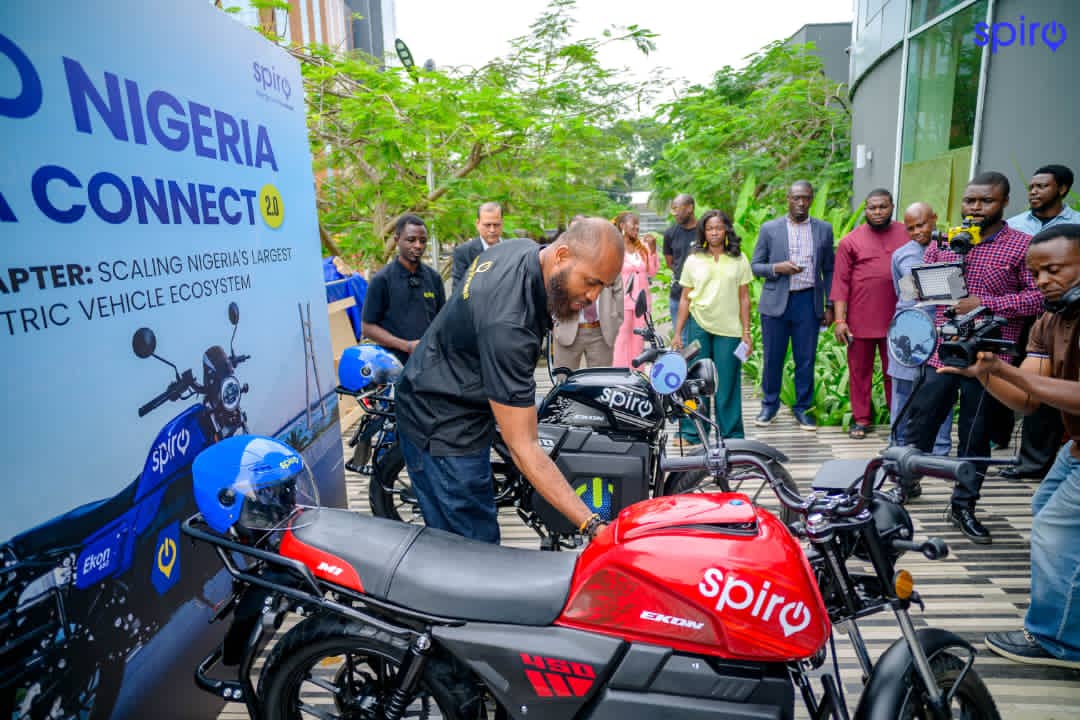
The Media Connect event featured live product demonstrations and operational showcases, alongside the unveiling of the Spiro Ekon M1 Version 3, highlighting the company’s efforts to develop its electric motorcycle offerings for the Nigerian market.
Spiro, which received the West Africa Sustainable Award (WASA), is positioning its expansion around electric motorcycles and battery-swapping infrastructure as it seeks to contribute to the growth of sustainable mobility across Nigeria.
Auto
Jetour W Motors Celebrates Customers, Unveils Nigeria Owners Club After Brazil Promo
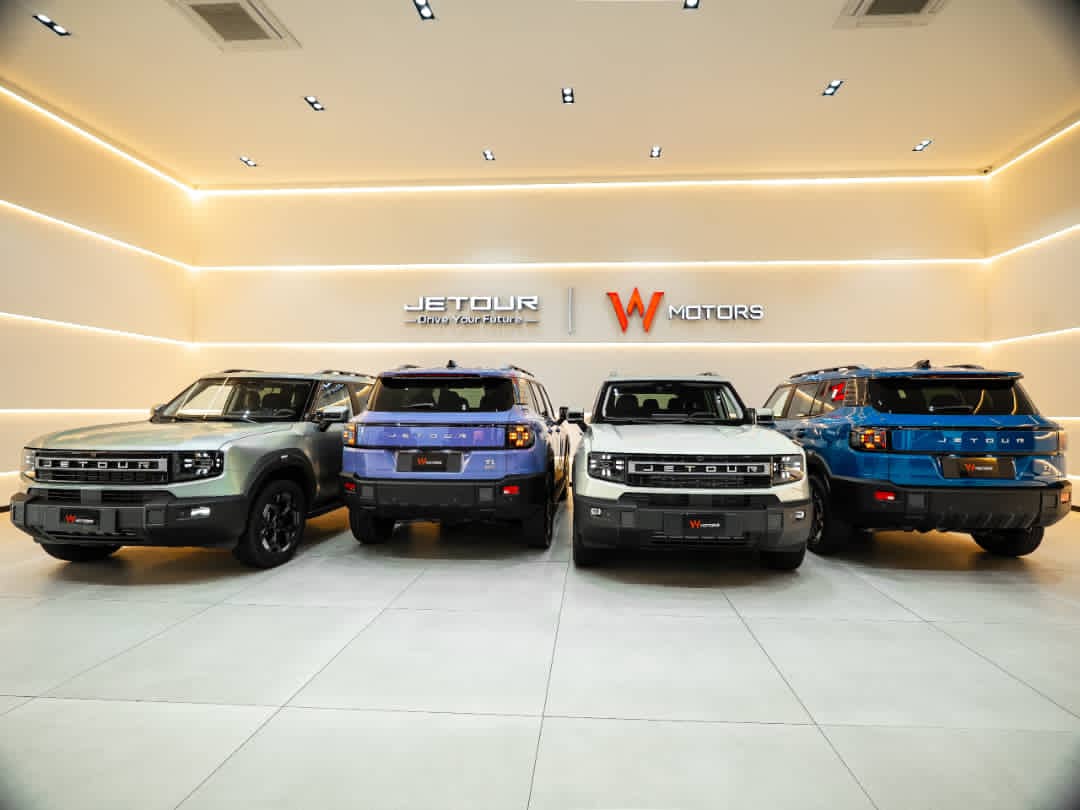
Jetour W Motors Celebrates Customers, Unveils Nigeria Owners Club After Brazil Promo
Jetour W Motors Nigeria is stepping up efforts to strengthen customer loyalty and build a vibrant community of vehicle owners with the successful conclusion of its #WinYourWayToBrazil campaign and the official establishment of the Jetour Nigeria Club.
The twin initiatives mark a new phase in the Chinese automotive brand’s engagement with Nigerian customers, extending its relationship with vehicle owners beyond sales and after-sales services to include shared experiences, lifestyle activities, adventures and community-building programmes.
The campaign climaxed with a live raffle draw on Friday, September 25, 2026, at the Jetour W Motors showroom on Adeyemo Alakija Street, Victoria Island, Lagos, where eligible customers gathered for an evening of entertainment, refreshments, networking and the eagerly anticipated announcement of the winner.
The promotion offered customers who ordered and purchased any Jetour vehicle between August 18 and September 20, 2026, the opportunity to win a trip to Brazil for the Jetour Brazil Fan Festival.
The event also featured the distribution of branded Jetour Owners Club gifts, adding to the celebratory atmosphere as customers interacted with one another and members of the Jetour team.
Beyond the excitement surrounding the raffle draw, the occasion provided a platform for Jetour W Motors to unveil the Jetour Nigeria Club, an initiative designed to bring owners of the brand’s vehicles together through a structured calendar of activities and shared experiences.
The club, officially established for the first time in Nigeria, is expected to create opportunities for members to participate in organised adventures, social gatherings and other community initiatives while strengthening their connection with the brand.
Registration for membership will open soon, with all Jetour owners invited to join the emerging community.
The development reinforces Jetour W Motors Nigeria’s strategy of building lasting relationships with customers in a competitive automotive market where ownership experience, customer engagement and brand loyalty are becoming increasingly important.
The #WinYourWayToBrazil campaign follows the successful Jetour Africa Expedition — Nigeria Edition, which brought together Jetour owners, influencers, media professionals and members of the company’s team for a distinctive experience combining driving, adventure and Nigerian culture.
The expedition was the brand’s first major activation specifically designed to bring Jetour owners together in Nigeria, providing an opportunity for participants to connect beyond their individual vehicle ownership experiences.
With the Brazil campaign and the launch of the national owners’ club, Jetour W Motors is building on that foundation by creating more opportunities for customers to interact, participate in brand-led activities and develop relationships with fellow owners.
The approach reflects a broader effort to position vehicle ownership as an experience that extends beyond the showroom, encompassing lifestyle, recreation and a sense of belonging to a growing community.
Jetour W Motors Nigeria is the authorised distributor of Jetour vehicles in the Nigerian market, where the brand continues to expand its presence through customer-focused initiatives and engagement programmes.
The planned opening of membership registration for the Jetour Nigeria Club is expected to provide the next opportunity for owners to become part of the community and participate in activities designed to deepen their connection with the brand.
Auto
FRSC hands over Safeline Bank to ROBOPAY, targets digital financial transformation
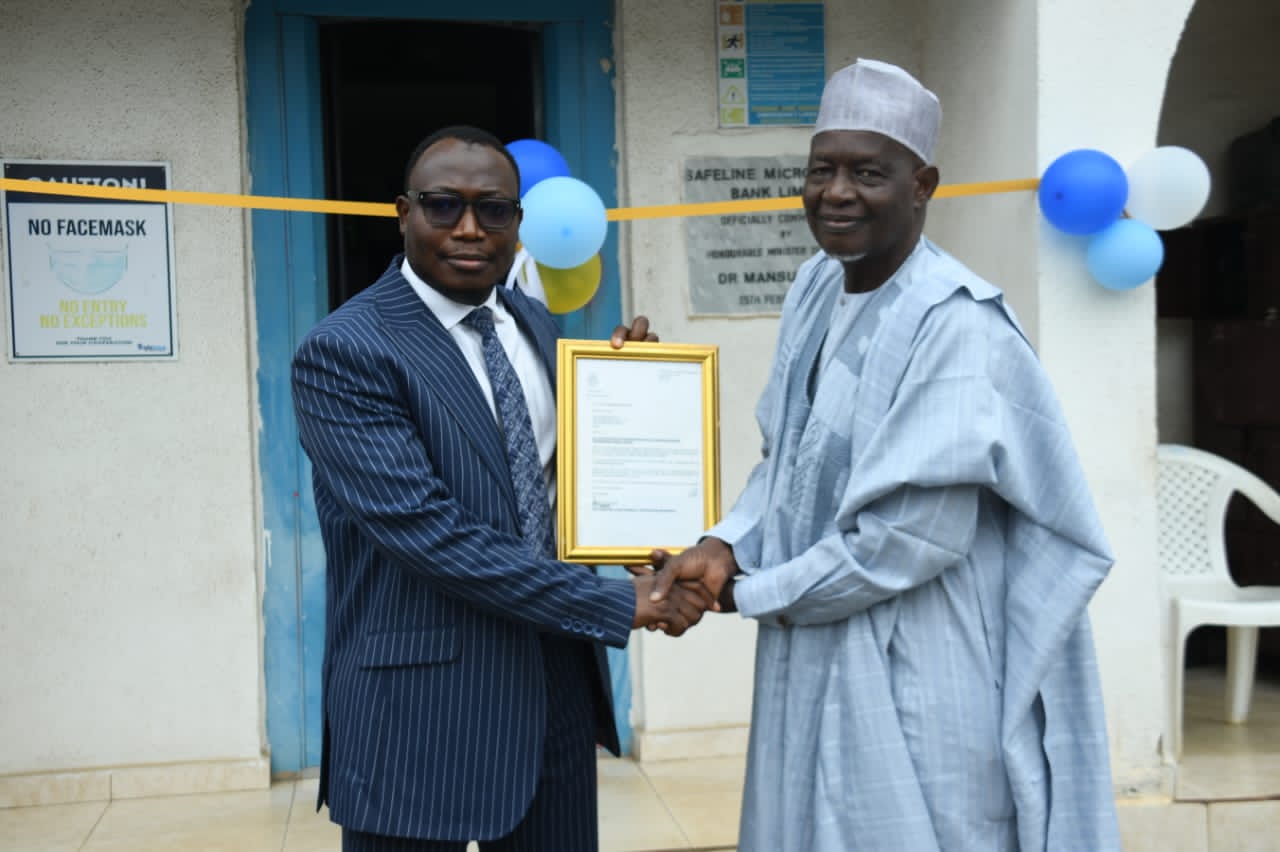
FRSC hands over Safeline Bank to ROBOPAY, targets digital financial transformation
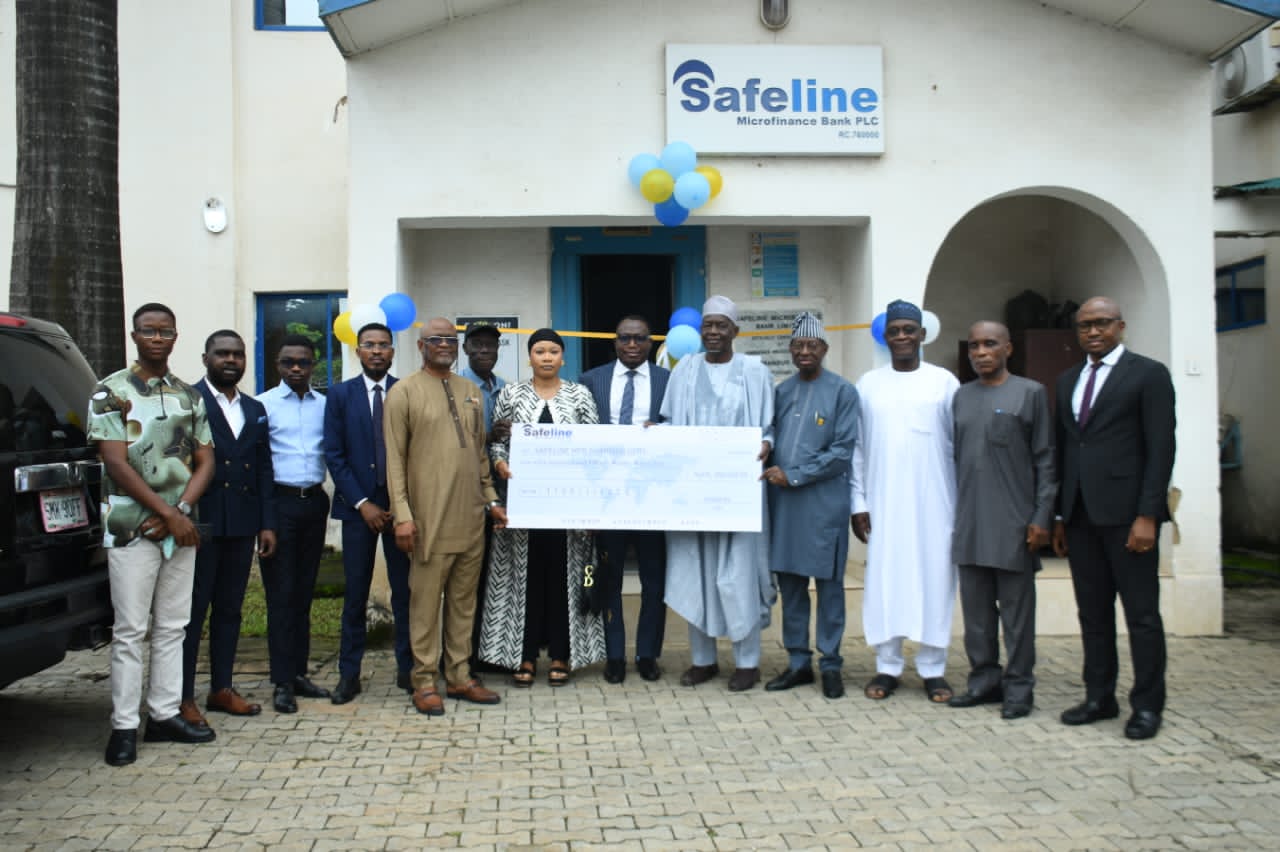
The Federal Road Safety Corps (FRSC) has handed over ownership of Safeline Microfinance Bank to ROBOPAY NIG. LTD., paving the way for a major recapitalisation and technology-driven transformation of the financial institution.
The divestment, which took place on Monday, October 5, 2026, at the bank’s premises in Abuja, is expected to reposition Safeline Microfinance Bank for stronger competitiveness, improved service delivery and sustainable growth in Nigeria’s rapidly evolving financial services sector.
The development, according to a statement by the Corps Public Education Officer, Osondu Ohaeri, is part of the strategic efforts under the leadership of the Corps Marshal, Shehu Mohammed, to reposition the institution for greater efficiency and competitiveness.
Safeline Microfinance Bank was established by the FRSC to provide financial services and opportunities to members of the Corps and other stakeholders.
Speaking at the handover ceremony, Chairman of the Board of Safeline Microfinance Bank, Ibrahim Babagana, a Deputy Corps Marshal (Rtd.), said the decision to divest the bank followed a careful assessment of the prevailing regulatory environment and emerging government policies affecting the microfinance banking industry.
Babagana said sustaining the bank under the changing financial landscape would require substantial additional capital, greater investment in technology and enhanced human capital.
He explained that the Board therefore resolved to transfer ownership to an investor with the capacity, resources and commitment to make the required investments and place the bank on a sustainable growth trajectory.
The former FRSC chief expressed confidence in ROBOPAY, saying the company had demonstrated the competence, commitment and vision required to build on the foundation established by the Corps and take Safeline Microfinance Bank to a new level.
He identified strengthening the bank’s capital base, deploying modern technology and investing in human resources as critical priorities for its survival and competitiveness in the increasingly digital financial services market.
Responding on behalf of ROBOPAY NIG. LTD, Malam Aliyu Abiodun thanked the Board and management of Safeline Microfinance Bank for the confidence reposed in the company, describing the acquisition as a significant milestone and an opportunity to unlock the institution’s considerable potential.
Abiodun said the bank already had valuable assets, structures and an institutional foundation which the new owners would build upon through strategic investments in financial technology, capital and human resources.
He said ROBOPAY would deploy FinTech solutions to modernise the bank’s operations, improve customer experience, expand its service offerings and strengthen its competitive position within Nigeria’s financial services industry.
According to him, the new ownership would retain and leverage the institutional foundation created by the FRSC while introducing innovative technology-driven solutions capable of opening new growth opportunities for the bank.
The transaction thus signals more than a change in ownership, as it ushers Safeline Microfinance Bank into a new phase anchored on recapitalisation, digital innovation and professionalised financial services.
Both parties expressed commitment to ensuring a seamless transition, with the ultimate objective of building a stronger, more competitive and sustainable institution capable of delivering greater value to its customers and stakeholders.
-
 metro2 days ago
How Parents Raised Millions to Free 20 Abducted NYSC Members
-
 metro2 days ago
[UPDATED] Lagos Train Crash: 55-Year-Old Motorist Survives as Honda Car Is Wrecked at PWD Crossing
-
 metro11 hours ago
Tension in Kano as Phone Traders Confront Chinese Sellers Over Cheaper Phones
-

 Business2 days ago
NNPCL: We Introduced ₦66 Fuel Discount Before FG’s Announcement
-
 Health2 days ago
NAFDAC Raises Alarm Over Toxic Pesticides in Beans, Seizes ₦800m Banned Chemicals
-

 metro1 day ago
Police Launch Manhunt After Fresh Attacks, Kidnappings Rock Four Nigerian States
-

 Sports2 days ago
Ronaldo Breaks Silence on Portugal Row as Pelé, Maradona Comparison Sparks Meme Frenzy
-

 metro2 days ago
2027: Ekiti Driver Takes ₦3.5m Loan to Back Tinubu’s Re-election Bid