
Business
Eight High-Income Technical Skills Professionals Need to Stay Competitive in Today’s Job Market

Eight High-Income Technical Skills Professionals Need to Stay Competitive in Today’s Job Market
As the global job market continues to evolve rapidly, high-income technical skills are no longer exclusive to engineers or IT professionals. Increasingly, workers across diverse fields are acquiring in-demand tech skills to enhance performance in their current roles, boost earning potential, and remain competitive across industries.
Based on global workforce trends and employer demand, several technical skills consistently command strong salaries and offer long-term career relevance.
At the forefront is Generative AI (GenAI), which is reshaping business operations from content creation to product development. Professionals who understand how to effectively use AI tools—particularly prompt engineering—are gaining a significant advantage by improving productivity and driving innovation across multiple roles.
Another highly sought-after skill is data analysis, which enables organisations to make informed decisions through the collection and interpretation of data. Proficiency in tools such as Excel, SQL, Python, and Tableau is valued across sectors, helping businesses identify trends, optimise performance and solve complex challenges.
READ ALSO:
- BREAKING: Bonus Dispute Rocks Super Eagles Ahead of Algeria AFCON Clash
- NANS Urges Tinubu to Act as Nigerian Scholarship Students ‘Abandoned’ in Morocco
- US Imposes $15,000 Visa Bond Requirement on Nigerians, 37 Other Countries
Closely related is data visualisation, a skill that focuses on presenting complex data in clear, visual formats such as dashboards, charts and reports. This allows decision-makers to quickly understand insights and act with confidence.
With the rise in digital threats, cybersecurity has become a critical skill worldwide. Cybersecurity professionals safeguard networks, systems and sensitive data, making them indispensable in industries including finance, healthcare, government and technology.
The evolution of tech-enabled customer service has also increased demand for professionals who combine digital tools, CRM systems, communication skills and emotional intelligence to enhance customer experience, retention and business growth.
In addition, user experience (UX) skills are gaining prominence as organisations prioritise intuitive and engaging digital products. UX professionals apply research, design and behavioural psychology to improve how users interact with digital platforms.
Another skill in high demand is risk management, which supports organisations in identifying and mitigating operational, financial and reputational threats. Experts in this area play a key role in strategic planning, compliance and long-term stability.
Rounding out the list is web development, a versatile skill that blends coding, design and SEO knowledge to build functional and user-friendly websites. Web developers remain highly valued across technology, media and business sectors.
As industries continue to digitise, professionals who invest in these high-income technical skills are better positioned to secure higher pay, career flexibility and long-term relevance in an increasingly competitive workforce.
Eight High-Income Technical Skills Professionals Need to Stay Competitive in Today’s Job Market


Business
MTN Nigeria Suspends Airtime Loan Service

MTN Nigeria Suspends Airtime Loan Service
MTN Nigeria Communications PLC has temporarily suspended its airtime and data credit service, Xtratime, following new regulatory requirements governing digital consumer lending services in Nigeria.
The company disclosed the development in a corporate filing to the Nigerian Exchange Limited (NGX) on Thursday, stating that the suspension was necessary to comply with the 2025 Digital, Electronic, Online and Non-Traditional Consumer Lending Regulations issued by the Federal Competition and Consumer Protection Commission (FCCPC).
According to MTN, the Xtratime service—which allows prepaid subscribers to borrow airtime or data and repay on their next recharge—falls under the expanded scope of the new regulatory framework and now requires additional compliance and licensing processes before it can resume.
In the regulatory notice signed by Company Secretary Uto Ukpanah, MTN said:
“MTN Nigeria Communications PLC hereby notifies the Nigerian Exchange Limited and the investing public that the company has temporarily suspended its airtime and data credit advance service (‘Xtratime’).”
The telecom operator added that the suspension is tied to ongoing implementation of the FCCPC’s updated rules, which introduce stricter compliance, registration, and licensing obligations for all providers of digital or non-traditional credit services.
READ ALSO:
- Money Laundering: Court Orders Arrest of Ex-Minister Sadiya Umar Farouq
- High-Salt Diet Linked to Faster Memory Decline in Men, Study Finds
- INEC Revises Osun Governorship Campaign Deadline
MTN stressed that despite the suspension, customers can still purchase airtime and data through other available channels, including banking platforms, USSD services, and mobile apps, assuring that the decision is not expected to significantly affect earnings.
“Given the scale within the revenue mix, we do not expect the temporary suspension to have a material impact,” the company said, adding that updates would be provided in its Q1 2026 financial report.
The development highlights the widening reach of Nigeria’s consumer credit regulations, which now extend beyond banks and fintech loan apps to include telecommunications companies offering airtime advances.
The FCCPC had earlier introduced a framework for digital lending in 2022 but strengthened enforcement with the 2025 regulations, requiring all operators in the sector to register and obtain approval before continuing operations.
Under the new rules, companies offering short-term digital credit services must meet stricter standards on consumer protection, transparency, data governance, and ethical debt recovery practices. The commission has reportedly set an April 2026 deadline for full compliance by existing operators.
Industry analysts say the move reflects a broader effort by regulators to bring order to Nigeria’s fast-growing digital credit ecosystem, where airtime loans have become a key financial support tool for millions of low-income mobile users.
For now, MTN has not announced a timeline for restoring the Xtratime service, stating only that it will resume once full regulatory compliance is achieved.
MTN Nigeria Suspends Airtime Loan Service
Business
Dangote Named Only Nigerian on TIME100 2026 Global Influence Ranking
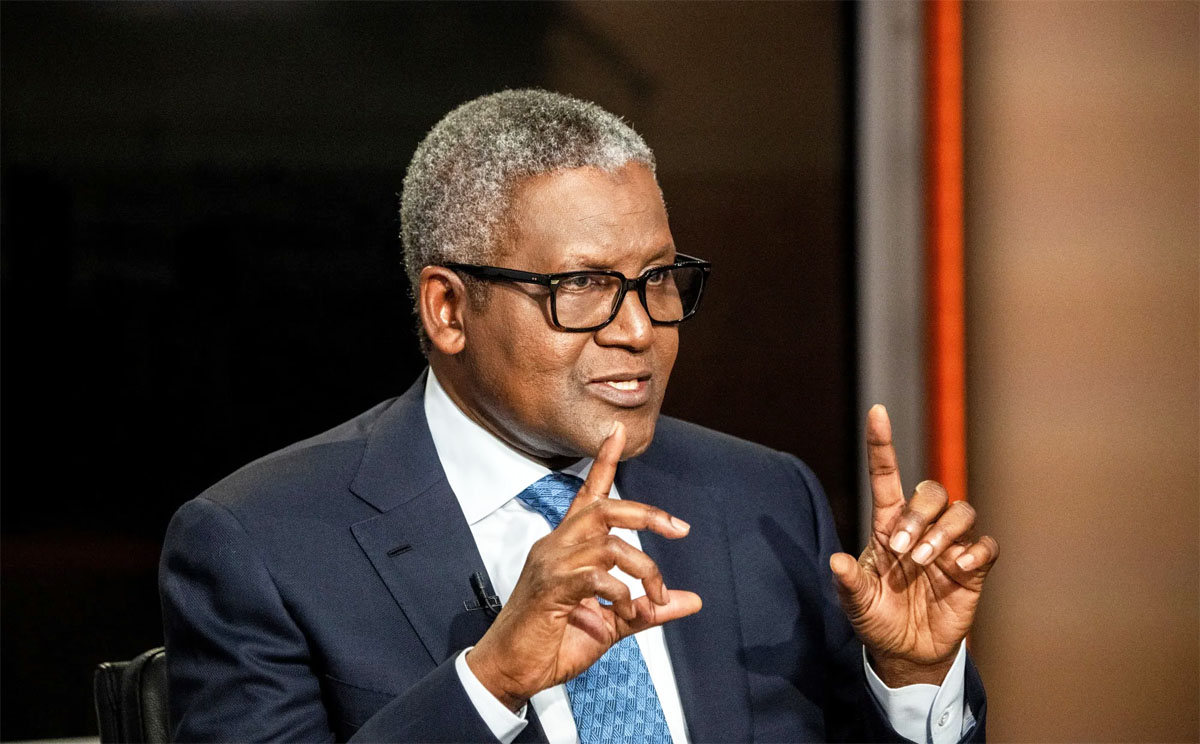
Dangote Named Only Nigerian on TIME100 2026 Global Influence Ranking
Nigerian business magnate Aliko Dangote has been named among the TIME100 Most Influential People in the World for 2026, as TIME Magazine released its latest list recognising individuals shaping global politics, business, technology, and culture.
Dangote, Africa’s richest man and founder of the Dangote Group, is the only Nigerian featured in the 2026 edition. He appears in the Titans category, recognised for his decades-long push to industrialise Africa through investments in cement, sugar, fertiliser, and the landmark Dangote Refinery—one of the largest single-train refineries in the world.
This marks Dangote’s second appearance on the TIME100 list, following his first inclusion in 2014, further cementing his status as one of Africa’s most globally recognised industrialists.
A key highlight of this year’s recognition is the tribute written by fellow Nigerian billionaire Tony Elumelu, who praised Dangote’s entrepreneurial journey and continental impact. Elumelu described him as “indefatigable, resilient, and foresighted,” and lauded him as “one of the greatest African entrepreneurs of our time.”
READ ALSO:
- UNILAG Lecturer Sexual Assault Trial: Student Testifies in Lagos Court
- Bayern Survive Real Madrid Comeback to Reach UCL Semi-Finals Against PSG
- Grandfather in police net for impregnating granddaughter
He added that Dangote’s work demonstrates that Africans can create large-scale value “with our own resources, on our continent,” reinforcing the philosophy of economic self-reliance that has shaped both businessmen’s careers.
Interestingly, the gesture reflects a role reversal from previous years, as Dangote once wrote Elumelu’s TIME100 tribute when the UBA chairman appeared on the list in 2020.
The 2026 TIME100 list, now in its 23rd edition, features global figures across multiple categories, including Titans, Leaders, Innovators, Icons, Artists, and Pioneers. High-profile names this year include U.S. President Donald Trump, Chinese President Xi Jinping, and major technology leaders such as Google CEO Sundar Pichai and YouTube CEO Neal Mohan.
Other political figures featured include Israeli Prime Minister Benjamin Netanyahu and Canadian Prime Minister Mark Carney, alongside global leaders in health, finance, and multilateral institutions.
Analysts say Dangote’s inclusion carries strong symbolic significance for Africa, particularly at a time of economic restructuring and renewed calls for industrialisation and self-sufficiency across the continent. His multi-billion-dollar refinery project, in particular, is seen as a strategic asset aimed at reducing Nigeria’s reliance on imported refined petroleum products, boosting local production, and creating thousands of jobs.
The recognition also reinforces Dangote’s global reputation as a leading figure in African entrepreneurship, with his business empire spanning critical sectors of the economy and influencing industrial policy conversations across the region.
The TIME100 announcement precedes the annual TIME100 Summit scheduled for April 22 in New York, where selected honourees are expected to participate in discussions on global leadership and innovation.
The full list and tributes are available via TIME Magazine’s official platforms.
Dangote Named Only Nigerian on TIME100 2026 Global Influence Ranking
Business
Experts Reject World Bank Fuel Import Advice, Warn of Economic Setback for Nigeria
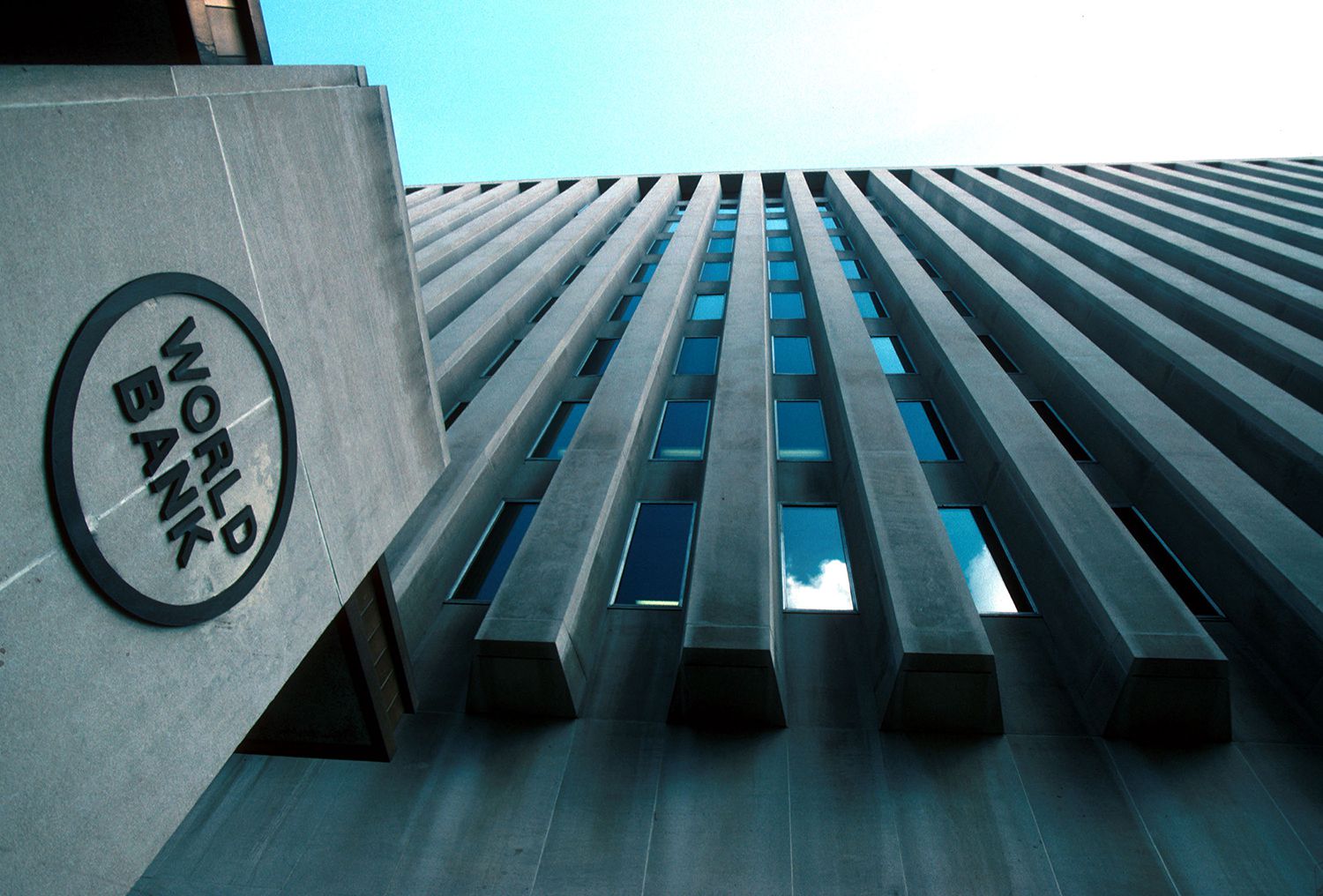
Experts Reject World Bank Fuel Import Advice, Warn of Economic Setback for Nigeria
Energy experts have strongly criticised recent recommendations attributed to the World Bank urging Nigeria to deepen fuel importation and further liberalise its downstream petroleum sector, warning that the proposal is economically risky, poorly timed, and inconsistent with Nigeria’s petroleum law.
The criticism comes amid growing debate over the findings of the World Bank’s latest Nigeria Development Update, which some stakeholders say suggests a return to higher fuel import dependence as part of broader market reforms aimed at stabilising prices and improving efficiency.
However, energy economist Prof. Ken Ife faulted the recommendation, arguing that it contradicts Nigeria’s long-term goal of energy self-sufficiency and undermines ongoing investments in domestic refining capacity.
“You cannot advise a country struggling to achieve economic self-reliance to return to fuel importation,” Ife said, warning that such a policy shift would reverse gains made under the Petroleum Industry framework.
He stressed that the proposal runs counter to the provisions of the Petroleum Industry Act, particularly the Domestic Crude Supply Obligation, which prioritises crude allocation to local refineries to support domestic production.
According to him, abandoning this structure would weaken Nigeria’s refining ambitions, increase exposure to global oil shocks, and worsen pressure on foreign exchange reserves.
“We are building capacity that could exceed domestic demand. Reversing course now would discourage investors and destabilise the downstream sector,” he added.
Ife further questioned the empirical basis of the recommendation, describing it as inconsistent with the broader analytical strength of the World Bank report.
READ ALSO:
- Fake Image of Governor Alia Bowing to Sultan Sparks Controversy, Palace Reacts
- Tinubu Aide Defends Early INEC Statement Release on Amupitan Controversy
- Nigeria-Kenya Comparison Won’t Solve Economic Crisis — Peter Obi Replies Tinubu
Other energy analysts echoed similar concerns, arguing that Nigeria is already at a critical stage of expanding domestic refining, including private-sector-led investments that are expected to reduce dependence on imported petrol in the coming years.
Energy analyst Kelvin Emmanuel also criticised the proposal, insisting that it is disconnected from current global pricing realities and supply chain risks.
He argued that landing imported petrol in Nigeria is already significantly expensive when freight, insurance, and exchange rate factors are considered, making large-scale import reliance economically unsustainable.
Emmanuel further noted that rising crude oil prices—driven partly by geopolitical tensions in the Middle East—have pushed global energy markets into volatility, reinforcing the need for domestic refining resilience rather than import dependence.
He also disputed claims that imported fuel could be cheaper than locally refined products, arguing that such assumptions ignore structural cost realities in the global supply chain.
On inflation and fuel pricing, Emmanuel maintained that Nigeria’s challenges are linked more to policy implementation gaps than production shortages, particularly in crude allocation to local refineries as outlined in the Petroleum Industry Act.
“If domestic supply obligations are properly enforced, price stability will improve and market volatility will reduce,” he said.
He also criticised proposals suggesting that Nigeria should expand social safety nets through borrowing, arguing that such measures could worsen fiscal pressure and contradict responsible debt management principles.
While acknowledging that social protection is important, he insisted that funding should prioritise grants or targeted revenue sources rather than additional debt obligations.
The debate highlights growing tension between international policy advice and Nigeria’s domestic energy strategy at a time when the country is attempting to stabilise fuel supply, reduce import dependence, and strengthen local refining capacity.
Industry observers say the outcome of this policy direction could significantly shape Nigeria’s downstream petroleum sector, foreign exchange stability, and long-term energy security.
Experts Reject World Bank Fuel Import Advice, Warn of Economic Setback for Nigeria

-

 metro2 days ago
UNILAG Lecturer Sexual Assault Trial: Student Testifies in Lagos Court
-

 metro2 days ago
Grandfather in police net for impregnating granddaughter
-

 International2 days ago
US Senate Rejects Measure to Limit Trump’s Iran Military Powers
-

 metro1 day ago
Power Supply Drops in Lagos as Transmission Faults Trigger Load Shedding
-

 Education1 day ago
FG Ends Physical Certificate Verification as Process Goes Fully Digital
-

 Education9 hours ago
JAMB Releases First Batch of 2026 UTME Results for 632,788 Candidates
-

 International1 day ago
Iran Declares Strait of Hormuz Fully Open
-

 News2 days ago
Atiku, Obi, Kwankwaso Camps Clash as ADC Grapples with Leadership Dispute