

Education
Court reinstates 32 sacked ekiti varsity workers
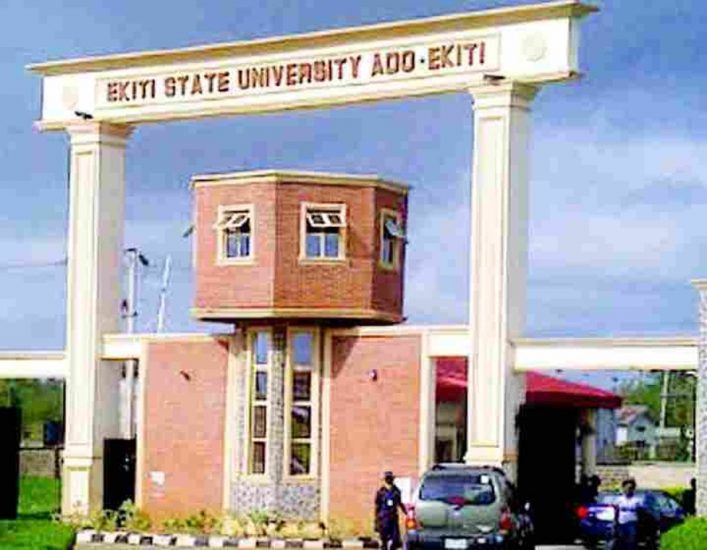
The National Industrial Court, sitting in Akure, Ondo State has reinstated 32 out of over 900 workers disengaged by the Ekiti State University, Ado-Ekiti in December last year.
The university had on December 5, 2019 sacked over 900 of its works for alleged certificate forgery, irregular appointment, overage, among other allegations that contravened its conditions of service.
But in the suit number NICN/AD/03/2020, 32 technologist out of the sacked workers dragged EKSU, EKSU Governing Council and EKSU Vice Chancellor (first to third defendants respectively) to industrial court to seek redress.
They asked the court to determine whether their employments with EKSU enjoyed statutory protection and whether their disengagement was compatible with their status of employments which enjoyed statutory flavour.
Among others, they sought a declaration of the court that their disengagement as staff of EKSU “in the manner it was done was unlawful, irregular, illegal and therefore null and void and of no effect.
“An order for the immediate restoration and reinstatement of the claimants to their offices without loss of salaries, promotions, emoluments and other allowances due to them as staff of the First respondent (EKSU).
“Payment of the claimants’ three months salaries, emoluments and other allowances owed them before the purported and unlawful disengagement,” they requested among others.
But counsel to the university, prayed the court not to grant the request of the 32 technologists, saying they had not been able to establish in the case that their appointments with EKSU were unlawfully determined.
After listening to the submission of both the claimants’ and defense Counsel, the presiding Judge, Justice K.D Damulak, declared the termination of the workers’ appointment as “unlawful, null and void”.
A copy of the judgment delivered on December 8 was made available to journalists in Ado Ekiti on Sunday, where Damulak said, “The claimants are hereby reinstated to their erstwhile positions in EKSU. The first defendant (EKSU) is hereby ordered to pay the claimants (the 32 technologists) their three months’ salaries owed them before their unlawful disengagement.”








Education
UNIOSUN ranks third among state universities in latest Webometrics ranking
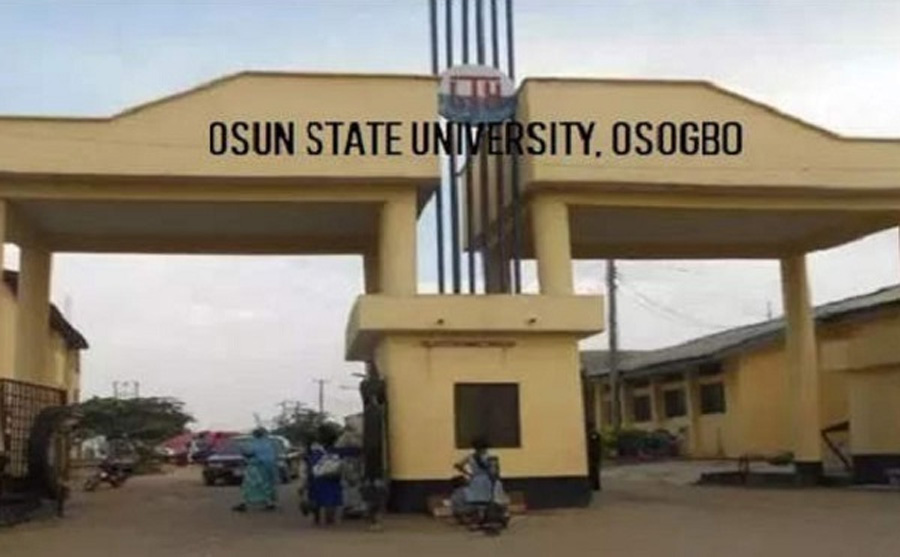
UNIOSUN ranks third among state universities in latest Webometrics ranking
Osun State University, Osogbo, has emerged as the third-best state-owned university in Nigeria in the July 2026 edition of the Webometrics Ranking of World Universities.
The institution also secured the 19th position among all universities in Nigeria, according to the latest ranking released by Webometrics, an international university ranking platform that assesses higher institutions based on their web presence, research visibility and academic impact.
In a statement made available on Monday, the university said the achievement reflects its sustained investment in quality teaching, impactful research, innovation and digital visibility.
The university added that it was also ranked 17th in Nigeria in the 2026 uniRank National University Ranking, another international assessment of higher education institutions.
Reacting to the development, the management described the rankings as a reflection of the commitment of its governing council, management, academic and non-academic staff, students and alumni to advancing the institution’s vision of becoming a globally competitive university.
READ ALSO:
- FRSC Boss: Tinubu’s CNG, EV Drive Creating Jobs, Attracting Investment
- Lanre Shittu Motors Leads Drive to Steer Lagos Students Away from Crime, Donates books to public Schools
-
State police: Shari’ah Council urges caution, wider consultations
According to the university, the recognition will further strengthen its resolve to sustain excellence in teaching, research, community service and international collaborations.
Webometrics, published by the Cybermetrics Lab of the Spanish National Research Council, releases its rankings twice a year, evaluating universities based on indicators such as research excellence, openness, visibility and the impact of their online academic content.
Established by the Osun State Government in 2006, UNIOSUN has continued to expand its academic programmes, research output and international partnerships, earning recognition among Nigeria’s leading public universities.
UNIOSUN ranks third among state universities in latest Webometrics ranking
Auto
Lanre Shittu Motors Leads Drive to Steer Lagos Students Away from Crime, Donates books to public Schools
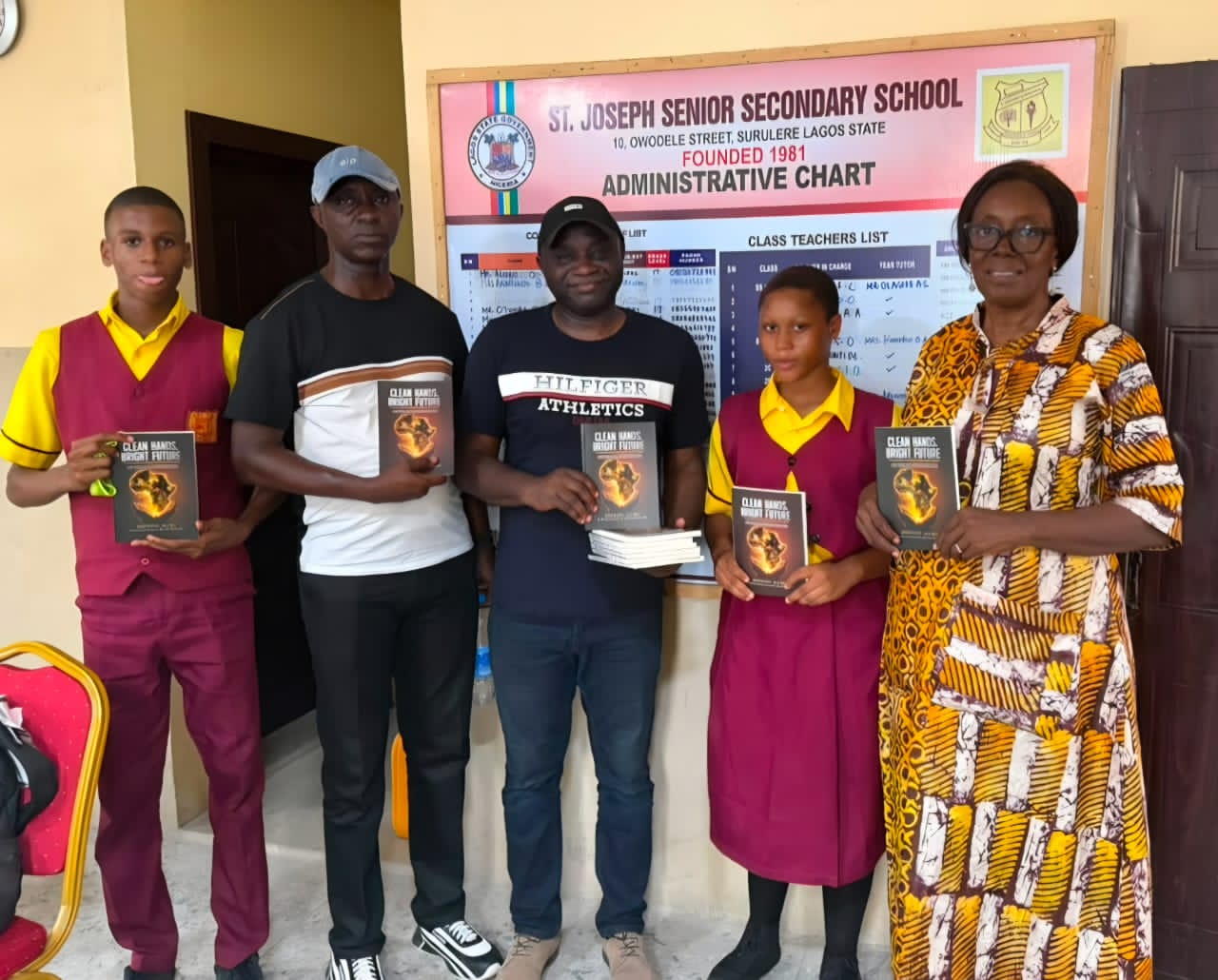
Lanre Shittu Motors Leads Drive to Steer Lagos Students Away from Crime, Donates books to public Schools
Lanre Shittu Motors is expanding its investment in youth development beyond skills acquisition, launching a major education campaign aimed at steering thousands of Lagos secondary school students away from financial crime through value-based learning and character development.
In partnership with the author of Clean Hands, Bright Future: A Youth Guide to Avoiding Financial Crime in Africa, the foremost automotive company has begun distributing the book to 200 public secondary schools across Lagos State, with more than 150 schools already reached in the first phase of the initiative.
The campaign, which began at Kuramo Senior College and Victoria Island Senior Secondary School, seeks to equip students with a clear understanding of the dangers of fraud, cybercrime, identity theft, examination malpractice and other financial crimes, while promoting integrity, hard work, ethical leadership and responsible citizenship.
Author of the book, Mr. Adedayo Aluko, said the project was inspired by the alarming rise in financial crime among young people and the need to intervene early through education.
“The rate of financial crime among youths is becoming increasingly alarming. We believe education is one of the most effective tools to prevent crime. The message of the book is simple: crime does not pay, and with clean hands, every young person can build a brighter future,” Aluko said.
He explained that the initiative goes beyond book distribution, with plans to return to beneficiary schools for interactive enlightenment sessions and career talks to reinforce the message of integrity.
According to him, the book simplifies over 100 forms of financial crimes, helping students understand offences that many young people unknowingly become involved in. Rich illustrations and practical examples were deliberately included to engage students and make the lessons memorable.
Aluko commended Lanre Shittu Motors for supporting the project, describing the Managing Director of the company, Mr Taiwo Shittu, as a long-standing advocate of youth empowerment and education.
READ ALSO:
- UNIOSUN ranks third among state universities in latest Webometrics ranking
- State police: Shari’ah Council urges caution, wider consultations
“Mr. Taiwo Shittu believes there is no shortcut to success. During the flag-off, he personally handed copies of the book to students and encouraged them to embrace hard work, education and skill acquisition as the true pathways to success.
Speaking on the initiative, the LSM MD, Mr. Taiwo Shittu, said the company’s decision to sponsor the distribution reflects its belief that preventing crime begins with shaping values at an early age.
“Young people are the future of our nation. By investing in character development and educating students about the consequences of financial crime, we are helping to build responsible citizens who will contribute positively to society.
“At Lanre Shittu Motors, we believe integrity, education and hard work remain the surest foundations for lasting success,” he said.
Shittu noted that the company’s strong culture of corporate social responsibility was inherited from its founder and his father, the late Alhaji Rasak Olanrewaju Shittu.
 He said the late automotive icon instilled in his children and employees the enduring values of compassion, community service and giving back to society, a legacy that continues to shape Lanre Shittu Motors’ investment in education, youth development and other impactful social initiatives.
Published in May 2026 and endorsed by the Chartered Institute of Bankers of Nigeria (CIBN), Clean Hands, Bright Future, has been described as a practical guide for young people navigating increasing social and economic pressures.
The ongoing distribution programme underscores Lanre Shittu Motors’ commitment to corporate social responsibility and its determination to inspire a generation that chooses integrity over shortcuts and honest enterprise over criminality.
Lanre Shittu Motors has over the years maintained a strong record of investing in youth development through skills acquisition and capacity building initiatives.
The company has consistently provided opportunities for young Nigerians to acquire technical and vocational skills in automotive engineering, vehicle maintenance and related fields through internship, apprenticeship and industry training programmes.
It has also supported educational and youth empowerment initiatives aimed at preparing young people for productive careers, reinforcing its belief that equipping youths with employable skills remains one of the most effective ways to reduce unemployment, discourage crime and promote sustainable national development.
Lanre Shittu Motors Leads Drive to Steer Lagos Students Away from Crime, Donates books to public Schools
Education
Oyo Muslim Leaders Receive Saudi Delegation, Intensify Drive for Muslim College of Nursing

Oyo Muslim Leaders Receive Saudi Delegation, Intensify Drive for Muslim College of Nursing
OYO, August 1, 2026 – Muslim leaders in Oyo Kingdom on Saturday received a high-powered delegation from the Kingdom of Saudi Arabia in a visit that underscored growing collaboration in education, healthcare and Islamic development, with renewed commitment towards the establishment of a Muslim College of Nursing in Oyo.
The delegation was accorded a warm reception at a gathering attended by prominent Islamic scholars and community leaders from Oyo Land.
Among the dignitaries present were the Grand Chief Imam of Oyo Land, Fadhilatu Shaykh Imam Bilaal Husayn Akinola Akeugberu; Ash-Shaykh Sulayman Akhyar, who served as the special guest; Ash-Shaykh Mainasaro, the Ameerul Muslimeen; the Aare Musulumi of Oyo Land, Alhaji Adebayo Kamarise; the Chairman of the Muslim Community of Oyo Land; Khalifa Hasbunallah Al-Oyowiyy; and several other religious leaders and stakeholders.
The gathering focused on mobilising support for the proposed Muslim College of Nursing, an initiative aimed at expanding access to quality healthcare education while promoting excellence in professional training within the Muslim community.
In his welcome address, the Grand Chief Imam of Oyo Land, Shaykh Bilaal Husayn Akinola Akeugberu, expressed appreciation to the Saudi delegation and other distinguished guests for identifying with the vision of establishing the institution. He described the proposed college as a strategic investment in human capital development that would benefit not only Muslims but the wider society.
READ ALSO:
- FRSC Pledges Robust Safety Measures as Nigeria Accelerates EV, CNG Mobility Drive
- Naming Atiku as My Running Mate in 1999 My Biggest Political Error – Obasanjo
- Woman Strangles Co-wife’s 3-Year-Old Daughter to Death in Kwara
Also present at the event were the Muslim Ummah of Oyo Land and Fadhilatu Shaykh Dr. Rofeeu Adisa Ballo, who joined other leaders in reaffirming their commitment to ensuring the successful establishment and growth of the proposed college.
Speakers at the event stressed the importance of strengthening educational and healthcare institutions capable of producing highly skilled professionals while nurturing moral and ethical values rooted in Islamic teachings.
Special prayers were offered for the success of the proposed institution, with participants praying that Almighty Allah bless the sponsors, donors, scholars and all individuals contributing to the realisation of the project.
The visit also featured discussions on strengthening the longstanding relationship between the Muslim community in Oyo Kingdom and the Kingdom of Saudi Arabia. Participants emphasised the need for sustained cooperation in religious, educational and humanitarian programmes aimed at advancing the welfare of the Muslim Ummah.
In a symbolic gesture that drew commendation from attendees, the Grand Chief Imam granted approval for the head of the Saudi delegation to lead the Jumu’ah prayer at the Oyo Central Mosque, Akesan.
The honour, according to participants, reflected the spirit of Islamic brotherhood, mutual respect and unity among Muslims across national boundaries.
Addressing the gathering, the Chief Imam reiterated that Islam encourages peace, dialogue and cooperation among believers, urging Muslim communities around the world to work together in promoting justice, harmony and understanding.
He said such partnerships remain essential to addressing contemporary challenges through education, religious enlightenment and community development.
Responding on behalf of the delegation, its leader expressed gratitude to the Chief Imam, traditional Muslim leadership and the people of Oyo for the warm reception accorded the visitors.
He described the opportunity to lead the Jumu’ah prayer as a great honour and reaffirmed Saudi Arabia’s commitment to strengthening religious cooperation and supporting initiatives that promote peace, unity, education and mutual understanding among Muslims.
The delegation noted that collaborations centred on education and healthcare development would contribute significantly to the growth of Muslim communities and the overall advancement of society.
The event concluded with prayers for enduring peace, stability and prosperity in Nigeria, Saudi Arabia and the global Muslim Ummah.
Participants described the visit as a landmark engagement that not only reinforced the bonds of brotherhood between Oyo Muslims and their Saudi counterparts but also provided renewed momentum for the actualisation of the Muslim College of Nursing, which they said would serve generations of students and healthcare professionals.
Oyo Muslim Leaders Receive Saudi Delegation, Intensify Drive for Muslim College of Nursing
-

 Education2 days ago
ICYMI: Court orders JAMB, CBT centre to pay ₦10m over forced removal of candidate’s hijab during UTME
-
 News13 hours ago
Oloyede clears air on JAMB’s ₦36m ‘snake swallowed money’ controversy
-
 Auto2 days ago
Policy Bottlenecks Threaten Nigeria’s Clean Mobility Drive, LCCI Warns
-

 Education2 days ago
Oyo Muslim Leaders Receive Saudi Delegation, Intensify Drive for Muslim College of Nursing
-

 News13 hours ago
475 Police Officers Recalled After Controversial Retirement, Ordered for Mandatory Induction
-

 metro3 days ago
Catholic Priest Found Dead in Kogi After Machete Attack as Police, Govt Launch Investigations
-

 metro3 days ago
Osun Guber: IGP Deploys New Election CP as INEC Identifies 11 Flashpoint LGAs
-

 News3 days ago
CJN orders lawyers to stop using ‘Barrister’ before their names
You must be logged in to post a comment Login