

Railway
Amaechi: COVID-19 delaying Buhari inauguration of Lagos-Ibadan rail
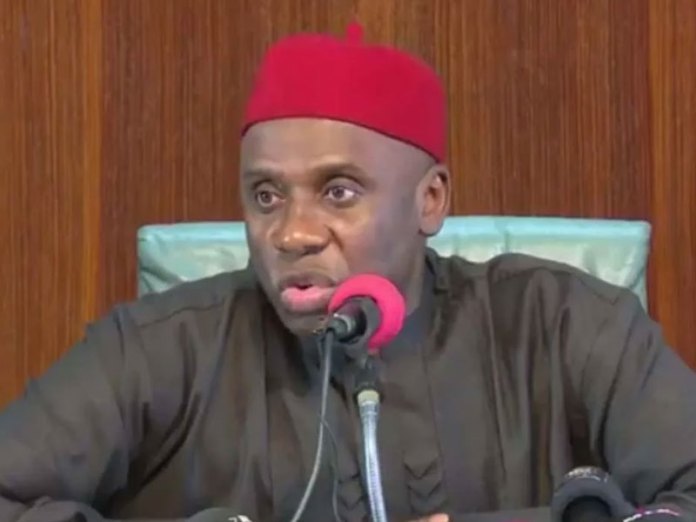
- Minister threatens to stop train operations
Minister of Transportation, Rotimi Amaechi, has said that the inauguration of the Lagos-Ibadan rail line has been put on hold due to the upsurge in COVID-19 cases in the country.
He has threatened to shut down the Lagos-Ibadan and the Abuja-Kaduna train services if any case of the pandemic is detected among passengers.
Amaechi, who disclosed these in Abuja, also said that over 60 workers on project site had been infected by COVID-19 while trying to complete the project.
President Buhari was expected to formally inaugurate the 156km standard gauge rail line early this month to kick-start its full operation as stated by the minister during his last inspection of the project last month.
He added that the Lagos-Ibadan railway project to be completed this month would be inaugurated virtually by President Buhari.
Amaechi also spoke on the some construction workers that contracted COVID-19 in course of working on the Lagos-Ibadan railway project.
“First, let us admit that over 60 of our staff, not ministry of transport staff, but the staff working on the rail project have been infected by COVID-19. Luckily, nobody has died and I pray nobody will die, but you see the kind of sacrifice everybody is making to get the rail to function.
“They are people sacrificing their lives to get to that point, we are of the view when we made that decision that Nigeria will not say 2020 was a bad year, so remove one year and add another year to Buhari administration.
“As far as we are concerned, we need to learn how to live with COVID-19, I really want to congratulate those that achieved that feat, we were to inaugurate first week in January. We had to stop those doing minor completion because of the rise in COVID-19 transmission.
“The timeline for inauguration will depend on COVID-19. If COVID-19 stops today or reduces, we will commission the project.”
Amaechi further stated that the train services on all routes might stop if passengers failed not adhere to the COVID-19 protocol.
“We will allow the train to run but if we see that we are conveying passengers who have COVID-19 from Lagos to Ibadan, we will stop it; just like we are threatening to stop Kaduna-Abuja, if people don’t comply with the COVID-19 protocol.”
According to him, the Abuja-Kaduna route conveys about 4,000 passengers daily, adding that if anyone transmitted COVID-19 onboard, it would be a serious challenge.
The Nigerian Railway Corporation (NRC) had in December 2020 commenced operations of the 156km Lagos-Ibadan standard gauge rail line.
Speaking on a live television programme, Amaechi said train passengers must comply with all COVID-19 protocols during their trip.
“If we see that we are conveying passengers who have COVID-19 from Lagos to Ibadan and Ibadan to Lagos, we will stop it just like we are threatened to stop the one from Kaduna to Abuja if people don’t comply with the COVID-19 protocols.
“Don’t forget that on Kaduna-Abuja, we convey 4,000 passengers in a day. Imagine that about 20 per cent have COVID-19, they can transmit COVID-19 to the entire passengers. The rate of transmission will be high. The same is applicable to Lagos. Everybody must comply with the COVID-19 protocols, wear your masks till the end of the journey,” he said.





Railway
Oyetola, VP’s aide, Opeifa to drive discussions at 2026 TCAN Transport Summit
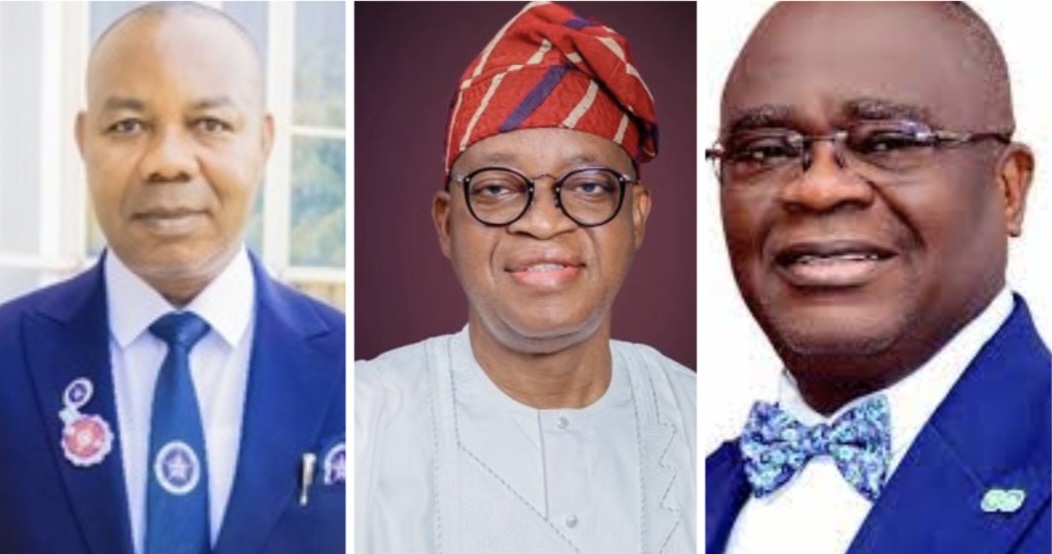
Oyetola, VP’s aide, Opeifa to drive discussions at 2026 TCAN Transport Summit
LAGOS – Nigeria’s drive to build a more efficient and integrated transportation system will take centre stage on September 24 as the Minister of Marine and Blue Economy, Dr Adegboyega Oyetola, the Technical Adviser to the Vice President on Transportation, Logistics and Innovation, Dr Segun Obayendo, and the Managing Director of the Nigerian Railway Corporation (NRC), Dr Kayode Opeifa, have confirmed their participation in the 2026 Transportation Summit organised by the Transportation Correspondents Association of Nigeria (TCAN).
Their participation is expected to provide a major boost to the annual summit, which has evolved into one of the country’s foremost platforms for discussions on transportation policy, infrastructure development, logistics and sustainable mobility.
The summit, themed “Unlocking Nigeria’s Economic Growth Through Transportation Logistics,” will bring together policymakers, regulators, transport operators, industry leaders, development partners, academics and other stakeholders to chart practical pathways for strengthening Nigeria’s logistics ecosystem and accelerating economic growth.
Participants will examine the current state of the nation’s transportation architecture across the road, rail, maritime and aviation sectors, while identifying solutions to the bottlenecks hindering seamless movement of passengers and cargo.
Discussions will also focus on multimodal transport integration, investment opportunities within the logistics and supply chains, digital transformation, infrastructure financing, and public-private partnership initiatives.
READ ALSO:
- Is Nigeria’s Electricity Tariff Going Up? FG Finally Breaks Silence
- ISWAP finance chief surrenders to Nigerian troops with two children in Borno
- Al-Mustapha Fires Back: Ex-DSS Officer’s Account of Abacha’s Death Is a Lie, I Have CCTV Evidence
TCAN Chairman, Mr Tola Adenubi, said the summit would equally review regulatory frameworks needed to improve operational efficiency and enhance Nigeria’s competitiveness in the global logistics industry.
According to him, the confirmation by Oyetola, Obayendo and Opeifa underscores the Federal Government’s commitment to engaging stakeholders in driving reforms that will reposition the nation’s transport sector.
Oyetola is expected to deliver the keynote address, outlining the Federal Government’s agenda for the marine and logistics sector, ongoing reforms, infrastructure investments and policies aimed at improving intermodal connectivity, boosting port efficiency and strengthening the country’s logistics value chain.
Obayendo will provide insights into the transportation and logistics components of President Bola Ahmed Tinubu’s Renewed Hope Agenda, highlighting key reforms and their impact on national economic development.
Opeifa, on his part, will present updates on the railway modernisation programme, operational improvements, rail safety, passenger and freight services, and the expanding role of the Nigerian Railway Corporation in supporting economic growth.
Expressing optimism over the calibre of participants, Adenubi said the summit would offer stakeholders a rare opportunity to engage directly with key government officials shaping Nigeria’s transportation future.
“We are delighted that the Honourable Minister of Marine and Blue Economy, Dr Adegboyega Oyetola, the Technical Adviser to the Vice President on Transportation, Logistics and Innovation, Dr Segun Obayendo, and the Managing Director of the Nigerian Railway Corporation, Dr Kayode Opeifa, have accepted our invitation to participate in the 2026 TCAN Summit.
“Their presence will provide participants with first-hand insights into the Federal Government’s vision for the transport sector while creating opportunities for meaningful engagement between policymakers, industry operators and the media,” he said.
Beyond the keynote sessions, the summit will feature presentations by government agencies and leading players across the transportation and logistics value chain, alongside networking sessions designed to strengthen collaboration across the road, rail, maritime, aviation and multimodal transport sectors.
As part of the event, TCAN will also recognise individuals and organisations that have made significant contributions to the growth of Nigeria’s transport industry through its “Champion of Transport Industry Development” compendium.
The summit is scheduled to hold on September 24, 2026, at Radisson Hotel, Ikeja, Lagos.
Oyetola, VP’s aide, Opeifa to drive discussions at 2026 TCAN Transport Summit
Railway
NRC, Police Intensify Crackdown on Railway Vandals as Opeifa Pushes for Tougher Asset Protection
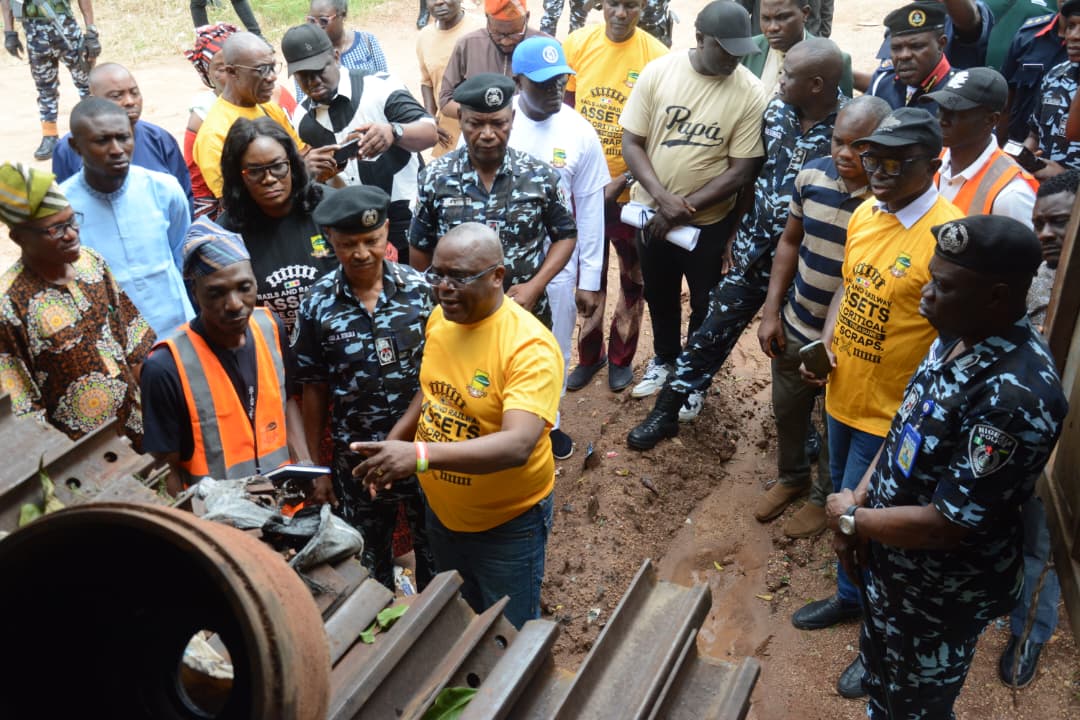
NRC, Police Intensify Crackdown on Railway Vandals as Opeifa Pushes for Tougher Asset Protection
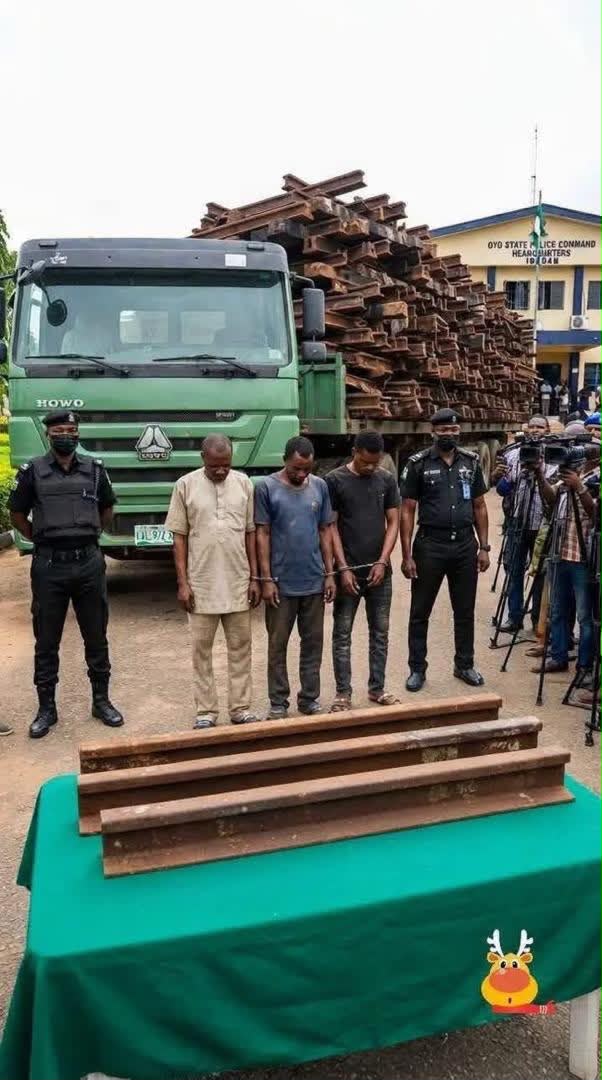
Managing Director of the Nigerian Railway Corporation (NRC), Dr. Kayode Opeifa, has vowed to strengthen the Corporation’s partnership with the Nigeria Police Force and other security agencies to combat vandalism and safeguard Nigeria’s railway infrastructure, following the recent arrest of three suspected railway vandals and the recovery of stolen materials valued at about ₦200 million.
Opeifa made the pledge on Friday during a courtesy visit to the Commissioner of Police, Oyo State Command, CP Olugbenga Ayodeji Abimbola, at the Command Headquarters in Eleyele, Ibadan.
He described the nation’s railway infrastructure as a strategic national asset that must be protected from criminal activities capable of disrupting rail operations and undermining the Federal Government’s investments in the sector.
Accompanied by the Commissioner of Police, Nigeria Railway Police Command, CP Lasisi Titilola, Opeifa said the NRC would continue to work closely with security agencies to ensure that all suspects arrested for vandalising railway facilities are thoroughly investigated and prosecuted to serve as a deterrent to others.
The NRC boss praised the Oyo State Police Command and the Nigeria Railway Police Command for their professionalism, vigilance and swift response, which led to the arrest of the three suspects during an intelligence-led operation.
The suspects were intercepted while allegedly transporting vandalised railway materials from Niger State to Lagos, with the recovered items estimated to be worth about ₦200 million.
Describing the operation as a significant breakthrough in the fight against railway vandalism, Opeifa said the success underscored the value of sustained collaboration between the Corporation and security agencies in protecting critical public infrastructure.
He reaffirmed the Corporation’s resolve to deepen cooperation with the police, other security agencies, state governments, host communities and relevant stakeholders to curb vandalism, theft and sabotage across the country’s railway network.
Opeifa also appealed to members of the public to support the campaign against railway vandalism by providing credible and timely information that could help security agencies prevent attacks on railway facilities.
“The Nigerian Railway Corporation remains committed to delivering safe, reliable and sustainable rail transportation while working closely with security agencies and other stakeholders to protect the nation’s railway infrastructure,” he said.
Responding, the Commissioner of Police, Oyo State Command, CP Olugbenga Ayodeji Abimbola, called on the National Assembly to review existing laws on vandalism of critical national infrastructure by prescribing stiffer penalties for offenders.
He warned vandals and other criminal elements to stay away from Oyo State, assuring that the Command would continue to track, arrest and prosecute anyone involved in the destruction or theft of public infrastructure.
Abimbola added that the three suspects and the recovered railway materials would be handed over to the Nigeria Railway Police Command for further investigation and prosecution.
The renewed security collaboration comes as the NRC intensifies efforts to protect rail infrastructure amid ongoing investments by the Federal Government to modernise Nigeria’s railway network and improve the safety and reliability of rail transport nationwide.
Railway
NRC Begins Major Operational Reset with Review of 150 Standard Procedures
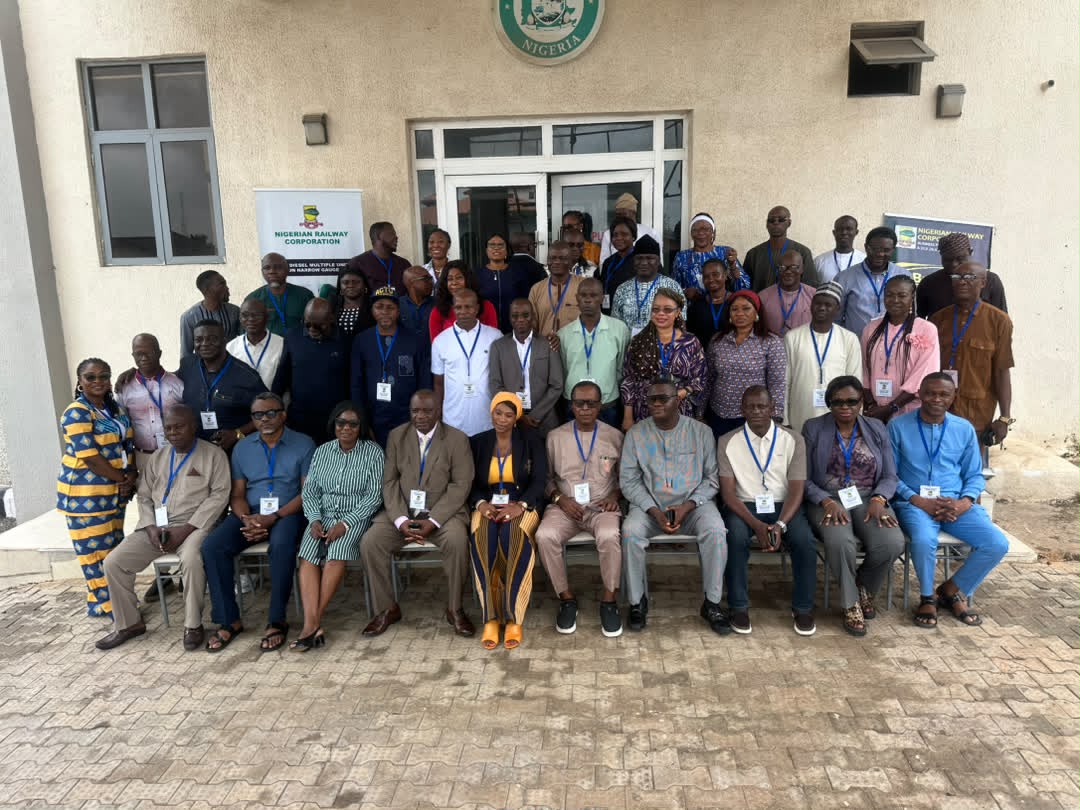
NRC Begins Major Operational Reset with Review of 150 Standard Procedures
The Managing Director of the Nigerian Railway Corporation (NRC), Dr. Kayode Opeifa, has launched a comprehensive review of more than 150 Standard Operating Procedures (SOPs) in a major push to improve safety, operational efficiency, accountability and service delivery across Nigeria’s railway network.
Speaking at the opening of a two-day Executive Standard Operating Procedure Review and Familiarisation Retreat in Abeokuta, Ogun State, Opeifa said the exercise would provide the Corporation with practical and enforceable operational guidelines capable of reducing risks, standardising procedures and driving excellence across all departments.
Represented by the Head of the Business Process Efficiency and Due Diligence (BuPED) Desk, Mr. Oyekunle Oyewole, the NRC boss stressed that the initiative was central to the Corporation’s transformation agenda.
According to a statement by the NRC’s Chief Public Relations Officer, Callistus Unyimadu, Opeifa described an SOP as more than a bureaucratic requirement.
“An SOP is not bureaucracy. It is a practical document that tells every member of staff—from the track to the boardroom—what to do, how to do it, and who is responsible,” he said.
He noted that well-designed SOPs would strengthen operational efficiency, enhance safety standards and align the Corporation’s operations with global best practices.
Opeifa urged directors and other participants to critically assess the existing procedures and produce documents that reflect the realities of a modern railway system.
“Review with the eye of a leader. Challenge existing gaps and own the solutions. Let us leave here with SOPs that are practical, enforceable and fit for the railway we are building today,” he charged.
The retreat, which commenced on Wednesday aboard the Lagos-Ibadan Train Service conference coach en route to Abeokuta, brought together directors, deputy directors, assistant directors, management staff and members of the BuPED team.
READ ALSO:
- Two Arrested for Smoking on Air Peace Flight from South Africa – Police
- “I Just Learned I Filed for Divorce” – Nnamdi Kanu’s Wife Breaks Silence
- NIS Releases Step-by-Step Guide for Contactless Passport Renewal Abroad
In his opening remarks, Oyekunle disclosed that over 150 SOPs were being reviewed to build a stronger, more efficient and better-coordinated organisation.
He added that increased collaboration among departments would improve teamwork and accelerate the Corporation’s transformation.
The Managing Director’s Technical Adviser on Train Operations, Mr. Adeife Akin Olukolade, described the SOP as a living document that must evolve with the changing demands of railway operations.
Drawing from more than two decades of railway experience across three continents, he expressed confidence that codifying the procedures would usher the NRC into a new era of operational excellence.
Also speaking, the Director of Operations, Mr. Akin Oshinowo, said the review would help reduce operational incidents, improve efficiency, ensure consistency in service delivery, strengthen compliance with established standards, guarantee value for money and promote a proactive work culture where employees perform their duties with minimal supervision.
He assured participants of management’s commitment to providing the necessary support for the successful implementation of the reviewed SOPs and embedding them into the Corporation’s operational culture.
The Director of Administration and Human Resources, Dr. Monsurat Omotayo, who presented the first technical paper on the role of capacity building in implementing SOPs, emphasised continuous staff training, effective leadership, a strong compliance culture and performance measurement as critical to successful implementation.
During the interactive session, participants underscored the importance of strict adherence to the SOPs by all categories of staff.
The Director of Civil Engineering and New Lines, Engr. Adekunle Ayeni, stressed that attitudinal change and effective consequence management would be key to successful implementation, advocating a balanced system of rewards for compliance and sanctions for violations.
The Managing Director’s Special Adviser on Media and Strategic Communication, Mr. Adeyinka Aderibigbe, described the retreat as a milestone, expressing optimism that the final document would become a benchmark for railway operators and service providers across the industry.
Similarly, the Deputy Director of Finance, Alhaji Abdullah, said the exercise marked the first time the Corporation would have a comprehensive operational document developed through the collective input of key departments, making it practical, inclusive and implementable.
The review covered SOPs for the Corporate Planning, Medical, Finance, Legal, Internal Audit, Information and Communications Technology (ICT), Procurement, Operations and Commercial, Civil Engineering, Mechanical, Electrical, Signal and Telecommunications (MEST), and Human Resources departments.
Closing the retreat, Dr. Omotayo thanked participants for their robust contributions and urged them to sustain the momentum as the Corporation moves to the implementation phase of the revised operational framework.
NRC Begins Major Operational Reset with Review of 150 Standard Procedures
-
 metro2 days ago
PFICP scandal: How ₦1.3bn ‘fake agency’ traced to Buhari’s government entered 2026 budget
-

 Politics3 days ago
Atiku denies Obasanjo’s N5m bribery claim, links accusation to 2027 presidential race
-

 Education3 days ago
Oluwo Urges Youths to Pair Degrees with Skills, Commends Westland University’s Excellence
-

 metro2 days ago
Dalung gives Mutfwang 72-hour ultimatum to withdraw apology to Igbos over civil war role
-
 metro3 days ago
Police Detain 4 Officers Over Viral Ethnic Profiling Video on Lagos–Benin Expressway
-
Politics1 day ago
2027 election: Atiku accuses Obasanjo of reviving false allegations to favour preferred candidate
-

 metro7 hours ago
NDLEA intercepts ₦10bn worth of cocaine, Loud, opioids in Lagos
-
 metro3 days ago
“No Governor Has Such Power” – MC Oluomo Fires Back at Gov Adeleke Over Osun NURTW Ban
You must be logged in to post a comment Login