

Opinion
Nigerians must replace tithes with taxes for speedy development– Reno Omokri
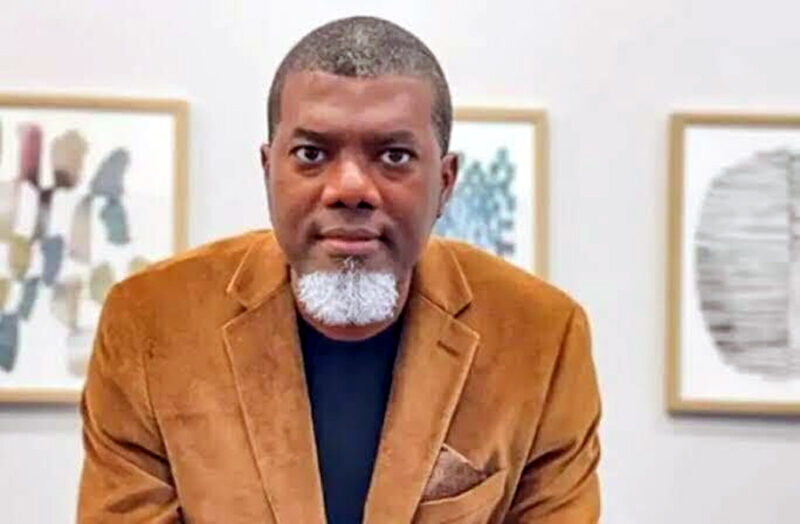
Nigerians must replace tithes with taxes for speedy development– Reno Omokri
Reno Omokri, ex-aide to former President Goodluck Jonathan, says if Nigeria must progress, Nigerians must stop paying tithes in churches and start paying taxes to the government.
He said Nigerians preferred paying tithes to their churches and then demanding for roads and proper infrastructure from their government to whom they hardly pay taxes.
“No matter how corrupt and inept you think the Nigerian government is, they are far more open and transparent about what they do with the little taxes you pay than any church in Nigeria. Do you see that guy who probed Emefiele? Jim Obazee.
“If President Tinubu should ask him to probe Nigerian mega-churches, some GOs would be in jail. Nigerian churches are some of the least regulated entities on planet earth,” Omokri said on his X page.
He added: “Okay, which church in Nigeria has given you, as a member, a breakdown of what they do with your tithes? Yet, you see their General Overseers and Senior Pastors living extravagant lives, even where there is extreme poverty in their congregations. They build schools, often with members tithes, that the children of those members cannot attend.
“In contrast, the Nigerian government publishes an annual budget of what they will do with your tax Naira. A budget that can and is often scrutinised and criticised by the public and media, because it is a public document. And when they spend the appropriated monies, the Freedom of Information Act allows you to get information on who was paid what, when and how.
“That is how the Minister of Humanitarian Affairs and Poverty Alleviation was exposed. But can you dare ask your pastors what they do with your tithes?”
READ ALSO:
- Fuel Scarcity: Marketers blame supply hitch as queues resurface in Lagos, Ogun
- Over 50,000 Nigerian pilgrims to perform 2024 Hajj – NAHCON
- New electricity tariff: DisCos get April 11 deadline to refund wrongly billed customers
Omokri stated that Nigeria would never reach its full potential if Nigerians did not pay taxes, saying “It works both ways. Taxes give the government more funds, and make the citizens more vigilant over how their government spends their money.
“According to the World Bank, taxes account for 39% of the GDP of Germany, 46.3% in Denmark, 45.4% in France, 42.9% in Sweden and Belgium, 34.1% in Japan, and 23.7% in South Africa. But in Nigeria, it is an abysmally low rate of less than 10%.
“Despite the above, no citizen of any country is as entitled as a Nigerian. Our government earns about $30 billion a year from oil and gas to a population of 220 million people. And on that basis, we want cheap fuel, electricity, and high minimum wages, as well as free education and pipe-borne water.
“Yet, according to Statistica, Nigeria has a higher rate of paying tithes than the above listed countries. Why are we not individually and collectively prospering more than those countries?
“The statistics are clear: countries with high tax payments and low tithe payments prosper individually and collectively more than nations with low tax payment and high tithe payment.
“Yeshua said “give to Caesar what belongs to Caesar, and give to God what belongs to God.” Money belongs to Caesar (government). Pay your taxes. Tithes in Scripture were ONLY agricultural. They were NEVER monetary. And they were only requested by God from Jews and paid ONLY to Levites-Numbers 18:24.
And tithes were agricultural only. The reason for this was that the Levites were not allowed to farm. The modern payment of tithes in Christendom (as opposed to Christianity) cannot be supported by ANY Scripture.
“These preachers will use a verse from Malachi 3:10, which states: “Bring the whole tithe into the storehouse, that there may be food in my house.”
“However, note that a storehouse refers to a barn, where only food and other agricultural produce were kept. The Jews were never asked to bring money.
“Additionally, there are multiple other laws in Malachi and the laws of Mosaic, which include laws allowing polygamy. If they take that law from Malachi, why do they not observe the other 612 or so other laws? Because it is all about the Benjamins, baby!”
Nigerians must replace tithes with taxes for speedy development– Reno Omokri







Opinion
Ejimakor: Kanu, IPOB Members Should Not Be Jailed Over Biafra Agitation
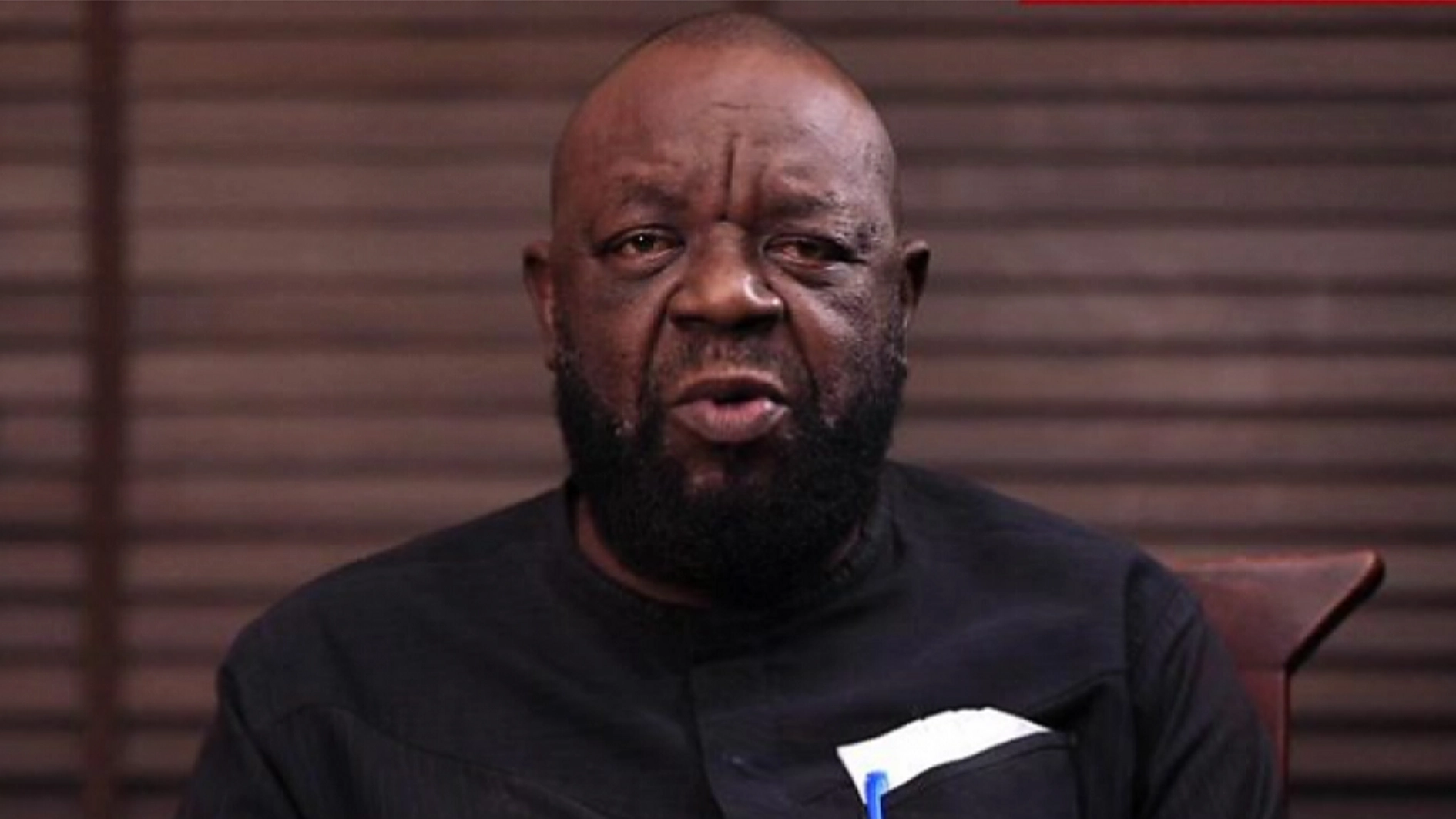
Aloy Ejimakor, Special Counsel to Indigenous People of Biafra (IPOB) leader Nnamdi Kanu, has called for the release of people he described as prisoners of conscience ahead of Nigeria’s 2027 general elections.
Ejimakor made the demand while arguing that the continued imprisonment of Kanu and other alleged IPOB members for their separatist position could further deepen political and social divisions in the country.
In a statement issued on Saturday, the lawyer said the Nigerian government should address the grievances driving calls for Biafra rather than relying on prosecution and imprisonment.
He maintained that advocating for self-determination, regardless of how controversial or forceful the expression may be, should not automatically amount to terrorism or treason.
According to Ejimakor, democratic societies should have room for political opinions that are unpopular or challenging to the existing order.
He warned that punishing people for expressing separatist aspirations could create greater resentment and make efforts at national reconciliation more difficult.
The lawyer also pointed to examples of countries and territories where demands for self-determination had resulted in political processes, including referendums.
Ejimakor argued that Nigeria should similarly consider political engagement and dialogue as a way of addressing the Biafra question.
He further criticised what he described as the criminalisation of political dissent, saying the government should focus on resolving the grievances behind the agitation.
The lawyer consequently urged the Federal Government to consider freeing what he called prisoners of conscience before the 2027 elections, arguing that dialogue and a political settlement would offer a more sustainable path to peace.
Health
“Cheap Alcohol Fuels Banditry”: NAFDAC Chief Stands Firm on Sachet Ban
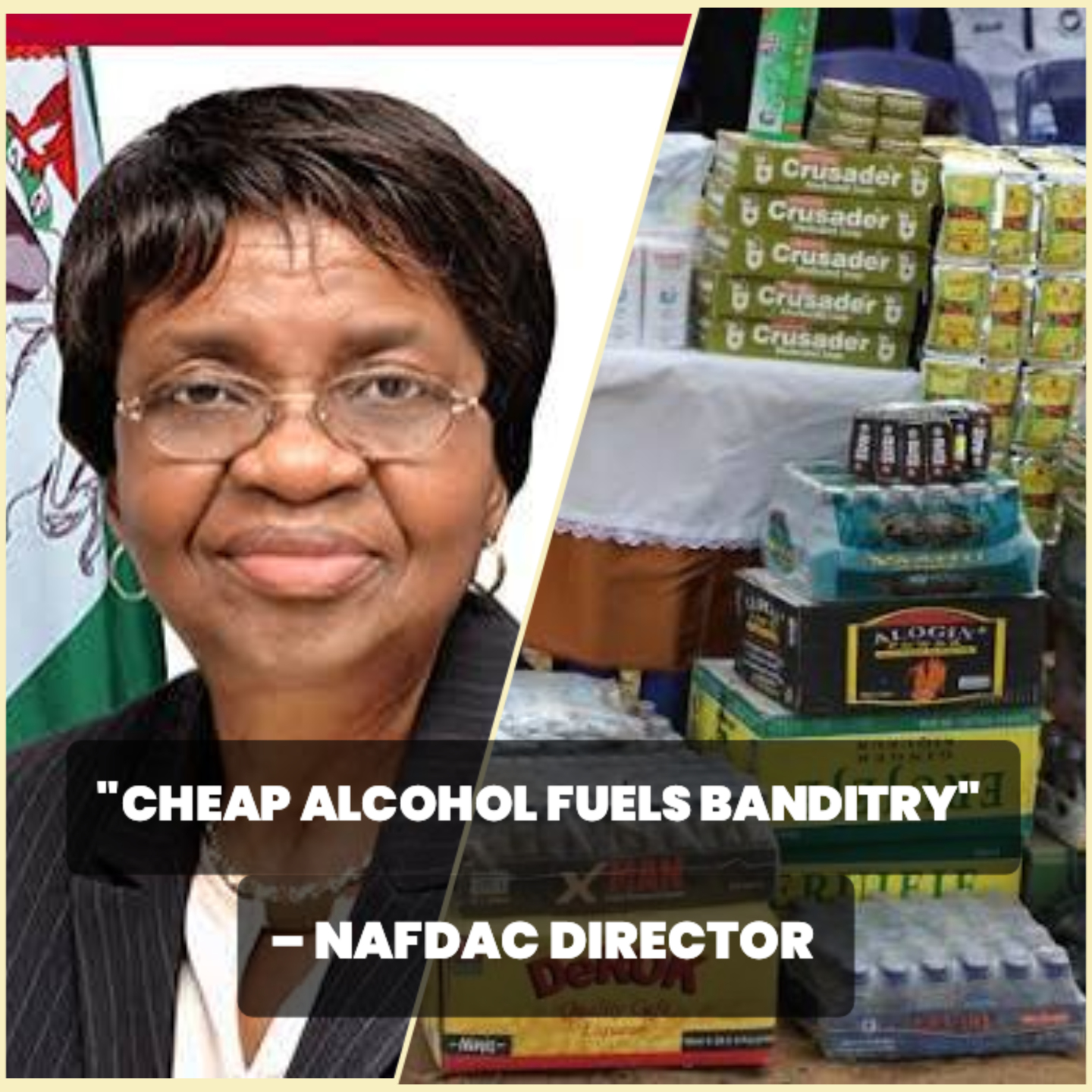
Nigeria’s top food and drug regulator has linked the widespread availability of pocket-sized alcohol directly to violent crime and a mounting public health crisis.
Opinion
2027: Tinubu May Get Less Than 10% of Northern Votes — Ard
2027: Tinubu May Get Less Than 10% of Northern Votes — Ard
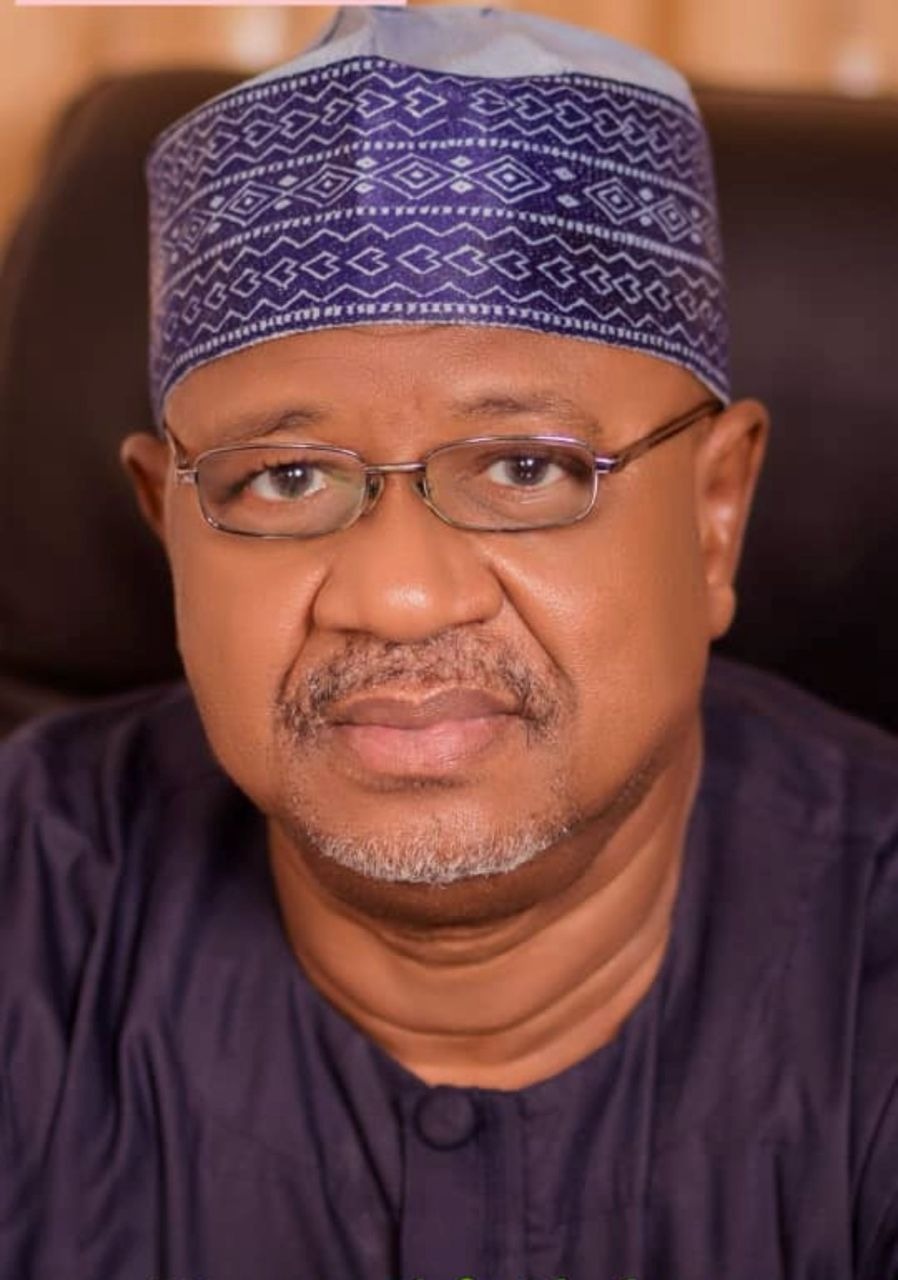
President Bola Tinubu could suffer a dramatic collapse in his Northern support in the 2027 presidential election, securing less than 10 per cent of votes from the region if the poll is free and credible, Convener of the League of Northern Democrats and key promoter of the All-Democratic Alliance (ADA), Dr Umar Ardo, has predicted.
Ardo made the prediction on Monday in an interview on Frontline, a current affairs programme on Eagle 102.5 FM, Ilese-Ijebu, Ogun State, arguing that the outcome would largely reflect how Northern voters assess the Tinubu administration’s performance.
He identified insecurity, worsening poverty, economic hardship and the rising cost of living as major issues likely to influence voting decisions in the region.
According to him, the persistent insecurity affecting communities, farmers, traders and businesses remains one of the administration’s biggest challenges.
READ ALSO:
- JUST IN: Tension in Benue as Suspected Thugs Attack Peter Obi’s Convoy, Block Access
- FIFA, CAF suspend NFF election as Nigeria football reforms face fresh review
- NNPC Disowns Cannabis-Laden Tanker, Threatens Legal Action Over Brand Misuse
“You can solve the issue of insecurity and insurgency in one year,” he said, insisting that the Federal Government could significantly reduce the crisis with the right strategy and sufficient political will.
Ardo also faulted the administration’s economic reforms, particularly the removal of fuel subsidy, questioning whether ordinary Nigerians had experienced corresponding benefits.
“Subsidy removal, is it a benefit?” he asked, arguing that the reforms had eroded purchasing power and made basic necessities increasingly unaffordable.
He said the impact had been particularly severe in Northern Nigeria, where a large proportion of the population is economically vulnerable.
“The economic reform has pushed from the state of poverty to destitution,” he said.
The political commentator also raised concerns about political representation under the Tinubu administration, arguing that the composition of government could shape public perception of its commitment to different regions.
Ardo said Northern voters should not be assumed to be permanently aligned with the voting pattern recorded in 2023, stressing that prevailing economic and security conditions would determine their choices in 2027.
“If a free, fair and credible election is conducted in Nigeria, Tinubu can’t get 10 percent of the Northern part,” he declared.
His prediction puts the spotlight on the opposition’s capacity to exploit any erosion of Tinubu’s Northern support, with former Vice President Atiku Abubakar and other opposition figures potentially positioned to benefit from any major electoral realignment.
2027: Tinubu May Get Less Than 10% of Northern Votes — Ard
-

 metro1 day ago
Woman disguises as Muslim woman in Niqab to steal in Ado-Ekiti market, video sparks outrage
-

 metro2 days ago
Police Arrest Woman Over Fake OPay Shutdown Notice
-

 Politics2 days ago
Amaechi will be caged politically, Wike shouldn’t bother about Ikwerre votes — Wihioka
-

 metro2 days ago
Residents Cry Out Over Poorly Constructed Entrance of Ademola Abiola Street, Demand Urgent Intervention
-
 Politics2 days ago
Remi Tinubu Appeals To South-East Voters, Says She Wants To ‘Enjoy Nigeria’ In Old Age
-
 Politics2 days ago
Breaking the Cycle of Collective Guilt: When a Ruling Party Voice Backs Peter Obi
-

 News1 day ago
AI on the Roads: LASTMA Turns to China to Fix Lagos Traffic
-

 Africa1 day ago
Murder of Nigerian Bishop in South Africa Sparks Outcry Over Unsolved Killings