

News
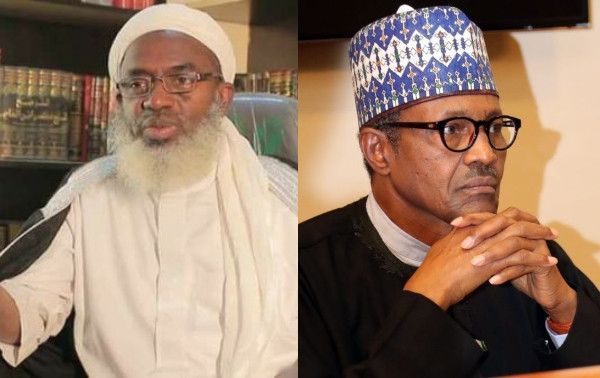
Bandits shun Gumi, ask Buhari to lead peace talk
- No legal basis for dialogue with bandits – Senior lawyers
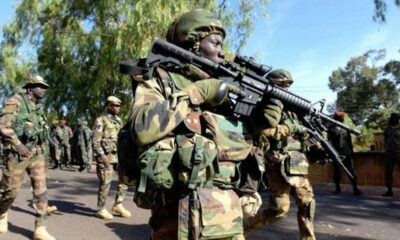
Bandits causing mayhem in many parts of the country through killings and kidnappings have asked President Muhammadu Buhari to personally lead peace talks with them.
They may have thus shunned the mediation being embarked upon by a popular Islamic cleric, Sheikh Ahmad Gumi, between them and the government for the release of students and other kidnapped people in their captivity.
But some senior lawyers have cautioned against the ongoing appeasement of bandits, terrorising several states through dialogue between them and some governors as well as non-state actors.
Some of the bandits who demanded this accused the President of not being serious about the ongoing peace talk or calls for amnesty for them to make them to stop their attacks.
In the past few months, bandits have carried out series of attacks and kidnappings, including secondary schools, especially in northern Nigeria.
Gumi had met with some of the bandits in the forests of Zamfara, appealing for peace.

But in an interview with Daily Trust, a masked bandit said if Buhari could travel around the country when he was campaigning, nothing should stop him from coming for peace talks.
He said an agreement was earlier reached with his group, but they were soon abandoned in the forest.
“An agreement was reached, but you left that person in the forest with a gun and nothing to substitute. What do you expect? How do you want that person to survive? All the promises made to us none of it was fulfilled,” he said.
“The president should personally come and preside over the talks. When he was campaigning, he travelled all over, why would he not do it now? He does not take these peace talks seriously and everyday people are being killed.
“There is no day that someone is not killed between Zamfara, Niger, Kaduna, Sokoto and Katsina. There is no tribe that is spared, gunmen kill, soldiers kill, vigilantes kill. Whoever you see with a gun today in Nigeria, he uses it to kill people. You may not know but if I were to tell you the situation of things in this country, you will cry. Even the president will cry.
“We supported this administration and accepted dialogue because we thought Buhari will fix this country, but he won’t fix this country. From the time he praised Goodluck, Obasanjo, and Yar’Adua, these were not praiseworthy. It would have been better if he had praised Abacha, because, under Abacha, pastoralists were being educated.
“During Abacha, there was allocation in the budget for the nomadic communities. There was no such thing again since Obasanjo became president. They stopped looking after the Fulanis. Their forests and grazing areas were taken over.”
He said they took up arms because they, as herders, were not carried along by the government.
According to him, the herders had no security as they were being killed, and the government didn’t do anything.
He also accused the government of not providing education and jobs for their young ones.
But some senior lawyers described dialogue with the bandits, who had kidnapped and killed hundreds of people in Katsina, Niger, Kaduna, Benue, Plateau, Zamfara and Sokoto States, among others, as illegal as there is no legal framework to support it.
The lawyers such as former Director-General of the Nigerian Institute of Advanced Legal Studies, Prof. Epiphany Azinge (SAN); former Chairman of the National Human Rights Commission (NHRC), Prof. Chidi Odinkalu; Mr. Dayo Akinlaja (SAN) and Prof. Yemi Akinseye-George (SAN), spoke in separate interviews with THISDAY against the backdrop of negotiations with the bandits in order for them to end attacks on various communities in the affected states.
Gumi recently after visiting the camps of the bandits called on the government to grant those willing to make peace ‘blanket amnesty’ if the current security situation must be tackled.
The Nigeria Governors’ Forum (NGF) has also reportedly expressed its readiness to enter into dialogue with the bandits to resolve the current security challenges.
Azinge said it is unacceptable to engage criminals.
“In all criminal jurisprudence, you will always see that the issue of conspiracy to commit a crime or the issue of aiding and abetting the crime has always been criminalised,” he stated.
He added that anyone who negotiates with suspected criminals, whether authorised or not, is aiding and abetting crime.
“This is not something that should be encouraged in any form. It is another way of saying that government is boldly and clearly saying that it has lost grip and is no longer in control,” he stated.
Similarly, Odinkalu condemned negotiation with bandits, saying they have committed offences against the laws of the land and must be punished, accordingly.
He said: “This is not necessarily a matter on which the constitution provides specific instructions. You have to read the tea leaves and other things. It is rather simple to do so.
“Look, the constitution guarantees a right to life for every Nigerian and makes it a crime to kill another without lawful justification.”
He added that reprisal, such as Gumi was speaking about, is not the lawful justification for killing.
“So, that is a crime. Government has a duty to ensure accountability for such crime, not to negotiate it away,” he said.
Akinlaja said there was no legal basis for negotiating with bandits or any criminals.
“Assuming without conceding that there is a legal rule that allows for negotiation with criminals, the very heinous, traumatic and pervasive nature of the banditry that has seemingly held our nation by the jugular would even make it an exception to that rule,” he stated.
Akinseye-George described negotiating with bandits as an admission of state failure.
“Those who negotiate with bandits may indirectly be encouraging banditry,” he said.
Akinseye-George distinguished between what is currently going on and amnesty, stating that amnesty involves a change of heart on the part of the wrongdoers and surrender of arms in exchange for amnesty.








News
Anambra Debt Row: Presidency Challenges Peter Obi as State Releases N127.4bn Loan Records
Anambra Debt Row: Presidency Challenges Peter Obi as State Releases N127.4bn Loan Records
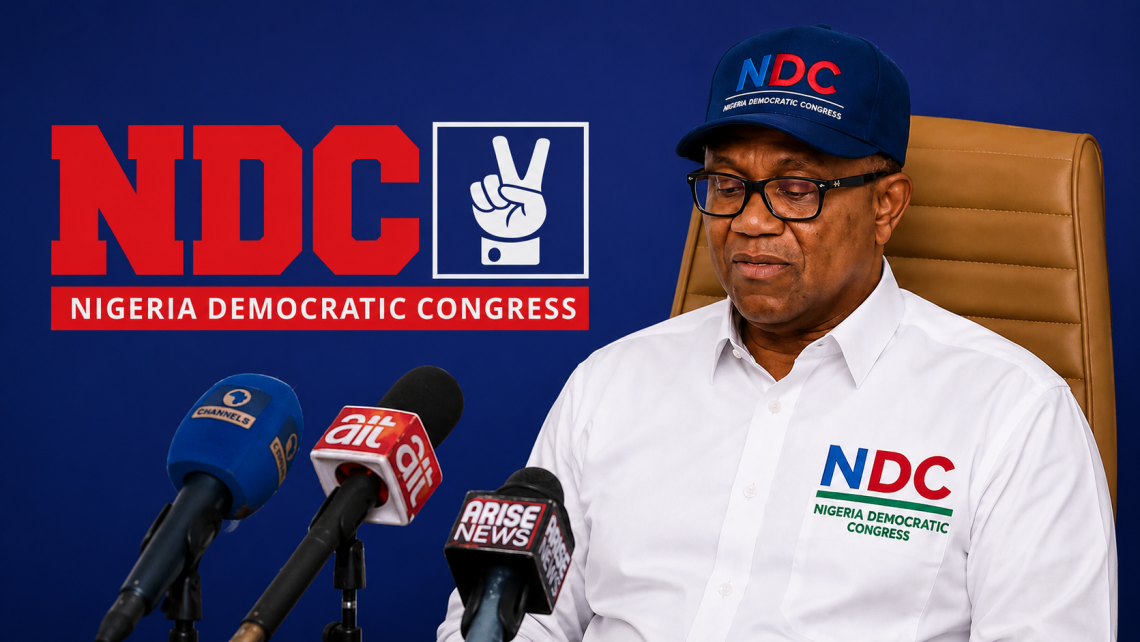
The controversy over the financial record of former Anambra State Governor Peter Obi has intensified after the Anambra State Government released details of eight external loans it said were contracted during his tenure, prompting a fresh challenge from the Presidency.
The dispute centres on whether Obi left Anambra State with outstanding financial obligations when he handed over power to Willie Obiano on March 17, 2014, with the former governor maintaining that his administration cleared the liabilities for which it was responsible.
The latest figures released by the state government put the total external loans contracted during Obi’s administration at $123.77 million, with $92.35 million still outstanding as of June 30, 2026. The state valued the outstanding balance at approximately ₦127.4 billion using the applicable official exchange rate.
The figures were contained in a statement by the Anambra State Commissioner for Information and Value Reorientation, Law Mefor, following Obi’s rejection of claims that his administration left behind unpaid debts, salaries, pensions, gratuities and other liabilities.
The state government said the eight external borrowings were associated with projects covering malaria control, healthcare, education, erosion management, community development and agricultural value-chain development. It also said the current administration continues to make payments towards servicing the loans.
The breakdown released by the state showed that the loans included the Malaria Control Booster Project, the Third National Fadama Development Project, the Health System Development Project II, the State Education Programme Investment Project, the Community and Social Development Project, the Nigeria Erosion and Watershed Management Project and the Value Chain Development Project.
READ ALSO:
- South African Woman Jailed 25 Years for Smuggling 5.75kg Heroin into Nigeria
- Adunni Ade Reveals Christian Fans Unfollowed Her After Publicly Identifying as Muslim
- Jetour Set to Storm Abuja Show with Rugged Luxury T2
The state said the largest outstanding balances were associated with the State Education Programme Investment Project and the Nigeria Erosion and Watershed Management Project, which together accounted for a substantial portion of the reported balance.
The Anambra Government has stressed that its position is not that borrowing by a government is inherently improper. Rather, it said the issue was the identification of financial obligations incurred during previous administrations and the extent to which such obligations remained outstanding and were subsequently serviced by later governments.
The state has also challenged Obi’s account of an alleged ₦2.13 billion ecological fund which he said was available when he left office.
Obi had maintained that the money was released shortly before the end of his tenure for the Oko/Umuchiana erosion project and was deliberately left untouched because it was tied to the project. He also said his administration left more than ₦75 billion in savings and investments.
The Anambra Government, however, disputed the former governor’s description of the account. Mefor said a certified statement from First Bank showed that the account identified by Obi was an Internally Generated Revenue Consolidated Account, and that the records did not contain an inflow or balance corresponding to the ₦2.13 billion ecological fund claimed by the former governor.
The state government also raised issues concerning salary arrears, pensions and gratuities.
Mefor alleged that workers of the former Water Corporation had outstanding salary claims dating back to the period of Obi’s administration and that the current government had been dealing with the obligations through instalment payments.
The state further said Obi’s administration had verified 16 months of salary arrears owed to primary school teachers but paid only five months before leaving office. It said the present administration had subsequently paid about ₦22 billion in inherited gratuity arrears owed to retired state and local government workers and teachers.
Obi has rejected those allegations.
The former governor said his administration cleared more than ₦35 billion in historical gratuities and arrears and handed over the state without outstanding salary, pension or gratuity obligations.
He has also maintained that there were no unpaid liabilities to contractors for projects that had been properly executed and certified before his departure from office. Obi challenged the Anambra Government to provide evidence to support its allegations and said he would withdraw from the 2027 presidential race if it could establish that he left the state with the liabilities being attributed to him.
As the controversy deepened, the Obidient Movement released a copy of what it described as Obi’s 2014 financial handover report.
The document, dated March 17, 2014, reportedly summarised Anambra’s financial position at the end of Obi’s tenure. According to reports on the document, it listed ₦27 billion in local investments, $156 million in foreign-currency investments valued at about ₦26.5 billion, and ₦28.166 billion in certified state and ministry, department and agency balances.
The three figures were reported to total about ₦91.666 billion. After an estimated liability of ₦5 billion was deducted, the document arrived at a reported net balance of ₦86.666 billion.
The release of the handover document has added another layer to the dispute because the document describes the state’s financial position at the point of handover in 2014, while the current Anambra Government is highlighting loans that originated during Obi’s tenure but remained outstanding years after he left office.
The two positions therefore address different aspects of the state’s finances: Obi’s camp is relying on the financial position recorded at handover, while the state government is pointing to the subsequent outstanding balances on external loans and other obligations it says were inherited.
The Presidency has now entered the dispute.
Bayo Onanuga, Special Adviser to President Bola Ahmed Tinubu on Information and Strategy, said the Anambra Government had presented figures and records challenging Obi’s claim that he left the state without outstanding liabilities.
Onanuga asked whether Obi would honour his earlier statement about withdrawing from the 2027 presidential race if evidence emerged contradicting his account of Anambra’s finances.
The Presidency’s intervention has turned the dispute into a broader political issue ahead of the 2027 presidential election, in which Obi is the Nigeria Democratic Congress (NDC) presidential candidate.
Obi’s camp has, however, maintained that the matter should be resolved through documentary evidence rather than political exchanges. His representatives have continued to point to the 2014 handover document and his administration’s account of the financial position it left behind.
At the centre of the controversy is an important distinction between the original amount borrowed and the amount currently outstanding. The Anambra Government says the eight loans totalled $123.77 million when contracted, while $92.35 million remained outstanding as of June 30, 2026. The approximately ₦127.4 billion figure is therefore the reported naira value of the outstanding balance as of that date, not the original amount borrowed.
The dispute remains unresolved publicly, with the Anambra State Government maintaining that it has released records showing outstanding obligations linked to the period of Obi’s administration, while Obi maintains that he handed over the state without the unpaid liabilities alleged against him.
Further clarification will depend on how the underlying loan agreements, debt-servicing records, handover documents and other financial records are interpreted and reconciled.
Anambra Debt Row: Presidency Challenges Peter Obi as State Releases N127.4bn Loan Records
News
FG Targets 95% NIN Coverage by December 2026
FG Targets 95% NIN Coverage by December 2026
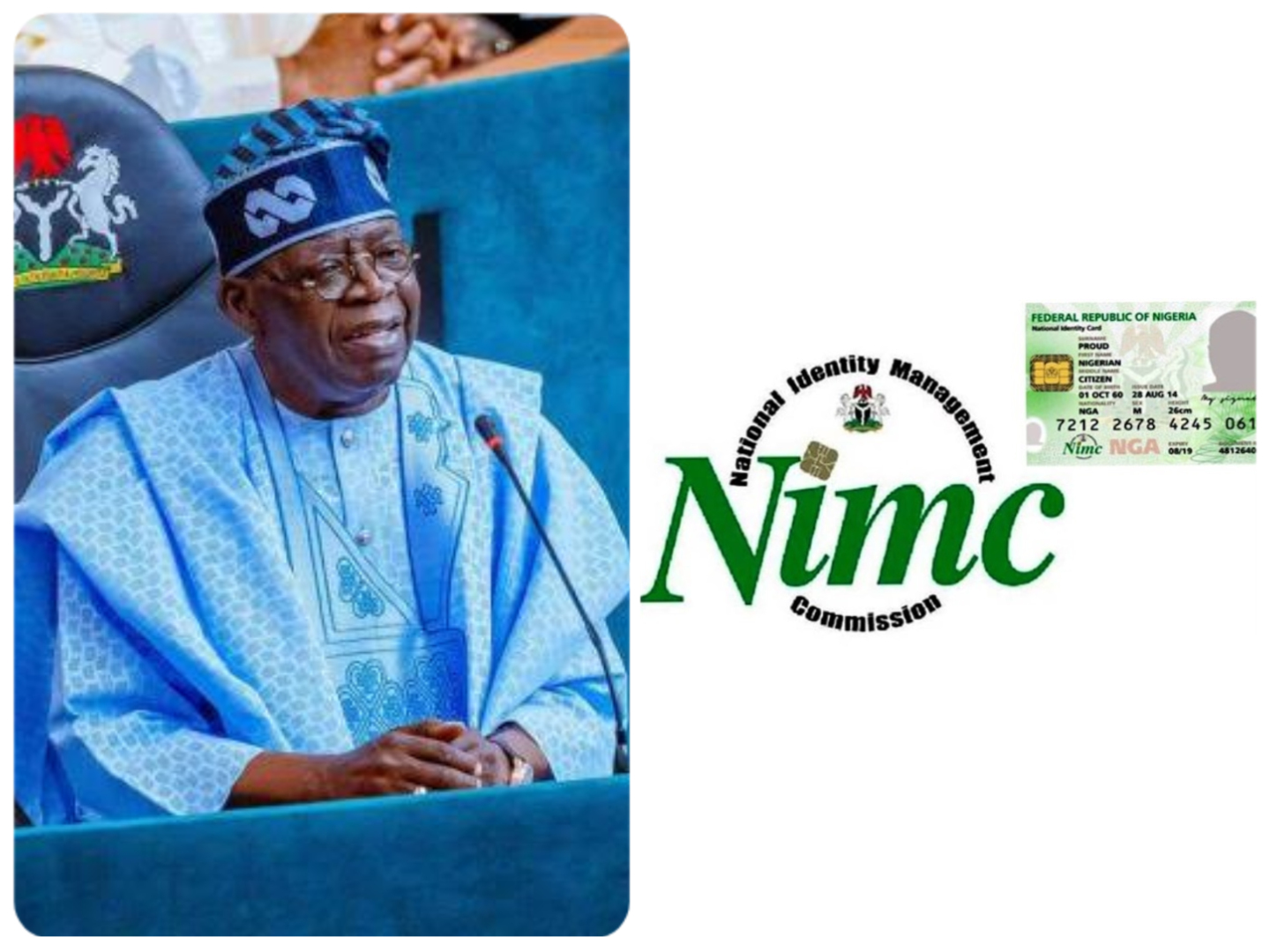
The Federal Government is targeting 95 per cent National Identification Number (NIN) coverage nationwide by December 2026 as it expands Nigeria’s digital identity system.
President Bola Tinubu announced the target during the 2026 National Identity Day celebration in Abuja, where he was represented by Chief of Staff Femi Gbajabiamila.
The President said NIN enrolment had risen to about 142 million, up from more than 80 million recorded when his administration came into office.
To reach the new target, the government plans to expand registration through ward-level enrolment, mobile registration initiatives and licensed agents. Reports from the event said free enrolment is being extended to all 8,809 wards across the country.
Identity System for Digital Economy
Tinubu said the government wants to build an identity infrastructure that can support Nigeria’s growing digital economy.
He said a secure national identity could make it easier to access services while supporting areas such as digital banking, healthcare, transportation and government programmes.
The President also said the expansion must go hand in hand with safeguards for citizens’ privacy and dignity.
Beyond enrolment numbers, he said the government was working towards a more connected digital public system, including electronic health records, e-transport services and a more coordinated national data architecture.
The NIMC’s ongoing expansion therefore aims not only to register more Nigerians and legal residents, but also to make the identity system a key part of how people access digital and public services.
FG Targets 95% NIN Coverage by December 2026
News
OAU Investigates Death of Final-Year Student as Police Begin Probe
OAU Investigates Death of Final-Year Student as Police Begin Probe
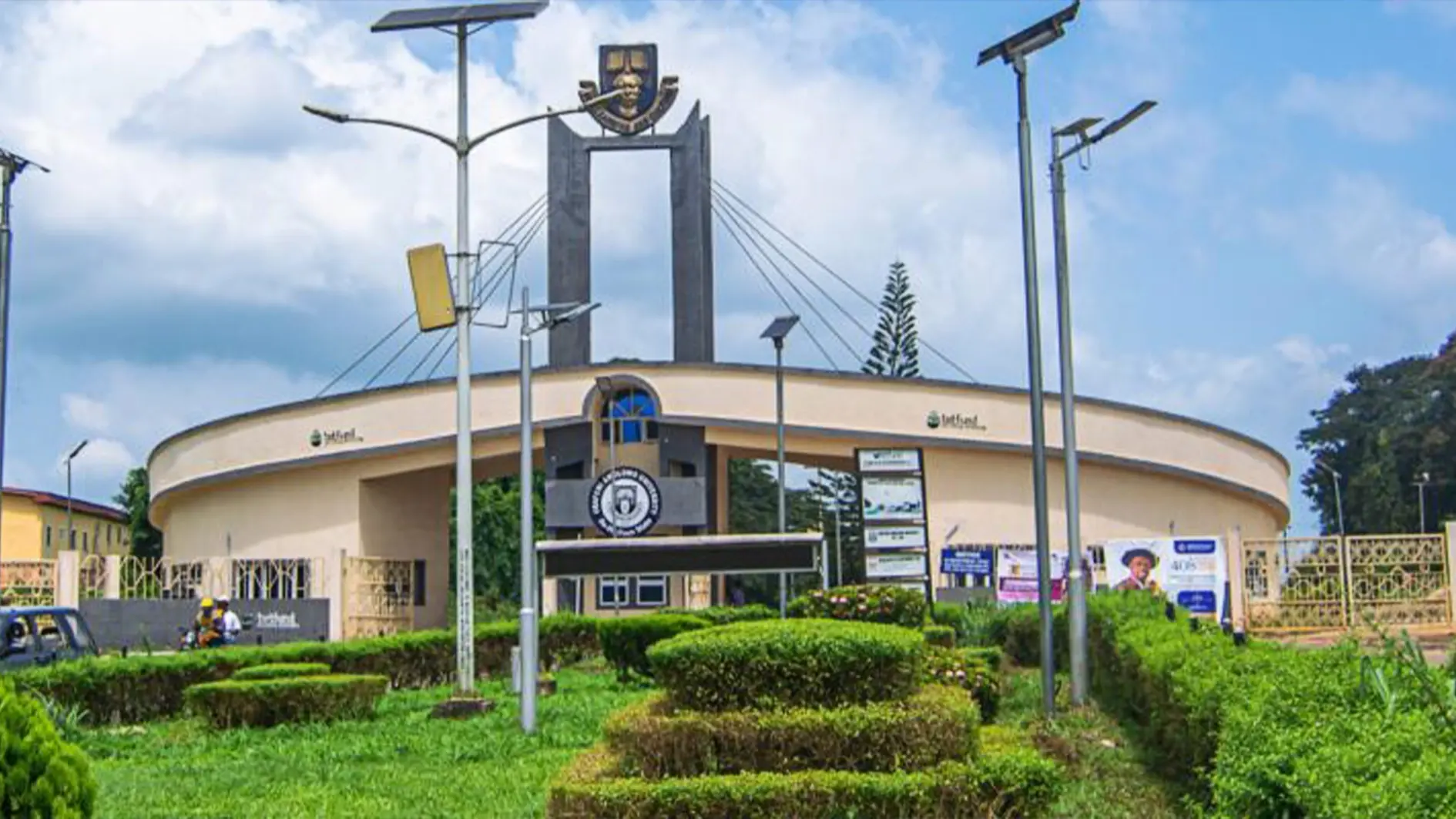
Obafemi Awolowo University (OAU), Ile-Ife, Osun State, is investigating the death of a final-year student of the institution.
The student, Oluwole Oluwosegun, was studying Materials Science and Engineering at the university.
According to the university’s Public Relations Officer, Olarewaju Abiodun, the incident occurred on Tuesday afternoon at the student’s off-campus residence around the Damico area of Ooni Layout, Ile-Ife.
After receiving the report, the university’s Quick Response and Security (QRS) Team went to the location. The team also contacted the Nigeria Police, after which officers from the ‘A’ Division in Moore, Ile-Ife, joined them at the scene.
The university later took the student to its Health Centre, where a medical doctor confirmed his death.
READ ALSO:
- 57-Year-Old Man Arrested Over Sexual Abuse of Stepdaughter in Edo
- US-Based Nigerian Lawyers Disbarred: Full List of Fraud, Theft and Misconduct Cases
- Katsina Police Rescue Two Kidnapped Women, Arrest Suspected Kidnappers
Police Begin Investigation
Following the incident, university authorities handed relevant information and items recovered from the scene to the police to support their investigation.
The police have since begun inquiries into the circumstances surrounding the student’s death.
Meanwhile, the university said it had informed the appropriate student affairs authorities to provide necessary follow-up, particularly regarding the welfare and emotional support of students affected by the incident.
Vice-Chancellor Professor Simeon Bamire also expressed condolences to the student’s family, friends, classmates and colleagues.
The university further encouraged students facing severe emotional distress, relationship difficulties, financial pressure or other personal challenges to seek help from trusted people and available university support services.
Professor Bamire reaffirmed the institution’s commitment to the welfare of its students and staff, stressing that no student should feel they must face overwhelming difficulties alone.
OAU Investigates Death of Final-Year Student as Police Begin Probe
-

 Politics3 days ago
2027: Northern Lecturers Back Tinubu, ASUU Disowns Endorsement
-

 metro3 days ago
Police Arrest Mother Over Alleged Brutal Abuse of 7-Year-Old Girl in Anambra
-

 Sports2 days ago
‘I Was Never the Chosen One’ — Dembele Responds to Mbappe
-

 International1 day ago
Islamic Council Condemns Attempted Attack on Holy City of Mecca
-
 News1 day ago
Keep Politics Out of My Office — Ogbomoso Grand Chief Imam Warns Politicians, Bloggers
-

 metro2 days ago
Lagos Power Outage: Ikeja Electric Blames TCN as Businesses, Homes Groan
-

 Education2 days ago
JAMB Moves 2027 UTME Time — Here’s What Candidates Need To Know
-
 Politics2 days ago
2027: APC Governors Reject Wike’s Rainbow Coalition, Insist on Party Loyalty
You must be logged in to post a comment Login