

Business
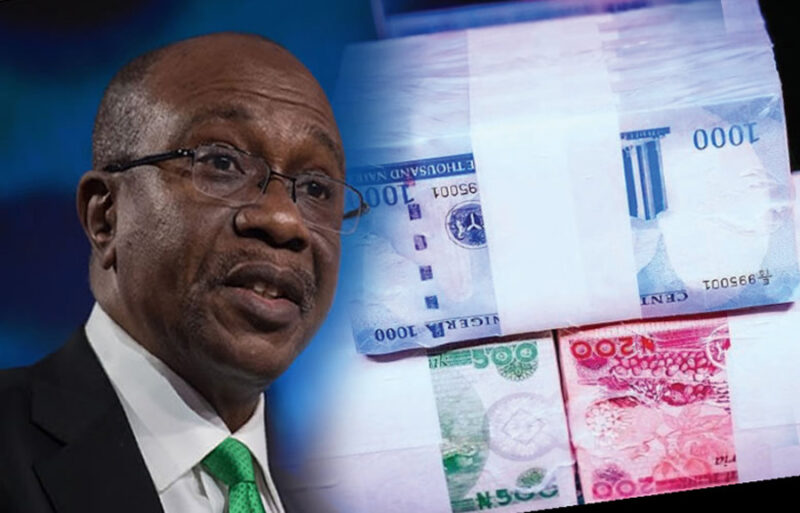
BREAKING: CBN to mop up dormant accounts, unclaimed balances in banks
BREAKING: CBN to mop up dormant accounts, unclaimed balances in banks
The Central Bank of Nigeria has said that it will mop up all dormant account balances and unclaimed balances in banks into a designated account it has created.
The apex bank said the balances will be invested in government securities and would be returned to the beneficiaries not later than ten days of notice.
This was disclosed in the Exposure draft of the Guidelines on the Management of Dormant Accounts drafted in April 2023.
The document repeals October 7, 2015, Guidelines on the Management of Dormant Accounts and Other Unclaimed Balances by Banks and Other Financial Institutions in Nigeria.
CBN said, “The Central Bank of Nigeria shall open and maintain an account earmarked for the purpose of warehousing unclaimed balances in eligible accounts. The account shall be called “Unclaimed Balances Trust Fund Pool Account”
The apex bank said eligible accounts are dormant accounts balances that have remained with the FIs for a period of 10 years and beyond.
READ ALSO:
- Nigeria to begin repayment of $800m W’Bank loan in 2027
- Ohanaeze reacts to Obi’s detention by London Immigration
- Update: Seven rescued, one missing in Lagos seven-storey building collapse
- My life in danger under Tinubu presidency, says 77-year-old Ojikutu
The eligible accounts and financial assets are: Current, Savings and Term deposits in local currency; Domiciliary accounts; Deposits towards the purchase of shares and Mutual Investments; Prepaid card accounts and wallets; Proceeds of uncleared and unpresented financial instruments belonging to customers or non-customers of FIs; Unclaimed salaries and wages, commissions, and bonuses.
Others are: Proceeds of stale local and/or foreign currency drafts not presented for payment by beneficiaries; Funds received from a correspondent bank without sufficient details as to the rightful beneficiary and/or a recall of funds made to the remitting bank to which the Nigerian bank’s account had not been debited and A judgment debt for which the judgment creditor has not claimed the amount of judgment award.
According to the CBN, Financial Institutions shall treat accounts and financial assets that have become dormant as follows:
“i. Formulate policies for the recognition and management of dormant accounts and financial assets that are consistent with this guideline and other extant regulations; ii. Establish effective controls to ensure surveillance and second-level authorization on reactivation of dormant accounts, among other measures;
“iii. Maintain a register of dormant accounts balances; iv. Transfer balances that have remained in the dormant account register for up to ten years to the ‘UBTF Pool Account; and v. Require customers seeking to reactivate dormant accounts to provide evidence of account ownership, valid means of identification, evidence of the present place of residence, and affidavit on the accuracy of the information to reactivate the account.
READ ALSO:
- Gangs of Lagos movie, a mockery of our heritage- Lagos govt
- EFCC arrests 11 suspected internet fraudsters in Borno
- FEC approves installation of baggage scanners in all railway stations
CBN said when it receives the unclaimed balances the apex bank will, “i. Open and maintain the ‘Unclaimed Balances Trust Fund Pool Account’; ii. Maintain records of the beneficiaries of the unclaimed balances warehoused in the UBTF Pool Account; iii. Invest the funds in Nigerian treasury bills (NTBs) and other securities as may be approved by the ‘Unclaimed Balances Management
Committee’;
“iv. Refund the unclaimed funds to the beneficiaries not later than ten (10) working days from the date of receipt of the request. v. Where it is imperative to extend the timeline, a notice of extension shall be communicated to the requesting FI stating reasons for the extension.”
The Central Bank said any bank or financial institution that contravenes any provision of the new guidelines would attract a penalty of not less than N2,000,000.
It added that failure to comply with CBN’s directive in respect of any infraction will attract a further penalty of N200,000 daily until the directive is complied with or as may be determined by CBN.
The Whistler







Business
Nigerians Pay N44 Extra Per Litre as Retailers Defy Falling Depot Prices – Full Report

Auto
Abuja Roars to Life as Jetour X50 Headlines Three-Day Motoring Experience
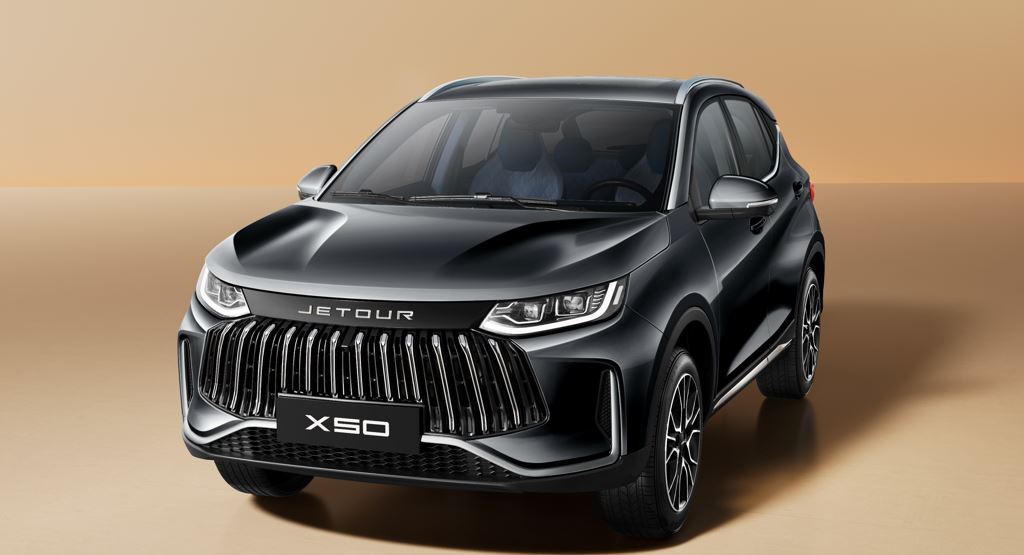
Abuja Roars to Life as Jetour X50 Headlines Three-Day Motoring Experience
Abuja is gearing up for a major motoring spectacle as Jetour Nigeria brings its fast-growing brand experience to the Federal Capital Territory, with the stylish Jetour X50 set to take centre stage in a three-day showcase of performance, technology and automotive innovation.
Scheduled for September 22 to 24, 2026, the Jetour Experience Abuja will move beyond the conventional vehicle exhibition, giving motorists and prospective buyers the opportunity to test-drive the X50, interact with automotive specialists and experience a range of entertainment and interactive activities.
The Abuja activation follows the strong reception recorded during Jetour Nigeria’s recent Lagos experience and forms part of the automaker’s strategy to deepen customer engagement while expanding its footprint across Nigeria.
Backed by an expanding authorised dealer network comprising Elizade Nigeria Limited, Mandilas Autos, Germaine Auto Centre, Kojo Motors, R.T. Briscoe, Tab Autos and New Era AutoVehicle Services, Jetour is also strengthening access to vehicle sales, after-sales support, genuine spare parts and certified technical services nationwide.
At the heart of the Abuja experience will be the Jetour X50, a compact SUV designed to combine contemporary styling, performance and a technology-rich driving environment.
Powered by a 1.5-litre turbocharged engine paired with a dual-clutch transmission, the X50 has positioned itself as a strong contender in Nigeria’s competitive compact SUV segment.
Jetour has equipped the model with a range of premium features, including a 360-degree camera, Blind Spot Detection, 10.5-inch infotainment system with Apple CarPlay and Android Auto, wireless charging and leather upholstery.
The combination of technology, comfort and performance is part of Jetour’s strategy of offering premium motoring features at competitive price points.
The Abuja event also highlights Jetour’s aggressive expansion strategy in Nigeria, following the brand’s recognition with industry accolades including Fastest Growing Auto Brand and Auto Brand of the Year.
With its expanding dealer network providing nationwide sales and after-sales support, Jetour is seeking to deepen customer engagement while making its vehicles and ownership services more accessible to motorists across the country.
As Abuja prepares to welcome the Jetour Experience, the three-day activation is expected to provide motorists with an opportunity to see, feel and drive the X50 while experiencing first-hand what is driving the brand’s growing appeal in Nigeria.
Business
Dangote Refinery Sets ₦525 Per Share for Landmark IPO

For ₦5,250, Nigerians could soon own a piece of the refinery that has reshaped the country’s fuel market.
-

 metro2 days ago
El-Rufai Demands ₦10bn from Defence Minister Over Southern Kaduna Killings Allegation
-

 Politics2 days ago
Why Did Peter Obi Attend Seyi Makinde’s Campaign Launch? Here’s What He Said
-

 News2 days ago
Lagos Moves to Slash Agency Fees, Curb Rent Hikes With New Tenancy Bill
-

 metro3 days ago
Oyoland Grand Chief Imam Celebrates Dr Sharafudeen Raji for Service to Islam
-

 metro2 days ago
Catholic priest leaves priesthood, weds Kenyan woman after 12 years in Kenya
-

 Politics2 days ago
JUST IN: Tension in Benue as Suspected Thugs Attack Peter Obi’s Convoy, Block Access
-

 Business3 days ago
After two decades, Tinubu approves Cabotage fund for Nigerian shipowners
-

 Entertainment3 days ago
My husband is a secure man – Mo Bimpe claps back at critics