

News
BREAKING: Gunmen Kill Teacher, Abduct Scores of Students in Borno School Attack

BREAKING: Gunmen Kill Teacher, Abduct Scores of Students in Borno School Attack
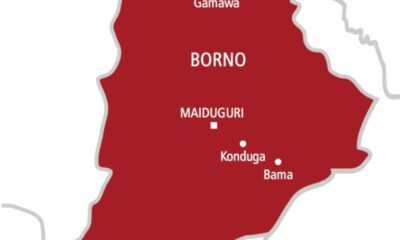
Lassa, Borno State – In a brazen daylight assault on Monday, suspected Boko Haram and Islamic State West Africa Province (ISWAP) terrorists attacked Government Day Secondary School in Lassa, Askira/Uba Local Government Area, killing a teacher and abducting an unspecified number of students who were writing the National Examinations Council (NECO) Senior School Certificate Examination.
The attackers reportedly stormed the school at about 9 a.m., arriving on motorcycles through the busy weekly market in the border community near Adamawa State. They fired sporadically into the air, causing pandemonium among students, teachers, and residents before whisking away an unknown number of candidates into the surrounding bush. A teacher was confirmed dead during the assault, while another sustained gunshot injuries. Some unconfirmed reports from residents claimed two teachers and one female student may have been killed.
The Borno State Police Command confirmed the incident, stating that security operatives confronted the attackers to prevent a larger-scale abduction. According to police sources, an unspecified number of Boko Haram and ISWAP terrorists attacked the secondary school and shot sporadically into the air. During the attack, an unspecified number of students were abducted, while some are still missing. The Police Commissioner has deployed the Area Commander in Askira/Uba, who is currently coordinating a search-and-rescue operation with military personnel and the Civilian Joint Task Force combing the surrounding forests. The command could not immediately confirm reports of fatalities among the victims.
READ ALSO:
- NYSC Trust Fund Bill Awaits Presidential Assent as Reps Promise Innovation Hub
- Troops Rescue 36 Benue Indigenes Held Hostage in Cross River
- Argentina complete perfect group stage as Messi rewrites FIFA World Cup history
- Why Mr Ibu’s Properties Were Sold – Widow Defends Family Decision
Residents reported that the attackers wore military and forest guard uniforms and passed through a military checkpoint without detection. One eyewitness claimed that Nigerian military troops stationed in the area had left on a patrol to the nearby town of Uba, approximately 16 kilometers away, just before the insurgents struck. “The soldiers were not around when the terrorists invaded. They came in large numbers, firing sporadically and causing panic everywhere. They took away students writing NECO and their teachers,” a resident who fled the scene said. Lassa, though in Borno State, is predominantly inhabited by the Margi people, who are found in both Borno and Adamawa states. The town’s proximity to the Adamawa border has historically made it vulnerable to cross-border attacks.
The attack is the latest in a series of mass abductions targeting schools in Nigeria’s troubled North-East region. Since the infamous abduction of 276 Chibok schoolgirls in 2014, the mass kidnapping of students has become a recurring pattern, with over 1,680 students abducted across Nigeria over the years. Just last month, suspected Boko Haram terrorists attacked Mussa Primary and Junior Secondary School in Askira/Uba Local Government Area, abducting 42 students and pupils. That incident included four secondary school students, 28 primary school pupils, and 10 children abducted from their homes.
Terrorist groups such as Boko Haram and ISWAP have increasingly used mass abductions to assert dominance over the government and local communities. While Boko Haram primarily employs abductions as a tool of terror and intimidation, groups like ISWAP leverage kidnappings for strategic objectives, including generating revenue through ransom demands and bolstering their influence and power. For criminal groups, mass school abductions have become a commercialized industry—a lucrative, low-risk crime amid Nigeria’s multifaceted economic crisis. Perpetrators exploit weak state capacity and cross-border safe havens to abduct students and teachers for ransom.
As of press time, neither the Borno nor Adamawa State governments had released official statements on the attack, and no group had claimed responsibility. Efforts to ascertain the exact number of students and teachers abducted continue as security forces intensify search operations in the surrounding forests.
BREAKING: Gunmen Kill Teacher, Abduct Scores of Students in Borno School Attack







News
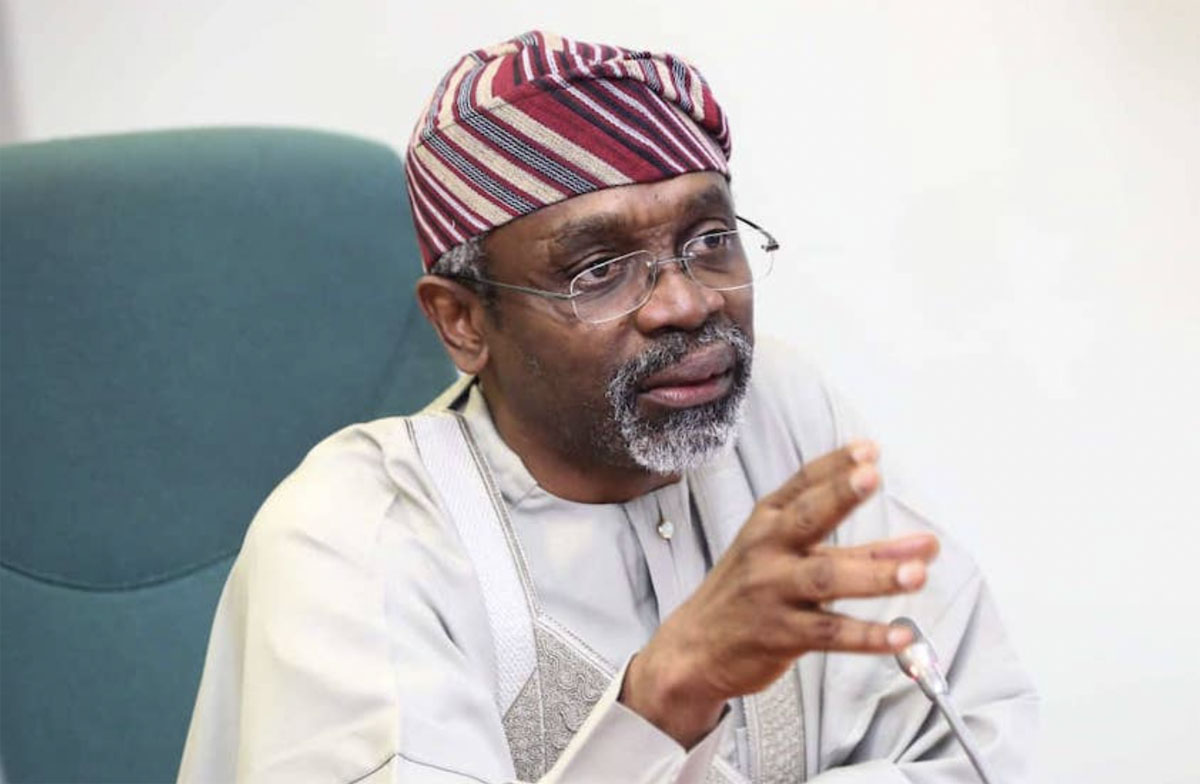
State police bill: Gbajabiamila-led panel extends deadline for public input
State police bill: Gbajabiamila-led panel extends deadline for public input
ABUJA — The Presidential Working Group on the National Policing Bill has extended the deadline for the submission of memoranda and position papers on the proposed legislation to Friday, August 21, 2026.
The submissions must be made by 5 p.m. West Africa Time (WAT) through the official National Policing Bill portal.
The extension was announced on Thursday in a statement issued by the Chief of Staff to President Bola Tinubu and Chairman of the Presidential Working Group, Rt. Hon. Femi Gbajabiamila.
Gbajabiamila said the additional time would enable stakeholders to prepare more detailed submissions and allow interested individuals, institutions and organisations to make well-considered contributions to the proposed legislation.
He said the Working Group remained committed to broad consultation and would consider informed contributions from Nigerians and relevant stakeholders as it develops the National Policing Bill.
The proposed legislation is expected to establish the operational, administrative, institutional and funding framework for an effective policing system capable of responding to Nigeria’s changing security needs.
It is also expected to provide safeguards for police accountability, professionalism and the protection of citizens’ rights.
“Given the significance of the proposed reform to the future of policing and internal security in Nigeria, the Working Group considers it important that stakeholders are afforded more opportunity to make substantive and technically sound contributions to the process,” the statement said.
READ ALSO:
- Davido Halts London Concert, Threatens to Walk Off Stage Over Fan’s Disrespect to Staff
- 29-Year Kwankwaso Ally Who Swore on Qur’an Defects to APC
- ICPC Uncovers Official Who Enrolled 14 Family Members on Govt Payroll, Another Collected 13 Salaries
The panel specifically encouraged legal practitioners, civil society organisations, security-sector professionals, state governments, professional bodies, academics, experts and other interested members of the public to use the extended period to submit their views.
“All submissions must be made on or before 5:00 p.m. WAT on Friday, August 21, 2026, exclusively through the official National Policing Bill portal, nationalpolicingbill.com,” the statement added.
The extension comes as the Federal Government advances plans for a new national policing framework, including the proposed establishment of state police.
The reform has gained renewed attention amid persistent security challenges across Nigeria, including kidnapping, banditry, terrorism, communal violence and other forms of criminality.
Supporters of state police argue that a more decentralised policing structure could strengthen community intelligence, improve response times and enable security agencies to better understand local security threats.
However, concerns have also been raised over the possibility of political interference and abuse of state-controlled police structures. These concerns have made accountability, oversight and safeguards against political interference important elements of the proposed reform.
The Working Group said its assignment would require careful consideration of several issues, including sustainable funding, command and control structures, recruitment and training standards, operational jurisdiction, inter-agency coordination and accountability mechanisms.
The group will also consider safeguards against political interference and abuse to ensure that the proposed policing framework protects citizens while allowing security agencies to operate effectively.
The development of the National Policing Bill is linked to the ongoing constitutional process for the establishment of state police in Nigeria. The proposed reform seeks to create a legal framework that would allow policing responsibilities to be more effectively shared between federal and state authorities.
President Bola Tinubu had earlier inaugurated the Presidential Working Group to develop an implementation-ready draft of the bill for onward legislative consideration.
The Working Group brings together representatives from the Federal Government, state governments, the security sector and the legal profession, reflecting the broad institutional implications of the proposed state police system.
The Presidency has said the proposed framework is expected to address issues such as minimum policing standards, state readiness, federal-state coordination, accountability, human rights protection and sustainable financing.
These issues are considered critical to ensuring that a decentralised policing system does not create significant disparities in policing standards or weaken national security coordination.
The Working Group said the issues under consideration underscore the need for extensive stakeholder engagement to develop a policing framework that is effective, accountable, sustainable and responsive to the security needs of communities across Nigeria.
“At the conclusion of its assignment, the Presidential Working Group will present a final, implementation-ready draft of the National Policing Bill for onward legislative processing,” the statement said.
The panel thanked stakeholders who had already submitted memoranda and encouraged others intending to participate in the process to take advantage of the extended deadline.
With the new timeline, all memoranda and position papers must be submitted by 5 p.m. on Friday, August 21, 2026.
The submissions are expected to help shape the final draft of the legislation before it proceeds to the next stage of the legislative process.
State police bill: Gbajabiamila-led panel extends deadline for public input
News
FG to Attach 300 NYSC Corps Members to CNG Workshops for Skills Training

FG to Attach 300 NYSC Corps Members to CNG Workshops for Skills Training
The Federal Government has announced plans to train and attach 300 National Youth Service Corps members to compressed natural gas conversion centres across the country as part of efforts to equip young Nigerians with practical technical skills and promote the adoption of CNG-powered vehicles.
The initiative is expected to provide the selected corps members with specialised training in CNG vehicle conversion and maintenance, enabling them to acquire skills that could improve their employment and entrepreneurship prospects after completing their national service.
The Senior Special Assistant to the President on Youth Initiatives, Monitoring and Delivery, Dr Titilope Gbadamosi, disclosed the plan at the opening of a CNG Retrofitting Training Programme for corps members at the NYSC FCT Orientation Camp in Kubwa, Abuja.
Gbadamosi said the selected corps members would undergo training and certification as CNG technicians before being deployed to CNG conversion centres across the country.
She explained that the programme would cover the six geopolitical zones and was designed to contribute to the Federal Government’s broader plan to expand the conversion of petrol and diesel-powered vehicles to CNG.
According to her, the initiative is expected to support the government’s target of converting 100,000 vehicles to CNG annually, while simultaneously creating opportunities for young Nigerians to develop specialised technical expertise.
The programme is being implemented in collaboration with relevant government agencies and stakeholders in the automotive and energy sectors.
READ ALSO:
- INEC reprints Osun ballot papers, result sheets, includes SDP candidate
- Iran Had Detailed Intel on Trump’s Location Before Secret Turkey Escape
- PSG Pocket £5.2m After Super Cup Thriller, Villa Get £3.4m
The Minister of Youth Development, Ayodele Olawande, said the initiative would provide corps members with practical skills capable of complementing their university and polytechnic qualifications.
Olawande urged the beneficiaries to take the training seriously, describing technical and vocational skills as important tools for reducing youth unemployment and increasing self-reliance.
He said the Federal Government was interested in ensuring that the NYSC programme did not end with the traditional primary assignment and community development activities, but also provided corps members with skills that could sustain them after their service year.
The Director-General of the NYSC, Brigadier General Olakunle Nafiu, also described the programme as an important step towards equipping young Nigerians for emerging opportunities in Nigeria’s changing energy and automotive landscape.
He said the collaboration demonstrated the scheme’s commitment to providing corps members with practical skills and preparing them for the labour market.
The National Automotive Design and Development Council is also involved in the initiative, particularly in relation to technical standards and certification for the CNG conversion training.
The Federal Government has in recent years intensified efforts to promote CNG as a cheaper alternative fuel following the removal of petrol subsidy and the resulting increase in transportation costs.
The government has maintained that greater adoption of CNG could help reduce transportation costs, conserve foreign exchange spent on petroleum products and create new jobs in the automotive conversion and maintenance sector.
The training of NYSC members is therefore expected to address both sides of the policy — increasing the pool of skilled personnel available to service the growing CNG industry while providing young Nigerians with employable technical skills.
Meanwhile, reports circulating that each of the 300 corps members will receive a monthly training allowance of ₦100,000 have not been independently confirmed in the official details released on the programme.
The confirmed aspect of the initiative is that the selected corps members will receive specialised training and certification before being attached to CNG conversion centres across the country.
The programme is expected to serve as a pilot for broader youth-focused skills development initiatives as the Federal Government continues to seek ways of linking national service with employment, entrepreneurship and emerging economic opportunities.
FG to Attach 300 NYSC Corps Members to CNG Workshops for Skills Training
News
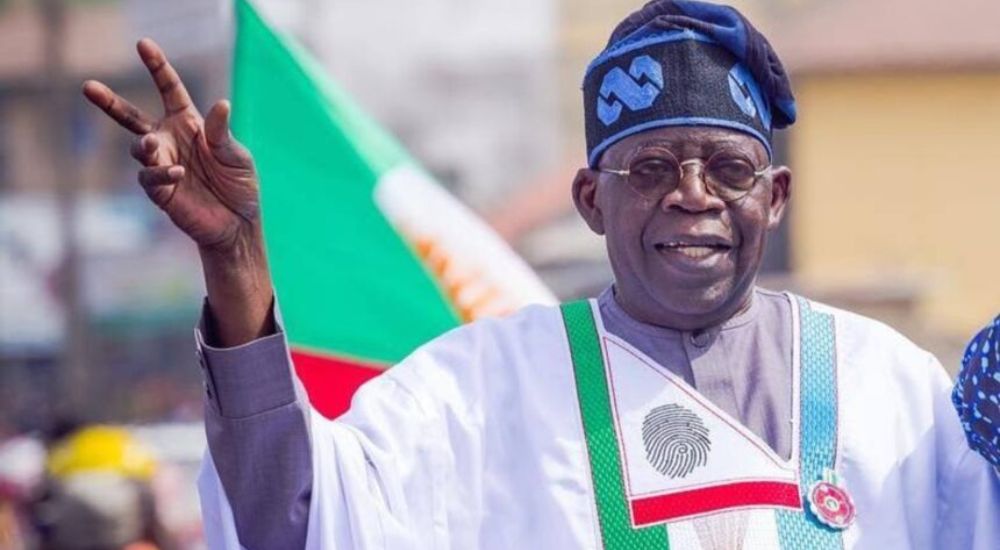
Tinubu Vows to Secure Nigeria, Declares Unity Non-Negotiable Amid Worsening Insecurity
-
 Education2 days ago
Nigerian Young Academy, LASU to Host 16th International Conference on Convergent Research
-

 News2 days ago
Trump smuggled out of Turkey in catering truck over Iran threat
-

 Politics3 days ago
Keep Religion Out of Nigeria’s ‘Dirty Politics,’ Gumi Tells Jingir
-

 metro3 days ago
Ex-Aiye Confraternity Leader Arrested in Lagos, Confesses to Multiple Killings in Mushin
-

 metro3 days ago
‘I Acted Out of Patriotism’ — Army Colonel Ma’aji Breaks Silence, Explains Why He Plotted Coup Against Tinubu
-

 News3 days ago
South Africa Visa Applications Double From Nigerians Despite Xenophobia Concerns – Envoy
-

 News2 days ago
Tinubu Vows to Secure Nigeria, Declares Unity Non-Negotiable Amid Worsening Insecurity
-
 metro3 days ago
How Enugu Abduction Led to Recovery of 4 AK-47 Rifles, 133 Ammunition – Army