

Sports
Buhari congratulates Pinnick over election into FIFA

President Muhammadu Buhari has applauded the President of the Nigeria Football Federation, Mr Amaju Pinnick, on his election into the FIFA Executive Council, the highest decision-making organ in world football.
The President urged him to use his new office as 5th Vice President of FIFA to enhance Nigeria’s position as a football-loving nation.
Pinnick was elected for a four-year term on Friday in Rabat, Morocco, at the 43rd CAF ordinary general assembly.
He defeated Malawi’s Walter Nyamilandu, the incumbent, after gathering 43 votes as against eight by his opponent
Following several withdrawals prior to the election, Pinnick and Malawi’s Walter Nyamilandu were the only two candidates left from the Anglophone block.
Buhari’s charge was contained in his congratulatory message to Pinnick on Friday.
The President, in a statement by his Special Adviser on Media and Publicity, Mr Femi Adesina, noted that Pinnick’s election has swelled Nigeria’s list of figures playing on the international plains.
It stated, “The President believes that by dint of hard work, dedication and consistency, Pinnick has proven to be an efficient football administrator and the world has taken notice of his competency skills by electing him into the FIFA Council and one of the Vice Presidents of the Confederation of African Football (CAF).
“The President notes that this feat of enhanced visibility and prestige of Nigeria in the international community is coming on the heels of recent elections of other well qualified and endowed Nigerians into strategic leadership positions in international organisations.
“The President urges Pinnick to see his new assignment as an opportunity to enhance Nigeria’s reputation and identity as a football loving country and optimally utilise the role of sports, through football, as a driving force to engender development, peace and stability at the regional and international levels.
“As an active supporter of the round leather game, the President joins other enthusiastic fans in Nigeria and across the continent in wishing the NFF president the best in his new position.”








Sports
NFF crisis: FIFA delays approval of Normalisation Committee, plans Nigeria visit
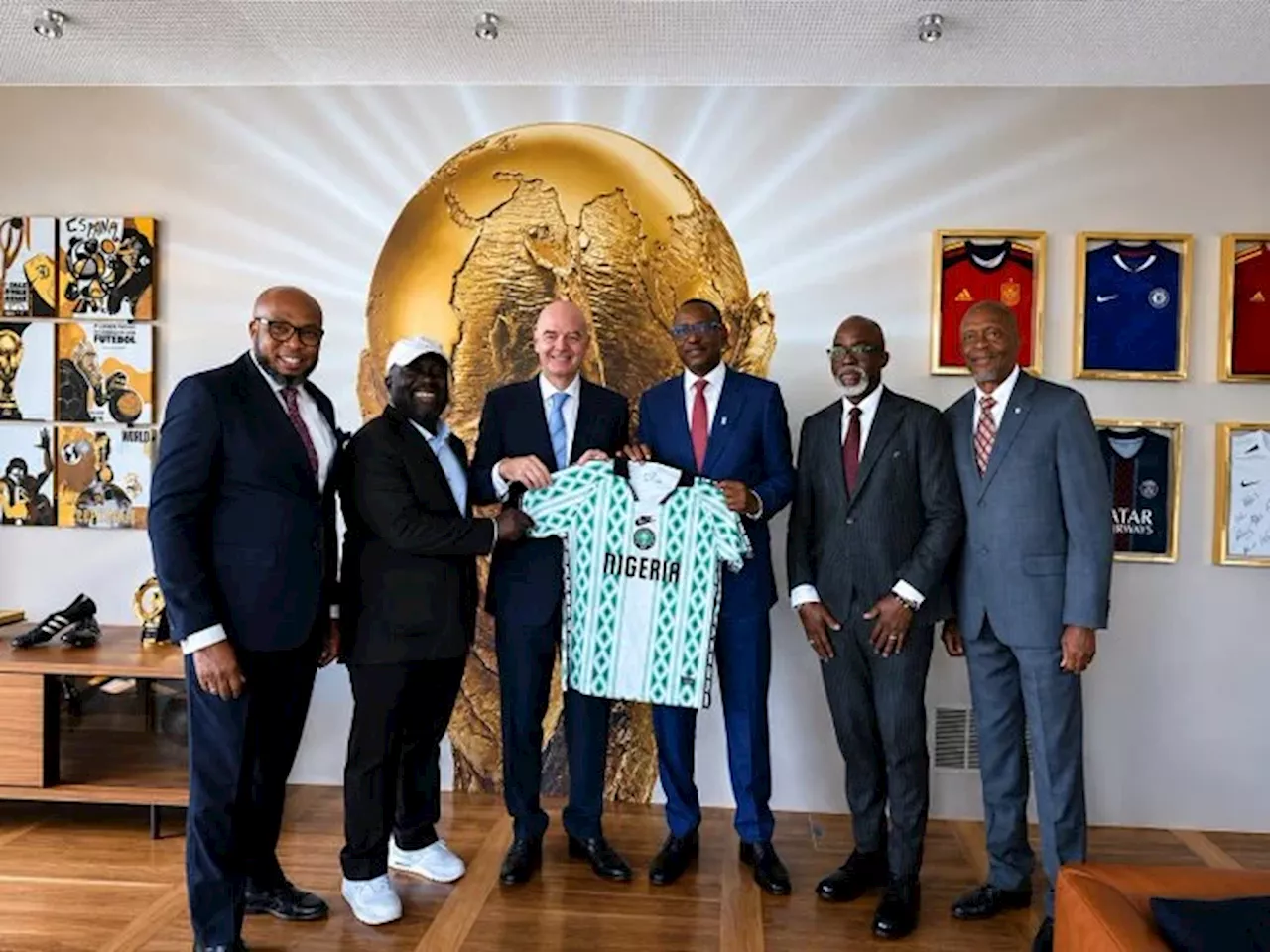
NFF crisis: FIFA delays approval of Normalisation Committee, plans Nigeria visit
The crisis in the Nigeria Football Federation (NFF) has entered a new phase after FIFA withheld immediate approval for Nigeria’s proposed Normalisation Committee, opting instead to send a delegation to the country for further consultations and assessment.
The development followed a high-level meeting between a Nigerian delegation led by National Sports Commission (NSC) Chairman Mallam Shehu Dikko and FIFA President Gianni Infantino at the FIFA headquarters in Zurich, Switzerland, on Tuesday.
The meeting was convened against the backdrop of the mass resignation of the Ibrahim Musa Gusau-led NFF board, following mounting pressure over the state of Nigerian football.
Gusau, NFF General Secretary Mohammed Sanusi and members of the federation’s Executive Committee resigned from their positions on August 27, creating a leadership vacuum at the country’s football governing body.
The resignations came after a difficult period for Nigerian football, including the Super Eagles’ failure to qualify for the 2026 FIFA World Cup and the Super Falcons’ failure to qualify for the 2027 FIFA Women’s World Cup, ending their record of appearing at every edition of the women’s tournament since its inception in 1991.
The setbacks triggered widespread calls for fundamental reforms of the administration of Nigerian football.
President Bola Ahmed Tinubu subsequently directed the relevant authorities to undertake a comprehensive reform of the sector, with the NSC taking the lead in developing proposals for restructuring the NFF and improving the governance of Nigerian football.
One of the key proposals was the establishment of a Normalisation Committee to temporarily administer the affairs of the NFF, implement agreed reforms and organise a fresh election for a new leadership.
That proposal formed a major part of the Nigerian delegation’s discussions with FIFA in Zurich.
READ ALSO:
- Two Grandfathers Among Five Arrested Over Alleged Motorcycle Theft Syndicate in Calabar
- Mama G Advises Parents: Don’t Shield Children from Life’s Struggles
- Atiku Vows to Scrap NELFUND, Offers Student Debt Forgiveness if elected
The delegation included NSC Director-General Bukola Olopade, NFF Acting General Secretary Emmanuel Ikpeme and NFF Director of Legal Affairs Okey Obi. Former NFF President and former FIFA Council member Amaju Pinnick also participated in the meeting in his capacity as Special Adviser to the CAF President and Deputy Chairman of the FIFA Men’s National Teams Competitions Committee.
CAF Second Vice President Kurt Okraku and FIFA Director of Member Associations for Africa Gelson Fernandes were also involved in the discussions.
Although the talks were described as fruitful, FIFA did not immediately ratify the proposed Normalisation Committee.
Instead, FIFA and the Nigerian delegation agreed to continue discussions on a comprehensive reform roadmap covering the short, medium and long term.
A FIFA delegation is expected to visit Nigeria as part of the next stage of the process. The visit is expected to enable the world football governing body to engage more directly with Nigerian football stakeholders and assess the proposed reform structure before taking a final position on the Normalisation Committee.
The decision means that the committee remains a proposal under consideration and has not yet become an officially ratified FIFA intervention.
FIFA is also expected to have significant input into the eventual selection of members of the committee if the proposed arrangement is approved.
Potential members would be expected to undergo integrity and eligibility checks consistent with the standards applicable to officials and administrators within the FIFA football family.
The involvement of FIFA in the selection process is expected to be particularly important because any transitional arrangement must operate within the framework of FIFA statutes and regulations governing the autonomy and administration of national football associations.
The proposed duration of the Normalisation Committee also remains uncertain.
Initial reports suggested that the committee could remain in place for approximately three months, primarily to stabilise the NFF, implement urgent reforms and organise fresh elections.
However, emerging reports indicate that the transition could last considerably longer if FIFA, CAF and Nigerian authorities determine that the reform process requires additional time. Some reports have suggested a possible period of between six months and one year.
READ ALSO:
- Ogun Pastor Dies in Crash Hours After Allegedly Killing Wife in Domestic Dispute
- Edo Police Arrest Cleric Accused of Making ‘Protective Charms’ for Kidnap Gangs
- Reps Panel Traces 58 Bank Accounts, 12 Illegal Entities in PFIPC Fraud Network
There is, however, no official confirmation that FIFA has approved a six-month or one-year tenure. The duration is still expected to form part of the discussions surrounding the final reform roadmap.
Attention has also turned to the possible leadership of the proposed committee.
One of the names being widely mentioned is AbdulHakeem Uthman Mustapha, SAN, a Nigerian lawyer with experience in football administration and international football structures.
Mustapha has been reported as one of the leading candidates for the chairmanship of the proposed Normalisation Committee, although FIFA and the NFF have not officially confirmed his appointment.
His involvement in FIFA’s committee structure could strengthen his credentials for a transitional role. Mustapha is a member of FIFA’s Anti-Racism and Anti-Discrimination Committee, giving him direct exposure to the organisation’s international football administration framework.
He has also previously served as President of the CAF Appeal Committee, further linking him to the judicial and administrative structures of African football.
Other names have reportedly been mentioned in connection with the proposed committee, including former NFF General Secretary Mohammed Sanusi, former Nasarawa State Deputy Governor Silas Agara and Rivers State Attorney-General Chris Green.
The circulation of several names highlights the fact that the final composition of the proposed committee remains unsettled.
The focus of the reform process is also expected to go beyond replacing the officials who resigned.
The proposed transition could involve a review of the NFF electoral system, governance structures and administrative processes, with the broader objective of creating a more transparent, accountable and stable football administration.
There have also been discussions about whether future elections should be reorganised to strengthen grassroots participation, including possible changes to the sequence and structure of elections at local, state and national levels.
Any significant changes to the NFF electoral framework would require careful consultation with FIFA and CAF to ensure that they comply with international football regulations.
The latest FIFA-Nigeria engagement has also helped ease concerns about a possible immediate suspension of Nigeria from international football.
A purported FIFA letter had recently circulated, claiming that the world football governing body was demanding explanations over the circumstances surrounding the NFF leadership resignations and threatening possible sanctions.
The NFF dismissed the document as fake, insisting that it did not emanate from FIFA.
The federation subsequently confirmed that FIFA had accepted the resignations of Gusau, Sanusi and the other principal officers and Executive Committee members.
FIFA’s decision to continue discussions with Nigerian authorities instead of immediately imposing sanctions has further shifted attention towards the reform process.
For Nigerian football stakeholders, the forthcoming FIFA visit could therefore be decisive.
The delegation is expected to examine the proposed reform framework and provide further clarity on the NFF Normalisation Committee, including its composition, mandate, duration and relationship with the existing football administration.
Until FIFA formally approves the arrangement, however, individuals being mentioned for positions on the committee should not be regarded as confirmed appointees.
The situation also means that the previously planned NFF electoral process is likely to remain subject to the outcome of the reform discussions.
The ultimate objective of the exercise is to use the current leadership crisis as an opportunity to rebuild Nigerian football administration, restore confidence among stakeholders and establish stronger structures capable of supporting the development of the country’s national teams and domestic game.
With FIFA now directly involved in the reform discussions, the coming weeks could determine the direction of Nigerian football and whether the proposed Normalisation Committee becomes the vehicle for a broader restructuring of the NFF.
For Nigeria, the challenge will be to ensure that the reform process produces not only a new leadership but also lasting institutional changes that can improve governance, development and performance across the country’s football system.
NFF crisis: FIFA delays approval of Normalisation Committee, plans Nigeria visit
Sports
NFF debunks ‘fake’ FIFA letter as Dikko-led delegation meets Infantino
NFF debunks ‘fake’ FIFA letter as Dikko-led delegation meets Infantino
The Nigeria Football Federation (NFF) has dismissed as fake a purported FIFA letter seeking clarification over alleged government interference in the affairs of the federation.
The NFF made the clarification on Tuesday, September 1, 2026, as a high-level Nigerian delegation met FIFA President Gianni Infantino at FIFA headquarters in Zurich, Switzerland, amid ongoing efforts to reform the administration of Nigerian football.
In a statement, the NFF said the document circulating in sections of the media did not originate from the world football governing body.
“The NFF has debunked news of a ‘letter’ circulating in sections of the media as being from world football governing body, FIFA. It is totally fake. FIFA has already accepted the resignations of former principal officers and Members of the NFF Exco,” the federation said.
The NFF’s statement effectively rejected reports suggesting that FIFA had formally demanded an explanation from Nigeria over the circumstances surrounding the recent changes in the federation’s leadership.
The clarification came as officials from Nigeria held talks with Infantino and other senior FIFA and Confederation of African Football (CAF) representatives on the ongoing restructuring of Nigerian football.
The Nigerian delegation was led by National Sports Commission (NSC) Chairman Shehu Dikko and included NSC Director-General Bukola Olopade and NFF Acting General Secretary Emmanuel Ikpeme.
Former NFF President and ex-FIFA Council member Amaju Pinnick also attended the meeting. The engagement included discussions on the proposed reform process and the need to establish a stable and effective framework for the future administration of Nigerian football.
The meeting followed the resignation of NFF President Ibrahim Musa Gusau, General Secretary Mohammed Sanusi and members of the NFF Executive Committee on August 27.
READ ALSO:
- US Teen Indicted for Aiding and Abetting Deadly San Diego Mosque Shooting
- Police Arrest Two Men Over Alleged Defilement of 9-Year-Old in Ogun
- Ilorin Youth Group Demands Disbandment of Iru-Ekun Over Alleged Obstruction of Tani-Olohun’s Arrest
The mass resignations came amid growing concerns over the administration and performance of Nigerian football, with the country facing significant setbacks involving its senior men’s and women’s national teams.
Following the resignations, the NFF appointed Emmanuel Ikpeme as interim General Secretary and Ademola Olajire as interim Deputy General Secretary to oversee the federation’s administrative activities during the transition.
The NFF also suspended preparations for its planned September 27 elective congress as consultations over the proposed restructuring continue.
The leadership crisis followed calls by President Bola Tinubu for comprehensive reforms in Nigerian football after a series of disappointing results and concerns over the governance of the sport.
Tinubu directed the National Sports Commission to work with football stakeholders to develop reforms covering areas including football governance, administration, stakeholder representation, player development, domestic competitions and accountability.
Nigeria’s failure to qualify for the 2026 FIFA World Cup has further intensified criticism of the country’s football administration. The Super Falcons have also faced a major setback after failing to qualify for the 2027 FIFA Women’s World Cup.
Against this backdrop, the Federal Government has sought greater cooperation among the country’s football authorities and international governing bodies to develop a sustainable framework for reform.
The purported FIFA letter, which circulated online and in sections of the Nigerian media, reportedly raised questions over Gusau’s resignation and alleged government involvement in the leadership changes.
The document was also said to have warned that interference in the independence of a national football association could amount to a breach of FIFA regulations, potentially exposing Nigeria to sanctions.
However, the NFF has firmly rejected the document, insisting that it was fabricated and did not come from FIFA.
The federation further stated that FIFA had already accepted the resignations of the former NFF principal officers and Executive Committee members.
Rather than a confrontation between FIFA and the Nigerian authorities, the latest engagement in Zurich indicates that discussions are ongoing between FIFA, CAF, the NSC and the NFF administration on how to implement the proposed reforms.
The NFF said the objective of the discussions is to develop a comprehensive reform roadmap that complies with the statutes and regulations of FIFA and CAF while addressing the challenges facing Nigerian football.
The outcome of the engagement is expected to influence the structure and timing of the next NFF leadership election, as well as broader changes to the administration of football in the country.
With the reform process now involving direct engagement with FIFA and CAF, attention will be focused on whether the stakeholders can reach an agreement that provides stability, strengthens football governance and improves the development and performance of Nigeria’s national teams.
The latest development also puts the focus on the need for a transparent transition that protects the independence of football administration while ensuring that Nigerian football receives the institutional reforms required to compete effectively at continental and global levels.
NFF debunks ‘fake’ FIFA letter as Dikko-led delegation meets Infantino
Sports
Saka fires Arsenal to narrow win over Aston Villa in Arteta’s 250th Premier League game
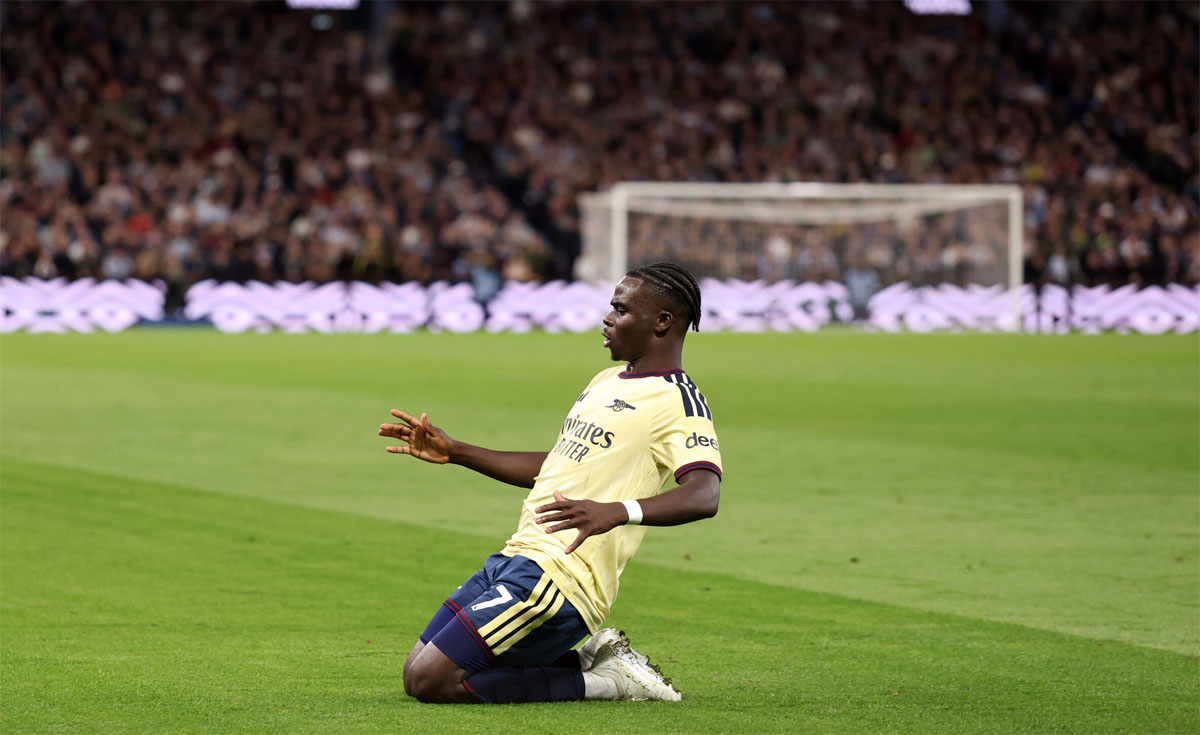
Saka fires Arsenal to narrow win over Aston Villa in Arteta’s 250th Premier League game
Bukayo Saka scored the decisive goal as Arsenal edged Aston Villa 1-0 at Villa Park on Monday, giving Mikel Arteta a memorable victory in his 250th Premier League match in charge of the club.
The result gave Arsenal a perfect start to the 2026/27 Premier League season, with the Gunners collecting six points from their opening two matches while keeping two clean sheets.
Saka’s 59th-minute goal settled a tense encounter in which Arsenal dominated possession for significant periods but struggled to create clear chances against an improved Villa side.
The victory was also Arteta’s 151st Premier League win as Arsenal manager, further highlighting the scale of his tenure at the club.
Villa entered the game looking to recover from their disappointing 4-0 defeat to Brighton in their opening league fixture. Despite losing several important players during the summer, Unai Emery’s side produced a much more disciplined performance against Arsenal.
The hosts came close to opening the scoring after 12 minutes when Emiliano Buendia unleashed a powerful long-range effort that beat goalkeeper David Raya but struck the crossbar.
Arsenal struggled to impose themselves in the final third during the opening stages, with Villa’s defence successfully limiting the visitors’ attacking options.
Declan Rice came close to breaking the deadlock with a header from a corner, but Villa debutant goalkeeper Zion Suzuki reacted quickly to tip the effort over the crossbar.
Suzuki made history during the game by becoming the first Japanese goalkeeper to play in the Premier League, and the 23-year-old produced a composed performance on his league debut.
READ ALSO:
- Gunmen kill Kano APC chairman, two others in fresh Bebeji attack
- Lagos pensioners tear-gassed during protest as Sowore demands justice
- 2027: Donald Duke warns divided opposition could hand Tinubu victory
Arsenal gradually took control of possession but failed to register a shot on target before half-time.
Villa also struggled to create opportunities for new striker Nicolas Jackson, who was largely isolated as Arsenal’s defenders restricted the service reaching him.
Arteta responded at the interval by introducing Eberechi Eze for Christos Tzolis in an attempt to increase Arsenal’s attacking creativity.
Villa created the first opening after the restart, but Ian Maatsen fired wide from a difficult angle.
Maatsen was then at the centre of a controversial moment when referee Jarred Gillett initially awarded Arsenal a penalty after ruling that the defender had brought down Saka inside the box.
However, a VAR review overturned the decision after determining that the contact occurred outside the penalty area. Arsenal were instead awarded a free-kick, with Martin Ødegaard sending the effort narrowly wide.
Arsenal eventually found the breakthrough in the 59th minute.
Riccardo Calafiori surged forward and delivered a low cross into the Villa penalty area, where Saka reacted quickly to bundle the ball over the line.
The goal was Saka’s second in two Premier League appearances this season and once again underlined his importance to Arteta’s side.
Villa were forced to attack more aggressively after falling behind, which created greater spaces for Arsenal to exploit.
Suzuki then produced another outstanding save to deny Kai Havertz in a one-on-one situation and keep Villa’s hopes of securing a point alive.
Despite increased pressure from the hosts, Arsenal’s defence remained organised and successfully protected the advantage.
Villa were unable to register a shot on target throughout the match, extending a worrying statistic from their opening two league fixtures.
Emery’s side have now lost both of their matches this season and remain without a point or a goal in the Premier League.
Arsenal, meanwhile, have started their title defence with two victories and two clean sheets, providing early evidence of their defensive strength.
The match also featured Premier League debuts for Arsenal’s summer signing Bruno Guimarães, who came off the bench, while Ezri Konsa made his Arsenal debut against his former club after replacing Cristhian Mosquera.
The victory also extended Arsenal’s impressive away record, with the Gunners winning their opening away league fixture in each of the last five seasons.
For Villa, the defeat leaves Emery with significant work to do as he attempts to integrate a number of new players and address the team’s lack of attacking output.
The performance, however, was a major improvement from the heavy defeat against Brighton and offered some encouragement despite the result.
Arsenal will now turn their attention to their next challenge against Chelsea, with Arteta’s side aiming to maintain their perfect start to the season.
Villa, meanwhile, will be desperate to secure their first points and end their early goal drought when they face Hull City.
For Arsenal, Monday’s victory provided another important three points and a milestone win for Arteta, while Saka’s continued scoring form has given the Gunners another major reason for optimism at the beginning of the campaign.
Saka fires Arsenal to narrow win over Aston Villa in Arteta’s 250th Premier League game
-

 Education3 days ago
FG Opens N10 Billion TETFund Research Grant Applications — How Lecturers Can Apply
-
 metro2 days ago
Lagos Govt Warns Husbands: Forcing Sex on Wife Can Lead to Life Imprisonment
-

 Politics3 days ago
Mother Arrested for Smuggling ‘Colos’ to Son on Death Row in Ogun Prison
-
 metro2 days ago
Lagos pensioners tear-gassed during protest as Sowore demands justice
-

 Politics2 days ago
Gunmen kill Kano APC chairman, two others in fresh Bebeji attack
-
 Education2 days ago
JAMB, WAEC introduce one-off ₦4,000 WASSCE result verification for admission seekers
-

 News2 days ago
Ilorin Youth Group Demands Disbandment of Iru-Ekun Over Alleged Obstruction of Tani-Olohun’s Arrest
-
 Politics2 days ago
2027: Donald Duke warns divided opposition could hand Tinubu victory