
Business
FG to privatise PH, Warri, Kaduna refineries after rehabilitation

FG to privatise PH, Warri, Kaduna refineries after rehabilitation
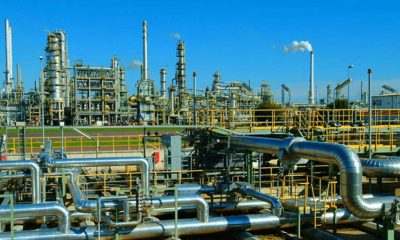
The Federal Government will fully privatise the nation’s refineries, comprising the Port Harcourt, Warri, and Kaduna facilities once their ongoing rehabilitation is completed.
Sunday Dare, Special Adviser to President Bola Tinubu on Media and Public Communications, announced this.
Dare posted this update in a statement via his official X (formerly Twitter) account.
The bulletin outlined key achievements in the sector and hinted at the administration’s plans to restructure the refineries.
“The full privatisation of Port Harcourt, Warri, and Kaduna refineries is in progress,” Dare stated, though he did not provide the specific timeline for the initiative.
Nigeria’s four national refineries have remained largely inactive for over four decades, despite the government investing trillions of naira in the maintenance and rehabilitation.
This has left the country heavily dependent on imported petrol, placing immense pressure on its foreign exchange reserves.
Dare expressed optimism that local refining would eventually meet domestic demand, easing the perennial issue of fuel shortages.
“With full local refining gradually being met, the days of fuel queues will end,” he added.
In August 2024, the Nigerian National Petroleum Company (NNPC) Limited announced plans to involve private operators in managing the Kaduna and Warri refineries.
In a circular shared via its official X account, NNPC disclosed its intent to collaborate with credible operations and maintenance (O&M) firms.
“The Nigerian National Petroleum Company (NNPC) Limited seeks to engage reputable and credible operations & maintenance (O&M) companies to operate and maintain the Warri Refining and Petrochemical Company (WRPC) and Kaduna Refining and Petrochemical Company (KRPC),” the circular stated.







Business
CBN Policies, Foreign Inflows Drive Naira to Two-Year Peak
CBN Policies, Foreign Inflows Drive Naira to Two-Year Peak
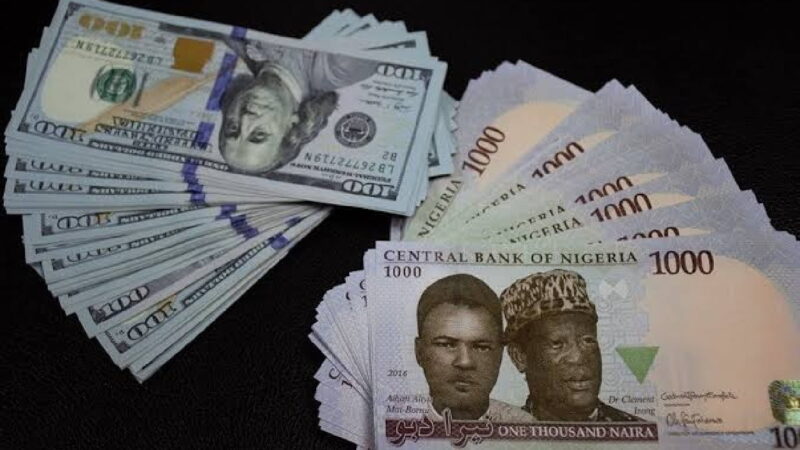
Nigeria’s naira has extended its recent rally, trading at one of its strongest levels against the U.S. dollar in nearly two years, supported by sustained foreign portfolio inflows, tighter liquidity management, and targeted policy interventions by the monetary authorities.
A macroeconomic update by CardinalStone shows that the local currency has appreciated 6.9 per cent year-to-date at the official foreign exchange market, closing at ₦1,347.78/$—its strongest performance since early 2024. The appreciation reflects improved FX liquidity and growing confidence in the official trading window.
Despite the gains, a gap persists between the official and parallel markets. However, the premium narrowed from about 5.7 per cent to roughly 3.2 per cent following renewed foreign exchange interventions by the Central Bank of Nigeria. According to CardinalStone, the compression of the spread indicates stronger liquidity conditions in the official market, reducing incentives for speculative trading and arbitrage.
As part of efforts to further stabilise the FX market, the CBN recently authorised licensed Bureau de Change (BDC) operators to access foreign exchange from approved dealers at prevailing market rates, subject to a weekly cap of $150,000 per BDC and strict Know-Your-Customer (KYC) requirements. Under the framework, operators must sell unused FX balances within 24 hours, limit cash transactions to 25 per cent of total trades, and settle transactions through licensed financial institutions.
READ ALSO:
- Edo Governor Okpebholo Names Mercy Johnson-Okojie Special Adviser
- Many Feared Dead as Suspected Lakurawa Militants Attack Kebbi Communities
- AMAC Polls Shock: Another PDP Candidate Withdraws from FCT Race, Backs APC
With 82 licensed BDCs currently operating, CardinalStone estimates that potential FX supply to the segment could rise to about $50 million monthly. Although this remains significantly below pre-pandemic levels, the renewed supply has helped ease retail FX demand pressures and compress the premium in the parallel market.
While foreign inflows have strengthened the naira, analysts caution that continued appreciation could prompt profit-taking by offshore investors. CardinalStone estimates outstanding foreign portfolio investment (FPI) exposure at between $12 billion and $14 billion, noting that Nigeria’s carry trade remains one of the most attractive across emerging and frontier markets.
The firm added that assuming many investors entered the market at around ₦1,500/$, a move toward ₦1,200–₦1,250/$ could deliver over 22 per cent FX gains on currency alone. Such gains could heighten the risk of portfolio rebalancing or exits, particularly as political and election-related uncertainties begin to build.
Ahead of the latest meeting of the Monetary Policy Committee, analysts describe the macroeconomic signals facing policymakers as mixed. Inflation has started to moderate, while short-term interest rates have converged near 22 per cent, about 500 basis points below the 27 per cent Monetary Policy Rate (MPR).
However, the CBN has signalled low tolerance for excess liquidity, intensifying Open Market Operations (OMO) issuances and keeping the Standing Deposit Facility (SDF) attractive to absorb surplus funds and prevent renewed inflationary pressure. Analysts also point to concerns around election-related liquidity, which is expected to intensify in the second half of the year, with over 75 per cent of projected 2026 liquidity expected in the first half.
Looking ahead, CardinalStone expects the CBN to hold the policy rate while adjusting the asymmetric corridor to align SDF rates with OMO yields and preserve the attractiveness of naira assets for foreign investors. Forward market indicators suggest a softer currency path later in the year, with the naira projected to trade within a ₦1,350–₦1,450/$ range in 2026, despite the recent rally.
CBN Policies, Foreign Inflows Drive Naira to Two-Year Peak
Railway
Railway track vandalism: Urgent need for laws prohibiting scrap/metal picking to protect critical assets
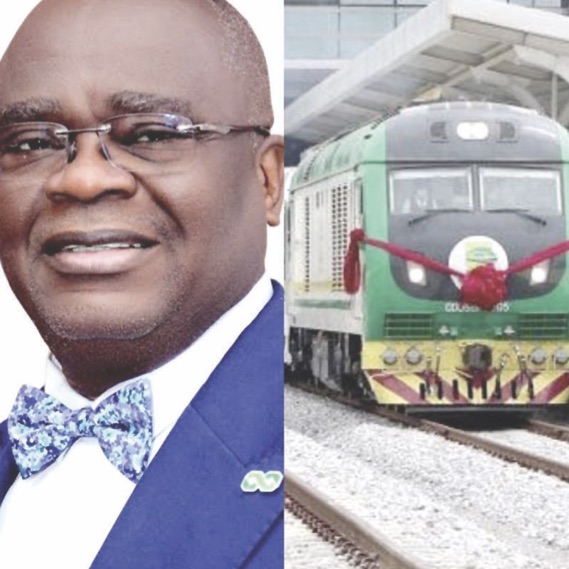
Railway track vandalism: Urgent need for laws prohibiting scrap/metal picking to protect critical assets
By Onyedikachi Stanley Onovo
The wanton destruction and theft of Nigeria’s railway infrastructure and other critical public assets represent one of the gravest threats to national development and security.
Across the nation—from the Warri-Itakpe line to Abuja-Kaduna, the Eastern and Western Districts, Lagos-Ibadan, and throughout the Northern network—vandals systematically dismantle tracks, steal armoured cables, and pillage essential equipment. This crisis demands an immediate and robust legislative response.
The unending menace
The vandalism is perpetrated by a network of individuals, from local miscreants (“iron condemn”) to organised merchants who purchase and export stolen materials. Security reports and countless arrests underscore the scale of the problem:
In December 2023, a private security firm arrested 13 suspects for vandalising Abuja Mass Transit Rail assets. The suspects were said to be casual workers engaged by a Chinese company working on the railways, but said to have used the opportunity to steal the materials.
On June 2024, The Cable reported that the Nigerian Army arrested 47 suspected rail track vandals in Kaduna State.
In October 2025, police arrested a suspect vandalising railway electrical installations also in Kaduna State.
Radio Nigeria in December 2025 announced the arrest of three persons in Kwara State for vandalizing and stealing Railway clips and nuts in Offa.
In May 2021, TVC reported some individuals, including one Ejike Okeke were apprehended in Enugu with stolen sleepers and tracks.
On the 30th of January 2026 the Nigerian Television Authority reported that the NSCDC, Bauchi State Command arrested five suspects and intercepted a truck carrying vandalized railway tracks.
This relentless assault has plagued successive management of the Nigerian Railway Corporation (NRC), defying conventional counter-strategies.
A transformative leadership initiative
A pivotal shift began under the administration of President Bola Ahmed Tinubu with the appointment of Dr. Kayode Opeifa as Managing Director/CEO of the NRC.
Dr. Opeifa introduced a fundamental paradigm shift by redesignating what was carelessly termed “scrap” as “unserviceable critical national assets.”
This reframing has driven a transformative partnership with experts to manage these assets responsibly. The era of controversial public auctions—which often saw valuable national iron assets disappear, depriving Nigeria of materials for repurposing and industrialisation—is now over.
Today, a systematic process ensures these materials are reused or responsibly processed, with revenue reinvested into the Corporation. This home-grown solution is a commendable breakthrough that proves Nigerians can effectively solve national challenges.
The critical legislative gap: Targeting the market
While the NRC’s internal reforms are laudable, they alone cannot stem the tide. The root enabler of this vandalism is the thriving, unregulated market for stolen metal. To kill the vandal’s incentive, we must eradicate the demand.
Therefore, there is an urgent need for the National Assembly to enact legislation that:
1. Prohibits the buying and selling of any railway materials (serviceable or unserviceable) on the open market.
2. Imposes severe penalties on buyers and merchants of vandalised public assets, effectively targeting the economic drivers of this crime.
3. Mandates stringent federal regulation of all scrap metal dealers nationwide.
THE SCRAP DEALER NEXUS
The opaque operations of scrap dealers are a major concern. Their compounds are often shrouded, hiding the provenance of their materials. This unregulated space fuels not only railway vandalism but also community theft—from iron crossing bars in homes to street lamp holders.
Trailers loaded with questionable materials move freely from cities and expressways to unknown destinations. Without regulating this sector, our fight against vandalism remains superficial.
CONCLUSION
The partnership and innovation under Dr. Opeifa’s leadership at the NRC demonstrate what is possible with commitment and vision.
However, to secure our railways, power installations, and other critical assets, we must complement this institutional resolve with strong, deterrence-based law. Legislation that dismantles the market for stolen public property is not an option; it is a national imperative for Nigeria’s security and industrial future.
*Onyedikachi Stanley Onovo, Ph.D
FCAI, ANIPR
onyedikachionovo1@gmail.com excellentdikachi@yahoo.com
Auto
MOMAN, ALCMAN Partner BKG to Drive Nigeria’s Shift from Auto Imports to Industrial Production
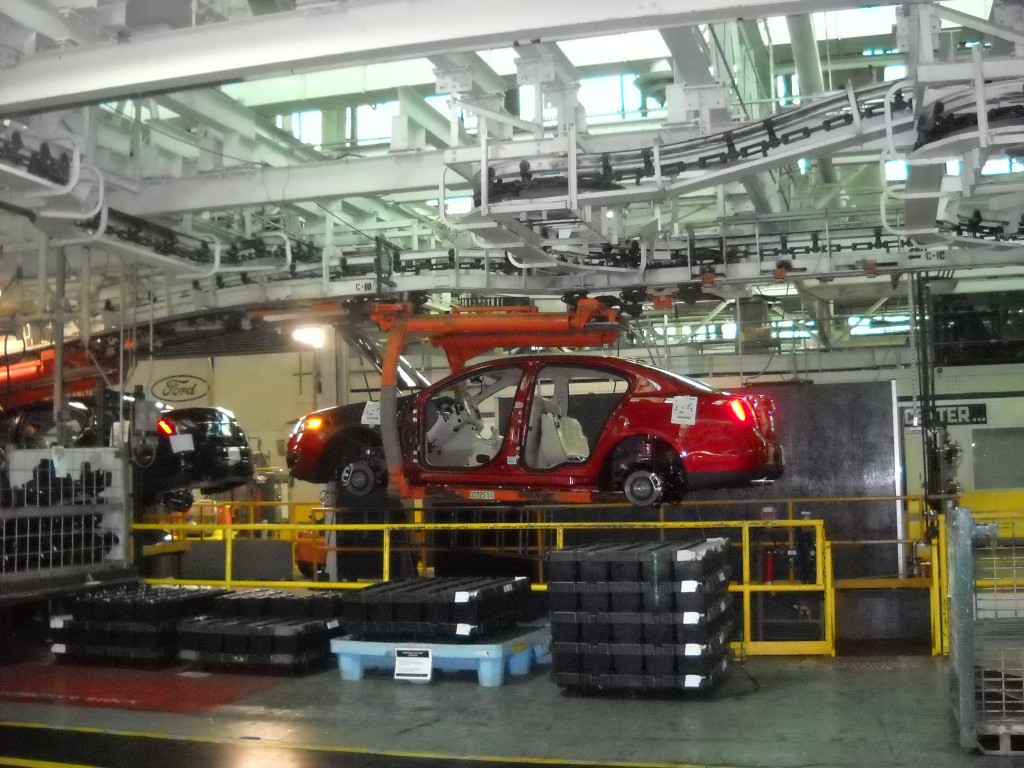
MOMAN, ALCMAN Partner BKG to Drive Nigeria’s Shift from Auto Imports to Industrial Production
In what industry stakeholders view as a decisive move toward industrial rebirth, BKG Exhibitions Limited has entered into a strategic partnership with the Motorcycle Manufacturers Association of Nigeria (MOMAN) and the Automotive Local Content Manufacturers Association of Nigeria (ALCMAN) to accelerate local automotive manufacturing and reduce the country’s heavy reliance on imports.
The alliance, formalised in Lagos, signals a coordinated private-sector effort to reposition Nigeria’s automotive ecosystem from an import-dependent market to a production-driven industrial base capable of delivering value addition, technology transfer, and large-scale employment.
For decades, Nigeria’s automotive sector has been dominated by the importation of fully built vehicles and, more recently, the assembly of semi-knocked-down (SKD) and completely knocked-down (CKD) kits.
While these models generated commercial activity, stakeholders argue they failed to build deep industrial capacity or strengthen indigenous engineering expertise.
The new partnership seeks to change that narrative by transforming trade exhibitions into structured industrial platforms that connect manufacturers with policymakers, institutional buyers, investors, and international technical partners.
A senior executive at BKG Exhibitions said the collaboration represents a deliberate shift in strategy.
“Exhibitions must go beyond passive marketplaces. They must become engines of economic transformation where Nigerian manufacturers secure contracts, attract capital, and demonstrate production competence,” he said, noting that Nigeria already possesses strong demand but lacks a coordinated ecosystem to convert that demand into domestic output.
“Nigeria remains one of Africa’s largest mobility markets, driven by rapid urbanisation, a growing youth population, and expanding last-mile logistics services.
“Motorcycles and tricycles play a critical role in urban transport, agriculture distribution, and the fast-growing delivery economy.
“However, a substantial portion of these vehicles and their components are imported, placing pressure on foreign exchange and limiting domestic industrial growth.”
MOMAN President Rev. Lambert Ekewuba emphasized that strengthening local production would go beyond import substitution.
“When we manufacture locally, we create jobs, retain capital, and build the technical foundation for advanced automotive engineering,” he said.
ALCMAN Chairman, Chief Anselm Ilekuba, stressed the importance of developing a resilient components ecosystem, describing it as the backbone of any successful automotive industry.
“No country becomes an automotive powerhouse without first nurturing strong supplier networks. Nigeria must empower small and medium-scale enterprises producing metal parts, plastics, electrical systems, and other inputs,” he said.
Under the alliance, future exhibitions will feature dedicated pavilions showcasing Nigerian-made components and vehicles, offering manufacturers direct access to government agencies, transport operators, and regional distributors.
Analysts believe such curated exposure could gradually shift procurement patterns toward locally produced alternatives.
Beyond the domestic market, the partnership aims to position Nigeria as a manufacturing hub serving West and Central Africa, leveraging opportunities under the African Continental Free Trade Area (AfCFTA).
Industry leaders say expanding export capacity will depend on strengthening standards, financing mechanisms, and technical capability.
The alliance also plans coordinated advocacy for policies that support localisation, including improved access to financing, reduced duties on industrial machinery, technical training aligned with modern production systems, and procurement frameworks favouring locally manufactured goods.
Economists argue that a revitalised automotive manufacturing base could stimulate growth across steel, petrochemicals, logistics, warehousing, and tooling industries, reinforcing the sector’s role as a catalyst for broader industrialisation.
Coming at a time when Nigeria is intensifying efforts to diversify its economy away from oil dependence, stakeholders say the success of this alliance could mark a turning point — shifting the country from being one of Africa’s largest automotive consumption markets to an emerging centre of production, innovation, and regional trade.

-

 News3 days ago
Saudi Arabia Confirms Sighting of Ramadan Crescent, Fasting Begins Wednesday
-

 metro3 days ago
Lagos Woman Shares Ordeal After Alleged Rape, Sparks Nationwide Outcry
-

 News3 days ago
Ramadan Begins in Nigeria as Sultan Confirms Crescent Sighting
-

 International1 day ago
Canada Opens New Express Entry Draw for Nigerian Workers, Others
-
 metro3 days ago
Seven Killed in Horrific Crash at Ota Toll Gate
-

 News2 days ago
Korope Drivers Shut Down Lekki–Epe Expressway Over Lagos Ban (Video)
-

 Health2 days ago
Ramadan Health Tips: Six Ways to Stay Hydrated While Fasting
-
News8 hours ago
Police to Arrest TikToker Mirabel After She Recants False Rape Claim