
metro
IPOB protests move to name Second Niger Bridge after Buhari
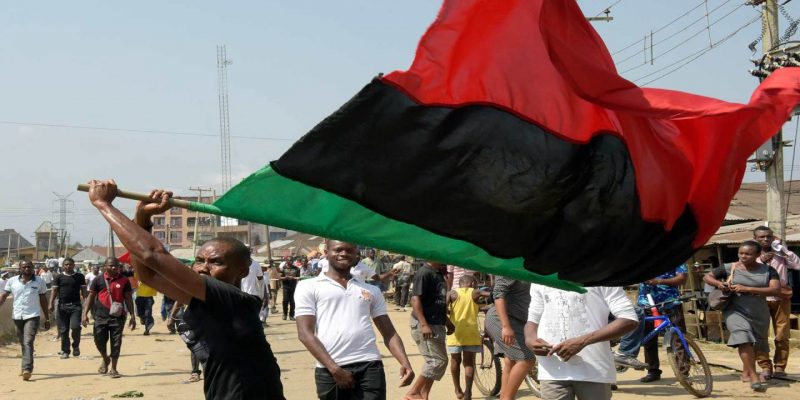
The Indigenous People of Biafra are protesting the move to name the second River Niger Bridge after the President, Major General Muhammadu Buhari (retd.).
The group, in a statement on Monday by its Media and Publicity Secretary, Emma Powerful, said it rejects naming the bridge after Buhari, “because he came to power and completely sidelined its people.”
The group claimed that under Buhari’s watch, South-East youths have been slaughtered by security agents with reckless abandon.
IPOB said the bridge should rather be called ‘Achuzie Bridge” or any other accomplished Igbo patriots, adding that no Igboman has been named after any big project in the North.
The group said, “Under his watch, terrorists masquerading as Fulani herdsmen have invaded our communities killing innocent men and women after destroying our farms with their cows.”
The group also debunked the allegation by the Minister of Works, Babatunde Fashola, that IPOB disturbed the construction of the second Niger Bridge.
It said, “This is another lie from the pit of hell. We want to challenge Fashola to substantiate his claims. Did IPOB in any way physically interfere with the construction of the bridge by either directly or indirectly hindering any worker either foreign or local handling the project?
READ ALSO:
- Drug War: FG approves N1bn for eye lie detector, goggle for NDLEA
- Putin demands Mariupol surrender to end shelling
- JUST IN: Benue Residents Gunned Down In Fresh Attack
“Fashola should know that if not for IPOB that has ensured security in the South East, the workers of Julius Berger would have run away from the site a long time ago. If the second Niger Bridge is being done in the North, Boko Haram, Ansaru, ISWAP, and the pampered bandits would have chased them away. That shows them that South East is more peaceful than the North.”
It also stated that “sycophants” in the Buhari administration derive joy in calling IPOB names to deceive the President.
The statement read in part, “South East has more credible names and more important persons who the Federal Government can name the second Niger bridge after. We have a galaxy of accomplished Africans like Chief Chinua Achebe, Chu Okongwu, Cyprain Ekwensi, Alexander Ekwueme, Chief Michael Okpara, Dr. Akanu Ibiam, Mbonu Ojike, Chief Kenneth Dike, Eni Njoku, Dora Akunyili, Dr Sam Mbakwe, Achuzie, Phillips Efiong and the living legend Chief Amaechi Mbazuruike
“All these names mentioned above are eminently qualified for second Niger Bridge to be named after them. The Second Niger Bridge was awarded in 1979 by the Shehu Shagari regime and since then, no administration found it worthy to execute it but IPOB agitation for self-determination pushed this APC administration to reluctantly embark on its construction using the funds past Nigerian politicians looted and starched away in Europe.
“We are aware of the condition given by a certain European country that they will only release stolen funds starched away in their country if the funds will be channeled towards the construction of the Second Niger Bridge. This is what compelled the Nigerian government to embark on the Bridge project not out of love for the Igbo people of Biafra. We reject naming the bridge after Buhari when we have other better names.”
PUNCH






metro
Military Arrests Two Suspects, Recovers Weapons After Jos Crisis
Military Arrests Two Suspects, Recovers Weapons After Jos Crisis
The Nigerian Military has arrested two suspects and recovered weapons following a deadly crisis that hit several communities in Jos North Local Government Area, Plateau State. The arrests were made to prevent further escalation and restore peace and security in the troubled region.
Captain Chinonso Oteh, Media Officer for the Joint Task Force Operation Enduring Peace, explained that troops launched a comprehensive stop-and-search operation across the Jos metropolis on Friday. The operation focused on key flashpoints and major transit routes to identify and detain suspects linked to the violence.
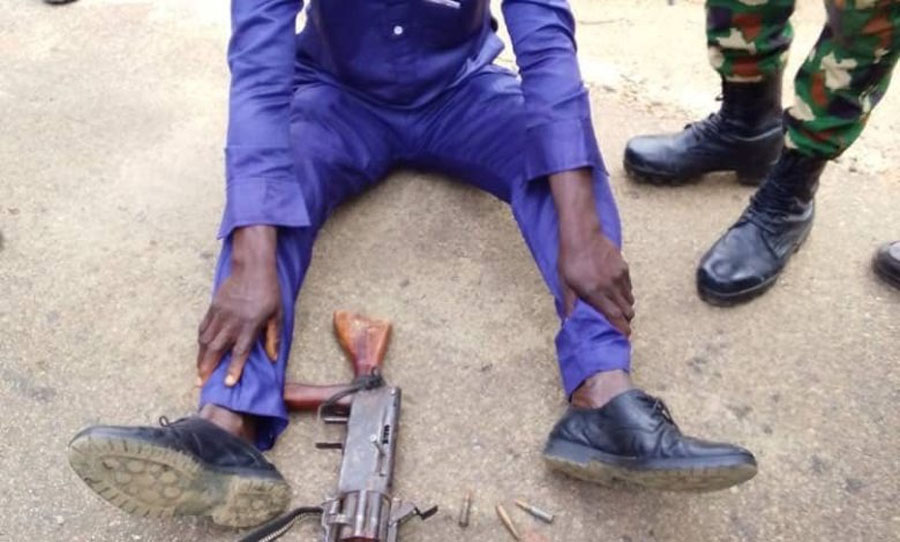
During the operation, troops recovered a fabricated AK‑47 rifle, four rounds of 7.62mm special ammunition, and a pump-action firearm with a cutlass. The arrests and recoveries were conducted in areas including Dadinkowa, Old Airport Junction, Tudun Wada, and the State Low-Cost Housing Estate.
READ ALSO:
- US Conducts Daring Rescue of Second Downed Pilot Deep Inside Iran
- ADC Crisis Halts Makinde, Bala, Lawmakers’ Defections
- I Will Support Whoever Emerges as ADC Candidate — Atiku
In a simultaneous development, troops responded to a distress call involving sporadic shooting at the Yelwa Cattle Market in Shendam. Soldiers applied superior tactical pressure, forcing suspected gunmen to retreat into nearby forested areas, preventing further civilian casualties. Two residents who sustained gunshot injuries during the incident were evacuated for immediate medical attention.
The military emphasized that the arrests and weapons recovery are part of ongoing efforts to curb criminal activity and restore lasting peace in Plateau State. Operation Enduring Peace continues to maintain a dominant security presence, particularly in flashpoint areas, and will persist until the threat of violence is fully neutralized.
Plateau State has faced recurrent insecurity in recent years, with conflicts often stemming from disputes between farmers, herders, and armed groups. Security analysts note that operations like these, combined with intelligence-led patrols, are critical in disrupting the activities of armed gangs and safeguarding local communities.
Captain Oteh reiterated the military’s commitment to ensuring stability and protection for residents. He affirmed that troops would continue to engage communities, enforce law and order, and carry out proactive measures to prevent further outbreaks of violence.
The arrests and recovery of illegal weapons have been welcomed by local leaders and residents, who continue to urge authorities to sustain these operations and promote reconciliation among affected communities.
Military Arrests Two Suspects, Recovers Weapons After Jos Crisis
metro
Wike Clarifies ‘Shoot’ Remark About TV Anchor

Wike Clarifies ‘Shoot’ Remark About TV Anchor
The Minister of the Federal Capital Territory (FCT), Nyesom Wike, has moved to quell the controversy trailing his recent remarks about Seun Okinbaloye of Channels Television, insisting that his comments were taken out of context and never intended as a threat.
Wike had sparked public outrage after stating during a media engagement that he would have “broken his TV screen and shot” the television anchor over comments suggesting that a one-party system could undermine Nigeria’s democracy. The remark drew swift condemnation from civil society groups, including Amnesty International, which described the statement as “reckless and violent.”
However, in a statement issued on Saturday and signed by his media aide, Lere Olayinka, the minister said the comment was merely a figure of speech expressed in anger and not a literal threat.
According to the statement, Wike had already clarified his position during the same live television programme where the remark was made, stressing that he had no intention whatsoever of harming Okinbaloye.
“The minister never meant that he would shoot Seun Okinbaloye,” the statement read. “They even spoke on the phone today, and he (Okinbaloye) clearly understood what the minister meant.”
Olayinka explained that Wike’s frustration stemmed from what he perceived as a departure from journalistic neutrality by the anchor, whom he said the minister holds in high regard.
“What the minister meant, which he made clear during the media chat, was that he was displeased seeing Okinbaloye—whom he respects as a journalist—descending into the political arena by speaking as an interested party, rather than maintaining the role of an interviewer,” the statement added.
The aide further described the controversial remark as “hyperbolic,” noting that it was an exaggeration used to emphasise the minister’s displeasure and not an expression of violent intent.
He also pointed out that other journalists present during the interview, including Chamberlain Uzor, reportedly treated the comment lightly, with laughter following Wike’s clarification on air.
“Even after the minister explained himself during the live programme, including stating clearly that he did not mean he would carry a gun to shoot the anchor, the context was well understood by those present,” Olayinka said.
The statement accused critics of deliberately misrepresenting the minister’s words for political purposes, warning against what it described as attempts to weaponise the comment for “blackmail and propaganda.”
“The public is therefore urged to disregard attempts by individuals or groups to twist the minister’s statement out of context in pursuit of political gains,” the statement concluded.
The incident has continued to generate debate within Nigeria’s media and political space, raising broader concerns about the tone of public discourse and the responsibilities of public officials in their engagements with the press.
Wike Clarifies ‘Shoot’ Remark About TV Anchor
metro
Autopsy Confirms Destiny Boy Died from Toxic Substances
Autopsy Confirms Destiny Boy Died from Toxic Substances
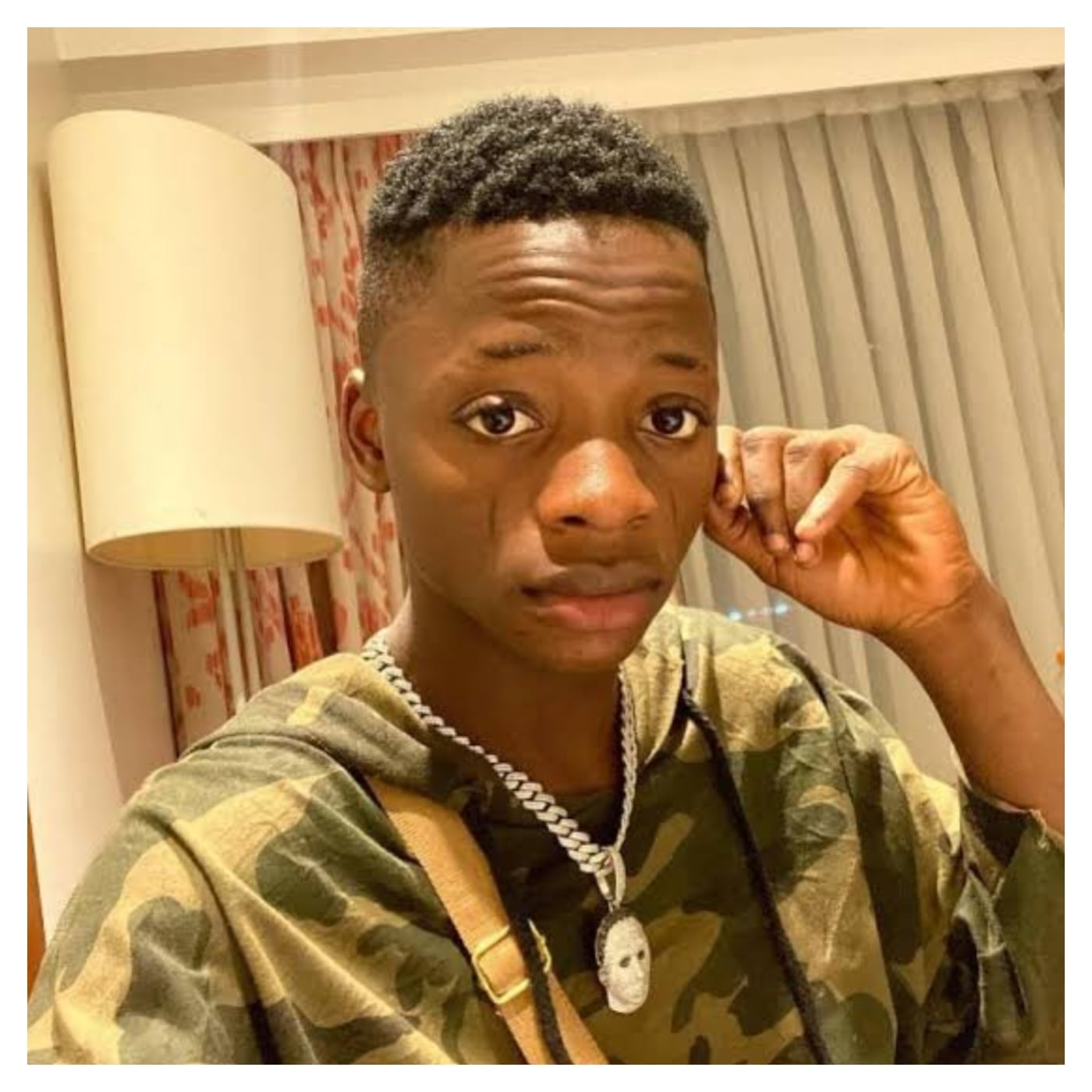
The tragic death of 22-year-old Afrofuji singer Afeez Adesina, popularly known as Destiny Boy, has been clarified following the release of his official autopsy report. The findings confirm that toxic substances, including tramadol and methamphetamine, were present in his system and played a critical role in his untimely passing.
Destiny Boy passed away on January 17, 2026, a loss that sparked intense speculation on social media, with videos circulating showing his body being transported to a mortuary. These clips fueled public concern and rumours about the circumstances of his death. (pmnewsnigeria.com)
According to the Ogun State Police Command, the Homicide Section of the State Criminal Investigation Department (SCID) carried out the autopsy. The toxicology report detected dangerous levels of tramadol, its metabolites, and methamphetamine in Destiny Boy’s body. The official cause of death was determined to be aspiration pneumonitis, a severe lung inflammation resulting from the ingestion of these substances. (lindaikejisblog.com)
READ ALSO:
- DHQ Reveals Over 60% of Terrorist Fighters Not Ideologically Driven
- Bala Mohammed Rejects APC Pressure, Says He Won’t Be Criminalised
- Blessing CEO Defends Breast Cancer Fundraiser Amid Backlash
DSP Babaseyi Oluseyi, Police Public Relations Officer, confirmed that at least one suspect has been arrested in connection with the singer’s death and that investigations are ongoing. The police emphasized that the case remains under careful examination to determine all contributing factors.
Destiny Boy, who first gained recognition in 2019 for his Fuji rendition of Davido’s “If”, later covered popular tracks by Tekno, 2Baba, 9ice, and Small Doctor. His original songs, including Lamba, One Transaction, Gbese, Billion Dollar, Mio Gbonkankan, and Lowkey, solidified his rising fame in Nigeria’s music industry. He also welcomed his first child with partner Iremide in November 2024.
The autopsy report has provided much-needed clarity after months of uncertainty and public debate surrounding Destiny Boy’s sudden death, highlighting the dangers of substance misuse among young entertainers. Fans and industry colleagues have expressed deep sorrow while advocating for awareness on drug safety and mental health support in the entertainment industry. (tell.ng)
Autopsy Confirms Destiny Boy Died from Toxic Substances

-

 metro3 days ago
VeryDarkMan Dares Sowore Over Blord’s Kuje Prison Remand
-
 metro2 days ago
Tinubu Approves 1,000 Forest Guards, Orders 5,000 CCTV Cameras to Boost Security in Plateau
-
 metro1 day ago
Pastor Found Dead in Guest House After Night Out With Married Female Church Member
-
 International2 days ago
Iran Announces ‘Bounty’ on US Pilots After Claiming Downing of Fighter Jet
-

 Health19 hours ago
Men Encouraged to Ejaculate More to Reduce Prostate Cancer Risk
-
 Politics16 hours ago
Adeleke’s Aide Anisu Resigns, Defects to APC
-

 Politics1 day ago
Wike: PDP Not Financially Ready for 2027 Presidential Election
-
 Sports2 days ago
UEFA Threatens to Strip Italy of Euro 2032 Hosting Rights