

Education
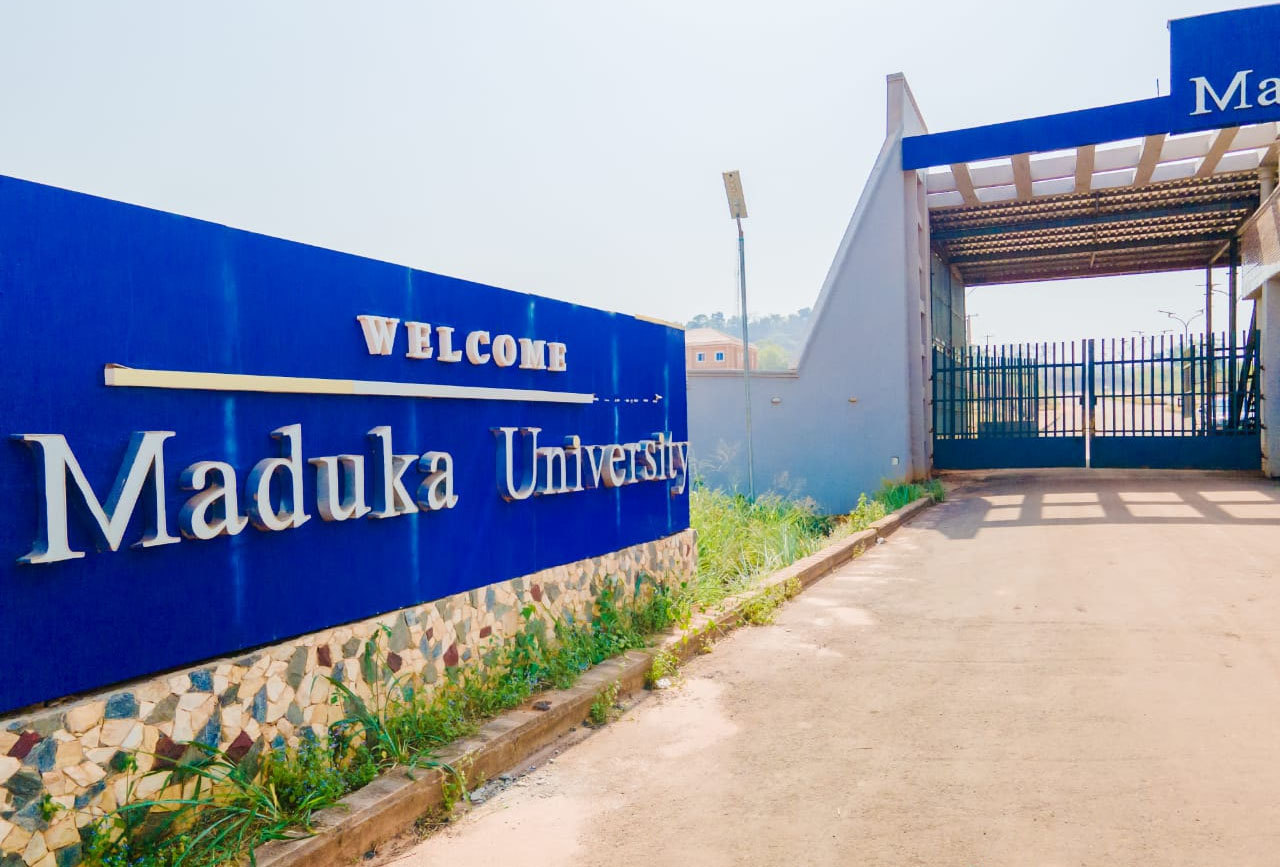
Maduka University Denies Withholding Student Transcript, Fee Hike Claims in Viral Video
Maduka University Denies Withholding Student Transcript, Fee Hike Claims in Viral Video
Maduka University has denied allegations made in a viral social media video accusing the institution of withholding the transcript of a medical student and imposing arbitrary school fee increases on students.
The university described the claims as “baseless,” misleading and an attempt at “content creation,” insisting that due process was followed in all dealings concerning the student involved.
The controversy began after Mrs Chika Akhigbe, mother of a medical student at the institution located in Ekwegbe-Nsukka, Enugu State, posted a viral video alleging that the university refused to release her daughter’s hard-copy transcript despite payment of the required processing fee.
In the video, Akhigbe also accused the university of repeatedly increasing tuition fees for medical students, claiming the hikes had become financially unbearable for many parents.
She said the family requested the transcript because they planned to transfer their daughter to another university following the alleged fee increase.
However, in a statement signed by the Registrar of the university, J. Omeje, and made available to journalists, the institution rejected the allegations and provided its own account of the events.
According to the university, the student’s father was informed that official transcripts are only sent directly to another institution and not handed over to individuals.
READ ALSO:
- UK Scientists Develop New Ebola Vaccine As Congo Outbreak Triggers Global Health Concern
- Fayemi Reveals How He Convinced Peter Obi To Greet Tinubu At Vatican
- APC Names Fubara, Other Governors As Coordinators For Presidential Primary
“The student’s father was duly informed by the Registrar to provide the name of the institution to which the official transcript would be sent, in line with standard university practice and established academic procedures. This address has not been provided,” the statement read.
The university maintained that it never refused to release the transcript but merely requested the destination institution’s details in accordance with standard academic procedures followed globally.
Maduka University also alleged that the student’s father admitted he could not immediately pay the official transcript processing fee and later threatened legal action and social media exposure.
According to the institution, he allegedly visited several offices, including the Admissions Office and Bursary Department, making similar threats.
Responding to claims that all school fees had already been paid, the university said the student still had an outstanding balance of N500,000 from a total tuition obligation of N3.5 million for the 2025/2026 academic session.
“It is not true that all fees have been paid. They have an outstanding of N500,000,” the statement added.
The university further claimed that no payment had been received for transcript processing as of May 21, 2026.
“As at May 21, 2026, the university is yet to receive any payment from her for the purpose of any transcript processing,” the institution stated.
READ ALSO:
- MURIC Congratulates Hamzat, Other Successful Candidates Across Party Primaries
- EFCC Arraigns ‘Mama Boko Haram’, Two Others Over Alleged N42 Million Fraud
- Frank Edoho Scandal: Yul Edochie Tells Men to Walk Away from Cheating Wives
Maduka University also denied claims that the Vice Chancellor personally discussed the transcript matter with the student’s parents, clarifying that all interactions took place strictly through the Registrar’s office, which supervises transcript processing through the university records unit.
On allegations of arbitrary fee hikes, the institution insisted that reports circulating online were inaccurate.
According to the university, tuition and accommodation fees for returning medical students for the 2026/2027 academic session stand at N4,010,000 and not N4.5 million as claimed in the viral video.
The university said the new academic session had not yet commenced and argued that its fees remain among the lowest charged by private medical universities in Nigeria.
“Her claim that we increase school fees annually and therefore have become unaffordable is false. We have maintained one of the lowest fee regimes among our contemporaries,” the statement added.
The institution also dismissed claims that the student involved was the best-performing student in her class, describing the assertion as inaccurate.
Addressing security concerns raised in the video, the Registrar said the university has never recorded any security breach since its establishment.
“It is false and unsubstantiated; we have never had any security breaches since the inception of the university,” the statement said.
The university accused Mrs Akhigbe of attempting to damage the institution’s reputation through social media influence and public pressure.
“Her intention is to use her social media influence to force the university to circumvent official protocol. It is surprising that a mother would use the education of her daughter to entertain her social media followers and drive traffic to her page,” the university stated.
Maduka University reaffirmed its commitment to professionalism, due process and adherence to academic standards in all administrative matters.
The institution also urged members of the public to rely on verified information from official channels rather than social media narratives.
Maduka University was founded by renowned businessman and Peace Group Chairman, Samuel Maduka Onyishi, as part of efforts to expand access to quality higher education in Nigeria.
The controversy has continued to generate mixed reactions online, with some social media users calling for greater transparency from private universities, while others argued that transcript release procedures are standard practice across many tertiary institutions.
Education stakeholders have meanwhile stressed the need for better communication between universities, students and parents to prevent similar disputes from escalating publicly.
Maduka university Increased my daughter school fees from 3 million to 4.5 million, we can no longer afford the fees, we decided to change school for my daughter, we request for my daughter transcripts’ they said, for them to release the transcript we must pay 2 million. Now we’ve… pic.twitter.com/9fuJhEl71X
— ChukwuNonso✍️ (@Mazi_Chinonso1) May 21, 2026
Maduka University Denies Withholding Student Transcript, Fee Hike Claims in Viral Video











Education
Why JAMB Is Taking UTME To Canada — Registrar Explains

Why JAMB Is Taking UTME To Canada — Registrar Explains
The Joint Admissions and Matriculation Board (JAMB) has explained why it is taking the Unified Tertiary Matriculation Examination (UTME) to Canada, saying the move is aimed at expanding access to Nigerian tertiary education rather than making money.
JAMB Registrar, Professor Segun Aina, said the board is working to establish a UTME examination centre in Ottawa, Canada, from 2027 to enable eligible Nigerians living in Canada and other parts of North America to sit the examination without travelling to Nigeria solely for the exercise.
The planned centre followed Aina’s visit to the Nigerian High Commission in Ottawa, where discussions were held on arrangements for conducting the examination.
JAMB said the initiative is part of its effort to make the Nigerian university admission system more accessible to Nigerians in the diaspora, particularly those seeking admission into universities and other tertiary institutions in Nigeria.
“For Nigerians in Canada, the UTME is coming closer to home,” the board said while announcing the plan.
However, the decision has generated questions over the likely number of candidates who would use the centre and whether establishing an examination facility in Canada would be financially viable.
Responding to such concerns, Aina said the number of candidates was not the primary consideration for establishing foreign examination centres.
READ ALSO:
- FULL LIST: NAF Releases Names Of 25 Victims Killed In Ondo Crash
- Supreme Council For Sharia Secretary-General Nafiu Baba-Ahmed Dies
- Former NADECO Leader Ralph Obioha Dies At 80
He explained that JAMB currently conducts the UTME in about 10 foreign countries as a service to improve access to education, adding that the board also conducts examinations in correctional service centres for the same reason.
According to the registrar, Nigerians relocate abroad for different reasons, while children of Nigerian public servants posted overseas may also need to sit the UTME without returning to the country specifically for the examination.
Aina said the absence of a JAMB examination centre in North America had previously made it difficult for prospective candidates in the region to participate in the UTME locally.
He added that JAMB does not necessarily need to acquire or rent a permanent building or employ a new workforce to establish the Ottawa centre.
The registrar explained that the board works with Nigerian diplomatic missions in countries where it conducts overseas examinations, using temporary spaces within high commission premises and relying on diplomatic mission staff to assist with the exercise.
Aina also said no money had been spent on the proposed Canadian centre so far.
He explained that his visit to Canada coincided with a conference and that he used the opportunity to initiate discussions with the Nigerian High Commission about the proposed examination arrangement.
JAMB‘s spokesperson, Fabian Benjamin, also defended the initiative, saying more than 100 prospective candidates in Canada had already indicated interest in sitting the examination there.
The proposed Ottawa centre is expected to serve eligible Nigerians in Canada as well as those in other parts of North America who wish to gain admission into Nigerian tertiary institutions.
JAMB said the move would reduce the barriers faced by Nigerians abroad and strengthen their connection with the country’s education system.
The board also said the initiative would provide an opportunity to showcase Nigerian tertiary education internationally and create more pathways for Nigerians in the diaspora to pursue higher education in Nigeria.
The proposed JAMB Canada centre is expected to commence operations with the 2027 UTME.
Why JAMB Is Taking UTME To Canada — Registrar Explains
Education
World Teachers’ Day: Ogun Residents Demand Better Pay, Equipped Schools for Teachers

World Teachers’ Day: Ogun Residents Demand Better Pay, Equipped Schools for Teachers
As Nigeria marked the 2026 World Teachers’ Day, residents of Ogun State have called on the government to improve teachers’ welfare, increase remuneration and provide adequate facilities in public schools, insisting that celebrating educators must translate into tangible improvements in their working conditions.
The demand was made by callers on Eagle 102.5 FM’s Frontline programme on Monday, October 5, during a discussion on teachers’ welfare and their contributions to education and community development. The programme featured the Chairman of the Ogun State Teaching Service Commission (TESCOM), Apostle Abiodun Sanyaolu.
Contributors stressed that teachers remain central to the development of children and the nation’s human capital, arguing that their responsibilities deserve better financial rewards, improved working conditions and a more conducive teaching and learning environment.
A caller from Ilese-Ijebu described teachers as the foundation of society, noting that their influence extends beyond the classroom to shaping children’s character, knowledge and future prospects.
Describing teachers as “the pillar of everything in life,” the caller urged the government to prioritise their welfare, arguing that educators must be adequately supported to deliver on their responsibilities.
“The welfare of the teachers is very, very important. The government should look at it and make sure that teachers are given a good welfare system so that they will be proud of doing what they are doing,” she said.
She also called for increased investment in school facilities, warning that constructing classrooms without providing the necessary equipment and learning materials would leave schools ill-equipped to deliver quality education.
“It’s not just only the structure alone. They should put in the necessary things that are supposed to be in the school,” she added.
The caller’s remarks highlighted the need for a comprehensive approach to educational development, encompassing not only physical infrastructure but also the resources required by teachers and students for effective teaching and learning.
Another contributor, Olu Ogunike, called for better remuneration for teachers, arguing that their salaries and conditions of service should reflect the critical role they play in national development.
“Teaching should be one of the well-paying work in the country,” Ogunike said, stressing that teachers lay the foundation for virtually every other profession.
He argued that the quality of a country’s workforce depended significantly on the quality of its teachers, adding that improved financial rewards would help enhance the status and attractiveness of the profession.
The contributions reflected growing public expectations that governments should match their recognition of teachers with practical measures to improve their welfare and the quality of education.
Speaking on the programme, TESCOM Chairman Sanyaolu described teachers as important stakeholders in community development, noting that their influence extends beyond academic instruction to shaping the moral, social and intellectual development of children.
According to him, every child taught by an educator eventually becomes part of the wider community, making teachers indispensable to the social and economic advancement of Ogun State.
Sanyaolu acknowledged, however, that more work remained to be done in the state’s education sector, despite the reforms and interventions introduced by the government.
“We still have a lot to do. There is a lot that is still ongoing, and we will continue to work to ensure that the gains recorded in the education sector are sustained,” he said.
His remarks underscored the continuing challenge of consolidating improvements in education while addressing concerns about teachers’ welfare, school infrastructure and the resources available for effective learning.
The callers’ demands also highlighted the connection between teachers’ working conditions and students’ educational outcomes.
They argued that better remuneration could boost teachers’ morale, while well-equipped classrooms, adequate learning materials and modern teaching resources would strengthen their ability to deliver quality education.
Similarly, improved welfare could help make teaching more attractive to qualified professionals and encourage greater commitment to the profession, particularly at a time when schools require skilled and motivated educators to prepare young people for the demands of a changing economy.
The 2026 World Teachers’ Day celebration therefore provided an opportunity to reflect on both the contributions of educators and the challenges confronting the profession.
For the contributors on Eagle 102.5 FM’s Frontline programme, the message was clear: public recognition of teachers must go beyond annual celebrations to include improved pay, better welfare packages, adequate school facilities and sustained investment in professional development.
They maintained that supporting teachers was not merely a reward for their service but also a necessary investment in the future of Ogun State and the country at large.

Education
Madonna University expels final-year nursing student, suspends 14 over dance video
Madonna University expels final-year nursing student, suspends 14 over dance video
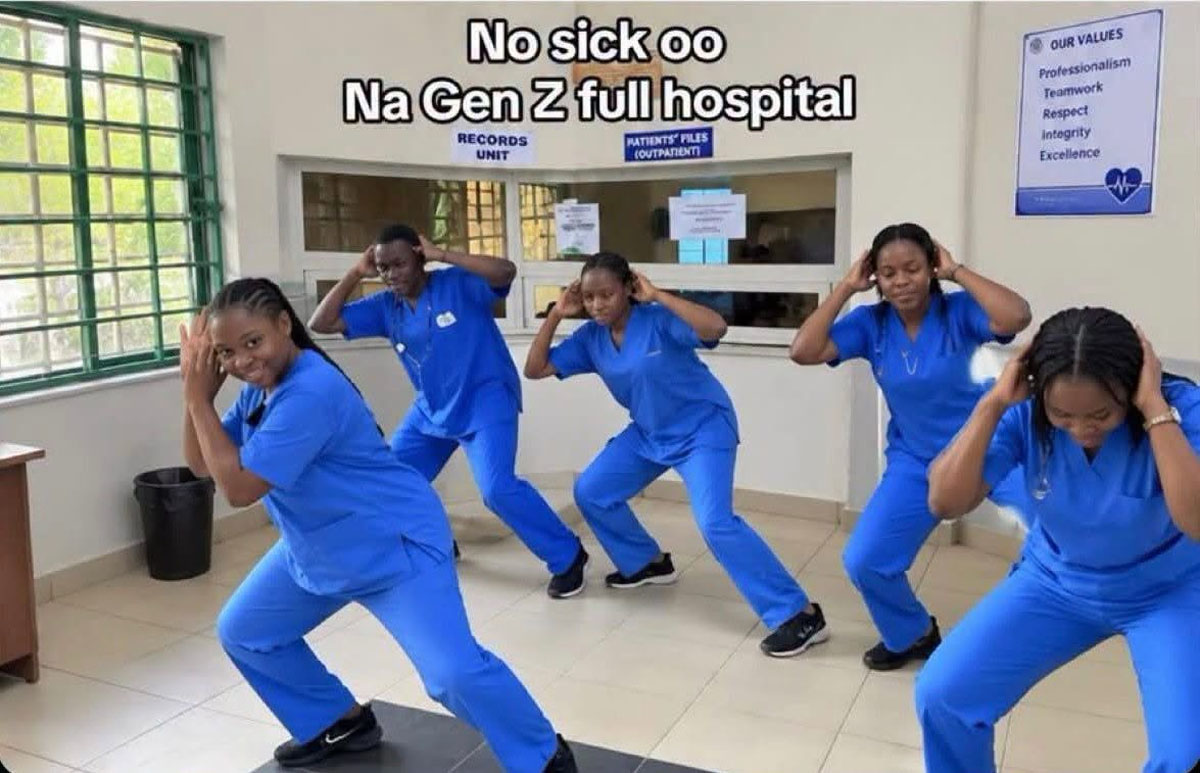
The National Association of Nigerian Students (NANS) has appealed to the management of Madonna University to reconsider the expulsion of a final-year nursing student and the suspension of 14 others over a viral dance video recorded within a hospital environment.
The controversy began after a video showing a group of nursing students dancing at different locations at Madonna University’s Elele campus in Rivers State surfaced online and attracted widespread attention.
The footage showed the students dancing in areas including a hospital waiting area, staircase and a university bus. It was reportedly linked to a social media trend involving young nurses and students.
The video generated criticism because some of the scenes were filmed within a healthcare environment, where students undergoing professional training are expected to observe standards relating to professional conduct, discipline and patient care.
Following the controversy, Madonna University took disciplinary action against the students involved. One final-year nursing student was expelled, while 14 others were suspended.
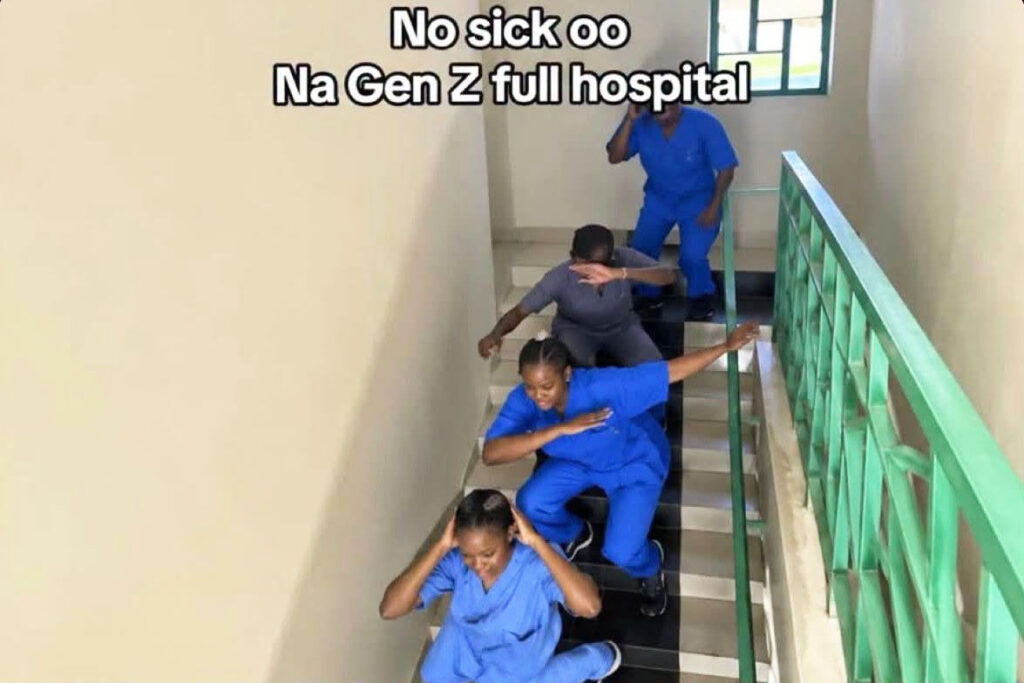
Madonna University expels final-year nursing student, suspends 14 over dance video
The university’s Director of Communications and Public Affairs, Chima Achu, confirmed that disciplinary measures had been imposed and indicated that the institution would provide further details on the matter.
READ ALSO:
- JUST IN: WAEC appoints Suleiman Kum as new Nigeria National Office head
- Ojudu Reveals How Tinubu, He Narrowly Escaped Death In Third Mainland Bridge Crash
- ‘I Thought I Was Dead’ — Hairstylist’s Daring Escape From Kidnappers After Benin-Ore Ambush
The sanctions have, however, attracted criticism from student groups, with NANS urging the university to reconsider the expulsion.
NANS National President, Akinteye Babatunde Afeez, appealed to the university to “temper justice with mercy”, arguing that the affected students had spent several years pursuing their education and professional training.
He called for the expelled student’s punishment to be reviewed and suggested that a stern warning, undertaking or other corrective disciplinary measure could be considered instead.
According to NANS, disciplinary action should correct inappropriate behaviour while giving students an opportunity to learn from their mistakes, rather than permanently ending their education where a less severe sanction may be appropriate.
The Nigerian Universities Nursing Students’ Association (NUNSA) has also reportedly intervened in the matter and is engaging relevant stakeholders over the sanctions imposed on the students.
The controversy has generated divided reactions. While some Nigerians have backed the university’s decision, arguing that students preparing for careers in healthcare must maintain high standards of professionalism, others have questioned whether expulsion was a proportionate response to the incident.
The case has also revived concerns about social media conduct among students, particularly when videos are recorded inside hospitals, clinics and other professional environments.
For healthcare students, such concerns extend beyond ordinary campus rules because their training involves responsibilities relating to patient privacy, dignity, safety and public trust.
At the same time, the NANS intervention has brought renewed attention to the question of whether university disciplinary measures should place greater emphasis on rehabilitation and corrective education.
The university has not indicated that the students were involved in any harm to patients, and the available reports do not establish such a claim.
The focus of the disciplinary action is the conduct displayed in the video and the circumstances in which it was recorded.
Madonna University is expected to provide further clarification on the disciplinary process, the specific regulations breached and the possibility, if any, of reviewing the sanctions.
Until then, the expulsion of the final-year student and suspension of the other 14 students remain the subject of an ongoing appeal by student representatives.
Madonna University expels final-year nursing student, suspends 14 over dance video
-

 metro2 days ago
‘I Thought I Was Dead’ — Hairstylist’s Daring Escape From Kidnappers After Benin-Ore Ambush
-

 metro3 days ago
Tension as Kidnappers Threaten to Kill Abducted Oyo Corps Members
-

 metro21 hours ago
Tragedy Strikes FMC: Medical Director Loses Two Daughters—A Doctor and a Pharmacist—Within 48 Hours
-

 Politics3 days ago
Wike to Amaechi: What Did You Bring to Rivers After 24 Years in Power?
-

 metro24 hours ago
Transporters Urge IGP Disu to Arrest Illegal Highway Tax Collectors
-
 International3 days ago
Nigerian-Born Ex-Professor Jailed 78 Months Over $1.3m US Student Aid Fraud
-

 metro2 days ago
Court Restricts Osun Accounts Over $13.9m Arbitration Award
-

 Entertainment2 days ago
“Sometimes, I Wonder Why I Married My Husband” — Omotola