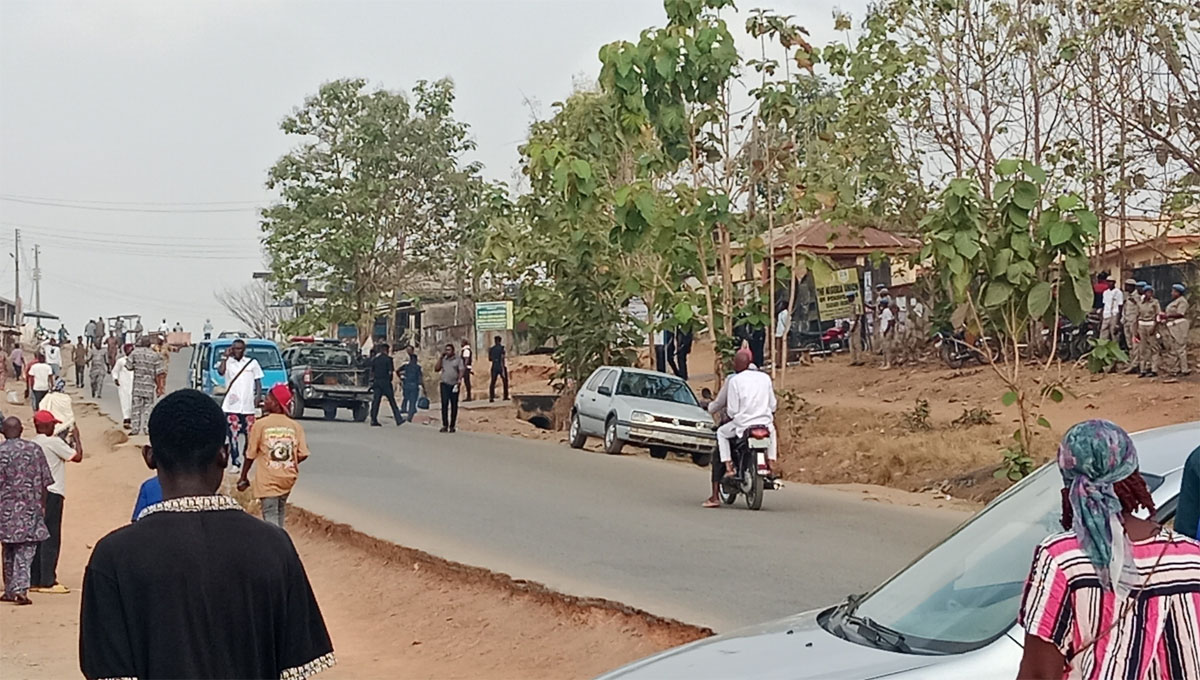
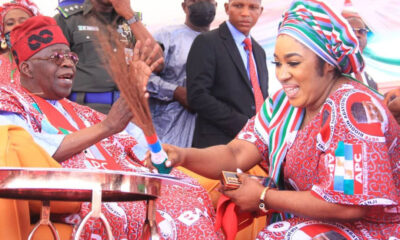
Violence erupted yesterday in Osun State as the battle for the control of the local government secretariats between the Peoples Democratic Party (PDP) and the All Progressives Congress (APC) turned bloody.
The mayhem was recorded in 15 out of the 30 council secretariats.
A Court of Appeal judgment was interpreted differently by the APC and the PDP.
According to the APC, all its reliefs were granted by the justices – meaning that the council chairmen sacked by the PDP government headed by Governor Ademola Adeleke are reinstated.
The sacked chairmen picked yesterday to return to office.
However, the government said the judgment was not declarative and did not reinstate the sacked chairmen.
The clashes were intense in Boripe, Atakunmosa West, Ede South, Isokan, Irewole, Ola-Oluwa, Ilesa East, Ilesa West, Osogbo, Olorunda, Ede North local governments
In Irewole, the reinstated chairman Remi Abass was seized in front of the secretariat and taken away. His body was brought back to the secretariat hours later, according to eyewitnesses.
In Ilesa, Executive Director of Project Implementation at the Federal Housing Authority (FHA), Remi Omowaiye came under ambush with his car riddled with bullets. He was lucky to escape unhurt. His driver and police orderly were injured.
In Osogbo, a top state government official was seen battling with some APC supporters for control of the local government secretariat.
Trouble started in many of the councils as APC members, led by their local leaders, attempted to take over the secretariats to enforce the Court of Appeal judgment.
They were elected, shortly before the tenure of former Governor Gboyega Oyetola expired in 2022.
The leadership of Osun APC claimed that the party had taken over 15 of the 30 councils.
To curtail the mayhem, Governor Adeleke ordered residents to keep away from the councils.
Prominent monarchs appealed for calm, urging the two sides in the dispute to accord priority to peace.
The police said the circumstances surrounding the mayhem were being investigated.
The State caucus in the National Assembly led by Bamidele Salam urged President Bola Ahmed Tinubu to intervene.
Adeleke and Oyetola, who is the Minister of Marine and Blue Economy have been at loggerheads over the reinstatement verdict of the Court of Appeal.
The governor had insisted that the sacked council chairmen cannot return to office, citing security reasons.
However, Oyetola said the Appeal Court judgment would be implemented through the instruments of law. He added that the council executives should resume yesterday.
Two persons were shot in Boripe local government after the reinstated council executives resumed office.
There was jubilation, following the take-over of the secretariat. But on their way home, they clashed with PDP members who laid ambush for them.
In Ife Central Council, PDP members protested the take-over of the secretariat. There was a commotion, leading to a gridlock along the Ibadan/Ikire Expressway.
A 15-second video which went viral showed the slain reinstated Irelowole local government chairman’s blood-stained body.
Commissioner for Government Affairs and Protocol, Soji Ajeigbe, who was at Boripe, alleged that two PDP members were killed by thugs. But he did not substantiate it.
An APC chieftain, Jamiu Olawumi, told reporters at Ilerioluwa Campaign Office in Osogbo, that APC had taken over 15 secretariats.
He said: “We have taken 15 LGAs, including Ede South, the council of Adeleke. We are continuing the struggle tomorrow(today).
“It is unfortunate that Adeleke and PDP in the state employ non-state actors to frustrate the enforcement of the Appeal Court verdict, which reinstated our members to the council as executives.”
Also, former Commissioner for Local Government, Adebayo Adeleke, alleged that members of APC have been marked for assassination.
Omowaiye escaped assassination by the whisker around 2:05 pm at the front of Ilesa West local government secretariat.
The former commissioner had mobilised APC members in Ilesa to the Police Command to seek protection for the reinstated chairmen and councillors.
But as he was returning to Osogbo, he ran into an ambush in front of the Ilesa West secretariat. His car was riddled with bullets.
Recounting his ordeal, Omowaiye said: “I was returning to Osogbo from Ilesa when we ran into an ambush in front of Ilesa West local government. They shot at where I was sitting on the bus. Bullets shattered the side windscreen.
“My driver and police orderly sustained serious gunshot wounds. They have been taken to hospital for treatment.”
Omowaiye added that the car of the reinstated chairman of Ilesa East was attacked on the spot where he was ambushed.
He said the perpetrators should be brought to book.
Adeleke to residents: stay away from secretariats
Adeleke directed residents to stay away from the local government secretariats and avoid further bloodshed, according to a statement by his media aide, Olawale Rasheed.
He said: “I therefore direct all law-abiding Osun residents to stay away from the council secretariats especially as they are expected to be under lock and key.
“I equally condole families of victims of the APC illegal takeover bid and the chaos unleashed across the state by the APC and their hired thugs. PDP lost five members with several others wounded.”
Monarch sues for peace
The Oluwo of Iwo, Oba Abdulrosheed Akanbi, in a statement, said: “I offer my royal appeal to the good people of Osun State, most especially the politicians, to desist from acts capable of destroying the existing peaceful co-existence in the state.
“The violent attacks reported by the media in some local governments are worrisome. It doesn’t depict the true image of the state as the land of virtues.
‘’Let’s prioritise our lives and protect the infrastructures built with our collective resources.”
The monarch expressed worry over likely violence in Iwo community, warning politicians against mayhem in his domain.
IG orders end to violence
IGP Kayode Egbetokun ordered policemen to prevent further breakdown of law and order.
A statement by Force Public Relations Officer, ACP Olumuyiwa Adejobi, quoted Egbetokun as saying that the perpetrators of the criminal acts would be fished out and brought to book.
The statement reads: “Osun indigenes, leaders, and stakeholders are hereby urged to shun violence and go about their legitimate businesses.
“The judiciary remains the ultimate arbiter of all electoral disputes and political actors must respect and abide by its rulings, upholding the rule of law and democratic principles. Citizens are advised to go about their lawful businesses.
“The Force reiterates its commitment to clamping down on any violent actors bent on creating brouhaha and breakdown of law and order in any part of the country.
“The situation in Osun will be closely monitored, and measures will be enforced to ensure a safe environment for all residents.”
Bashiru seeks state of emergency
The APC National Secretary, Dr Ajibola Basiru, urged the Federal Government to declare a state of emergency to curtail further violence.
But the state Commissioner for Information, Kola Alimi, rejected the call, saying that it was unnecessary.
The duo spoke on the television about the clashes.
Basiru said: “I will suggest that perhaps it will be necessary for the Federal Government to declare a state of emergency. It has gotten to that stage where hapless people coming from farms are attacked by uncontrollable PDP thugs.”
But Alimi rejected that, saying: “I call on our amiable President to reject the call of Honourable Bashiru and his cohorts. That is exactly what they are targeting, they deliberately caused mayhem in this state.
“We are going to publish the names of our members that have been killed. There is no court of appeal that restored them. We urge them to toe the line of peace.”
Why chairmen can’t return, by PDP
The PDP said the chairmen cannot be reinstated through public incitement.
The party’s National Publicity Secretary, Debo Ologunagba, said in a statement, that the chairmen’s fate had been sealed.
He said: “The national leadership of the Peoples Democratic Party (PDP) cautions the sacked Osun State local government chairmen and councillors to perish the thought of forcing themselves back into office as such will amount to a futile venture with dire consequences.”
Ologunagba said a judgment of the Court to Appeal had nullified the attempt by Oyetola to install them as chairmen.
He accused the APC of attempting to incite unrest by disputing the ruling.
Ologunagba said the APC should respect the court’s decision and prepare for a fresh local government election as scheduled by the Osun State Independent Electoral Commission (OSSIEC).
He urged law enforcement agencies to investigate the violence, alleging that APC supporters were involved in the clashes that led to the casualties.
Ologunagba also urged the Inspector General of Police to ensure that those responsible for the disturbances were held accountable.
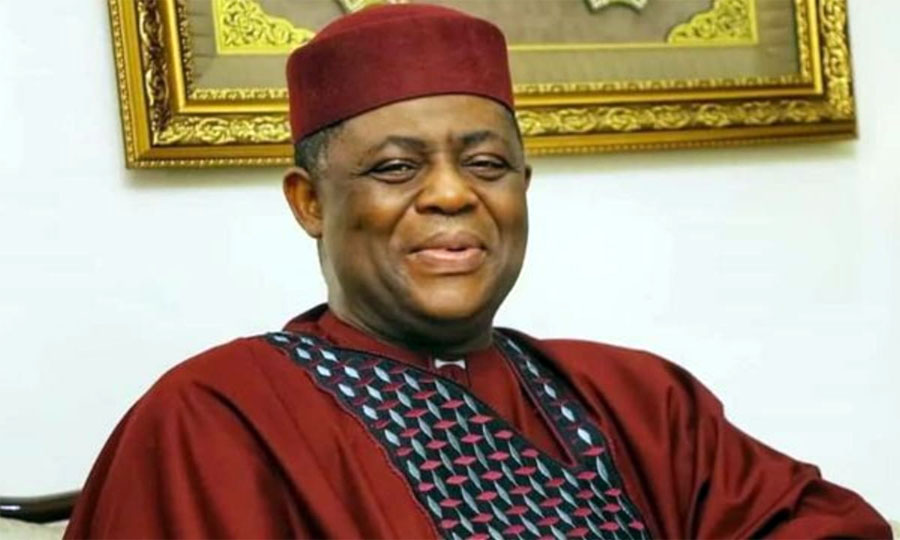
Former Minister of Aviation and Nigeria’s High Commissioner-designate to South Africa, Lesotho and Eswatini, Femi Fani-Kayode
Fani-Kayode Condemns Fresh Killing of Two Nigerians in South Africa
Former Minister of Aviation and Nigeria’s High Commissioner-designate to South Africa, Lesotho and Eswatini, Femi Fani-Kayode, has condemned the reported killing of two Nigerians in South Africa, warning that continued attacks and discrimination against Nigerian nationals could further strain relations between Nigeria and South Africa.
Fani-Kayode, in a post on his official X account on Friday, identified the victims as Bishop Michael Taiwo Fakunle and James Uchechukwu Nwankwo, who died in separate incidents in South Africa earlier this month.
Fakunle was reportedly killed at his residence in Johannesburg on September 4 after allegedly receiving threats, while Nwankwo died the following day in an incident involving officers of the South African Police Service (SAPS).
Fani-Kayode said he was “mortified and deeply shocked” by Fakunle’s death, alleging that unidentified attackers went to the bishop’s residence and shot him after threats had reportedly been made against him.
He also expressed concern over Nwankwo’s death, alleging that the Nigerian was subjected to what he described as “gruesome interrogation techniques” by South African police officers.
The circumstances surrounding both deaths remain subject to investigation. Nigerian authorities have confirmed the deaths and raised concerns about the safety of Nigerians living in South Africa.
Fani-Kayode claimed that the deaths of Fakunle and Nwankwo brought the number of Nigerians allegedly killed in South Africa in 2026 to eight, with four of the cases allegedly involving South African police officers.
He further claimed that more than 100 Nigerian nationals had been killed in South Africa between 2022 and 2026, including more than 30 allegedly killed by personnel of the South African Police Service and South African Defence Force.
The figures cited by Fani-Kayode are claims attributed to him and have not been independently verified in their entirety.
However, the Nigerian government has separately raised concerns over the number of Nigerians killed in South Africa. In July, Minister of State for Foreign Affairs Ambassador Sola Enikanolaiye said 98 Nigerians had been killed in South Africa since 2022 in mob attacks, hate-related violence and extrajudicial killings.
Fani-Kayode said the lack of arrests and prosecutions in cases involving Nigerians was particularly disturbing, given repeated concerns raised by the Nigerian Mission.
He called on the South African Government to strengthen the protection of Nigerians and ensure that anyone responsible for attacks against them is investigated and brought to justice.
“No-one deserves to be targeted and murdered simply because they are Nigerian,” he said.
The envoy also raised concern over a fresh September 30 deadline reportedly issued by the South African anti-immigration movement March and March, which has demanded that undocumented foreign nationals leave the country.
The development has heightened anxiety among Nigerian and other African migrant communities as South Africa continues to grapple with tensions surrounding immigration, unemployment and access to public services.
Fani-Kayode accused groups behind the ultimatum of using xenophobic and Afrophobic rhetoric and urged the South African authorities to prevent threats against foreign nationals from escalating into violence.
He called on Pretoria to protect Nigerians and other African nationals and prosecute individuals found to have threatened, attacked or killed them.
The renewed tensions have also triggered a stronger response from Nigeria.
The National Assembly on Friday suspended official visits to South Africa and directed lawmakers, committees, legislative officials and staff to boycott South African-hosted legislative activities until further notice.
The suspension covers physical and virtual participation in conferences, seminars, workshops, parliamentary meetings, legislative exchanges and other activities organised or hosted by South African legislative institutions.
The decision followed renewed reports of xenophobic attacks, violence, intimidation and displacement involving Nigerians and other African nationals in South Africa.
Nigerian lawmakers said they were particularly concerned by reports of Nigerians being killed, injured and forced to abandon their homes, businesses and property.
The National Assembly, however, stressed that the decision was not intended to sever Nigeria’s diplomatic relationship with South Africa but to send a strong message over the need to protect Nigerian citizens.
The legislature called on South African authorities to investigate reported attacks, prosecute those responsible and strengthen measures to protect Nigerians and other African nationals living legally in the country.
The Federal Government has also continued efforts to assist Nigerians who wish to leave South Africa because of security concerns.
Nigeria’s Acting High Commissioner to South Africa, Temitope Ajayi, said the Nigerian mission was preparing for further evacuations following the renewed threats against foreign nationals.
Ajayi disclosed that 1,699 Nigerians had been evacuated from South Africa in 2026, with the exercise supported by the Nigerian government, Air Peace and private organisations.
He said the mission was working towards additional evacuation efforts as the September 30 deadline approaches.
The latest incidents have also drawn concern from the Nigerian Citizens Association South Africa (NICASA), which called for a thorough investigation into Fakunle’s killing.
The association said the Nigerian cleric was shot at his residence in Johannesburg on September 4 and urged the relevant authorities to ensure that the circumstances surrounding his death were properly established.
The latest killings come amid a broader resurgence of anti-immigrant sentiment in South Africa, where foreign nationals have repeatedly faced accusations over unemployment, crime and pressure on public services.
Nigerians have historically been among the most prominent African migrant communities in South Africa and have frequently become targets during xenophobic campaigns and attacks.
South African authorities have repeatedly condemned xenophobic violence and called for peaceful coexistence, while also facing domestic pressure to tighten immigration controls.
The renewed tensions have therefore placed additional pressure on both governments to balance immigration concerns with the protection of foreign nationals and the preservation of bilateral relations.
Fani-Kayode warned that continued killings and discrimination could have consequences for Nigeria-South Africa relations, despite ongoing efforts by both countries to strengthen diplomatic and economic cooperation.
“Simply put, our patience is wearing thin,” he said, urging the South African government to reciprocate Nigeria’s efforts to maintain good relations by protecting Nigerian nationals and addressing Abuja’s concerns.
He also appealed for justice for Fakunle and Nwankwo and extended his condolences to their families, friends and associates.
The latest developments are expected to increase pressure on Pretoria to investigate attacks against Nigerians, while Nigerian authorities face growing demands to strengthen diplomatic measures and provide assistance to citizens who feel unsafe in South Africa.
For the Nigerian community in South Africa, the deaths have deepened concerns over personal safety, business security and the possibility of further attacks as the September 30 deadline approaches.
The situation has also reinforced calls for both countries to intensify diplomatic engagement and ensure that Nigerians in South Africa can live and conduct legitimate businesses without fear of violence, intimidation or discrimination.
Fani-Kayode Condemns Fresh Killing of Two Nigerians in South Africa
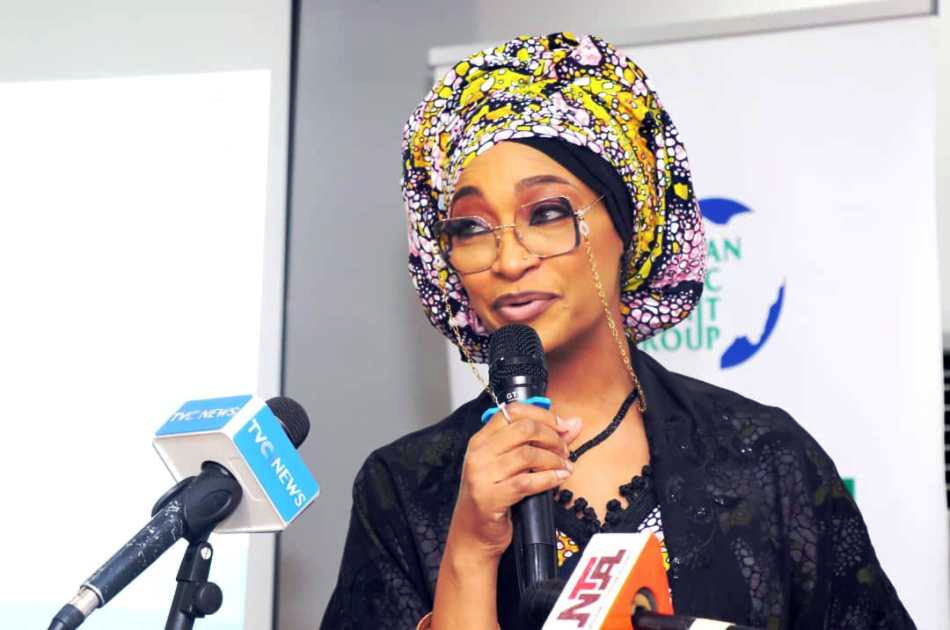
Minister of Art, Culture, Tourism and Creative Economy, Hannatu Musa-Musawa
FG Targets 2 Million Creative Jobs by 2030
The Federal Government has set a target of creating two million jobs in Nigeria’s creative industry by 2030, as it intensifies efforts to position the creative economy as a major driver of employment, investment and economic diversification.
The Minister of Art, Culture, Tourism and Creative Economy, Hannatu Musa-Musawa, disclosed this at the closing of the 2026 Kano Creative Summit, organised by the National Theatre to strengthen Nigeria’s creative economy and equip practitioners with skills needed to build sustainable creative businesses.
Musa-Musawa said the government was integrating the creative sector into its broader economic development strategy through President Bola Ahmed Tinubu’s Renewed Hope Agenda and the Destination Nigeria initiative.
“The Federal Government is integrating the creative sector into its economic framework through the Renewed Hope Agenda and ‘Destination Nigeria’ initiative, with a target of creating two million jobs in the creative industry by 2030,” she said.
The minister said the target reflected the government’s recognition of the capacity of Nigeria’s creative industry to generate employment, attract investment and create new opportunities, particularly for young people.
She also highlighted the economic potential of Kano State, describing its rich cultural heritage and long-standing creative traditions as important assets that could contribute to job creation and economic growth.
According to her, Kano’s centuries-old traditions in Kofar Mata indigo dyeing, leatherwork, weaving, blacksmithing, embroidery and Kannywood represent important components of Nigeria’s wider creative economy.
She said the international recognition of Kano’s traditional indigo dyeing further demonstrated the global value of the state’s cultural heritage.
The Kofar Mata indigo dyeing tradition was inscribed on the UNESCO Representative List of the Intangible Cultural Heritage of Humanity in December 2024, giving the centuries-old practice greater international recognition.
Musa-Musawa urged creative practitioners to take a more professional approach to their work by developing sustainable business structures around their creative activities.
She advised practitioners to register their businesses, protect intellectual property, separate personal and business finances, understand project costs and strengthen collective bargaining through professional associations.
The minister also called for the revival of dormant cultural sites, including Kofar Mata, and the introduction of community-based training programmes that would enable older practitioners to transfer traditional skills and knowledge to younger generations.
She said preserving Nigeria’s cultural heritage should be linked to efforts to create viable economic opportunities for communities and practitioners who depend on the creative sector.
The Kano summit also featured a panel discussion on the future of Northern Nigerian creativity, bringing together senior figures from the creative and academic sectors.
The panel was anchored by Kaltume Bulama-Gana, Chief Executive Officer of the National Troupe; Abdulkareem Mohammed, founder of the Kano Indigenous Languages of Africa Film Festival (KILAF); and Rukayat Banjo, Head of the Department of Theatre Arts at Bayero University, Kano.
Bulama-Gana stressed the need for Northern creatives to repackage their works and make greater use of digital platforms to showcase the region’s cultural identity to Nigerian and international audiences.
Mohammed called for sustained professional training and stronger collaboration between universities and the creative industry to help young practitioners acquire the skills required to build successful careers.
Banjo identified language barriers and inadequate indigenous storytelling as some of the challenges limiting the region’s creative potential.
She urged creatives to produce stories that reflect Northern Nigeria’s history, personalities and cultural identity, while maintaining the quality required to compete for audiences on global platforms.
The panellists also called for stronger government intervention in skills development, grants, affordable financing and institutional support for practitioners across the region.
They proposed the establishment of a National Troupe zonal office in Kano as part of efforts to strengthen cultural and creative activities in Northern Nigeria.
The summit further identified intellectual property protection, access to funding, digital technology, financial management and professional networking as critical areas requiring greater attention if Nigerian creatives are to compete effectively in the global market.
Participants said the practical sessions provided useful insights into how creative practitioners could improve their approach to creative production, business management and emerging opportunities within the industry.
The event brought together creative practitioners, policymakers, investors and industry experts to examine practical ways of transforming Nigeria’s cultural assets and creative talent into sustainable businesses and employment opportunities.
The National Theatre said the summit was designed to expose young creatives to industry leaders, policymakers and experts while providing practical knowledge on how to build sustainable careers in the creative economy.
The focus on Kano also reflects efforts to broaden access to creative-sector opportunities beyond Lagos and other established creative centres.
The Federal Government’s latest employment target is linked to a broader strategy to expand the contribution of the creative economy to Nigeria’s GDP.
In recent remarks, Musa-Musawa said the creative sector currently contributes about 2.3 per cent of Nigeria’s GDP, while the government is working to substantially increase its contribution by 2030.
The ministry has also relied on findings from Nigeria’s Creative Economy Mapping Report, which estimated that the sector could create up to 2.58 million new jobs and contribute about $100 billion to GDP by 2030 under an ideal scenario.
Under a more conservative scenario, the report projected more than 769,000 jobs, highlighting both the potential of the sector and the scale of investment and reforms required to unlock it.
The government has identified challenges including inadequate infrastructure, limited access to finance, skills gaps, piracy and weak intellectual-property enforcement as issues that must be addressed for the industry to achieve its full potential.
The ministry has consequently been pursuing measures aimed at improving financing, creative infrastructure, skills development and intellectual-property protection while attracting greater private-sector investment into the industry.
The creative economy covers a wide range of activities, including film, music, fashion, theatre, visual arts, literature, crafts, cultural heritage, digital content and other intellectual-property-driven businesses.
Government officials believe the sector can provide significant employment opportunities for Nigeria’s large young population while creating new avenues for international investment and export earnings.
The two-million-job target therefore places greater emphasis on converting Nigeria’s considerable creative talent and cultural resources into sustainable businesses capable of generating income and employment.
Achieving the target by 2030, however, will require sustained investment in skills training, financing, infrastructure, digital technology, intellectual-property protection and access to domestic and international markets.
The Kano Creative Summit reinforced the government’s position that Nigeria’s cultural heritage should not only be preserved but also developed into commercially viable opportunities capable of supporting livelihoods and contributing to national economic growth.
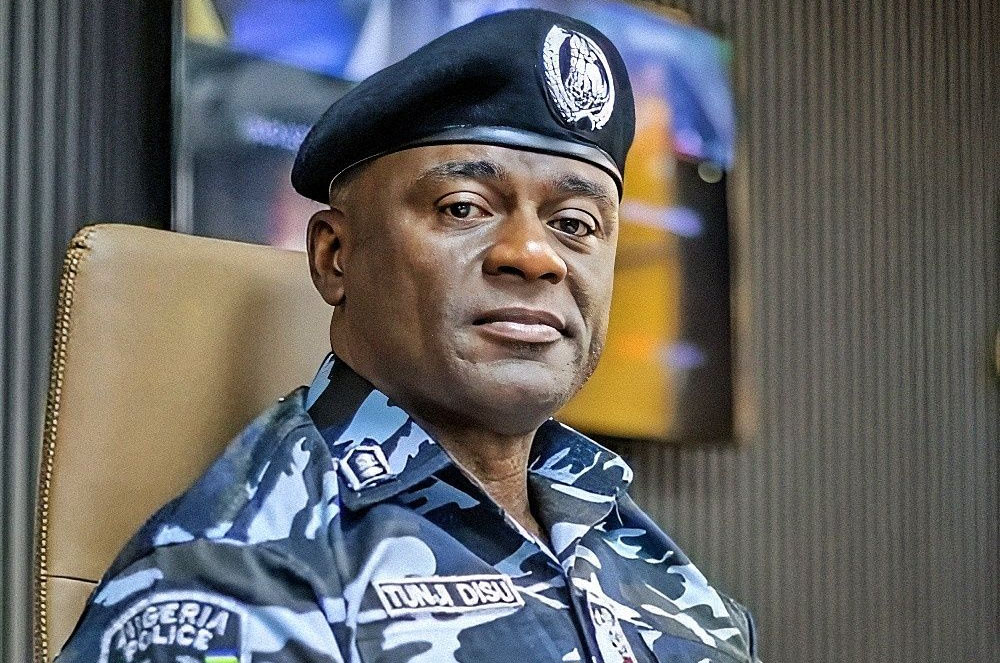
Inspector-General of Police, IGP Olatunji Rilwan Disu
Police Clarify IGP Disu’s Position on Recording Officers
The Nigeria Police Force (NPF) has clarified that Inspector-General of Police Olatunji Disu has not banned Nigerians from recording police officers while they perform their duties in public.
The Force said the IGP’s concern is instead the misuse of police recordings, particularly when footage is deliberately created to ridicule, provoke or turn police encounters into social media skits and entertainment.
The Force New Media Officer, Aliyu Giwa, made the clarification in a series of posts on X on Saturday following public criticism of Disu’s recent comments on citizens filming police officers.
Giwa said the IGP’s position had been misunderstood, stressing that the police were not seeking to shield officers from accountability or prevent citizens from exercising their rights.
“The IGP’s concern is not to shield Police officers from accountability or deny citizens their rights,” Giwa said.
He explained that Disu was specifically concerned about the misuse of recordings, including situations where officers are allegedly provoked, ridiculed, filmed for entertainment or subjected to unnecessary intrusion while carrying out their duties.
Giwa urged Nigerians to distinguish between responsible documentation of police activities and deliberately exploiting encounters with officers for social media content.
According to him, legitimate recordings can serve both citizens and police officers by providing evidence when misconduct is alleged and helping to protect officers against false accusations.
“As a public institution, the Police must remain open to legitimate scrutiny. Evidence is essential when an officer acts improperly. Similarly, responsible recording can protect officers from false allegations and support investigations,” he said.
The police spokesman, however, maintained that being in uniform does not completely remove an officer’s right to dignity and privacy.
“However, wearing the uniform does not remove an officer’s right to dignity or privacy,” Giwa said.
The controversy followed comments by Disu during a recent engagement with the leadership of the Nigerian Bar Association (NBA) at the Force Headquarters in Abuja.
The IGP had expressed concern about the increasing practice of Nigerians recording police officers, particularly when such encounters are subsequently used to create social media skits.
Disu described the practice as “very, very demoralising” for police officers but acknowledged that citizens have the right to record officers performing their duties in public.
The IGP urged Nigerians to exercise restraint and avoid turning police officers into entertainment content.
“We are not saying they cannot exercise their rights of recording officers in the public places while doing their jobs,” Disu said.
“But they should put restraints and not turn our police officers to content for their skits or anything,” he added.
His comments generated debate among lawyers, human rights advocates and other Nigerians, with some arguing that recording police activities in public is an important tool for police accountability and transparency.
Giwa subsequently rejected the interpretation that the police were opposed to recording officers generally.
Responding to an X user who suggested that police officers should instead be equipped with body cameras, Giwa said the IGP’s comments were about misuse rather than a blanket restriction on recording.
“While you are allowed to interpret it as you see fit, the message from the IGP was concerning the misuse of recordings, not a general rejection of legitimate documentation or accountability,” he said.
Giwa also disclosed that body cameras were part of discussions around modern and accountable policing, noting that the technology could protect both officers and members of the public.
“Body cameras are, in fact, part of the broader conversation about modern, accountable policing, and they can protect both citizens and officers,” he said.
The debate has also been linked to a recent Federal High Court judgment affirming Nigerians’ right to record police officers while they perform their duties in public.
The court, sitting in Warri, Delta State, ruled on March 17, 2026, in a fundamental rights case involving lawyer Maxwell Nosakhare Uwaifo.
The judgment affirmed the right of citizens to record, photograph and document police officers carrying out their duties in public spaces.
The court also addressed the conduct of police officers towards citizens who record them, reinforcing the importance of protecting constitutional rights while police officers carry out law-enforcement functions.
The judgment has since become an important reference point in the debate over citizens’ right to film police officers and the limits of that right.
The NBA has similarly maintained that citizens should be able to document police activities in public, while recognising that officers are also entitled to protection from unnecessary intrusion into their private lives.
NBA President Oyinkansola Badejo-Okusanya recently backed the principle of recording police officers while they are performing public duties and called for clearer rules defining the boundaries between legitimate documentation and inappropriate intrusion.
Giwa said the issue should not be framed as a confrontation between the police and citizens or as a dispute between the IGP and the NBA.
“Therefore, the conversation should not be framed as Police versus the public or the IGP versus the NBA,” he said.
He said the focus should instead be on finding a balance between accountability and responsibility, transparency and privacy, and citizens’ rights and the professional discharge of police duties.
The Force New Media Officer also urged Nigerians to discuss the issue without resorting to insults or inflammatory language.
He said both citizens and the police ultimately had a shared interest in building a more professional police institution and creating a safer Nigeria.
Giwa further argued that technology should be used responsibly rather than treated as a threat to law enforcement.
“In the digital age, the solution is not to fear the camera. Instead, we should use technology responsibly, uphold professionalism, and let truth, rather than social media narratives, define the conversation,” he said.
“The camera should not weaken the institution. Also, institutions should not fear legitimate scrutiny. Both must ultimately serve the truth, justice, and the Nigerian people,” he added.
The latest clarification means that the Nigeria Police Force is not imposing a general ban on recording police officers. Instead, the Force is seeking to discourage recordings that allegedly provoke, ridicule or exploit officers for entertainment while maintaining that legitimate documentation can support accountability, investigations and the protection of both citizens and police personnel.
The debate is likely to continue as the police, legal practitioners and civil society groups consider clearer guidelines for balancing the right to record police officers with privacy, dignity and the need to avoid obstructing police operations.
Police Clarify IGP Disu’s Position on Recording Officers