

Education
Meet Eruani, youngest Nigerian to receive CFR national honours

President Muhammadu Buhari is set to confer a national honour award of the Commander of the Order of the Federal Republic on a 48-year-old medical doctor, industrialist and celebrated entrepreneur, Dr Eruani Azibapu, becoming the youngest Nigerian to receive the CFR award.
Eruani, who is the chief executive officer of Azikel Refinery, is to get the award for his immense contributions to Nigeria’s economic growth, employment and national development, according to the letter conveying the national award to him.
The CFR award, according to the letter, will be formally conferred on him at a ceremony scheduled for Tuesday, October 11, 2022, at the International Conference Centre, Abuja.
Born on December 25, 1973 to the royal family of King Allwell Eruani, Aguda IX, the Obenema of Emadike Kingdom in Bayelsa State, the philanthropist obtained his Bachelor of Medicine and Bachelor of Surgery (MBBS) from the University of Port Harcourt in 1999.
In preparation for business conquest, he studied at the Lagos Business School where he obtained certification in the Owner Management Programme (OMP). He also studied at the London Business School and the University of Pennsylvania and obtained the Senior Executive Programme (SEP) and Advance Management Programme (AMP) certifications respectively.
Eruani pioneered the establishment of in-country petroleum refining by setting up the first private Hydroskimming Refinery in Nigeria.
With an output of 25,000 barrels per day, Azikel Refinery brings to reality President Buhari’s Modular Refinery Regime launched in 2015.
His business interests, which started with dredging and sandfilling, include power, aviation, oil and gas and technology.
On graduation, he worked as a medical officer in the civil service and some private clinics in Port Harcourt, and later sought further education and specialisation, starting in surgery at the University of Port Harcourt Teaching Hospital, then travelled to the United States (US) and took interest in family medicine and later became a member of the American Academy of Family Physicians.
Azibapu also worked in Bayelsa State as a medical officer. But when he became a member of the American Academy of Family Physicians, he secured employment in Nigerian Agip Oil Company as an expatriate, basically providing occupational health services. He rose to the level of a deputy chief industrial doctor.
Then, there was clamour for him to come back, as the government of Bayelsa State needed some experienced doctors to revive its health sector.
The then governor, and later President, Dr. Goodluck Jonathan, appointed him as adviser on HIV/AIDS and Community Health and he was appointed commissioner of Health by Chief Timipre Sylvia, who took over from Jonathan.
After serving as adviser for about two years and commissioner for about five years, he went into an area that was considered not befitting, the business of sand selling.
At the outset, not many people wanted to work with him. In fact, when he told his mother that he wanted to go into selling sand, she wept, that her son and only child, a medical doctor of international repute and commissioner was going to start selling sand.
But Azibapu had always known that one could actually make a good business from what many people didn’t like. And he found encouragement in his father, who said he believed in whatever he wanted to do.

He said, “I looked at the critical drivers of that business – I needed to have land and a dredging machine. I couldn’t afford to buy a dredging machine, because it costs millions of dollars. The cheapest dredging machine as at that time was nothing less than $10 million.
“I needed to get land by the riverside. I could go to a community to get land and even if I cannot pay at once, I can pay overtime, and that was what I did. I went and discussed with the Otuogori community and they agreed. That is where my operation is based, more so, it was a vacant land then, as it was always submerged under water.”
Solving the problem of dredging machine was more challenging, as he didn’t have the money to rent a dredging machine, let alone buy one. “So, I approached someone I know has a dredging machine, who remains very famous in my history, called Akpe. I asked if he could pump some sand for me, and he agreed to do so if I was willing to pay.
“From the bill he gave me, I needed an initial deposit of about N80million. I didn’t even have up to N10million. I tried to bargain as much as I could, but it wasn’t forthcoming, so I accepted it, despite not having the money.
“But I said since he wouldn’t need the whole N80 million at once, we should have a payment plan and I proposed N80 million to dredge about 100 feet of sand and offered to pay him N5 million deposit to mobilise a dredging machine to the site.
“I was able to muster about N10 million, so while he was there, I could pay him another N5 million. So, when he pumped the sand and we quantified that it was worth N10 million, I paid another N10 million,” he recalled.”
Asked how he hit it at an early age, Azibapu explained: “It is influence, largely environmental influence. The environment is not where you grow up; it is the people that you meet, your perception and the people that are around you. When you are purposeful and you have success written around you, you are likely to succeed.”
Today, Azikel operates in Bayelsa, Delta and Rivers states. The business soon evolved into a multinational industry and there was the quest to diversify, this time into the aviation sector, starting with a small aircraft.

Other prominent Nigerians to receive the CFR national award are the Speaker of the House of Representatives, Rt. Hon. Femi Gbajaiamila; his predecessor, Rt. Hon. Yakubu Dogara; Deputy President of the Senate, Senator Ovie Omo-Agege; Secretary to the Government of the Federation, Mr Boss Mustapha; Head of Service of the Federation, Dr. Folashade Yemi-Esan; former President of the Court of Appeal, Justice Ayo Salami (retired); former CEO/Managing Director/Founder of Zenith Bank, Mr Jim Ovia; Chairman, Body of Benchers, Chief Oluwole Olanipekun SAN; economist, and philanthropist, Mr Tony Elumelu, along with a number of serving and retired military officers, Justices of the Supreme Court, business executives and traditional rulers.
-Additional report by the Guardian







Education
Tinubu Scraps Recruitment Waiver Requirement for Federal Universities
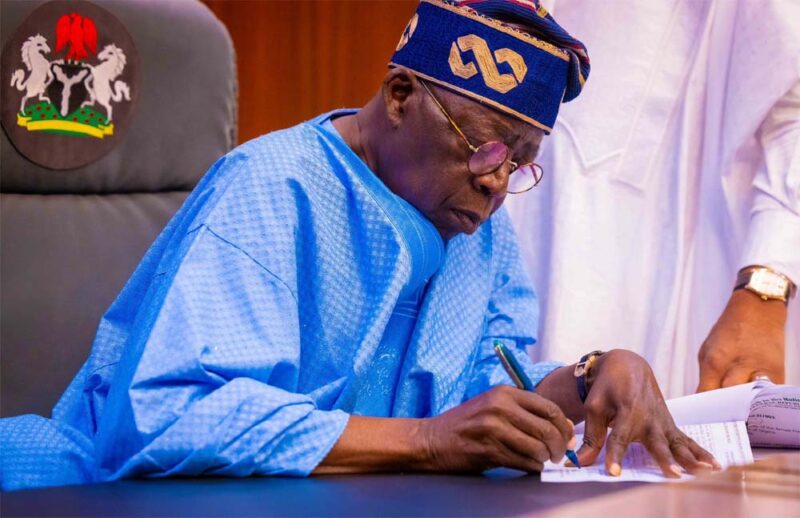
President Bola Ahmed Tinubu has exempted federal universities from the requirement to obtain recruitment waivers from the Office of the Head of the Civil Service of the Federation (OHCSF) before employing new staff, in a move aimed at strengthening institutional autonomy and easing recruitment bottlenecks in Nigeria’s tertiary education sector.
Tinubu announced the policy change on Saturday, October 17, 2026, at the maiden convocation ceremony of the Federal University of Health Sciences, Azare (FUHSA), in Bauchi State. He was represented at the event by the Executive Secretary of the Tertiary Education Trust Fund (TETFund), Sonny Echono.
The President, who serves as Visitor to all federal universities, said the reform was reflected in recent agreements signed between the Federal Government and university staff unions.
According to him, the decision would empower the Federal Ministry of Education and university governing councils to take responsibility for recruitment decisions and respond more effectively to their institutions’ staffing needs.
“This measure empowers the Federal Ministry of Education and university Governing Councils to discharge their respective responsibilities in staff recruitment, enabling institutions to respond more effectively to their legitimate manpower needs,” Tinubu said.
The removal of the waiver requirement is expected to reduce administrative delays that can hinder universities from filling vacant positions, replacing retiring employees and recruiting additional academic and non-academic personnel.
Under the previous arrangement, federal institutions could be required to obtain clearance from the OHCSF before recruiting new employees. Removing this requirement for federal universities is intended to give university authorities greater flexibility in addressing staffing shortages and managing their operations.
READ ALSO:
- FG Begins Rollout of 3,700 Telecom Towers to Connect 20m Nigerians
- 37 Miners’ Deaths in Custody: Suspended NSCDC Commandant Admits Tragedy Was Avoidable, Apologises to Families
- Singlet Dispute Turns Deadly as 23-Year-Old Kills Elder Brother in Kaduna
However, the reform does not mean that universities are exempt from all public-sector recruitment rules or that appointments can be made without appropriate institutional procedures.
Tinubu said the policy formed part of his administration’s broader efforts to strengthen university autonomy, improve personnel management and create a more conducive environment for teaching, research, innovation and service delivery.
The President also disclosed that the Federal Government was working to improve personnel and payroll administration across tertiary institutions by migrating their staff from the Integrated Personnel and Payroll Information System (IPPIS) to the Government Integrated Financial Management Information System (GIFMIS).
He said the transition was intended to improve payroll efficiency, strengthen transparency and accountability, ensure timely and accurate salary payments, and accommodate the operational peculiarities of universities and other tertiary institutions.
The proposed changes come amid longstanding discussions about the autonomy of Nigerian universities, including their ability to manage staffing, finances and other internal administrative responsibilities.
For universities struggling with shortages of lecturers, researchers, laboratory personnel and other essential workers, the removal of the recruitment waiver requirement could make it easier to respond to vacancies, subject to available funding and applicable recruitment procedures.
Beyond recruitment and payroll reforms, Tinubu reaffirmed the Federal Government’s commitment to investing in tertiary education infrastructure, research and staff welfare.
He disclosed that FUHSA had received an initial ₦8 billion intervention through TETFund to support its establishment. He said the investment followed lessons from the COVID-19 pandemic, which exposed weaknesses in Nigeria’s healthcare system and highlighted the need to strengthen medical education and research capacity.
According to the President, further support would be channelled to the university through TETFund’s regular and special interventions, alongside allocations in the 2026 national budget for roads, lecture halls, laboratories and utility vehicles.
Tinubu also announced that ₦10 billion had been provided for the National Research Fund in 2026, urging universities, particularly specialised institutions such as FUHSA, to pursue research that addresses Nigeria’s pressing healthcare challenges.
On staff welfare, he said the Federal Government had signed agreements with academic and non-academic unions covering the payment of the Consolidated Academic Tools Allowance (CATA) and the Consolidated Non-Teaching Tools Allowance (CONTTA), effective January 1, 2026.
He said the agreements recognised the distinct but complementary contributions of teaching and non-teaching personnel to the effective running of tertiary institutions.
Tinubu further disclosed that 1,798 FUHSA students, representing 43 per cent of the institution’s student population, had secured support from the Nigerian Education Loan Fund (NELFUND) for the 2025/2026 academic session.
The President congratulated the university’s 50 pioneer graduates and urged them to apply their knowledge and professional skills to improving healthcare delivery, particularly for vulnerable Nigerians.
He also encouraged FUHSA to strengthen partnerships with international institutions, including the University of Miami, Boston University and Universiti Sains Malaysia, while ensuring that such collaborations translate into measurable improvements in teaching, research and healthcare services.
The recruitment reform is expected to attract attention from university administrators, lecturers, non-academic staff and prospective employees as institutions assess how the new arrangement will affect recruitment timelines and staffing priorities.
Its impact will ultimately depend on how effectively university governing councils and the Federal Ministry of Education implement the policy, alongside adequate funding, transparent recruitment processes and effective oversight.
Tinubu Scraps Recruitment Waiver Requirement for Federal Universities
Education
JAMB Reopens NIN Alignment Window, Gives Candidates One More Chance to Correct Data

The Joint Admissions and Matriculation Board (JAMB) has reopened its National Identification Number (NIN) alignment service, giving eligible candidates another opportunity to correct discrepancies between their examination records and information held by the National Identity Management Commission (NIMC).
The examination body announced the development on Friday, October 16, 2026, through its official social media account, urging candidates with mismatched personal details to take advantage of the reopening and ensure their records are consistent.
However, JAMB warned that the opportunity is a one-time exercise and that submitting an application does not guarantee approval. All requests will be subjected to verification before a decision is made.
The board advised candidates to correct any errors in their NIN records through NIMC before applying to align their details with their JAMB profiles.
Applicants were also urged to review their information carefully and select every correction they require in a single submission to avoid mistakes that could affect the outcome of their applications.
READ ALSO:
- Terrorists Abduct Catholic Priest in Benue as Police Launch Rescue Operation
- 2027: Kwankwaso Signals Fuel Subsidy Comeback as NDC Vows to Crash Petrol Prices
- NAF Deploys Pumps in Desperate Push to Recover Submerged Aircraft After Crash Killed 25
The discrepancies may involve names, dates of birth and other personal information, depending on the fields approved for correction under the service.
JAMB explained that the application procedure, eligible fields, verification requirements and other important details had been outlined in an accompanying episode of its JAMB Explained video series.
Candidates were advised to watch the official guide and follow the prescribed steps before submitting their applications. The board also cautioned against rushing the process or providing incomplete information.
To avoid complications, candidates should first ensure that any approved changes to their NIN records have been fully reflected in the NIMC database before beginning the alignment process with JAMB.
Those who need to update their NIN information can use the NIMC self-service modification portal at https://selfservicemodification.nimc.gov.ng or visit an authorised NIMC centre, subject to the applicable requirements.
After correcting their NIN details, candidates should follow the application channel and instructions specified in JAMB’s official announcement and accompanying video. They should rely on the board’s official website, https://www.jamb.gov.ng, and its e-Facility portal, https://efacility.jamb.gov.ng, for verified guidance.
The reopening is intended to improve the accuracy and consistency of personal records used in Nigeria’s tertiary admission process, where discrepancies between examination and national identity records can create verification difficulties.
JAMB urged candidates to act carefully, ensure that their information is accurate and wait for official confirmation rather than assume that their applications have been approved.
JAMB Reopens NIN Alignment Window, Gives Candidates One More Chance to Correct Data
Education
Nigerian Universities Producing Certificate Holders, Not Problem-Solvers, Says Ojuolape
Nigerian Universities Producing Certificate Holders, Not Problem-Solvers, Says Ojuolape
Public affairs analyst calls for urgent curriculum overhaul, stronger industry partnerships and skills-based education
A public affairs analyst and human capital development advocate, Mr Adesola Adefemi Ojuolape, has called for a comprehensive overhaul of Nigeria’s university education system, warning that outdated curricula and excessive emphasis on certificates are leaving many graduates without the practical skills required to compete in the modern labour market.
Ojuolape argued that several academic programmes in Nigerian universities needed urgent reassessment to ensure their relevance to the country’s economic needs, technological advancement and changing employment opportunities.
In a commentary on the state of university education, he expressed concern that the country continued to produce large numbers of graduates without adequately equipping them with the practical knowledge, entrepreneurial abilities and problem-solving skills needed to secure employment or establish sustainable businesses.
According to him, the growing disconnect between university education and the demands of industry has contributed to graduate unemployment, underemployment and frustration among young Nigerians.
He maintained that obtaining a university degree should not be the ultimate objective of education, stressing that graduates must also possess demonstrable skills that enable them to create value, solve practical problems and contribute meaningfully to national development.
Ojuolape said the persistence of outdated teaching methods and curricula had weakened the capacity of some academic programmes to prepare students for the realities of the 21st-century economy, which increasingly depends on technology, innovation, productivity and entrepreneurship.
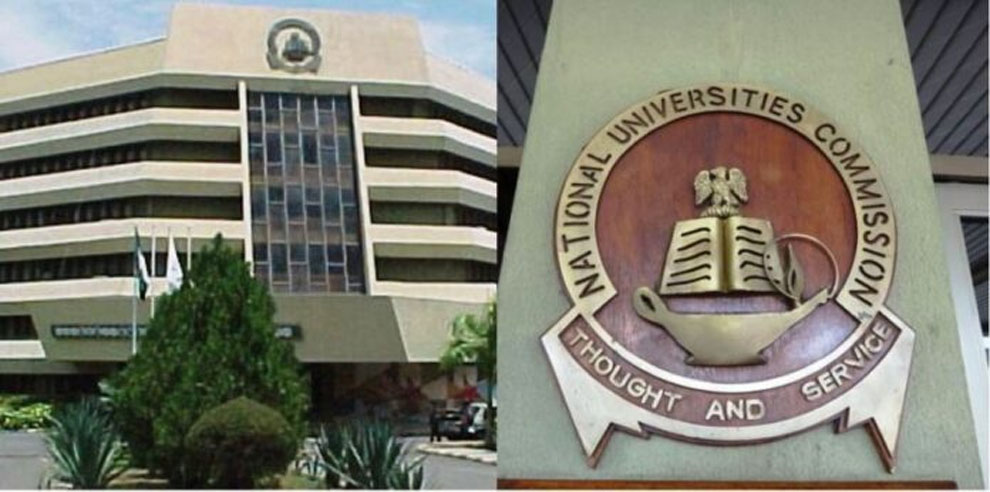
He called on the Federal Government and the National Universities Commission (NUC) to review existing programmes and identify those requiring modernisation, restructuring, merger or discontinuation.
The analyst also urged universities to strengthen practical training and establish functional skills acquisition centres, technology hubs and entrepreneurship laboratories to complement classroom instruction.
He said universities should build stronger partnerships with industries and employers to ensure that academic programmes reflect current workplace requirements and emerging economic opportunities.
READ ALSO:
- ToluwaniSings’ Final Hours: Aide Reveals Desperate Search Across 8 Hospitals
- Real Madrid Demand Tebas’ Exit After Explosive Nazi Propaganda Row
- Terrorists Abduct Catholic Priest in Benue as Police Launch Rescue Operation
Ojuolape further challenged university administrators and lecturers to update their knowledge and teaching methods, arguing that the rapid pace of technological change had made continuous professional development essential.
He expressed concern that students could spend several years pursuing degrees without acquiring the practical competencies needed to translate their qualifications into employment, entrepreneurship or other productive ventures.
To illustrate his argument, he compared the conventional four-year university route with the possibility of acquiring marketable technical or digital skills within a shorter period, depending on the field and the learner’s commitment.
He identified software development, data analytics, artificial intelligence, cybersecurity, digital marketing, graphic design, renewable energy installation, fashion design, catering, agriculture and other technical trades as areas in which young people could develop commercially useful competencies.
However, he stressed the need for students to make informed educational choices based on their interests, abilities and the practical opportunities available in their chosen fields.
The advocate also called on parents to reconsider the pressure they sometimes place on their children to obtain university admission or pursue particular courses for reasons of family prestige rather than suitability or career prospects.
He advised parents to examine the relevance of academic programmes and the opportunities they offer before committing their resources to university education.
For students, Ojuolape recommended careful consideration of career options, market demands and opportunities for acquiring practical skills, rather than pursuing admission simply to obtain graduate status.
He argued that technical and vocational education should receive greater recognition and investment, noting that skilled workers and entrepreneurs could make significant contributions to economic growth and job creation.
According to him, the ability to solve problems, provide services and create economic value should become a central consideration in evaluating the effectiveness of education.
Ojuolape warned that without substantial reforms, Nigeria risked continuing to produce graduates whose qualifications did not adequately match available employment opportunities or the practical needs of businesses and industries.
He therefore called for a shift from a predominantly certificate-driven system towards one that combines academic knowledge with practical competence, innovation, entrepreneurship and productivity.
While advocating reforms, his position places the responsibility on government, university administrators, lecturers, parents and students to work towards an educational system that prepares young Nigerians for both employment and self-employment.
He maintained that the ultimate measure of a successful education system should include its ability to equip learners with relevant knowledge, practical skills and the capacity to contribute to society.
Ojuolape concluded that Nigerian universities must respond more effectively to changing economic and technological realities if the country hopes to develop a competitive workforce and reduce the growing gap between educational qualifications and employability.
Nigerian Universities Producing Certificate Holders, Not Problem-Solvers, Says Ojuolape
-

 metro23 hours ago
Army Major, Soldiers Killed in ISWAP Ambush in Yobe State
-

 Politics3 days ago
Buhari Feared Tinubu Presidency, Resisted Pressure to Back Him – Baba-Ahmed Claims
-
 News2 days ago
FG Challenges World Bank’s 124% Debt-to-Revenue Warning, Cites Rising Income
-

 metro3 days ago
NAFDAC Probes Corps Member’s Death at Enugu Camp as Fake Drug Claims Emerge
-

 metro3 days ago
Ogun House Fire Horror: Husband Arrested After Wife Dies Following Domestic Dispute
-

 Entertainment2 days ago
Nollywood Mourns as Actress, Beauty Queen Tenia Abraham Dies at 32
-
 News3 days ago
NLC, Falana Mobilise Nigerians Against Petrol Price Hike, Mount Pressure on Tinubu Govt
-

 metro23 hours ago
Breaking: Afenifere Leader Pa Fasoranti Dies at 100