

News
SERAP Urges UN to Invoke Article 99 Over Nigeria Insecurity
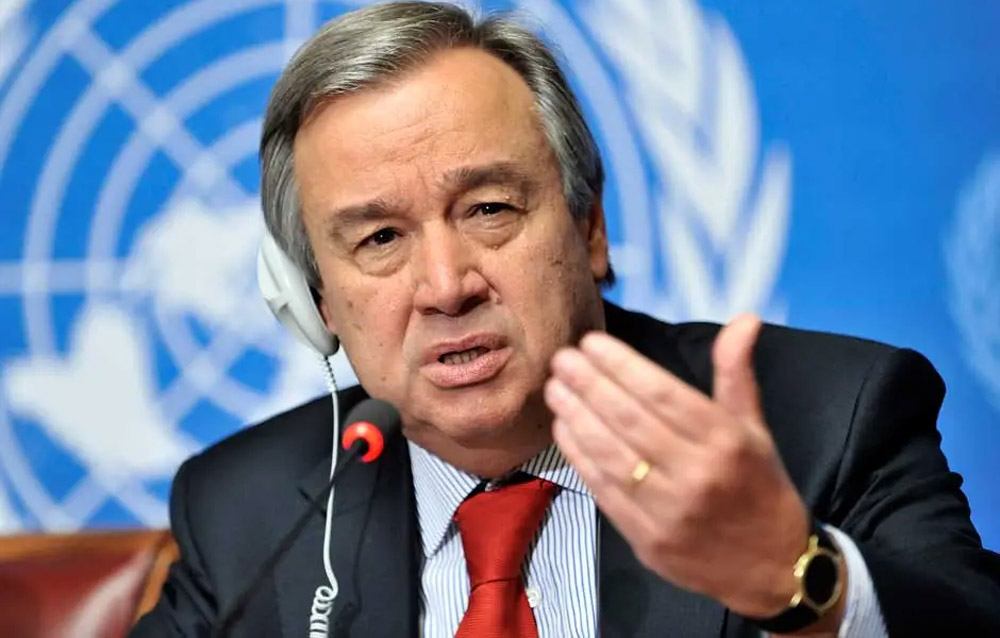
SERAP Urges UN to Invoke Article 99 Over Nigeria Insecurity
ABUJA – The Socio-Economic Rights and Accountability Project (SERAP) has called on United Nations Secretary-General António Guterres to urgently invoke Article 99 of the UN Charter, warning that Nigeria’s escalating insecurity—marked by mass abductions, killings, attacks on civilians, mass displacement, and other grave human rights violations—now constitutes a threat to international peace and security that demands the attention of the UN Security Council.
In an open letter dated May 30, 2026, and signed by SERAP deputy director Kolawole Oluwadare, the rights organisation said that the scale, persistence, and regional implications of the insecurity and human rights crisis in Nigeria risk aggravating existing threats across West Africa. SERAP explained that Article 99 of the UN Charter is designed precisely for situations in which emerging or ongoing crises require urgent preventive diplomacy, sustained international scrutiny, and coordinated international action. The article provides that the Secretary-General “may bring to the attention of the Security Council any matter which in his opinion may threaten the maintenance of international peace and security.”
According to the organisation, placing Nigeria’s escalating insecurity and grave human rights violations on the Security Council’s formal agenda would strengthen the credibility and effectiveness of the United Nations system in fulfilling its primary responsibility for the maintenance of international peace and security. It would also ensure sustained international attention to attacks on civilians, including abductions, killings, and displacement. SERAP noted that several years of violence and conflicts across multiple states have created appalling human suffering, physical destruction, and collective trauma across Nigeria. The organisation stressed that its appeal is grounded in the preventive mandate of the UN Charter and the urgent need to address a rapidly deteriorating situation in the country.
The rights group argued that the crisis in Nigeria is not merely a domestic law-enforcement issue. Its effects increasingly implicate regional peace and security through the cross-border movement of armed groups and weapons, large-scale displacement, growing instability extending beyond Nigeria’s borders, and weakening human rights protection and rule-of-law institutions. “There is no effective protection of people and communities, with frequent reports of a pattern of large-scale violence across multiple states,” the letter stated.
READ ALSO:
- APC Picks Female Deputy Governor for Hamzat Ahead 2027 Poll
- Man Arrested for Alleged Sexual Assault of Girlfriend’s Unconscious Sister
- Two Bodies Recovered as Car Plunges Into River Along Ibadan’s Amuloko Road
Nigeria is facing a grave and worsening security crisis marked by repeated mass abductions of schoolchildren, teachers, women, commuters, and rural residents; attacks on villages and farming communities; killings by armed groups and criminal networks; and widespread displacement. Communities in Oyo, Benue, Borno, and across Nigeria continue to suffer repeated attacks with devastating consequences for civilian life, dignity, and security. The recent abductions of pupils and teachers in Oyo State illustrate the severity of the crisis facing civilian populations.
On or about May 15, 2026, armed men reportedly attacked multiple schools in the Ahoro Esinele community in Oriire Local Government Area of Oyo State, including Community Grammar School, Baptist Nursery and Primary School, and L.A. Primary School. During the coordinated attacks, at least 25 pupils and seven teachers were abducted. An assistant headmaster was reportedly killed, while another teacher later died in captivity. According to the Oyo State Police Command, the attackers, numbering about 12, came on motorcycles and simultaneously attacked the schools. The incident occurred at about 9:30 a.m. in Yawota and Esiele communities, with the attackers also abducting the principal of one of the schools and taking her vehicle into the forest before abandoning it. Security operatives have since launched a massive manhunt in collaboration with other security agencies, including Amotekun operatives and local vigilantes.
Distressing videos later circulated showing one abducted teacher, the vice principal of Community Grammar School, pleading publicly with President Bola Tinubu, Governor Seyi Makinde, and Nigerians to secure the release of the victims. Abductees were reportedly being held in harsh conditions, exposed to extreme weather, and called for urgent dialogue to save their lives. This incident highlights the devastating human consequences of recurring abductions targeting schools, children, and education workers, and underscores the urgent need for strengthened civilian protection, accountability, and prevention measures.
Available information also indicates that gunmen recently abducted secondary school students and other travellers in Benue State while they were travelling to sit university entrance examinations. The Benue State Police Command and the Joint Admissions and Matriculation Board (JAMB) later clarified that the victims were not UTME candidates but participants in an ongoing police recruitment exercise who were returning to Otukpo at the time of the abduction. Seven suspects were arrested following a joint security operation in Amla Forest and adjoining areas, with some victims rescued.
There are also reports of escalating attacks by non-state armed groups in the North-East, North-West, and North-Central regions. Recent bomb explosions in Maiduguri, Borno State, reportedly killed at least 23 people and injured over 100 others. According to the Borno State Police Command, preliminary investigations revealed that the incidents were carried out by suspected suicide bombers who struck at three locations: the Maiduguri Monday Market, the gate of the University of Maiduguri Teaching Hospital (UMTH), and the Post Office Flyover area. Witnesses and survivors recounted scenes of chaos and devastation. One survivor, Abacha Mustapha, who sustained neck injuries, described hearing a loud sound before realizing he was bleeding. Another survivor, Mohammed Jubril, said the blast deafened him immediately, and he could no longer hear anything. The Chief Medical Director of UMTH confirmed 25 deaths at the hospital alone, while the police put the death toll at 23 with 108 injured. Following the attacks, President Bola Tinubu ordered service chiefs to relocate to Maiduguri to take charge of the situation.
READ ALSO:
- Iran to US: No Nuclear Deal Without Guarantee of Our Rights
- Stop Using Videos to Harass Our Officers — IGP Disu Tells Nigerians
- Three Man O’ War Members Arrested Over Killing of FUTO Student
These attacks have been accompanied by repeated assaults on military formations, attacks on internally displaced persons’ camps, abductions of women and children, and killings of civilians in rural communities.
In Katsina State, gunmen recently killed at least 10 people, including women and children. However, according to Daily Trust, at least 16 villagers are feared dead following an attack on Kiliya village near Bagagadi in Dutsinma Local Government Area on May 29, 2026. The attack occurred shortly after residents had concluded Juma’at prayers. An eyewitness recounted that after the Friday prayers, villagers were sitting together when two bandits on a motorcycle arrived. People began running, but the bandits opened fire indiscriminately. The witness hid in a house and later emerged to find the lifeless bodies of about 16 people, including relatives. More than 400 people have since sought refuge in Bagagadi village, while many others have relocated to Radda village for safety. Sources indicated the attack may have been a reprisal after two suspected bandits were killed by villagers a few days earlier. In separate incidents, coordinated raids left at least 20 people dead and resulted in abductions of residents. The Nigerian Army had earlier neutralized three suspected terrorists in an ambush operation in Dutsin-Ma Local Government Area of Katsina State on May 9, 2026, recovering weapons and motorcycles.
In Adamawa State, another attack reportedly killed at least 29 people. Taken together, these incidents reflect an intensifying security crisis characterised by mass killings, abductions, and sustained attacks on rural communities.
SERAP warned that the situation is rapidly deteriorating into a humanitarian and security crisis with potentially far-reaching consequences for Nigerians as a whole and for peace, security, and stability across the West African subregion. This outcome must be urgently prevented.
Recent statements by United Nations officials have underscored the growing international concern about the worsening insecurity and grave human rights violations in Nigeria. In June 2025, Guterres condemned the killing of people in Benue State and called for those responsible to be found and apprehended. In February 2026, he also condemned a terrorist attack in Kwara State, reaffirmed the solidarity of the United Nations with Nigeria, and stressed the need to bring perpetrators to justice.
In November 2025, the Office of the United Nations High Commissioner for Human Rights expressed shock at the surge in mass abductions in Nigeria and urged authorities at all levels to take all lawful measures to halt such attacks, ensure accountability, and secure the safe return of victims.
READ ALSO:
- Atletico Open to Selling Lookman Months After €35m Signing
- 416 Arrested as PSG Champions League Celebrations Turn Violent in France
- Abducted Oyo Principal’s Husband Weeps, Begs Makinde to Secure Her Release
The United Nations has also warned that insecurity in Nigeria is generating wider humanitarian and regional consequences. The UN Resident and Humanitarian Coordinator in Nigeria has noted that violence across multiple regions has displaced millions, disrupted livelihoods, and deepened one of the country’s most severe humanitarian crises in recent years. UN agencies have also raised concerns that persistent attacks and instability are worsening food insecurity and increasing pressure on communities within Nigeria and across the wider region.
SERAP argued that these repeated warnings confirm that the crisis is not merely a domestic concern, but one with serious human rights, humanitarian, and regional peace and security implications.
The Secretary-General’s recent invocation of Article 99 in relation to the Gaza crisis reaffirmed the importance of this role in situations involving large-scale human suffering, humanitarian emergency, and risks of wider regional destabilisation. It demonstrated the importance of timely action where national crises have cross-border consequences, including displacement and insecurity.
Under international human rights law, state responsibility extends beyond refraining from direct violations. Nigerian authorities may incur responsibility where they fail to exercise due diligence to prevent, investigate, punish, and remedy abuses by non-state actors where risks are known or reasonably foreseeable. The recurring pattern of abductions, attacks, enforced disappearances, killings, and violence across Nigeria demonstrates that these risks are well known, repeatedly documented, and foreseeable. Where such threats persist without adequate preventive protection, effective investigation, or accountability, serious concerns arise under international human rights law, including the UN Charter.
“The continuing insecurity across Nigeria has resulted, and continues to result, in devastating loss of life, destruction of communities, and widespread fear affecting millions. The persistence of these attacks, their humanitarian consequences, and their implications for regional stability require urgent international attention,” the letter stated.
SERAP therefore urged António Guterres to take the following actions: exercise his authority under Article 99 and bring the situation in Nigeria to the attention of the Security Council without delay; encourage regular and public Security Council briefings on insecurity, abductions, and humanitarian consequences in Nigeria; request systematic reporting by relevant UN bodies on attacks, displacement, and humanitarian impacts; call on Nigerian authorities to take urgent measures to prevent attacks, protect civilians, and secure the release of abducted persons; urge prompt, independent, and effective investigations into all incidents and ensure accountability for perpetrators and enablers; publicly call on Nigerian authorities to uphold their human rights obligations and strengthen civilian protection measures; support measures to end impunity and ensure remedies and reparations for victims and affected communities; and encourage the international community to use all available influence to prevent further escalation and protect people’s lives.
As of the time of reporting, neither the United Nations nor the Federal Government had officially responded to SERAP’s request.
SERAP Urges UN to Invoke Article 99 Over Nigeria Insecurity












News
Osun Orders Weekly Sanitation, Directs Businesses to Clean Premises Every Thursday

Osun Orders Weekly Sanitation, Directs Businesses to Clean Premises Every Thursday
OSOGBO — The Osun State Government has introduced a weekly environmental sanitation exercise, directing traders, shop owners, artisans and other business operators to clean their premises every Thursday between 8am and 10am.
The directive, which takes immediate effect, is aimed at curbing indiscriminate refuse disposal, enforcing environmental regulations and preventing disease outbreaks across the state.
The government announced the measure in a press release dated October 14, 2026, issued by the Office of the Head of Service, Office of the Governor, Osogbo.
According to the statement, the state government recently constituted an Environmental Sanitation Task Force to tackle the dumping of refuse and other forms of environmental infractions in unauthorised locations.
Under the new arrangement, Thursdays have been designated as Environmental Sanitation Day, during which markets, shops, malls, offices and other business premises are expected to be cleaned.
The government directed market operators, shop owners, artisans and owners of business premises to be physically present during the exercise to ensure that their surroundings are properly cleaned and the directive is fully implemented.
The two-hour exercise is expected to promote environmental responsibility among residents and business operators while addressing poor waste disposal practices that could pose health risks to the public.
The government also clarified the role of law enforcement agents who would be present during the sanitation exercise, saying their deployment was intended to support the clean-up effort rather than arrest offenders.
It stressed that the presence of enforcement personnel was meant to complement the efforts of market operators, shop owners and other business stakeholders in maintaining a clean environment.
The government urged residents and business operators to cooperate with the Environmental Sanitation Task Force to ensure the success of the initiative.
The measure forms part of the state’s efforts to improve public hygiene, maintain cleaner communities and reduce the risk of diseases associated with poor environmental sanitation.
Business owners and other affected stakeholders are expected to comply with the directive every Thursday between 8am and 10am, beginning immediately.
Osun Orders Weekly Sanitation, Directs Businesses to Clean Premises Every Thursday
News
Terrorists Storm Borno Military Post in Fierce Gun Battle, Soldiers Feared Dead

Suspected Boko Haram terrorists have attacked a military post in Mairari community, Guzamala Local Government Area of Borno State, triggering a prolonged gun battle in which several soldiers were feared killed.
The attack reportedly occurred around midnight on Tuesday, October 13, 2026, when the insurgents launched an assault on the military formation. The confrontation was said to have lasted more than two hours, with heavy gunfire raising tension in the community.
Although reports indicated that the military suffered casualties, the exact number of soldiers killed or injured had not been officially confirmed at the time of reporting. Some local sources reportedly put the death toll at seven soldiers, but the figure remained unverified.
The Chairman of Guzamala Local Government Area, Umar Sheriff, confirmed the attack, saying the terrorists had targeted the military post. He disclosed that no civilian deaths had been reported and that troops had repelled the attackers.
READ ALSO:
- School Turns Death Trap as Roof Collapse Claims 22 Lives
- Outrage as Residents Scoop Groundnut Oil From Lagos Tanker Crash Scene
- Shettima Attacks Atiku Over Tinubu Remarks, Questions Subsidy Plan
Sheriff described the incident as an unusually severe assault in the area in recent times. He also indicated plans to visit the community to assess the situation following the attack.
The latest incident underscores the continuing security challenges in Borno State, the epicentre of Nigeria’s more than decade-long insurgency involving Boko Haram and the Islamic State West Africa Province (ISWAP). Both groups have repeatedly attacked military formations and communities across the North-East, particularly in remote areas where security personnel face difficult operating conditions.
Military positions have remained targets for insurgents seeking to disrupt security operations, seize weapons and undermine the presence of government forces. Such attacks have also raised concerns about the safety of troops stationed in isolated communities.
However, as of the time of filing this report, the military had not publicly confirmed the casualty figures from the Mairari military post attack. The reported death toll should therefore be treated as unverified pending an official statement.
Further details are expected as security authorities assess the incident and provide information about casualties and the circumstances surrounding the assault.
Terrorists Storm Borno Military Post in Fierce Gun Battle, Soldiers Feared Dead
News
2027 Elections: INEC Reveals Why Pantami, Adebutu, Others Were Excluded

2027 Elections: INEC Reveals Why Pantami, Adebutu, Others Were Excluded
The Independent National Electoral Commission (INEC) has explained why some political parties and their governorship candidates were excluded from the final list for the 2027 elections, citing failure to comply with the statutory requirement to submit membership registers before conducting valid party primaries.
The commission said the decision followed a Supreme Court judgment delivered on September 24, 2026, which upheld the constitutionality of relevant provisions of the Electoral Act, 2026, requiring political parties to submit their membership registers within a prescribed period.
The explanation comes amid complaints from affected political parties and candidates following the publication of INEC’s final list of governorship candidates, which omitted several prominent opposition figures.
Among those affected are Isa Ali Pantami, the Peoples Democratic Party (PDP) governorship candidate in Gombe State, and Ladi Adebutu, the party’s candidate in Ogun State.
Pantami’s name was missing despite his emergence from a court-ordered rerun of the PDP governorship primary in Gombe, while Adebutu and his running mate were also absent from the list.
In a statement issued on Tuesday, October 13, INEC National Commissioner and Chairman of its Information and Voter Education Committee, Mohammed Kudu Haruna, said the commission applied the Supreme Court’s decision when finalising the list.
The judgment arose from an appeal filed by INEC against an earlier Court of Appeal decision that had nullified Sections 77(5)–(7) of the Electoral Act, 2026.
The Supreme Court upheld the provisions, which require political parties to submit their membership registers as a prerequisite for valid party primaries.
READ ALSO:
- IPOB Denies Monday Sit-at-Home Return, Challenges Police to Produce Evidence
- FG Moves to Expand CNG Vehicle Production, Targets Cheaper Transport Fares
- 2027: Adeleke’s Camp Promises 1.5 Million Votes for Tinubu in Osun
It also upheld INEC’s timetable requiring parties to submit their registers between April 21 and May 10, 2026.
According to the commission, the apex court held that parties that failed to comply with the statutory requirements were ineligible to sponsor candidates for the elections.
INEC said it was consequently required to give effect to the judgment in accordance with Section 287(1) of the 1999 Constitution, as amended, which requires compliance with decisions of superior courts.
The commission added that the final lists of presidential and National Assembly candidates had already been published on September 12, 2026, before the Supreme Court delivered its judgment.
The omissions have triggered reactions from affected political parties, with the PDP saying it was engaging INEC over the absence of its candidates in Gombe and Ogun states.
The Nigeria Democratic Congress (NDC) has also raised concerns over the omission of some of its governorship candidates, while other affected political groups have indicated their intention to pursue available remedies.
The development has heightened concerns among opposition parties as preparations continue for the February 6, 2027, governorship elections.
INEC, however, said political parties that believe their candidates were wrongly omitted from the final list have 14 days from the date of publication to notify the commission.
It fixed October 24, 2026, as the deadline for such notifications under Section 32(2) of the Electoral Act, 2026.
The commission reaffirmed its commitment to transparency, adherence to the rule of law and the credibility of the electoral process.
The next steps by affected parties will determine whether the omissions can be resolved through the commission’s notification procedure or other legal avenues available to them.
2027 Elections: INEC Reveals Why Pantami, Adebutu, Others Were Excluded
-

 metro3 days ago
Oyo School Kidnappings: How ANSARU Allegedly Used Children to Pressure FG
-

 metro3 days ago
Tragedy in Ibadan as Truck Kills Female Corps Member, Injures Others
-

 metro3 days ago
Drama as Dutch Police Use Batons, Dogs to Shut Down Nigerian Wedding; Two Arrested
-
 International3 days ago
French Students Return to Streets as Anger Over School Conditions Grows
-

 metro3 days ago
VIDEO: Outrage as Indian National Assaults Nigerian Truck Drivers in Lagos
-

 metro2 days ago
Money Rituals: Four Arrested in Kwara Over Suspected Human Parts
-

 Politics3 days ago
2027: Tompolo Unveils 57 Tinubu Campaign Vehicles, Warns Lagosians Against 2023 Repeat
-

 Politics2 days ago
2027: Adeleke’s Camp Promises 1.5 Million Votes for Tinubu in Osun