

metro
MURIC Rejects Alleged Shari’ah Demand by Oyo Kidnappers, Labels It ‘Lie from Pit of Jahannam’
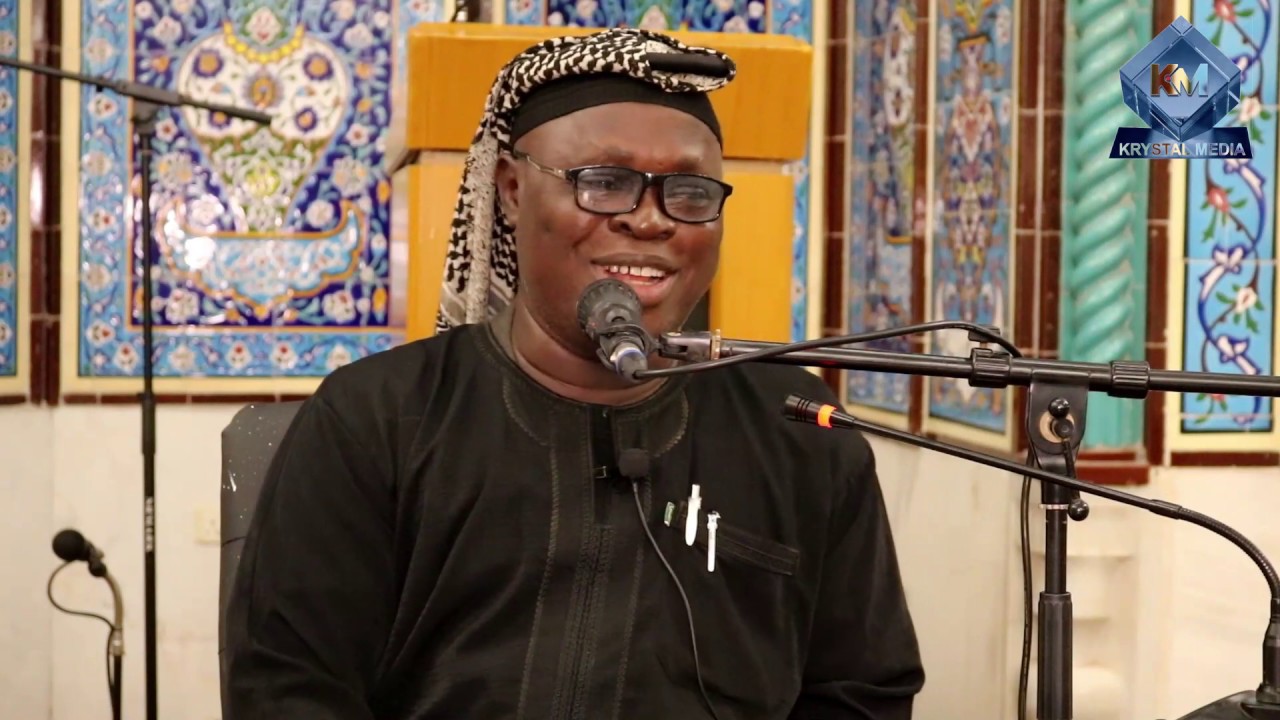
MURIC Rejects Alleged Shari’ah Demand by Oyo Kidnappers, Labels It ‘Lie from Pit of Jahannam’
- Accuses Christian Leaders, Hot Gospellers of Plot to Tarnish Islam’s Image
The Muslim Rights Concern (MURIC) has vehemently rejected reports that kidnappers of schoolchildren and teachers in Oyo State demanded the implementation of Shari’ah as part of conditions for releasing their victims, describing the alleged demand as “a lie from the pit of Jahannam.”
In a strongly worded press release issued on Monday, the Islamic human rights organisation accused “enemies of Islam” within the negotiation team of fabricating the demand to tarnish the image of the Muslim faith.
The kidnappers had reportedly demanded the implementation of Shari’ah in the South-West alongside other conditions for the release of the abducted victims. But MURIC, in a statement signed by its Executive Director, Professor Ishaq Akintola, dismissed the claim as a smokescreen.
“We reject this report. It is a smokescreen. That so-called demand for Shari’ah was inserted by Muslim-haters among the negotiators and the so-called demand was calculated to tarnish the image of Islam,” the statement read in part.
Professor Akintola went further to allege the involvement of Governor Seyi Makinde and his agents in what he described as “this devilish attempt to robe Shari’ah in criminal apparels.” He recalled that the governor had once sworn that Shari’ah would never find a place in Oyo State, adding that it was “not impossible, therefore, that the demand was fabricated in Agodi Government House.”
“It is a satanic blackmail designed to silence Yoruba Muslims who have been demanding Shari’ah,” the group added.
While vehemently disowning the alleged kidnappers’ demand, MURIC nonetheless seized the opportunity to restate its long-standing position that the struggle for the establishment of Shari’ah Courts in the South-West is “a legitimate, constitutional, and peaceful demand of Muslims in the region.”
READ ALSO:
- Akpabio Vows to Unmask Government Officials Sponsoring Terrorism
- Deploy Ancestral Powers Against Bandits, Ooni Tells Yoruba Monarchs, Ifa Worshippers
- Police Arrest Bandits Caught Displaying AK-47 Rifles in Viral Video
The organisation argued that the Nigerian Constitution guarantees the right of Muslims to seek access to Shari’ah Courts, just as adherents of other faiths enjoy institutions that cater to their religious needs.
“The refusal to allow Yoruba Muslims to practice Shari’ah is a denial of religious freedom, a deprivation of access to the judicial system and the creation of a barrier to justice,” the statement said.
However, MURIC unequivocally condemned the kidnapping of innocent schoolchildren and teachers in Oyo State, describing the act as “barbaric, criminal, and totally inconsistent with the teachings of Islam.”
The group insisted that those responsible for the heinous crime “cannot and will never be the mouthpiece of Yoruba Muslims,” adding that they are “bloodthirsty criminals who have no locus standi to demand Shari’ah on behalf of patriotic and law-abiding Yoruba Muslims.”
Professor Akintola further argued that bandits and kidnappers do not practice Islam, citing testimonies of former captives and discoveries by security operatives. He noted that a Nigerian who spent eleven days in captivity reported that the kidnappers did not observe the Muslim prayer (Salat) even once.
“Security agents who raided bandits’ and kidnappers’ camps have also confirmed that what they found in their camps belie the claim that they represent Muslims or the religion of Islam. Condoms were scattered all over the floor. They found abandoned bottles of alcohol and various types of hot drinks,” the statement added.
“How can such a group demand Shari’ah?” the group queried, insisting that the demand was a smokescreen concocted by those determined to permanently bury the agitation for Shari’ah.
MURIC concluded by warning Nigerians not to be deceived, describing the alleged demand as a “satanic plot” that has failed woefully.
“Stop selling dummies to Nigerians,” the group declared.
As of press time, the Oyo State Government had not officially responded to MURIC’s allegations of involvement in fabricating the Shari’ah demand. Efforts to reach the state’s Commissioner for Information were unsuccessful.
The abduction of schoolchildren and teachers from three schools in Oriire Local Government Area of Oyo State occurred on May 15, 2026. The victims include over 40 pupils and seven teachers from Baptist Nursery and Primary School, Yawota; Community High School, Ahoro-Esienle; and L.A. Primary School. During the attacks, gunmen reportedly killed one teacher and later beheaded another teacher while in captivity.
Governor Seyi Makinde has repeatedly assured residents that the government is working “round the clock” to secure the release of the victims, revealing that federal security personnel have been actively involved in the rescue mission for weeks.
MURIC Rejects Alleged Shari’ah Demand by Oyo Kidnappers, Labels It ‘Lie from Pit of Jahannam’










metro
Police Arrest Man Over Fake Presidency Number Plate in Abuja
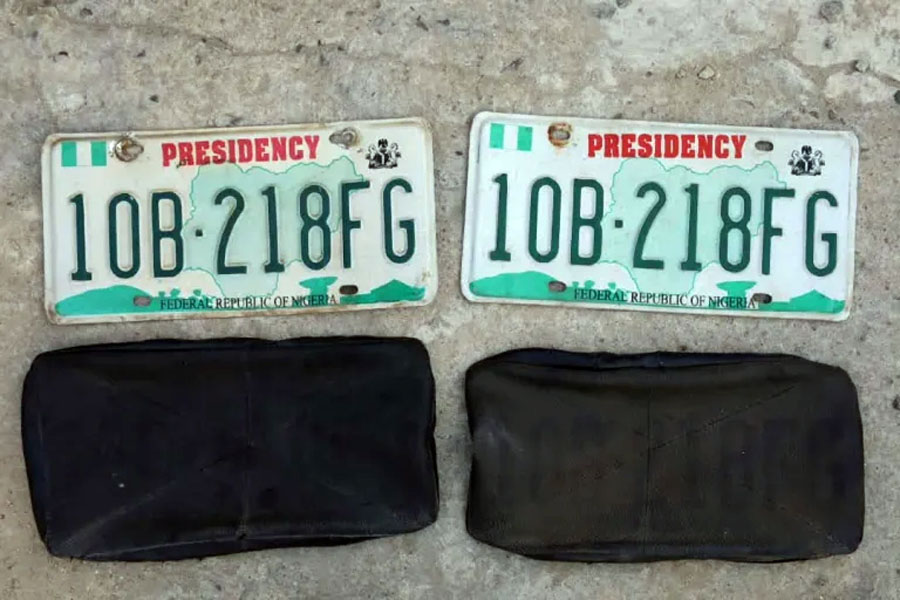
ABUJA — The Federal Capital Territory (FCT) Police Command has arrested a man accused of impersonating a permanent secretary in the Office of the Secretary to the Government of the Federation (SGF) after he was allegedly caught using a forged number plate bearing the inscription “PRESIDENCY”.
The suspect was arrested on October 20, 2026, after police operatives intercepted a Lexus LX570 sports utility vehicle (SUV) in Maitama District, Abuja, at about 8pm.
According to the police, the concealed number plate carried the registration number 10B218 FG.
The command’s spokesperson, SP Josephine Adeh, disclosed that preliminary investigations revealed that the documents presented to support the registration were allegedly forged.
READ ALSO:
- Shettima Blasts States Over Power Woes, Says Govs Must Stop Waiting for Abuja
- Fourth Gas Leak in Six Months: Over 100 Ogun Pupils Hospitalised, Schools Shut as Parents Panic
- Nigerian Journalist Sentenced to 4 Years Over Facebook Post Criticising Police
Adeh said the suspect had claimed to be the legitimate holder of the number plate, prompting further investigations that reportedly uncovered the alleged fraud and impersonation.
“The vehicle and its occupant were promptly arrested for investigation and subsequent prosecution,” the police said.
The command added that investigations were ongoing and that the suspect would be charged to court upon their conclusion.
The police urged residents to remain law-abiding, cooperate with security operatives and report suspicious activities to the nearest police station.
The arrest comes amid concerns over the unauthorised use of official government and diplomatic number plates in the FCT. Police authorities have previously raised concerns that such plates could be used by unauthorised individuals to evade scrutiny or facilitate criminal activities.
The suspect’s identity has not been publicly disclosed, and the allegations remain subject to the outcome of the police investigation and any subsequent court proceedings.
Police Arrest Man Over Fake Presidency Number Plate in Abuja
metro
Woman Arrested for Torching Ex-Boyfriend’s Home in Fit of Jealous Rage
Woman Arrested for Torching Ex-Boyfriend’s Home in Fit of Jealous Rage
Accra, Ghana — A routine breakup escalated into a catastrophic act of arson this week, leaving a young man homeless and his former girlfriend in police custody. The Ghana Police Service has arrested a young woman accused of deliberately setting her boyfriend’s rented apartment on fire after he ended their relationship. The shocking trigger for the split? The woman had answered a phone call on his mobile device without his permission.
According to preliminary police investigations, the couple became embroiled in a volatile and heated argument over the breach of privacy. The confrontation spiraled rapidly out of control when the boyfriend, reportedly furious that she had answered his phone, decided to end the relationship on the spot. Rather than accepting the breakup, the woman’s anger reportedly boiled over into a dangerous and premeditated rage.
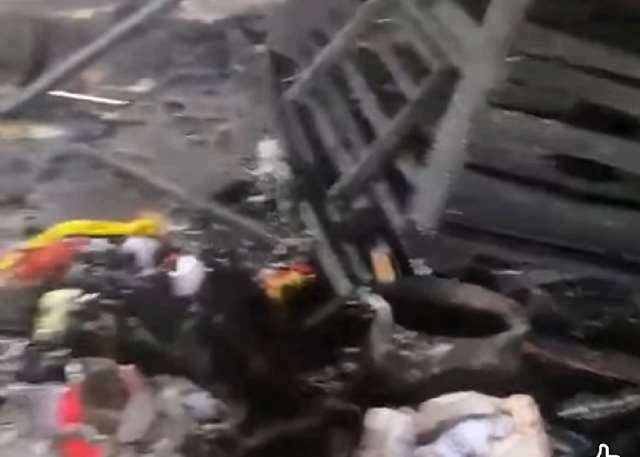
In the aftermath of the breakup, authorities allege that the woman intentionally ignited a fire inside the man’s rented home in an act of vengeance. Eyewitnesses described a scene of sheer chaos as flames rapidly consumed the residence, forcing neighbors to flee and local fire services to be summoned to battle the inferno. Dramatic images from the scene reveal a landscape of utter devastation, with the apartment reduced to a pile of charred debris and twisted metal. While no casualties have been reported, the property damage is extensive, and the young man has effectively lost his home and belongings.
The Ghana Police Service acted swiftly following the incident, apprehending the young woman who is now in police custody facing potential charges of arson and destruction of property. Local neighbors have expressed profound shock at the severity of the attack, with one bewildered resident telling reporters, “It is just a phone call. To burn down a whole apartment because you were broken up with? It is a very sad day for us here.” The suspect is expected to be arraigned in court in the coming days as the police finalize their case, serving as a chilling reminder of the dangerous consequences of unchecked anger.
Woman Arrested for Torching Ex-Boyfriend’s Home in Fit of Jealous Rage
metro
Horror in Sokoto: Bandits Intercept Vehicle, Massacre All Passengers Returning from City
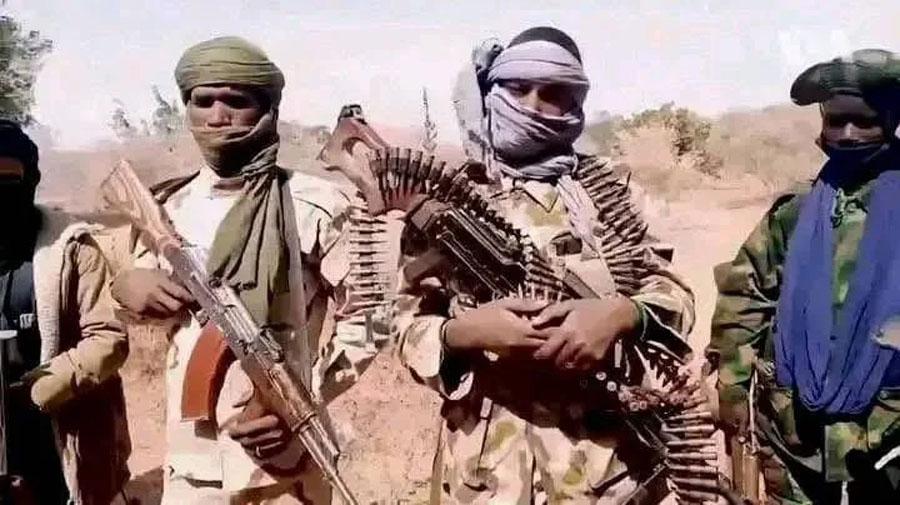
Horror in Sokoto: Bandits Intercept Vehicle, Massacre All Passengers Returning from City
SOKOTO — In a gruesome escalation of insecurity in the North-West, armed bandits have reportedly intercepted a vehicle and killed all passengers on board along a road leading to the Isa Local Government Area of Sokoto State.
According to reports, the tragic incident occurred as the vehicle, a commercial transport conveying passengers, was returning from Sokoto city. The assailants, described as heavily armed, ambushed the vehicle, forcing it to a halt before opening fire on the occupants.
The incident was disclosed by Bakatsine, a conflict reporter covering northwestern Nigeria, who shared information about the attack and photographs of some of the deceased . According to the report, some of the victims were reportedly among the 3,000 people recruited by the Sokoto State Government who had been invited to Sokoto city for further screening and the collection of their documents . The passengers were said to have been travelling back home when the armed men intercepted their vehicle and opened fire on them.
The exact number of people killed in the attack has yet to be confirmed, and there has been no official confirmation from Nigerian authorities as of the time of reporting . Although photographs of some of the deceased have circulated following the incident, the total number of victims and their identities have yet to be independently established .
The attack highlights the persistent security challenges plaguing the region, where bandits frequently target highways and rural communities. Isa Local Government Area, which shares a border with Zamfara State, has been a notorious flashpoint for such criminal activities, including kidnapping, cattle rustling, and highway ambushes.
The reported killing also comes amid continuing concerns over attacks on civilians in other parts of northern Nigeria, particularly in communities affected by insurgency and banditry . Residents of the affected area have expressed deep grief and outrage over the continuous loss of lives, urging security agencies to intensify patrols along the Sokoto-Isa road and other vulnerable routes.
When contacted, the Sokoto State Police Command Public Relations Officer promised to provide details of the incident, stating that operatives have been deployed to the area to ascertain the facts and restore normalcy.
The mass killing underscores the urgent need for enhanced security measures to protect travelers and rural dwellers in Sokoto State and the broader North-West region. NewsTrends will continue to monitor the situation and provide updates as more information becomes available.
Horror in Sokoto: Bandits Intercept Vehicle, Massacre All Passengers Returning from City
-

 metro2 days ago
Army Major, Soldiers Killed in ISWAP Ambush in Yobe State
-

 metro1 day ago
Atiku: US Lobbying Firm Raises Alarm Over Alleged Assassination Plot
-

 metro1 day ago
‘We Don’t Know What Else to Do’ — Mother Begs for Release of Abducted Children
-

 metro1 day ago
Five Arraigned Over Kidnapping of 20 Prospective NYSC Members in Imo
-
 metro2 days ago
Breaking: Afenifere Leader Pa Fasoranti Dies at 100
-

 metro2 days ago
‘I Never Asked Them to Abandon Loved Ones’ — Obi Clarifies Diaspora Remarks
-

 Auto1 day ago
Happening now: Hyundai unveiling of Mufasa and Grand Creta
-

 Auto2 days ago
Beyond the Showroom: Why After-Sales Service Will Define Auto Industry Winners