

Business
Nigeria Attracts $20.98bn Foreign Investments as CBN Reforms Strengthen FX Market, Reserves

Nigeria Attracts $20.98bn Foreign Investments as CBN Reforms Strengthen FX Market, Reserves
Nigeria has recorded a major rebound in foreign investor confidence, with foreign capital inflows rising to $20.98 billion in the first ten months of 2025 — the highest level in several years. This was disclosed by the Governor of the Central Bank of Nigeria (CBN), Mr. Olayemi Cardoso, at the 2025 CIBN Annual Bankers’ Dinner in Lagos.
Cardoso said the surge represents a 70% increase over total inflows for 2024 and a 428% jump compared to 2023, reflecting renewed trust in the country’s economic direction and ongoing monetary reforms.
FX Reforms Deliver Stability
Highlighting the “visible transformation” in the foreign exchange market, Cardoso noted that the CBN has maintained the unification of FX windows and fully cleared the multi-billion-dollar FX backlog that previously weakened market confidence.
He explained that the introduction of the Nigerian Foreign Exchange Code and the deployment of the Electronic Foreign Exchange Management System (EFEMS) have improved transparency, enhanced surveillance, ensured mandatory order submissions, and strengthened price discovery.
According to him, these reforms have restored discipline to the FX market, reducing the premium between the official and parallel markets to below 2%, a massive improvement from over 60% a year earlier. He added that the CBN will soon release a revised FX Manual to further widen participation and entrench regulatory consistency.
External Sector Gains Momentum
Cardoso announced strong improvements in Nigeria’s external buffers, with foreign reserves rising to $46.7 billion by mid-November — the highest in nearly seven years — offering more than 10 months of import cover.
READ ALSO:
- Plateau Crisis Claimed 4,700 of Our Members – Jos Muslim Community
- Nigerian Railway, SWDC plan Osogbo–Erunmu, Idogo lines reopening to boost food supply, trade
- FG to Launch Single Travel Emergency Passport (STEP) in January 2026
He stressed that the growth in reserves is happening organically, driven by improved market efficiency, stronger non-oil exports, and rising capital inflows, rather than external borrowing.
Nigeria’s current account balance also strengthened significantly, climbing 85% to $5.28 billion in Q2 2025 from $2.85 billion in Q1, supported by increased non-oil export earnings and higher diaspora remittances, which rose by about 12%.
No Return to Ways and Means Borrowing
In a firm policy stance, the CBN Governor reiterated that the Bank will not revert to Ways and Means financing, the controversial practice of funding fiscal deficits.
“Our stance is unequivocal: there will be no return to the practice of financing fiscal deficits by the Central Bank,” Cardoso stated.
He acknowledged fiscal authorities for supporting reforms through the rollout of the Revenue Optimisation (RevOp) framework, the creation of the National Revenue Agency, and improvements to the Treasury Single Account (TSA).
READ ALSO:
- Court of Appeal reserves judgment in Natasha, Akpabio appeals over Senate suspension
- Google pledges N3 billion to boost AI skills, digital safety, jobs in Nigeria
- Armed bandits storm Gidan-Bijimi, abduct seven residents in FCT
CBN’s 2026 Priorities
Cardoso unveiled the Bank’s strategic priorities for 2026, which include:
- Strengthening the banking system through rigorous supervision and better governance.
- Delivering durable price stability with an enhanced inflation-targeting framework.
- Expanding financial inclusion and modernising payments, particularly contactless payments.
- Encouraging responsible fintech innovation with stricter licensing and clear guardrails.
- Building stronger institutional capacity and improving operational efficiency.
- Enhancing collaboration with domestic and global regulators to reinforce Nigeria’s reputation as a trusted central bank.
Stronger Protection Against Shocks
He said Nigeria’s flexible FX regime, growing non-oil exports, and expanding services trade now provide better protection against external shocks such as oil-price volatility and shifts in global credit sentiment.
“With oil now contributing a smaller share of GDP and fiscal revenue, a sharp decline in oil prices would be cushioned by the new FX framework,” he said.
Commitment to Economic Stability
Cardoso reaffirmed that price stability remains the CBN’s top priority, adding that the Bank will continue to provide forward guidance, safeguard market integrity, and leverage technology — including AI-driven analytics — to enhance decision-making.
“By remaining disciplined, forward-looking and true to our mandate, we will ensure Nigeria’s economy remains stable, inclusive and primed for sustainable growth,” he concluded.
Nigeria Attracts $20.98bn Foreign Investments as CBN Reforms Strengthen FX Market, Reserves




Auto
Jetour W Motors Celebrates Customers, Unveils Nigeria Owners Club After Brazil Promo
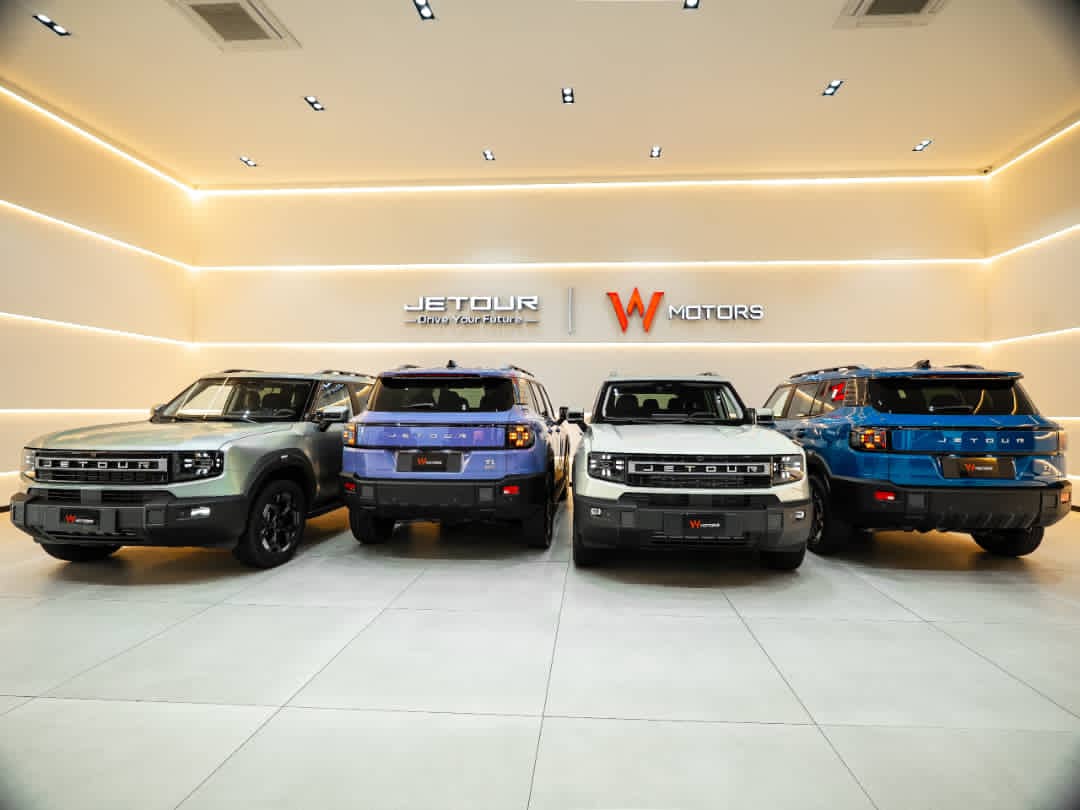
Jetour W Motors Celebrates Customers, Unveils Nigeria Owners Club After Brazil Promo
Jetour W Motors Nigeria is stepping up efforts to strengthen customer loyalty and build a vibrant community of vehicle owners with the successful conclusion of its #WinYourWayToBrazil campaign and the official establishment of the Jetour Nigeria Club.
The twin initiatives mark a new phase in the Chinese automotive brand’s engagement with Nigerian customers, extending its relationship with vehicle owners beyond sales and after-sales services to include shared experiences, lifestyle activities, adventures and community-building programmes.
The campaign climaxed with a live raffle draw on Friday, September 25, 2026, at the Jetour W Motors showroom on Adeyemo Alakija Street, Victoria Island, Lagos, where eligible customers gathered for an evening of entertainment, refreshments, networking and the eagerly anticipated announcement of the winner.
The promotion offered customers who ordered and purchased any Jetour vehicle between August 18 and September 20, 2026, the opportunity to win a trip to Brazil for the Jetour Brazil Fan Festival.
The event also featured the distribution of branded Jetour Owners Club gifts, adding to the celebratory atmosphere as customers interacted with one another and members of the Jetour team.
Beyond the excitement surrounding the raffle draw, the occasion provided a platform for Jetour W Motors to unveil the Jetour Nigeria Club, an initiative designed to bring owners of the brand’s vehicles together through a structured calendar of activities and shared experiences.
The club, officially established for the first time in Nigeria, is expected to create opportunities for members to participate in organised adventures, social gatherings and other community initiatives while strengthening their connection with the brand.
Registration for membership will open soon, with all Jetour owners invited to join the emerging community.
The development reinforces Jetour W Motors Nigeria’s strategy of building lasting relationships with customers in a competitive automotive market where ownership experience, customer engagement and brand loyalty are becoming increasingly important.
The #WinYourWayToBrazil campaign follows the successful Jetour Africa Expedition — Nigeria Edition, which brought together Jetour owners, influencers, media professionals and members of the company’s team for a distinctive experience combining driving, adventure and Nigerian culture.
The expedition was the brand’s first major activation specifically designed to bring Jetour owners together in Nigeria, providing an opportunity for participants to connect beyond their individual vehicle ownership experiences.
With the Brazil campaign and the launch of the national owners’ club, Jetour W Motors is building on that foundation by creating more opportunities for customers to interact, participate in brand-led activities and develop relationships with fellow owners.
The approach reflects a broader effort to position vehicle ownership as an experience that extends beyond the showroom, encompassing lifestyle, recreation and a sense of belonging to a growing community.
Jetour W Motors Nigeria is the authorised distributor of Jetour vehicles in the Nigerian market, where the brand continues to expand its presence through customer-focused initiatives and engagement programmes.
The planned opening of membership registration for the Jetour Nigeria Club is expected to provide the next opportunity for owners to become part of the community and participate in activities designed to deepen their connection with the brand.
Auto
FRSC hands over Safeline Bank to ROBOPAY, targets digital financial transformation
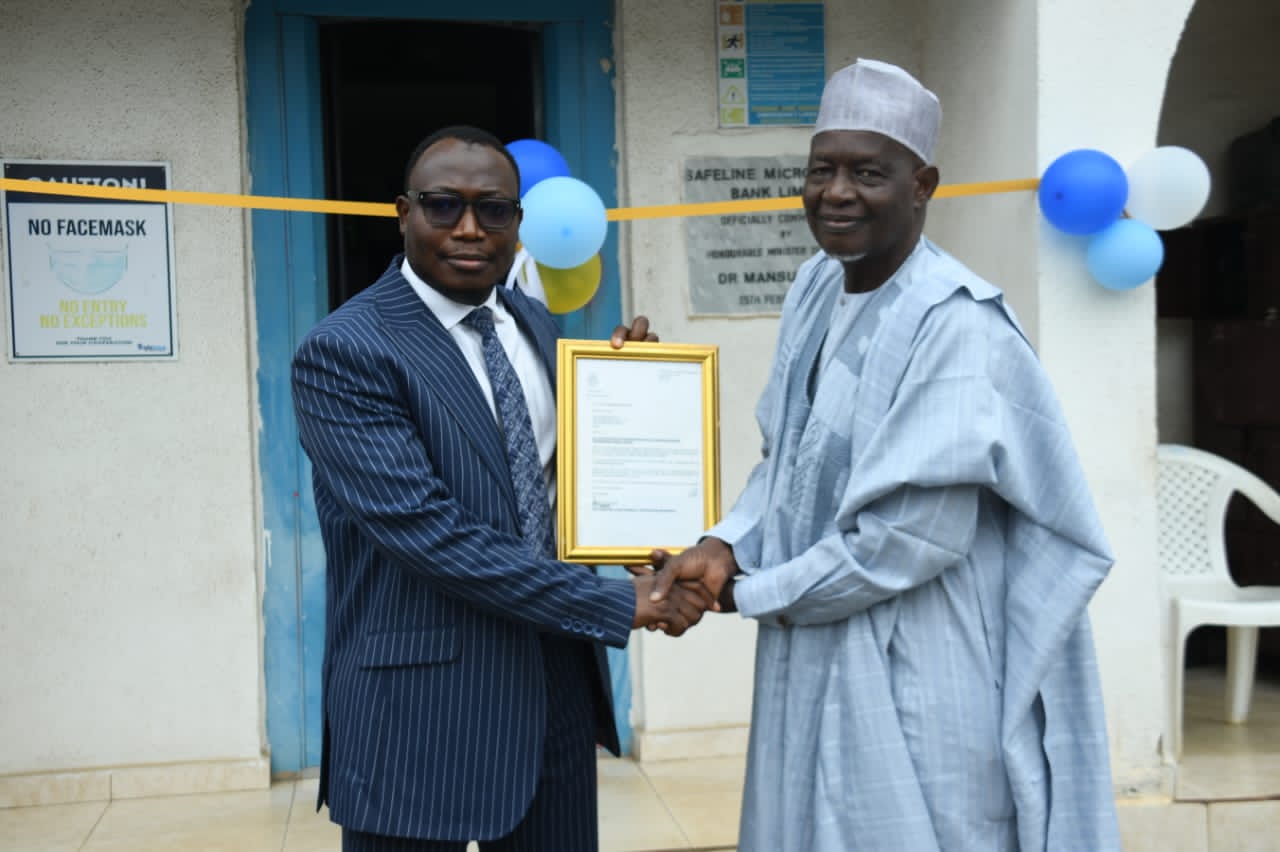
FRSC hands over Safeline Bank to ROBOPAY, targets digital financial transformation
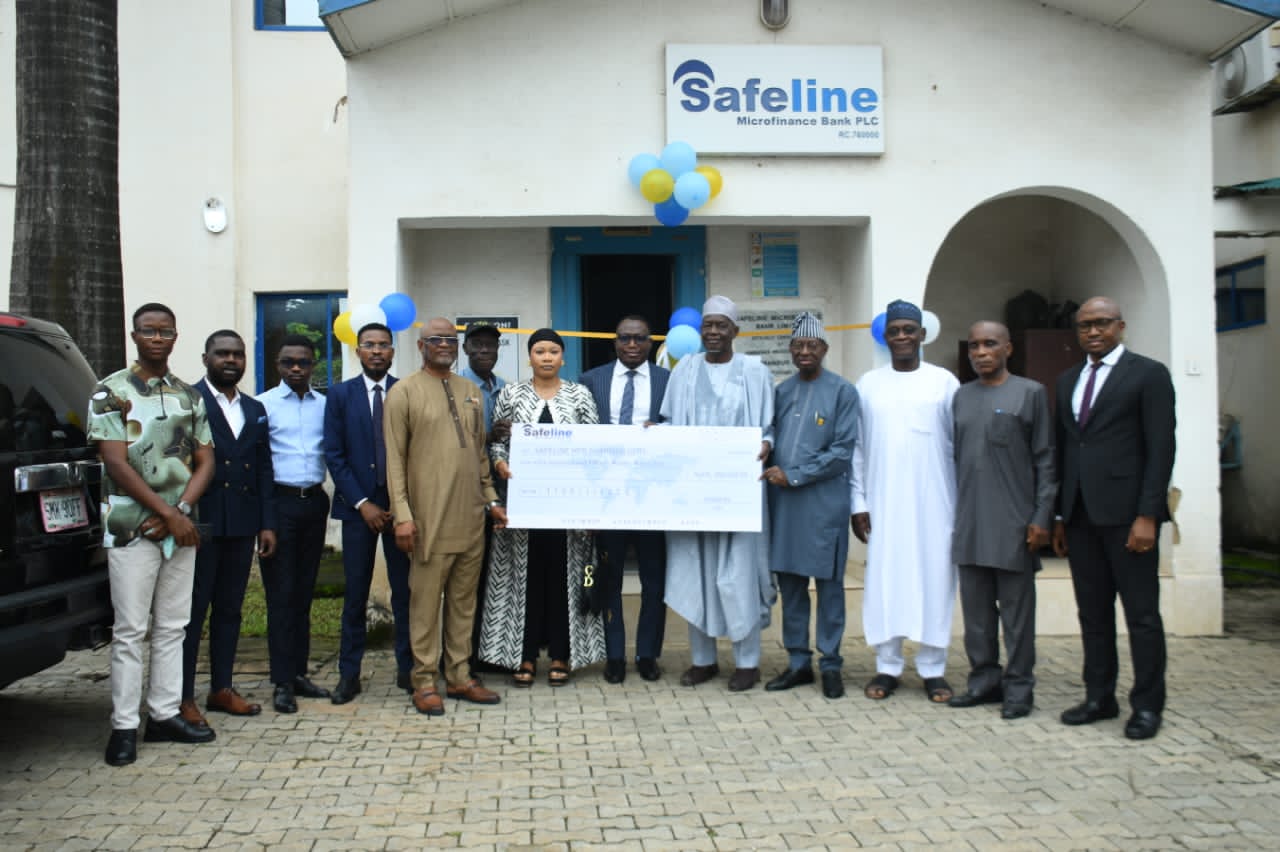
The Federal Road Safety Corps (FRSC) has handed over ownership of Safeline Microfinance Bank to ROBOPAY NIG. LTD., paving the way for a major recapitalisation and technology-driven transformation of the financial institution.
The divestment, which took place on Monday, October 5, 2026, at the bank’s premises in Abuja, is expected to reposition Safeline Microfinance Bank for stronger competitiveness, improved service delivery and sustainable growth in Nigeria’s rapidly evolving financial services sector.
The development, according to a statement by the Corps Public Education Officer, Osondu Ohaeri, is part of the strategic efforts under the leadership of the Corps Marshal, Shehu Mohammed, to reposition the institution for greater efficiency and competitiveness.
Safeline Microfinance Bank was established by the FRSC to provide financial services and opportunities to members of the Corps and other stakeholders.
Speaking at the handover ceremony, Chairman of the Board of Safeline Microfinance Bank, Ibrahim Babagana, a Deputy Corps Marshal (Rtd.), said the decision to divest the bank followed a careful assessment of the prevailing regulatory environment and emerging government policies affecting the microfinance banking industry.
Babagana said sustaining the bank under the changing financial landscape would require substantial additional capital, greater investment in technology and enhanced human capital.
He explained that the Board therefore resolved to transfer ownership to an investor with the capacity, resources and commitment to make the required investments and place the bank on a sustainable growth trajectory.
The former FRSC chief expressed confidence in ROBOPAY, saying the company had demonstrated the competence, commitment and vision required to build on the foundation established by the Corps and take Safeline Microfinance Bank to a new level.
He identified strengthening the bank’s capital base, deploying modern technology and investing in human resources as critical priorities for its survival and competitiveness in the increasingly digital financial services market.
Responding on behalf of ROBOPAY NIG. LTD, Malam Aliyu Abiodun thanked the Board and management of Safeline Microfinance Bank for the confidence reposed in the company, describing the acquisition as a significant milestone and an opportunity to unlock the institution’s considerable potential.
Abiodun said the bank already had valuable assets, structures and an institutional foundation which the new owners would build upon through strategic investments in financial technology, capital and human resources.
He said ROBOPAY would deploy FinTech solutions to modernise the bank’s operations, improve customer experience, expand its service offerings and strengthen its competitive position within Nigeria’s financial services industry.
According to him, the new ownership would retain and leverage the institutional foundation created by the FRSC while introducing innovative technology-driven solutions capable of opening new growth opportunities for the bank.
The transaction thus signals more than a change in ownership, as it ushers Safeline Microfinance Bank into a new phase anchored on recapitalisation, digital innovation and professionalised financial services.
Both parties expressed commitment to ensuring a seamless transition, with the ultimate objective of building a stronger, more competitive and sustainable institution capable of delivering greater value to its customers and stakeholders.
Business
Tantita Operations Push Oil Export Earnings to $9.39bn in Q2

Tantita Operations Push Oil Export Earnings to $9.39bn in Q2
Nigeria’s crude oil export earnings rose to $9.39 billion in the second quarter of 2026, with improved pipeline security, higher production and greater stability in the Niger Delta supporting the stronger performance.
Provisional Balance of Payments (BOP) data showed that Nigeria’s total goods exports increased to $20.08 billion in Q2, up from $15.56 billion in the first quarter.
Crude oil exports increased by 15.78 per cent to $9.39 billion, while natural gas exports climbed by 40.15 per cent to $3.63 billion.
The improvement has renewed attention on the role of pipeline security in protecting Nigeria’s oil production and ensuring that crude reaches evacuation points and export terminals.
Among the companies involved in pipeline surveillance in the Niger Delta is Tantita Security Services Nigeria Limited (TSSNL), which was engaged by the Federal Government to protect oil pipelines and other critical petroleum infrastructure.
Tantita’s operations, carried out alongside government security agencies, have focused on tackling oil theft, illegal bunkering and pipeline vandalism and improving the security of facilities used to transport crude oil.
READ ALSO:
- Fifty Years After “Africa Has Come of Age”: A Personal Reflection on Nigeria’s Silence at the United Nations
- Family seeks N10m to free kidnapped newlywed, other victims
- Trump launches ‘Super Intelligence Force’ to keep US ahead in AI race
Industry stakeholders have linked the improved operating environment in the Niger Delta to increased crude production and stronger export performance. However, the rise in export earnings cannot be attributed to Tantita alone, as production volumes, international oil prices, investments, operational efficiency and wider government measures also influence export receipts.
The broader export figures also showed significant improvements across other sectors of the petroleum industry.
Refined petroleum product exports increased by 66.24 per cent to $3.94 billion, while non-oil exports rose by 25.30 per cent to $3.12 billion during the quarter.
At the same time, Nigeria’s crude oil imports fell sharply from $1.39 billion in Q1 to $580 million in Q2, further strengthening the country’s external position.
The stronger export performance helped push Nigeria’s current account surplus to $7.54 billion, representing a 67.93 per cent increase from the $4.49 billion recorded in Q1. The figure was also higher than the $5.17 billion recorded in Q2 2025.
The increase in the current account surplus was driven largely by higher export earnings and an improved goods account.
The rise in crude earnings also coincided with stronger production, with Nigerian crude output reaching about 1.56 million barrels per day in June 2026, excluding condensates.
The development is significant for Nigeria, which has struggled in recent years to consistently meet its production potential because of crude oil theft, pipeline vandalism, ageing infrastructure and underinvestment in the upstream sector.
Improving security around oil-producing assets has therefore become a key part of efforts to raise output and increase foreign-exchange earnings.
Tantita, led by High Chief Government Oweizide Ekpemupolo, popularly known as Tompolo, has been at the centre of the Federal Government’s pipeline surveillance arrangement in the Niger Delta.
Stakeholders, however, say sustained growth in oil earnings will require more than surveillance operations. They have called for continued investment in exploration and field development, improved infrastructure, enhanced recovery from mature fields and faster development of major deepwater projects.
The Federal Government has also been pursuing measures aimed at attracting fresh investment into Nigeria’s upstream sector, including fiscal incentives for deepwater oil and gas projects.
For Nigeria, the latest export figures offer a boost at a time when the country is seeking stronger foreign-exchange inflows, increased oil production and greater fiscal revenues.
The challenge now is to sustain the improvement by keeping petroleum infrastructure secure, reducing crude losses and ensuring that higher production translates into consistent export earnings and broader economic benefits.
Tantita Operations Push Oil Export Earnings to $9.39bn in Q2
-
 metro3 days ago
Ondo Air Tragedy: Soldiers, Families Among 32 Killed In NAF Crash
-
 News3 days ago
President Tinubu Mourns 32 NAF Personnel in Ondo Jet Crash, Orders Immediate Probe
-

 metro3 days ago
Gunmen Open Fire At Lagos Bus Stop, Kill NURTW Member, Injure Three
-
 metro3 days ago
No Survivors Found in Ondo NAF Plane Crash — Ondo Governor
-

 metro3 days ago
Ogun Crash: Nine Die As Bus Collides With Truck On Ijebu-Ode-Ore Road
-
![[UPDATED] 20 NYSC Prospective Corps Members Freed After Seven Days in Captivity](https://newstrends.ng/wp-content/uploads/2026/10/20-NYSC-Prospective-Corps-Members-Freed-After-Seven-Days-in-Captivity-400x240.jpg)
![[UPDATED] 20 NYSC Prospective Corps Members Freed After Seven Days in Captivity](https://newstrends.ng/wp-content/uploads/2026/10/20-NYSC-Prospective-Corps-Members-Freed-After-Seven-Days-in-Captivity-80x80.jpg) metro13 hours ago
metro13 hours ago[UPDATED] 20 NYSC Prospective Corps Members Freed After Seven Days in Captivity
-
 metro2 days ago
Supreme Council For Sharia Secretary-General Nafiu Baba-Ahmed Dies
-

 metro2 days ago
UCH CMD: After Decades Without Muslim, Agunbiade Demands Fair Chance