
metro
Nigeria gets World Bank $1.5bn loan
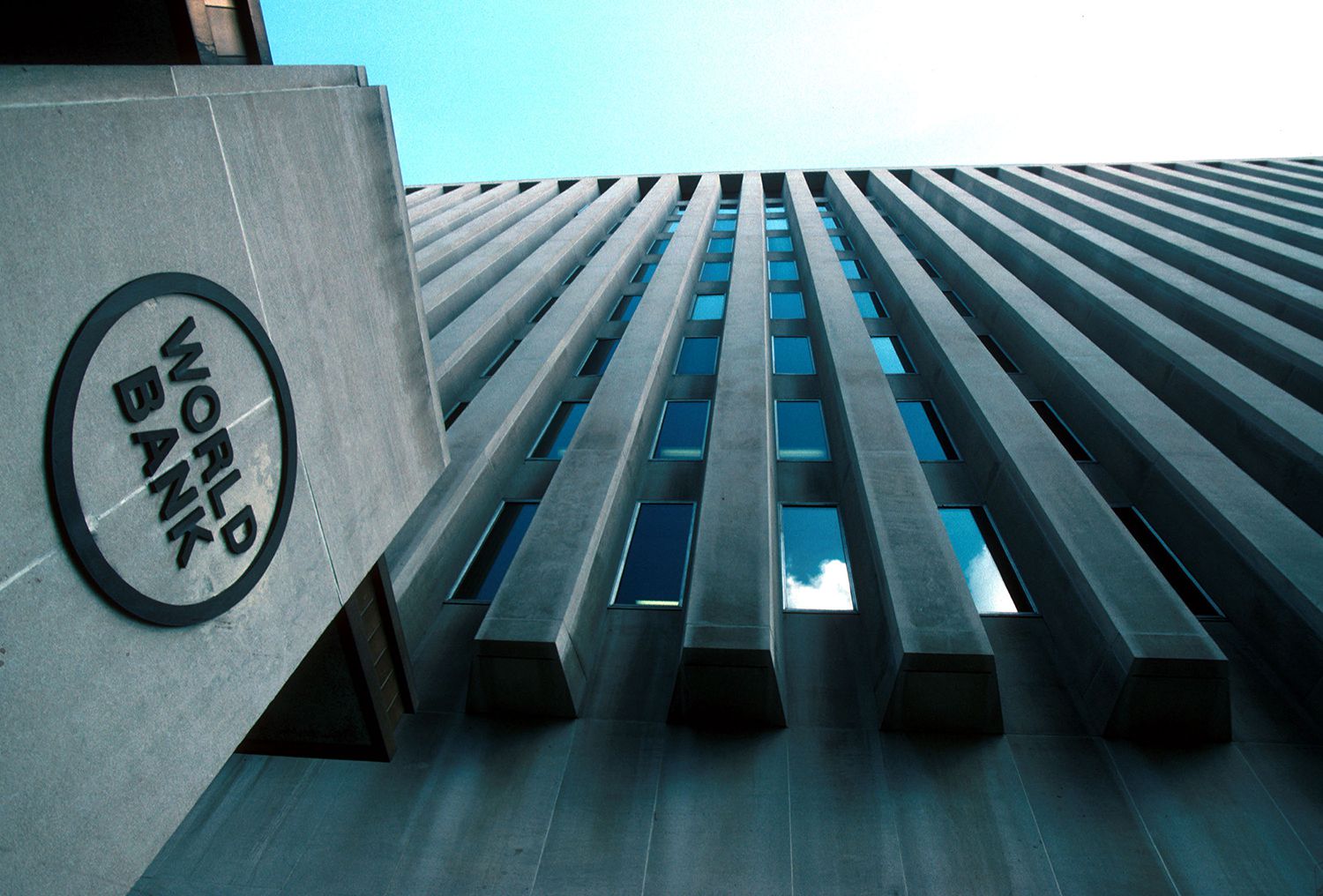
Nigeria gets World Bank $1.5bn loan
The World Bank has disbursed a $1.5 billion loan to Nigeria under the Reforms for Economic Stabilisation to Enable Transformation (RESET) Development Policy Financing initiative.
The loan, approved on June 13, 2024, was released in record time following Nigeria’s implementation of critical reforms, including the removal of fuel subsidies and comprehensive tax policies.
This fast disbursement contrasts with other loan programmes, which typically experience delays due to slow or partial implementation of conditions.
For instance, the World Bank has also disbursed $1.88 million of a $750 million loan for the Accelerating Resource Mobilization Reforms (ARMOR) project, approved alongside the RESET programme.
Loan disbursement timeline
- The first tranche of $750 million, a credit facility under the International Development Association (IDA) with a 12-year maturity and six-year grace period, was disbursed on July 2, 2024.
- The second tranche of $750 million, issued by the International Bank for Reconstruction and Development (IBRD) with a 24-year maturity and 11-year grace period, followed in November 2024.
The World Bank document read: “This document summarizes the progress made under the Reforms for Economic Stabilization to Enable Transformation Development Policy Financing for the Federal Republic of Nigeria (Borrower or Recipient), which was approved by the Executive Directors on June 13, 2024.
READ ALSO:
- S’Korea orders probe after deadly plane crash
- Oldest ex-US President Jimmy Carter dies at 100
- Umahi beats Obi, others to emerge Ohanaeze’s Igbo Man of the Year
“The DPF is a standalone operation comprised of two tranches: (1) first tranche comprising US$750 million credit from the International Development Association (Association) (Shorter Maturity Loan terms with 12-year maturity and grace period of 6 years, Credit No. 7567-NG); and (2) second tranche comprising US$750million loan from the International Bank for Reconstruction and Development (Bank) (US dollar-denominated, commitment-linked loan with 24-year maturity and grace period of 11 years, Loan No.9683-NG). The Financing Agreement and Loan Agreement were signed and declared effective on June 19, 2024 and June 26, 2024, respectively. The first tranche was released on July 2, 2024.”
Key reform conditions
A major trigger for the second tranche was the removal of fuel subsidies. The reforms allowed petrol prices to reflect international market rates and exchange rates, effectively ending implicit subsidies that strained public finances.
The deregulation, which began in mid-2023, saw petrol prices increase more than fivefold, drawing praise for fiscal discipline but sparking criticism over the rising cost of living.
The World Bank commended the government for not only meeting the condition but exceeding expectations by fully deregulating the fuel market.
The document noted: “In terms of implementation, while the TRC [Tranche Release Conditions] formulation required introducing the change over a specified time-bound implementation period, the Borrower has moved ahead and made the change immediately, thereby overachieving the TRC in this respect.
“Effective October 2024, the price of PMS has been determined by the international market and the exchange rate set by the Central Bank of Nigeria.”
READ ALSO:
- Saraki betrayed me after helping him become Senate president – Ndume
- Atiku demands probe into ‘military’ parade for Tinubu’s son, Seyi
- Indian man sets wife ablaze for giving birth to three daughters
Additional reforms included the introduction of the Nigeria Tax Bill 2024, proposing a gradual increase in Value Added Tax (VAT) to 10% by 2025 and streamlining tax compliance processes.
The document read: “The Borrower has successfully carried out the program as outlined in the Letter of Development Policy, with progress along all areas supported by the DPF. Following the implementation of the reforms that constituted prior actions for the first tranche of the RESET DPF (disbursed on June 28, 2024), the Borrower continues to carry out the program as planned.
“The Borrower has prepared and submitted to the National Assembly on October 3, 2024, a comprehensive package of tax reforms, which not only reform the VAT regime but also simplify tax policy laws and tax administration.
“Reforms have also been implemented to fully deregulate the fuel market, ensuring that retail prices are determined by market conditions and opening the sector to competition. The authorities are following through on their commitment to cease deficit monetization, relying instead on standard debt instruments to finance the deficit.”
The government also submitted amendments mandating the use of the National Social Registry for social investment programmes.
Socioeconomic impact and relief measures
Despite commendations from the World Bank for exceeding reform targets, the impact of these changes has sparked public dissent. Fuel subsidy removal has led to surging transportation and living costs, triggering protests in major cities like Lagos, Kano, and Abuja.
To cushion the effects, the Federal Government introduced N25,000 monthly cash transfers for 15 million vulnerable households.
However, only about four million households have benefited so far, falling significantly short of the target. Efforts are also underway to promote compressed natural gas (CNG) as a cheaper fuel alternative, with plans to convert over one million vehicles in three years.
Nigeria gets World Bank $1.5bn loan








metro
EFCC Debunks Fake Wanted Poster of Sabinus

EFCC Debunks Fake Wanted Poster of Sabinus
The Economic and Financial Crimes Commission (EFCC) has dismissed as false a viral “wanted” poster featuring popular Nigerian comedian Emmanuel Chukwuemeka Ejekwu, widely known as Sabinus, describing it as fake, misleading, and the work of mischief-makers.
In a statement shared via its official social media platforms on Thursday, the anti-graft agency clearly stamped the circulating image “FAKE NEWS”, warning individuals responsible for spreading such content to desist. In a strongly worded caption, the EFCC wrote, “Clout chaser, stop this now!” — signaling frustration over the growing trend of misinformation online.
The doctored poster, which spread rapidly across social media, mimicked the official EFCC “wanted” notice format, including the agency’s logo and layout. It falsely claimed that Sabinus, allegedly aged 43, was wanted for obtaining money under false pretence, and even listed a supposed last known address in Victoria Island, Lagos State.
READ ALSO:
- Making Up for Lost Sleep Might Be Healthier Than Experts Once Believed — What Science Says
- Sleeping Positions: How They Affect Your Health and Which Ones to Avoid
- Thousands Rally Across Iran to Honour Late Supreme Leader Khamenei
However, further checks confirm that no such notice exists on any official EFCC platform, including its verified website and social media pages, which are the only legitimate channels through which the commission declares individuals wanted. The agency reiterated that all authentic wanted notices are publicly verifiable, urging Nigerians to rely on official sources before sharing sensitive claims.
The EFCC did not disclose whether it has identified those behind the fabricated poster but emphasized that the spread of false information could have serious legal and reputational consequences. The commission has, in recent years, intensified warnings against the circulation of fake news, impersonation of government agencies, and digital misinformation, particularly on social media.
Sabinus, a widely recognised entertainer known for his viral comedy skits and brand endorsements, commands a massive following both within Nigeria and internationally. As of the time of reporting, he has not publicly reacted to the incident.
The development highlights growing concerns about the misuse of digital platforms to create convincing but false narratives, especially involving public figures. Authorities continue to advise the public to verify information carefully and avoid amplifying unconfirmed reports that could harm individuals or undermine public trust.
EFCC Debunks Fake Wanted Poster of Sabinus
metro
12-Year-Old Dies After Alleged Bullying at FGC, Ikot Ekpene
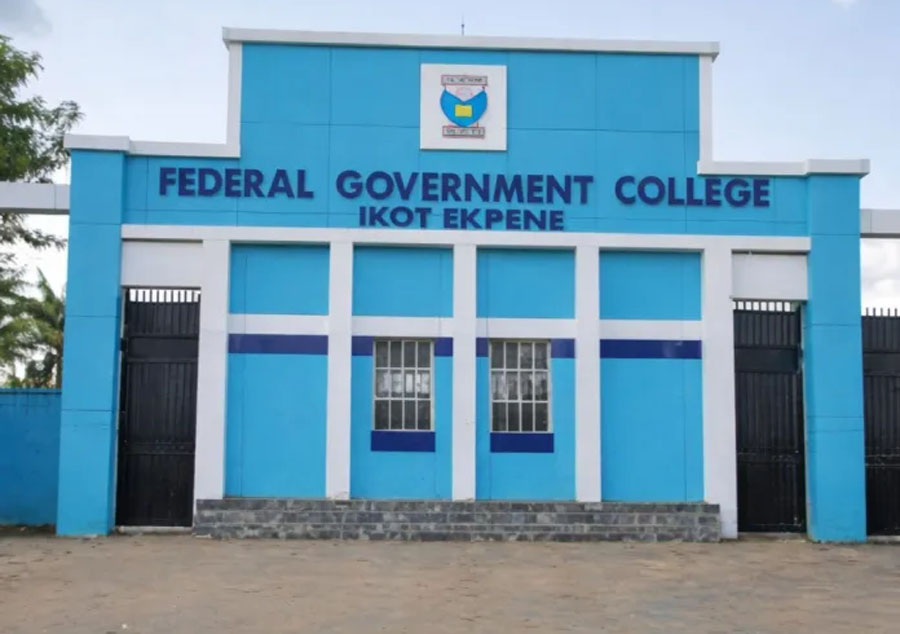
12-Year-Old Dies After Alleged Bullying at FGC, Ikot Ekpene
Tension and outrage have gripped Federal Government College, Ikot Ekpene in Akwa Ibom State after a 12-year-old Junior Secondary School 2 student, Ufokobong Edwin Godwin, reportedly died following alleged bullying by a senior student over provisions. The incident, which began before the Easter break, has raised serious concerns about student safety and bullying in Nigerian schools.
The attack reportedly occurred when a Senior Secondary School 3 student demanded provisions from the younger pupil during terminal examinations. Godwin refused, saying he did not have enough to share. Witnesses allege that the senior student responded with physical violence, repeatedly striking Godwin on the neck and throat, causing him to faint multiple times. Other students only intervened after the assault escalated.
Godwin was initially hospitalized on Easter Sunday for a neck injury. He briefly regained consciousness but was later returned to school without his parents being informed of the seriousness of the incident. Upon returning home for the holiday, the boy began complaining of severe neck and throat pain. Despite taking pain relief medication at home, his condition worsened, prompting his father to rush him back to the hospital, where he tragically died. Medical personnel later confirmed that his death resulted from complications associated with blood clots around the neck and throat area.
READ ALSO:
- JAMB Urges Candidates, Parents to Protest Admission Bias as CAPS Ensures Transparency
- EFCC Arrests Maiduguri Woman for Cleaning Nose With N500 Note
- Court Stops ADC Congress, Orders Status Quo in Leadership Row
The school principal, Mr. Jude Ezeogu, described the incident as deeply unfortunate and confirmed that the school community is in mourning. He said a school management committee will meet to review the circumstances surrounding the student’s death and communicate their findings to the public.
The family of the deceased has called on the Federal Government of Nigeria to investigate the matter and ensure justice. The boy’s father urged the authorities to intervene, saying he would provide more details at an appropriate time.
The tragic death of Ufokobong Edwin Godwin has reignited discussions about bullying, student protection, and campus safety across Nigeria, with parents and education stakeholders calling for stricter measures to prevent such incidents in boarding schools.
12-Year-Old Dies After Alleged Bullying at FGC, Ikot Ekpene
metro
Boko Haram Attack in Borno: Brigadier-General, Soldiers Killed as ISWAP Overruns Military Base
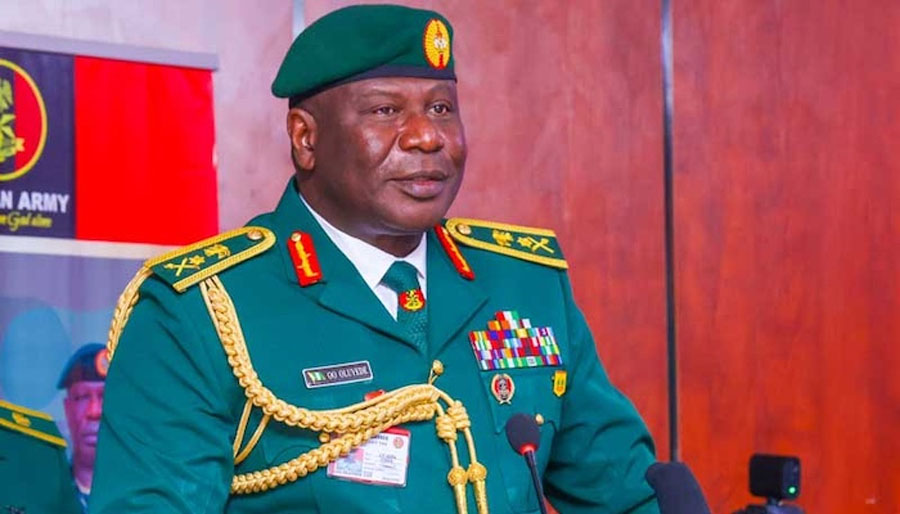
Boko Haram Attack in Borno: Brigadier-General, Soldiers Killed as ISWAP Overruns Military Base
A deadly assault by insurgents linked to Boko Haram and its Islamic State-backed faction, Islamic State West Africa Province, has left several Nigerian troops dead, including a senior commander, following a late-night attack on a military base in Borno State.
The fresh Boko Haram attack in Borno reportedly took place on Wednesday night at a Joint Task Force formation in Benisheikh, located in Kaga Local Government Area along the busy Damaturu–Maiduguri highway.
Among those killed in the attack was Brigadier-General O. O. Braimah, commander of the 29 Brigade, alongside several officers, soldiers, and the brigade’s Imam. His death marks a significant setback in ongoing counterinsurgency operations in Nigeria’s North-East, with military sources describing the incident as one of the most intense recent assaults on a military formation in the region.
According to security sources, the attackers launched a coordinated assault using explosives and heavy gunfire, overwhelming troops after hours of intense fighting. The insurgents reportedly deployed improvised explosive devices (IEDs) to breach the base, engaged soldiers in sustained gunfire, and targeted critical military infrastructure. The prolonged attack caused panic within the base and surrounding communities, with casualties feared to be high, although official figures have not yet been released.
READ ALSO:
- JAMB Urges Candidates, Parents to Protest Admission Bias as CAPS Ensures Transparency
- EFCC Arrests Maiduguri Woman for Cleaning Nose With N500 Note
- Court Stops ADC Congress, Orders Status Quo in Leadership Row
Several soldiers were seriously injured during the Boko Haram attack, while others are still unaccounted for. Rescue operations are ongoing as the military works to locate missing personnel and secure the area.
The latest incident highlights renewed violence by insurgent groups in Borno. In recent weeks, Boko Haram and ISWAP attacks in Nigeria have intensified, targeting military bases, checkpoints, and civilian settlements. Security experts warn that the attack suggests growing operational strength of insurgents, increased vulnerability of remote military bases, and the need for improved intelligence and aerial surveillance.
As of the time of filing this report, the Nigerian military has yet to issue an official statement on the attack. However, reinforcements and surveillance operations have reportedly been deployed to the Benisheikh axis to prevent further attacks.
Despite years of military operations, Boko Haram and Islamic State West Africa Province continue to pose serious threats in Nigeria’s North-East. The Borno attack on soldiers underscores persistent insecurity and raises fresh concerns about the safety of military formations and personnel in the region.
Boko Haram Attack in Borno: Brigadier-General, Soldiers Killed as ISWAP Overruns Military Base

-
 metro2 days ago
FG Deports US Missionary Alex Barbir Over Alleged Role in Nigeria Insecurity
-

 Entertainment2 days ago
Veteran Nollywood Actor Davis Ofor ‘Clarus’ of New Masquerade Dies at 85
-

 metro1 day ago
2026 NYSC Batch A Stream II: Registration, Swearing-In Dates Announced
-
 Africa10 hours ago
ECOWAS Recruitment 2026: Over 30 Job Vacancies Open for Nigerians (How to Apply)
-
 metro2 days ago
Lagos Announces Partial Road Closures for Project Commissioning
-

 Entertainment1 day ago
Saheed Osupa Defends Juju Use Amid Backlash From Islamic Clerics
-

 Politics14 hours ago
Court Stops ADC Congress, Orders Status Quo in Leadership Row
-
 News2 days ago
Iran Lists Tough Conditions for Peace Talks with US