
Politics
Obasanjo: Why I rejected El-Rufai as successor in 2007
Obasanjo: Why I rejected El-Rufai as successor in 2007
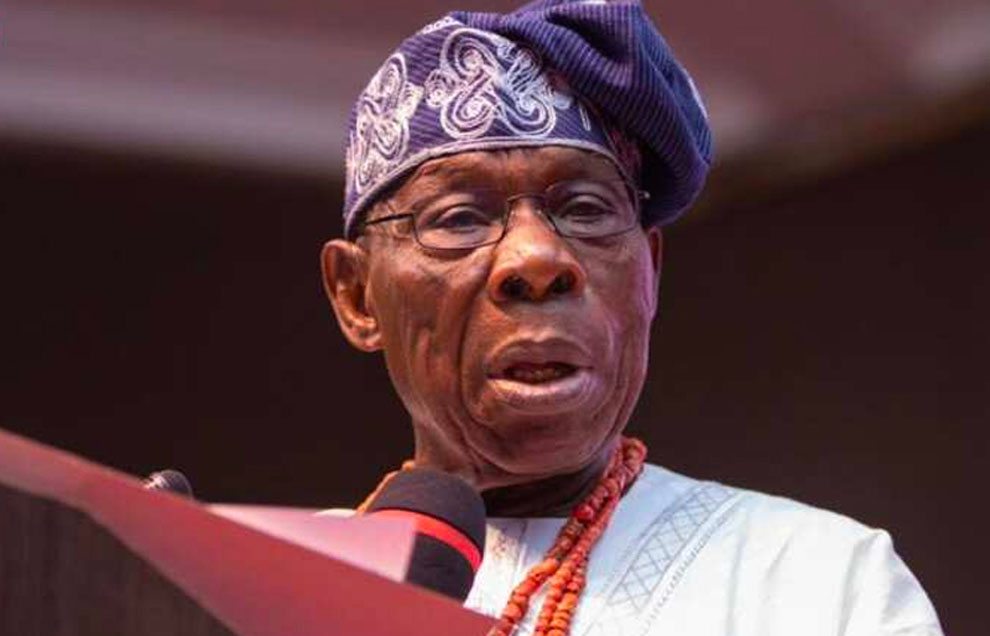
Former President Olusegun Obasanjo has revealed that he declined a proposal to endorse former Kaduna State governor, Nasir el-Rufai, as his successor in 2007, citing concerns over his readiness for the presidency.
Obasanjo made the disclosure on Friday while speaking at the second annual symposium of the Ajibosin Platform held in Abeokuta, Ogun State. The event, themed “Importance of Leadership in Governance,” drew political stakeholders and thought leaders from across the country.
The former president recounted how Osita Chidoka—then a young reformist and later Minister of Aviation—had recommended el-Rufai for the top job. El-Rufai, who served as Director-General of the Bureau of Public Enterprises and later as Minister of the Federal Capital Territory under Obasanjo, was widely regarded as one of the administration’s key technocrats.
READ ALSO:
- WAFCON Qualifier: Super Falcons get 2-0 win over Benin in Lome
- Chief Aderibigbe: The old North’s last custodian is gone, By Farooq Kperogi
- ADC demands Tinubu explain sudden service chiefs’ sack amid coup rumours
“Let him tell you,” Obasanjo said, interrupting Chidoka’s speech. “He was pushing that his friend, el-Rufai, should succeed me. I did not yield to the pressure. I told him el-Rufai needs to mature. Years later, he came back to say, ‘You were absolutely correct.’”
Despite rejecting the proposal, Obasanjo praised both Chidoka and el-Rufai for their contributions to his administration, describing them as individuals with “special attributes.”
He also used the platform to highlight the urgent need for structured leadership development in Nigeria, lamenting the absence of formal training for political leaders.
“It’s only in politics that I found out there is no training for leadership,” Obasanjo said. “Even among armed robbers, I was told there is apprenticeship. But in politics, there is none. That’s not good enough.”
The symposium underscored the growing call for intentional leadership grooming as Nigeria prepares for future transitions in governance.
Obasanjo: Why I rejected El-Rufai as successor in 2007










Politics
ADC Defeats APC to Win First Polling Unit in FCT Area Council Election
ADC Defeats APC to Win First Polling Unit in FCT Area Council Election
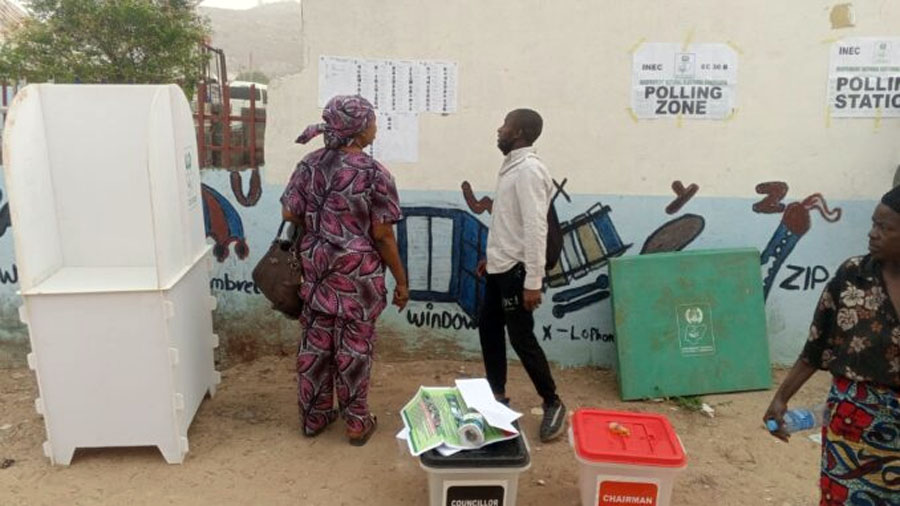
The African Democratic Congress (ADC) has recorded its first polling unit victory in the ongoing Area Council Elections in the Federal Capital Territory, defeating the ruling All Progressives Congress (APC) in what supporters have described as a symbolic breakthrough.
The opposition coalition secured the win at Polling Unit 076, Sani Abacha Estate, Wuse Zone 4, within the Abuja Municipal Area Council (AMAC), where the ADC chairmanship candidate, Dr. Moses Paul, cast his vote.
Out of 10 ballots recorded at the polling unit, ADC polled seven votes, while APC received two votes, with one vote declared invalid, according to results announced by electoral officials at the unit.
Low Voter Turnout Observed
The election across several parts of the FCT was marked by notably low voter turnout, a development that has drawn reactions from candidates and observers. Dr. Paul attributed the situation to movement restrictions announced ahead of the poll by the FCT authorities.
He argued that the directive caused confusion among residents and discouraged voter participation, describing the atmosphere as unusual and unsettling.
READ ALSO:
- Trump Moves to Indefinitely Suspend Work Permits for Asylum Seekers
- Peller Escapes Generator Fire at Lagos Home, Recalls Earlier Lekki–Epe Scare
- Abuja Church Expels Newly Married Woman Over Refusal to Consummate Marriage
“I have lived in AMAC for about 40 years and I have never witnessed anything like this,” Paul said, adding that the situation felt like “a state of emergency” over what he described as unwarranted restrictions.
Allegations of Intimidation and Vote Buying
While commending electoral officials at his polling unit for what he described as professional conduct and adherence to due process, the ADC candidate raised concerns over alleged intimidation of his party’s agents in other locations.
According to him, reports reaching his campaign indicated that ADC agents in Takum Shara and parts of Kabusa Ward, including Dogongada and Shereti, were allegedly threatened and intimidated during the voting process.
Paul alleged that some agents were told they could be maimed or killed, claiming such actions were aimed at suppressing voters and influencing the election in favour of the ruling party.
He also accused political actors of engaging in vote buying, describing the practice as criminal and harmful to Nigeria’s democratic process. These allegations, however, had not been independently verified at the time of reporting.
Confidence Amid Challenges
Despite the challenges, Paul expressed confidence that the ADC would perform strongly in the overall election, insisting that the will of the people would ultimately prevail.
He urged residents of the FCT and Nigerians at large to resist intimidation, reject electoral malpractice, and demand accountable and people-centred leadership.
As collation continues across wards and area councils, observers note that while a single polling unit win does not determine the final outcome, the ADC’s result against the APC in the heart of Abuja carries symbolic political significance amid growing voter dissatisfaction and calls for alternatives.
ADC Defeats APC to Win First Polling Unit in FCT Area Council Election
Politics
Peter Obi Launches ‘Village Boys Movement’ to Rival Tinubu’s City Boys Ahead of 2027

Peter Obi Launches ‘Village Boys Movement’ to Rival Tinubu’s City Boys Ahead of 2027
Supporters of former Peter Obi have unveiled a new grassroots political initiative, the “Village Boys Movement”, in Abuja ahead of the 2027 presidential election. The movement is designed to mobilise rural and local communities and offer a value-driven alternative to President Bola Tinubu’s “City Boys” network, promoted by his son, Seyi Tinubu.
The movement was launched as a platform to engage grassroots supporters, promote ethical leadership, and advocate accountability in Nigerian politics. Its convener, Maazị Tochukwu Ezeoke, introduced himself as the “Village Headmaster” and described the group as a disciplined and principled organisation built on responsibility, honesty, and transparency.
Speaking at the Abuja launch, Ezeoke emphasised that the Village Boys Movement is not designed to target urban populations. Rather, the name is symbolic, reflecting the movement’s focus on values such as ethical leadership, productivity, and community-driven accountability. He said, “The issue is not geography but the source of wealth, the ethics of leadership, and the structure of accountability. We represent a Nigeria that works before it earns and earns before it spends.”
READ ALSO:
- Woman Dies in Bandits’ Camp After Family Pays ₦25 Million Ransom
- Reno Omokri Alleges El-Rufai, Sons Linked to Dadiyata’s Disappearance
- UK-Based Nigerian Gets 13-Year Jail Term for Forcing Girlfriend to Abort Pregnancy
Organisers highlighted that the initiative will primarily operate in rural communities, advocating civic engagement, political education, and grassroots mobilisation. The platform aims to strengthen Peter Obi’s outreach beyond urban centres, complementing existing youth networks while encouraging active participation in the democratic process.
Political analysts note that the launch of the Village Boys Movement signals a strategic effort by Obi’s supporters to counter the influence of Tinubu’s City Boys, which has historically rallied urban youth support. The initiative underscores the growing importance of grassroots campaigns in Nigeria’s 2027 elections and reflects an emphasis on values-based politics as a tool to attract voters nationwide.
The movement has pledged to expand operations across multiple states, engage community leaders, and empower citizens at the local level, marking a significant step in Nigeria’s evolving political landscape ahead of the 2027 polls.
Peter Obi Launches ‘Village Boys Movement’ to Rival Tinubu’s City Boys Ahead of 2027
Politics
AMAC Polls Shock: Another PDP Candidate Withdraws from FCT Race, Backs APC
AMAC Polls Shock: Another PDP Candidate Withdraws from FCT Race, Backs APC
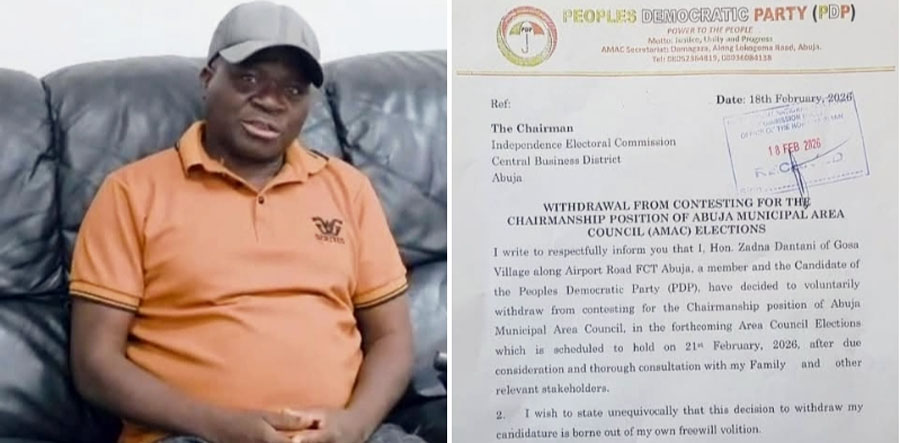
Less than 48 hours before the Federal Capital Territory (FCT) Area Council elections, the Peoples Democratic Party (PDP) chairmanship candidate for Abuja Municipal Area Council (AMAC), Hon. Zadna Dantani, has pulled out of the race and declared support for the All Progressives Congress (APC) candidate, Hon. Christopher Zakka Maikalangu.
Dantani’s withdrawal follows a similar move in Bwari Area Council, where the PDP candidate, Hon. Julius Adamu, stepped down in favour of APC’s Joshua Ishaku Musa, signalling a major shift in political alignment ahead of Saturday’s elections.
In a formal declaration, Dantani explained that his decision was influenced by high-level intervention from the FCT Minister, Nyesom Wike, whom he described as both “party leader and FCT leader.”
READ ALSO:
- Updated: Rivers Senator Mpigi Barinada dies at 64
- Railway track vandalism: Urgent need for laws prohibiting scrap/metal picking to protect critical assets
- MOMAN, ALCMAN Partner BKG to Drive Nigeria’s Shift from Auto Imports to Industrial Production
“I want to sincerely appreciate everyone who supported us. This decision is not about personal interests. The Honourable Minister of FCT, Barrister Nyesom Wike, emphasized that this is a brotherhood election. I am aligning with APC in support of the good works of President Bola Ahmed Tinubu,” Dantani said.
Dantani also confirmed that he had completed all legal formalities, including submitting a letter of withdrawal to the Independent National Electoral Commission (INEC), stating that the move was entirely voluntary and made after consultations with family and stakeholders.
He called on his supporters across AMAC’s 12 wards to vote for APC’s Christopher Maikalangu, describing the alignment as a step toward unity and effective governance in the territory.
Political analysts note that these high-profile PDP withdrawals in both AMAC and Bwari have reshaped the FCT political landscape, increasing APC’s chances of sweeping the elections and stirring debates about PDP’s internal cohesion ahead of upcoming local and national contests.
AMAC Polls Shock: Another PDP Candidate Withdraws from FCT Race, Backs APC

-

 Politics1 day ago
Peter Obi Launches ‘Village Boys Movement’ to Rival Tinubu’s City Boys Ahead of 2027
-

 International2 days ago
Canada Opens New Express Entry Draw for Nigerian Workers, Others
-

 News1 day ago
Police to Arrest TikToker Mirabel After She Recants False Rape Claim
-

 International1 day ago
Epstein, Ex-Israeli PM Named in Alleged Profiteering From Boko Haram Crisis
-

 metro2 days ago
Osun Awards 55.6km Iwo–Osogbo–Ibadan Road Project to Three Contractors
-

 Politics2 days ago
Updated: Rivers Senator Mpigi Barinada dies at 64
-

 metro2 days ago
Ondo Monarch Killed as Bandits Strike Akure North
-

 Sports2 days ago
Ademola Lookman Scores Historic Goal as Atletico Madrid Draw 3–3 With Club Brugge