
News
Updated: EndSARS not only against police brutality, but fixing economy – Prof Imumolen
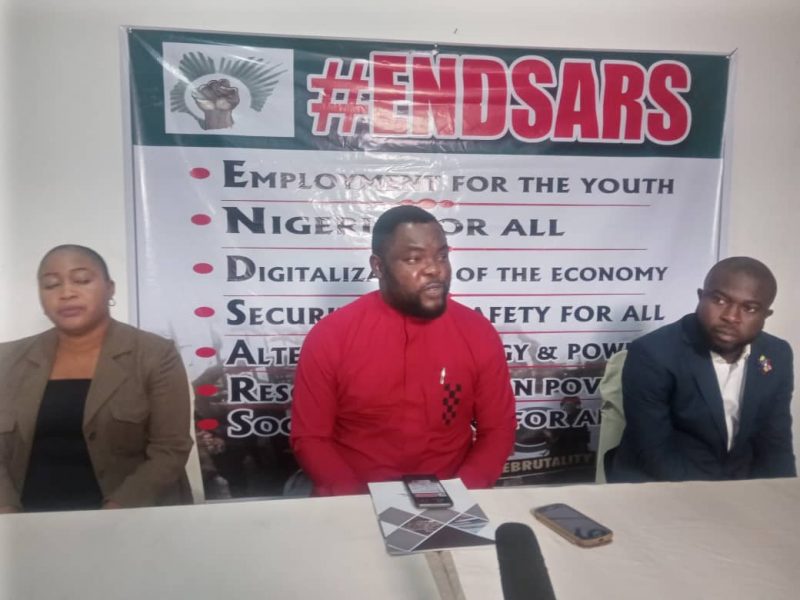
The recent #EndSARS protests recorded in some parts of the country are beyond mere agitations to stop police brutality but a strong message for the government to fix the economy, Convener of Nigeria Peace and Sustainable Initiative (NPSI), Prof. Christopher Imumolen, has said.
Last week, protesters had stormed the Lekki tollgate in Lagos in commemoration of the #EndSARS protests which culminated in the shooting that took place in the area in October 2020.
But Imumolen insisted that the protest was not only about ending of SARS, but a way to push the government to look into various aspects of the economy.
Acknowledging that a lot had happened in the last one year, and that the protest had ended police brutality to an extent, Imumolen said that fixing the economy was what should matter most.
Speaking at a press conference held recently in the Ikeja area of Lagos, Imumolen said much needed to be done in terms of the economy, interpreting EndSARS in such a way that it would involve fixing the economy.
To Imumolen the “E” in ENDSARS stands for Employment, “N” stands for Nigeria for All, “D” for Digitalisation of the Economy, “S” for Security and Safety for All, “A” for Alternative Source of Power “R” for Rescue Nigeria from Poverty while “S” stands for Social Welfare for All.
He said if all these parameters were worked on, Nigeria could be great in less than six years.
According to him, they are equally working on a movement that will metamorphose into a political party which will feature in national discussions and give a voice to young Nigerian youths to achieve their goals in life.
The movement, Imumolen said, is about young Nigerians ready to rescue the country from the present condition.
He said, “We are working on a movement that will metamorphose into a political party. We will be involved in the 2023 elections. Already, we have started the registration of the party. Before now, we have been working as social entrepreneur since 2010.
“The movement is about young Nigerians who are ready to rescue the country. We will be sincere and we have the knowledge and international exposure.”
Warning that things might get worse, if Nigeria failed to get it right this time, Prof Imumolen advised both the youths and the entire citizens to get involved in the democratic process, stating that would be the only way to bring about the desired change.
“It is the right of every Nigerian to have a voters card. Nigerians must endeavour to get voters cards and engage in politics”, Imumolen advised.
Imumolen also revealed that NPSI has plans to create room for the middle class which at present does not exist in the Nigerian society, adding that the only way to build Nigeria is to provide social interventions for the people.
On efforts of the government, one year after ENDSARS, Imumolen noted that the government had only paid lip service to the situation.









News
Presidency, APC Reject Opposition Claims on Electoral Act 2026
Presidency, APC Reject Opposition Claims on Electoral Act 2026
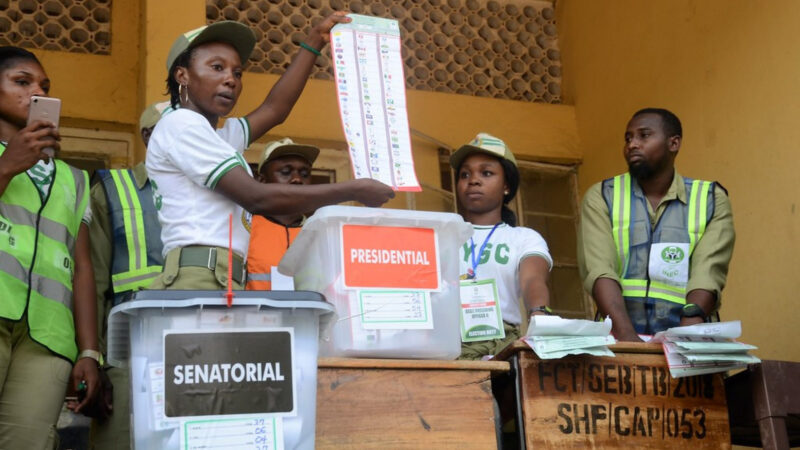
The Presidency and the ruling All Progressives Congress (APC) have strongly pushed back against demands by opposition parties — notably the African Democratic Congress (ADC) and the New Nigeria People’s Party (NNPP) — to revisit or scrap the recently signed Electoral Act 2026. The opposition figures, including former Vice‑President Atiku Abubakar, former governors Peter Obi, Rotimi Amaechi and Rauf Aregbesola, had accused the law of being “skewed in favour of the APC” and vowed to resist its implementation by all lawful means. Their statements at a high‑profile news conference in Abuja sparked a fierce response from the Presidency and leading voices within the ruling party.
The opposition’s public rejection of the law, read by NNPP chairman Dr. Ahmed Ajuji after procedural disagreement over speaking rights, focused on what they described as anti‑democratic provisions that could undermine electoral transparency and the sanctity of the ballot. Central to their critique was a controversial amendment to Section 60(3) of the Act, which they claim grants “wide and undefined discretionary powers” to presiding officers and negates the purpose of electronic transmission of election results from polling units.
According to opposition representatives, the proviso allowing printed results on Form EC8A to be deemed valid where network challenges occur could open the door to manipulation and delay of electronic results. They pointed to public statements by the immediate past Chairman of the Independent National Electoral Commission, Prof. Mahmud Yakubu, noting that Biometric Voter Accreditation System (BVAS) equipment can operate offline with a success rate above 90 %, allowing results to be uploaded later when network availability improves.
READ ALSO:
- Shariah Council Tells US No Foreign Power Can Force Nigerian Muslims to Abandon Shariah
- FCCPC Finds Evidence of Airfare Manipulation by Domestic Airlines
- US Lawmaker Says Christians in Nigeria Bear Brunt of Violence, Calls on Trump to Act
The Presidency swiftly rejected the opposition’s claims, describing their statements as “reckless” and “spurious.” In a strongly worded counter‑statement, the government accused the ADC, NNPP and allied civil society actors of waging a “relentless war of disinformation” against both the National Assembly and the Tinubu‑led administration. The Presidency emphasised that the 2026 Electoral Act, signed into law by Bola Ahmed Tinubu, aims to improve electoral processes by allowing real‑time results transmission while recognising that network glitches remain a reality in many parts of the country.
According to the government, the law does not prohibit electronic transmission but provides a sensible backup mechanism that ensures election results are not invalidated simply because of temporary network outages. It noted that the INEC Results Viewing Portal (IReV) is a public viewing system and not a collation centre, stressing that the primary source of validation remains the official Form EC8A.
The Presidency also defended other changes in the Act, including the removal of delegate‑based primaries in favour of direct primaries and consensus voting, which it described as democratic innovations that empower party members rather than party elites. Government spokespeople said it was “perplexing” that opposition parties would criticise reforms that bring Nigeria closer to international practices — citing similar candidate selection processes in countries like the United States.
Responding to claims that the law was designed to favour the APC, the Presidency reiterated that Nigeria remains a vibrant multiparty democracy, with more than a dozen legally registered political parties. It called on critics to focus on strengthening their organisational structures rather than blaming the legal framework for their challenges, accusing some opposition leaders of using “cheap shots” and political rhetoric to mask their own internal weaknesses.
The ruling party’s leadership also weighed in. APC National Secretary Ajibola Basiru said the opposition’s resistance to the law was “feeble and illogical,” while National Publicity Secretary Felix Morka described the opposition’s fears over internet connectivity as exaggerated performances aimed at “playing to the gallery” despite understanding the realities of technological limitations in Nigeria’s electoral environment.
Meanwhile, members of the House of Representatives of Nigeria acknowledged that calls for review and amendment of the Electoral Act fall within legislative norms. Deputy Spokesman Phillip Agbese said that while the law is a work in progress, any future changes should be pursued through a proper amendment bill that follows due legislative process, stressing that amendments must enhance transparency, credibility and public confidence rather than serve partisan interests.
House Spokesman Akintunde Rotimi also emphasised that late‑stage amendments so close to the 2027 general elections could introduce avoidable complexity into planning, logistics, training, procurement and voter education. He noted that the current provisions were the outcome of broad stakeholder engagement and bipartisan collaboration in the National Assembly, and that any effort to amend the law must maintain administrative stability for the electoral body.
The ongoing controversy over the Electoral Act 2026 underscores the high stakes in Nigeria’s political landscape as the nation prepares for its next general elections. With legal battles, political rhetoric and public debate now deeply intertwined with electoral reform, the dispute over the law’s interpretation and implementation is likely to remain a focus of national discourse in the months ahead.
Presidency, APC Reject Opposition Claims on Electoral Act 2026
News
Shariah Council Tells US No Foreign Power Can Force Nigerian Muslims to Abandon Shariah
Shariah Council Tells US No Foreign Power Can Force Nigerian Muslims to Abandon Shariah
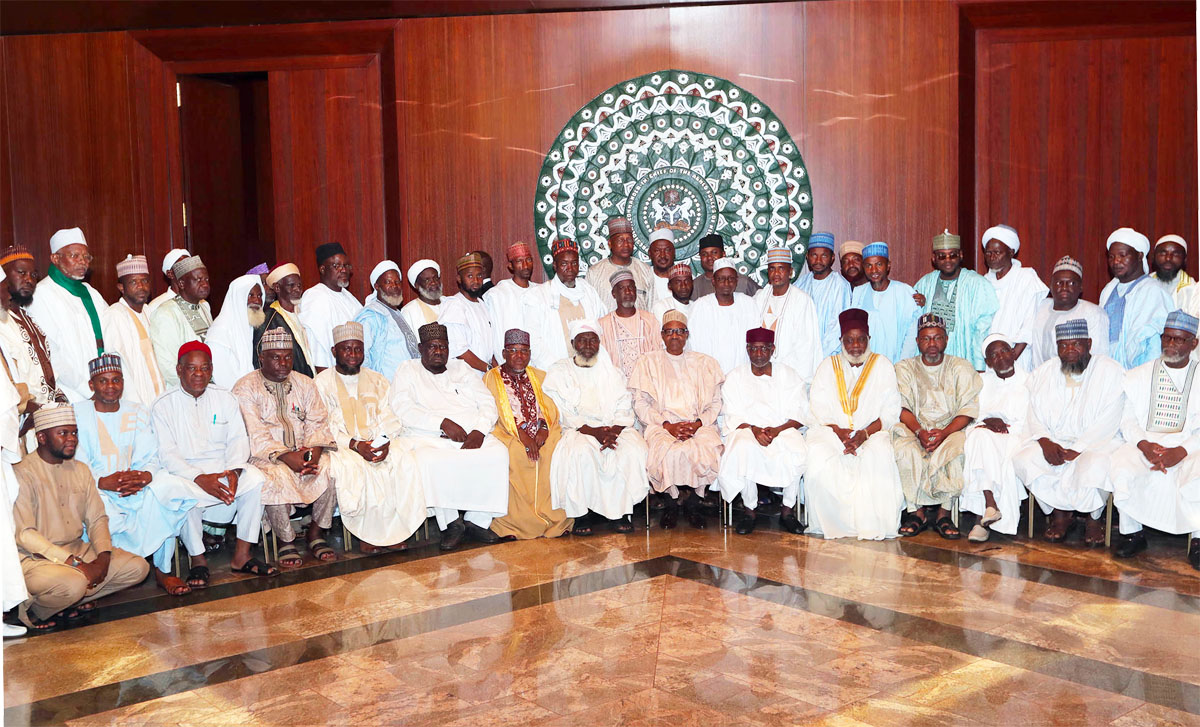
The Supreme Council for Shariah in Nigeria (SCSN) has declared that the practice of Shariah in Nigeria is divinely mandated, constitutionally protected, and central to Muslim life, warning that no foreign power can compel Nigerian Muslims to abandon it. The council’s statement was issued in response to a recent report by United States lawmakers, including Riley Moore and Chris Smith, who investigated alleged persecution of Christians in Nigeria and recommended the repeal of Shariah and blasphemy laws, the creation of a US–Nigeria security pact, and penalties or visa restrictions for alleged violators of religious freedom.
In a statement, the council’s Secretary‑General, Nafiu Baba Ahmad, said the US report mischaracterized Nigeria as a site of “Christian genocide” and unfairly challenged the rights of Nigerian Muslims to practice their faith. “Shariah constitutes a comprehensive way of life for Muslims, encompassing spiritual, moral, social, and legal dimensions. It is the divinely ordained framework through which Muslims regulate their personal and communal affairs,” the council said, emphasising that Shariah courts operate legally within the country’s constitutional provisions.
READ ALSO:
- FCCPC Finds Evidence of Airfare Manipulation by Domestic Airlines
- US Lawmaker Says Christians in Nigeria Bear Brunt of Violence, Calls on Trump to Act
- Eric Chelle Explains $130,000 Salary Proposal, Reaffirms Loyalty to Super Eagles
The SCSN stressed that any attempt to criminalize, delegitimize, or externally dictate Shariah practice would threaten Nigeria’s sovereignty and religious freedom. The council also cautioned that simplistic narratives could inflame tensions, deepen mistrust, and undermine peaceful coexistence between Muslims and Christians. It further rejected the “Christian genocide” narrative, stating that Nigeria’s security challenges — including terrorism, banditry, organised crime, and governance issues — affect people of all faiths.
“The council unequivocally condemns all killings across Nigeria, mourns every innocent life lost, and rejects politicisation of human suffering,” the statement said, urging authorities to take decisive action to end insecurity and restore public confidence through justice and accountability.
As Muslims observe Ramadan, the SCSN called on the Ummah to intensify prayers, remain law-abiding, and continue to live peacefully with all Nigerians. “Nigeria belongs to all of us. Our faith is not negotiable, our Constitution is clear, and our sovereignty must be respected by other nations and protected by our government,” the council added.
The Nigerian government has separately maintained that the nation’s ongoing security crisis is rooted in complex threats such as terrorism and communal conflicts rather than policies of religious bias, reiterating its commitment to protecting the rights of Christians, Muslims, and adherents of other faiths. Observers say the exchange underscores the sensitivity of discussions around Shariah, religious freedom, and sovereignty in a diverse nation like Nigeria, where debates over legal systems, constitutional rights, and security often intersect.
Shariah Council Tells US No Foreign Power Can Force Nigerian Muslims to Abandon Shariah
News
US Lawmaker Says Christians in Nigeria Bear Brunt of Violence, Calls on Trump to Act
US Lawmaker Says Christians in Nigeria Bear Brunt of Violence, Calls on Trump to Act
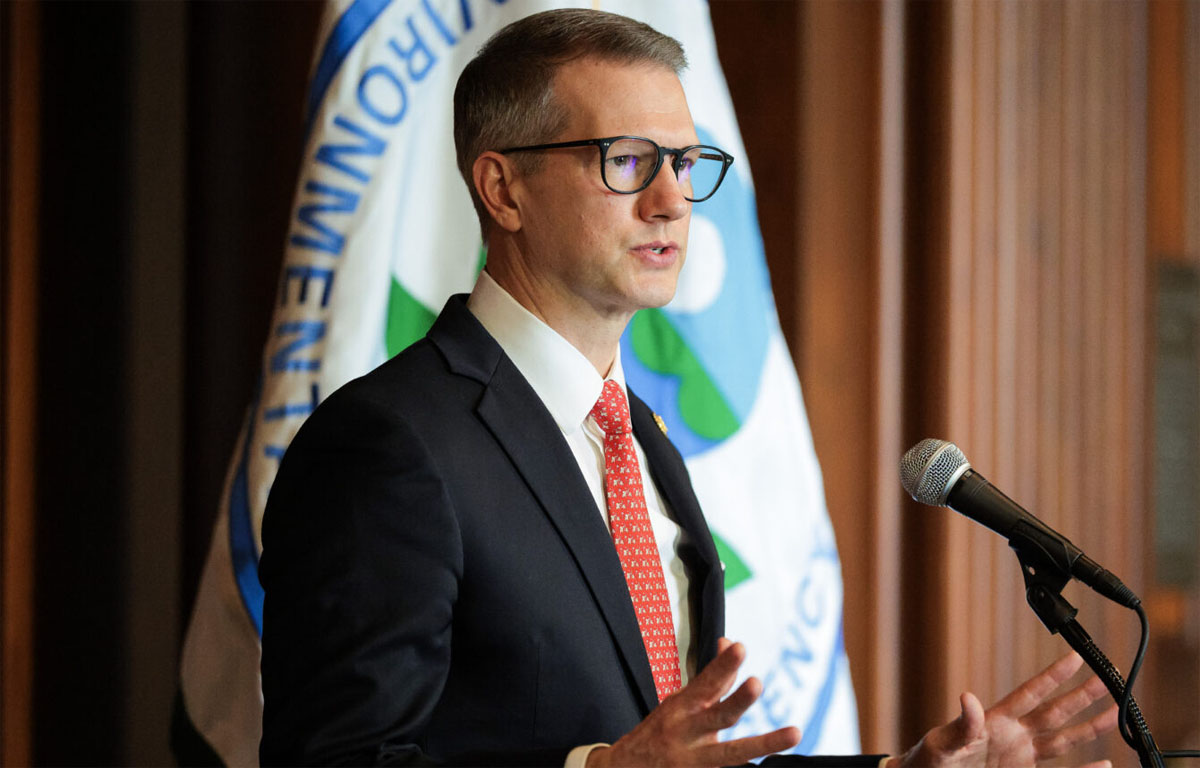
A member of the United States Congress, Riley Moore, has said that Christians in Nigeria have suffered disproportionately in the country’s prolonged cycle of violent attacks, urging former U.S. President Donald Trump to take decisive action and pursue stronger U.S.–Nigeria relations conditions to address the crisis.
Moore spoke publicly about what he described as escalating insecurity in Nigeria, asserting that while violence affects people of all faiths, Christian communities are uniquely targeted. “Violence and insecurity in Nigeria affects people of all faiths, but Christians bear the overwhelming brunt of the attacks and have suffered in silence for two decades,” he said, noting that Christians are “five times more likely to be killed than any other religious group.”
In his address, Moore alleged that Fulani militias and terrorist groups frequently attack villages, kill pastors and priests, and burn schools and churches, often on holy days. He claimed these groups have killed tens of thousands of Nigerians over many years and stressed that such patterns amount to persecution of Christians in Nigeria’s Middle Belt and northern regions.
Moore commended Trump’s global stance on defending persecuted Christians, calling it “a once-in-a-generation opportunity” to strengthen cooperation between the United States and Nigeria on security and humanitarian fronts. He said that heightened U.S. engagement could help counter ongoing violence while deepening bilateral ties.
READ ALSO:
- Eric Chelle Explains $130,000 Salary Proposal, Reaffirms Loyalty to Super Eagles
- Suspected Arsonists Set St. Mary’s Catholic Church Ablaze in Cross River
- Kano Anti-Corruption Commission Recovers Official Vehicles From Resigned Commissioners
Although Moore acknowledged that the Bola Tinubu government needs support to tackle security challenges, he urged the Nigerian administration to demonstrate “political will” in protecting vulnerable communities. According to the lawmaker, future U.S.–Nigeria agreements should be contingent on measurable commitments by Abuja, including co-funding targeted humanitarian assistance, implementing early-warning systems for attacks, and deploying trained security forces to prevent violence.
Moore also urged authorities to remove armed Fulani militias from confiscated farmlands and enable displaced families to return home voluntarily. “But critically, all of this must be contingent upon the Nigerian government providing proof of progress that it is, in fact, working to stabilize the country and protect Christians,” he said.
The congressman went further to advocate for sanctions, visa restrictions and trade leverage against individuals believed to be involved in or complicit with violence against Christians. “America has a right to control who enters our country and when. We should certainly reject anyone who is attacking our brothers and sisters in Christ,” Moore said.
Moore also singled out armed herder violence, claiming that Fulani militias are “more responsible than any other group, including Boko Haram and ISWAP,” for attacks on Christian communities.
Moore’s remarks come amid growing concerns from faith-based organizations, human rights groups, and international observers, which have documented widespread violence affecting communities across Nigeria. These groups have reported mass killings, village raids, church burnings, and forced displacement, particularly in rural areas of central and northern Nigeria.
However, Nigerian officials have repeatedly stated that the country’s insecurity is driven by a complex mix of banditry, terrorism, and communal conflicts, and not primarily by religious persecution. Authorities maintain their commitment to protecting all citizens regardless of faith, and have deployed military operations, joint security task forces, and community policing efforts in affected regions.
Moore’s intervention is likely to fuel further debate in Washington over U.S. foreign policy toward Nigeria, especially as lawmakers consider new strategies for supporting peacebuilding, humanitarian relief, and conflict resolution in West Africa. The United States remains a key partner to Nigeria, and any shift in diplomatic conditions or sanctions policies could have wide-ranging implications for cooperation on security, development, and democratic governance.
US Lawmaker Says Christians in Nigeria Bear Brunt of Violence, Calls on Trump to Act

-

 Entertainment2 days ago
Nollywood Actor Okemesi Confirmed Dead After Brief Illness
-
 metro2 days ago
Frank Mba, Senior DIGs to Exit Police Service After Disu’s Appointment
-
 metro2 days ago
African Virologists Elected to Lead World Society for Virology
-
 News2 days ago
BREAKING: Tinubu Decorates Tunji Disu as Acting Inspector‑General of Police
-

 metro2 days ago
Abroad-Based Nigerian Woman Kneels with Children in Emotional Tribute to Husband (VIDEO)
-

 metro2 days ago
Osogbo Youths Confer Award of Excellence on Federal Polytechnic Offa Rector, Dr. Kadiri Kamoru
-

 Sports3 days ago
Achraf Hakimi to Face Trial Over Alleged Rape in France
-
 News2 days ago
MURIC Demands Suspension of Olubi School Principal, VPs Over Alleged Religious Discrimination