

News
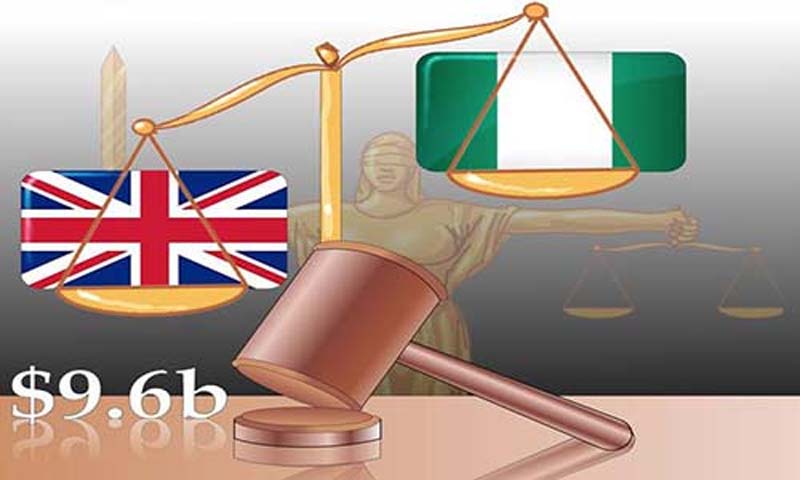
P&ID’s $6.6b appeal fails as Nigeria wins in UK Court
P&ID’s $6.6b appeal fails as Nigeria wins in UK Court
In a major legal victory for Nigeria, a UK appeal court has dismissed an application filed by a director of Process and Industrial Development (P&ID) seeking to challenge a High Court ruling that overturned a controversial $6.6 billion arbitration award against the Nigerian government.
The appeal was filed by Seamus Andrew, counsel to P&ID during the original arbitration proceedings. According to the court judgment obtained by PREMIUM TIMES, Andrew became a director of P&ID in October 2017 after acquiring a stake in the company through his firm, Lismore Capital Limited.
Andrew’s request to appeal the High Court’s decision was dismissed, reinforcing an earlier judgment that had set aside the $6.6 billion award initially granted to the British Virgin Islands-based company in 2017.
Justice Robin Knowles of High Court of Justice Business and Property Courts of England and Wales Commercial Court had on 21 December 2023 handed down his ruling, setting aside the award and refusing P&ID leave to appeal.
His order, however, contained a general liberty to apply to the judge.
Jia Wei Lee, a counsel to Mr Andrew, sent an email to the judge’s clerk a day after, stating that Mr Andrew would not be making an application for permission to appeal to the judge.
He noted that, rather, Mr Andrew would file an appellant notice seeking permission to appeal directly from the Court of Appeal.
READ ALSO:
- Outrage as woman brutalizes house help in Sokoto
- Iran threatens to target US bases if conflict breaks out
- Ronaldo deserves credit for leading Portugal to nations league victory – Martinez
“No disrespect is intended by seeking permission directly from the Court of Appeal. The reason for this choice is that, given that Mr Andrew’s application was not considered and determined at the consequential hearing, and no extension of time was granted, the lower court is now functus officio and no longer has jurisdiction to determine an application for permission to appeal,” the court document stated.
In their verdict on Tuesday, Sir Julian Flaux, Lord Justice Phillips and Lord Justice Jeremy Baker remarked that “this court then analysed the relevant provisions of CPR 52.3 and the Practice Direction, concluding that the proper practice was to apply for permission to appeal to the first instance judge at the hand down of the judgment.”
The court document noted that Mr Andrew’s appellant’s notice in the court had been issued on 21 December 2023, more than five weeks after the date for filing any appellant’s notice with the Court of Appeal which, under relevant law, was 21 days after the hand-down of the judgement, that is 13 November 2023.
According to Justice Knowles’ decision of 23 October 2023, P&ID paid bribes to Grace Taiga, director of legal at Nigeria’s Ministry of Petroleum Resources, in connection with a gas contract signed in 2010 and failed to mention it when P&ID initiated the legal action over the botched deal. The judge also observed that P&ID had improperly retained and used internal documents of the Federal Republic of Nigeria that it had received during the arbitration.
Many of the documents were clearly subject to legal professional privilege and were confidential documents which P&ID was not eligible to see.
“The documents were transmitted to P&ID deliberately by the individuals in Nigeria who procured them. FRN did not authorise their release to and retention by P&ID. Among those acting for P&ID who received the FRN internal legal documents were Mr Cahill, Mr Andrew and Mr Trevor Burke,” the court paper said.
READ ALSO:
- Tomato farmers attribute price hike to Sallah, low production
- Akpabio vs Natasha: Senate President loses, Appeal Court fines him
- Floods sink fully loaded school bus, bodies of pupils found
“P&ID has offered no sensible explanation for why these documents were leaked by [Nigeria’s] lawyers and has presented this Court with a conspiracy of silence. The obvious and correct inference is that they were obtained through corruption of [Nigeria’s] legal advisers carried out by P&ID and Mr Adebayo. … Mr Murray all but admitted in his oral evidence that [they] were procured by corruption, and no P&ID witness proffered an otherwise honest explanation”.
Recall that in January 2010, Nigeria and P&ID entered into a gas supply and processing agreement, requiring the company to build and operate an accelerated gas development project at Adiabo in the Odukpani Local Government Area of Cross River State. The Nigerian Government was to source natural gas from oil mining leases (OMLs) 123 and 67 operated by Addax Petroleum and supply it to P&ID for processing into fuel suitable for power generation.
P&ID alleged that Nigeria breached the contract after negotiations were opened with the Cross River State government to allocate land for the project.
It claimed that efforts to settle the matter out of court with the Nigerian government failed, prompting the company to institute legal action.
READ ALSO:
- Canada now allows foreign workers to change jobs without permit
- Saudi Arabia appreciates 420,000 Hajj workers
- FCCPC inaugurates monitoring group for stable market prices
An arbitral tribunal awarded $6.6 billion in damages against Nigeria and in favour of P&ID in January 2017. The sum later ballooned to more than $11 billion due to an accumulation of interest.
Nigeria challenged the award in December 2019, claiming that P&ID obtained the contract by bribing officials of the Ministry of Petroleum Resources and corrupting the country’s lawyers to gain access to confidential documents while the arbitration was on.
In October 2023, Nigeria won the bid to set aside the arbitration award after its lawyers argued that the company intended to use litigation to make money out of the situation.
P&ID, founded by Irishmen Michael Quinn and Brendan Cahill, had been pursuing the claim since 2012.
In his ruling, Justice Knowles noted that P&ID and its lawyers were “driven by greed and prepared to use corruption; giving no thought to what their enrichment would mean in terms of harm for others.”
In July 2024, an English Court of Appeal rejected the bid by P&ID to set aside a previous judgement reversing the company’s $11 billion damages claim against Nigeria. The court noted that the decision of a London high court on 21 December 2023, throwing out the $11 billion award, stands.
P&ID’s $6.6b appeal fails as Nigeria wins in UK Court
(PremiumTimes)




News
Tinubu Rejects Blame Game, Vows to Revive Refineries with Profitability Focus
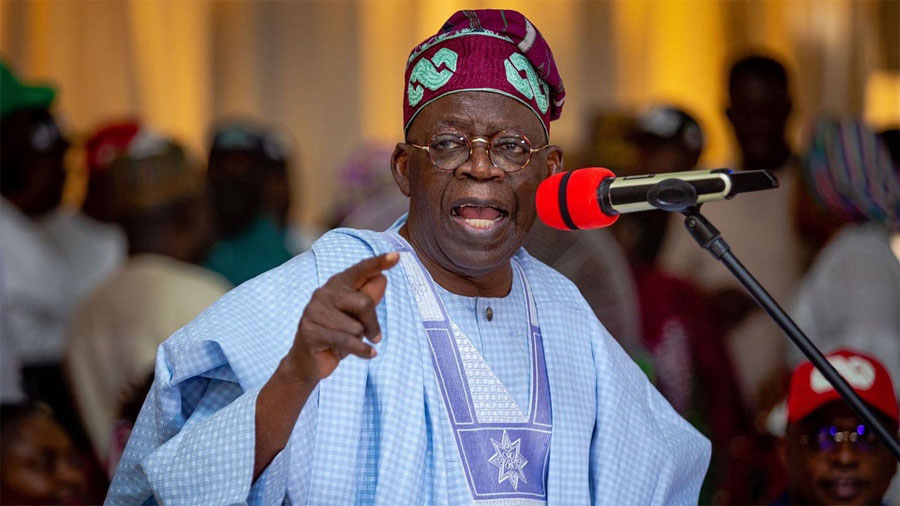
Tinubu Rejects Blame Game, Vows to Revive Refineries with Profitability Focus
President Bola Ahmed Tinubu has firmly rejected engaging in a blame game over Nigeria’s long-moribund state-owned refineries, instead vowing to take full responsibility for reviving them and ensuring they operate profitably rather than merely producing smoke and flames without economic value. The President gave this assurance on Thursday, August 13, 2026, while receiving the leadership of the Nigeria Union of Petroleum and Natural Gas Workers (NUPENG), led by its National President, Mr. Sulaimon Oladiti, at the Presidential Villa in Abuja. The meeting, which was also attended by the Minister of Information and National Orientation, Mohammed Idris, provided a platform for the union to express its concerns about the state of the nation’s refineries and other pressing issues affecting the petroleum sector.
President Tinubu acknowledged the union’s concerns about the prolonged delays in reviving the refineries and declared that the Port Harcourt, Warri, and Kaduna refineries would indeed return to operation. He cautioned that mere visible activity would not be considered success, stating emphatically that “the refineries that you mentioned are going to come back to work. We’re just building a very firm reset and structural reworking of the economics of it. Ordinary flame and smoke of a refinery doesn’t mean it’s working, until it’s profitable and yields the value for which it is built.” This statement underscores the President’s determination to move beyond the symbolic restarting of the refineries to ensuring their long-term commercial viability and contribution to the national economy.
READ ALSO:
- Scores of Terrorists Killed, 60 Arrested in Nationwide Military Operations
- Navy Rescues 22 Sea Robbery Victims, Recovers Hijacked Boat in Akwa Ibom
- Keyamo Issues One-Week Ultimatum to Airlines Over Debt Repayment Plans
The President’s stance reflects a significant shift from merely attempting to restart the facilities to ensuring their long-term commercial viability. This comes after years of government spending on rehabilitation projects that failed to deliver sustained production. Under the previous administration, about $2.9 billion was approved for the rehabilitation of the refineries, yet the facilities barely produced refined products before being shut down again. The Nigerian National Petroleum Company Limited (NNPC) has since signed a Memorandum of Understanding with Chinese companies for a potential Technical Equity Partnership to support the completion and operation of the Port Harcourt and Warri refineries, signaling a new approach to addressing the challenges facing these critical national assets.
Acknowledging the history of failed interventions, Tinubu said his administration has accepted the assets and liabilities inherited from previous governments and would not waste time looking backward. He declared, “I’m not a man who will look back and blame everyone, because I’ve accepted the assets and liabilities of my predecessors. No matter what happened in the past years, it’s my responsibility now as President to fix it and make it work for the greatest common good of our population. I take responsibility for that, and I’m going to do it.” This statement reflects the President’s commitment to taking ownership of the challenges facing the nation’s refineries and his determination to find lasting solutions that will benefit all Nigerians.
The meeting also addressed other important issues affecting the petroleum sector and the broader economy. Tinubu urged truck owners who have converted their vehicles to Compressed Natural Gas (CNG) to pass on the cost savings to commuters rather than pocketing the full benefit themselves. He expressed concern that “whatever benefit that is coming from CNG is going into the pocket of truck owners, it’s not spreading as fast as I would like it, but it should spread.” The President also linked the government’s ability to fund major infrastructure projects to the economic reforms his administration has pursued since 2023, citing the Lagos-Ibadan, Abuja-Kaduna, Abuja-Kano, and Sokoto-Badagry road corridors among investments aimed at stimulating economic activities and improving public safety. Tinubu also promised to review constitutional issues surrounding the implementation of local government autonomy and appealed to stakeholders for understanding.
Earlier in the meeting, the NUPENG President, Salimon Oladiti, commended Tinubu’s decision to remove the fuel subsidy as courageous, saying it had freed resources for infrastructure development and other critical sectors. He also urged the President to sustain efforts to revive the country’s refineries, noting that functional facilities would strengthen Nigeria’s energy security, reduce dependence on imported petroleum products, and create more opportunities for Nigerian workers. Oladiti appealed for the rehabilitation of the Nigerian Pipelines and Storage Company (NPSC) depots, recommending they be handed over to private investors to manage under an equity arrangement. He also raised concerns about the casualisation of workers in the upstream sector, describing it as an “unhealthy trend” that NUPENG and its sister union, PENGASSAN, had been trying to correct with little success, and urged the President to use his good offices to stop the practice.
The NUPENG leadership later decorated President Tinubu as the Grand Patron of the union, a symbolic gesture of their confidence in his leadership and commitment to the welfare of petroleum workers. The Minister of Information and National Orientation, Mohammed Idris, said NUPENG‘s recognition of the administration’s efforts had helped reduce friction between organised labour and the government, describing it as uncommon for a major labour union to publicly acknowledge government reforms. Tinubu also pledged greater involvement of NUPENG in implementing the Presidential Initiative on CNG, ensuring that the union plays a key role in the transition to cleaner energy sources.
Tinubu Rejects Blame Game, Vows to Revive Refineries with Profitability Focus
News
State police bill: Gbajabiamila-led panel extends deadline for public input
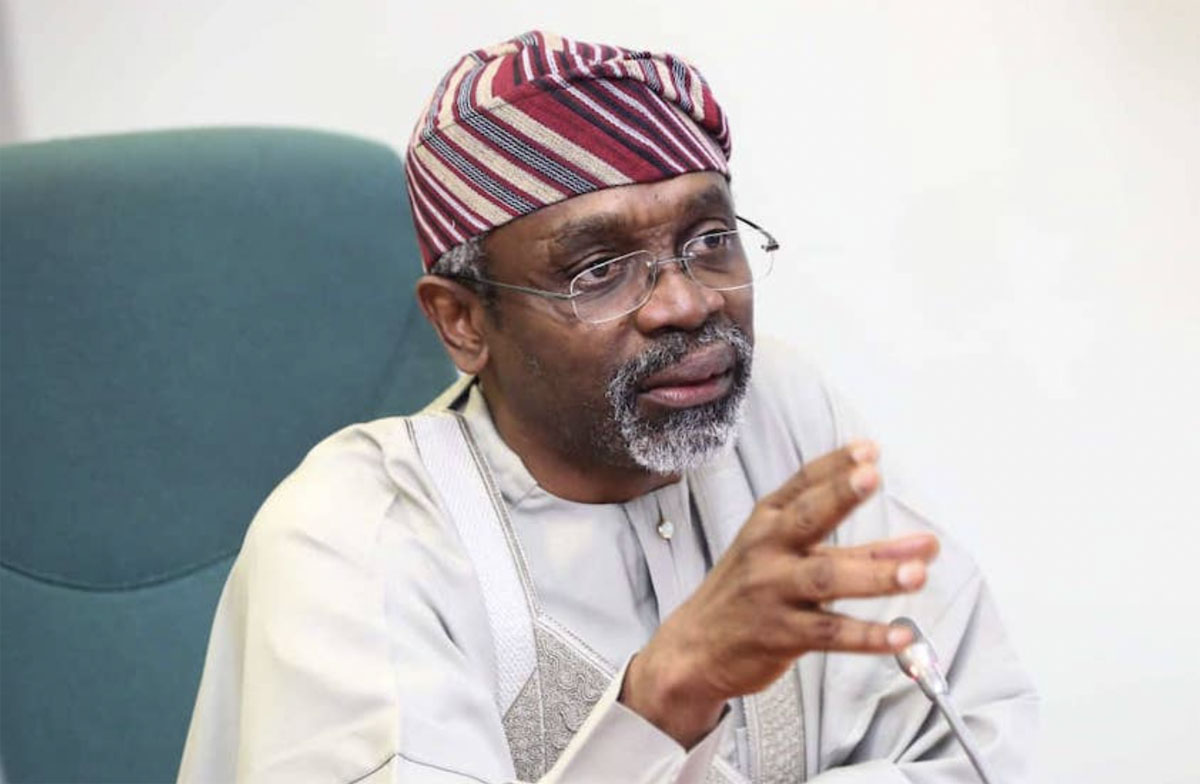
State police bill: Gbajabiamila-led panel extends deadline for public input
ABUJA — The Presidential Working Group on the National Policing Bill has extended the deadline for the submission of memoranda and position papers on the proposed legislation to Friday, August 21, 2026.
The submissions must be made by 5 p.m. West Africa Time (WAT) through the official National Policing Bill portal.
The extension was announced on Thursday in a statement issued by the Chief of Staff to President Bola Tinubu and Chairman of the Presidential Working Group, Rt. Hon. Femi Gbajabiamila.
Gbajabiamila said the additional time would enable stakeholders to prepare more detailed submissions and allow interested individuals, institutions and organisations to make well-considered contributions to the proposed legislation.
He said the Working Group remained committed to broad consultation and would consider informed contributions from Nigerians and relevant stakeholders as it develops the National Policing Bill.
The proposed legislation is expected to establish the operational, administrative, institutional and funding framework for an effective policing system capable of responding to Nigeria’s changing security needs.
It is also expected to provide safeguards for police accountability, professionalism and the protection of citizens’ rights.
“Given the significance of the proposed reform to the future of policing and internal security in Nigeria, the Working Group considers it important that stakeholders are afforded more opportunity to make substantive and technically sound contributions to the process,” the statement said.
READ ALSO:
- Davido Halts London Concert, Threatens to Walk Off Stage Over Fan’s Disrespect to Staff
- 29-Year Kwankwaso Ally Who Swore on Qur’an Defects to APC
- ICPC Uncovers Official Who Enrolled 14 Family Members on Govt Payroll, Another Collected 13 Salaries
The panel specifically encouraged legal practitioners, civil society organisations, security-sector professionals, state governments, professional bodies, academics, experts and other interested members of the public to use the extended period to submit their views.
“All submissions must be made on or before 5:00 p.m. WAT on Friday, August 21, 2026, exclusively through the official National Policing Bill portal, nationalpolicingbill.com,” the statement added.
The extension comes as the Federal Government advances plans for a new national policing framework, including the proposed establishment of state police.
The reform has gained renewed attention amid persistent security challenges across Nigeria, including kidnapping, banditry, terrorism, communal violence and other forms of criminality.
Supporters of state police argue that a more decentralised policing structure could strengthen community intelligence, improve response times and enable security agencies to better understand local security threats.
However, concerns have also been raised over the possibility of political interference and abuse of state-controlled police structures. These concerns have made accountability, oversight and safeguards against political interference important elements of the proposed reform.
The Working Group said its assignment would require careful consideration of several issues, including sustainable funding, command and control structures, recruitment and training standards, operational jurisdiction, inter-agency coordination and accountability mechanisms.
The group will also consider safeguards against political interference and abuse to ensure that the proposed policing framework protects citizens while allowing security agencies to operate effectively.
The development of the National Policing Bill is linked to the ongoing constitutional process for the establishment of state police in Nigeria. The proposed reform seeks to create a legal framework that would allow policing responsibilities to be more effectively shared between federal and state authorities.
President Bola Tinubu had earlier inaugurated the Presidential Working Group to develop an implementation-ready draft of the bill for onward legislative consideration.
The Working Group brings together representatives from the Federal Government, state governments, the security sector and the legal profession, reflecting the broad institutional implications of the proposed state police system.
The Presidency has said the proposed framework is expected to address issues such as minimum policing standards, state readiness, federal-state coordination, accountability, human rights protection and sustainable financing.
These issues are considered critical to ensuring that a decentralised policing system does not create significant disparities in policing standards or weaken national security coordination.
The Working Group said the issues under consideration underscore the need for extensive stakeholder engagement to develop a policing framework that is effective, accountable, sustainable and responsive to the security needs of communities across Nigeria.
“At the conclusion of its assignment, the Presidential Working Group will present a final, implementation-ready draft of the National Policing Bill for onward legislative processing,” the statement said.
The panel thanked stakeholders who had already submitted memoranda and encouraged others intending to participate in the process to take advantage of the extended deadline.
With the new timeline, all memoranda and position papers must be submitted by 5 p.m. on Friday, August 21, 2026.
The submissions are expected to help shape the final draft of the legislation before it proceeds to the next stage of the legislative process.
State police bill: Gbajabiamila-led panel extends deadline for public input
News
FG to Attach 300 NYSC Corps Members to CNG Workshops for Skills Training

FG to Attach 300 NYSC Corps Members to CNG Workshops for Skills Training
The Federal Government has announced plans to train and attach 300 National Youth Service Corps members to compressed natural gas conversion centres across the country as part of efforts to equip young Nigerians with practical technical skills and promote the adoption of CNG-powered vehicles.
The initiative is expected to provide the selected corps members with specialised training in CNG vehicle conversion and maintenance, enabling them to acquire skills that could improve their employment and entrepreneurship prospects after completing their national service.
The Senior Special Assistant to the President on Youth Initiatives, Monitoring and Delivery, Dr Titilope Gbadamosi, disclosed the plan at the opening of a CNG Retrofitting Training Programme for corps members at the NYSC FCT Orientation Camp in Kubwa, Abuja.
Gbadamosi said the selected corps members would undergo training and certification as CNG technicians before being deployed to CNG conversion centres across the country.
She explained that the programme would cover the six geopolitical zones and was designed to contribute to the Federal Government’s broader plan to expand the conversion of petrol and diesel-powered vehicles to CNG.
According to her, the initiative is expected to support the government’s target of converting 100,000 vehicles to CNG annually, while simultaneously creating opportunities for young Nigerians to develop specialised technical expertise.
The programme is being implemented in collaboration with relevant government agencies and stakeholders in the automotive and energy sectors.
READ ALSO:
- INEC reprints Osun ballot papers, result sheets, includes SDP candidate
- Iran Had Detailed Intel on Trump’s Location Before Secret Turkey Escape
- PSG Pocket £5.2m After Super Cup Thriller, Villa Get £3.4m
The Minister of Youth Development, Ayodele Olawande, said the initiative would provide corps members with practical skills capable of complementing their university and polytechnic qualifications.
Olawande urged the beneficiaries to take the training seriously, describing technical and vocational skills as important tools for reducing youth unemployment and increasing self-reliance.
He said the Federal Government was interested in ensuring that the NYSC programme did not end with the traditional primary assignment and community development activities, but also provided corps members with skills that could sustain them after their service year.
The Director-General of the NYSC, Brigadier General Olakunle Nafiu, also described the programme as an important step towards equipping young Nigerians for emerging opportunities in Nigeria’s changing energy and automotive landscape.
He said the collaboration demonstrated the scheme’s commitment to providing corps members with practical skills and preparing them for the labour market.
The National Automotive Design and Development Council is also involved in the initiative, particularly in relation to technical standards and certification for the CNG conversion training.
The Federal Government has in recent years intensified efforts to promote CNG as a cheaper alternative fuel following the removal of petrol subsidy and the resulting increase in transportation costs.
The government has maintained that greater adoption of CNG could help reduce transportation costs, conserve foreign exchange spent on petroleum products and create new jobs in the automotive conversion and maintenance sector.
The training of NYSC members is therefore expected to address both sides of the policy — increasing the pool of skilled personnel available to service the growing CNG industry while providing young Nigerians with employable technical skills.
Meanwhile, reports circulating that each of the 300 corps members will receive a monthly training allowance of ₦100,000 have not been independently confirmed in the official details released on the programme.
The confirmed aspect of the initiative is that the selected corps members will receive specialised training and certification before being attached to CNG conversion centres across the country.
The programme is expected to serve as a pilot for broader youth-focused skills development initiatives as the Federal Government continues to seek ways of linking national service with employment, entrepreneurship and emerging economic opportunities.
FG to Attach 300 NYSC Corps Members to CNG Workshops for Skills Training
-
 Education3 days ago
Nigerian Young Academy, LASU to Host 16th International Conference on Convergent Research
-

 News3 days ago
Trump smuggled out of Turkey in catering truck over Iran threat
-

 metro3 days ago
‘Don’t Let My Sick Daughter Die in Nigeria’ — Nigerian US Army Woman Begs Trump
-
 News2 days ago
Tinubu Vows to Secure Nigeria, Declares Unity Non-Negotiable Amid Worsening Insecurity
-

 metro2 days ago
Nigeria Needs Competent, Ethical Young Leaders, Says HAVEK Leadership Academy
-
 International22 hours ago
Iran Had Detailed Intel on Trump’s Location Before Secret Turkey Escape
-
 metro17 hours ago
Seven Miners Killed in Plateau Mining Pit Collapse, Renewing Urgent Calls for Safety Reform
-

 News2 days ago
Ronaldo Marries Georgina Rodriguez in Intimate Portugal Wedding Ceremony