

International
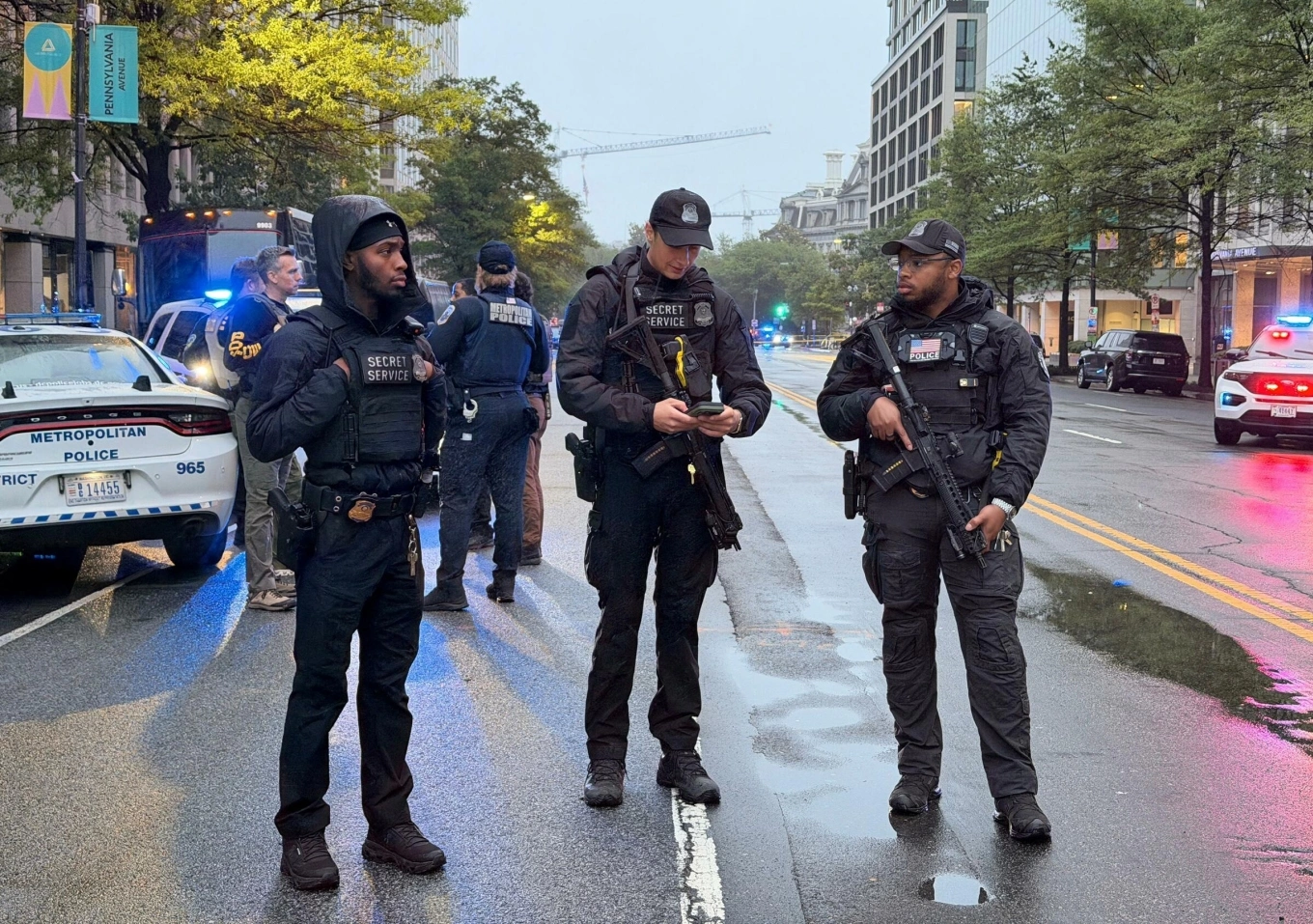
Secret Service Shoots Dead Armed Suspect After Gunfire Near White House
Secret Service Shoots Dead Armed Suspect After Gunfire Near White House
A White House security shooting on Saturday evening left a 21-year-old armed suspect dead after he allegedly opened fire at a Secret Service security checkpoint just outside the presidential complex in Washington, D.C.
The suspect, identified as Nasire Best, reportedly approached the checkpoint near the intersection of 17th Street and Pennsylvania Avenue Northwest shortly after 6 p.m. local time before pulling a firearm from a bag and firing at officers.
According to the U.S. Secret Service, officers immediately returned fire, striking the suspect during the exchange. He was rushed to George Washington University Hospital, where he was later pronounced dead.
The incident triggered an immediate White House lockdown, forcing journalists and staff members on the North Lawn to shelter in place as armed agents secured the area.
Witnesses described hearing between 15 and 30 gunshots during the brief but intense confrontation, which caused panic around the heavily guarded perimeter of the White House.
READ ALSO:
- Sallah Rush: NRC Adds Extra Lagos-Ibadan Train Trips, Osun Sponsors Free Rail Service
- NRC Cries Out as Vandals Strip Railway Tracks in Plateau, Bauchi
- Odunlade Adekola Surprises Mother With Brand New Car On Her Birthday
Authorities also confirmed that one bystander was injured during the shooting and taken to hospital for treatment. However, investigators have yet to determine whether the person was struck by bullets fired by the suspect or by return fire from Secret Service officers.
Importantly, no Secret Service personnel were injured in the attack.
At the time of the shooting, President Donald Trump was inside the White House but was not harmed or directly affected, according to officials.
The lockdown was lifted less than an hour later after law enforcement confirmed that the threat had been neutralised.
FBI Director Kash Patel said the Federal Bureau of Investigation (FBI) is assisting the Secret Service with the ongoing investigation.
Preliminary reports from U.S. media indicate that the suspect may have had previous encounters with law enforcement and the Secret Service. Some reports suggest he had attempted to access restricted areas around the White House in the past.
Investigators are currently working to determine the motive behind the attack, while federal authorities continue to examine the suspect’s background and possible intentions.
The Washington shooting near the White House has renewed concerns about security threats targeting high-profile U.S. political institutions, despite the extensive protective measures already in place around the presidential residence.
Secret Service Shoots Dead Armed Suspect After Gunfire Near White House









International
Hawk Fire in US Rages On, Burns 10,500 Acres in Nevada, Forces Mass Evacuations
International
UK, Australia, Canada Lead 28 Nations in Condemning Israel Over Gaza Aid Killings Probe Closure
UK, Australia, Canada Lead 28 Nations in Condemning Israel Over Gaza Aid Killings Probe Closure
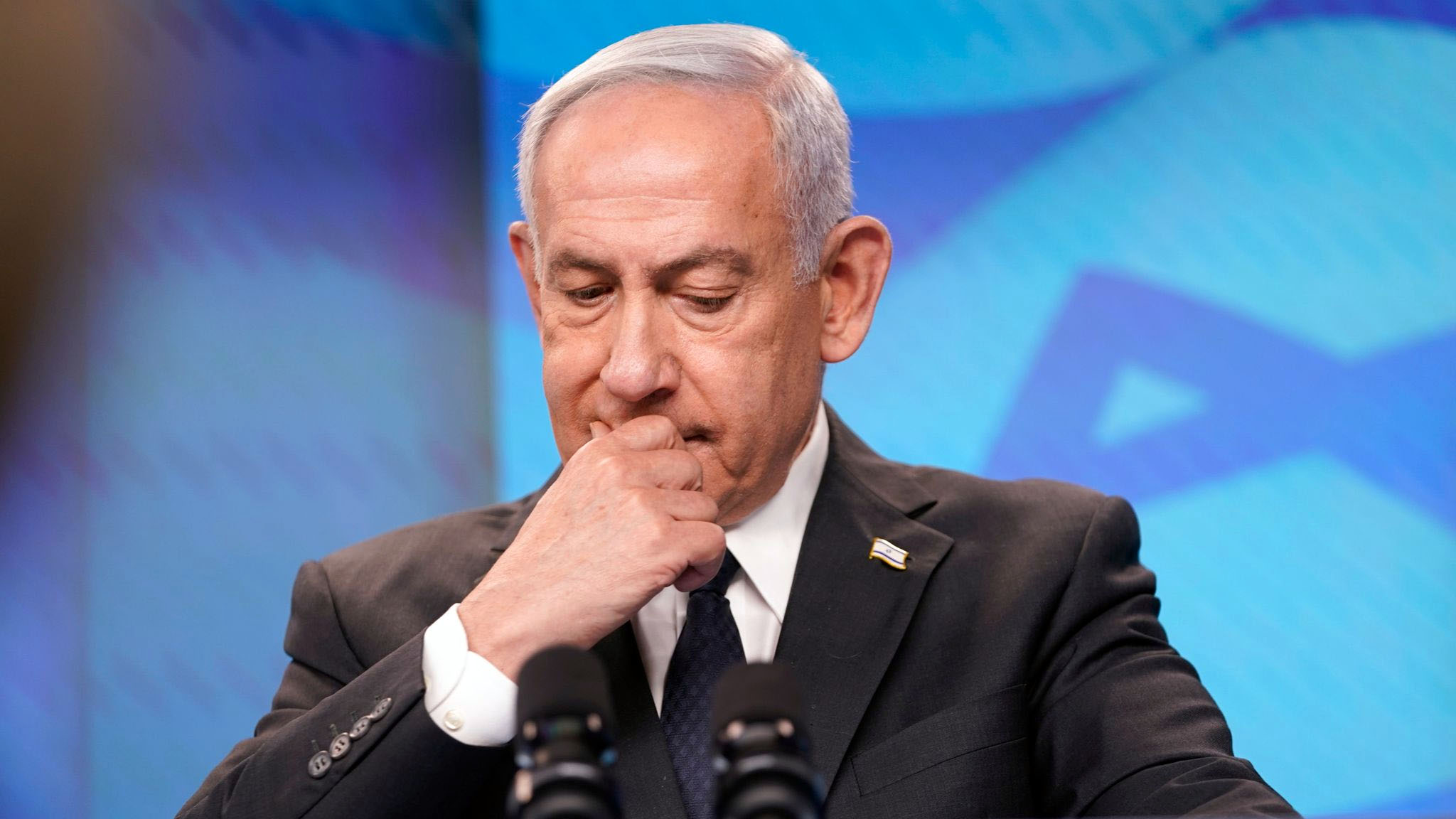
The United Kingdom, Australia, and Canada have condemned Israel’s decision to close a criminal investigation into the 2024 killing of seven World Central Kitchen (WCK) aid workers in Gaza, calling the move “shameful” and “both too little, and too late.” The announcement came on World Humanitarian Day, August 19, 2026, a timing the three governments described as “particularly egregious.”
The Israeli military announced on August 19 that it would not pursue criminal proceedings into the April 1, 2024 strike on the WCK convoy, saying there was no reasonable suspicion of criminal misconduct. The attack killed seven humanitarian workers who were delivering food to civilians in Gaza. The victims included Australian aid worker Zomi Frankcom, three British security personnel, a dual Canadian-US citizen Jacob Flickinger, Polish national Damian Sobol, and Palestinian Saifeddin Issam Ayad Abutaha. The deadly strike occurred despite the convoy having coordinated its route with the Israeli military, and the vehicles were clearly marked with the WCK logo.
In a joint statement issued on August 21, the foreign ministries of the three countries said they had spent more than two years pressing Israel to conduct a swift and thorough investigation into the attack and hold those responsible to account. The governments noted that at the time, the Israel Defense Forces had described the incident as a serious mistake and failure, and that in the more than two years since, they had been pressing for Israel to swiftly and thoroughly consider the case and hold those responsible to account. The statement said the decision to close the case without further explanation was “shameful” and that announcing it on World Humanitarian Day, while the world honoured the courage and sacrifice of humanitarians, was particularly egregious. The governments stressed that the World Central Kitchen attack was not an isolated incident, arguing that the lack of accountability extended to numerous other incidents involving humanitarian workers in Gaza, noting that despite a fragile ceasefire, Gaza remains the deadliest place to deliver aid, with 186 humanitarian workers killed in 2025.
READ ALSO:
- 2027: Wike Declares Adeleke Belongs to Tinubu Camp, Predicts ‘Largest Rainbow Coalition’
- Just In: FG Announces Public Holiday – Here’s When Nigerians Will Get Break
- Dry Cleaner Pleads Guilty to Stealing Senator Ireti Kingibe’s Jewellery Worth N45.7 Million
Australian Foreign Minister Penny Wong separately expressed outrage at the decision, stating that the Israeli military’s response fell short of the standards of accountability Australia expected following the killing of Australian aid worker Zomi Frankcom and six other WCK workers. Wong summoned Israel’s ambassador to Australia, Hillel Newman, to express her concerns and later acknowledged that relations between Australia and Israel were at a “difficult time.” She said the government had learned of Israel’s decision moments before it was announced on World Humanitarian Day, which she described as “especially insulting to Zomi’s loved ones, humanitarians and all Australians.” The foreign minister said key questions remained unanswered, including why two further strikes followed the initial attack, each two minutes apart, why the strikes occurred in a humanitarian “fire control” zone, and Israel’s repeated refusals to hand over audio evidence of the attack. Wong stated that Australia did not have confidence in the IDF’s Military Advocate-General’s process given the many unanswered questions.
Frankcom’s family expressed deep disappointment and called on the Australian government to pursue all available legal avenues for an independent and credible investigation. Her brother, Josh Frankcom, said Israel’s decision was “simply not good enough.” The family has been vocal in demanding accountability for Zomi’s death, and they have questioned why the Israeli military has not provided a satisfactory explanation for the attack.
Israeli Ambassador to Australia Hillel Newman defended the military investigation, saying it was thorough and that the findings should not be attacked if they were not suitable to one’s political agenda. He said the IDF conceded serious failures had led soldiers to mistakenly believe a Hamas fighter was travelling with the convoy, but concluded there was no criminal intent. Newman said Israel was open to discussing reparations for Frankcom’s family if a formal request was lodged, but he stopped short of offering a formal apology, saying doing so could have legal ramifications. The IDF’s decision came alongside announcements that it would open criminal investigations into two other high-profile Gaza incidents: the killing of six-year-old Hind Rajab and six family members in January 2024, and the killing of 15 rescue workers in a Rafah convoy in March 2024. The United Nations has accused Israel of failing to provide adequate accountability for civilian deaths in Gaza, and the latest decision is likely to deepen international isolation for Israel.
UK, Australia, Canada Lead 28 Nations in Condemning Israel Over Gaza Aid Killings Probe Closure
International
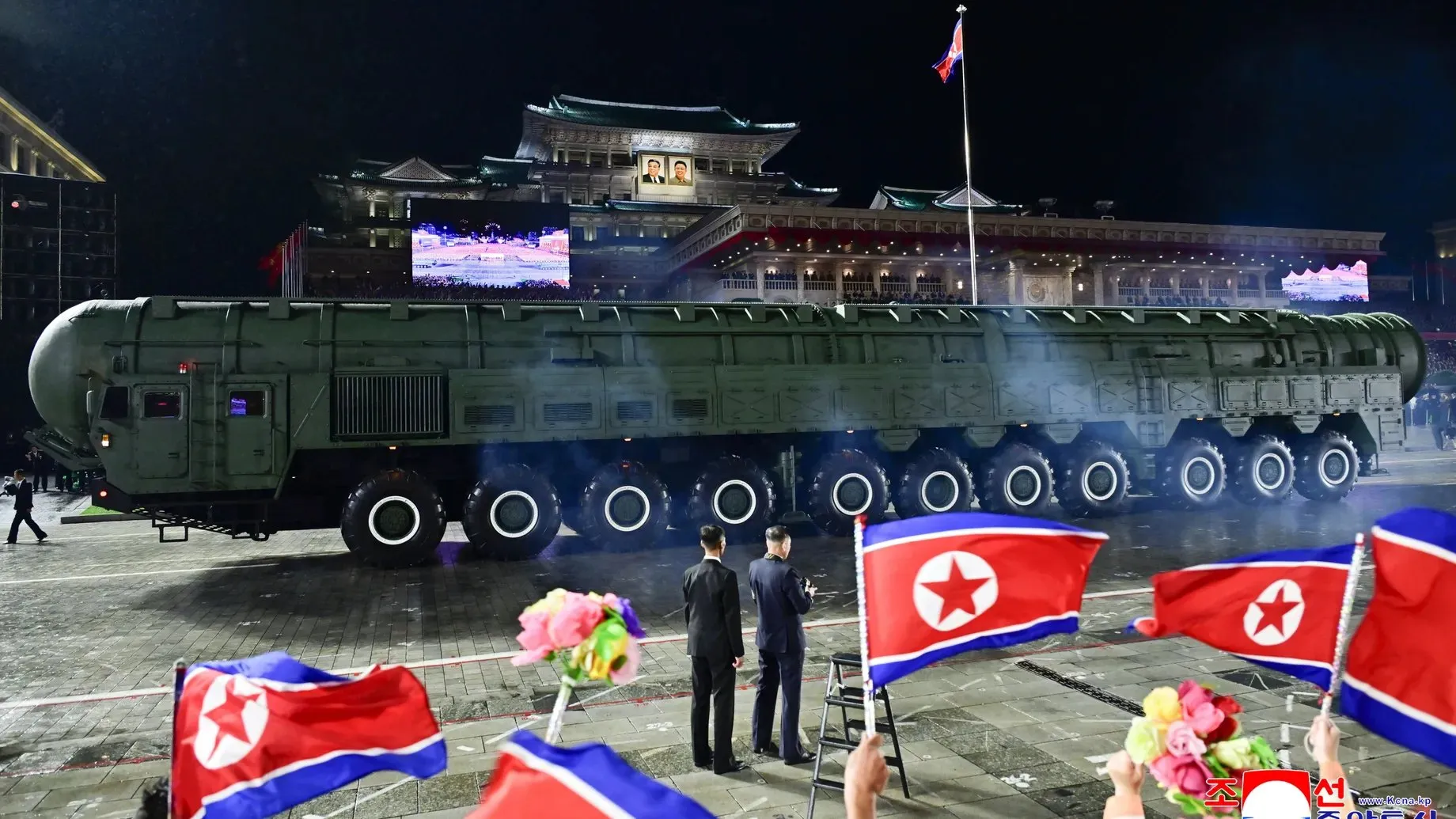
North Korea Fires 10+ Missiles Hours After Trump Signals Fresh Kim Summit
-

 News3 days ago
Delta Governor Reveals ₦503,000 Monthly Salary, Says Permanent Secretaries Earn ₦900,000
-

 metro3 days ago
History in Makkah: Nigerian Teen Wins Prestigious Qur’anic Contest, Breaks 46-Year Gender Barrier
-

 metro1 day ago
Lagos Police arrest five suspected telecom vandals, recover truckload of iron rods
-

 Sports3 days ago
Okocha Ignites Fresh GOAT Debate: Nigerian Legend Says Messi Is ‘Art,’ Ronaldo Is ‘Goalscorer Like Haaland’
-
 Politics3 days ago
2027: Senator Saliu Mustapha quits APC after losing Kwara governorship ticket
-

 Politics3 days ago
Donald Duke Recounts How IBB Warned Obasanjo About Atiku: ‘This One Cannot Rule Nigeria’
-

 Politics1 day ago
Opposition Unity Cracks as Atiku, Obi, Kwankwaso Diverge on 2027 Strategy Against Tinubu
-

 Business3 days ago
Just When You Thought Fuel Prices Were Falling – Dangote Refinery Pulls the Trigger Again