

Education
The library was like my second home in school – UNILAG First Class graduate

The library was like my second home in school – UNILAG First Class graduate, Tobiloba Osedimilehin
Twenty-three-year-old Oluwatobiloba Osedimilehin from Owo, Ondo State, recently graduated with first-class honours in Cell Biology and Genetics from the University of Lagos. He shares the story of his achievement with TEMITOPE ADETUNJI
What year did you gain admission?
My name is Oluwatobiloba Johnson Osedimilehin. I am 23 years old. I hail from Owo, Ondo State. I gained admission in 2017.
How do you feel about achieving first-class honours in Cell Biology and Genetics?
It’s a wonderful feeling to have graduated from such a prestigious university with a CGPA of 4.93 and as the best student in the Faculty of Science. I had many wonderful experiences. I made a few great friends along the way. I was able to represent my department in a competition organised by Inqaba Biotec. I attended a conference on forensics hosted by my department. I also took part in Health Safety and Environment training. I left my shell and became a ‘new’ person in a sense because I was very introverted during my secondary school days.
Can you share some of the key experiences and challenges you encountered during your academic journey at UNILAG?
As for the challenges I faced, I had to wait at home for a month because my name was on the supplementary admission list, and when my name finally came out and I resumed, I was a month behind. So I had to attend tutorials to catch up. I had issues with accommodation in my first year, but I found a way around it. My final year project was a bit challenging too, but God took control and helped me with it.
What year did you graduate?
I graduated on October 25, 2023, and the convocation was on January 16, 2024.
What sparked your interest in Cell Biology and Genetics, and how did your passion evolve throughout your study?
I initially wanted to study Medicine, but I didn’t get enough points, so I was offered Cell Biology and Genetics. I would say I have come to develop an appreciation for it, and I am glad that I decided to do it.
READ ALSO:
- Wigwe buried with wife, son in private cemetery as dignitaries extol his legacies
- Nigeria ranked 10th in Africa’s most unsafe countries for women
- FG increases nurses’ recruitment to 120,000, bans leave of absence for health workers
Can you discuss any research projects or academic initiatives you were involved in during your time at the University of Lagos?
I took on a project that was an attempt to clone the gene of the Chitinase enzyme in the African palm weevil. The Chitinase enzyme is very useful in waste disposal, control of agricultural pests, and healthcare.
How do you envision applying your knowledge and skills in Cell Biology and Genetics to real-world issues and scientific advancement?
I am interested in computer-aided drug design because of its usefulness in the real world. It is relevant in the sense that it can help with understanding the structure of a compound and its biological activity. Computer-aided drug design can also play a role in identifying potential drug targets.
What are some of the emerging trends or breakthroughs in the field of Cell Biology and Genetics that excite you the most?
I am excited about computer-aided drug design, which I mentioned earlier, as well as gene editing with CRISPR and its boundless potential. I am also excited about progress in stem cell research.
How do you plan to contribute to the scientific community and promote further understanding in your area of expertise?
Because I am working towards a career in Bioinformatics, I intend to attend conferences, make presentations at conferences, publish research papers, and collaborate with others in the field.
Can you elaborate on any internships, co-op experiences, or industry placements you participated in to gain practical experience in your field?
I interned at the Cell Culture Laboratory at the University of Lagos at the end of my second year. That was where I saw and worked with cancer cells. I also underwent industrial training at the Nigerian Institute of Medical Research at the end of my third year. I worked on the extraction of genetic materials from different cell samples.
As a first-class graduate, what advice would you give to current students aspiring to excel in the field of Cell Biology and Genetics?
Study hard, read journals, and apply for internships. In essence, excelling in the field of Cell Biology and Genetics requires a combination of academic dedication, intellectual curiosity, practical experience, and a supportive network. By embracing these principles and actively engaging with the multifaceted aspects of the discipline, you’ll not only excel academically but also contribute meaningfully to the advancement of scientific knowledge and innovation in the field.
How did you feel when you saw your result, and what were your parents’ reactions?
When I saw my result, I was thrilled. It was like all the hard work I put in paid off. Seeing those grades made me smile because I knew I did well. My parents were super excited too. They were proud of me. Their faces lit up when they saw my result. It felt amazing to make them happy and show them that their support meant a lot to me. It was a special moment we shared, full of joy and love.
READ ALSO:
- 21 battle for life as vehicle crashes into Church procession
- Peshawar: Motorcycle bomb kills two, injures one amidst rising militancy
- ‘The adulterous wife’ obituary poster stun Nigerians
How do your parents show you their support?
My parents were the ones financing my academics right from the start. My dad struggled to help me get through the university. My mum supports me with prayers and kind words. The two of them were my backbone while I was in school, always checking in on me, and letting me know they were always proud of me. I owe my success to them.
How do you plan to stay updated with the latest developments and research findings in your field after graduating from the university?
By reading journals, attending webinars, and taking online courses. I also plan to join professional bodies in the field.
What are the things that helped you achieve first-class?
Achieving a first-class degree is a big accomplishment, and there were a few things that helped me get there.
One of the main things was how much I read. Whenever I felt like I needed to read, I did it. I didn’t stay up super late to study because I’m not a night owl, but I made sure to use my daytime hours effectively. The library was like my second home. I spent a lot of time there, surrounded by books and resources. It’s amazing how much one can learn just by being in that environment. Attending tutorials in my first and second years was super helpful too. Tutorials are like small group classes where you can ask questions and get extra help to understand things. So, in short, reading regularly, using my time wisely during the day, making good use of the library, and attending tutorials were the main things that helped me achieve a first-class degree. It took dedication and hard work, but it was worth it in the end.
What leadership roles or extracurricular activities were you involved in during your time at the University of Lagos and how they contributed to your personal and professional growth?
I was a class executive from my second year till I graduated. I was one of those in charge of representing the class and organising tutorials for members of the class. In my final year, I was the head of the technical committee during our oral seminal presentations. I was a member of the welfare committee during the first edition of Prof Ogundipe’s Innovative Competition. These roles helped me interact better with people and taught me the essence of responsibility.
What are some of the biggest challenges facing the field of Cell Biology and Genetics today, and how can they be addressed?
I would say funding is an issue, especially when we talk about the field of tertiary institutions. There are lots of projects that can be done and novel discoveries waiting to be made if only there is support for students who are doing project research and seasoned researchers.
How do you plan to leverage your academic achievements and expertise to pursue further education or career opportunities in your chosen field?
I am currently in pursuit of scholarships. I intend to do my PhD in Bioinformatics and I’m looking out for scholarships that can help me achieve this goal. I am taking online courses to prepare me for the real deal. I am also very much open to internships that will give me experience.
READ ALSO:
- Things to abstain from during month of Ramadan
- Benin-Ore-Sagamu expressway accident claimed 5, many injured
- Anambra: Police, vigilantes engage suspected kidnappers in gun duel
Can you share any memorable experiences or breakthrough moments from your time studying Cell Biology and Genetics at the University of Lagos?
In the six semesters, I had 5.0 GPAs. I was glad because my efforts yielded fruit. Also, when I won a laptop because I was the best student at the tutorial I attended. I also got to attend and win a prize at the Inqaba Biotec event held in my school in my final year. My seminar presentation and project defence days were memorable ones for me. I remember the day my course mates and I went to the beach in my final year. We had fun as a group. My final-year week was fun.
Did you receive any awards from the school?
Yes, I did. I received a total of five awards on graduation day. They are the Gocuz Group Limited prize for the best student, the best-graduating student in the Faculty of Sciencethe HOD’s prize for the best all-round performance at the degree level in the Department of Cell Biology and Genetics, the Nordica Fertility Centre Prize for the best graduating student in the Department of Cell Biology and Genetics, the Dean’s prize for the best all-round performance at the degree level in the Faculty of Science, and the Kayode Bewaji Foundation prize for the best-graduating student in the Faculty of Science. I also received the Gocuz Group Limited prize for the best 200-level student in the Faculty of Science at the end of my second year and the same at the end of my third year.
What do you hope to accomplish in your career within the next five years, and how do you plan to achieve those goals?
I see myself as a bioinformatician with significant research under my belt. I hope to make contributions to the field in the aspect of drug design and drug discovery.
Do you plan to give back to your alma mater and contribute to the development of future generations of Cell Biology and Genetics students?
I intend to establish a foundation that will sponsor students of Cell Biology and Genetics, especially the outstanding ones. By doing this, I hope to make it easier for talented students to pursue their dreams in these fields. I believe that investing in their education will not only benefit them but also contribute to the future of Cell Biology and Genetics. It’s a way of saying thank you to my alma mater and helping to shape the next generation of scientists.
The library was like my second home in school – UNILAG First Class graduate








Education
Tinubu Scraps Recruitment Waiver Requirement for Federal Universities

President Bola Ahmed Tinubu has exempted federal universities from the requirement to obtain recruitment waivers from the Office of the Head of the Civil Service of the Federation (OHCSF) before employing new staff, in a move aimed at strengthening institutional autonomy and easing recruitment bottlenecks in Nigeria’s tertiary education sector.
Tinubu announced the policy change on Saturday, October 17, 2026, at the maiden convocation ceremony of the Federal University of Health Sciences, Azare (FUHSA), in Bauchi State. He was represented at the event by the Executive Secretary of the Tertiary Education Trust Fund (TETFund), Sonny Echono.
The President, who serves as Visitor to all federal universities, said the reform was reflected in recent agreements signed between the Federal Government and university staff unions.
According to him, the decision would empower the Federal Ministry of Education and university governing councils to take responsibility for recruitment decisions and respond more effectively to their institutions’ staffing needs.
“This measure empowers the Federal Ministry of Education and university Governing Councils to discharge their respective responsibilities in staff recruitment, enabling institutions to respond more effectively to their legitimate manpower needs,” Tinubu said.
The removal of the waiver requirement is expected to reduce administrative delays that can hinder universities from filling vacant positions, replacing retiring employees and recruiting additional academic and non-academic personnel.
Under the previous arrangement, federal institutions could be required to obtain clearance from the OHCSF before recruiting new employees. Removing this requirement for federal universities is intended to give university authorities greater flexibility in addressing staffing shortages and managing their operations.
READ ALSO:
- FG Begins Rollout of 3,700 Telecom Towers to Connect 20m Nigerians
- 37 Miners’ Deaths in Custody: Suspended NSCDC Commandant Admits Tragedy Was Avoidable, Apologises to Families
- Singlet Dispute Turns Deadly as 23-Year-Old Kills Elder Brother in Kaduna
However, the reform does not mean that universities are exempt from all public-sector recruitment rules or that appointments can be made without appropriate institutional procedures.
Tinubu said the policy formed part of his administration’s broader efforts to strengthen university autonomy, improve personnel management and create a more conducive environment for teaching, research, innovation and service delivery.
The President also disclosed that the Federal Government was working to improve personnel and payroll administration across tertiary institutions by migrating their staff from the Integrated Personnel and Payroll Information System (IPPIS) to the Government Integrated Financial Management Information System (GIFMIS).
He said the transition was intended to improve payroll efficiency, strengthen transparency and accountability, ensure timely and accurate salary payments, and accommodate the operational peculiarities of universities and other tertiary institutions.
The proposed changes come amid longstanding discussions about the autonomy of Nigerian universities, including their ability to manage staffing, finances and other internal administrative responsibilities.
For universities struggling with shortages of lecturers, researchers, laboratory personnel and other essential workers, the removal of the recruitment waiver requirement could make it easier to respond to vacancies, subject to available funding and applicable recruitment procedures.
Beyond recruitment and payroll reforms, Tinubu reaffirmed the Federal Government’s commitment to investing in tertiary education infrastructure, research and staff welfare.
He disclosed that FUHSA had received an initial ₦8 billion intervention through TETFund to support its establishment. He said the investment followed lessons from the COVID-19 pandemic, which exposed weaknesses in Nigeria’s healthcare system and highlighted the need to strengthen medical education and research capacity.
According to the President, further support would be channelled to the university through TETFund’s regular and special interventions, alongside allocations in the 2026 national budget for roads, lecture halls, laboratories and utility vehicles.
Tinubu also announced that ₦10 billion had been provided for the National Research Fund in 2026, urging universities, particularly specialised institutions such as FUHSA, to pursue research that addresses Nigeria’s pressing healthcare challenges.
On staff welfare, he said the Federal Government had signed agreements with academic and non-academic unions covering the payment of the Consolidated Academic Tools Allowance (CATA) and the Consolidated Non-Teaching Tools Allowance (CONTTA), effective January 1, 2026.
He said the agreements recognised the distinct but complementary contributions of teaching and non-teaching personnel to the effective running of tertiary institutions.
Tinubu further disclosed that 1,798 FUHSA students, representing 43 per cent of the institution’s student population, had secured support from the Nigerian Education Loan Fund (NELFUND) for the 2025/2026 academic session.
The President congratulated the university’s 50 pioneer graduates and urged them to apply their knowledge and professional skills to improving healthcare delivery, particularly for vulnerable Nigerians.
He also encouraged FUHSA to strengthen partnerships with international institutions, including the University of Miami, Boston University and Universiti Sains Malaysia, while ensuring that such collaborations translate into measurable improvements in teaching, research and healthcare services.
The recruitment reform is expected to attract attention from university administrators, lecturers, non-academic staff and prospective employees as institutions assess how the new arrangement will affect recruitment timelines and staffing priorities.
Its impact will ultimately depend on how effectively university governing councils and the Federal Ministry of Education implement the policy, alongside adequate funding, transparent recruitment processes and effective oversight.
Tinubu Scraps Recruitment Waiver Requirement for Federal Universities
Education
JAMB Reopens NIN Alignment Window, Gives Candidates One More Chance to Correct Data

The Joint Admissions and Matriculation Board (JAMB) has reopened its National Identification Number (NIN) alignment service, giving eligible candidates another opportunity to correct discrepancies between their examination records and information held by the National Identity Management Commission (NIMC).
The examination body announced the development on Friday, October 16, 2026, through its official social media account, urging candidates with mismatched personal details to take advantage of the reopening and ensure their records are consistent.
However, JAMB warned that the opportunity is a one-time exercise and that submitting an application does not guarantee approval. All requests will be subjected to verification before a decision is made.
The board advised candidates to correct any errors in their NIN records through NIMC before applying to align their details with their JAMB profiles.
Applicants were also urged to review their information carefully and select every correction they require in a single submission to avoid mistakes that could affect the outcome of their applications.
READ ALSO:
- Terrorists Abduct Catholic Priest in Benue as Police Launch Rescue Operation
- 2027: Kwankwaso Signals Fuel Subsidy Comeback as NDC Vows to Crash Petrol Prices
- NAF Deploys Pumps in Desperate Push to Recover Submerged Aircraft After Crash Killed 25
The discrepancies may involve names, dates of birth and other personal information, depending on the fields approved for correction under the service.
JAMB explained that the application procedure, eligible fields, verification requirements and other important details had been outlined in an accompanying episode of its JAMB Explained video series.
Candidates were advised to watch the official guide and follow the prescribed steps before submitting their applications. The board also cautioned against rushing the process or providing incomplete information.
To avoid complications, candidates should first ensure that any approved changes to their NIN records have been fully reflected in the NIMC database before beginning the alignment process with JAMB.
Those who need to update their NIN information can use the NIMC self-service modification portal at https://selfservicemodification.nimc.gov.ng or visit an authorised NIMC centre, subject to the applicable requirements.
After correcting their NIN details, candidates should follow the application channel and instructions specified in JAMB’s official announcement and accompanying video. They should rely on the board’s official website, https://www.jamb.gov.ng, and its e-Facility portal, https://efacility.jamb.gov.ng, for verified guidance.
The reopening is intended to improve the accuracy and consistency of personal records used in Nigeria’s tertiary admission process, where discrepancies between examination and national identity records can create verification difficulties.
JAMB urged candidates to act carefully, ensure that their information is accurate and wait for official confirmation rather than assume that their applications have been approved.
JAMB Reopens NIN Alignment Window, Gives Candidates One More Chance to Correct Data
Education
Nigerian Universities Producing Certificate Holders, Not Problem-Solvers, Says Ojuolape
Nigerian Universities Producing Certificate Holders, Not Problem-Solvers, Says Ojuolape
Public affairs analyst calls for urgent curriculum overhaul, stronger industry partnerships and skills-based education
A public affairs analyst and human capital development advocate, Mr Adesola Adefemi Ojuolape, has called for a comprehensive overhaul of Nigeria’s university education system, warning that outdated curricula and excessive emphasis on certificates are leaving many graduates without the practical skills required to compete in the modern labour market.
Ojuolape argued that several academic programmes in Nigerian universities needed urgent reassessment to ensure their relevance to the country’s economic needs, technological advancement and changing employment opportunities.
In a commentary on the state of university education, he expressed concern that the country continued to produce large numbers of graduates without adequately equipping them with the practical knowledge, entrepreneurial abilities and problem-solving skills needed to secure employment or establish sustainable businesses.
According to him, the growing disconnect between university education and the demands of industry has contributed to graduate unemployment, underemployment and frustration among young Nigerians.
He maintained that obtaining a university degree should not be the ultimate objective of education, stressing that graduates must also possess demonstrable skills that enable them to create value, solve practical problems and contribute meaningfully to national development.
Ojuolape said the persistence of outdated teaching methods and curricula had weakened the capacity of some academic programmes to prepare students for the realities of the 21st-century economy, which increasingly depends on technology, innovation, productivity and entrepreneurship.
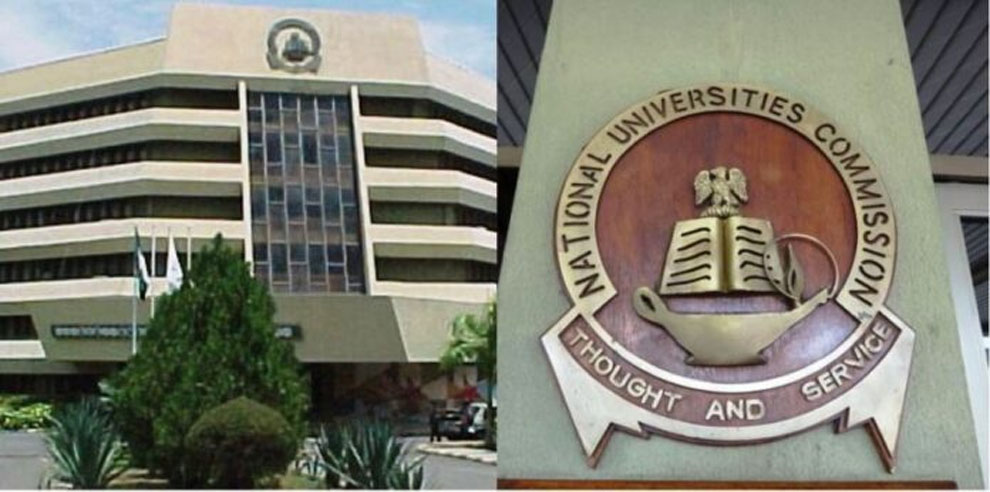
He called on the Federal Government and the National Universities Commission (NUC) to review existing programmes and identify those requiring modernisation, restructuring, merger or discontinuation.
The analyst also urged universities to strengthen practical training and establish functional skills acquisition centres, technology hubs and entrepreneurship laboratories to complement classroom instruction.
He said universities should build stronger partnerships with industries and employers to ensure that academic programmes reflect current workplace requirements and emerging economic opportunities.
READ ALSO:
- ToluwaniSings’ Final Hours: Aide Reveals Desperate Search Across 8 Hospitals
- Real Madrid Demand Tebas’ Exit After Explosive Nazi Propaganda Row
- Terrorists Abduct Catholic Priest in Benue as Police Launch Rescue Operation
Ojuolape further challenged university administrators and lecturers to update their knowledge and teaching methods, arguing that the rapid pace of technological change had made continuous professional development essential.
He expressed concern that students could spend several years pursuing degrees without acquiring the practical competencies needed to translate their qualifications into employment, entrepreneurship or other productive ventures.
To illustrate his argument, he compared the conventional four-year university route with the possibility of acquiring marketable technical or digital skills within a shorter period, depending on the field and the learner’s commitment.
He identified software development, data analytics, artificial intelligence, cybersecurity, digital marketing, graphic design, renewable energy installation, fashion design, catering, agriculture and other technical trades as areas in which young people could develop commercially useful competencies.
However, he stressed the need for students to make informed educational choices based on their interests, abilities and the practical opportunities available in their chosen fields.
The advocate also called on parents to reconsider the pressure they sometimes place on their children to obtain university admission or pursue particular courses for reasons of family prestige rather than suitability or career prospects.
He advised parents to examine the relevance of academic programmes and the opportunities they offer before committing their resources to university education.
For students, Ojuolape recommended careful consideration of career options, market demands and opportunities for acquiring practical skills, rather than pursuing admission simply to obtain graduate status.
He argued that technical and vocational education should receive greater recognition and investment, noting that skilled workers and entrepreneurs could make significant contributions to economic growth and job creation.
According to him, the ability to solve problems, provide services and create economic value should become a central consideration in evaluating the effectiveness of education.
Ojuolape warned that without substantial reforms, Nigeria risked continuing to produce graduates whose qualifications did not adequately match available employment opportunities or the practical needs of businesses and industries.
He therefore called for a shift from a predominantly certificate-driven system towards one that combines academic knowledge with practical competence, innovation, entrepreneurship and productivity.
While advocating reforms, his position places the responsibility on government, university administrators, lecturers, parents and students to work towards an educational system that prepares young Nigerians for both employment and self-employment.
He maintained that the ultimate measure of a successful education system should include its ability to equip learners with relevant knowledge, practical skills and the capacity to contribute to society.
Ojuolape concluded that Nigerian universities must respond more effectively to changing economic and technological realities if the country hopes to develop a competitive workforce and reduce the growing gap between educational qualifications and employability.
Nigerian Universities Producing Certificate Holders, Not Problem-Solvers, Says Ojuolape
-

 metro18 hours ago
Army Major, Soldiers Killed in ISWAP Ambush in Yobe State
-
 News2 days ago
FG Challenges World Bank’s 124% Debt-to-Revenue Warning, Cites Rising Income
-

 metro2 days ago
NAFDAC Probes Corps Member’s Death at Enugu Camp as Fake Drug Claims Emerge
-

 Politics2 days ago
Buhari Feared Tinubu Presidency, Resisted Pressure to Back Him – Baba-Ahmed Claims
-

 metro2 days ago
Ogun House Fire Horror: Husband Arrested After Wife Dies Following Domestic Dispute
-

 Entertainment2 days ago
Nollywood Mourns as Actress, Beauty Queen Tenia Abraham Dies at 32
-

 News3 days ago
Nigerian Universities Have Not Expired, Only Teaching Methods, Professor Tells Ojuolape
-
 News2 days ago
NLC, Falana Mobilise Nigerians Against Petrol Price Hike, Mount Pressure on Tinubu Govt