

News
Tinubu govt executing 40 major projects in North – Presidency
Tinubu govt executing 40 major projects in North – Presidency
The Presidency yesterday dismissed claims that Northern Nigeria was being neglected under President Bola Tinubu, insisting that the region was benefiting massively from his administration’s policies and investments.
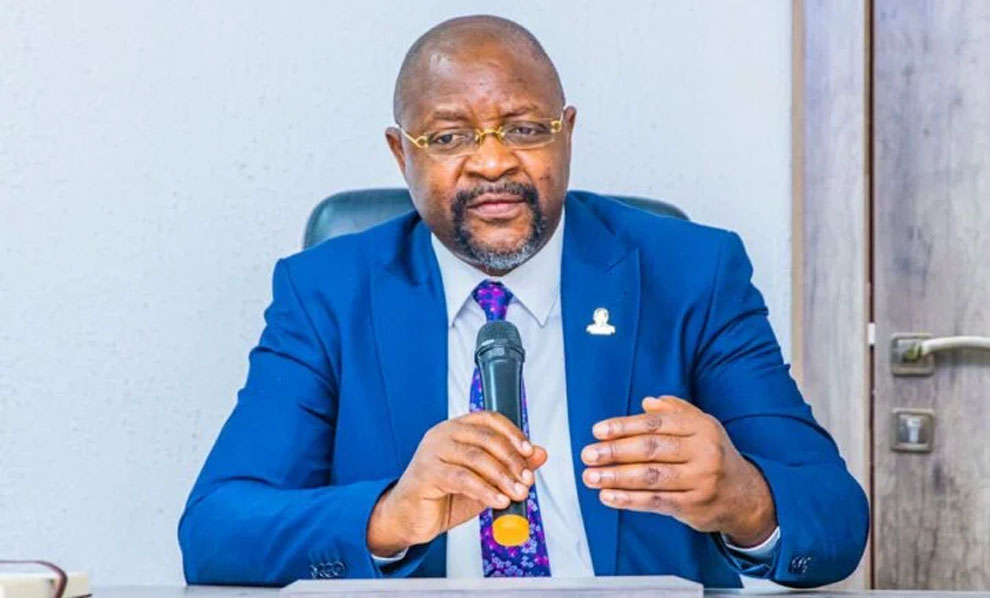
Special adviser to the president on media and public communications, Sunday Dare, on his X handle, said more than 40 major infrastructure and development projects were currently underway across the North, cutting across transport, agriculture, health and energy sectors.
He was refuting allegations by the 2023 presidential candidate of the New Nigeria Peoples Party, Senator Rabiu Kwankwaso, that the North had been neglected under Tinubu’s administration.
Among the highlighted projects are key highways such as the Abuja–Kaduna–Kano Expressway, Sokoto–Badagry Super Highway, Kano–Maiduguri Dual Carriageway, and the reconstruction of the Dikwa–Gamboru–Ngala Road in Borno State.
In the rail sector, the Presidency cited ongoing work on the Kaduna–Kano Rail Line, the Kano–Maradi Rail Line linking Niger Republic, and the ₦100 billion allocation for the Kaduna Light Rail System.
The agriculture sector has also seen heavy federal investment, with programmes like the $158.15 million Agriculture Value Chain initiative for nine Northern states, the Kolmani Integrated Development Project in Bauchi and Gombe, and the World Bank–funded ACReSAL programme targeting one million hectares of degraded land for restoration.
On healthcare, Dare listed expansions and upgrades at major facilities, including Ahmadu Bello University Teaching Hospital, Zaria, Federal Medical Centre, Nguru, and over 1,000 Primary Health Centres across the North.
Energy projects are equally on the radar, including the Ajaokuta–Kaduna–Kano (AKK) Gas Pipeline, the Gwagwalada Power Plant, and the proposed ABIBA Solar Power Station in Kaduna.
Pan-Yoruba socio-cultural organisation, Afenifere, also faulted Kwankwaso’s remark that national resources were increasingly tilted towards the southern region.
Afenifere said Kwankwaso’s statement was not only unfair but also deeply dangerous.
READ ALSO:
- Six arrested in Kaduna kidnap gang bust, four rifles recovered
- Starmer suggests UK will play role in new Gaza aid air drops
- Ondo court remands man for threatening to kill father
Recall that Kwankwaso, during a stakeholders’ dialogue on the 2025 constitutional amendment in Kano on Thursday, warned that national resources were increasingly being tilted towards the southern region, resulting in deepening poverty and insecurity across the North.
He lamented the deplorable condition of federal roads in the northern states, recounting how a cancelled flight forced him to travel by road from Abuja to Kano via Kaduna—a journey he described as “hell” due to the poor road conditions.
However, Afenifere, in a statement issued by the National Organising Secretary of the organisation, Otunba Kole Omololu, said Kwankwaso’s statement “stokes regional tension and paints a false picture of deliberate southern favouritism.”
According to the organisation, “Kwankwaso’s alarmist rhetoric is not only unfair but also deeply dangerous.”
Afenifere noted that development is a gradual process, and President Tinubu had not yet reached the halfway mark of his term.
The organisation also described Kwankwaso’s statement as “not only grossly misleading but also deliberately incendiary.”
The statement reads: “As a former governor and minister, one would expect Senator Kwankwaso to speak with facts, not emotions laced with sectional bias.
“It must be stated unequivocally that no region in Nigeria has benefited more from concentrated federal presence in the past decade than the North. During the Buhari administration—a northern presidency which Senator Kwankwaso conveniently omits—critical national resources were disproportionately channeled to the North.
READ ALSO:
- Plateau: 27 victims of bandits’ attack set for mass burial
- UNILAG to commence post-UTME online registration July 28
- Lady arrested in Lagos for mixing harmful agents with spoiled yam flour (video)
“The World Bank Managing Director publicly disclosed that President Buhari specifically directed the institution to focus its interventions in northern Nigeria. Where was Kwankwaso’s voice for equity and fairness then?
“Road and rail infrastructure were overwhelmingly skewed. The Kano-Maradi railway, constructed deep into the Niger Republic with no economic significance to Nigeria, was completed under Buhari.
“Was this done for national integration or to aid cross-border movement of Fulani kinsmen? Meanwhile, under the same regime, the hell in which the senator travelled was not turned into heaven; the Lagos-Ibadan Expressway, started by President Jonathan and designed to reach Iwo Junction, remained uncompleted.
“The Second Niger Bridge was still pending upon Buhari’s exit after eight years in office.
“Less than two years into President Tinubu’s administration, Kwankwaso is crying foul. Perhaps he is unaware that critical road projects have been initiated and awarded across the North, including the dualisation of the Kano-Maiduguri Road, Sokoto-Tambuwal-Jega Road, and the Abuja-Keffi-Lafia corridor.
“The Ajaokuta-Kaduna-Kano (AKK) gas pipeline, neglected by past regimes, is being fast-tracked. Just weeks ago, President Tinubu approved billions for critical infrastructure in Katsina, Borno, and Niger States. By 2027, and indeed by 2031, every region, including the North, will feel the impact of this administration.”
Afenifere, however, urged the former governor to rise above ethnic saboteurs and sectional agitators masquerading as patriots.
The organisation said, “Let statesmen, not ethnic lords, shape the conversation.”
Tinubu govt executing 40 major projects in North – Presidency






News
Agbede Mourns Baba Alado, Says Mushin Has Lost Pillar of Peace
Agbede Mourns Baba Alado, Says Mushin Has Lost Pillar of Peace
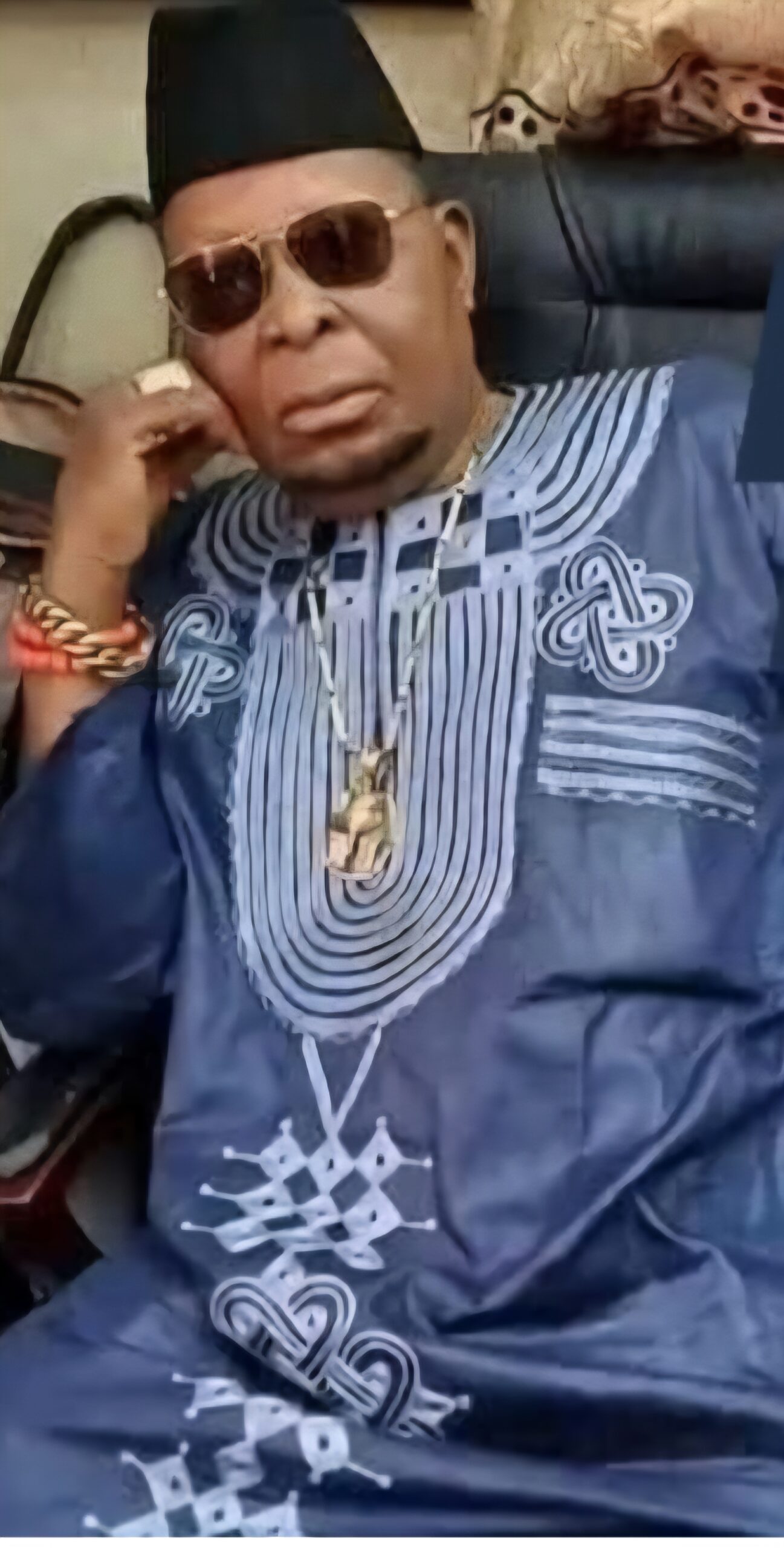
Mushin community in Lagos has lost one of its foremost voices for peace, dialogue and stability with the death of a prominent community leader and grassroots mobiliser, Chief Alhaji Taoreed Faronbi, popularly known as Baba Alado.
Former Chairman of the National Union of Road Transport Workers, Lagos State Council, Alhaji (Chief) Tajudeen Agbede, who is also the Balogun of Agege, described the death of the 83-year-old community leader as a monumental loss to Mushin, Lagos State and the transport union family.
Baba Alado, the Olori Ebi of the Alagbeji Royal Family in Papa Ajao and Babaloja of Aswani International Market, died in the early hours of Saturday, September 26, 2026.
In a condolence message personally signed on Sunday in Lagos, Agbede said the late community leader played a crucial role in maintaining peace and stability in Mushin, particularly during his tenure as chairman of the Lagos State NURTW.
According to him, Baba Alado was more than a community leader, as he served as a trusted bridge-builder whose counsel often helped to prevent disagreements from escalating into crises.
“During my tenure as Lagos NURTW Chairman, Baba Alado was a formidable force for peace and stability, especially in the Mushin axis, which remains strategic to union activities.
“At moments when tension arose, Baba Alado’s timely intervention, fatherly counsel and authoritative voice helped us maintain peace and brotherhood among members. He was not a distant leader.
“He was a constant, regular and respected face at every major union activity and event organised under my chairmanship,” Agbede stated.
The former NURTW boss said Baba Alado’s influence extended beyond the transport sector, noting that he promoted dialogue and understanding among transport workers, market traders, youths and traditional leaders in Mushin.
Agbede described the deceased as a detribalised leader and devout Muslim who devoted his life to the progress of his community and the welfare of those around him.
“He was a good adviser, a detribalised leader and a devout Muslim who touched many lives. His wisdom, calm disposition and steadfast commitment to the progress of Mushin and Lagos State will be long remembered,” he added.
Agbede extended his condolences to the wives and children of the deceased, members of the Alagbeji Royal Family, the Chairman of Mushin Local Government, Hon. Tunbosun Haruna Aruwe, and the people of Mushin.
He also commiserated with the Lagos State Chairman of the NURTW, Alhaji Mustapha Adekunle, popularly known as Sego, as well as members of the transport union family.
Agbede prayed Almighty Allah to forgive Baba Alado’s shortcomings, accept his good deeds and grant him Aljannah Firdaus.
He also prayed for Allah’s comfort and fortitude for the deceased’s family and all those mourning his passage.
News
“What Is Tinubu Doing in Paris?” — Atiku’s Aide Challenges Presidency
“What Is Tinubu Doing in Paris?” — Atiku’s Aide Challenges Presidency
By Our Correspondent
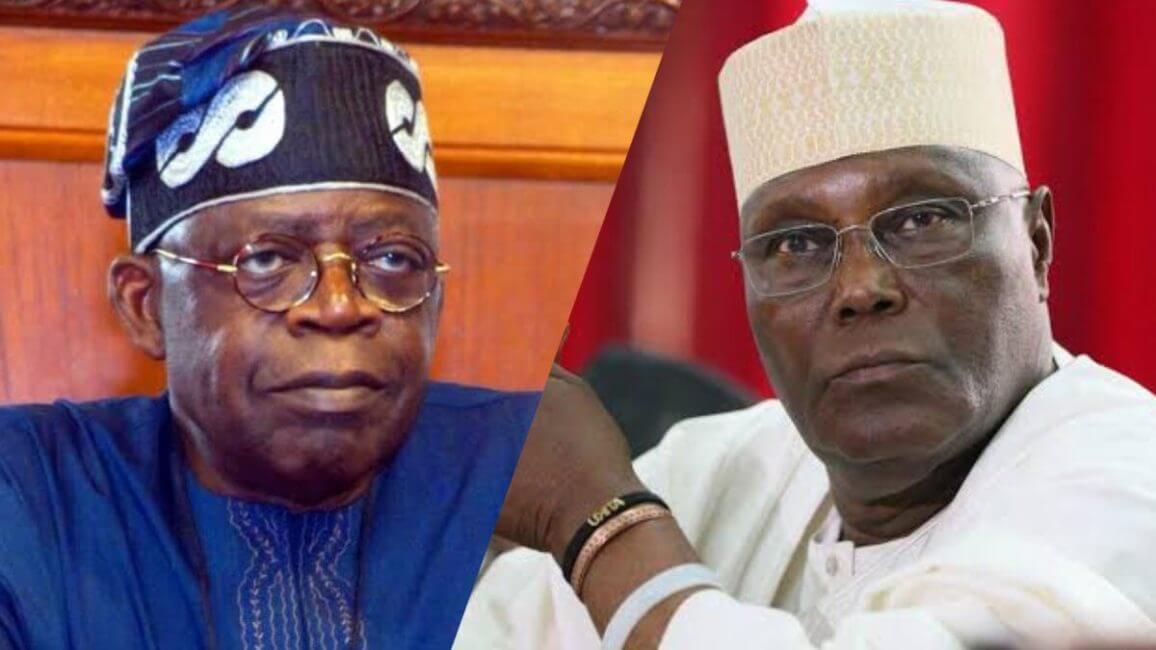
The media aide to former Vice President and African Democratic Congress (ADC) presidential candidate, Atiku Abubakar, Paul Ibe, has challenged the Presidency to publish details of President Bola Ahmed Tinubu’s substantive engagements in Paris and the outcomes of his activities during his prolonged stay in France.
Ibe made the demand on Monday, September 28, 2026, amid renewed questions over Tinubu’s continued absence from Nigeria after the period initially announced for his three-week working vacation.
Tinubu left Nigeria on August 30 for London to begin what the Presidency described as a three-week annual working vacation. He subsequently travelled to Paris, where he held meetings with French President Emmanuel Macron and French businessman Vincent Bolloré.
Ibe said Nigerians deserved sufficient information about the official engagements being undertaken by Tinubu in France, arguing that the Presidency should provide details that would enable the public to assess the purpose and outcome of the President’s extended stay abroad.
According to him, the issue was not whether the President was “hale and hearty”, but why his stay abroad had continued beyond the period initially announced by the Presidency.
“The Presidency should publish Tinubu’s substantive engagements and their outcomes. Nigerians can then judge whether this prolonged absence is justified,” Ibe said, according to a report published on Monday.
The Atiku aide also questioned the reference to the proposed $7 billion Ogun deep-seaport project as part of the explanation for Tinubu’s activities in France.
He noted that the agreement was between the Ogun State Government and DP World, with Tinubu witnessing the signing, and questioned its relevance to the justification for the President’s prolonged stay in France.
The Presidency, however, has maintained that Tinubu’s absence from Nigeria does not mean he has stopped performing his presidential duties.
In a September 21 statement, Special Adviser to the President on Information and Strategy, Bayo Onanuga, said Tinubu had extended his working vacation by a few days and would return to Nigeria at the weekend.
The Presidency said the President had remained in contact with officials at home and continued directing government affairs while abroad. It cited, among other activities, Tinubu’s decision to order an independent panel to investigate the deaths of 37 illegal miners in Minna.
The State House also confirmed that Tinubu met Bolloré in Paris on September 18 over plans to deepen investment in Nigeria’s creative and digital economy.
According to the Presidency, the discussions covered areas including film, entertainment and fibre-optic infrastructure, with the Bolloré Group indicating plans to deepen its operations and investments in Nigeria.
Ibe also questioned Tinubu’s decision to remain in France while the 81st United Nations General Assembly was taking place in New York.
Vice-President Kashim Shettima represented Nigeria at the UN General Assembly, while Tinubu remained in Europe. The Presidency explained that Shettima was representing the President and would deliver Nigeria’s national statement at the global gathering.
Ibe contrasted Tinubu’s continued stay in France with French President Emmanuel Macron’s movements, noting that Macron had hosted Tinubu in Paris before travelling to New York for the UN General Assembly.
“Meanwhile, Emmanuel Macron, who hosted Tinubu at the Élysée Palace, travelled to New York for UNGA and returned while Tinubu remained in France on housekeeping duties,” Ibe said.
Tinubu’s prolonged stay has continued to generate political debate, particularly following reports that his expected return to Nigeria had been postponed.
TheCable reported on September 27 that the President’s return plans had been changed at the last minute, with Tuesday being reported as the likely new return date. The reason for the change was not immediately disclosed.
The development has also triggered debate over Section 145 of the Nigerian Constitution, which deals with the President’s absence from office and the transmission of written declarations concerning vacation or inability to discharge presidential functions.
Atiku and his media aide have previously questioned whether the constitutional procedure was followed during Tinubu’s prolonged absence. The Presidency and other government officials have maintained that Tinubu remains in charge of the country’s affairs.
The latest exchange has therefore centred on two positions: the Presidency’s assertion that Tinubu has continued to conduct official business from abroad, and the opposition’s demand for greater disclosure about the President’s activities and the reasons for his extended stay in France.
“What Is Tinubu Doing in Paris?” — Atiku’s Aide Challenges Presidency
News
Anambra Govt Demands Unreserved Apology From Peter Obi Over Debt Claims
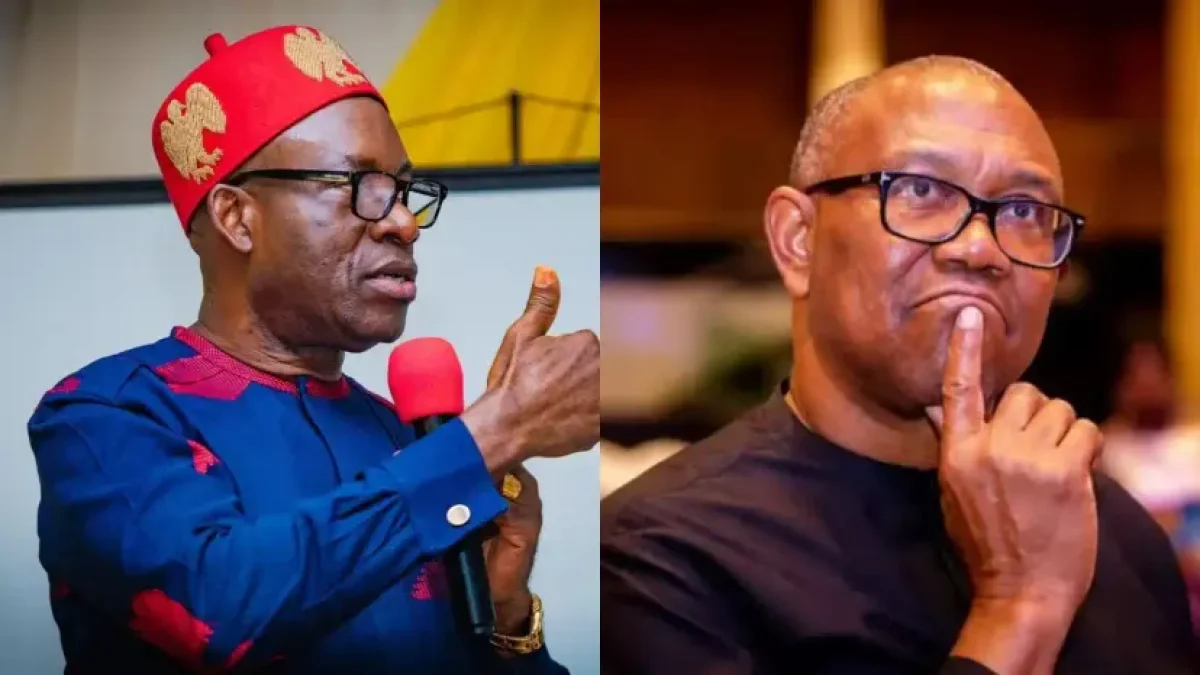
Anambra Govt Demands Unreserved Apology From Peter Obi Over Debt Claims
The Anambra State Government has demanded an “unreserved apology” from former Governor Peter Obi over his claims that he left the state without outstanding debts, unpaid salaries, pensions or other financial liabilities when he handed over power in March 2014.
The demand was contained in a statement issued on Saturday, September 26, 2026, by the state Commissioner for Information and Value Reorientation, Dr Law Mefor, following Obi’s appearance on Arise TV on September 24.
The renewed disagreement centres on the financial position of Anambra at the end of Obi’s eight-year tenure and whether loans, salary arrears, pension obligations and other liabilities attributed to his administration remained outstanding after his departure.
Obi has maintained that he left office without owing salaries, pensions, gratuities or contractors whose projects had been completed, certified and verified. He has also disputed the state government’s characterisation of certain World Bank-related facilities as debts personally incurred by his administration.
However, Mefor, in the latest statement titled “Peter Obi’s Debts and Lies: More Questions Than Answers,” said the former governor’s recent interview did not adequately address documents and records presented by the state government.
READ ALSO:
- Five Arrested Near US-Used RAF Fairford in UK Terror Probe
- Kano Upgrades Five PHCs to General Hospitals, Begins Assessment
- Iran Claims Capture of Second US Underwater Drone in Strait of Hormuz
According to the commissioner, the state government’s position is that Obi’s administration contracted eight IDA/World Bank-related facilities which continued to have repayment obligations after he left office.
The government had previously identified facilities including the Malaria Control Booster Project, Third National Fadama Development Project, Health System Development Project II, State Education Programme Investment Project, Community and Social Development Project, Nigeria Erosion and Watershed Management Project and Value Chain Development Project. The state said the outstanding balance on the facilities stood at about N127.4 billion as of June 30, 2026, when converted at the official exchange rate.
Mefor argued that the fact that the facilities were obtained through international development institutions did not mean they were grants, insisting that the state was still responsible for repayment and servicing obligations.
The commissioner also rejected the argument that the value of assets or funds allegedly left behind by Obi could be used to erase the existence of liabilities.
He said a government’s financial position must take account of both assets and liabilities, arguing that the existence of savings or investments did not automatically mean there were no outstanding obligations.
The Anambra government further alleged that liabilities involving workers and pensioners remained after Obi’s administration left office.
Mefor specifically cited workers of the Anambra State Water Corporation, claiming that more than 700 employees had outstanding salary, pension and gratuity issues which subsequently became the subject of legal proceedings.
According to the commissioner, an arbitration process and a later National Industrial Court judgment established liabilities involving the workers, while the current administration entered into an out-of-court settlement in February 2024.
The government said the settlement was valued at N1.56 billion and that about N1.2 billion had so far been paid, with the remaining tranche expected to be settled.
Mefor also referred to pension arrears involving primary school teachers, alleging that 16 months of arrears had been certified during Obi’s administration, but that only five months were paid at the time.
These claims remain part of the dispute between the former governor and the current state administration and have been presented by the government as evidence that financial obligations remained when Obi left office.
Another major point of contention is Obi’s claim that he left more than N2.13 billion in an ecological fund account before handing over power.
The former governor had identified a First Bank account in support of his claim. But the Anambra State Government said it obtained records from the bank which, according to the government, did not support Obi’s description of the account.
Mefor said the account number cited by Obi was actually an Internally Generated Revenue Consolidated Account belonging to the Anambra State Government and not an ecological fund account.
The commissioner further claimed that a First Bank letter dated September 16, 2026, indicated that the account did not have N2.13 billion as its balance on March 17, 2014, nor did it record such an amount as an inflow during the period examined by the bank.
The government consequently challenged Obi to explain where the N2.13 billion he said he left behind was kept if it was not contained in the account he identified.
The ecological fund dispute is significant because Obi had cited the money as part of the financial resources he said were available to his successor after he left office.
The former governor has, however, continued to reject the broader allegation that he left Anambra with outstanding debts, maintaining that his administration settled inherited obligations and left substantial financial resources and investments.
In his September 24 Arise TV appearance, Obi reportedly maintained that his administration did not borrow money or issue bonds on behalf of Anambra State and said he left office without owing salaries, gratuities, pensions or contractors whose work had been completed and verified.
The dispute has also revived an earlier challenge attributed to Obi, in which he said he would withdraw from the 2027 presidential race if anyone could establish that he left salary, pension or other debts behind after leaving office.
The Anambra government said it considered the challenge to have placed the issue of Obi’s financial record firmly in the public domain.
Mefor therefore urged the former governor to acknowledge what the government described as documentary evidence and apologise to the people of Anambra State and Nigerians.
“As a responsible government and committed to ethical governance and politics, we remain ready to provide information that advances public interest,” Mefor said in the statement.
“For H.E. Peter Obi, it is a matter of word, character and integrity.”
The commissioner concluded by calling on Obi to “tender an unreserved apology” and move on from the controversy.
The latest exchange represents another escalation in the long-running disagreement between Obi and the administration of Governor Chukwuma Soludo over the financial records and legacy of the former governor’s administration.
While the Anambra government has cited debt records, bank documents and court-related liabilities in support of its position, Obi has rejected the allegations. The competing claims mean that the underlying financial records, including the relevant loan agreements, audited accounts, handover documents, bank statements and court records, remain central to independently determining the full financial position of the state as of March 17, 2014.
Anambra Govt Demands Unreserved Apology From Peter Obi Over Debt Claims
-
 metro3 days ago
$155m Left Behind, $750m Liabilities: Anambra Govt Opens Fresh Obi Files
-
 News2 days ago
Fake Agency Scandal: Gbajabiamila Says He Never Betrayed Tinubu’s Trust
-

 metro3 days ago
Unexplained Wealth: Obasanjo, Osinbajo, Others for Shittu’s Book Launch
-

 metro2 days ago
Woman Busted With Alleged Alcohol Hidden in Water Pack at Ogun Prison
-
News2 days ago
Anambra Govt Demands Unreserved Apology From Peter Obi Over Debt Claims
-

 International2 days ago
Iran Claims Capture of Second US Underwater Drone in Strait of Hormuz
-
 Politics2 days ago
2027: NDC State Chairmen Reject Obi-Kwankwaso Movement’s Parallel Structures
-
 News3 days ago
MURIC Blasts Nigeria Over UNGA Stance on Palestine, Netanyahu