

International
US judge stops Trump move to revoke 500,000 immigrants’ legal status
US judge stops Trump move to revoke 500,000 immigrants’ legal status
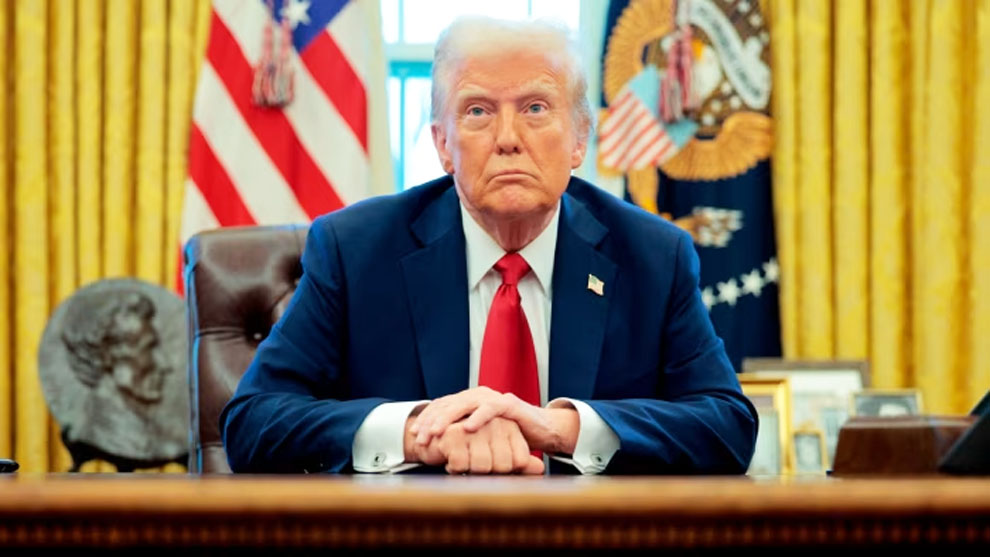
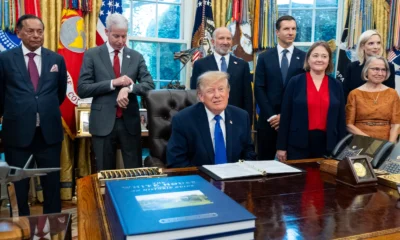
A federal judge on Monday blocked US President Donald Trump’s administration from quickly revoking the legal status of hundreds of thousands of immigrants from Venezuela, Cuba, Nicaragua and Haiti.
The ruling by District Judge Indira Talwani in Boston is the latest order against Trump’s rapid push to carry out mass deportations, particularly targeting Latin Americans.
In March, the administration said it was moving to revoke the legal status of some 532,000 Cubans, Haitians, Nicaraguans and Venezuelans who came to the United States under a “parole” program initially launched by former president Joe Biden in October 2022.
“The court grants emergency relief staying the Termination of Parole Processes for Cubans, Haitians, Nicaraguans, and Venezuelans,” Talwani wrote in her order.
READ ALSO:
- Alleged N33.8bn fraud: Court adjourns trial of ex-Power Minister
- Obi: Benue govt blocked my humanitarian visit to state
- GenCos threaten to shut down power over N4tn debt
The parole program allowed entry to the United States for two years for up to 30,000 migrants per month from the four countries, which have grim human rights records.
In her order, Talwani said the Trump administration had acted on a flawed interpretation of immigration law, with expedited removal applicable to non-citizens entering the United States illegally, but not those authorized to be in the country, such as through the parole program.
Under Trump’s revocation, the immigrants would have lost their legal protection effective April 24, just 30 days after the Department of Homeland Security published its order in the Federal Register.
Trump has vowed to deport “millions” of undocumented migrants in his second term, after running an election campaign that focused on illegal immigration.
Among other measures, he has invoked rare wartime legislation to fly hundreds of alleged members of a Venezuelan gang to El Salvador, which is imprisoning the migrants.
US judge stops Trump move to revoke 500,000 immigrants’ legal status
AFP






International
Russia-Ukraine Truce in Doubt as Zelenskyy Questions Trump’s Ceasefire Announcement
Russia-Ukraine Truce in Doubt as Zelenskyy Questions Trump’s Ceasefire Announcement
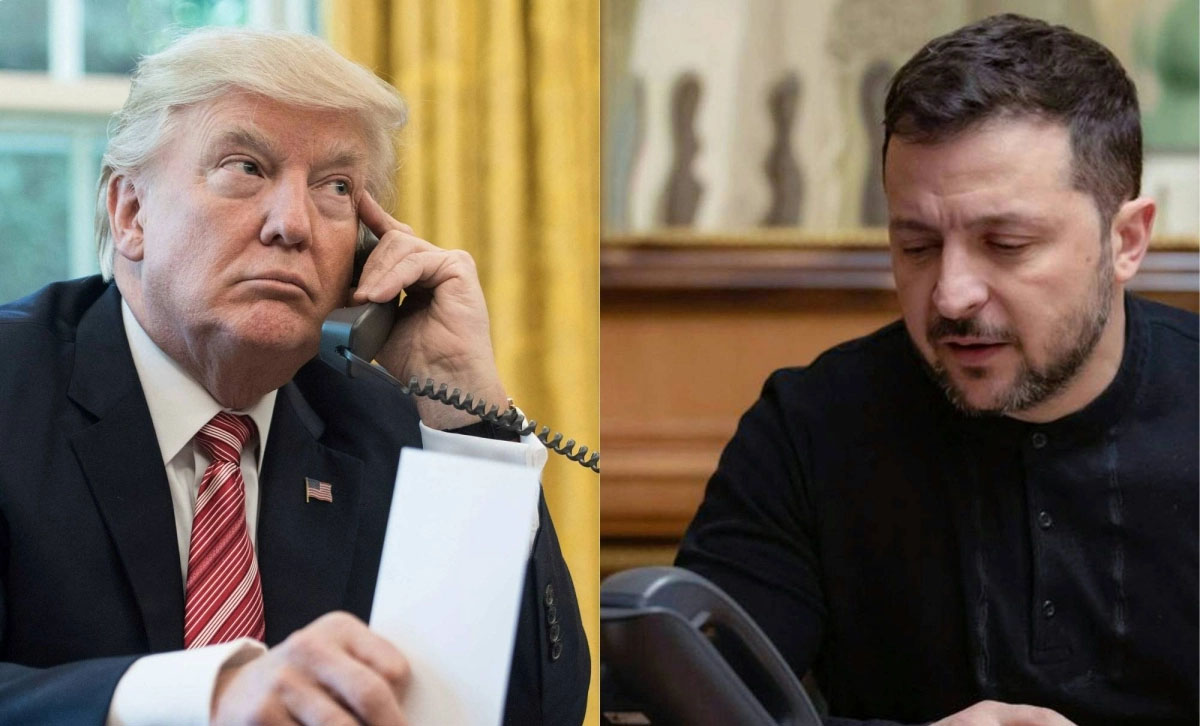
United States President Donald Trump has announced an immediate energy ceasefire between Russia and Ukraine, claiming both countries have agreed to stop attacks on each other’s energy infrastructure, but Ukrainian President Volodymyr Zelenskyy says he was not aware of any such agreement.
Trump made the announcement on Sunday, October 11, 2026, in a post on his Truth Social platform, declaring that the ceasefire would take effect immediately.
“Effective immediately, there is an ENERGY CEASEFIRE in the War between Russia and Ukraine. Both parties have agreed. Do not break it!” Trump wrote.
However, the announcement was not immediately confirmed by either Moscow or Kyiv, raising questions about whether a formal agreement had been reached and how it would be implemented.
Zelenskyy told Axios that Trump’s announcement was the first he had heard of the purported agreement. He nevertheless indicated that Ukraine was prepared to accept a ceasefire if Russia agreed to stop its attacks on Ukrainian energy facilities.
“If President Trump negotiated it with Putin, please tell us when the ceasefire begins. We are ready and we will accept it,” Zelenskyy said.
Earlier on Sunday, the Ukrainian president reiterated Kyiv’s position that it would halt attacks on Russian oil refineries if Moscow stopped targeting Ukraine’s power infrastructure.
READ ALSO:
- Djibouti Boat Disaster: 139 Migrants Dead, Dozens Missing
- US Names 24 More Nigerians in Fresh Fraud, Money Laundering Crackdown
- How Bauchi Court Jailed Three 21 Years Each for Abducting Seven Children
Zelenskyy stressed that any agreement must be reciprocal and backed by credible guarantees, arguing that Ukraine could stop strikes on energy infrastructure if Russia demonstrated a genuine willingness to do the same.
The disagreement highlights the diplomatic challenges facing efforts to secure a halt to attacks on critical infrastructure amid the continuing war.
Russia has repeatedly targeted Ukraine’s electricity network and other energy facilities, damaging infrastructure and disrupting essential services. Ukraine, in turn, has launched drone attacks on Russian oil refineries and other strategic facilities, seeking to weaken Moscow’s ability to finance its military campaign.
Trump has criticised Ukraine’s attacks on Russian refineries, arguing that they contribute to disruptions in fuel supplies and higher energy prices. The issue has become increasingly significant amid pressure over rising diesel prices in the United States.
The announcement also followed a contentious diplomatic exchange between Trump and Zelenskyy. On Saturday, the US president urged Ukraine to stop attacking Russian oil refineries and suggested that Ukrainians should elect a different leader who could reach an agreement with Moscow.
Zelenskyy rejected the suggestion that Washington should determine Ukraine’s leadership, insisting that the choice belonged to the Ukrainian people. He also maintained that elections could not be held under the country’s current martial-law restrictions without the necessary changes to the security situation and legal framework.
The Ukrainian leader said he would be willing to organise elections if Russia agreed to a comprehensive 60-day ceasefire, which he argued would provide the conditions needed for a vote.
The latest dispute comes amid broader diplomatic efforts to end the war and disagreements over how much pressure should be placed on Moscow and Kyiv to make concessions.
Trump had announced a similar energy ceasefire in September, but the earlier declaration was not followed by a clearly confirmed, sustained agreement between the two countries.
The latest announcement therefore leaves key questions unresolved, including whether Russia has formally accepted the proposal, when any halt to attacks would begin, and what mechanisms would be used to monitor compliance.
For Ukraine, the immediate priority remains securing an end to Russian attacks on its energy infrastructure while retaining assurances that Moscow would not use a pause to its military advantage.
For now, Trump’s declaration represents a claimed diplomatic breakthrough rather than a fully verified agreement. Whether it leads to a genuine reduction in attacks will depend on confirmation from both sides and their willingness to honour reciprocal commitments.
Russia-Ukraine Truce in Doubt as Zelenskyy Questions Trump’s Ceasefire Announcement
International
US Names 24 More Nigerians in Fresh Fraud, Money Laundering Crackdown
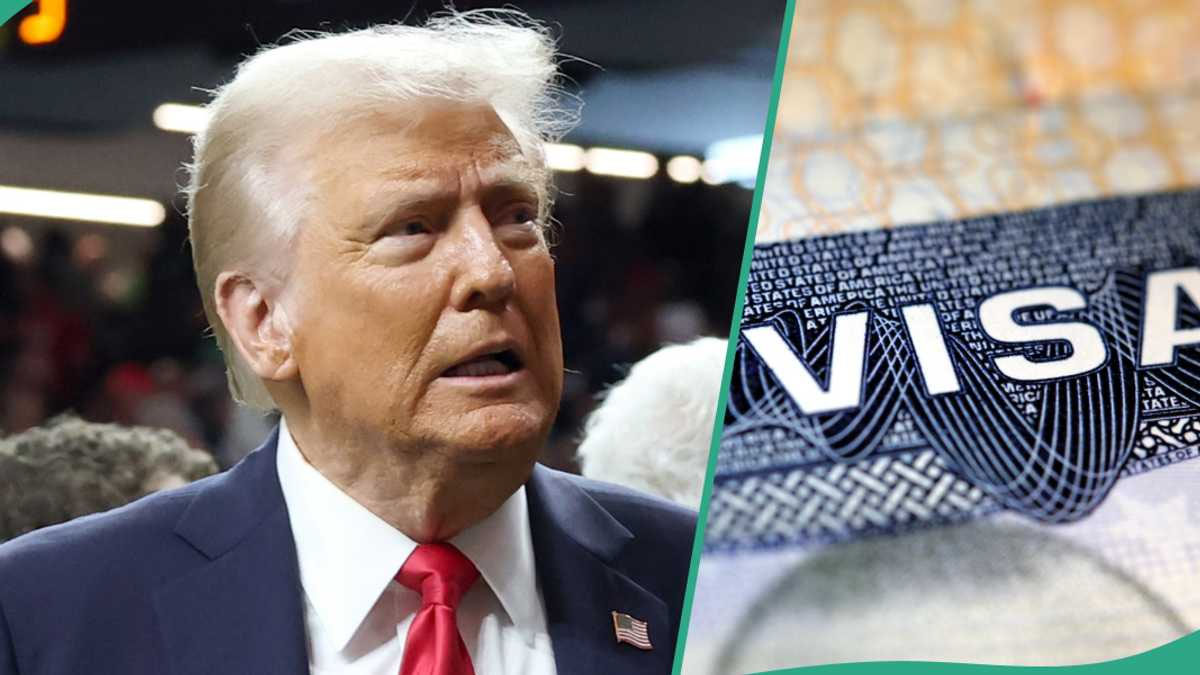
The United States has named 24 more Nigerian nationals arrested by immigration authorities over alleged offences ranging from fraud and money laundering to identity theft, drug-related crimes, assault and forgery.
The names and photographs were published by the US Department of Homeland Security (DHS) as the administration of President Donald Trump continues its immigration enforcement campaign against non-US citizens accused of criminal offences.
The Nigerians were reportedly arrested in different parts of the country, with the allegations and offences listed against them varying from one individual to another.
Among those named are Emmanuel Omowaiye, listed in connection with mail fraud in Richmond, Texas; Laurene Onwuka, associated with fraud and impersonation in Chantilly, Virginia; and Olusegun Shonekan, listed for wire fraud in Newark, New Jersey.
Others include Olusegun Olaseni, associated with the sale of amphetamine in Greencastle, Indiana; Peter Ude, listed for wire fraud in Atlanta, Georgia; and Newton Jemide, whose listed offences include wire fraud, conspiracy and mail fraud in Fort Dix, New Jersey.
The list also names Shedrack Umukoro and Teslim Kiriji in connection with money laundering cases in Yazoo City, Mississippi. Olasoji Akinbode was listed for fraud and impersonation in Kearny, New Jersey, while Oluwatosin Afolabi was associated with fraud in Conroe, Texas.
READ ALSO:
- Fresh Oil Discovery Sparks Tension in Delta Community as Family Rejects Land Lease Deal
- Riyadh Airport Attack: 12 Killed, 309 Injured as Saudi Arabia Faces Escalating Strikes
- NDC Blames Computer Glitch as INEC Omits Kano Governorship Candidate From Final List
Alameen Adetunji Tokosi was listed in connection with drug possession in Chicago, Illinois, while Joshua Ipoade was named over wire fraud in Atlanta.
Michael Orji was associated with several alleged or recorded offences, including weapons-related violations, fraud, identity theft, wire fraud, false citizenship and money laundering. His location was listed as Oxford, Wisconsin.
The other Nigerians named include Ahmadu Apooyin, associated with a drug-related offence in Baltimore, Maryland; Onomen Uduebor, listed for identity theft in Seattle, Washington; and Charles Ochi and Daniel Eta, associated with money laundering and wire fraud respectively in White Deer, Pennsylvania.
Ifeanyi Ibennah was listed in connection with child cruelty in Tampa, Florida, while Kazeem Runsewe was associated with wire fraud in Thomson, Illinois.
Fatiu Lawal and Bright Eigbedion were listed in connection with money laundering-related cases in Lompoc, California, while Justin Akubueze was associated with money laundering in Orem, Utah.
Moyinoluwaseun Okeowo was named in connection with larceny, forgery and concealing stolen property in Orlando, Florida. Babajide Oluwaseun Faseyi was listed in connection with assault in Alden, New York.
The 24 Nigerians identified in the report are Emmanuel Omowaiye, Laurene Onwuka, Olusegun Shonekan, Olusegun Olaseni, Peter Ude, Newton Jemide, Shedrack Umukoro, Olasoji Akinbode, Oluwatosin Afolabi, Alameen Adetunji Tokosi, Joshua Ipoade, Michael Orji, Ahmadu Apooyin, Teslim Kiriji, Onomen Uduebor, Charles Ochi, Daniel Eta, Ifeanyi Ibennah, Kazeem Runsewe, Fatiu Lawal, Justin Akubueze, Moyinoluwaseun Okeowo, Babajide Oluwaseun Faseyi and Bright Eigbedion.
The announcement comes amid intensified US immigration enforcement, with authorities publicising arrests involving foreign nationals and pursuing immigration proceedings against individuals they consider subject to removal.
However, the information released does not provide the complete legal history or final court outcome of every case. The offences listed should therefore be understood in the context of the available records, rather than as proof that every person has been convicted of every offence mentioned.
Similarly, being named in an immigration enforcement announcement does not automatically mean that an individual has been deported. The final status of each person’s criminal and immigration proceedings would need to be confirmed separately.
The development is likely to renew attention on the position of Nigerians living in the United States, particularly those facing criminal proceedings or immigration-related action, as the Trump administration maintains its tougher approach to enforcement.
US Names 24 More Nigerians in Fresh Fraud, Money Laundering Crackdown
International
Fresh Oil Discovery Sparks Tension in Delta Community as Family Rejects Land Lease Deal
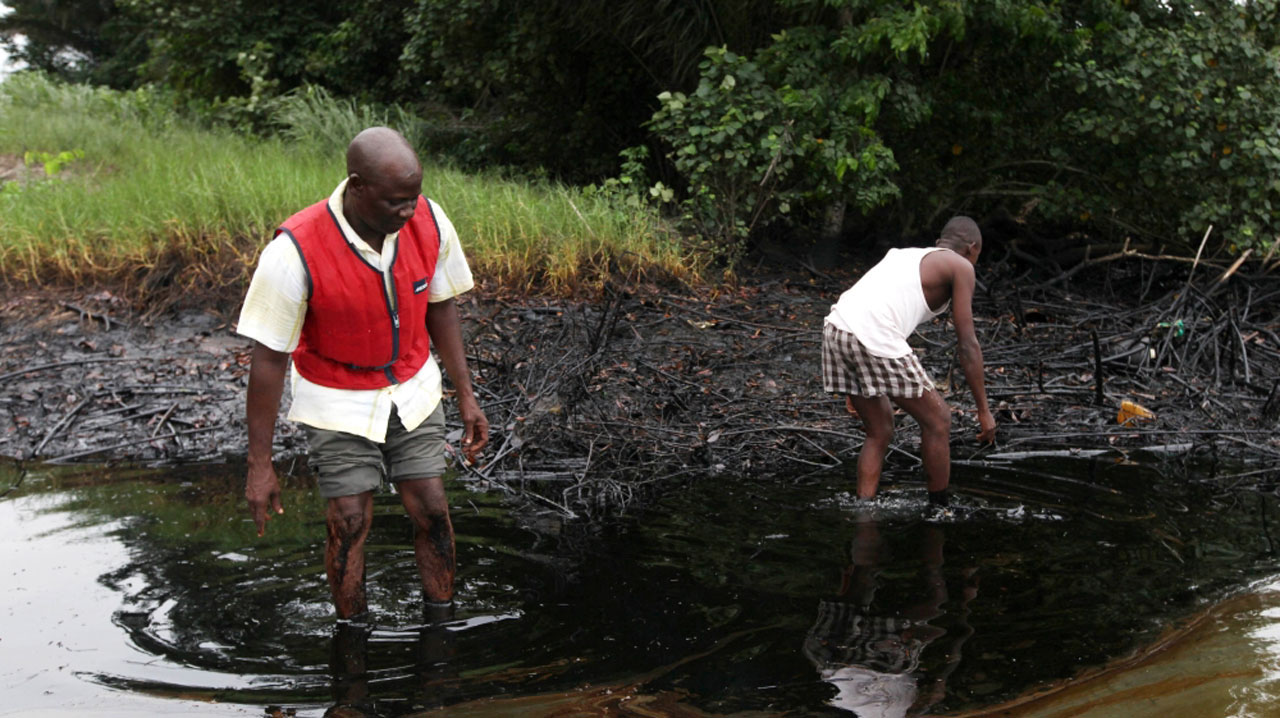
Tension has erupted in Okpe-Isoko community, Delta State, following a reported crude oil discovery on land claimed by the Adhakpor family, which has rejected a purported lease agreement allegedly entered into with Sterling Global Limited without its authorisation.
The dispute centres on who has the authority to negotiate the use of the oil-bearing land and whether any agreement reached with the company can bind the family.
In a statement, the Adhakpor family said it had neither authorised nor mandated any individual or group to negotiate, sign or execute a lease agreement, memorandum of understanding (MoU) or related document with Sterling Global Limited concerning its land.
The family described the purported transaction as unauthorised and unacceptable, insisting that no person could validly commit its interests without an express mandate.
It said its duly constituted executives and recognised representatives had been empowered to handle negotiations and documentation relating to the land following a resolution reached at its general meeting on October 4, 2026.
The family consequently directed that all negotiations and transactions involving the property should be conducted exclusively through its authorised representatives.
It also warned prospective investors and other stakeholders against dealing with individuals who lacked its approval, arguing that agreements entered into without proper authorisation should not be treated as binding on the family.
The controversy has exposed a deeper disagreement over land ownership and the distribution of benefits arising from the crude oil discovery in Delta State.
READ ALSO:
- Riyadh Airport Attack: 12 Killed, 309 Injured as Saudi Arabia Faces Escalating Strikes
- NDC Blames Computer Glitch as INEC Omits Kano Governorship Candidate From Final List
- Oshiomhole Accuses Umahi of Bias in Road Projects, Demands Repairs Before New Construction
Chief Ide Abade, head of the Adhakpor family, told Sunday Vanguard that he had been arrested by the community leadership over his opposition to the purported lease agreement.
Abade said the family was preparing to seek judicial intervention, maintaining that people who were not authorised members or representatives of the family had no right to negotiate or enter into agreements concerning its land.
The family also alleged that a community leader, working with some residents, had introduced people who were not members of the family into the negotiation committee. It objected to their participation, insisting that only recognised family members should be involved in decisions affecting its interests.
However, the President-General of Okpe-Isoko community, Chief Fred Efeh, offered a different account of the negotiations.
Efeh maintained that the Adhakpor family was represented on the committee established to negotiate the proposed lease and said the disagreement stemmed from a dispute between two branches of the family over ownership of the land where the oil was discovered.
According to him, one branch claims that an ancestor divided the land among his descendants and that the portion containing the oil belongs exclusively to it.
The other branch, he explained, argues that proceeds from the property, including benefits from palm trees and other natural resources, should be shared among the wider Adhakpor family.
Efeh said the company involved in the exploration approached the community leadership and the traditional institution before negotiations began.
He explained that representatives of both branches were included in a negotiation committee after consultations, but some representatives subsequently withdrew, triggering the current disagreement.
His account contradicts the position of the Adhakpor family, which insists that those involved in the purported agreement lacked the authority to represent it.
The dispute therefore involves two related but distinct questions: who owns or controls the oil-bearing land, and who has the authority to negotiate a lease or other arrangement on behalf of the people claiming ownership.
The involvement of an oil company has heightened the stakes because any eventual development could have significant financial implications for the landowners and the wider community. However, the commercial terms of the purported agreement and the precise arrangements for sharing any proceeds have not been established publicly.
Efforts to obtain the reaction of Rotimi Bakari, Community Relations Manager of Sterling Oil Exploration and Energy Production Company (SEEPCO), were unsuccessful. Bakari reportedly declined to respond to questions over the telephone and requested that the correspondent visit his office in Warri for further discussions.
Attempts to reach the traditional ruler of Okpe-Isoko, the Ovie of the community, also proved unsuccessful as calls and messages were not answered by the time of reporting.
The family has threatened legal action, while the community leadership maintains that the negotiation process followed established procedures.
The dispute now places the focus on land ownership, community representation and transparency in oil exploration agreements in the Niger Delta, where access to petroleum resources can generate competing claims over land rights and economic benefits.
A resolution will require the parties to establish the ownership arrangements, verify the authority of those who participated in negotiations and clarify whether any agreement was validly executed.
Until the disagreement is resolved, the controversy surrounding the purported lease threatens to prolong tensions within the community and complicate efforts to reach an acceptable arrangement over the oil-bearing property.
Fresh Oil Discovery Sparks Tension in Delta Community as Family Rejects Land Lease Deal
-

 metro2 days ago
How Parents Raised Millions to Free 20 Abducted NYSC Members
-

 metro2 days ago
[UPDATED] Lagos Train Crash: 55-Year-Old Motorist Survives as Honda Car Is Wrecked at PWD Crossing
-

 metro11 hours ago
Tension in Kano as Phone Traders Confront Chinese Sellers Over Cheaper Phones
-
 Health1 day ago
NAFDAC Raises Alarm Over Toxic Pesticides in Beans, Seizes ₦800m Banned Chemicals
-

 Business2 days ago
NNPCL: We Introduced ₦66 Fuel Discount Before FG’s Announcement
-

 metro1 day ago
Police Launch Manhunt After Fresh Attacks, Kidnappings Rock Four Nigerian States
-

 metro2 days ago
2027: Ekiti Driver Takes ₦3.5m Loan to Back Tinubu’s Re-election Bid
-

 Sports2 days ago
Ronaldo Breaks Silence on Portugal Row as Pelé, Maradona Comparison Sparks Meme Frenzy