
News
US Rejects Troop Deployment to Nigeria, Says CPC Listing Meant to Drive Reforms

US Rejects Troop Deployment to Nigeria, Says CPC Listing Meant to Drive Reforms
The United States has ruled out deploying U.S. troops to Nigeria, stressing that its decision to designate Nigeria as a Country of Particular Concern (CPC) is meant to drive reforms through diplomacy and partnership, not military intervention.
Members of a bipartisan U.S. Congressional delegation, who visited Abuja to assess security and religious freedom concerns, said at a press conference that while Nigeria requires international support to address rising violence, Washington is not considering “boots on the ground.”
The delegation was led by Congressman Bill Huizenga and included Michael Baumgartner, Keith Self, and Jefferson Shreve.
“Nigeria does need help, but that does not mean U.S. troops,” Huizenga said. “The CPC designation is a tool to motivate action, not a prelude to military deployment.”
The lawmakers said the designation was informed by persistent violence across Nigeria, affecting communities of all faiths, with particular concern about the Middle Belt, where religiously motivated attacks are believed to play a role.
“It is unacceptable that anyone—Muslim or Christian—is experiencing this level of violence,” a delegation member said, adding that protecting citizens of all faiths remains the responsibility of the Nigerian government.
According to the delegation, the CPC designation has already prompted internal discussions within Nigeria’s government, describing this as a positive sign. They emphasized that the move is not intended to punish Nigeria or its citizens, but to encourage accountability, reforms, and stronger protection of religious freedom.
READ ALSO:
- Ghana Deports 42 Nigerians, Others After Court Convictions in Ashanti Region
- PDP Crisis: Turaki-Led Faction Asks Court to Order Police to Unseal Party Secretariat Nationwide
- Troops Neutralise 17 Terrorists, Disrupt Insurgent Logistics in Borno
The lawmakers distinguished between terrorism in the North-East, linked to Boko Haram and other extremist groups, and communal or religious violence in other regions, noting that each requires a tailored response.
“There are different regional realities,” one lawmaker said. “What works in Borno State may not work in Plateau or Benue.”
U.S. officials noted that Nigeria’s CPC status is not permanent and will be reviewed based on measurable progress in reducing violence and improving religious freedom. They dismissed fears that the designation could harm U.S.–Nigeria relations, describing it instead as constructive engagement between partners.
“True friends don’t walk away,” Huizenga said. “They stay engaged, even when the conversation is difficult.”
While ruling out troop deployment, the delegation expressed support for non-military engagement, including humanitarian assistance, diplomatic cooperation, and capacity-building initiatives, which they described as putting “shoes on the ground, not boots.”
The lawmakers said they would brief colleagues in Washington on Nigeria’s importance to Africa and global stability, warning that insecurity in Africa’s most populous nation has far-reaching consequences.
They added that sustained dialogue, transparency, and reforms could lead to a review of Nigeria’s CPC status and a stronger U.S.–Nigeria partnership.
During the visit, the delegation met with government officials, religious leaders, civil society, and private sector stakeholders, reaffirming America’s commitment to its long-standing relationship with Nigeria.
Speaking on the visit, U.S. Ambassador to Nigeria, Richard Mills, said it underscored Washington’s focus on economic, security, and people-to-people ties. He noted that the delegation engaged Nigerian leaders on shared priorities, including democratic institutions, trade opportunities, and the concerns that led to Nigeria’s CPC designation.
Huizenga, a senior member of the House Foreign Affairs Committee, said the visit was aimed at frank engagement, noting that the CPC designation—first made during the Trump administration—remains a subject of ongoing congressional discussions.
“The purpose of our visit is to engage directly, listen, learn, and encourage progress on governance, security, and religious freedom,” he said.
US Rejects Troop Deployment to Nigeria, Says CPC Listing Meant to Drive Reforms










News
UK Raises Visa Costs, Tightens Immigration Rules From April 8

UK Raises Visa Costs, Tightens Immigration Rules From April 8
The UK Home Office has announced a sweeping increase in visa application charges, with new fees taking effect from April 8, 2026, as part of a broader strategy by the Government of the United Kingdom to curb migration and shift more costs onto applicants.
Under the revised structure, visa fees across visitor, student, work, settlement, and citizenship routes will rise, with some categories recording increases of over £200. The move reflects a tougher immigration stance amid sustained political and public pressure to reduce net migration.
Short-term visitor visas of up to six months will see a modest increase from £127 to £135. However, longer-duration visas will rise more sharply, with two-year visas now costing £506, five-year visas £903, and ten-year visas climbing to £1,128.
For those seeking long-term residency, the cost of settlement visas has increased significantly, with some routes exceeding £2,000, while Indefinite Leave to Remain (ILR) now rises to £3,226. Similarly, British citizenship applications will increase from £1,605 to £1,709, adding to the financial burden on migrants aiming to permanently settle in the UK.
READ ALSO:
- NCC Orders MTN, Other Telcos to Compensate Subscribers for Poor Network Service
- Abuja Convention: Wike PDP Faction Confirms Mohammed as Chairman, Anyanwu as Secretary
- Debate as OPM Pastor Marries Autistic Man to Older Woman
The impact is also pronounced on work and study visas. The Skilled Worker visa for applicants outside the UK will now cost £819 for stays of up to three years, while student visa applications will rise to £558. The Graduate visa route has also been increased to £937, marking one of the more noticeable jumps in the new pricing regime.
Beyond application fees, applicants must still pay the Immigration Health Surcharge (IHS), which remains a substantial additional cost. This brings the total cost of relocating to the UK significantly higher for many migrants, especially students and early-career professionals.
Explaining the decision, Home Secretary Shabana Mahmood said the changes were necessary to address increasing migration pressures, including a rise in asylum applications from countries such as Afghanistan, Cameroon, Myanmar, and Sudan.
In addition to the UK visa fee increase, authorities are introducing stricter immigration controls. These include plans to offer up to £10,000 to failed asylum seekers willing to leave voluntarily, as well as withdrawing state-funded accommodation from migrants found to be working illegally.
The government is also tightening rules around international education by proposing an “emergency brake” on student visas from countries considered high-risk for overstaying. Universities may face increased scrutiny, while compliance checks on employers sponsoring foreign workers are expected to intensify.
Taken together, the measures signal a decisive shift toward a more restrictive immigration system, with the UK aiming to balance economic migration needs against growing demands to reduce inflows.
For prospective migrants, including many from Nigeria, the changes mean higher upfront costs, stricter visa conditions, and increased scrutiny, making the path to studying, working, or settling in the UK more challenging.
UK Raises Visa Costs, Tightens Immigration Rules From April 8
News
Final Notice: FG Orders Civil Servants to Complete PASGA Verification by March 31

Final Notice: FG Orders Civil Servants to Complete PASGA Verification by March 31
The Federal Government of Nigeria has set Tuesday, March 31, 2026, as the final deadline for civil servants to complete the mandatory Personnel Audit and Skills Gap Analysis (PASGA) verification exercise. Workers who fail to comply risk salary suspension and other administrative sanctions, officials warned.
The directive, issued by the Head of the Civil Service of the Federation (OHCSF), Didi Walson-Jack, applies to all employees within the Federal Civil Service. The memo emphasised that the verification process is part of the government’s ongoing effort to eliminate ghost workers, enhance workforce accountability, and improve efficiency in public service operations.
The PASGA exercise consists of two components: Personnel Verification and Skill Assessment and Competency Analysis. Civil servants who have not completed either component are required to do so by March 31, 2026, to obtain their Certificates of Completion. These certificates must then be submitted to the Director of Human Resource Management in their respective Ministries, Departments, and Agencies (MDAs).
READ ALSO:
- Mozambique Deports 13 Nigerians Without Charges, 29 Still Detained
- Iranian Missiles, Drones Strike US Air Base in Saudi Arabia
- Millions to March Across US in Largest Anti-Trump Demonstrations
The OHCSF warned that any officer who fails to comply will be subject to “appropriate administrative sanctions in line with extant rules and regulations,” which may include suspension from the payroll until compliance. Permanent Secretaries and Heads of MDAs have been instructed to circulate the memo widely to ensure that all affected officers are informed.
The PASGA exercise, rolled out in 2025, is designed to assess staffing structures, identify skill gaps, and support the development of targeted training and capacity-building programmes aligned with national priorities. Its outcomes will also guide government decisions on recruitment, career advancement, and resource allocation within the Federal Civil Service.
Officials say the verification process is essential to address longstanding issues such as payroll irregularities and fraudulent entries, which have historically cost billions of naira annually. Completion of the exercise will protect civil servants’ rights to salary and benefits while strengthening the integrity of Nigeria’s public service system.
Civil servants have been urged to prioritise the exercise to avoid disruptions to their pay and career progression. Authorities stressed that while compliance with local laws is expected, all government procedures must follow due process and fairness to ensure that legitimate workers are not unfairly penalised.
Final Notice: FG Orders Civil Servants to Complete PASGA Verification by March 31
News
Kano Deputy Governor, Aminu Abdussalam Gwarzo, Resigns
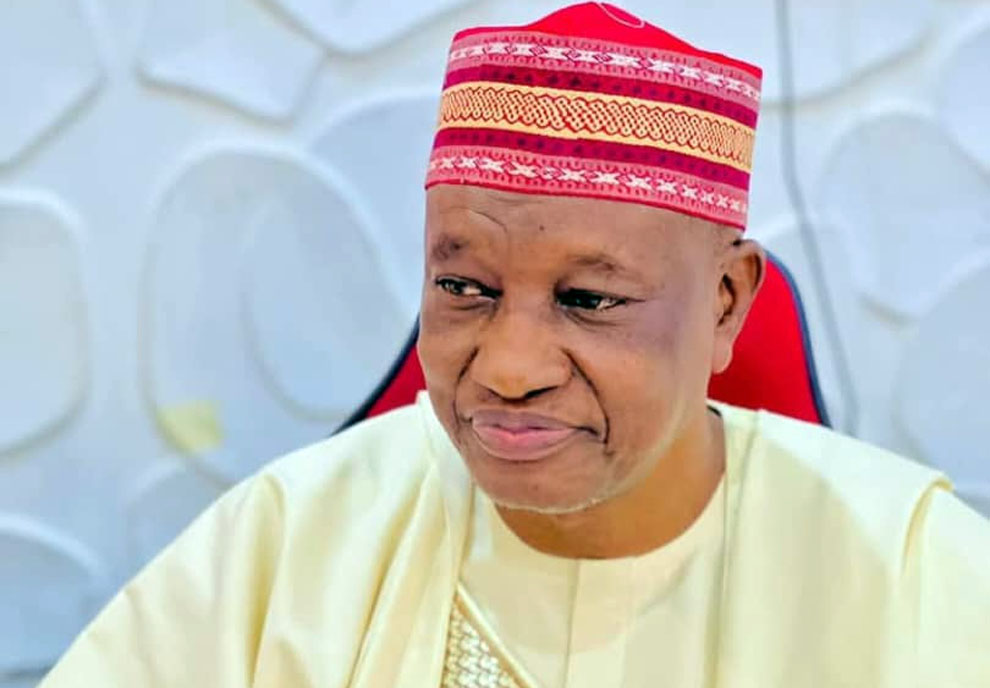
Kano Deputy Governor, Aminu Abdussalam Gwarzo, Resigns
The Deputy Governor of Kano State, Aminu Abdussalam Gwarzo, has resigned from office, bringing a sudden twist to the state’s evolving political landscape.
His spokesperson, Ibrahim Shuaibu, confirmed the development on Friday, stating that the resignation had been formally communicated.
“Yes, it is true. The deputy governor has resigned from his position,” Shuaibu said, declining to provide further details surrounding the decision.
Although no official reason has been disclosed, the resignation comes amid escalating tensions between Gwarzo and the Kano State House of Assembly.
In recent days, the Assembly had levelled a series of allegations against the former deputy governor, including claims of misconduct and concerns related to the discharge of his official duties. Lawmakers were also reported to have initiated moves widely seen as a precursor to possible disciplinary action, raising fears of an impending political crisis within the state executive.
The development also follows recent political shifts in Kano, particularly the defection of Governor Abba Yusuf to the All Progressives Congress, a move that has triggered significant realignments within the state’s political structure.
Since the defection, the governor has undertaken sweeping changes aimed at repositioning the administration. These include the removal of the Head of Service, Abdullahi Musa, as well as the dismissal of the Commissioner for Investment, Commerce and Industry, Shehu Wada Sagagi, as part of broader efforts to enhance efficiency and discipline in governance.
Political observers interpret these actions as part of a strategic move by the administration to consolidate power within the new political alignment and streamline government operations in line with evolving priorities.
While details of the allegations against Gwarzo remain unclear, sources within the Assembly indicated that the matter had been under legislative scrutiny prior to his resignation.
Efforts to obtain further clarification from the Kano State Government were unsuccessful as of the time of filing this report.
Gwarzo’s exit is expected to trigger constitutional procedures for the appointment of a new deputy governor, subject to approval by the State House of Assembly.
Analysts believe the development could further reshape Kano’s political landscape, particularly as the state navigates ongoing alignments ahead of future electoral contests.
Kano Deputy Governor, Aminu Abdussalam Gwarzo, Resigns

-

 metro2 days ago
Tragedy in Aramoko: Trailer Rams Residential Building, Kills 300‑Level Student
-

 News2 days ago
Final Notice: FG Orders Civil Servants to Complete PASGA Verification by March 31
-
 metro11 hours ago
Jos Attack: Plateau Govt Declares 48-Hour Curfew After Deadly Assault
-

 Entertainment2 days ago
Nollywood Actress Declares Love for Ibrahim Chatta, Offers to Pay Her Own Dowry
-

 Entertainment2 days ago
Streamer Peller Escorted Out of Alake of Egbaland’s Palace in Abeokuta
-

 International2 days ago
Iranian Missiles, Drones Strike US Air Base in Saudi Arabia
-
 News3 days ago
Kano Deputy Governor, Aminu Abdussalam Gwarzo, Resigns
-

 Sports3 days ago
Super Eagles Edge Iran 2–1 in Antalya Friendly