
News
VCs write FG, reject 40% universities IGR deduction
VCs write FG, reject 40% universities IGR deduction
The Committee of Vice Chancellors of Nigerian Universities has written a protest letter to the Federal Government, demanding that the government rescind the plan to deduct 40 percent of the Internally Generated Revenues of federal universities.
The Secretary-General Committee of Vice-Chancellors of Nigerian Universities, Prof. Yakubu Ochefu, who disclosed this to our correspondent in a phone interview at the weekend, said the government could not be demanding 40 per cent of varsities IGR when it had refused to grant them autonomy.
It was reported that the Federal Government in a letter dated October 17, 2023, titled ‘Implementation of 40% automatic deduction from internally generated revenue of partially funded federal government institutions,’ said it would begin the deduction with effect from November 2023.
The letter signed by the Accountant-General of the Federation, Mrs Oluwatoyin Madein, Director of Revenue and Investment, Office of the Accountant-General of the Federation, Felix Ore-ofe Ogundairo, said the auto-deduction policy of gross IGR was in line with the Finance Circular with reference number FMFBNP/OTHERS/IGR/CRF/12/2021 dated December 20, 2021.
Ochefu, speaking with our correspondent, said should the Federal Government spurn the plea by the VCs and goes ahead with the policy, parents would bear the consequences.
READ ALSO:
-
Imported products to cost more as Customs raise exchange rate
-
Appoint Enyeama to solve Super Eagles goalkeeper crisis – Etim Esin
-
Crisis in the Church as Pope Francis fires anti-LGBTQ bishop
Ochefu explained that the Finance Act 2020 specified that 40 percent could only be sent to the FG if there was a surplus, saying in the case of universities, there was no surplus but a lack of funding because universities only get user charges from students and not profits or revenues.
He said, “If you look at the Act, it didn’t say 40% IGR, but surplus. So, who determines what is surplus? The Finance Act of 2020 is explanatory and it is the institution that is supposed to decide and send you the surplus if there is any. But FG says it now wants to deduct it from the source. We have protested, and written to the Ministry of Education. If they insist, it means they want to ground the universities to a halt. Or we will be forced to add the 40 percent to what we are charging the end users and these end users are complaining already. We told the Ministry of Education to write the Ministry of Finance to halt the development. The letter was written on Thursday.”
He added, “Ultimately, any decision taken, it is the parents that will bear it. Schools are not commercial activities; they are social entities. Parents will bear it if FG insists on a 40 per cent deduction. For the government to sit down somewhere and equate universities, colleges, and polytechnics as revenue centres, that isn’t possible. They are not funding universities well enough. If you grant autonomy and we are charging the normal rate then we will give you the 40 percent.”
Also, the National President, Academic Staff Union of Universities, Prof. Emmanuel Osodeke, said, “As a union, we are in a meeting to take the decision. They are not supposed to deduct anything from anyone. The university is not generating revenue, this means you want to give students loans and you want to go back to the universities to collect it as 40% IGR.
“These are universities that are not properly funded. Parents are complaining that they can’t pay the current fees, yet you want to collect 40 percent of the little universities earn.”
VCs write FG, reject 40% universities IGR deduction







News
Tinubu Promises Stable Electricity as Bayelsa Unveils 60MW Power Project
Tinubu Promises Stable Electricity as Bayelsa Unveils 60MW Power Project
President Bola Ahmed Tinubu has reaffirmed his administration’s commitment to delivering stable electricity capable of driving economic growth, industrialisation, and national development, saying ongoing reforms in the power sector will soon yield tangible results.
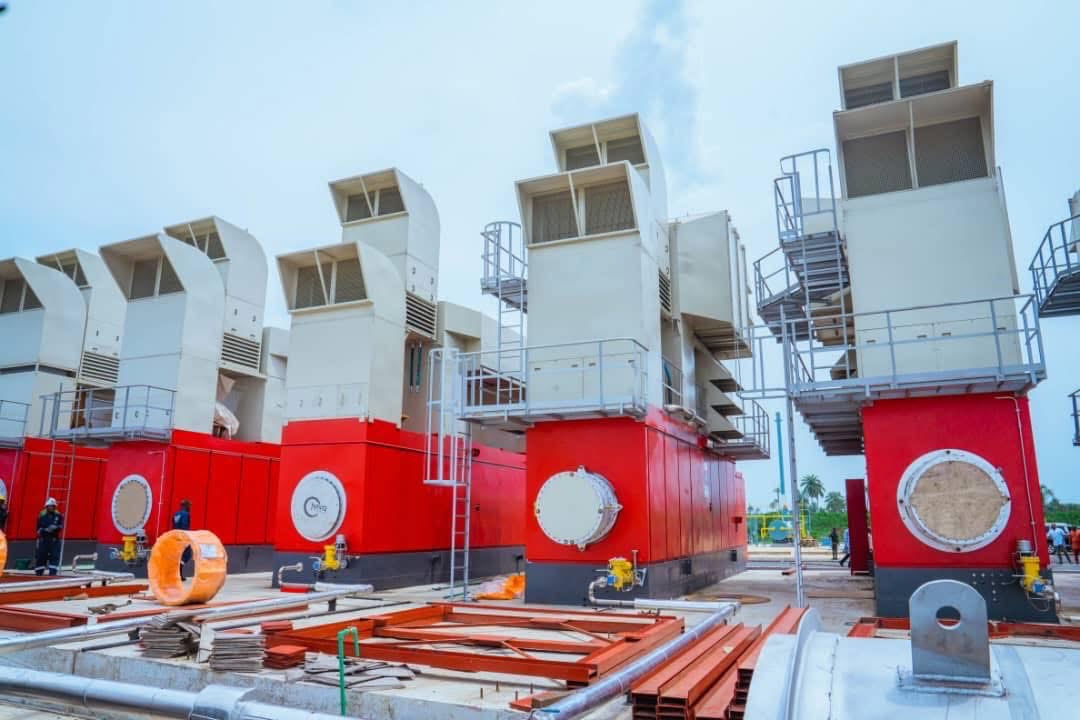
Tinubu made the remarks in Bayelsa State during the commissioning of major infrastructure projects executed by the state government, including a 60-megawatt Independent Power Project (IPP) located at Elebele in Ogbia Local Government Area.
He described the power project as a “significant step” toward strengthening energy security and subnational electricity generation, noting that no meaningful industrialisation or job creation can happen without reliable power supply.
“There can be no industrialisation, skill development and empowerment without power. I assure Nigerians that we will have electricity to power our growth,” the President said.
The IPP, powered by gas turbines, is expected to supply electricity to Yenagoa and surrounding communities, reducing dependence on the national grid and improving power reliability for households and businesses.
Alongside the power project, Tinubu also commissioned several key infrastructure projects, including the 27-kilometre dualised New Yenagoa City Road 1, the 630-metre Angiama–Oporoma Bridge, and the Sagbama/Ekeremor Road, all aimed at improving connectivity and boosting economic activity across Bayelsa State.
READ ALSO:
US Commences Visa Ban on Nigerians Linked to Alleged Religious Freedom Violations
Did Faleke Just Reveal Lagos’ Next Governor? Party Moves Begin
Jigawa Ward Head Denies Viral Wedding Cancellation Over Tinubu Support
He praised the state government led by Governor Douye Diri for what he described as “purposeful and progressive leadership,” adding that collaboration between federal and state governments remains essential for sustainable development.
“Development advances further and faster when the federal and state governments work in partnership toward a shared purpose,” Tinubu said.
The President also used the occasion to observe a minute’s silence in honour of soldiers killed in a recent terrorist attack on a military base in Borno State, reaffirming his administration’s commitment to defeating terrorism and banditry across the country.
“We will continue to equip and train our armed forces. We will defeat terrorism and banditry, regardless of their shenanigans,” he assured.
Tinubu further acknowledged the economic challenges facing Nigerians, including rising living costs linked to global energy disruptions, but insisted that government interventions are being implemented to ease hardship and support vulnerable citizens.
“We will continue to find ways to ameliorate the suffering of the vulnerable. This is a government that cares,” he said.
At the event, Tinubu also commended former President Goodluck Jonathan, describing him as “one of the most humble and reliable democrats on the continent,” while praising ongoing development efforts in Bayelsa State.
Governor Diri, in his remarks, appealed for federal refunds on projects executed on federal roads by the state government and highlighted ongoing infrastructure efforts under his “Assured Prosperity” agenda, including roads, bridges, civic buildings, and sports facilities.
He described the newly commissioned Yenagoa–Oporoma–Ukubie road as a transformative project that has ended years of isolation for several riverine communities in Southern Ijaw.
The Bayelsa IPP is expected to enhance power supply stability, attract investment, support SMEs, and stimulate economic diversification in the oil-rich state.
The commissioning ceremony was attended by several top political figures, including Senate President Godswill Akpabio, governors from multiple states, senior federal officials, and traditional leaders, reflecting the national significance of the projects.
Residents reportedly thronged the project sites in celebration, cheering and dancing as the President arrived at the Bayelsa International Airport aboard the presidential jet.
Tinubu concluded by expressing optimism about Nigeria’s future, saying: “Nigeria will be great, and we will succeed.”
Tinubu Promises Stable Electricity as Bayelsa Unveils 60MW Power Project
News
US Embassy Suspends Abuja Visa Appointments Over Security Concerns

US Embassy Suspends Abuja Visa Appointments Over Security Concerns
The United States Embassy in Nigeria has suspended visa appointments in Abuja following heightened security concerns, a move that has disrupted travel plans for hundreds of applicants in Abuja.
In an official notice released via its communication channels, the embassy confirmed that all visa interviews in Abuja have been cancelled until further notice, urging affected applicants to check their emails for updates on rescheduled appointments.
“U.S. Embassy Abuja is closed for visa appointments. Applicants should check their email for details on rescheduled appointments,” the statement read. It added that visa services in Lagos remain operational at the United States Consulate General Lagos, providing an alternative for applicants who can access the facility.
The embassy further clarified that American citizen services in Abuja will continue only in emergency situations and strictly by appointment, indicating a temporary scale-down of operations in the capital.
READ ALSO:
- ADC Crisis: Mark-Led Faction Sues INEC Over Party Leadership Removal
- Dangote Sugar Warns Staff Over Chewing Sugarcane, Threatens Arrest
- Jetour set to ignite Lagos with four-day automotive experience
The suspension follows a recent directive by the United States Department of State authorising the departure of non-essential staff and their families from Abuja, citing a deteriorating security situation in Nigeria.
An updated U.S. travel advisory has also placed Nigeria under a “Level 3: Reconsider Travel” status, warning of persistent threats including terrorism, kidnapping, crime, and civil unrest. Several states have been categorised under the stricter “Level 4: Do Not Travel” advisory due to high-risk security conditions.
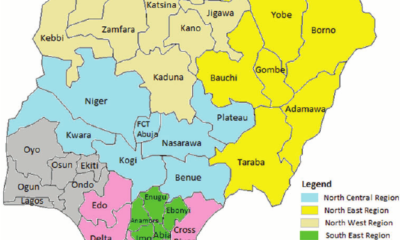
States listed include Borno State, Yobe State, Taraba State, Niger State, Plateau State, and parts of Adamawa State, where threats linked to terrorism and kidnapping remain high. Other states such as Kaduna State, Katsina State, Zamfara State, and Sokoto State were also flagged over insecurity concerns.
The advisory has triggered reactions from the Federal Government of Nigeria, which described the assessment as “unbalanced” and not fully reflective of ongoing efforts to address insecurity nationwide. Authorities warned that such reports could negatively impact Nigeria’s global image and economic activities.
Despite the disruption in Abuja, visa processing and consular services continue in Lagos, offering a temporary alternative for applicants. However, the development is expected to cause delays in visa processing, particularly for students, business travellers, and individuals with urgent travel needs.
The US Embassy visa suspension in Abuja highlights the broader impact of security challenges on diplomatic operations and international travel, as uncertainty remains over when normal services will resume in the capital.
US Embassy Suspends Abuja Visa Appointments Over Security Concerns
News
Yemi Osinbajo Appointed Senior Strategic Adviser to Africa CDC
Yemi Osinbajo Appointed Senior Strategic Adviser to Africa CDC
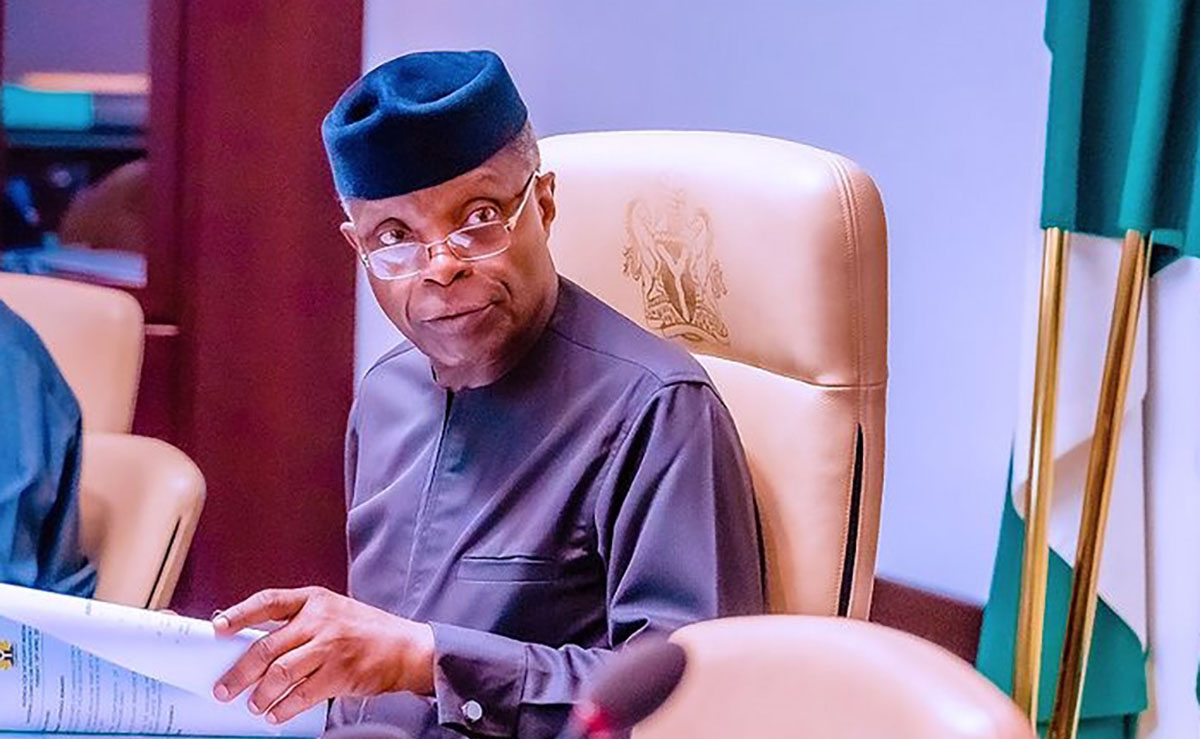
Former Nigerian Vice-President Yemi Osinbajo has been appointed as Senior Strategic Adviser to the Director-General of the Africa Centres for Disease Control and Prevention (Africa CDC), as the agency pushes forward the continent’s Africa Health Security and Sovereignty (AHSS) agenda.
The appointment, announced on Monday, comes at a critical time as Africa CDC seeks to enhance health systems, boost domestic financing, expand local production of medical supplies, and strengthen Africa’s influence in global health governance. In this role, Osinbajo will provide strategic guidance on pandemic preparedness, sustainable healthcare financing, policy direction, and continental collaboration.
Director-General Jean Kaseya praised Osinbajo’s wealth of experience, highlighting his expertise at the intersection of governance, finance, law, and diplomacy. “At a time when Africa must act with greater authority on the future of health, his leadership will be invaluable,” Kaseya said. He added that Osinbajo’s appointment reflects Africa CDC’s commitment to mobilising top African leadership in service of the continent’s health security and development.
READ ALSO:
- Veteran Nollywood Actor Davis Ofor ‘Clarus’ of New Masquerade Dies at 85
- Harry Maguire Signs New Manchester United Deal Until 2027
- Women in Plateau Block Burial of 28 Palm Sunday Attack Victims Over Arrests
Osinbajo served as Nigeria’s Vice-President from 2015 to 2023, during which he chaired the Economic Sustainability Committee, contributed to reforms enhancing the ease of doing business, and played a key role in implementing Nigeria’s social investment programmes. Earlier, he was Attorney-General and Commissioner for Justice in Lagos State from 1999 to 2007. His legal and governance background positions him to offer critical insights on health policy, regulatory frameworks, and strategic partnerships.
The AHSS agenda, which Osinbajo will help drive, seeks to strengthen Africa’s self-reliance in health, improve disease surveillance, and foster regional collaboration to respond more effectively to pandemics and other public health emergencies. Experts say his advisory role will be crucial in promoting local production of vaccines and medical equipment, ensuring Africa can meet its own health needs while influencing global health decisions.
Africa CDC, operating under the African Union, aims to support member states in building resilient health systems capable of confronting future outbreaks and public health crises. Osinbajo’s appointment is expected to further amplify Africa’s voice in global health while ensuring sustainable health development across the continent.
Yemi Osinbajo Appointed Senior Strategic Adviser to Africa CDC

-
 Africa2 days ago
ECOWAS Recruitment 2026: Over 30 Job Vacancies Open for Nigerians (How to Apply)
-
 Entertainment3 days ago
Saheed Osupa Defends Juju Use Amid Backlash From Islamic Clerics
-

 Health2 days ago
Sleeping Positions: How They Affect Your Health and Which Ones to Avoid
-

 Politics2 days ago
Court Stops ADC Congress, Orders Status Quo in Leadership Row
-
 metro2 days ago
Boko Haram Attack in Borno: Brigadier-General, Soldiers Killed as ISWAP Overruns Military Base
-
 metro2 days ago
US Evacuates Embassy Staff in Nigeria, Lists 23 States as ‘Do Not Travel’
-

 Education1 day ago
Germany Opens Fully Funded Scholarships for Nigerians, Africans
-
 Politics8 hours ago
Did Faleke Just Reveal Lagos’ Next Governor? Party Moves Begin