

Health
Why more older men are suffering from urinary tract infections –Expert
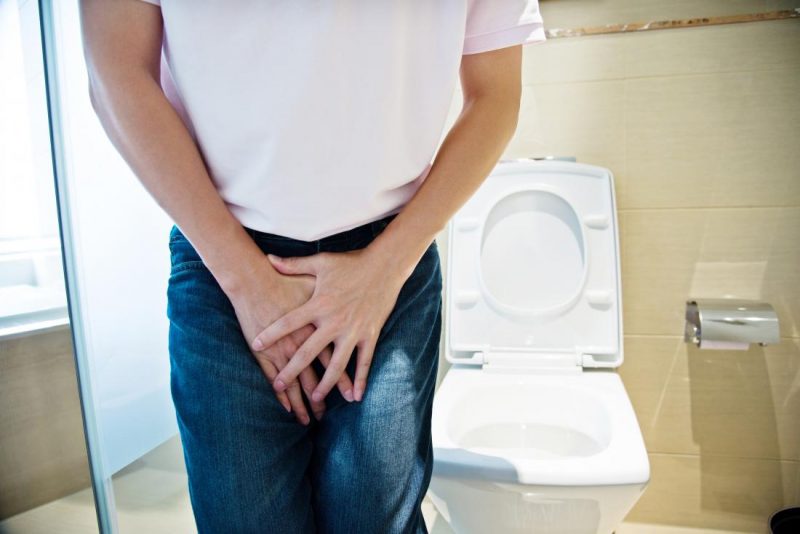
A medical expert has urged older men to take better care of their prostate health to prevent other health complications.
The expert, a Professor of Surgery, Kehinde Tijani, noted that the poor state of prostate health is a major reason for the increasing incidence of urinary tract infections among older men.
Recall that it was recently reported that 75-year-old former president of the US, Bill Clinton was hospitalised at the University of California, Irvine Medical Centre, due to a urinary tract infection.
According to reports, an aide to the former president confirmed that he had a urological infection that spread to his bloodstream but was on the mend.
Recall also that after a few days at the hospital, Clinton was discharged and, in a video, said, he was on the road to recovery.
Though UTIs are more common in women, Tijani, who is also a consultant urologist, said men also suffer from this infection.
READ ALSO: https://newstrends.ng/2021/10/24/just-in-three-policemen-killed-in-attack-on-ebonyi-police-station/
READ ALSO: https://newstrends.ng/2021/10/24/no-one-hijacked-our-buses-abducted-any-passenger-guo-albon/
READ ALSO: https://newstrends.ng/2021/10/24/first-bank-confirms-otedola-highest-shareholder/
According to the consultant urologist, while cases of UTI are rare among young men, it is quite prevalent in men from 50 years of age. This, he said, is due to the state of the prostate.
Speaking with PUNCH HealthWise, Professor Tijani said, “UTI is more common in women than men because the urethra is closer to the anus in women than in men. So, because most UTIs usually come from the anus, that is the major thing. But, yes, men have it but it is not common.
“It becomes more common in men as they become elderly from the 50s and 60s because of the prostate but generally young men rarely have it unless there is an underlying cause.”
He explained that the reason why older men are prone to UTIs is because of the inability of urine to flow freely through the prostate.
Using an analogy, the professor said, “If you have a gutter that is flowing very well, things will not grow in it but if the gutter is stationary and something blocks it, things will start growing in that gutter. That is the same thing with the urinary tract in men.
“So, when they have a prostate enlargement that is slowing down the urine or there’s any problem that is slowing down the urine, this may lead to urinary tract infection.
Punch








Health
NAFDAC Busts Illegal Herbal Factory in Lagos, Arrests Manager Over Fake Registration Number
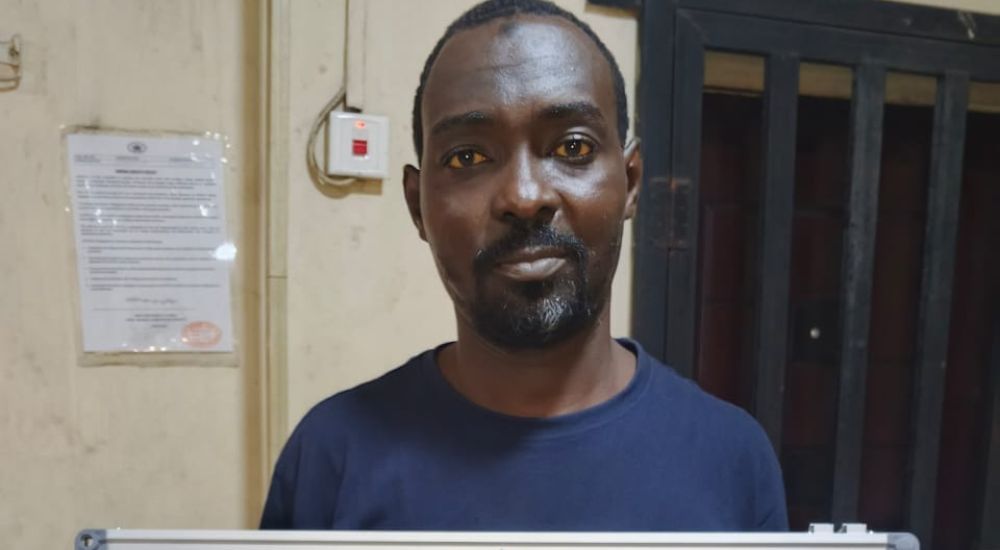
LAGOS — The National Agency for Food and Drug Administration and Control (NAFDAC) has uncovered a suspected illegal herbal product manufacturing facility in Agege, Lagos State, and arrested its manager over the alleged use of a falsified registration number on herbal products.
The agency disclosed the development on Wednesday, October 21, 2026, following an investigation triggered by a report published by The Guardian on October 10 concerning herbal products allegedly carrying fake NAFDAC registration numbers.
According to NAFDAC, its investigative team conducted surveillance before discovering three variants of Asheitu Adams Bitters bearing registration number A7-1827L.
However, checks through the agency’s NAFDAC Automated Product Administration and Monitoring System (NAPAMS) revealed that the registration number belonged to Greentol Cough Syrup, rather than the herbal bitters.
The agency said the discovery confirmed the fraudulent use of the registration number on the products.
During the operation, the company’s managing director and chief executive officer was reportedly absent, while the manager was arrested for further interrogation as investigations continued.
The Sun identified the arrested manager as 39-year-old Abdullazeez Saidu from Kano State. NAFDAC had not announced any court charges against him as of Wednesday.
READ ALSO:
- NELFUND Warns Schools: Student Loans Are Voluntary, Not Compulsory
- ‘I Never Asked Them to Abandon Loved Ones’ — Obi Clarifies Diaspora Remarks
- FG Confirms Ebola Case in Abuja, Identifies 44 Contacts
The agency urged members of the public to provide credible information about suspected illegal manufacturing activities to help strengthen enforcement efforts and protect consumers from potentially unsafe products.
NAFDAC provided the following channels for reporting suspected violations: its call centre numbers, 0800-1-623322 and 0700-1-623322, and the email address reforms@nafdac.gov.ng.
The discovery comes amid a series of enforcement operations by the agency against suspected counterfeit and adulterated products in Lagos and other parts of the country.
On October 14, NAFDAC reported uncovering a suspected facility at the International Trade Fair Complex in Lagos where expired alcoholic and non-alcoholic beverages were allegedly being repackaged for sale. The agency also reported seizures of suspected counterfeit alcoholic drinks in other operations.
The latest operation highlights concerns about the misuse of regulatory registration numbers, which consumers often rely on when assessing whether products have been registered for sale in Nigeria.
NAFDAC has repeatedly urged consumers to verify product registration details and report suspicious products or manufacturing activities.
The agency’s investigation into the Agege facility is ongoing, and further details about the products recovered, their distribution and any potential health effects have not been publicly disclosed.
NAFDAC Busts Illegal Herbal Factory in Lagos, Arrests Manager Over Fake Registration Number
Health
FG Confirms Ebola Case in Abuja, Identifies 44 Contacts

FG Confirms Ebola Case in Abuja, Identifies 44 Contacts
The Federal Government has confirmed a case of Ebola virus disease (EVD) in the Federal Capital Territory (FCT), Abuja, after laboratory tests returned positive for a woman who recently arrived in Nigeria from Uganda.
The Coordinating Minister of Health and Social Welfare, Professor Muhammad Ali Pate, announced the development on Tuesday, October 20, 2026, saying health authorities had identified 44 close contacts and commenced contact tracing to prevent further transmission.
According to the minister, the patient was admitted to a private hospital in Abuja, where she received medical attention for several days before the infection was confirmed. She is currently in isolation and receiving medical care.
The Federal Ministry of Health and Social Welfare is coordinating the response with the Nigeria Centre for Disease Control and Prevention (NCDC), the FCT Health Services Secretariat and other relevant authorities.
Public health teams are tracing and monitoring people who may have been exposed to the patient, including healthcare workers, other patients, caregivers and people who travelled with her.
The government said surveillance had been intensified, while the hospital where the woman received treatment was receiving support to strengthen infection prevention and control measures.
The minister urged public and private healthcare facilities across Nigeria to remain on high alert and promptly identify, isolate and report suspected cases to the appropriate public health authorities.
READ ALSO:
- Breaking: Afenifere Leader Pa Fasoranti Dies at 100
- Army Major, Soldiers Killed in ISWAP Ambush in Yobe State
- Chaos in Abeokuta as Algerian Fans Attack Coach, Vandalise Stadium After Rangers Defeat
Healthcare workers were also directed to maintain strict infection prevention and control practices to reduce the risk of exposure and protect patients and medical personnel.
Pate appealed to Nigerians to remain calm, vigilant and cooperative with health officials, stressing that early detection and prompt reporting were essential to containing the infection.
He noted that Nigeria had successfully contained an Ebola outbreak in 2014 and had experience and public health systems to respond to the current situation.
The government also urged anyone contacted during the tracing exercise, including passengers who may have travelled with the patient, to provide the necessary information and comply with official public health guidance.
Ebola virus disease is a serious illness that can spread through direct contact with the blood or other body fluids of an infected person who has developed symptoms, or through contaminated objects and materials.
Symptoms may include fever, severe weakness, headache, vomiting and diarrhoea. The incubation period ranges from two to 21 days.
Anyone who believes they may have been exposed and subsequently develops symptoms should contact public health authorities for guidance and avoid close contact with others while awaiting advice.
The NCDC operates a toll-free call centre on 6232, available 24 hours a day, seven days a week, for information and reports of suspected cases.
Nigeria’s latest case comes amid a wider Ebola outbreak affecting parts of Africa, including the Democratic Republic of the Congo and countries in East Africa. The NCDC had previously warned of the risk of imported infections and strengthened national preparedness measures.
The Federal Government said investigations and contact tracing were continuing, with further updates expected through the NCDC and the Presidential Task Force on Ebola Virus Disease.
Authorities have urged the public to rely on verified information, follow official health advice and avoid spreading unconfirmed reports as efforts continue to contain the infection.
FG Confirms Ebola Case in Abuja, Identifies 44 Contacts
Health
NAFDAC Seizes Fake Drinks Worth Over ₦2bn at Lagos Trade Fair Complex
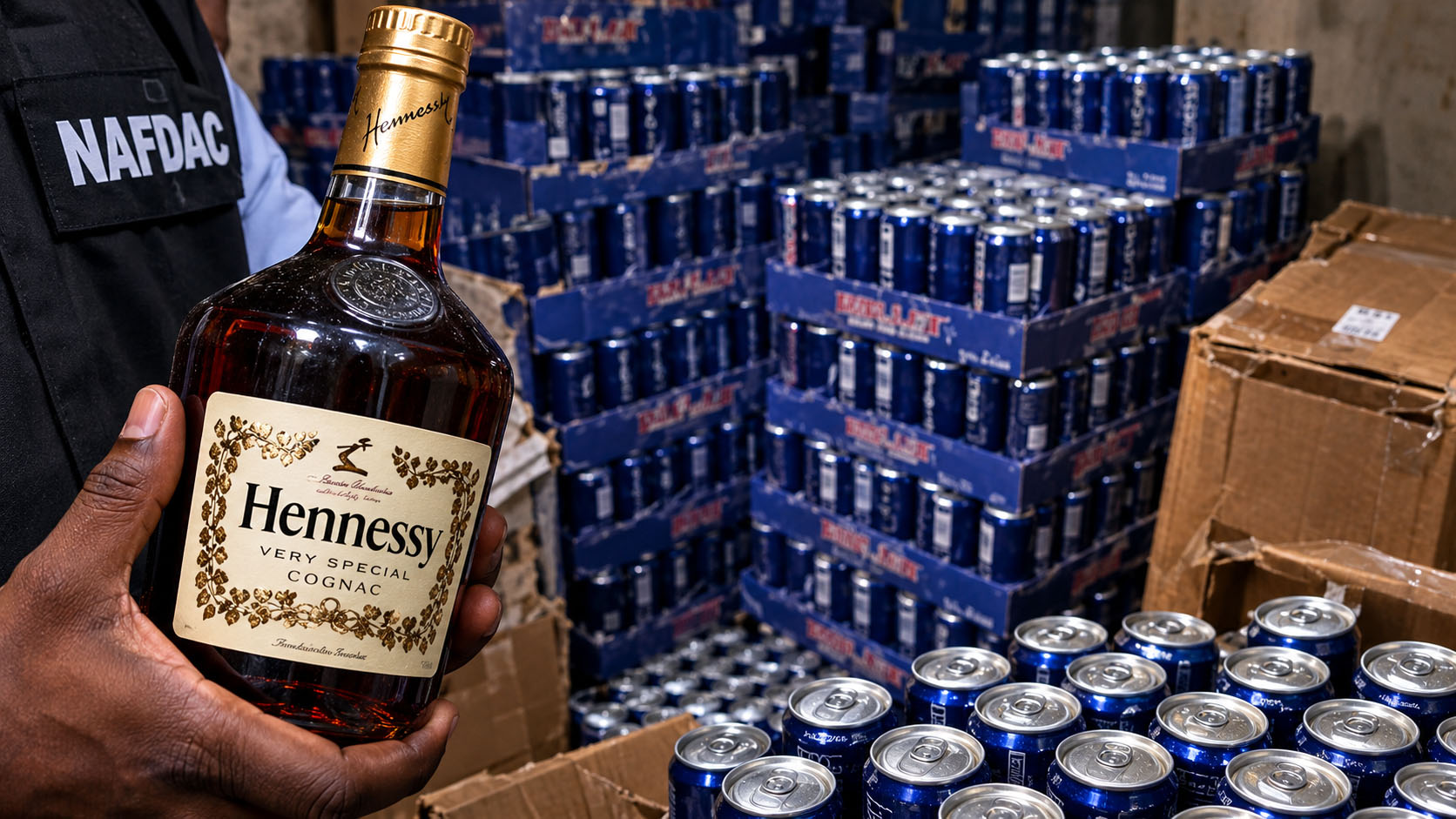
NAFDAC Seizes Fake Drinks Worth Over ₦2bn at Lagos Trade Fair Complex
The National Agency for Food and Drug Administration and Control (NAFDAC) has uncovered a suspected large-scale counterfeit alcoholic beverage operation at the Lagos International Trade Fair Complex, seizing products reportedly valued at more than ₦2 billion.
The operation, conducted on Tuesday, October 13, 2026, followed intelligence reports about suspected illegal activities within the commercial complex.
The raid reportedly led to the discovery of more than 20 illegal stores allegedly used for the production and distribution of counterfeit alcoholic beverages and other prohibited activities.
According to reports on the operation, the facilities were concealed within makeshift stores originally designated as parking spaces within the complex.
During the exercise, NAFDAC officials reportedly discovered individuals allegedly involved in blending and counterfeiting popular alcoholic beverage brands, revalidating expired and unsafe drinks for resale, and stockpiling banned imported products.
Two suspects were reportedly apprehended during the operation, while the seized products were evacuated from the premises.
The discovery has raised concerns about the possible circulation of counterfeit, expired and unsafe alcoholic beverages in Nigerian markets, particularly products repackaged to appear genuine.
READ ALSO:
- Cosmetics Top Fake Products as NAFDAC Seals 179 Establishments, Arrests 52
- Nigeria Secures UN Human Rights Council Seat With 172 Votes
- Houthi Missile Targeting Riyadh Shot Down as Debris Injures Four, Damages 15 Homes
NAFDAC has repeatedly warned that the consumption of adulterated or unsafe beverages could expose consumers to serious health risks.
The agency urged members of the public to remain vigilant and report suspected cases of illegal manufacturing, relabelling, revalidation and sale of regulated products.
Consumers were also advised to exercise caution when purchasing alcoholic beverages, particularly products with suspicious packaging, questionable expiry dates or other signs of tampering.
NAFDAC provided its official complaints line, 0800-1-NAFDAC (0800-1-623322), for members of the public to report suspected violations.
The latest enforcement action forms part of the agency’s efforts to combat counterfeit and substandard products and protect public health.
Investigations are expected to establish the full extent of the alleged activities and identify other individuals who may be connected to the suspected distribution network.
NAFDAC Seizes Fake Drinks Worth Over ₦2bn at Lagos Trade Fair Complex
-

 Auto2 days ago
Hyundai Unveils Mufasa, Grand Creta SUVs to Strengthen Nigeria Line-up (Updated)
-

 metro2 days ago
Horror in Sokoto: Bandits Intercept Vehicle, Massacre All Passengers Returning from City
-

 Education3 days ago
NELFUND Warns Schools: Student Loans Are Voluntary, Not Compulsory
-

 metro2 days ago
Nigerian Journalist Sentenced to 4 Years Over Facebook Post Criticising Police
-
 metro2 days ago
Fourth Gas Leak in Six Months: Over 100 Ogun Pupils Hospitalised, Schools Shut as Parents Panic
-
 metro2 days ago
Bauchi Mosque Removes Imam After Tinubu Campaign, Rejects Proposal to Rename Mosque
-

 metro3 days ago
Ebola Scare: NSCIA Directs Imams to Intensify Awareness in Friday Sermons
-
 metro3 days ago
Third Mainland Bridge Crash: 10 Injured as LASEMA Averts Train Collision in Lagos