23.6% Negative: New DNA Data Shows Paternity Doubts Remain High Among Nigerian Men - Newstrends
Connect with us

metro

23.6% Negative: New DNA Data Shows Paternity Doubts Remain High Among Nigerian Men
Published

on

23.6% Negative: New DNA Data Shows Paternity Doubts Remain High Among Nigerian Men

23.6% Negative: New DNA Data Shows Paternity Doubts Remain High Among Nigerian Men

New laboratory data reveals 23.6% negative paternity results, with firstborn sons most affected—but experts warn against misinterpreting the figures as a national prevalence rate.

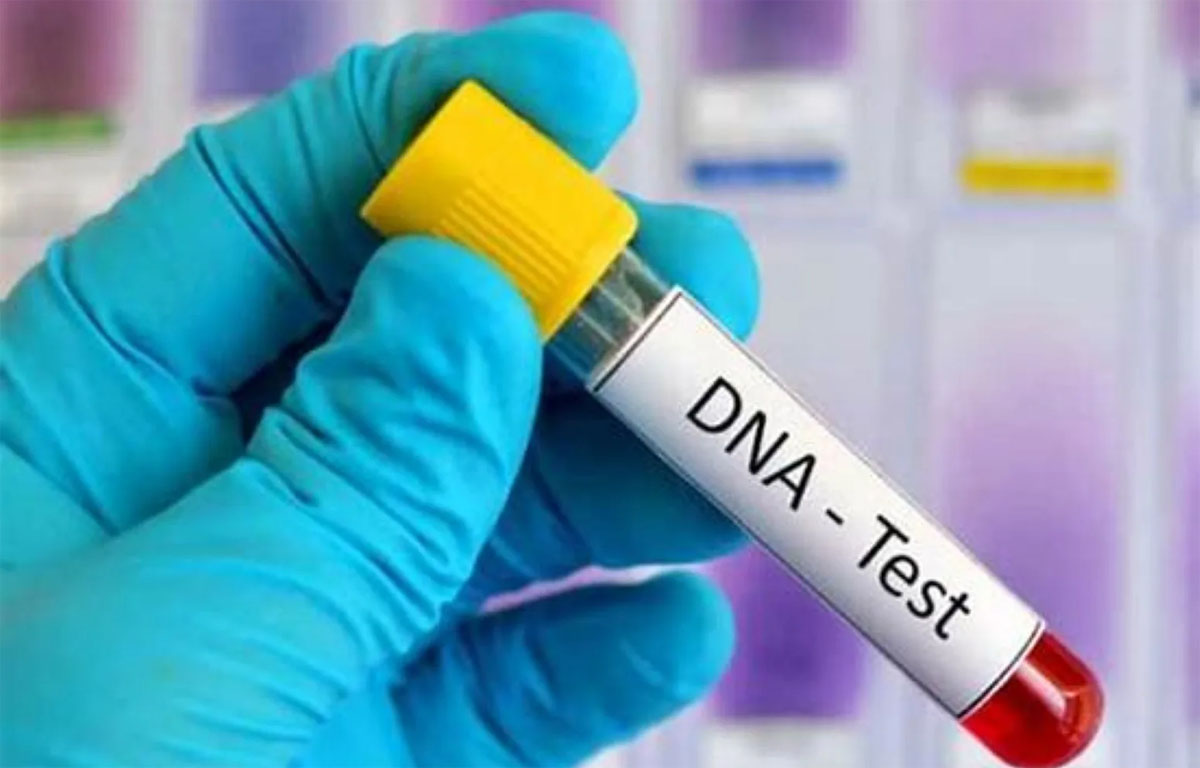
A new DNA testing report has revealed that nearly one in four paternity tests conducted in Nigeria returned negative results during the 2025/2026 reporting period, meaning the tested man was not the biological father. The data, released by Smart DNA Nigeria, shows that 23.6 per cent of recorded paternity test outcomes were negative, marking a gradual decline from 24 per cent in the preceding period and 26.1 per cent in 2023. The report has sparked widespread discussion about family dynamics, trust, and the growing role of scientific evidence in resolving questions of biological parentage across Nigeria. However, Smart DNA has cautioned strongly against interpreting the figures as evidence that nearly one in four Nigerian fathers are unknowingly raising children who are not biologically theirs. The company stressed that its clients are people who had already developed sufficient doubts or reasons to seek DNA testing, meaning the laboratory’s client population cannot be assumed to represent Nigerian families generally.

Smart DNA’s Operations Manager, Elizabeth Digia, said many clients sought testing because they were struggling with uncertainty over biological parentage rather than responding to external pressure. “Most of the men and women who come to us are not coming because anyone told them to. They are coming because they cannot live with the question,” Digia said, stressing that paternity cases should be handled with dignity rather than sensationalism. The data shows that men are overwhelmingly driving the demand for paternity testing. Male clients accounted for 78.6 per cent of first contacts, compared with just 15.2 per cent for women. Men aged 41 and above represented the largest age group among classified male records, accounting for 48 per cent, while those aged 31 to 40 accounted for another 35.8 per cent—meaning men above 30 years constituted 83.8 per cent of the male testing population. Experts suggest this pattern may reflect both financial stability and accumulated doubts over time. Children aged five or younger represented 59.5 per cent of tested individuals, indicating that many families prefer to resolve questions surrounding biological relationships early. However, the report noted that the data could not establish exactly when doubts about parentage first arose.

READ ALSO:

One of the report’s most striking findings involves the pattern among firstborn children. Boys accounted for 56.1 per cent of negative firstborn outcomes in the latest reporting period, down from approximately 64.4 per cent in the previous period. This finding carries particular weight in a society where firstborn sons occupy an important position in family lineage, inheritance, and succession. A negative paternity result involving a first son can have implications far beyond the relationship between a couple, potentially affecting family identity, inheritance claims, and disputes over belonging. The report noted that cultural pressures around lineage and inheritance may explain why firstborn sons are twice as likely to be tested as firstborn daughters.

Lagos State continues to dominate Nigeria’s DNA testing landscape, accounting for an overwhelming 75.1 per cent of all classified cases, rising from 69 per cent in the preceding period. Within Lagos, the Mainland accounted for 61.6 per cent of cases with specific location classifications, with Lekki recording the highest number of named locations, followed by Ajah, Ikorodu, Yaba, and Ikeja. Outside Lagos, Ogun recorded the highest testing activity, followed by Delta, Oyo, Rivers, Enugu, Edo, Abuja, Imo, and Kwara. The report noted that testing activity outside Lagos increased during the period, suggesting that awareness and demand for DNA testing are gradually spreading across other parts of the country. The ethnic distribution of clients was led by Yoruba at 52.6 per cent, followed by Igbo at 29.1 per cent, Edo at 5.8 per cent, and a combined 5.4 per cent for Delta, Ijaw, Isoko, Urhobo, and Itsekiri groups. The Hausa accounted for just 1 per cent. Smart DNA said the figures reflected its geographical and client base rather than differences in paternity behaviour among ethnic groups.

The report revealed a notable shift in the reasons Nigerians sought DNA testing. Peace of Mind tests—private, self-initiated tests undertaken outside legal, immigration, or court proceedings—increased from 83.7 per cent to 87 per cent of recorded cases. This suggests that private investigations into biological parentage now account for most of the laboratory’s recorded cases, driven primarily by personal uncertainty rather than legal or immigration requirements. Immigration-related DNA testing fell from 13.1 per cent to 9.7 per cent, while legal tests accounted for only 1.9 per cent of cases. A year earlier, the report had highlighted a surge in immigration-related DNA testing to 13.1 per cent, reflecting Nigeria’s emigration trend popularly dubbed the “Japa” phenomenon, where families sought DNA documentation for children’s foreign relocation. The current decline suggests that broader awareness and access may now be driving demand. Smart DNA’s Marketing Manager, Chukwudi Eze, offered a perspective that invites a more balanced reading of the numbers. He noted that the focus should not only be on the “one in four” negative results but also on the fact that three out of every four men tested were confirmed as the biological fathers. “The number people talk about is one in four. But the number they should be talking about is three in four,” Eze said.

The Smart DNA report has also reignited calls for legal reform. Digia lamented the absence of specific laws in Nigeria addressing paternity fraud, a legal gap that leaves many men without recourse after discovering they are not the biological fathers of children they may have raised for years. “Nigeria lacks specific paternity fraud laws, unlike South Africa, leaving men with little legal recourse after years of financial responsibility for children proven not to be theirs,” she said. Legal scholars have similarly pointed to the fragmented and outdated nature of Nigeria’s parentage framework. The Evidence Act provides a presumption of legitimacy—a child born during a valid marriage is presumed to be the husband’s child—but this presumption can be rebutted through DNA testing. However, section 37 of Nigeria’s 1999 Constitution protects citizens’ right to privacy, creating a barrier to compulsory DNA testing. The absence of a comprehensive Parentage and Paternity Act, the lack of civil remedies or criminal sanctions for fraudulent mothers, weak birth registration systems, and insufficient protection of a child’s right to identity remain major challenges. Some legal scholars have called for constitutional amendment to permit court-ordered DNA testing, criminalisation of deliberate misattribution, and robust civil remedies for victims. Digia has also advocated for reforms that include integrating DNA testing into family health and premarital counselling programmes, as well as nationwide public awareness campaigns aimed at correcting misconceptions around DNA testing.

Experts have urged men who receive negative results to avoid directing anger or blame at children, who have no control over the circumstances surrounding their birth or the decision to conduct a test. A child who suddenly becomes the focus of a dispute over biological parentage may experience rejection, confusion, and emotional distress, particularly if the result contributes to the breakdown of the parents’ relationship. The report maintained that while DNA testing could provide highly accurate answers to biological questions, it could not independently explain the social, cultural, economic, or relationship circumstances that led families to seek such tests. It urged the public to rely on evidence rather than rumours or sensational claims when discussing paternity testing and family relationships in Nigeria.

Despite the decline from 26.1 per cent in 2023 to 24 per cent in 2024/2025 and 23.6 per cent in 2025/2026, the figures show that questions surrounding paternity remain a significant reason Nigerians turn to DNA technology. The data also point to a broader change in how Nigerians resolve questions of biological identity. As testing becomes more accessible and awareness grows, the trend could become more pronounced. For Smart DNA, the latest figures represent more than laboratory statistics. They reflect an increasing number of Nigerians turning to scientific evidence when uncertainty about biological fatherhood becomes difficult to live with. And while the negative-result rate has declined for three consecutive reporting periods, its persistence above 20 per cent ensures that paternity testing will remain an emotionally charged issue for Nigerian families.

23.6% Negative: New DNA Data Shows Paternity Doubts Remain High Among Nigerian Men

Loading

metro

Two Killed, Three Officers Injured as Gunmen Attack Police Patrol in Osun
Published

on

Two Killed, Three Officers Injured as Gunmen Attack Police Patrol in Osun
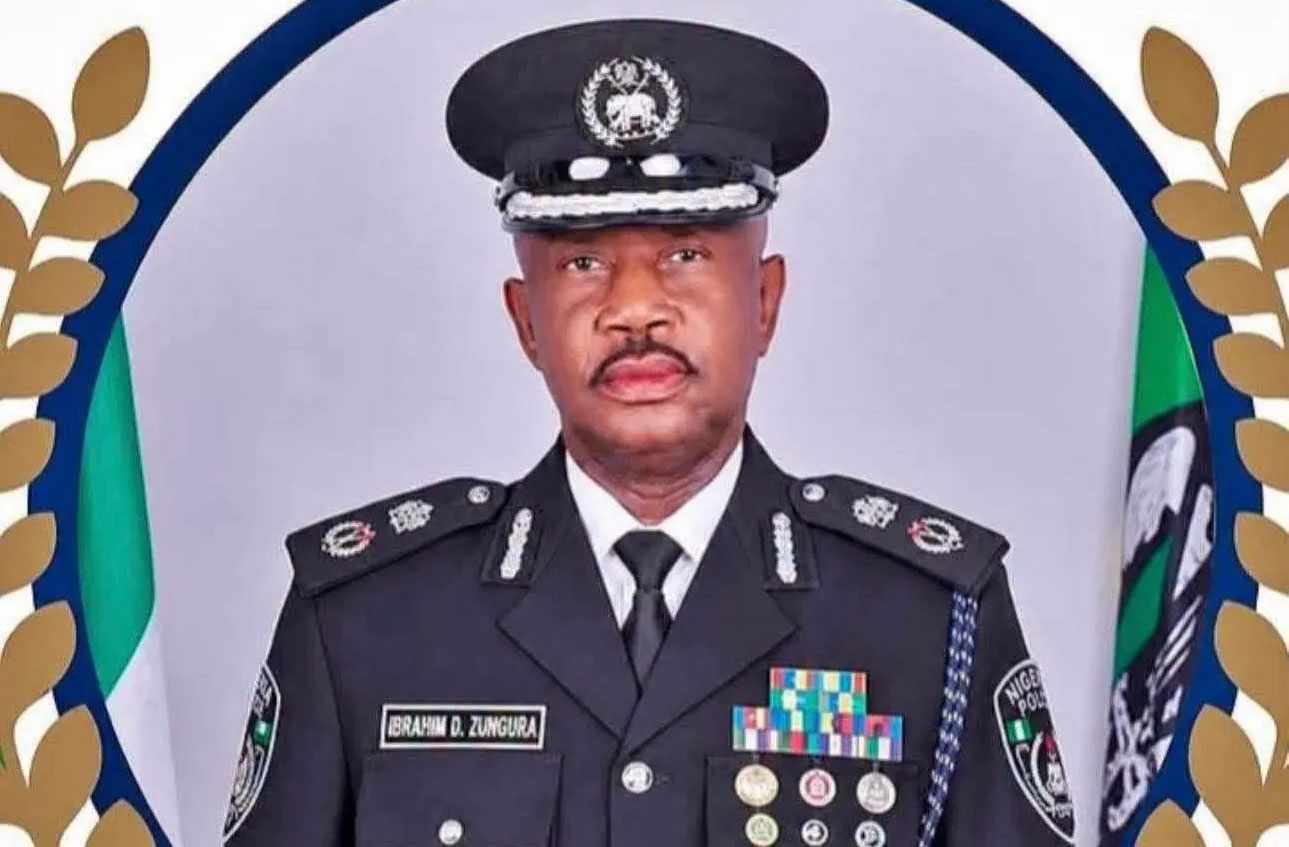
Osun State Commissioner of Police, CP Ibrahim Zungura

Two Killed, Three Officers Injured as Gunmen Attack Police Patrol in Osun

Two civilians have been killed while two police officers sustained serious injuries after suspected political thugs attacked a police patrol team along the Ibadan-Ife Expressway in Osun State, triggering a war of words between political parties over the violence.

The attack occurred at approximately 11:00 a.m. on Monday when officers from the Ikire Divisional Police Headquarters, accompanied by the Divisional Police Officer (DPO), responded to a distress call over the alleged abduction of a man identified simply as Sunkanmi. According to the Osun State Police Command Public Relations Officer, DSP Abiodun Ojelabi, the officers came under sudden gunfire from unidentified hoodlums shortly after arriving at the location. The assailants reportedly opened fire on the officers while they were inside their operational vehicle and succeeded in dispossessing them of an AK-47 service rifle. The hoodlums allegedly used the stolen rifle to shoot indiscriminately, killing two civilians in the process.

The victims were identified as 49-year-old Nurení Sobowale from Odeda Area of Abeokuta and 43-year-old Saheed Akinrole of Adeagbo Compound, Ikire. Two police officers also sustained serious injuries during the attack and were initially taken to a nearby hospital for emergency treatment before being transferred to the University College Hospital (UCH), Ibadan, for further medical attention. The attackers reportedly drove away in the police patrol vehicle but later abandoned it. The vehicle was subsequently recovered with several bullet holes and a shattered windscreen. Nine spent ammunition shells were recovered at the scene and secured for forensic analysis, according to the police. The remains of the two victims were deposited at the Oluyoro Catholic Mortuary, while their families were informed of their deaths.

READ ALSO:

The incident has triggered a war of words between political parties in the state. The All Progressives Congress (APC) accused Governor Ademola Adeleke of failing to protect residents, alleging that armed thugs linked to the Accord Party were responsible for the attack. In a statement, the Osun APC Media Cluster coordinator, Oluwafunsho Fagbohungbe, said: “This was not a mere street brawl. It was a calculated, armed attack on public safety and constitutional authority. When the Divisional Police Officer of the Irewole Police Division responded to a distress call after an APC member was abducted and taken to a motor park for torture, these hoodlums turned their weapons on law enforcement. Officers were assaulted, and service rifles were snatched from police personnel.” The APC also called on the Inspector‑General of Police to deploy maximum force to reclaim Ikire, secure all local government secretariats, and recover all stolen police weapons. It further alleged that the violence was coordinated and sponsored by Senator Lere Oyewumi, the Deputy Senate Minority Leader.

However, the Accord Party rejected the APC’s account and blamed the incident on the Divisional Police Officer (DPO) of Irewole Division, Mr Bamidele Olatona. The state Chairman of the party, Mr Victor Akande, alleged that the DPO opened fire at the motor park without provocation. “Eyewitness accounts confirm that the Divisional Police Officer of Irewole Division, Mr Bamidele Olatona, personally stormed the public garage and opened fire sporadically into a crowd of unarmed civilians,” Akande said. He denied that there was any attempt by a group to take over the motor park, insisting that normal activities were ongoing before the incident.

While police confirmed two deaths, the APC claimed that five people—three commercial drivers and two passers‑by—were killed in the melee. The Coalition of Civil Society Organisations for Good Governance also alleged that five people were killed, while the Ikire Concerned Youths put the death toll at two, including a commercial bus driver and a passenger. These conflicting accounts could not be independently verified. The violence reportedly erupted over an alleged attempt to take control of the Naira and Kobo Motor Park in Ikire, with rival groups of commercial transport workers allegedly aligned with different political parties. Sources said drivers loyal to one party had been in control of the park until drivers from another party arrived and attempted to take over the facility.

Osun State Commissioner of Police, CP Ibrahim Zungura, who visited the scene shortly after assuming duty, ordered a comprehensive investigation into the attack. He directed the Deputy Commissioner of Police in charge of the State Criminal Investigation Department to lead the probe and ordered the immediate deployment of tactical and intelligence personnel to the area to identify, track, and arrest those responsible. The command condemned the attack and the killing of the two civilians, urging residents along the affected axis to remain calm and vigilant. It also appealed to members of the public with useful information about the attackers to report to the nearest police station. The police assured residents that security operations had been intensified along the Ibadan-Ife Expressway and other parts of the state to restore normalcy and prevent further attacks.

Two Killed, Three Officers Injured as Gunmen Attack Police Patrol in Osun

Loading

Continue Reading

metro

IGP to launch NPF Vigilant App, MTN CUG Network to strengthen tech-driven policing
Published

on

IGP to launch NPF Vigilant App, MTN CUG Network to strengthen tech-driven policing
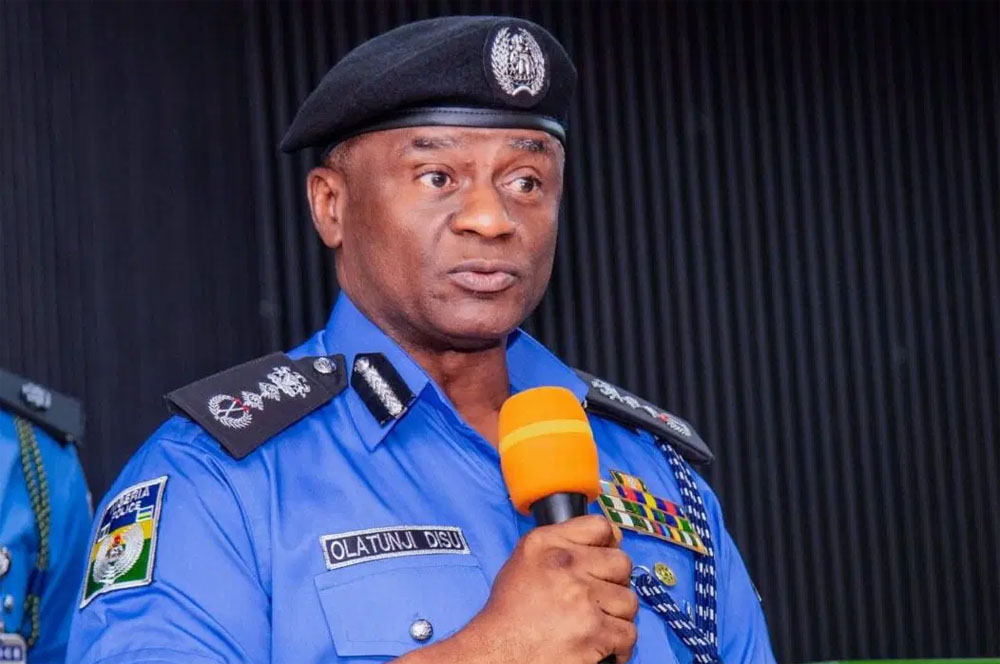
Inspector-General of Police, IGP Olatunji Disu

IGP to launch NPF Vigilant App, MTN CUG Network to strengthen tech-driven policing

The Inspector-General of Police, IGP Olatunji Disu, is set to launch the Nigeria Police Force (NPF) Vigilant App and the MTN Closed User Group (CUG) Network as part of efforts to strengthen technology-driven policing and improve communication within the Force.

The two initiatives will be officially launched on Tuesday, September 1, 2026, at the Nigeria Police Resource Centre in Abuja, according to the Nigeria Police Force.

The Force Public Relations Officer, CSP Ani Iniedu, announced the planned launch in a statement issued on Monday.

The NPF Vigilant App is designed to improve communication, information sharing and engagement between the Nigeria Police Force and members of the public.

The digital platform is expected to provide an additional channel through which the Police can interact with citizens and improve the flow of relevant information between law enforcement and the communities they serve.

The MTN CUG Network, on the other hand, is being introduced as a dedicated communication platform for Nigeria Police personnel.

READ ALSO:

The network is expected to facilitate faster and more efficient internal communication, helping police personnel communicate and coordinate more effectively in the course of their duties.

The Police said the two initiatives form part of IGP Disu’s broader effort to deploy modern technology and strategic partnerships to improve policing and strengthen coordination across the Force.

According to the Force, improved communication and information flow are critical to enhancing operational effectiveness, particularly as policing becomes increasingly dependent on timely access to information and coordination among personnel.

The planned launch also underscores the Police leadership’s focus on digital transformation and innovation as tools for addressing contemporary security challenges and improving the delivery of security services.

Through the Vigilant App, the Force is seeking to deepen its engagement with members of the public, while the MTN CUG Network is expected to strengthen communication among officers and other personnel.

The Police said the initiatives would contribute to more efficient information flow within the organisation and support improved coordination of security operations.

The move comes amid continuing efforts by the Nigeria Police Force to modernise its operations and adopt technology-based solutions to improve public safety.

The Force has increasingly highlighted the importance of collaboration between law enforcement and communities, particularly in improving the exchange of information that can assist policing and security efforts.

The planned September 1 launch is therefore expected to mark another step in the Police’s drive towards a more digitally connected and responsive organisation.

The Force reaffirmed its commitment to adopting technology, innovation and strategic partnerships to enhance operational effectiveness and provide more responsive and people-centred policing to Nigerians.

The launch of the NPF Vigilant App and MTN CUG Network will formally introduce the two initiatives as part of the Force’s ongoing efforts to improve both public engagement and internal communication.

IGP to launch NPF Vigilant App, MTN CUG Network to strengthen tech-driven policing

Loading

Continue Reading

metro

Traffic Alert: Lagos Announces Diversion as Oke-Afa Bridge Undergoes Rehabilitation 
Published

on

Traffic Alert: Lagos Announces Diversion as Oke-Afa Bridge Undergoes Rehabilitation

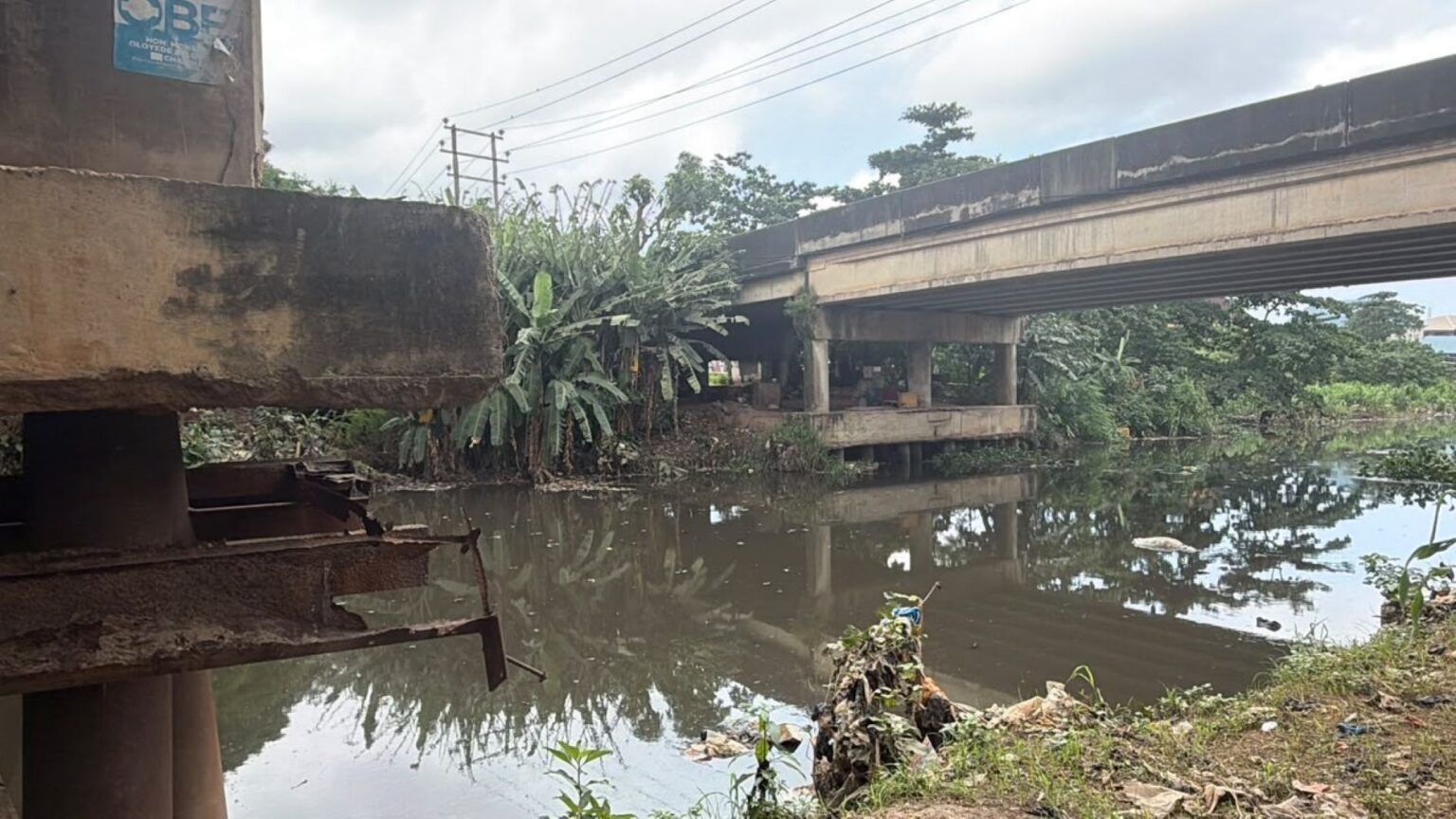
Motorists plying the Oke-Afa Bridge in Isolo will face phased traffic diversions from Friday, August 28, as the Lagos State Government announces a three-week traffic management plan to facilitate the rehabilitation of the bridge.

The rehabilitation, scheduled to run from August 28 to September 18, 2026, will be executed in two phases to minimise disruption and keep traffic moving around the busy Isolo-Ejigbo axis.

The Commissioner for Transportation, Mr. Oluwaseun Osiyemi, announced the traffic plan in a statement on Monday, urging motorists to plan their journeys ahead and comply with directives from traffic management personnel.

According to him, the first phase will run from August 28 to September 11 and cover the outbound Isolo-to-Ejigbo section of the bridge.

During the period, motorists travelling from Isolo towards Ejigbo will be diverted onto the Isolo-bound carriageway from Pako Roundabout, where traffic will operate in both directions before rejoining the main carriageway at Mobil Filling Station.

Motorists travelling from Ejigbo towards Isolo will retain access to their route but will share the carriageway with Ejigbo-bound vehicles between Mobil Filling Station and Pako Roundabout. They will regain full access to the road after the roundabout.

The second phase will commence on September 12 and end on September 18, covering the inbound Isolo section of the bridge from Ejigbo.

Osiyemi said motorists travelling from Ejigbo towards Isolo would, during the second phase, be diverted onto the Ejigbo-bound carriageway from Mobil Filling Station, with traffic moving in both directions before rejoining the main carriageway at Pako Roundabout.

READ ALSO:

Traffic from Isolo will continue to move while sharing the carriageway with Isolo-bound vehicles between Pako Roundabout and Mobil Filling Station, after which motorists will regain full access.

The commissioner said the temporary closure and diversions were necessary to enable the rehabilitation works to proceed safely and efficiently.

He explained that the project is being undertaken by the Federal Ministry of Works, through the Office of the Federal Controller, Lagos, in collaboration with Messrs. Strabic Construction Limited.

To minimise congestion and ensure smooth traffic flow, Osiyemi said the Lagos State Traffic Management Authority (LASTMA) would deploy personnel to the affected axis throughout the rehabilitation period.

He added that an emergency tow vehicle would also be stationed in the area to promptly remove broken-down vehicles and prevent avoidable obstruction.

The commissioner appealed to motorists to exercise patience, obey traffic management directives and make appropriate adjustments to their travel plans during the three-week period.

He assured road users that the traffic management measures were designed to minimise inconvenience while allowing the rehabilitation of the strategic bridge to progress without unnecessary delays.


Traffic Alert: Lagos Announces Diversion as Oke-Afa Bridge Undergoes Rehabilitation

Loading

Continue Reading

Trending